

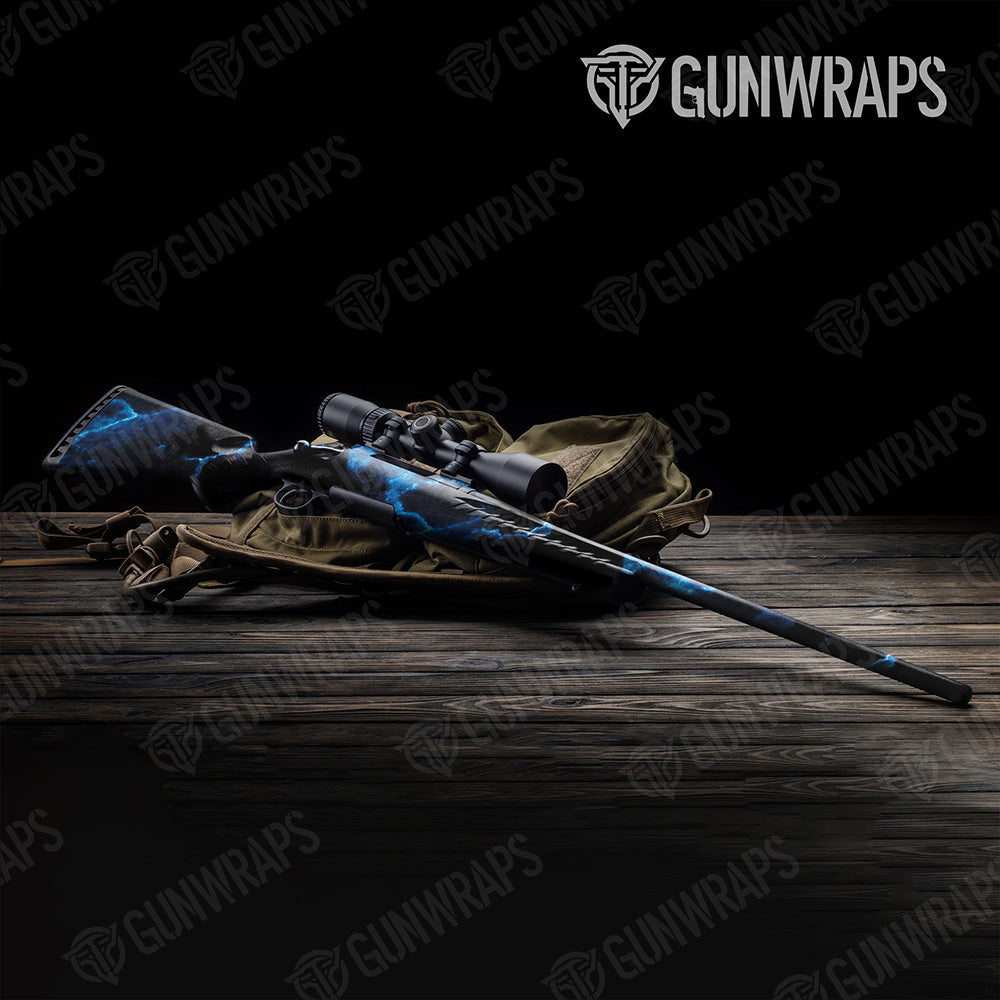

Modern gun owners are not leaving their firearms plain anymore. Whether it is an AR-15, pistol, shotgun, hunting rifle, tactical rifle, or range build, more shooters are looking for ways to make their firearm feel like their own. Some want better comfort. Some want a clean camo look. Some want a setup that matches their gear, their hunting environment, or their personal style.
That is where personalizing firearms has become a major part of the gun world. It is not just about making a firearm look different. It is about building something that fits the shooter, serves a purpose, and feels right every time it is picked up.
For DIY gun owners, wrap shops, and installers, this shift creates a huge opportunity. More people want custom-looking firearms without always paying for permanent coatings, expensive engraving, or full gunsmith-level work. That is why options like GunWraps have become a popular way to add camo, color, and personality to a firearm while keeping the process approachable.
Why Gun Personalization Is Growing
Gun owners have always found ways to make their firearms their own. Years ago, that might have meant a custom stock, a sling, a scope, or a little engraving. Today, the options are much wider. Modern shooters can change grips, add optics, swap rails, upgrade stocks, add lights, choose different finishes, or apply wraps that completely change the appearance of the firearm.
A big reason gun personalization is growing is simple: people want their gear to match how they use it.
A hunter may want a camo rifle that blends better in the woods, marsh, fields, or brush. A range shooter may want an AR-15 build that stands out from every other black rifle on the line. A shop owner may have customers asking for custom looks that feel unique without being too expensive or permanent. A DIY’er may just want a weekend project that makes their firearm look better and feel more personal.
Modern gun owners are treating firearms the same way people treat trucks, boats, tools, bows, and outdoor gear. They want something functional, but they also want it to look like it belongs to them.
Personalization Starts With Purpose
Before changing anything on a firearm, it helps to ask one question: what is the goal?
Not every firearm needs the same type of customization. A hunting rifle, home defense shotgun, AR-15 range build, and concealed carry pistol all have different uses. The best customization choices are the ones that match the firearm’s purpose.

For example, a hunting rifle may benefit from a camo wrap, sling, upgraded optic, and comfortable stock setup. A shotgun may get a wrap that fits a waterfowl or turkey hunting environment. An AR-15 may be personalized with furniture, rail accessories, optics, and a bold camo or patriotic design. A pistol may be customized with grip texture, slide accents, or a simple wrap that gives it a cleaner look.
For wrap shop owners, this is important because customers do not always know what they want. They may walk in and say, “I want this to look cool.” Your job is to help guide them toward a look that fits the firearm, the use, and their personality.
That is where personalizing firearms becomes more than decoration. It becomes a way to match the firearm to the owner.
Fit, Comfort, and Feel Still Matter
A firearm can look great, but if it does not feel right, the build is not finished.
Comfort is one of the biggest reasons gun owners customize their firearms. Adjustable stocks, improved grips, cheek risers, handguards, and grip tape can all change how a firearm feels. For rifles and shotguns, length of pull and cheek weld matter. For pistols, grip size and texture can make a big difference in control.
This is also why gun owners like modular firearms. Platforms like the AR-15 make personalization easier because so many parts can be swapped or adjusted. That does not mean every owner needs to replace everything. Sometimes small changes are enough.
For DIY’ers, the best advice is to start with comfort before chasing every upgrade. If the firearm feels awkward, fix that first. If it already feels solid, then focus on appearance, organization, and personal style.
For shops, this is a great talking point. When a customer wants a custom-looking firearm, ask how they use it. Do they hunt? Shoot at the range? Compete? Display it? Carry it? The answer helps guide the design.
Camo Is Still One of the Strongest Custom Looks
There are endless ways to customize a firearm, but camo continues to be one of the strongest choices.
Camo has a different kind of appeal. It is practical, rugged, and tied closely to hunting, outdoors, tactical gear, and American gun culture. It can be subtle or aggressive. It can blend into the woods or stand out as a bold pattern. It works on AR-15s, bolt-action rifles, shotguns, pistols, mags, scopes, stocks, handguards, and more.

For many gun owners, camo is not just a pattern. It says something about how they use their gear.


A whitetail hunter may want a woodland camo. A duck hunter may want marsh or waterfowl-style camo. A tactical rifle owner may want digital, multicam-inspired, or battle-style patterns. Someone building a showpiece may want patriotic camo, skulls, distressed graphics, or a custom pattern that gets attention.
This is where gun wraps give DIY’ers and shops a flexible option. Instead of sending the firearm out for a permanent finish, a wrap can change the look while keeping the project more manageable.
Wraps Make Customization More Accessible
One reason wraps are becoming popular in gun personalization is that they lower the barrier to entry.
Not every gun owner wants to pay for a full custom coating. Not every person wants a permanent change. Not every shop wants to take on complex finish work that requires special equipment. Wraps give both DIY’ers and professional installers another lane.
A quality gun wrap can help transform the look of a firearm without turning the project into a major gunsmithing job. It allows the owner to choose a pattern, apply it to key areas, and create a finished look that feels custom.
For wrap shop owners, firearm wraps can also be a smart add-on service. Many shops already understand vinyl, trimming, heat, stretching, surface prep, and clean installation. Those same skills can be adapted to smaller, detailed firearm applications. The work is more precise than wrapping a flat panel, but the core skills are familiar.
For DIY’ers, patience matters. Firearms have curves, edges, grooves, screws, rails, textured sections, and tight areas. The best installs come from taking your time, dry-fitting pieces, cleaning the surface properly, and avoiding overstretching the material.
Aesthetic Customization Builds Pride of Ownership
There is nothing wrong with wanting a firearm that looks good.
A lot of gun owners take pride in their builds. They research parts, compare patterns, match accessories, and plan the final look before they install anything. That is part of the fun.
Aesthetic customization can include wraps, coatings, engravings, colored parts, custom stocks, patterned grips, optic colors, and matching accessories. Some owners want a clean and simple setup. Others want something loud and different. Neither is wrong.
The key is making the build feel intentional.
A random mix of parts can look messy. A planned build looks sharp. That is why shops and DIY installers should think about the whole firearm before applying a wrap or choosing accessories. What color is the optic? What color is the sling? Is the magazine wrapped too? Does the pattern direction matter? Will the camo flow across the stock, receiver, handguard, or barrel?
Small decisions like that can make the difference between a basic install and a build that looks professionally thought out.
Performance Upgrades and Visual Upgrades Can Work Together
Some gun owners focus on performance first. Others care more about appearance. The best builds usually balance both.
Performance upgrades may include optics, triggers, barrels, stocks, grips, lights, slings, or muzzle devices. Visual upgrades may include wraps, coatings, engravings, or color-matched accessories. When done right, the two work together.

For example, a hunting rifle with a better scope and a camo wrap can be both more useful and better looking. An AR-15 with upgraded furniture and a full camo theme can feel more comfortable and look more complete. A shotgun with a wrap and improved sling setup can be better suited for the field.
The important part is knowing where each type of customization belongs. Anything that affects how the firearm functions should be handled carefully and, when needed, by a qualified professional. Wraps and visual personalization should never interfere with safety, moving parts, controls, sights, heat-sensitive areas, or the firearm’s operation.
That is a point every DIY’er and shop owner should take seriously.
Modular Builds Have Changed the Game
Modular firearm platforms have made personalizing firearms easier than ever.
With many modern rifles and tactical builds, owners can change parts without rebuilding the entire firearm. Stocks, grips, rails, handguards, optics, foregrips, and accessories can often be selected based on preference. This lets gun owners slowly build the firearm they want over time.
For wrap shops, modular builds create more opportunities. A customer may want only a handguard wrapped at first. Later, they may come back for magazines, the stock, the optic cover, or another firearm. A DIY’er may start small with a mag skin or pistol slide skin before moving into a full rifle wrap.
That is one of the biggest advantages of wraps. They do not have to be all-or-nothing. A gun owner can personalize one section, several sections, or the entire build depending on the look they want.
Customization Helps Firearms Stand Out
At the range, a lot of firearms look the same. Black rifles, black shotguns, black pistols, and standard finishes are common. There is nothing wrong with that, but many owners want something different.
A personalized firearm is easier to identify, more fun to show off, and more meaningful to the owner. This is especially true for people who put time into building it themselves.

For shops, this is where photos and content matter. A finished firearm wrap can make strong social media content, website gallery content, before-and-after posts, and customer showcase material. A sharp camo AR-15 or wrapped shotgun will usually get more attention than a plain product shot.
For DIY’ers, taking clean photos after the install is worth it. Good lighting, a clean background, and close-up detail shots help show off the work. If the build came out well, it deserves to be documented.
Tips for DIY’ers Wrapping Their Own Firearm
If you are new to firearm wraps, do not rush the first install. Smaller parts may look easy, but detail work takes patience.
Start by making sure the firearm is unloaded and safe to handle. Remove any accessories that may get in the way. Clean the surface so the vinyl has the best chance to bond. Dry-fit pieces before peeling the backing. Pay attention to pattern direction, especially with patriotic designs, logos, text, stripes, or obvious camo flow.
Use heat carefully. Too much heat can distort the vinyl or make it harder to control. Work slowly around curves and edges. Avoid covering moving parts, controls, serial numbers, safety markings, sight paths, or areas that could interfere with operation.
The goal is not just to make the firearm look different. The goal is to make it look clean, intentional, and safe to use.
Tips for Wrap Shop Owners Offering Gun Wraps
For wrap shop owners, gun wraps can be a strong niche service, especially if your shop already wraps vehicles, boats, ATVs, helmets, or other gear. The customer base is there. Hunters, tactical shooters, collectors, and firearm enthusiasts are already looking for ways to customize their gear.

The main difference is scale. Firearms require more detailed trimming, tighter edges, and more patience. Customers may also have strong opinions about pattern placement, symmetry, and how the camo flows across the build.
Set expectations before starting. Explain what areas can be wrapped cleanly, what areas should be avoided, and what kind of finish the customer can expect. Take before photos. Review the pattern with the customer. Make sure the firearm is safe and handled responsibly at every step.
If done right, firearm wraps can turn into repeat business. The same customer may want mags, another rifle, a shotgun, a pistol slide, or matching gear wrapped later.
Personalization Is Not Slowing Down
The future of firearm customization is not going backward. Modern gun owners want more options, more patterns, more comfort, and more control over how their builds look and feel.
Some will continue to invest in advanced parts, custom machining, and professional coatings. Others will look for practical, affordable ways to make their firearms stand out. Wraps fit directly into that space.
For DIY’ers, wraps make it possible to take on a custom project at home with the right preparation and patience. For wrap shop owners, they create a new service category that connects directly with hunters, shooters, and outdoor customers. For firearm owners, they offer a way to build something that feels personal without overcomplicating the process.
Final Thoughts
Personalizing firearms is about more than appearance. It is about comfort, purpose, pride, and identity. A firearm can be a tool, a hunting companion, a range build, a collector piece, or a personal project. The more it fits the owner, the more meaningful it becomes.
Gun personalization will keep growing because modern gun owners want builds that match their style and their use. Whether that means upgraded parts, better ergonomics, custom optics, or a bold camo wrap, the goal is the same: make the firearm feel like yours.
For anyone looking to add camo, color, or a custom look to an AR-15, pistol, shotgun, rifle, tactical build, or other firearm, GunWraps offers a practical way to get started. From DIY gun owners to wrap shop installers, the right wrap can turn a standard firearm into a build with personality, purpose, and a look that stands out.


