

Knife Gear Wraps


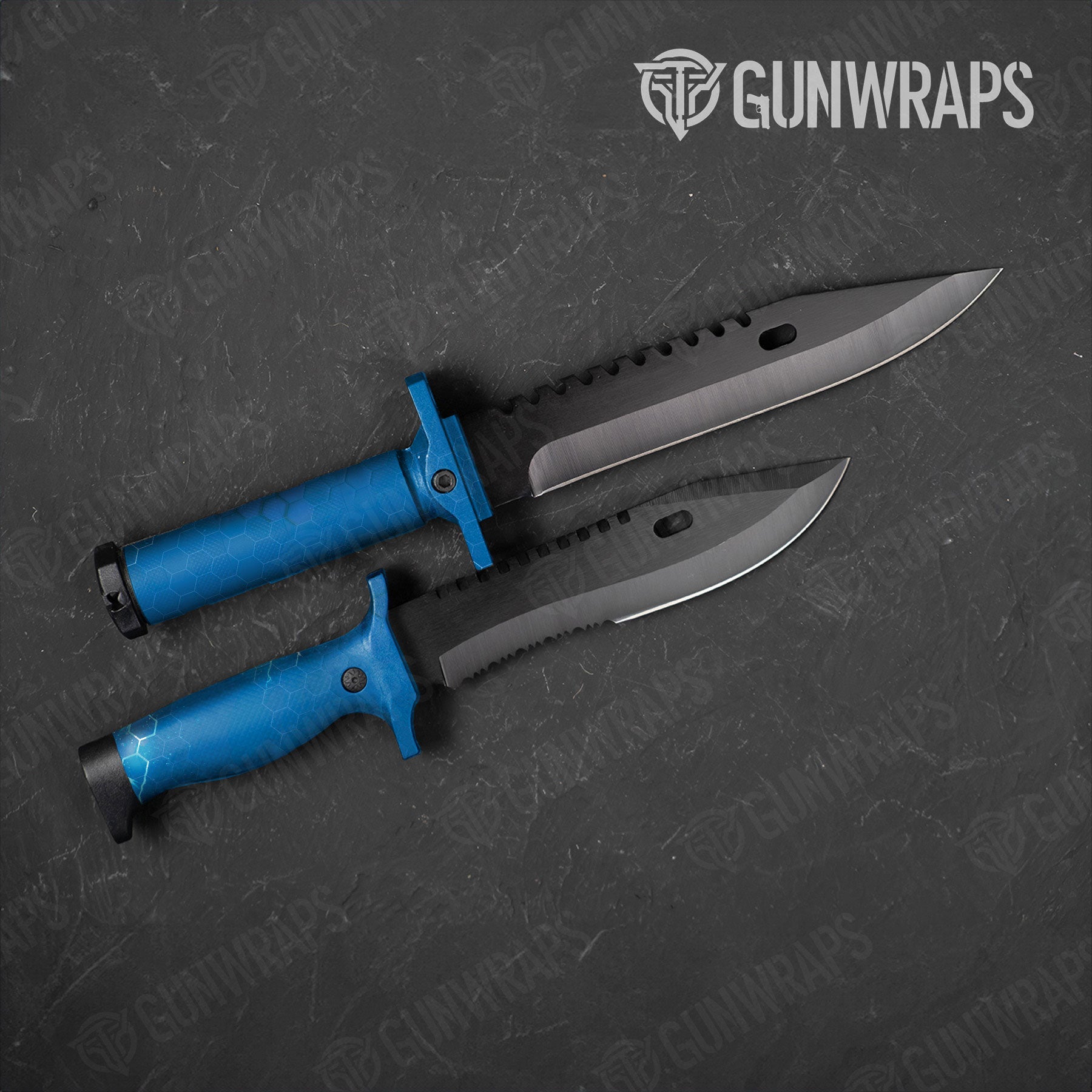
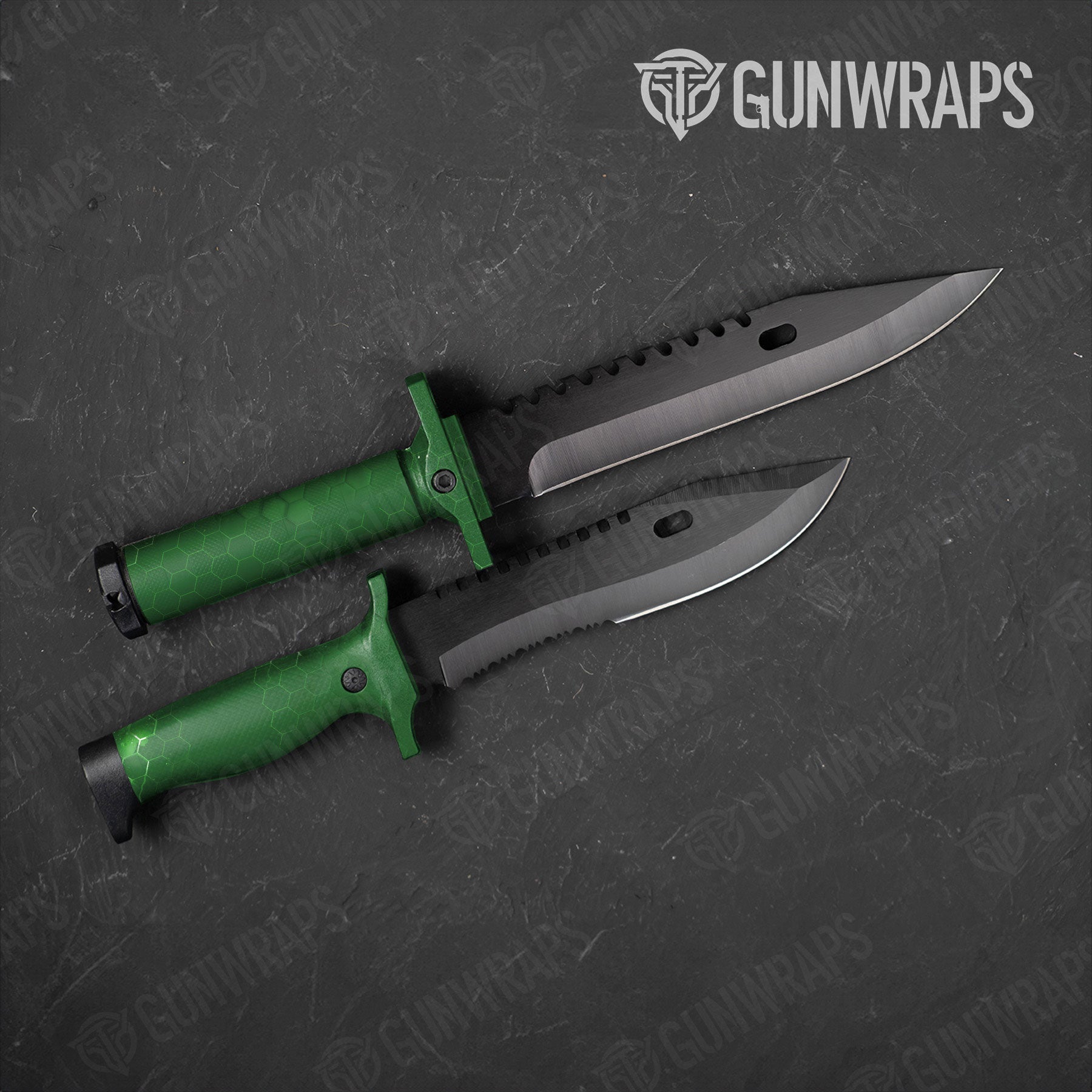
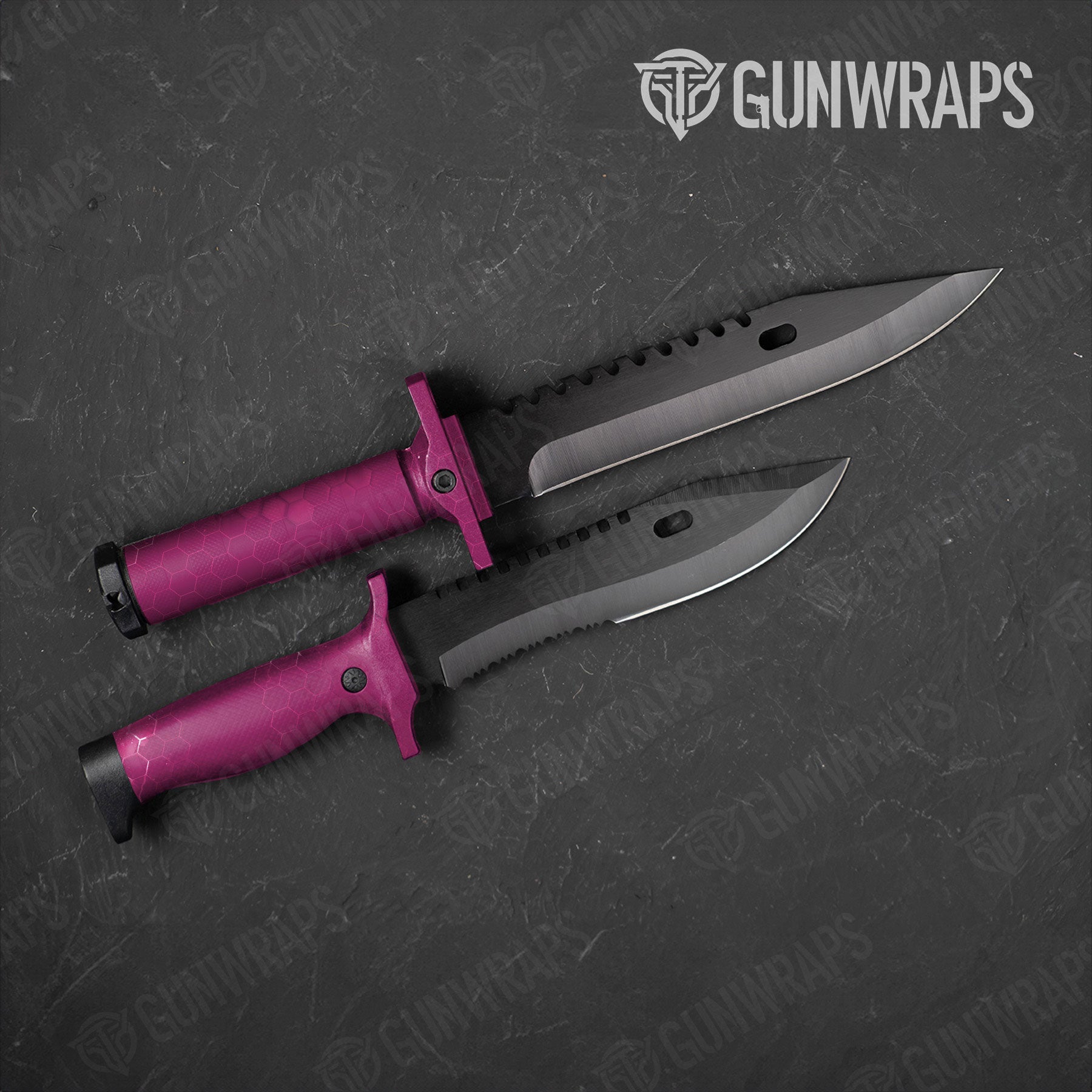

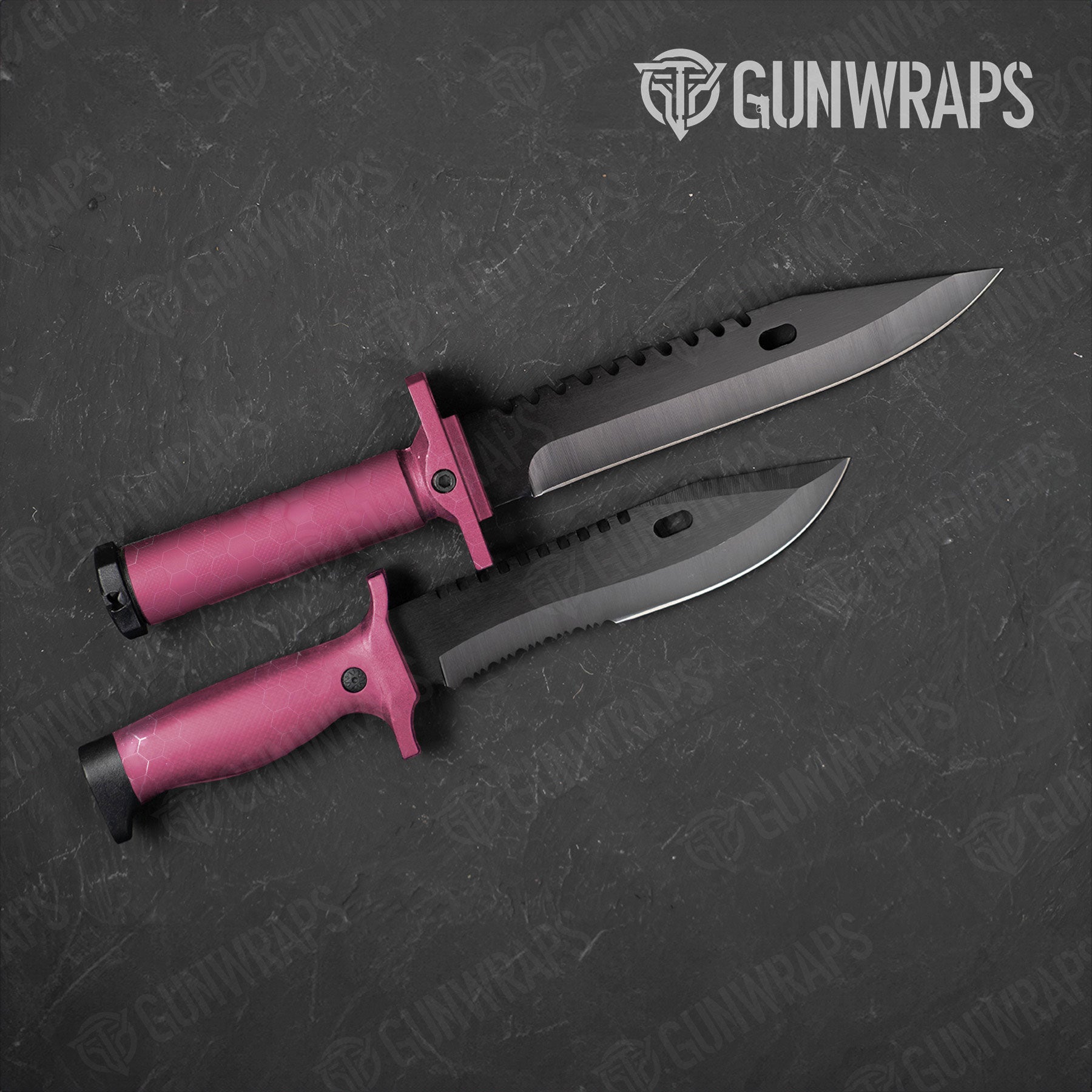
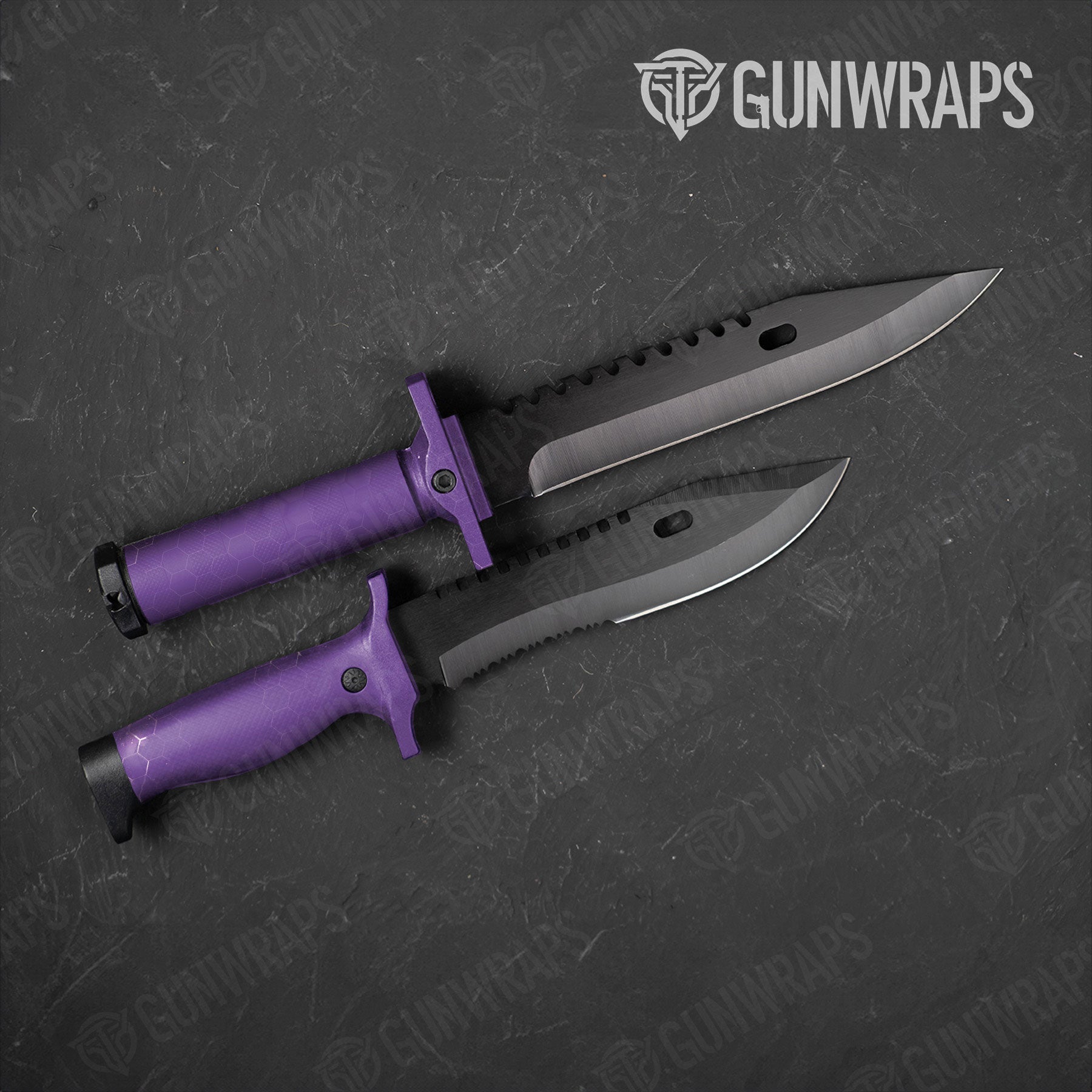
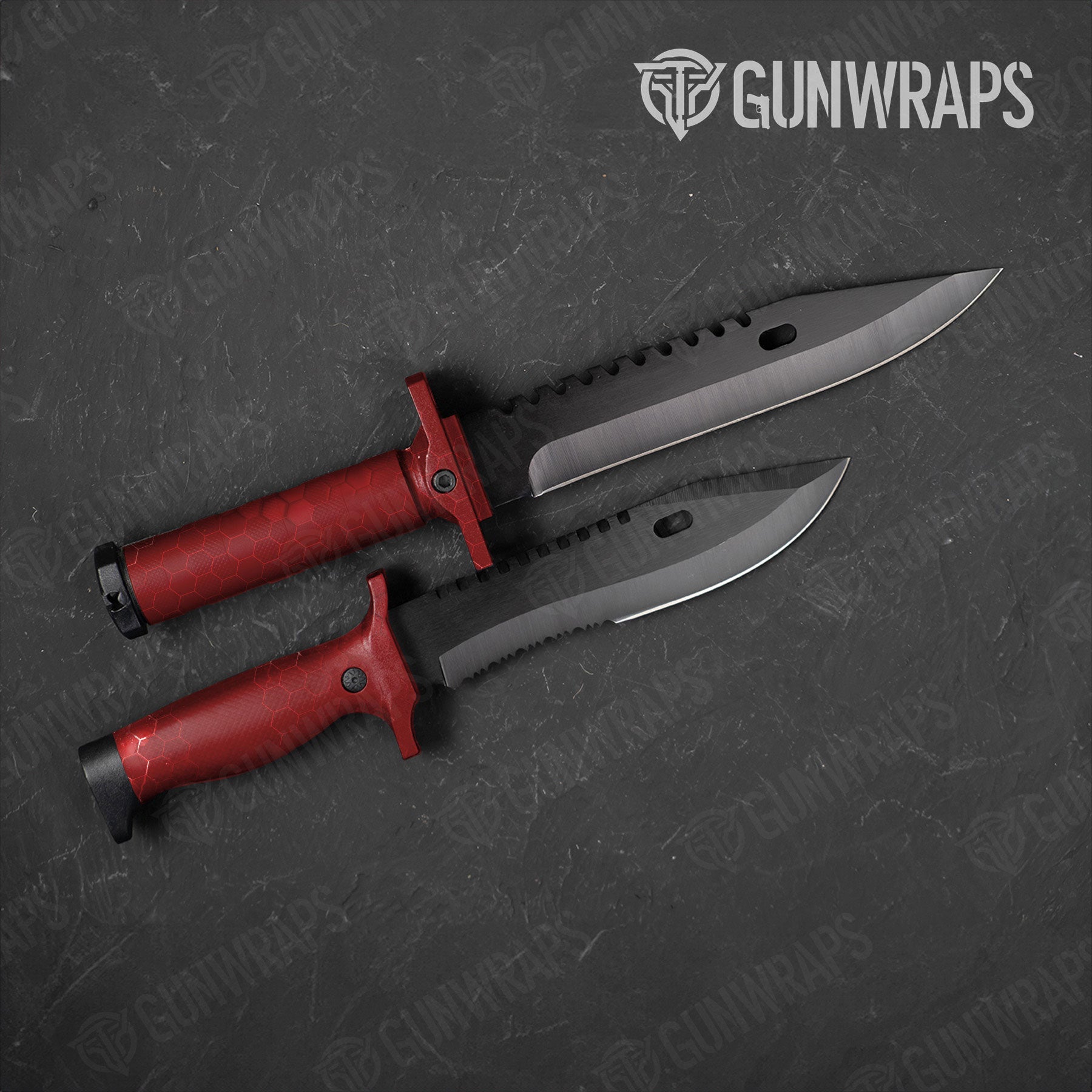
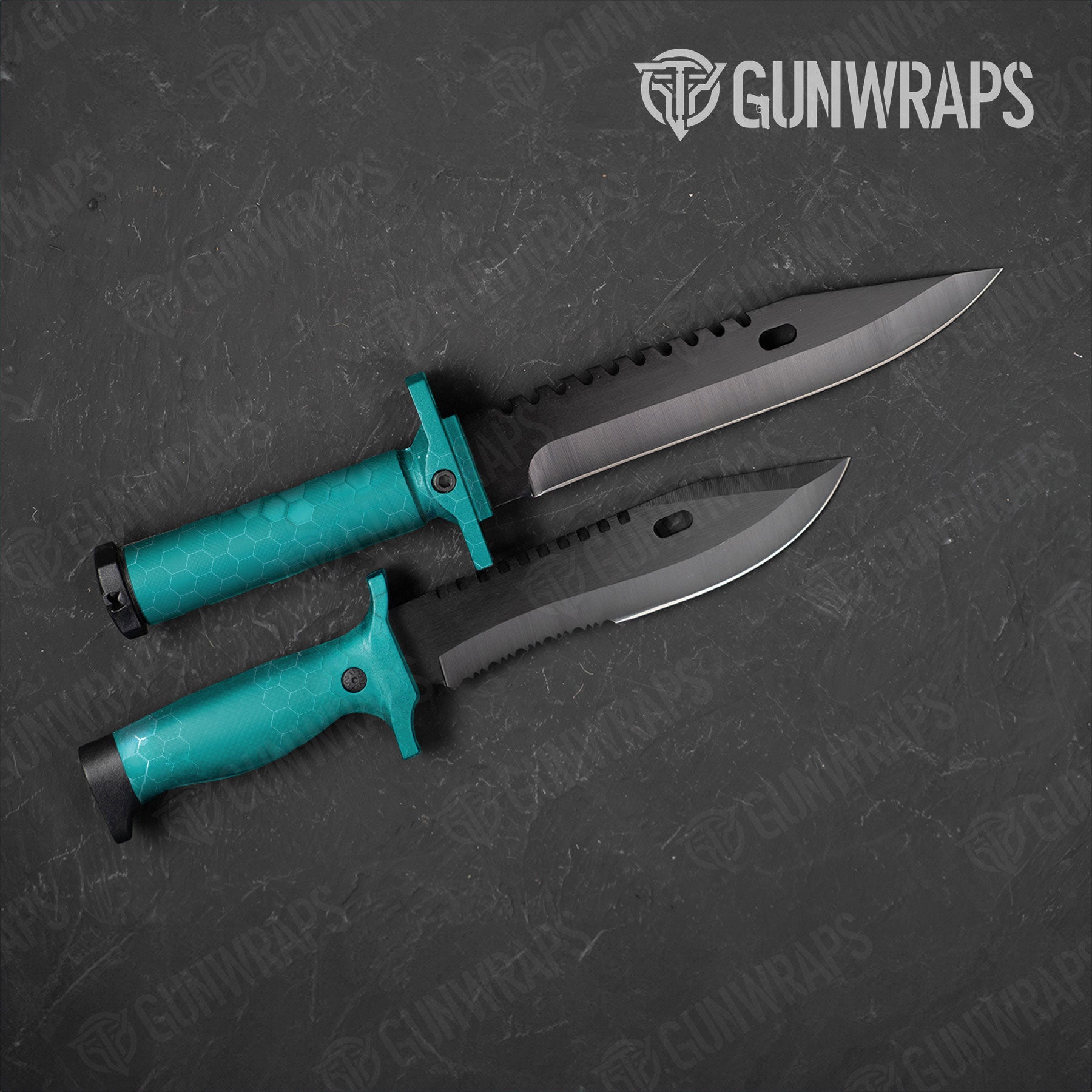

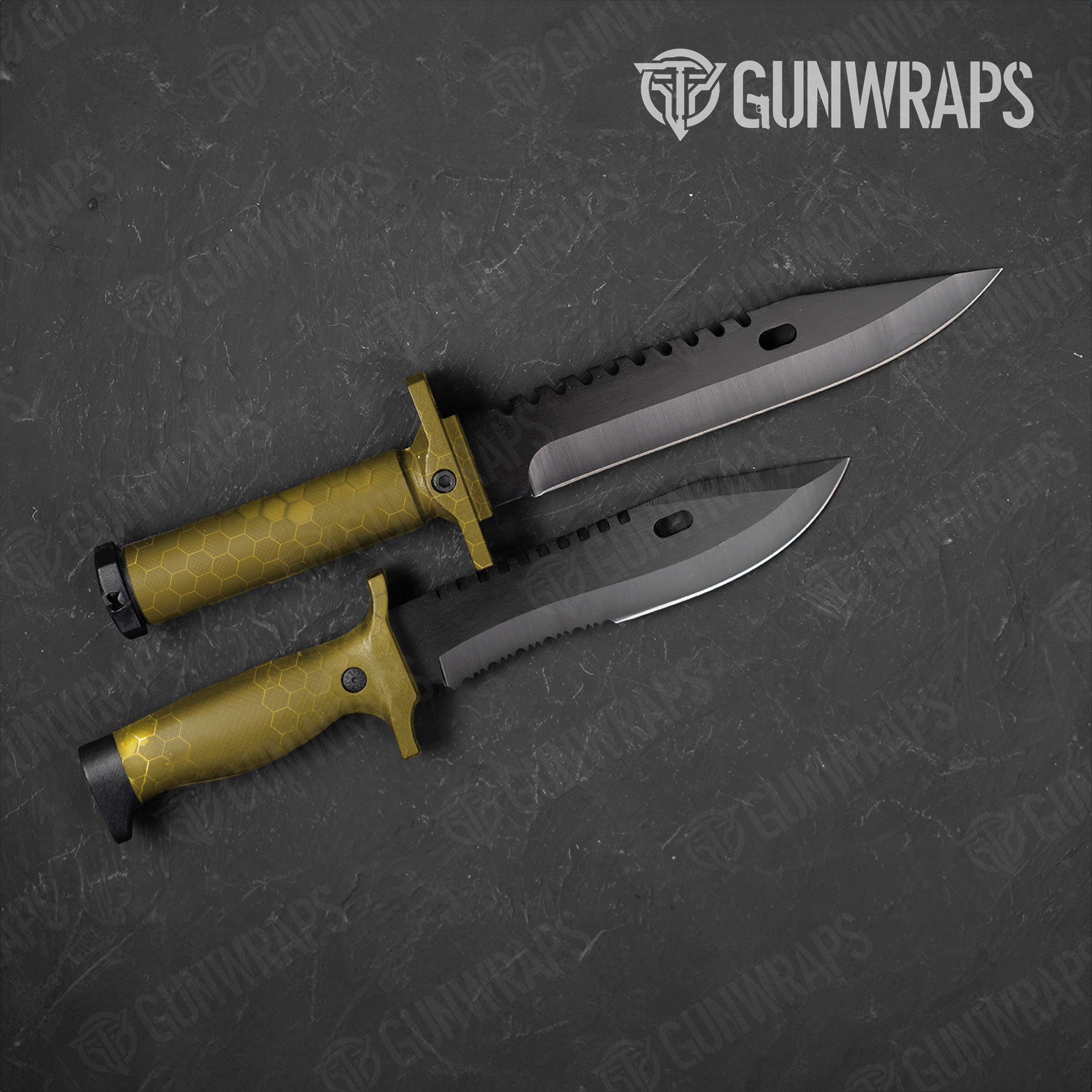


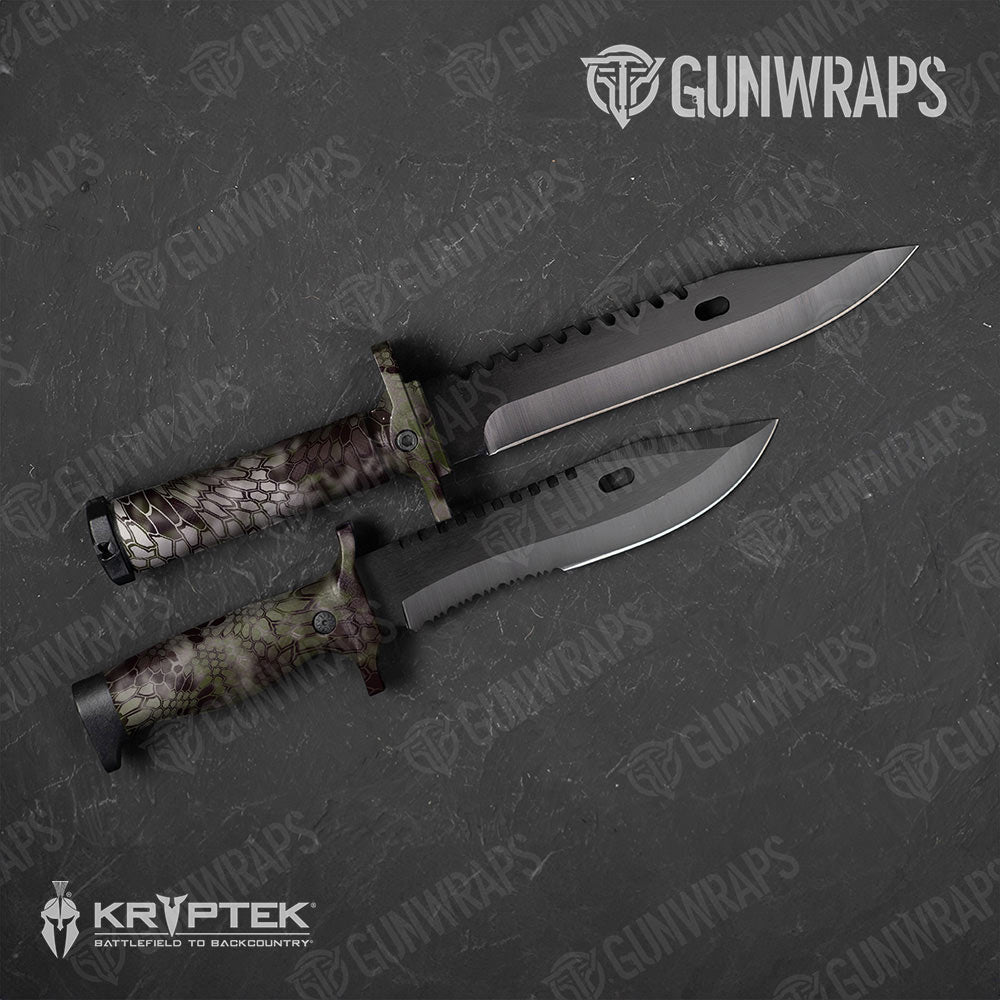
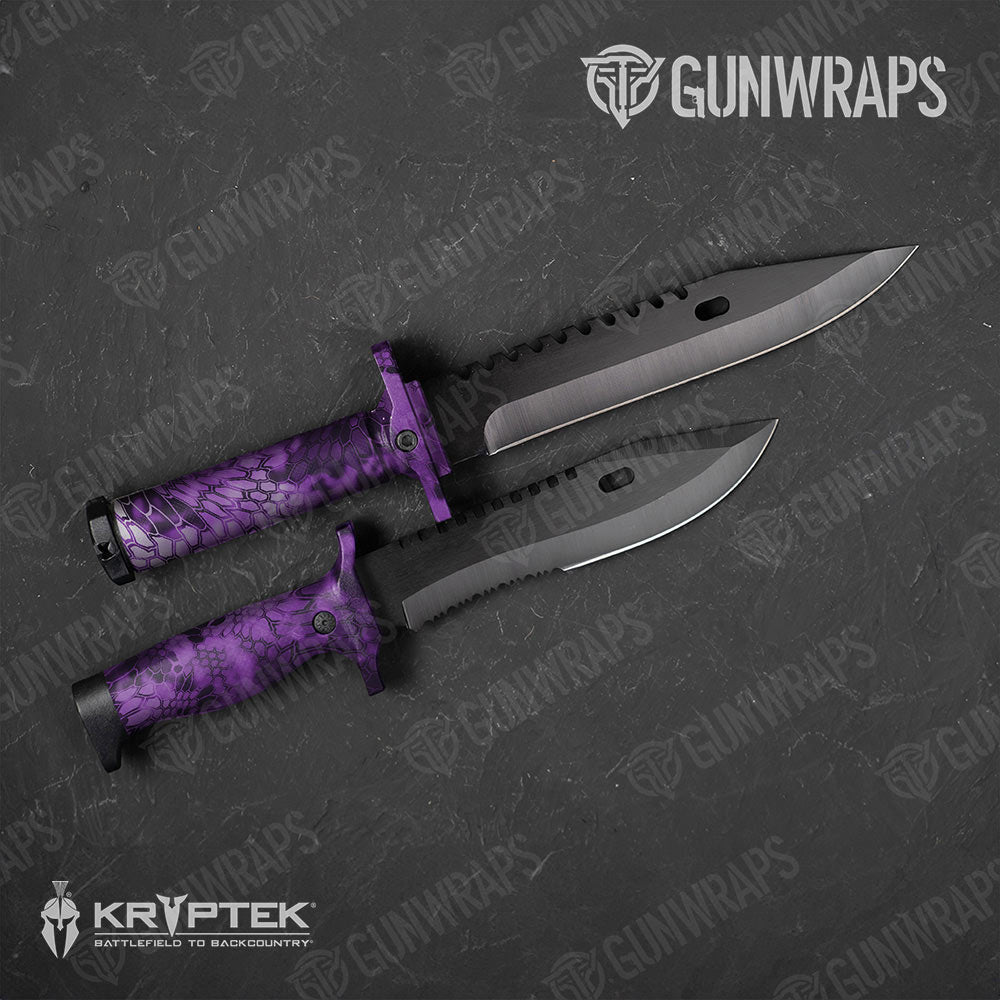

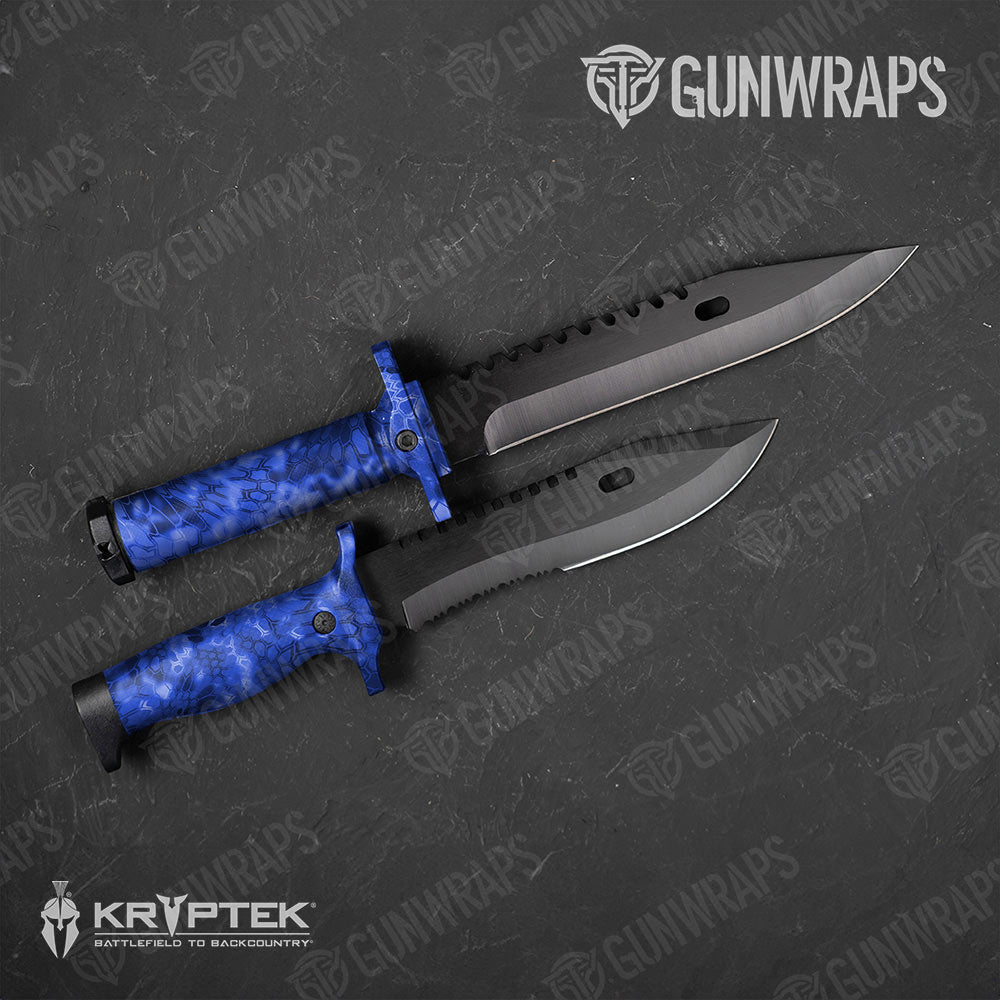
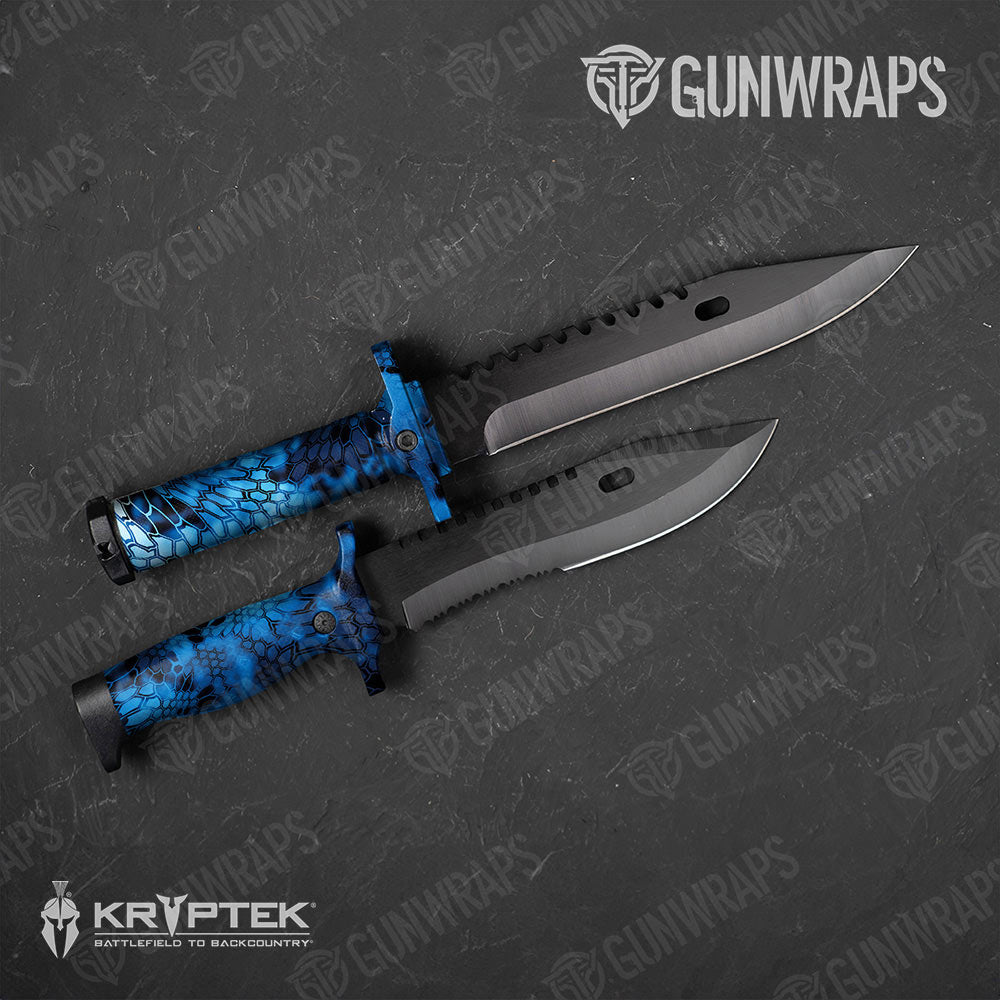
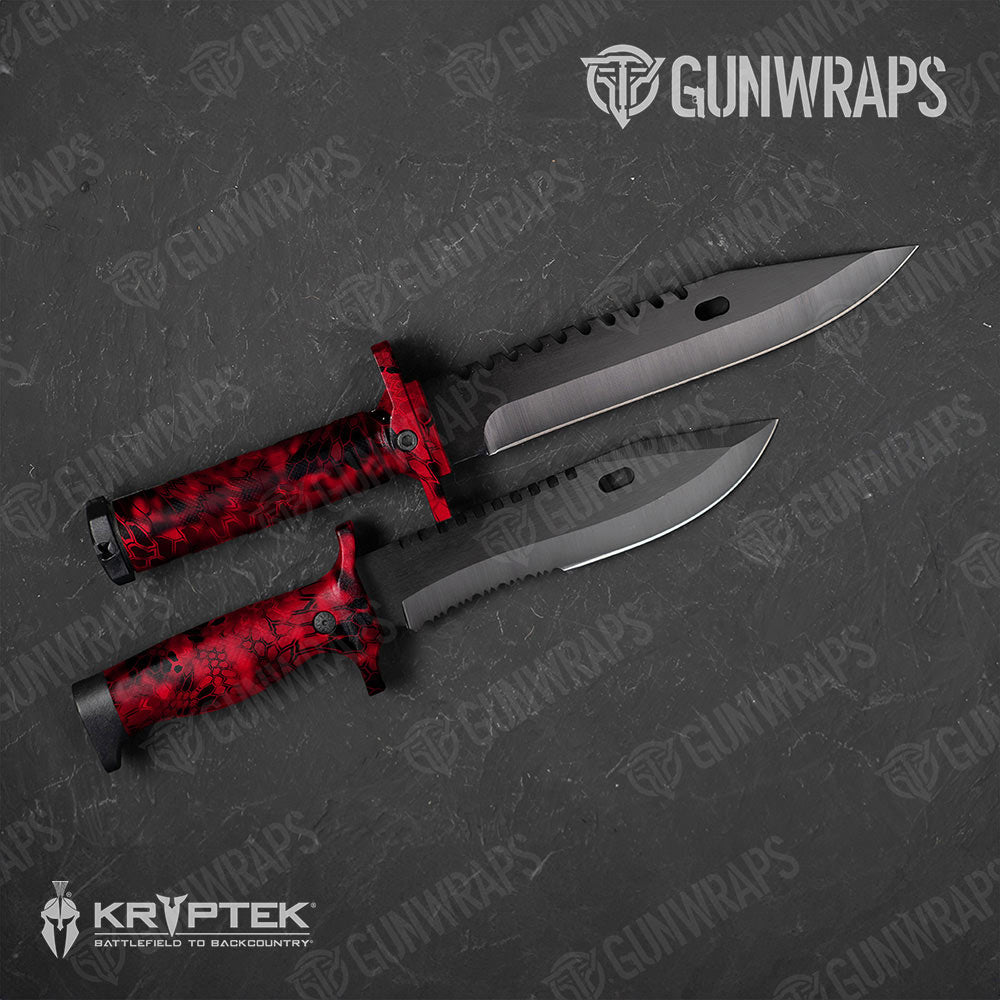
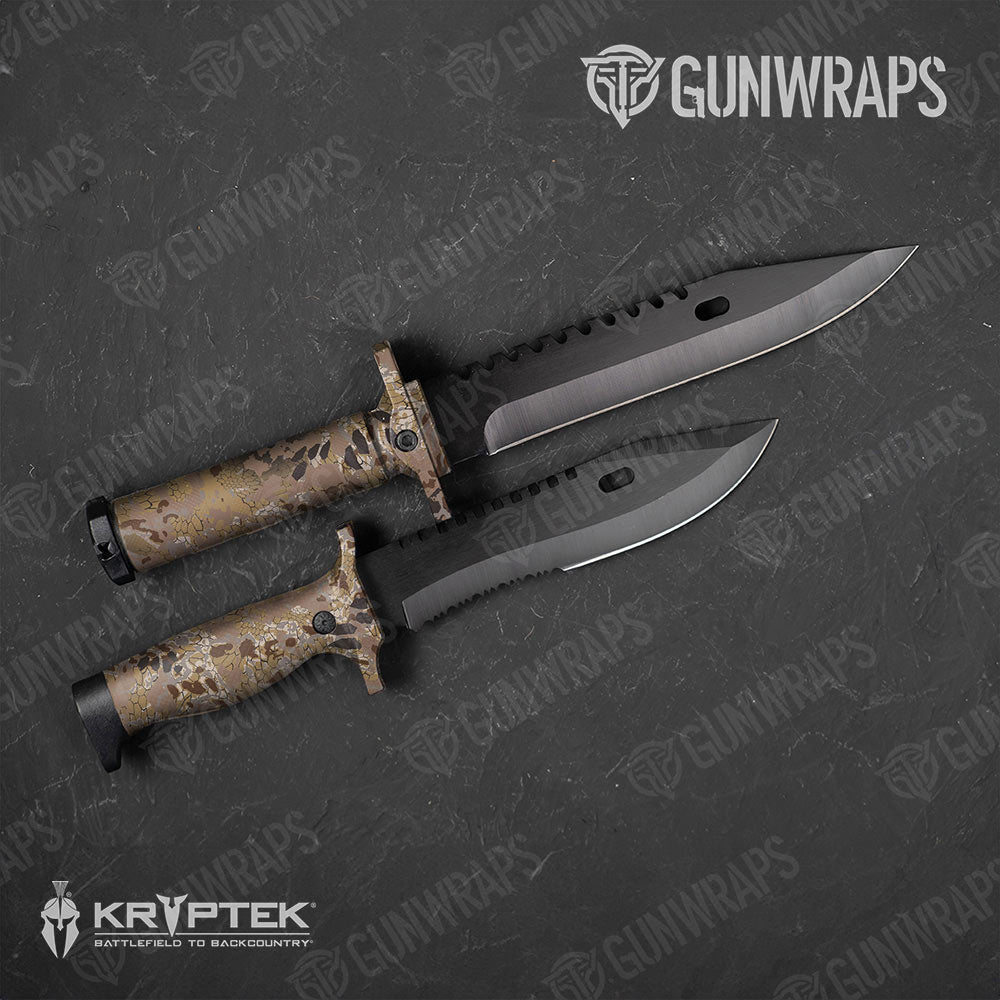

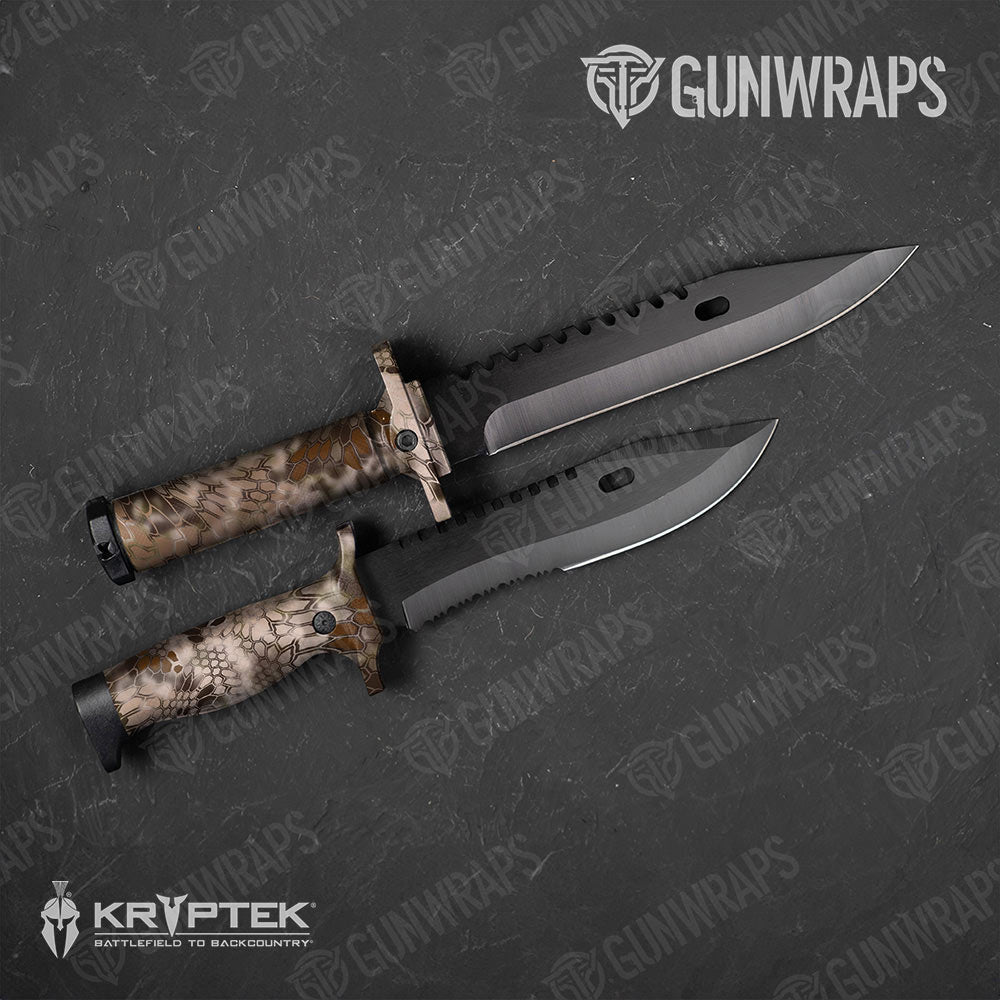
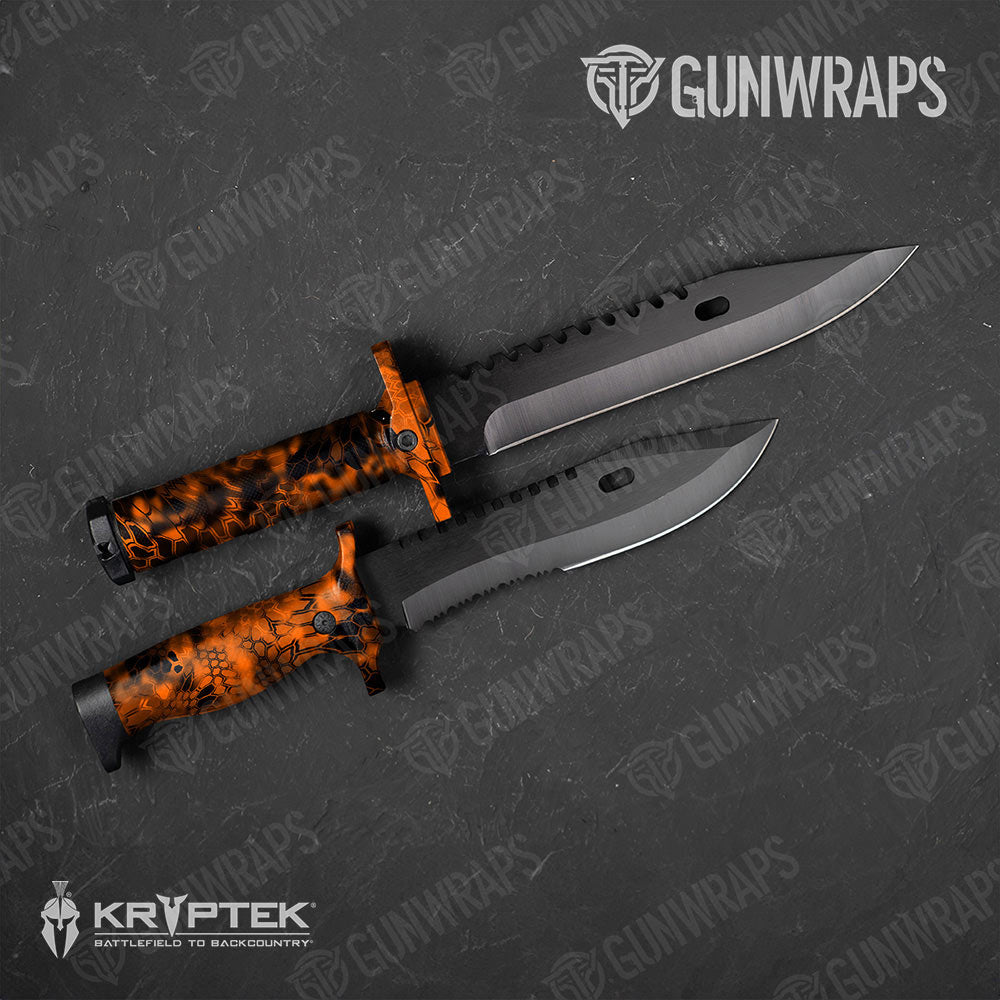
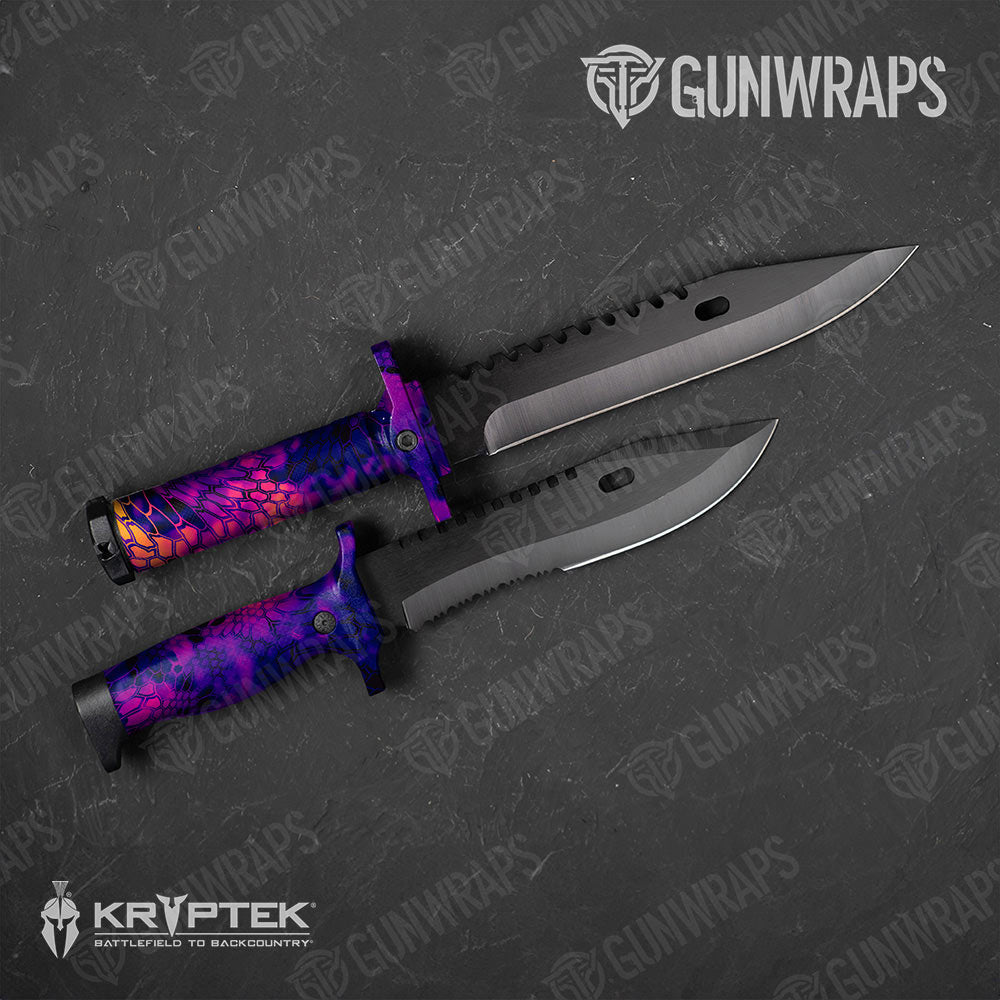


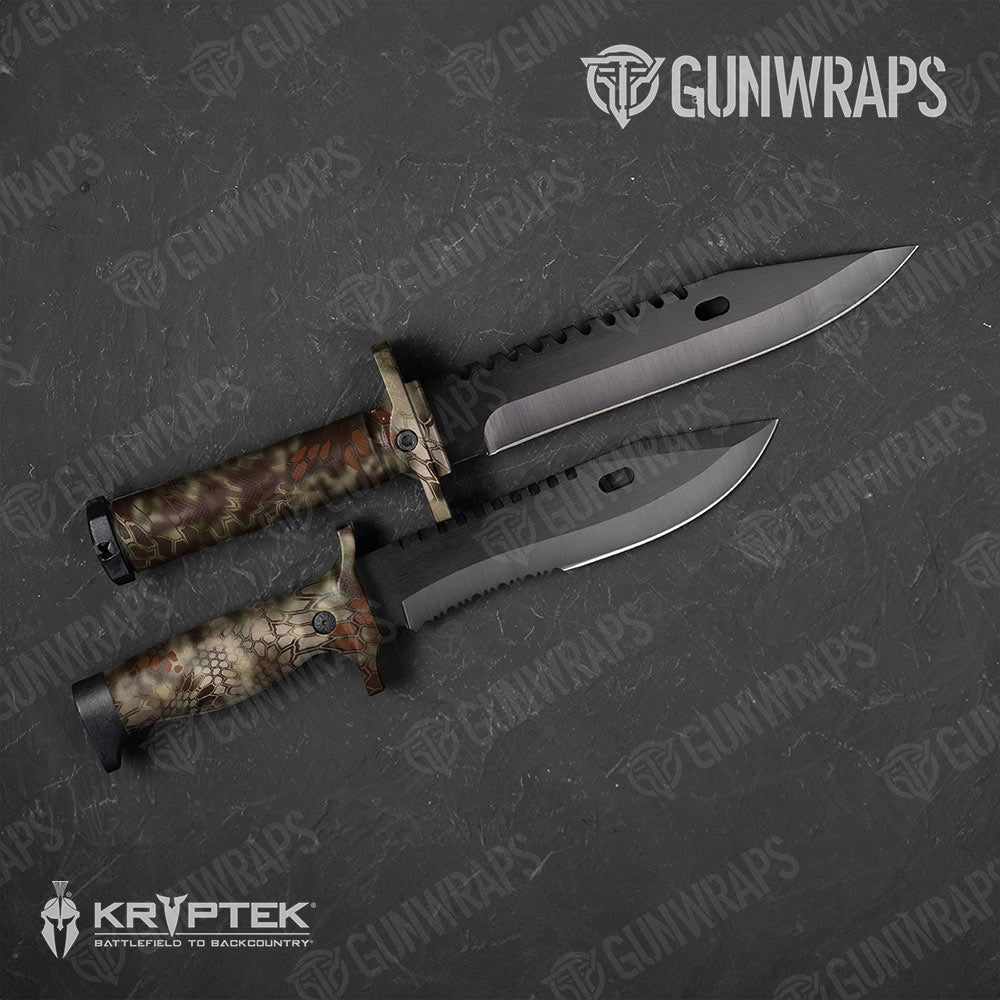
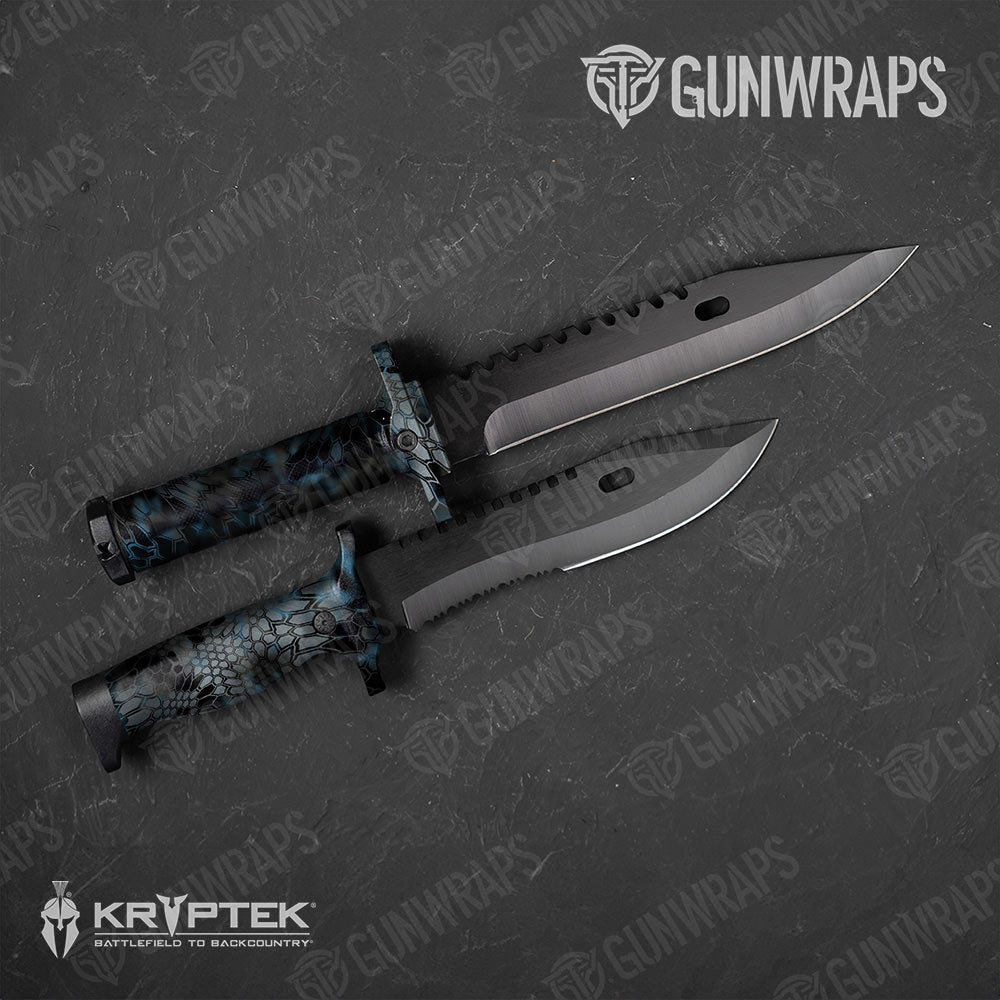
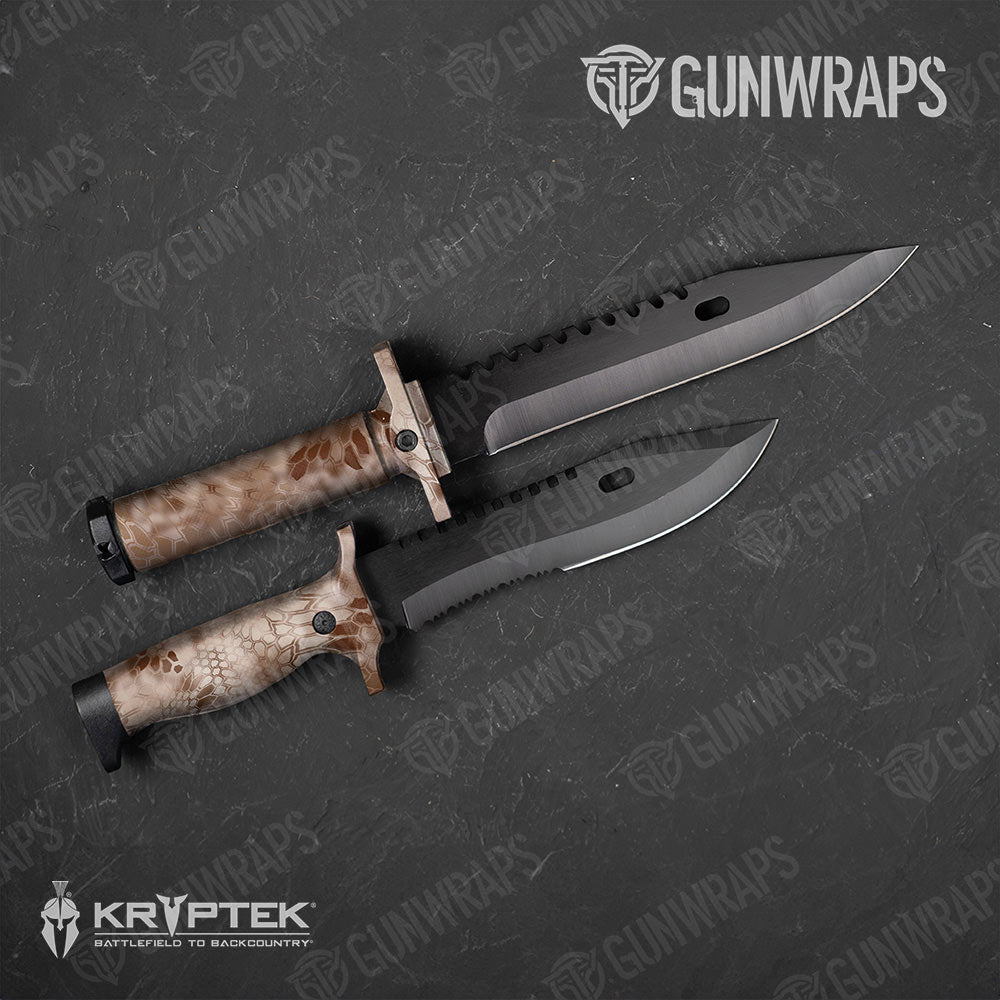
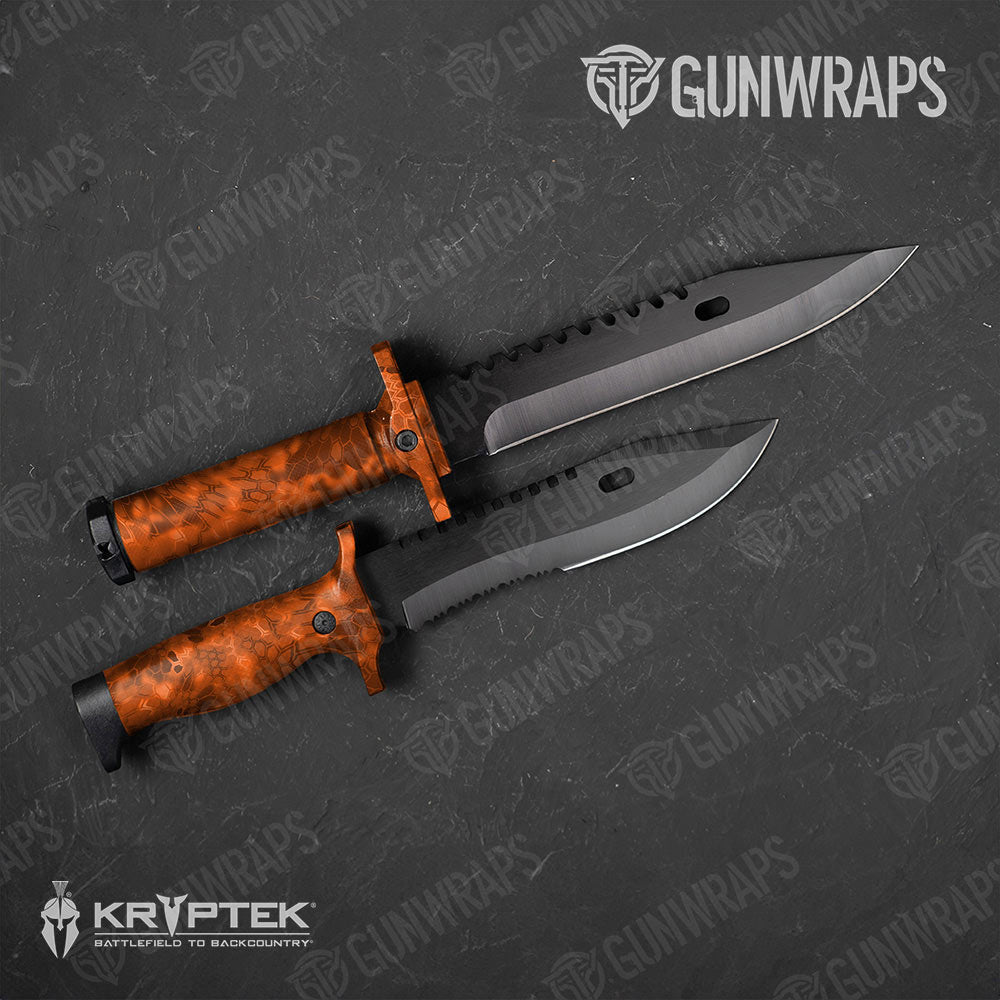

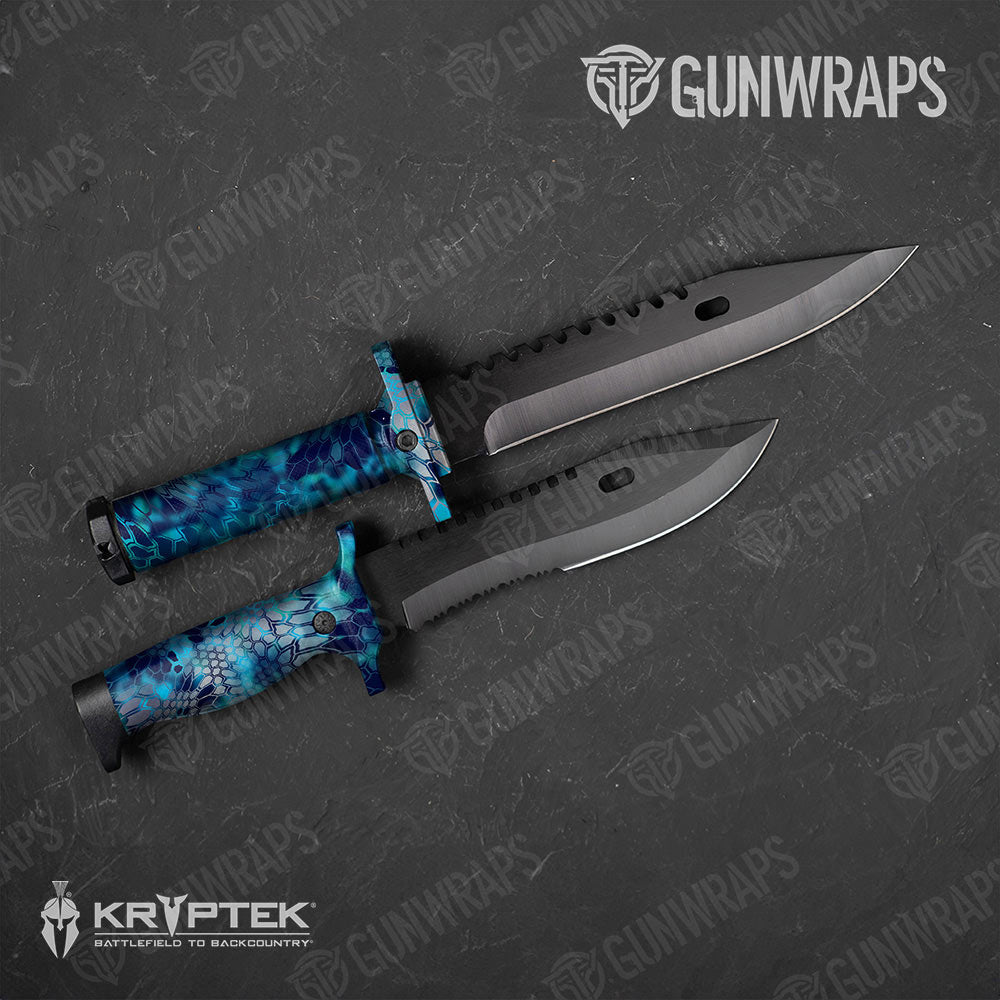
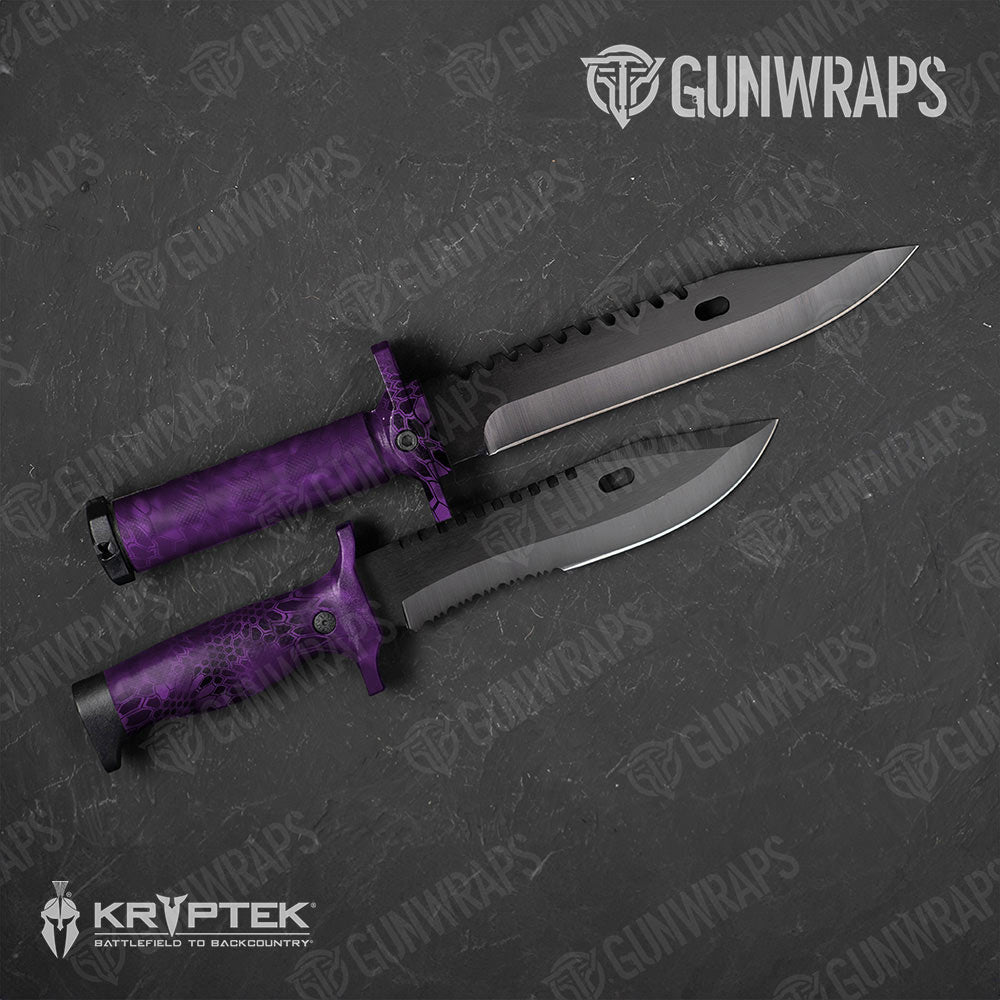
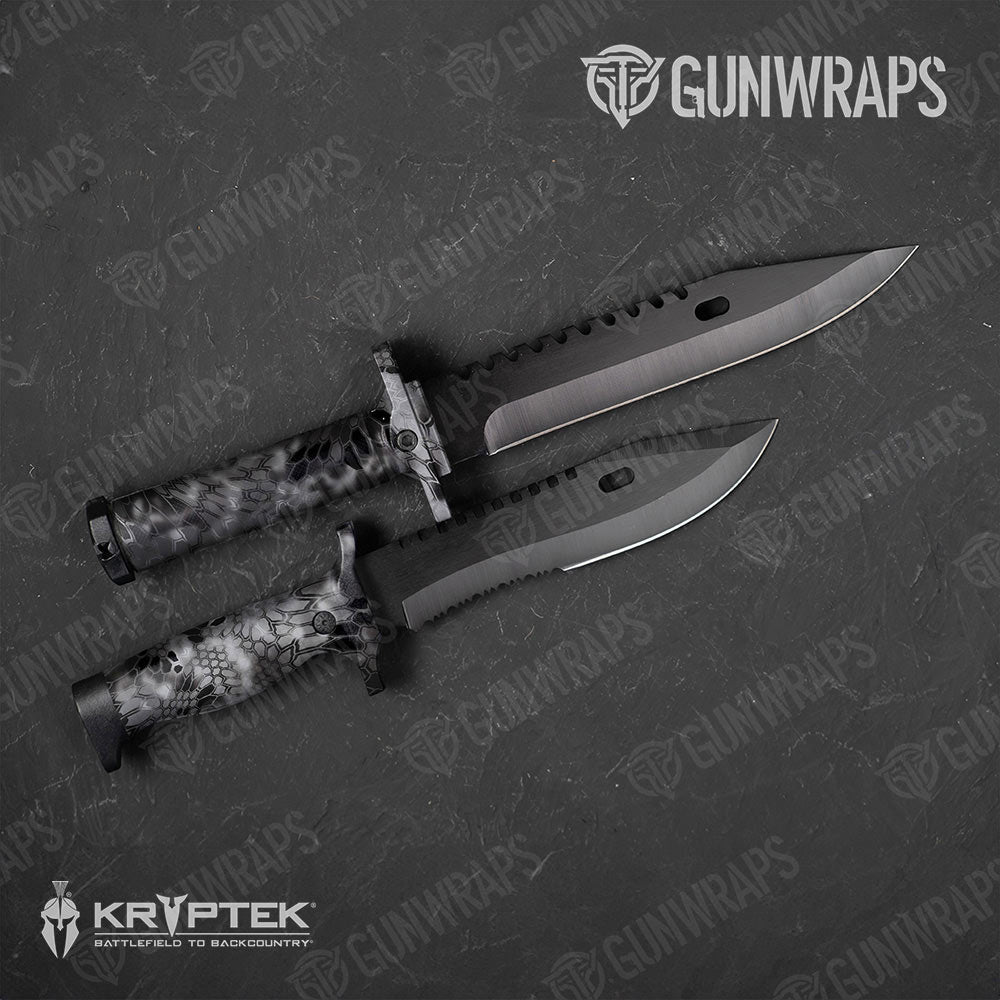
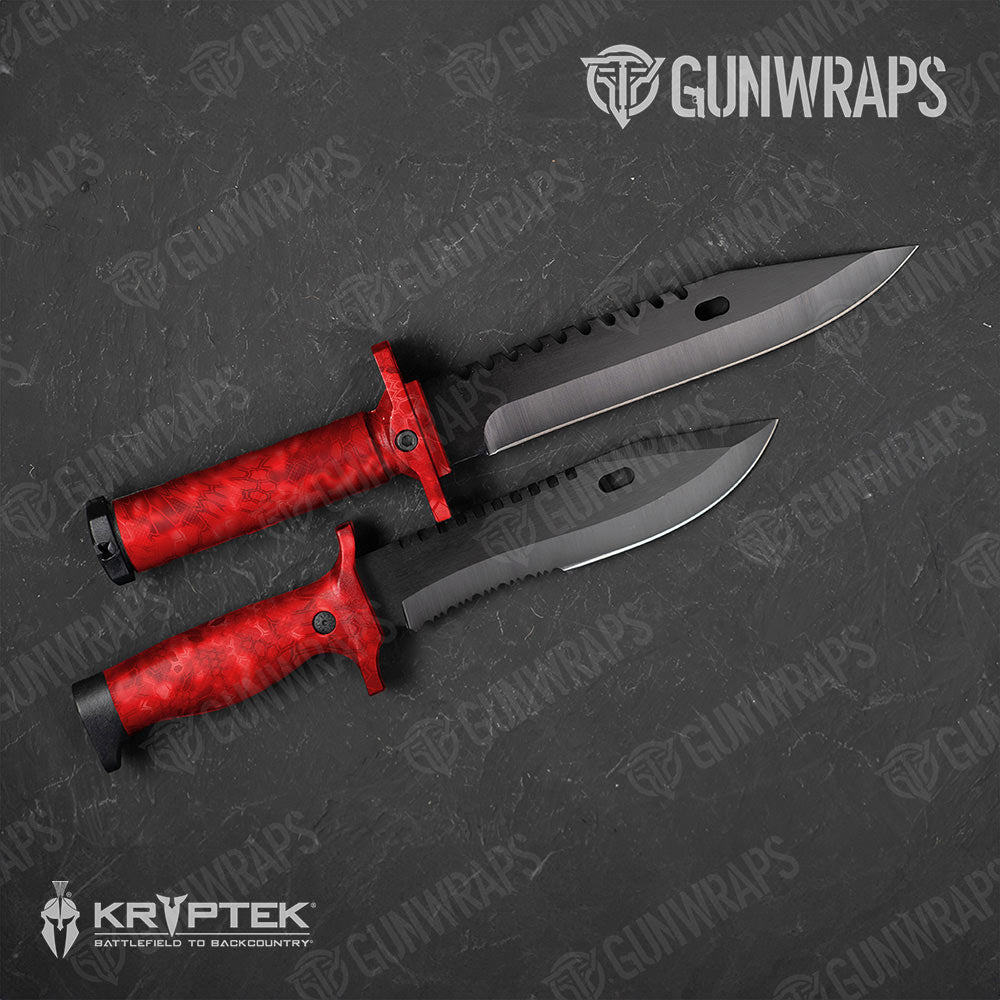
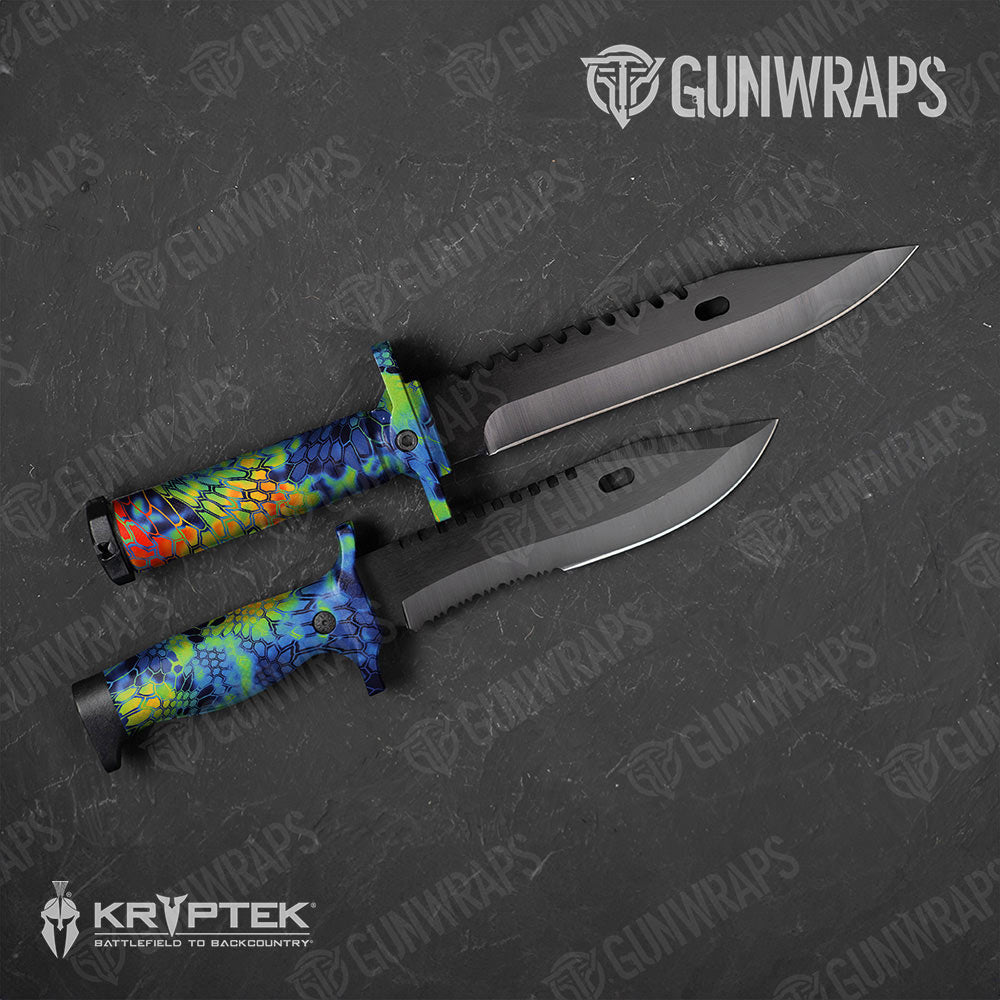


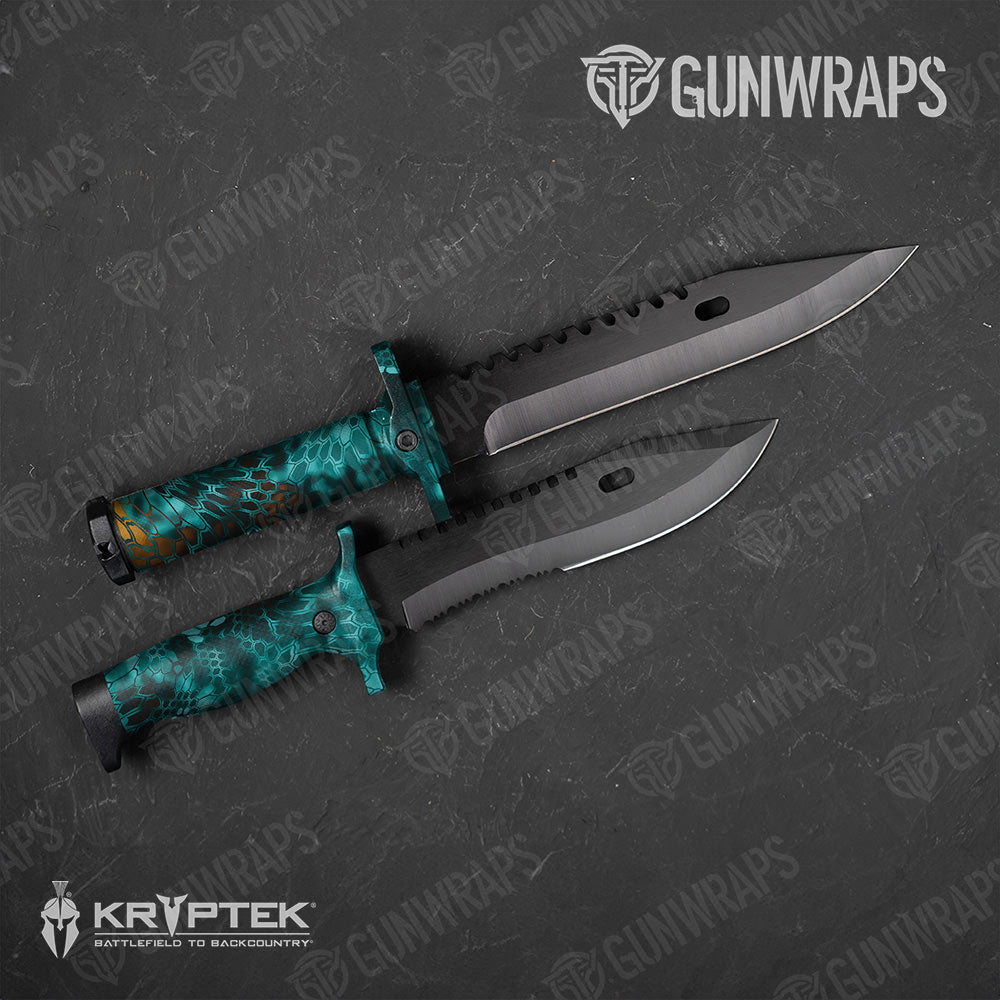
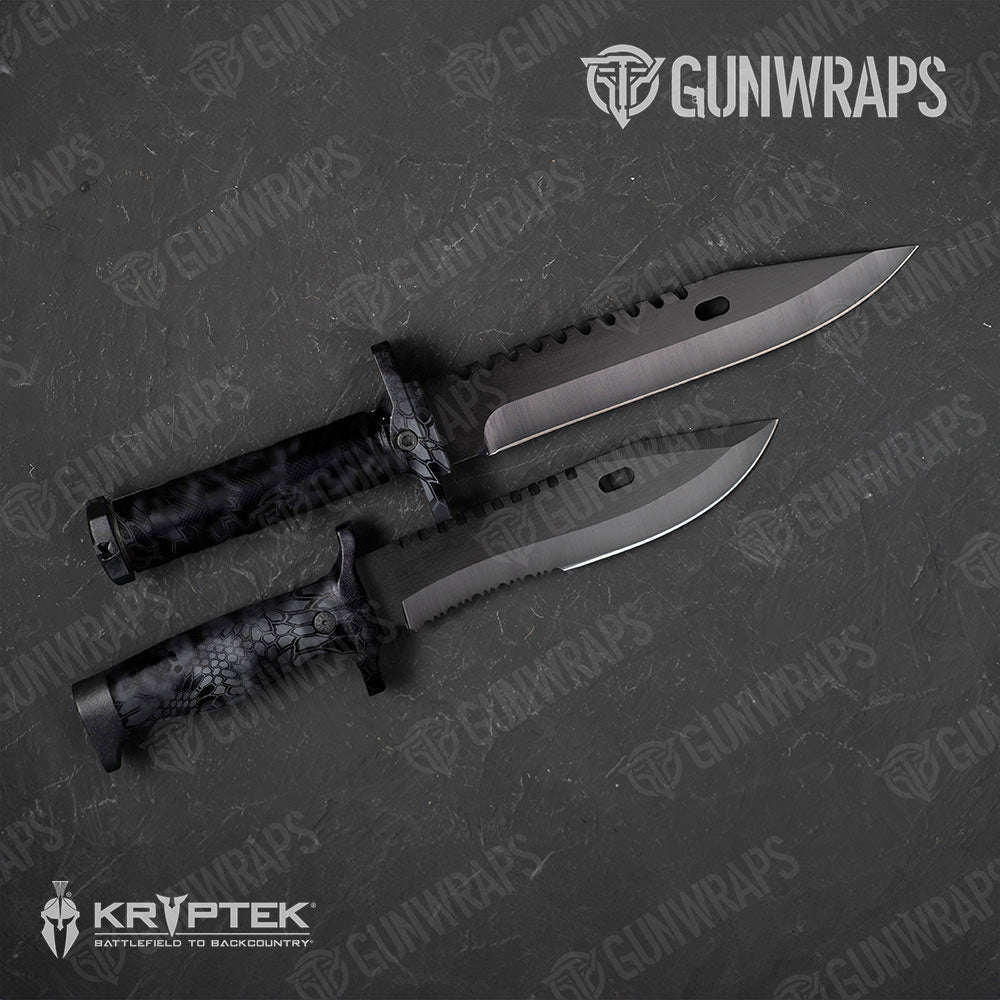
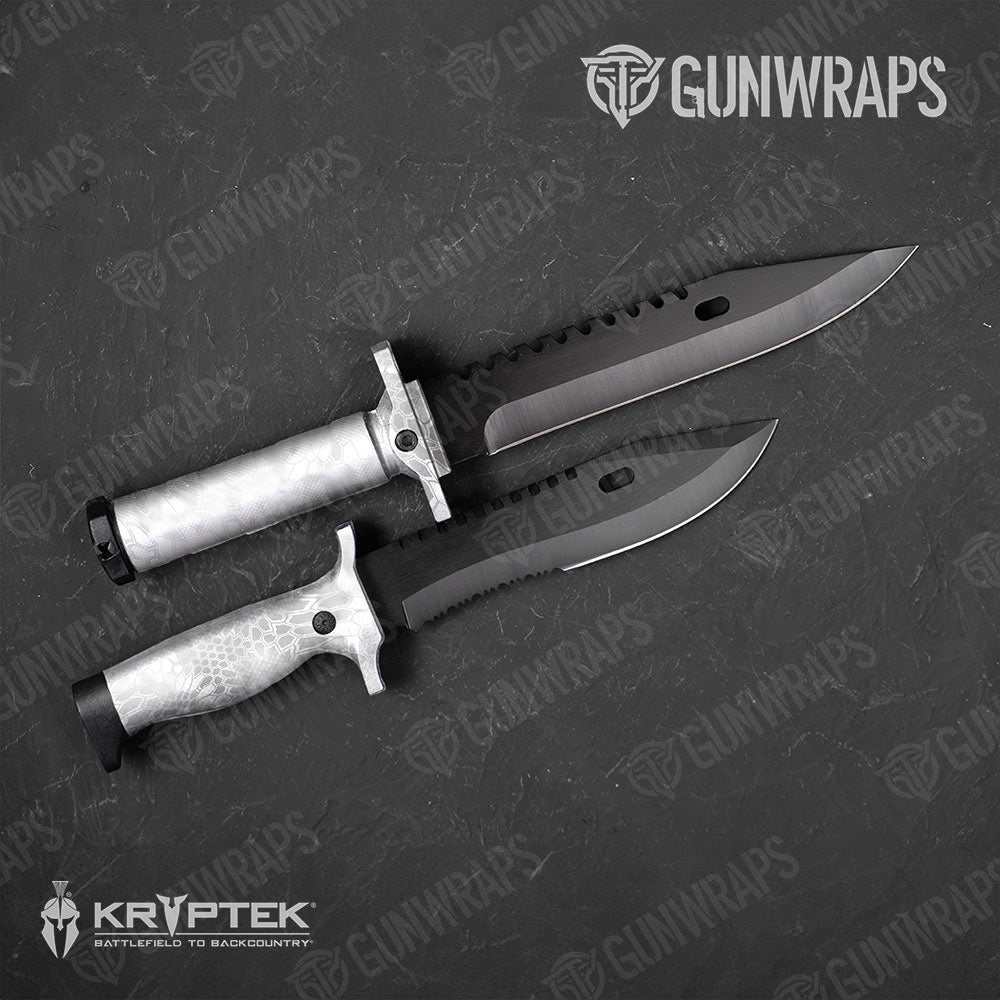


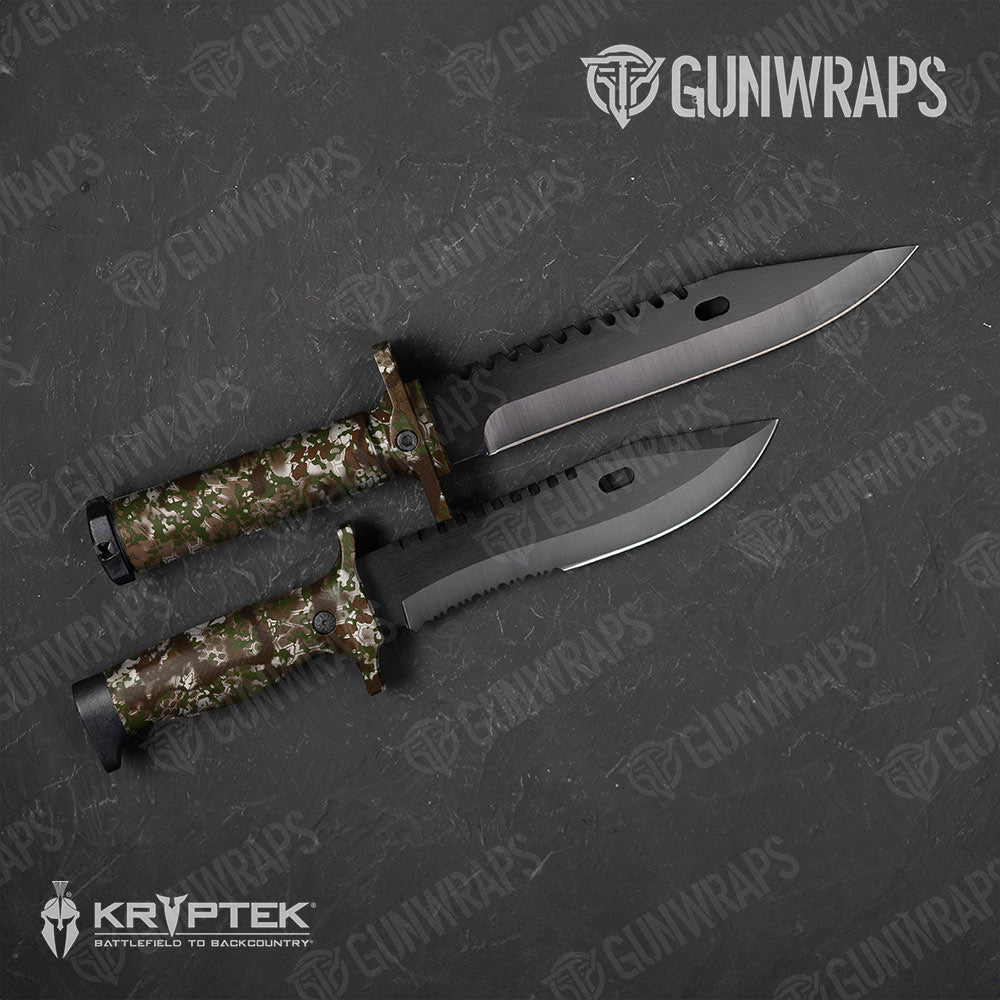


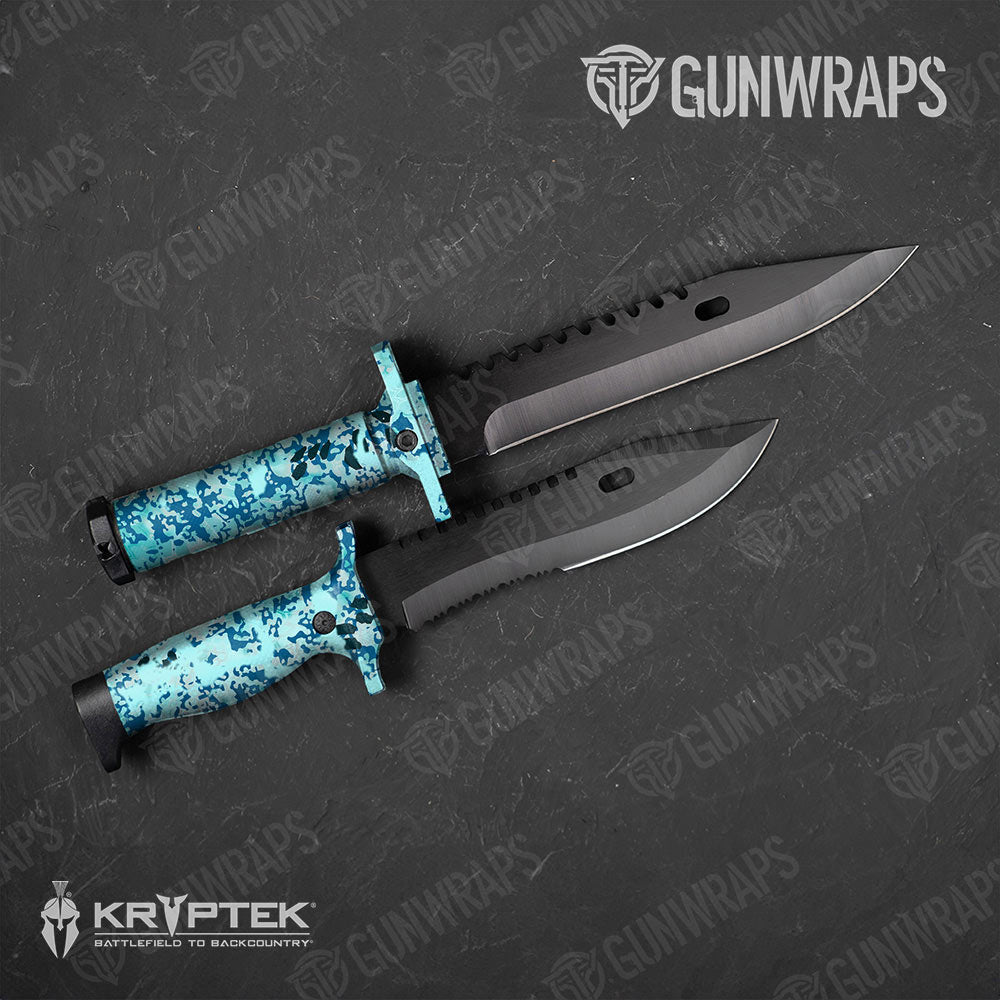
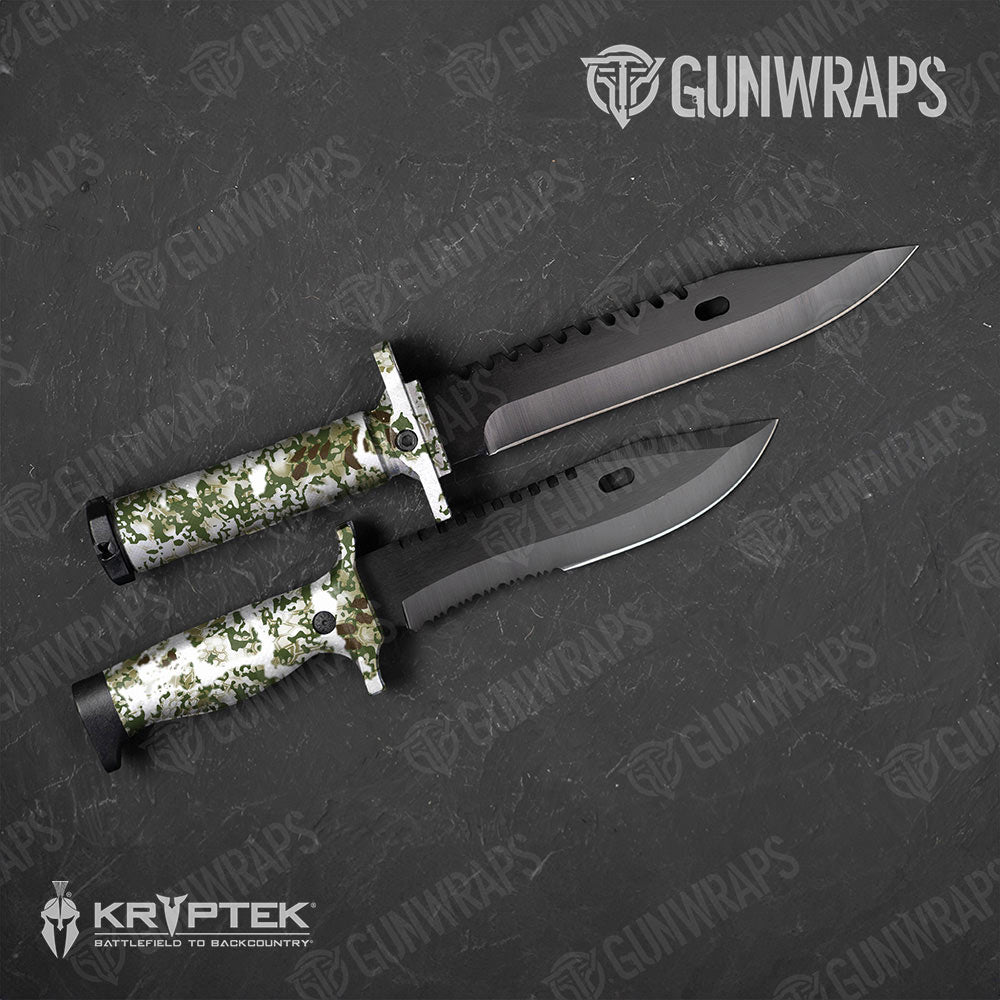

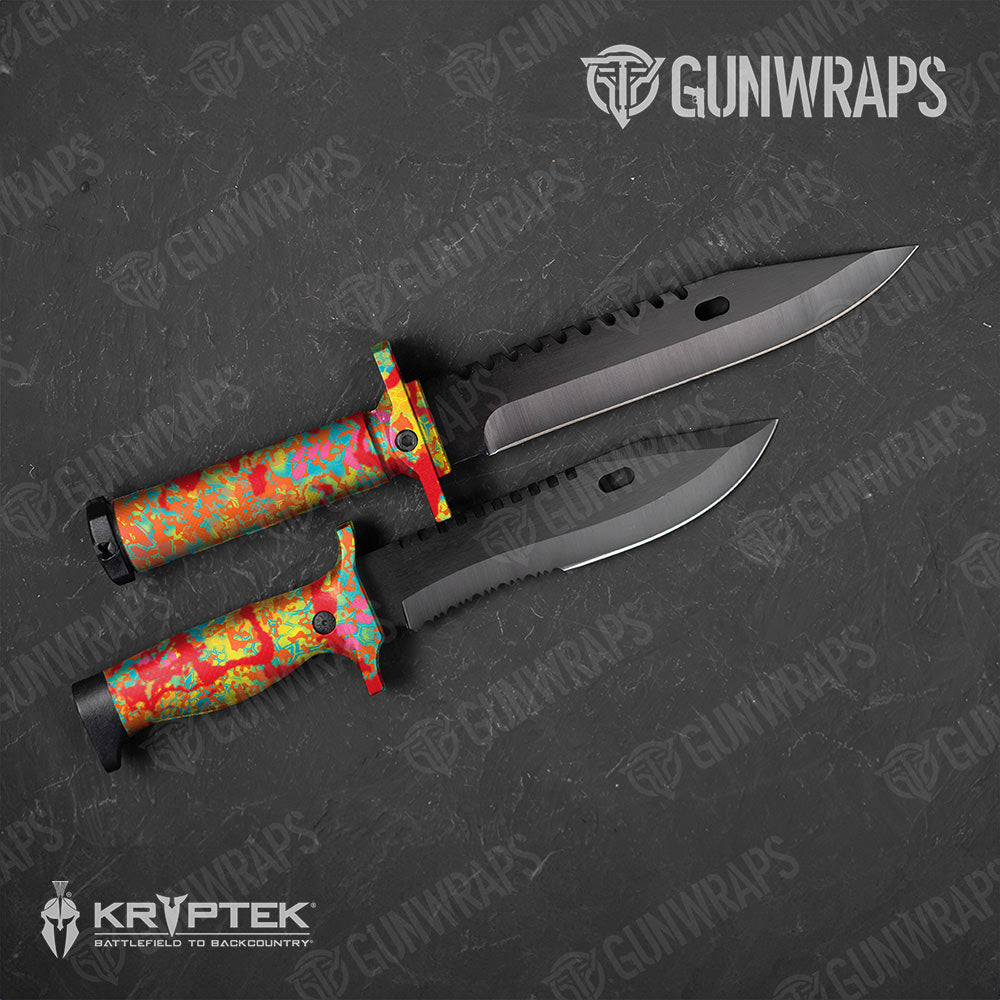
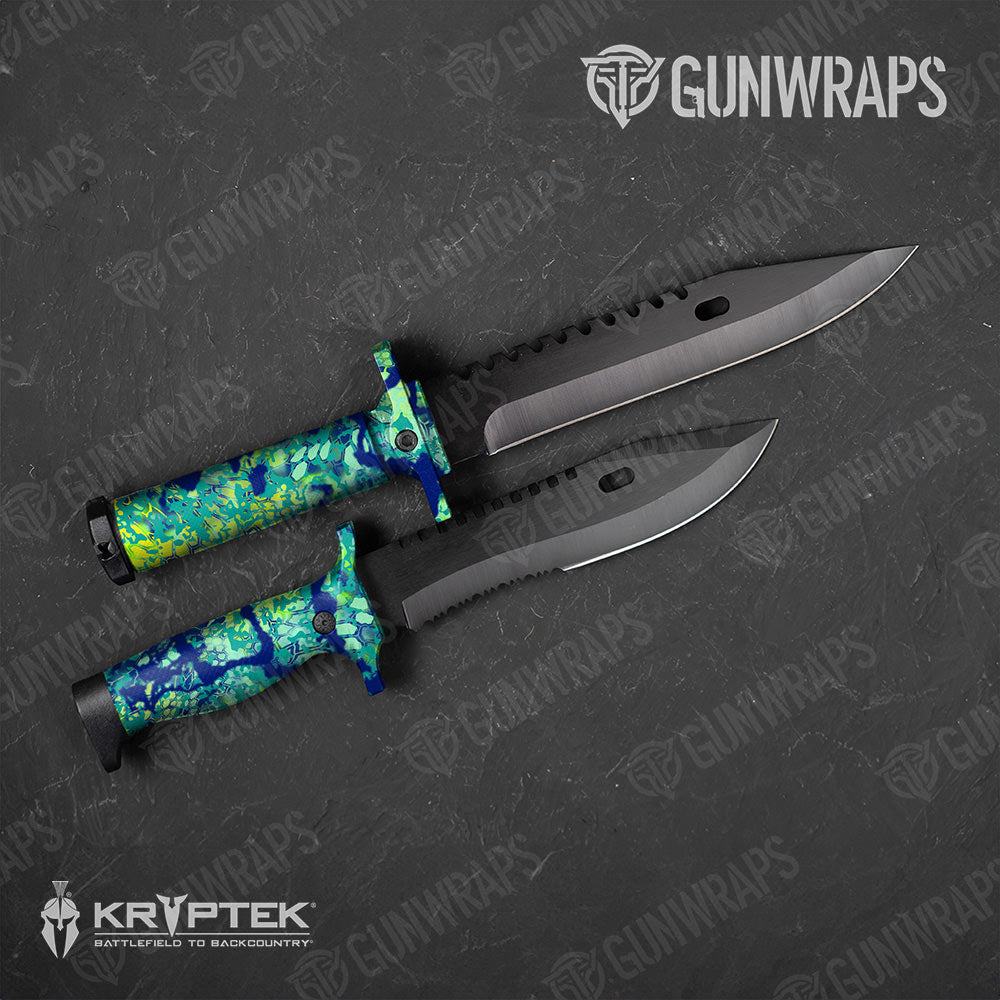
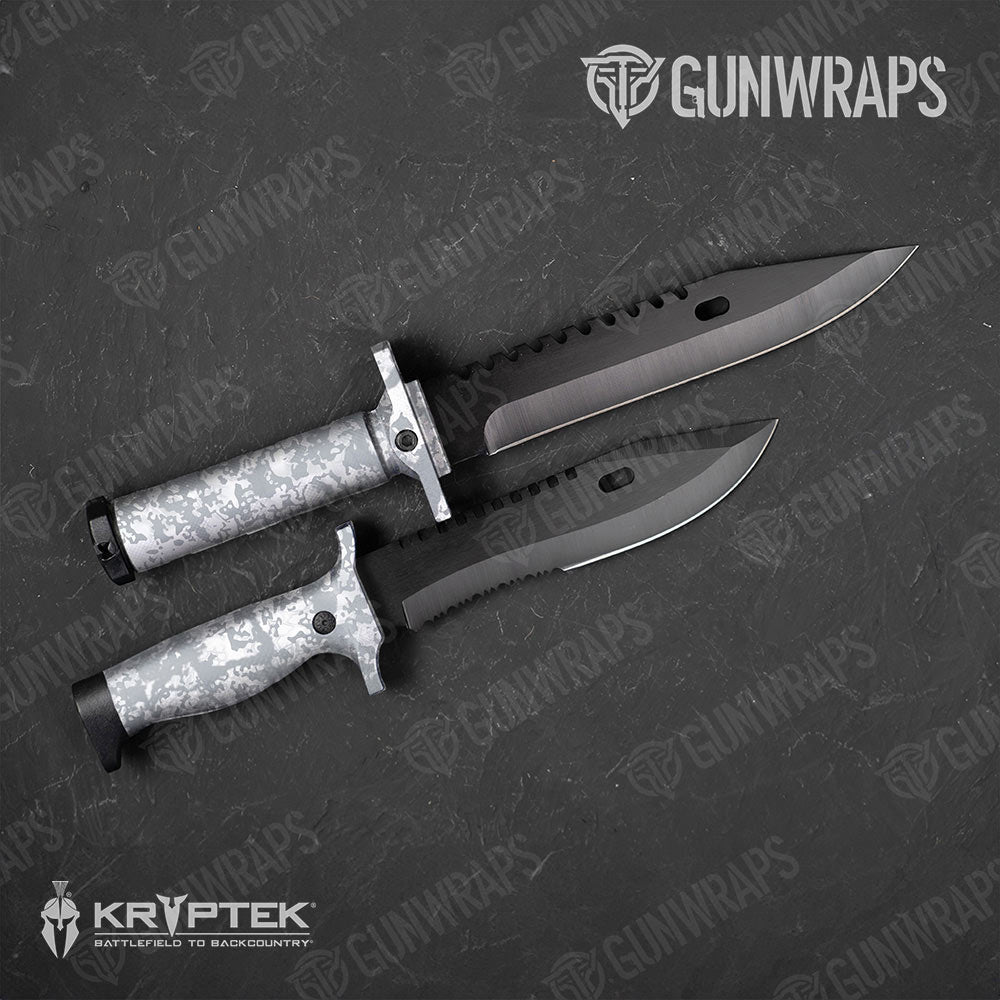
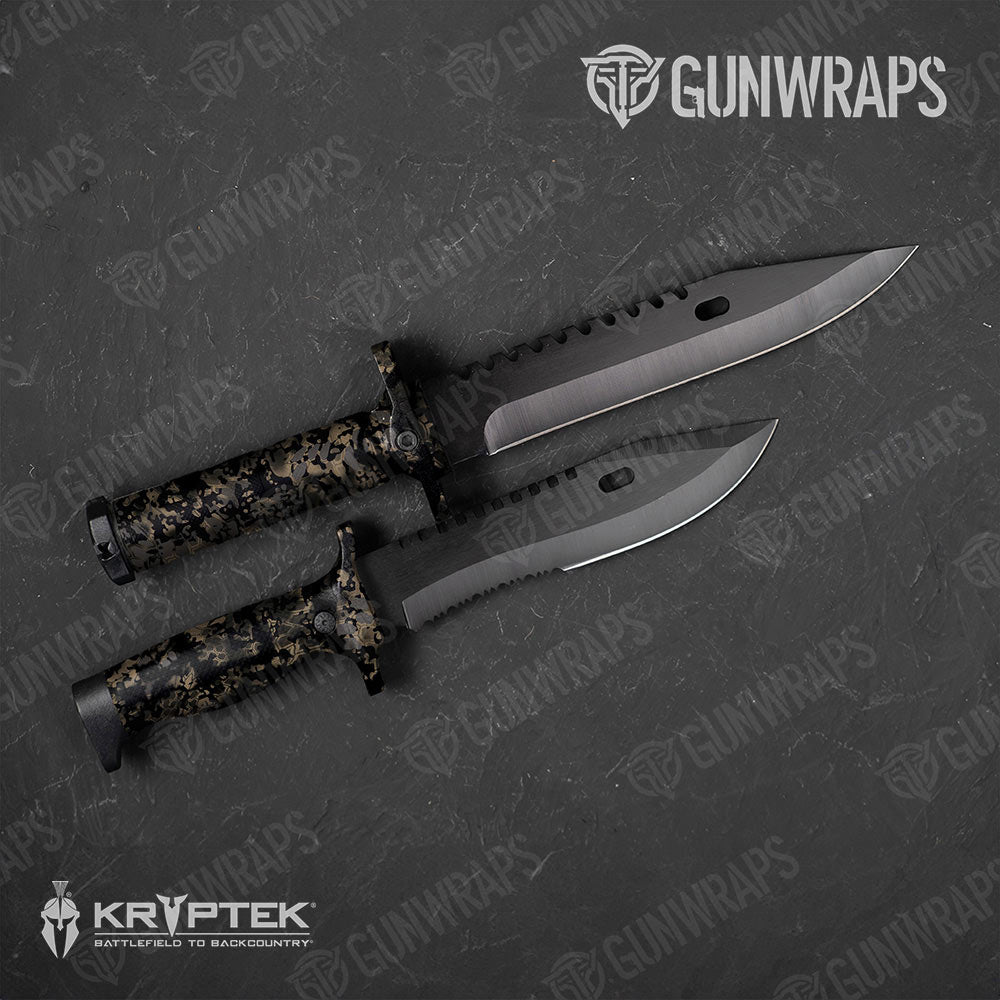
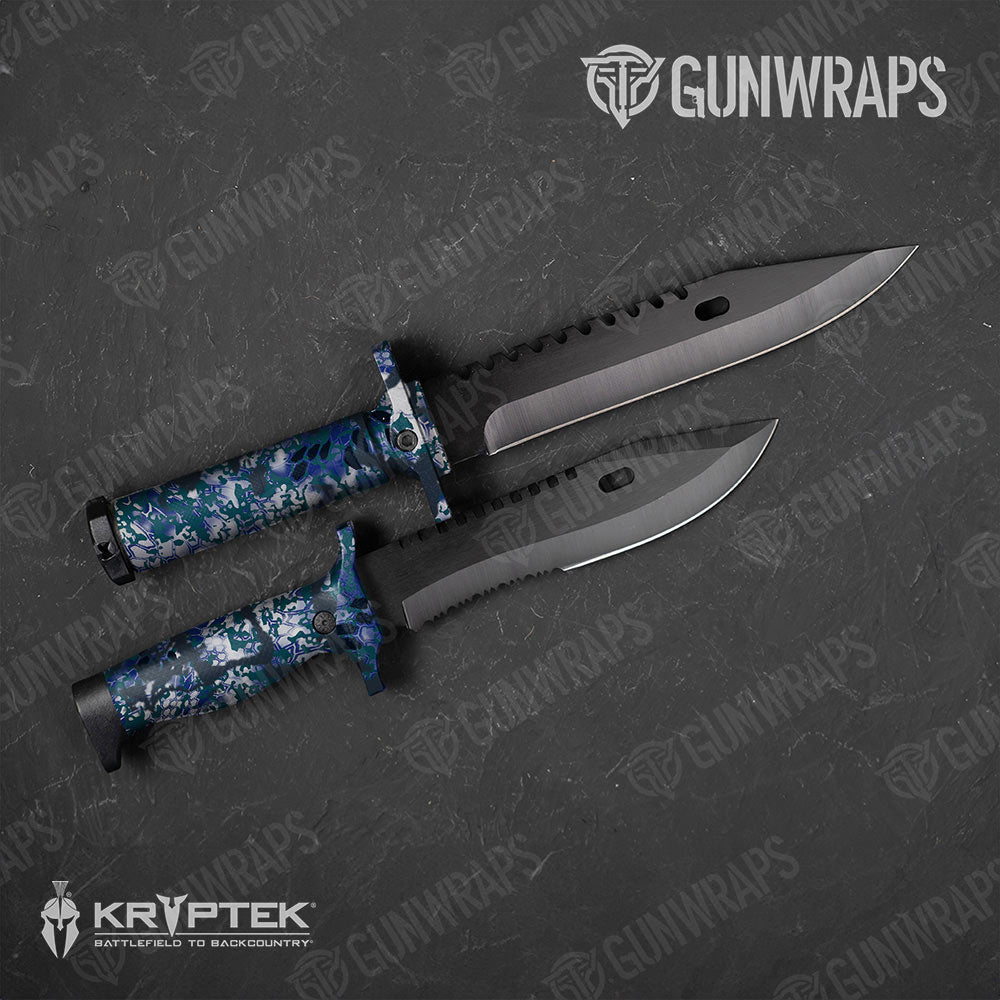

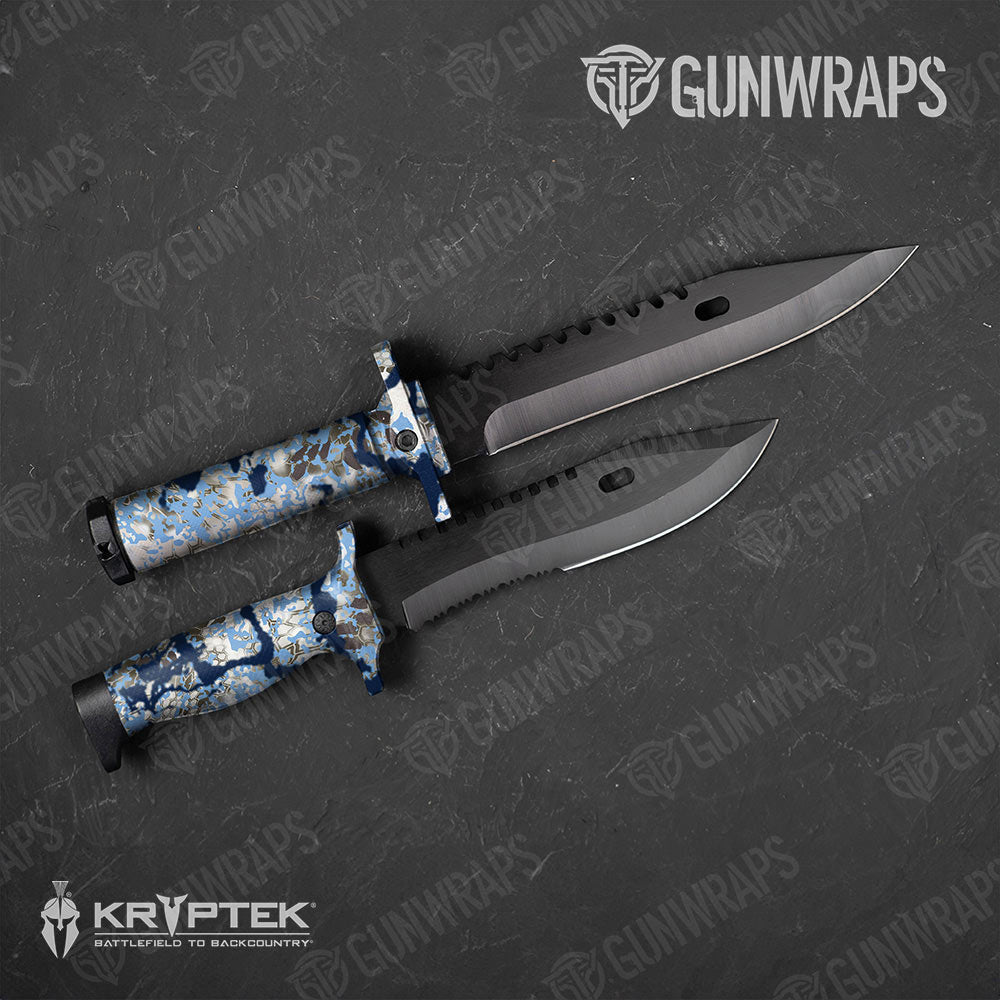


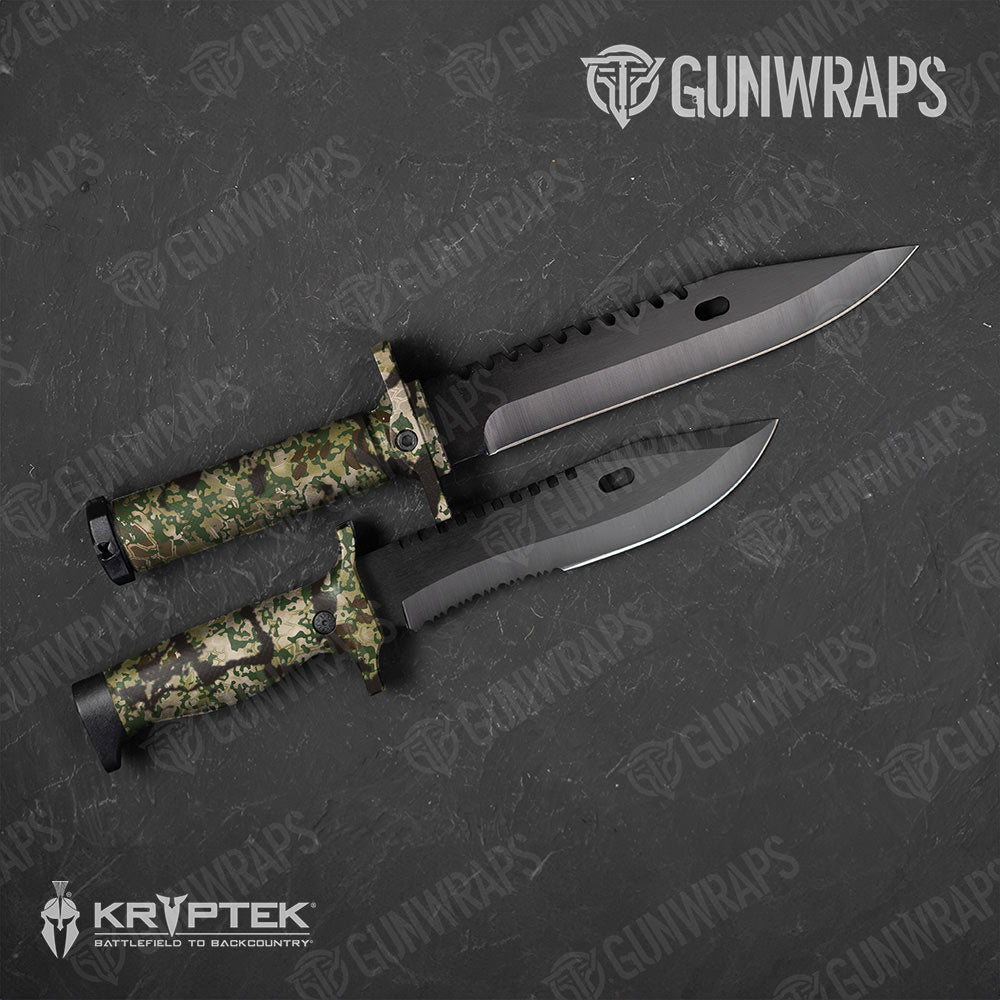


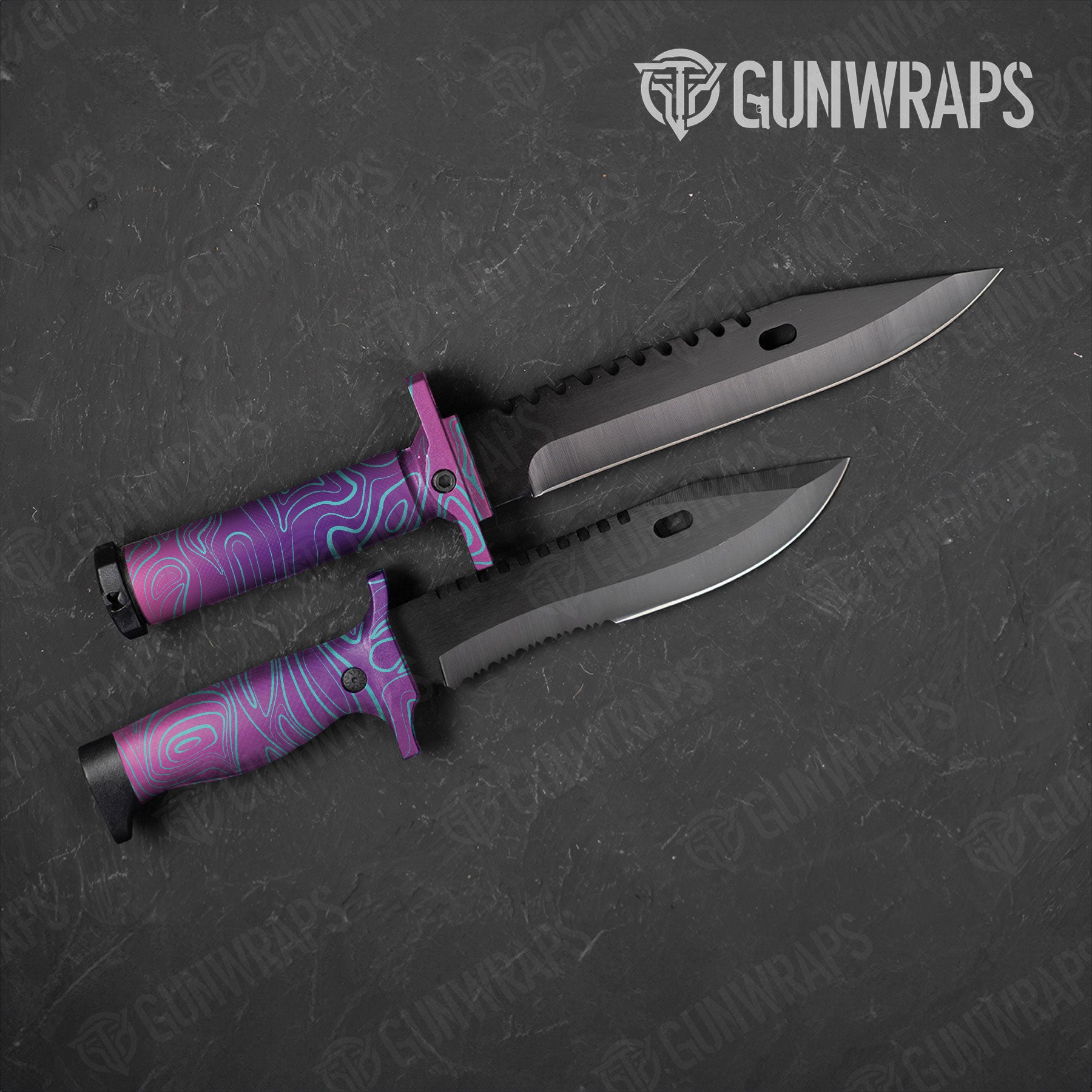
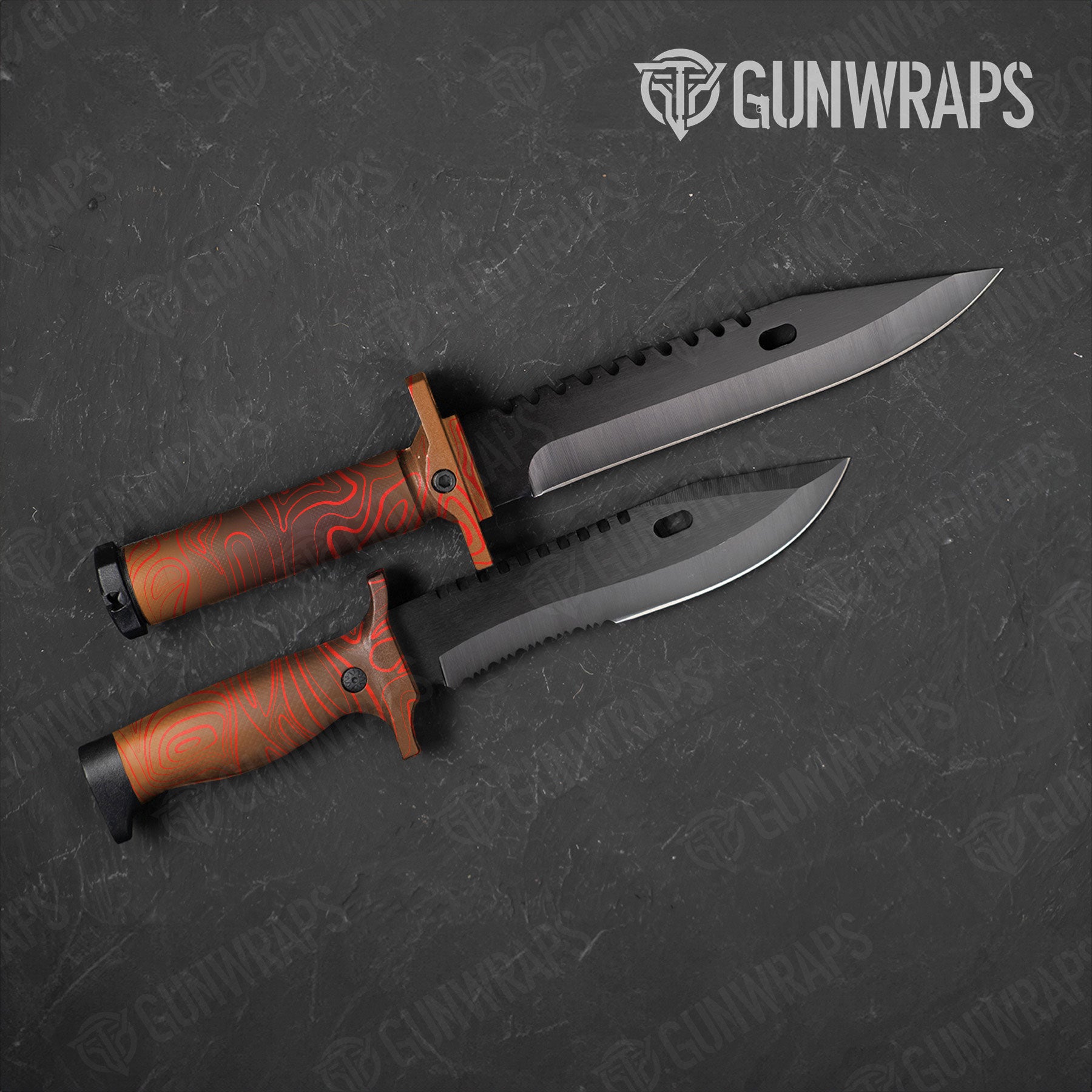
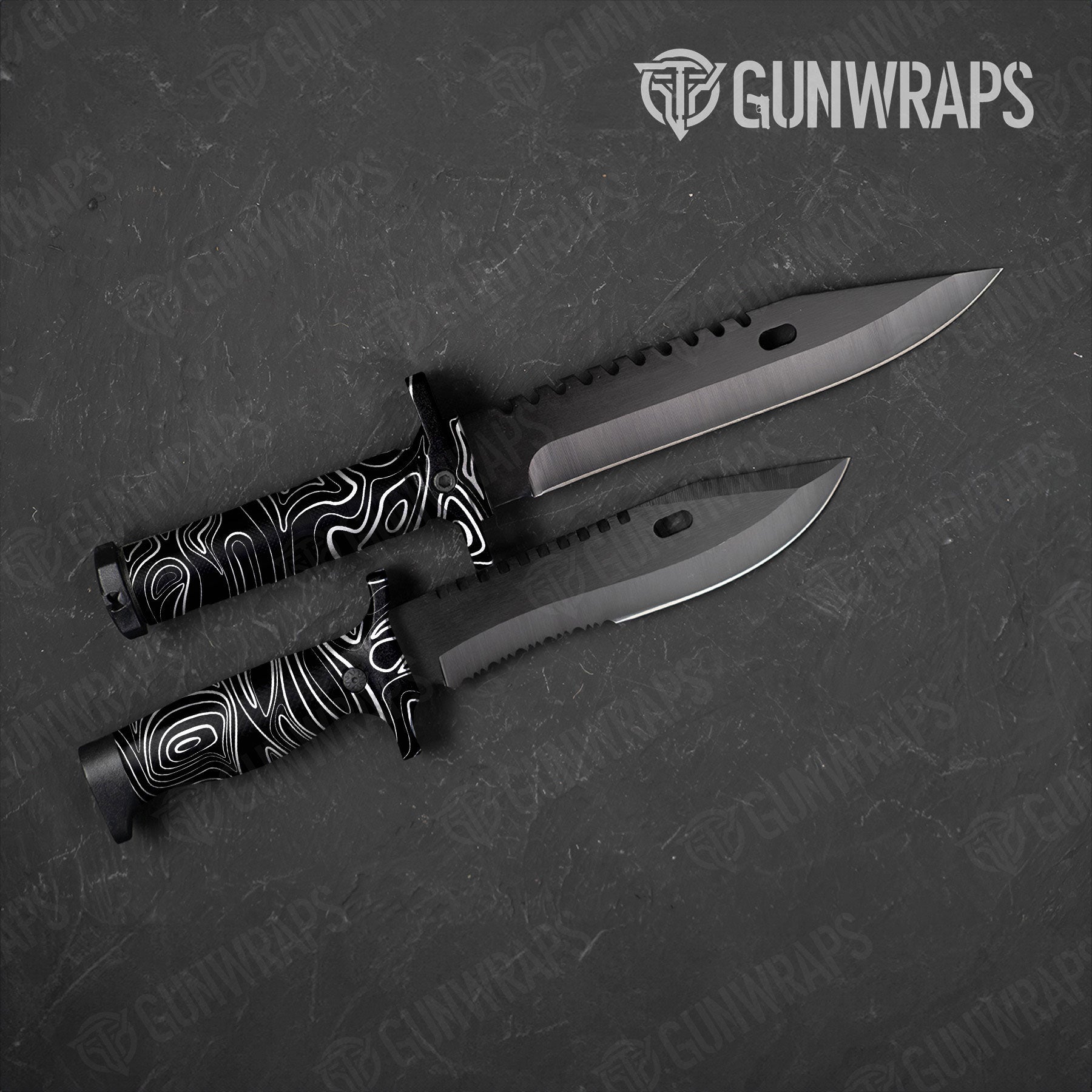
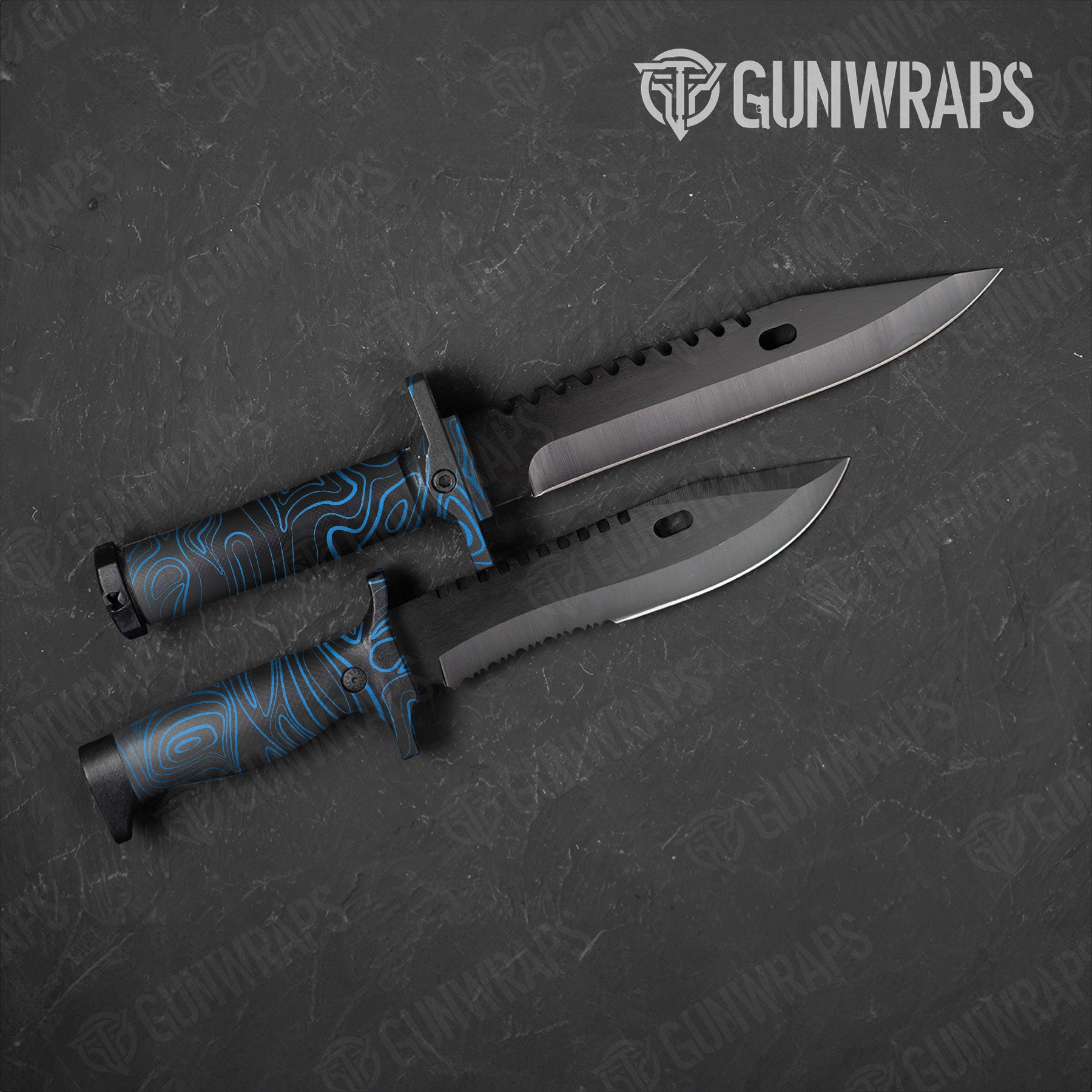
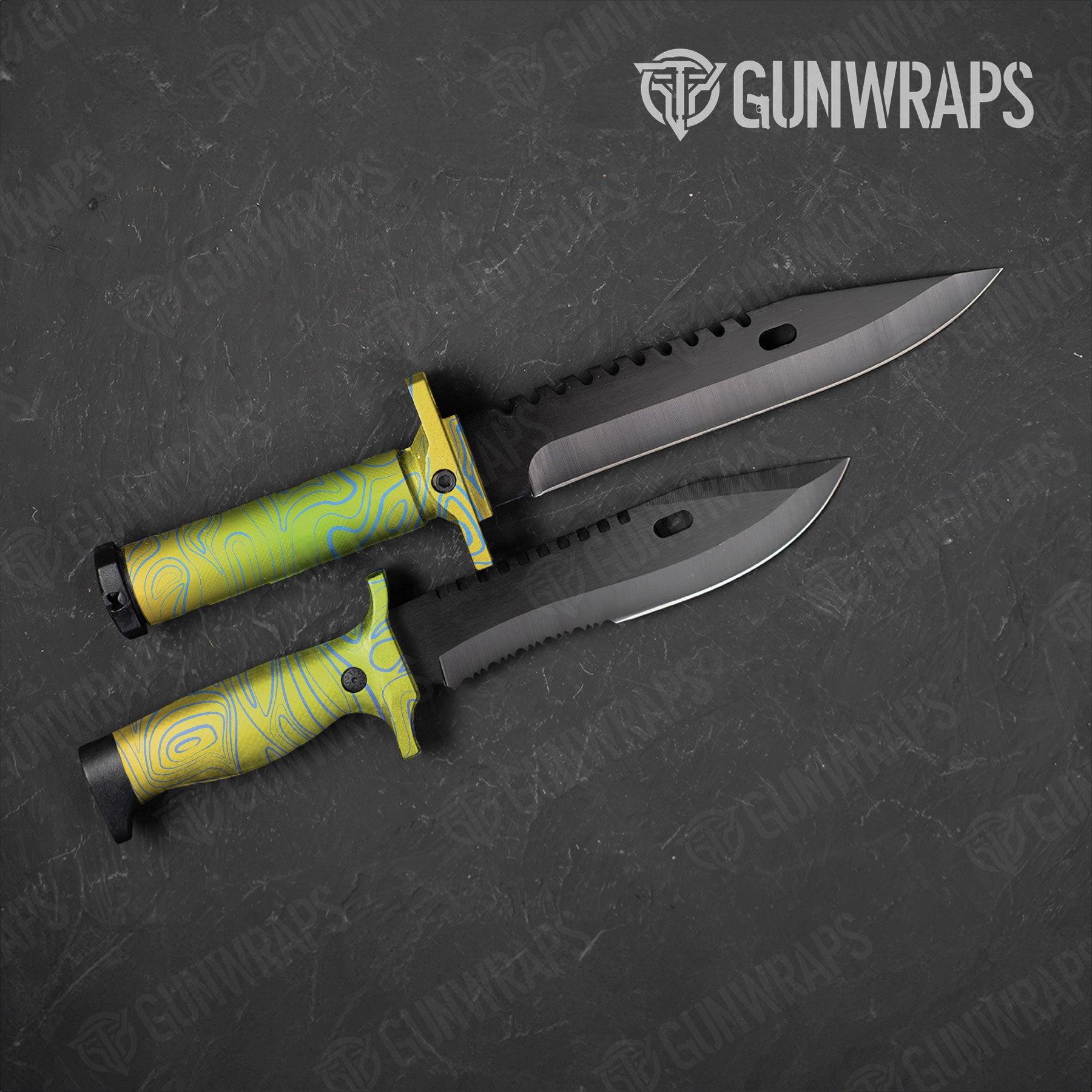
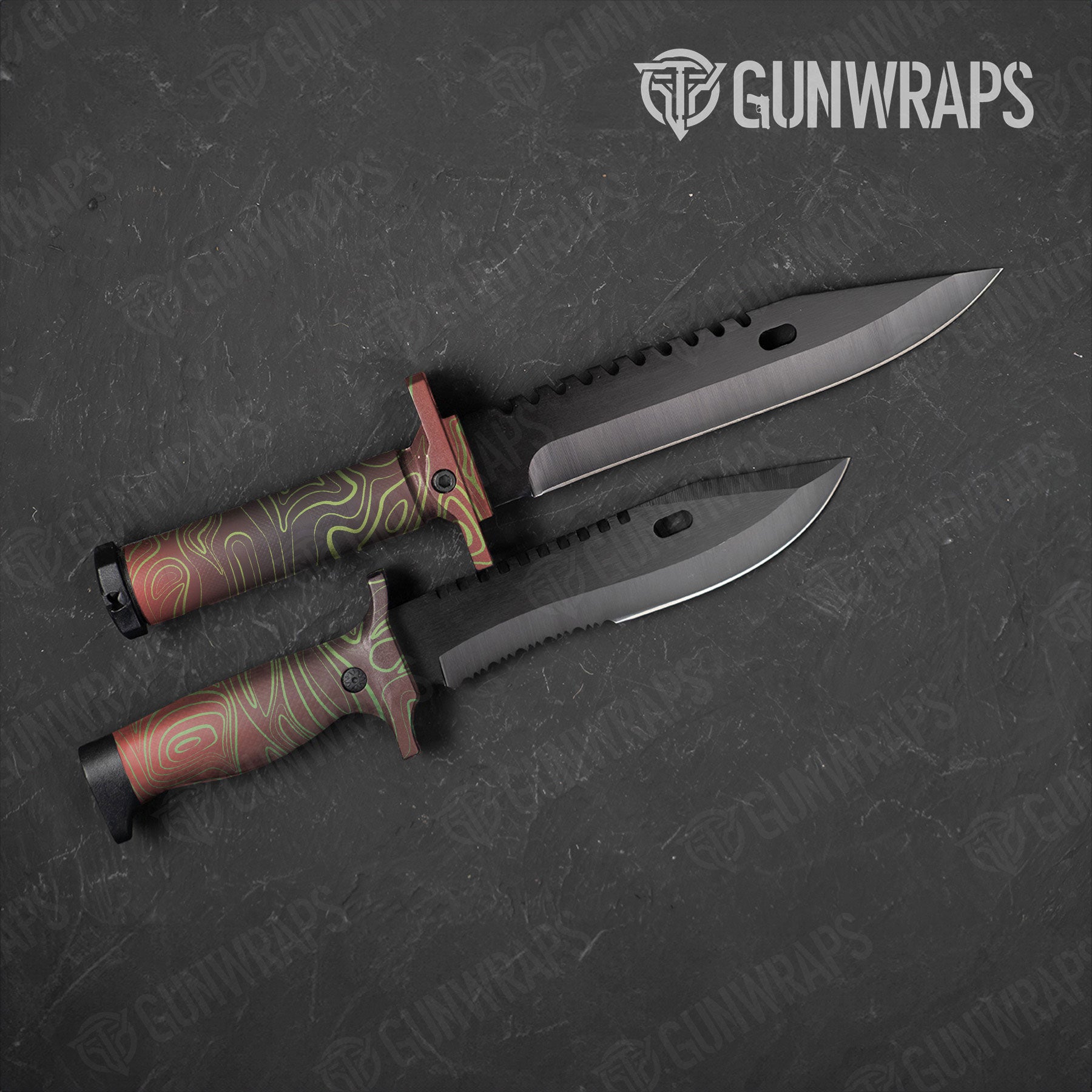
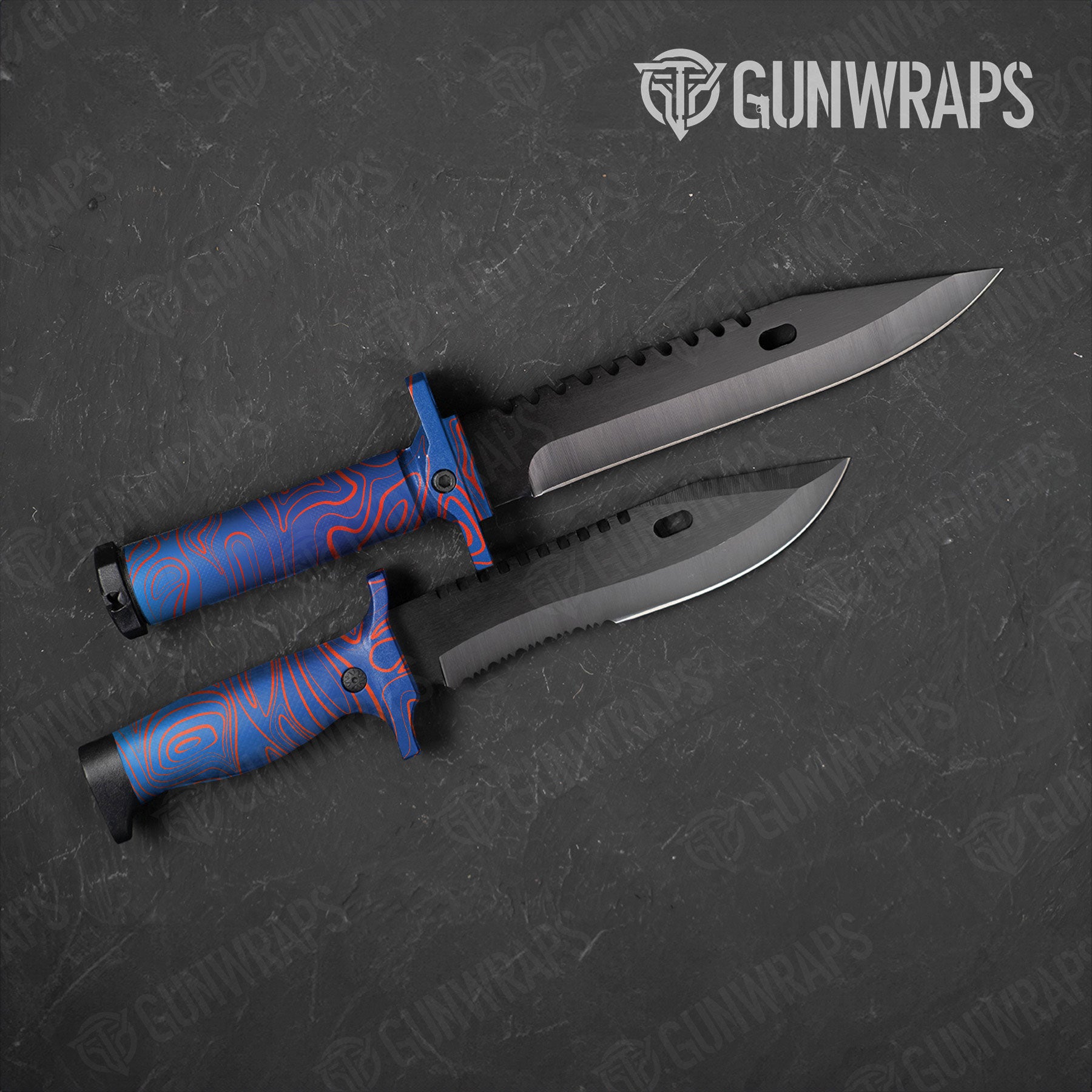
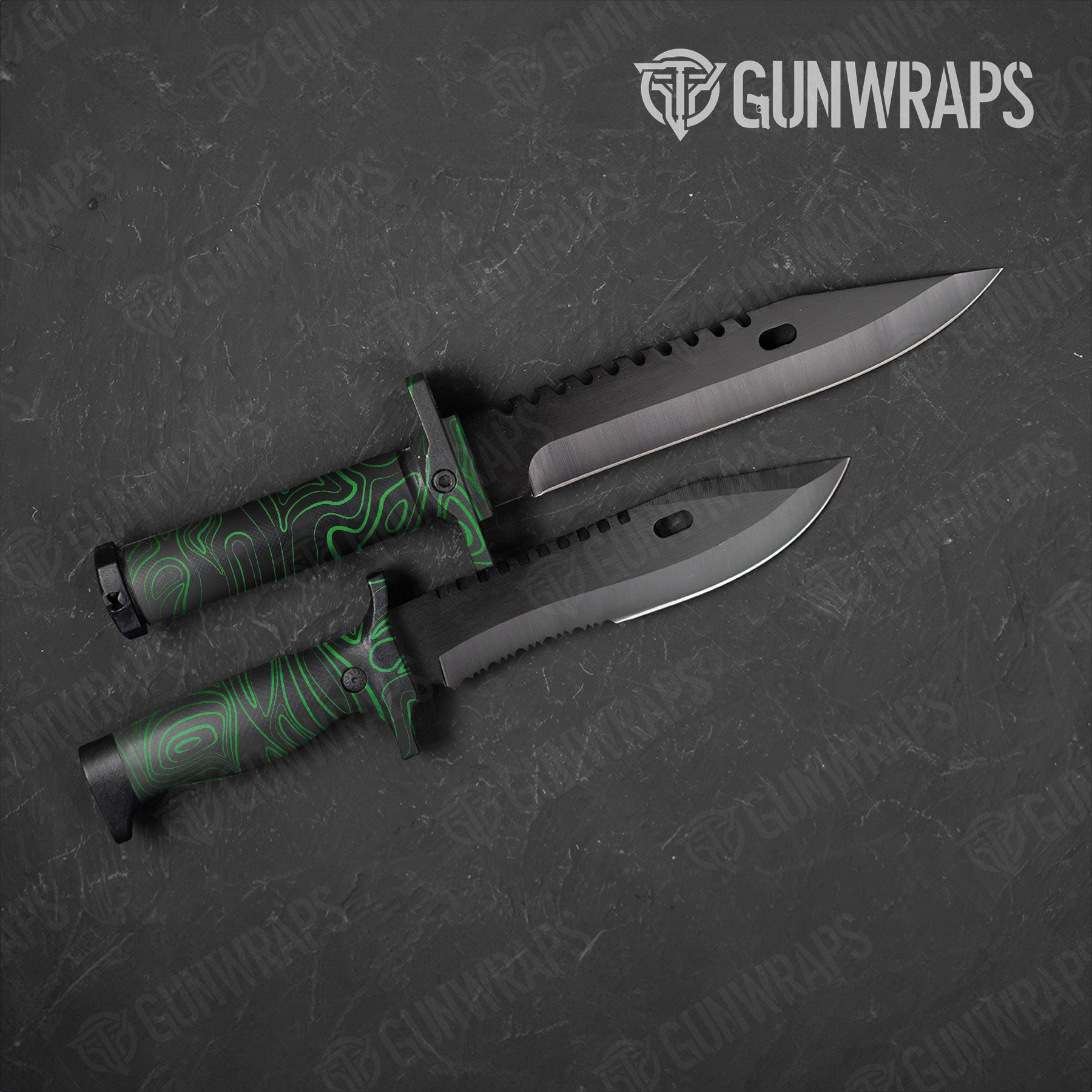
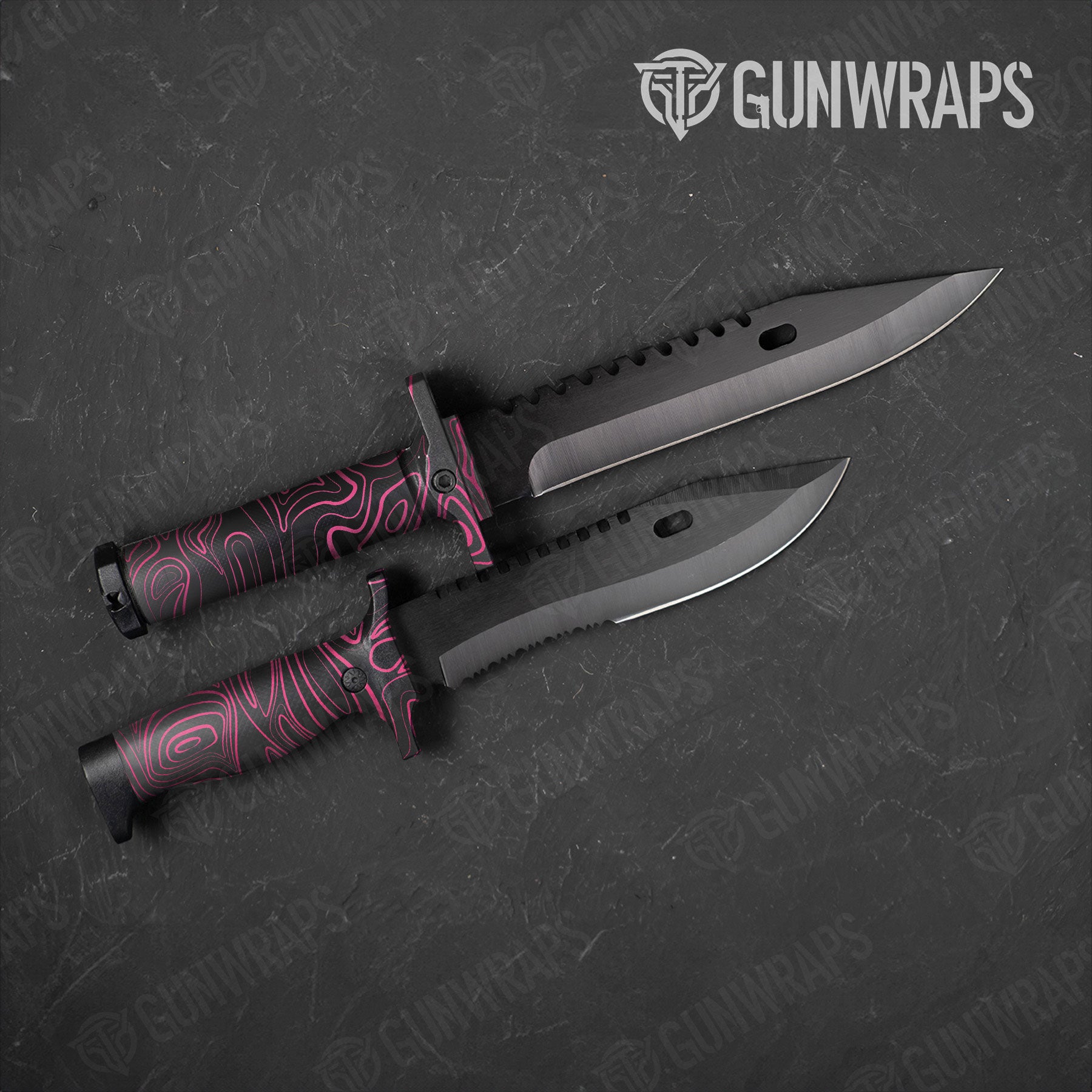
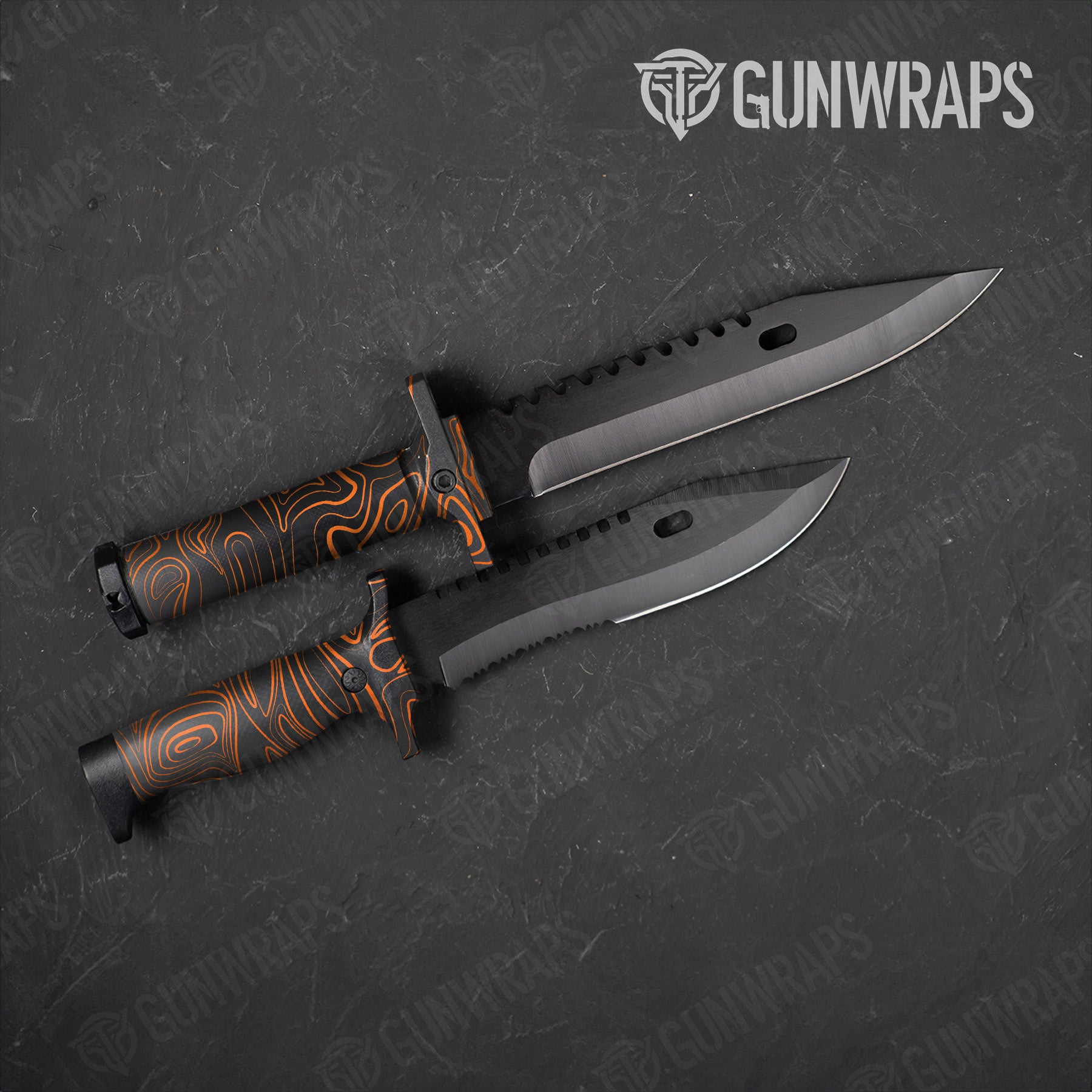
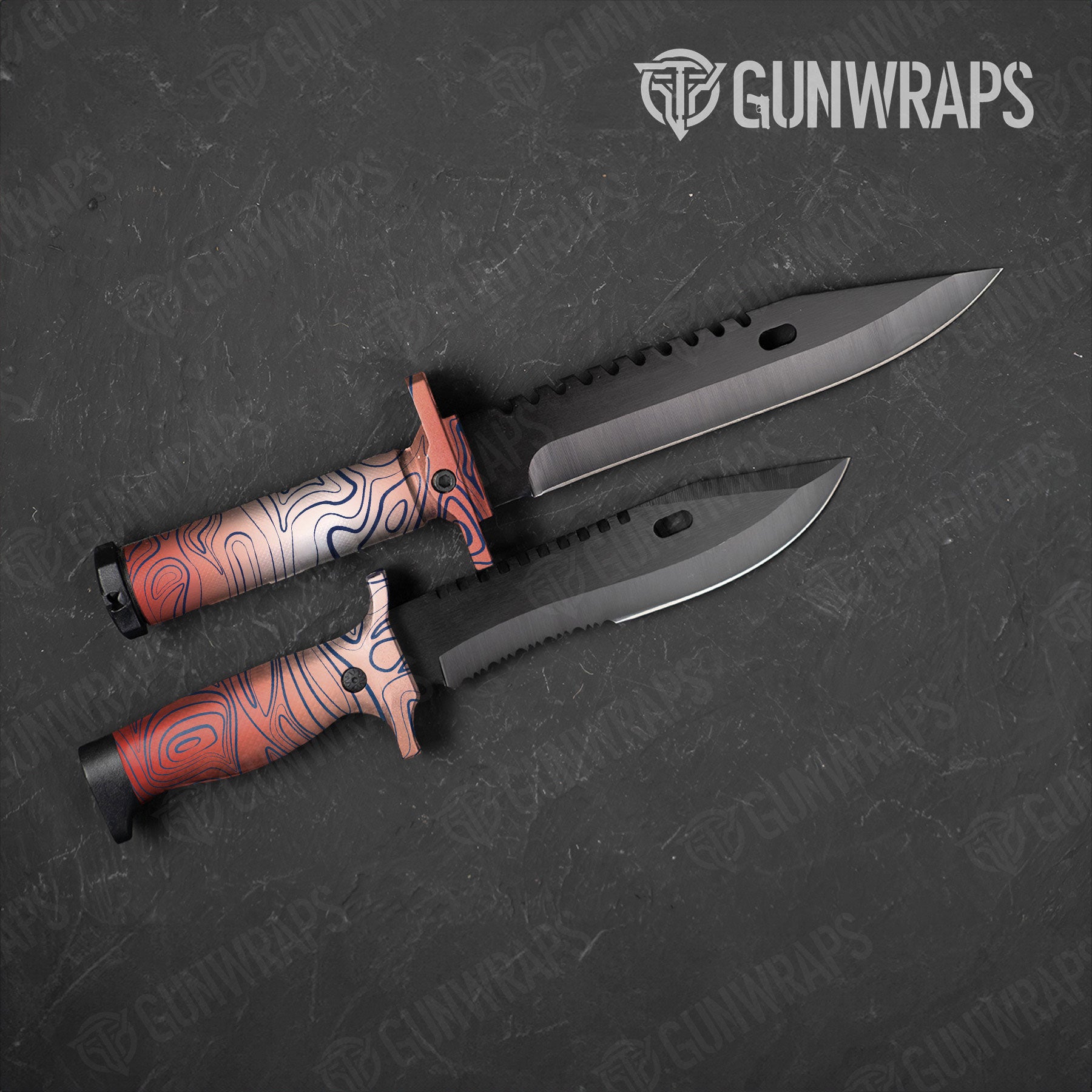
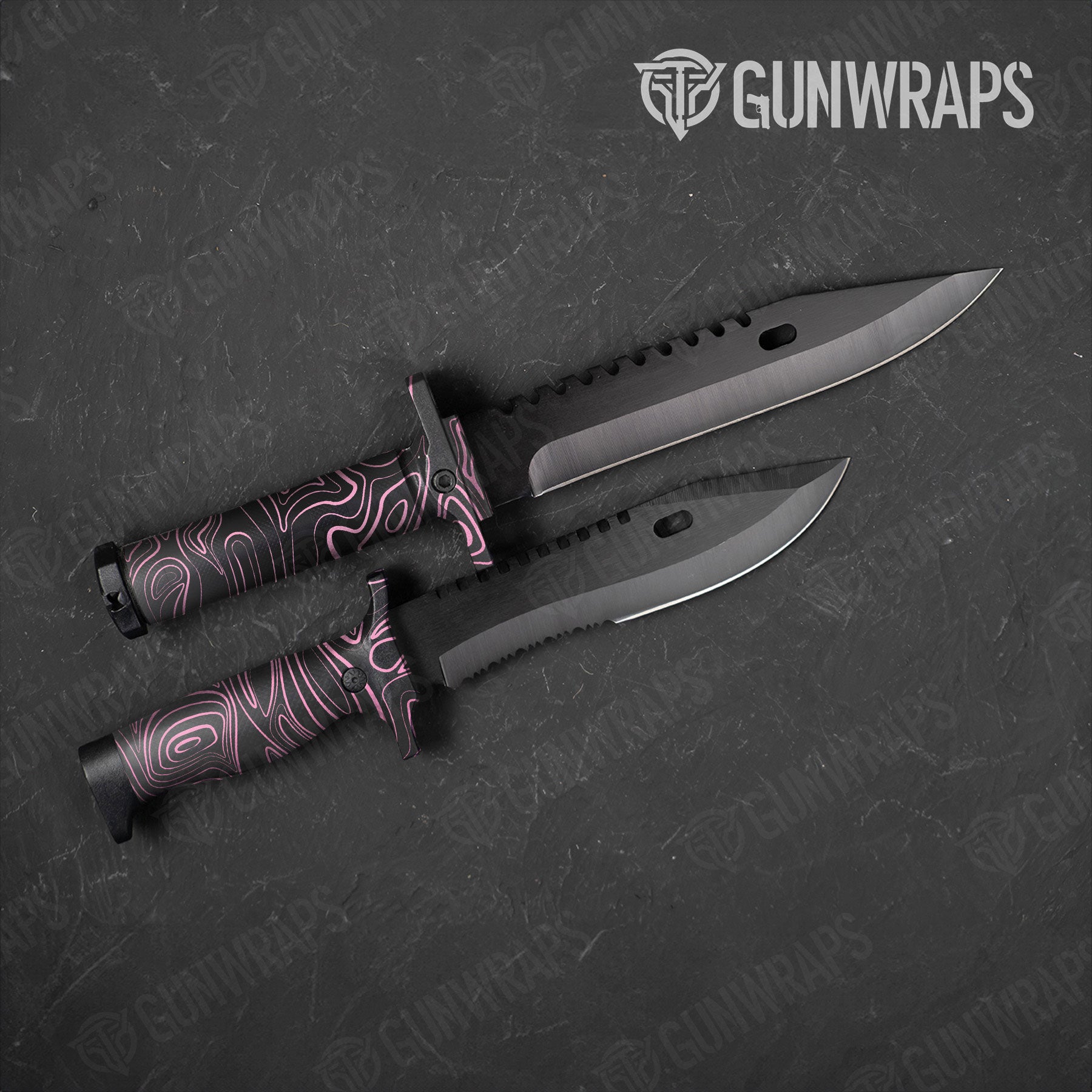
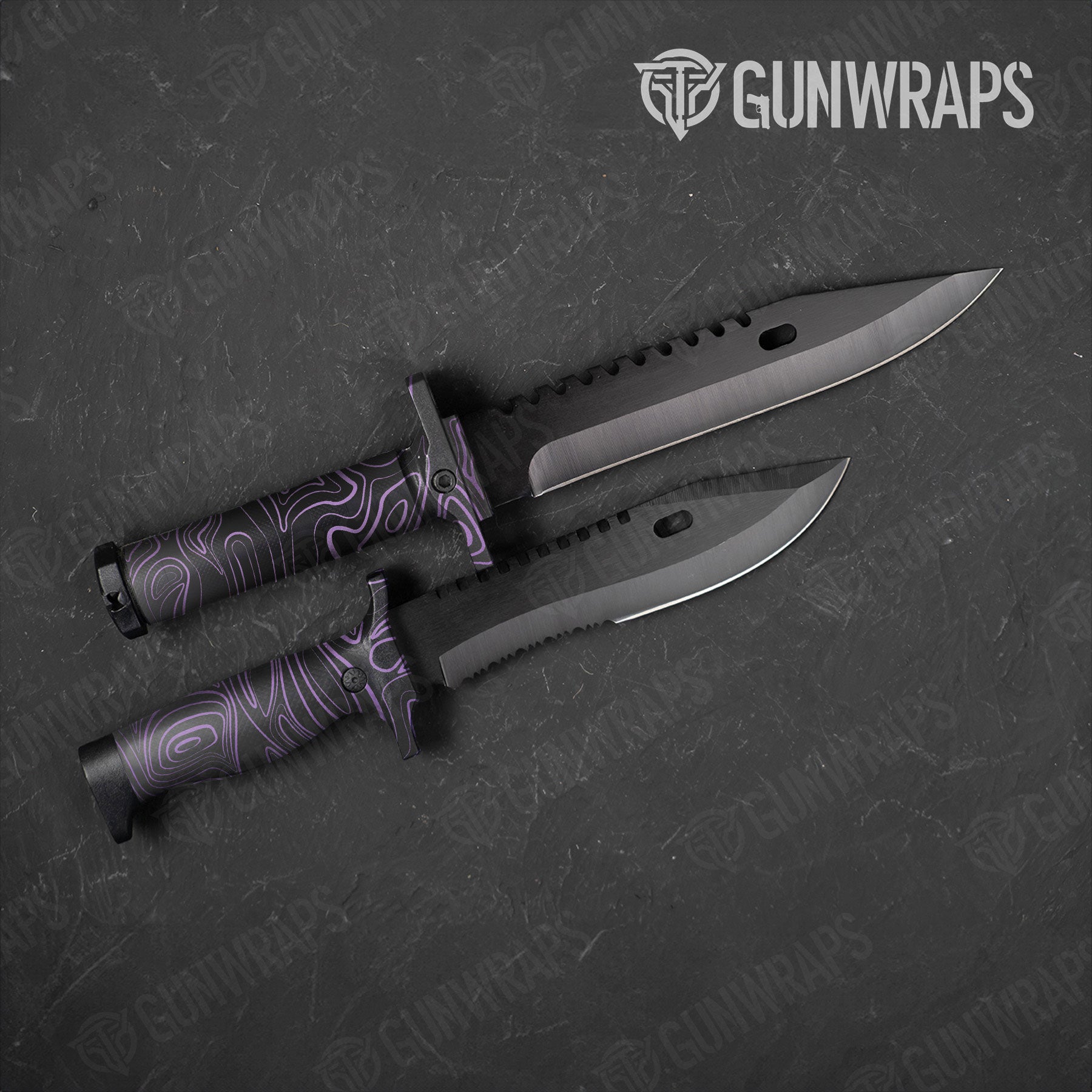
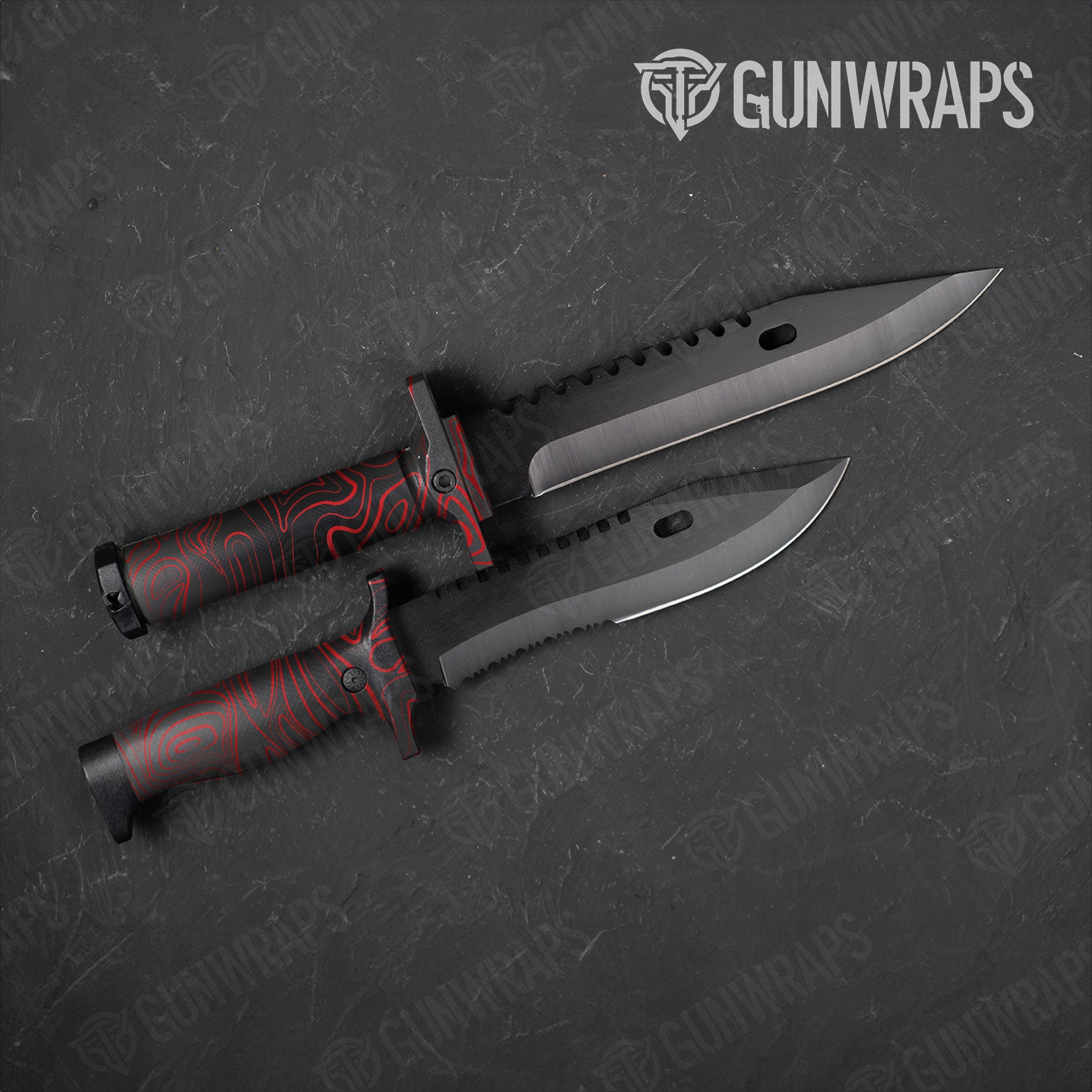
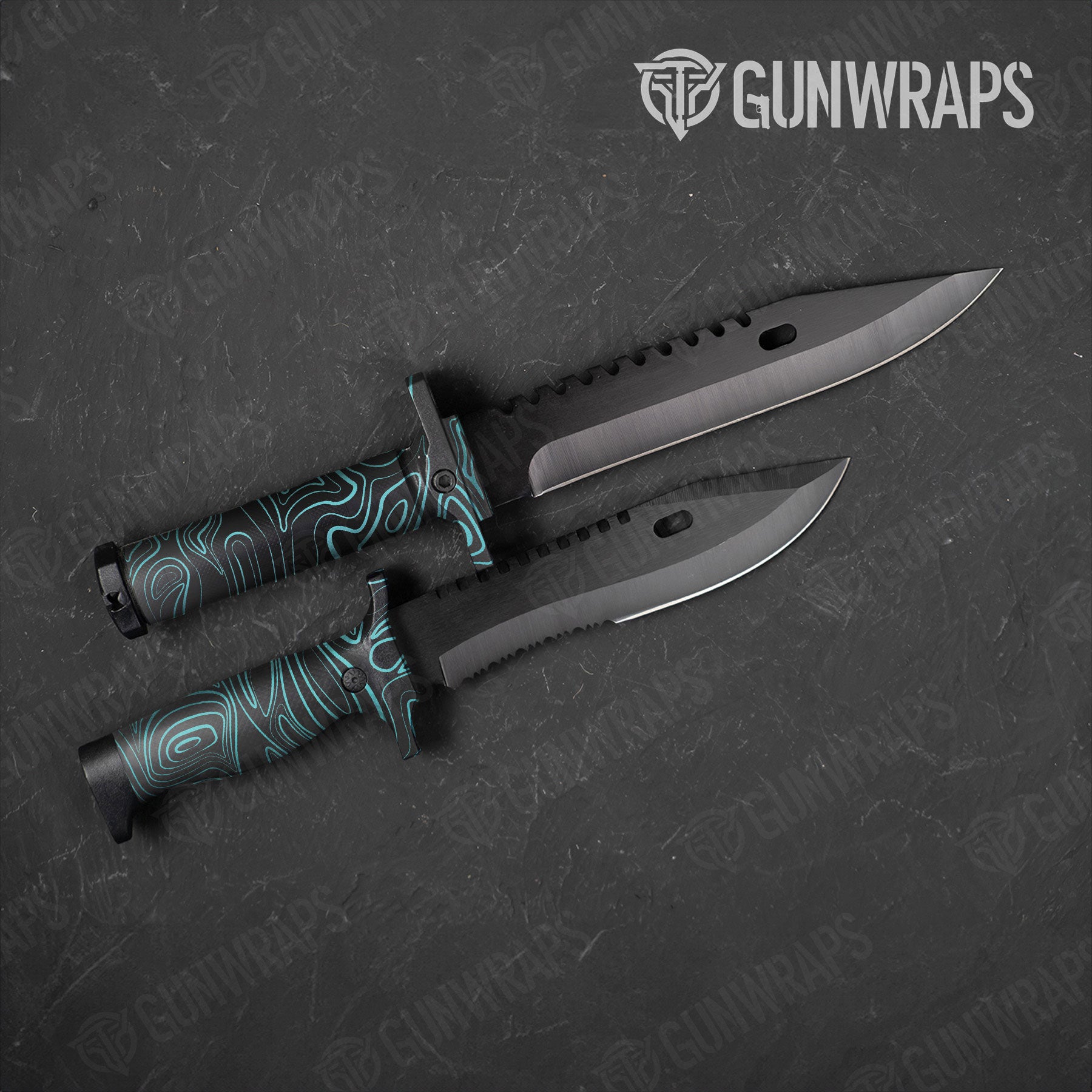
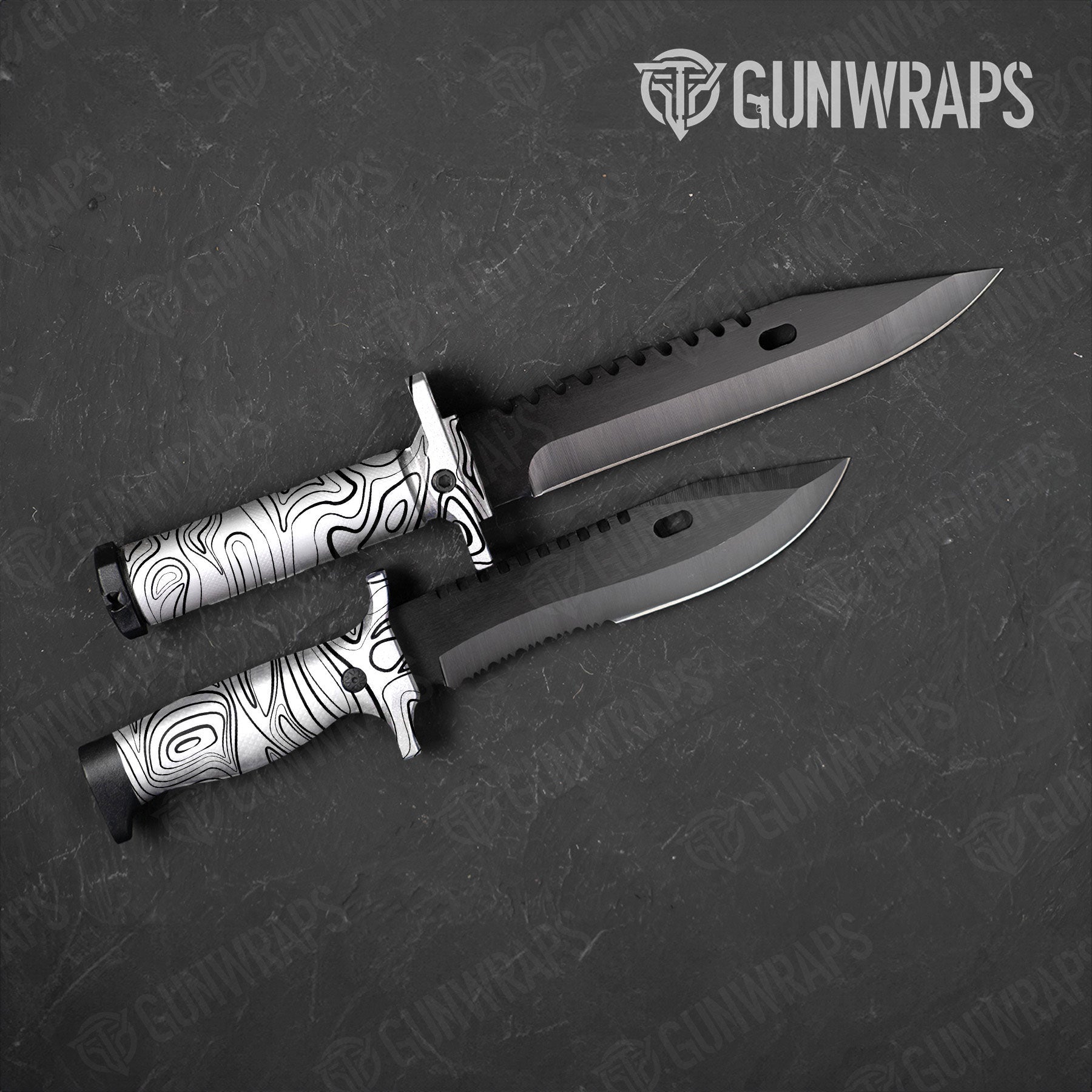
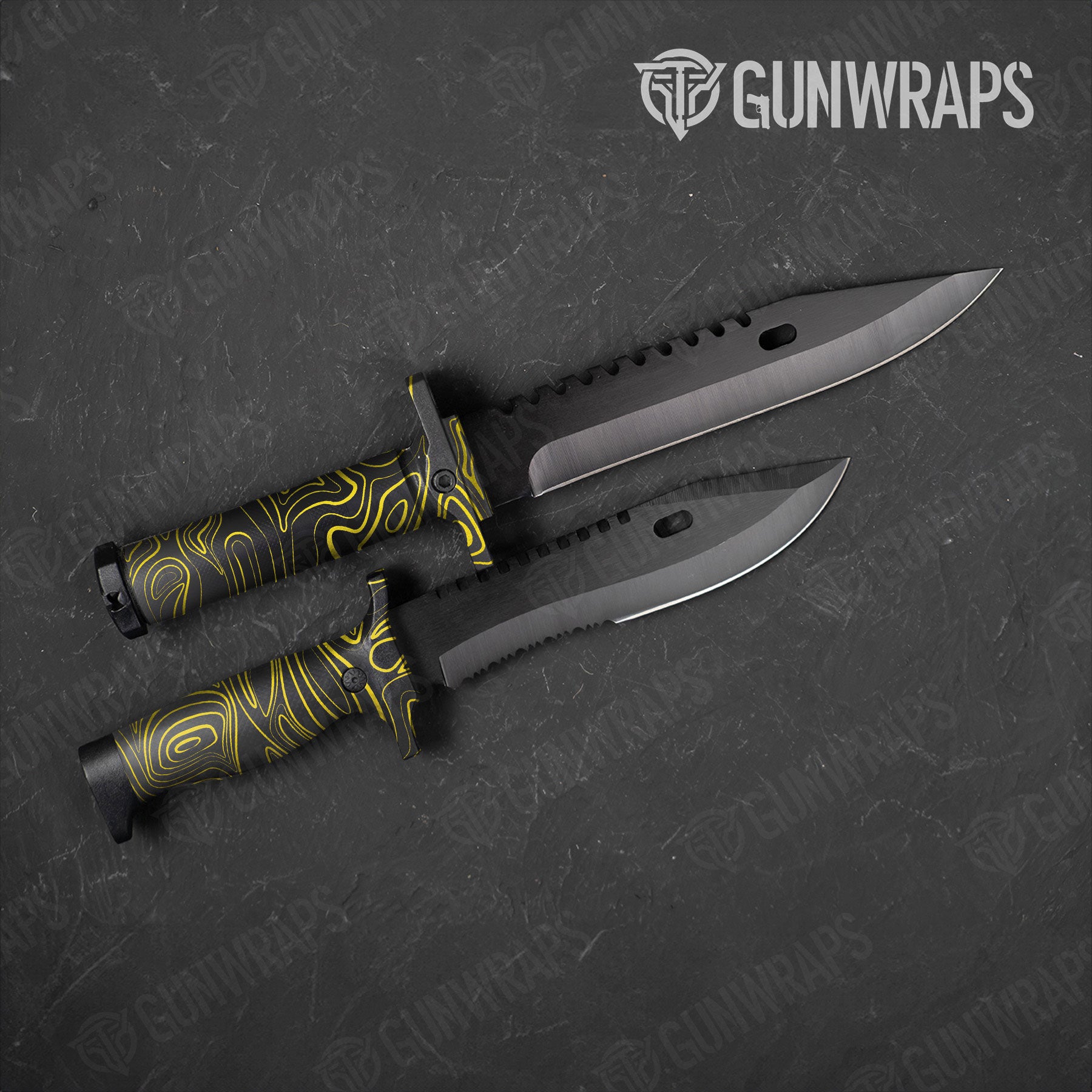


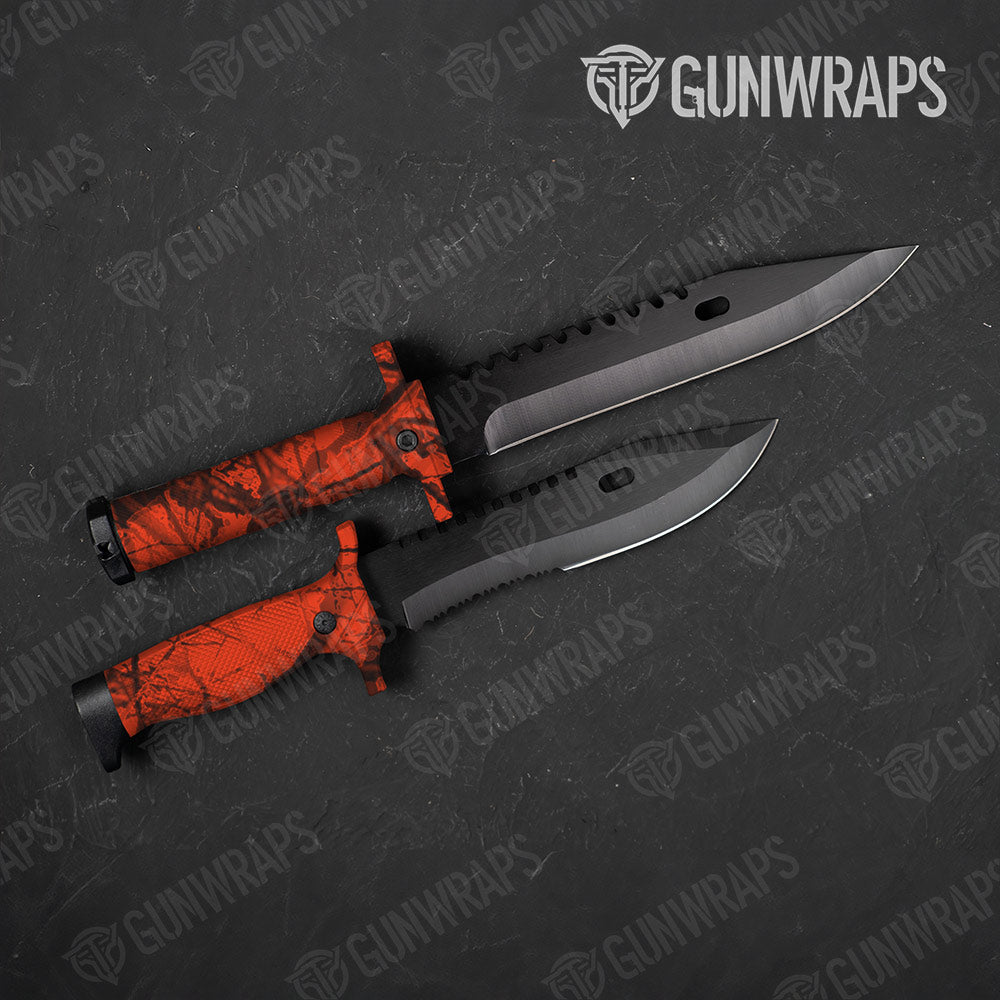
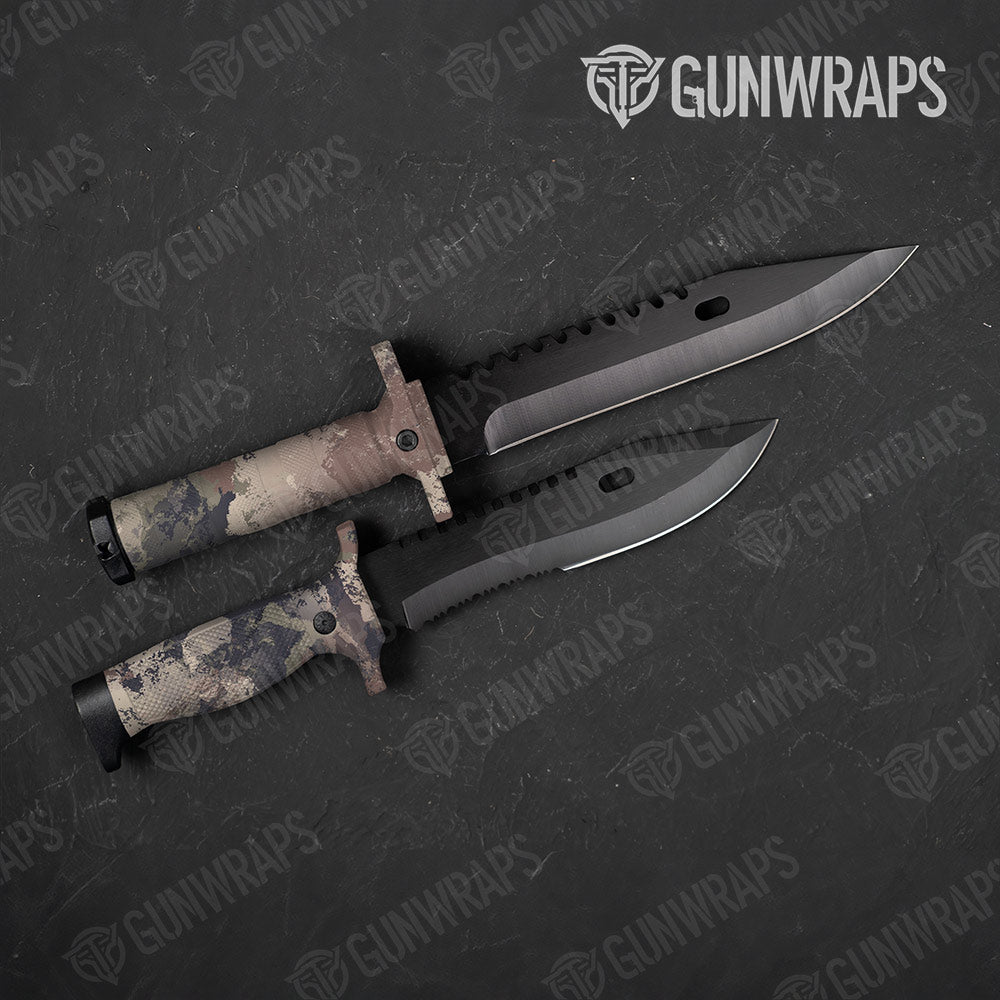
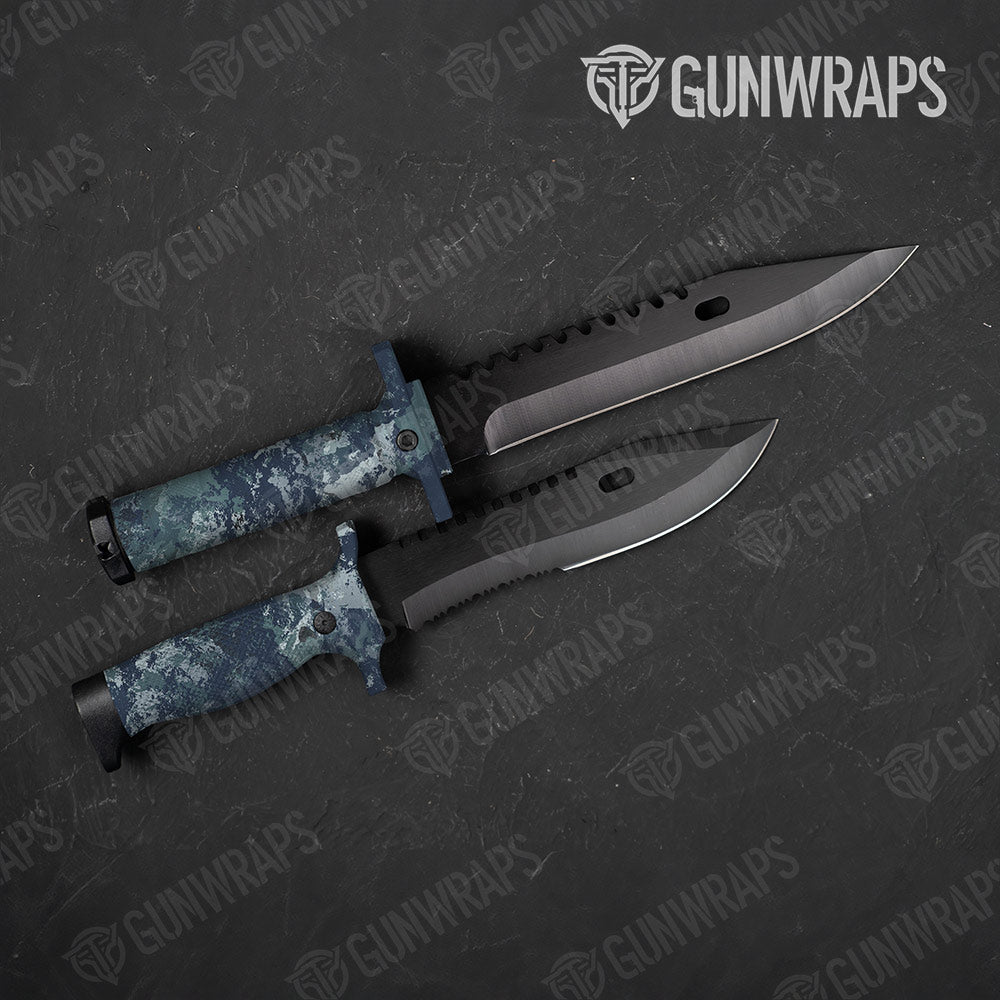

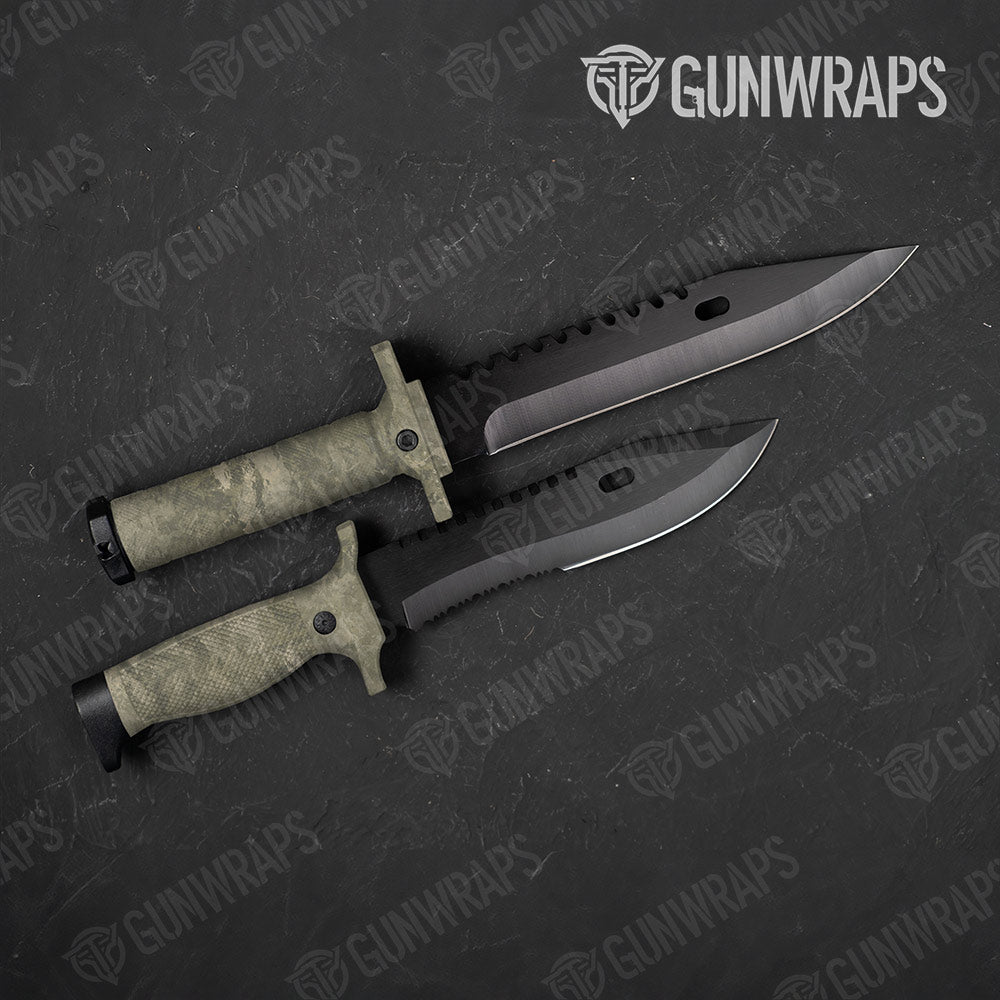
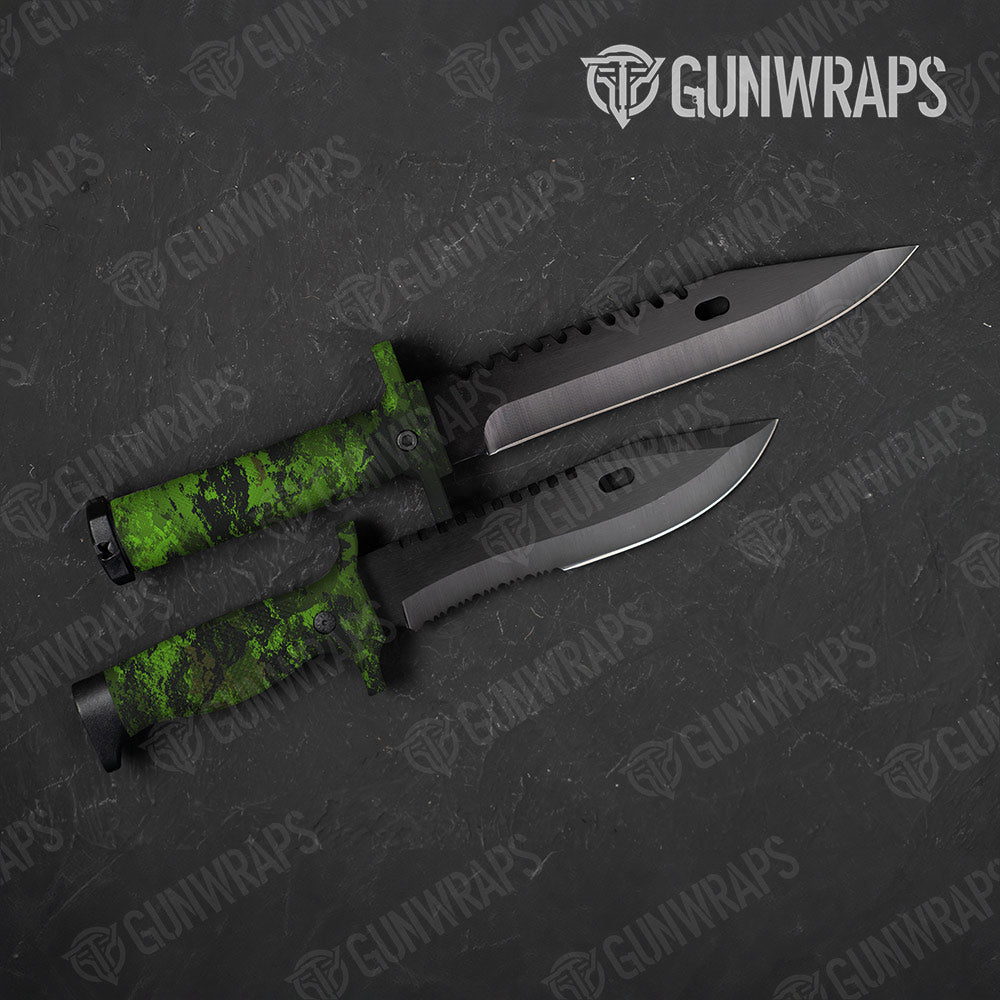
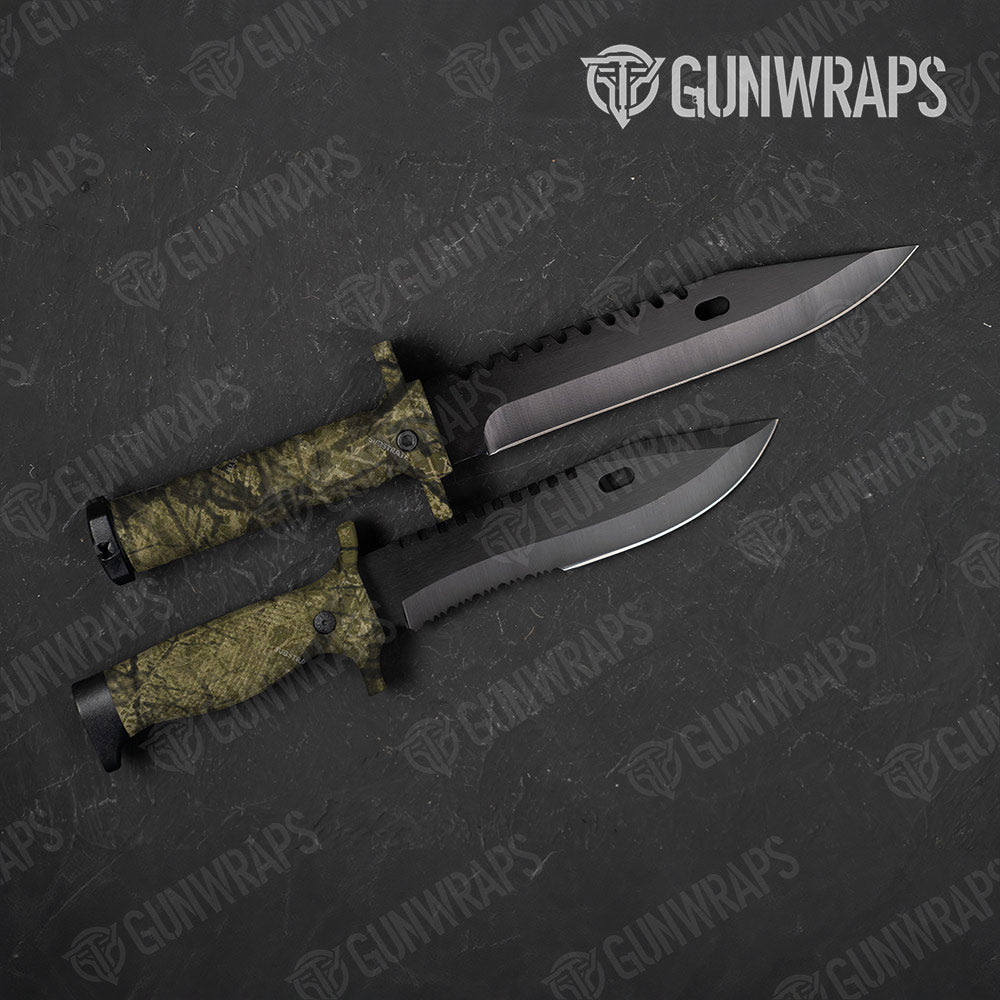
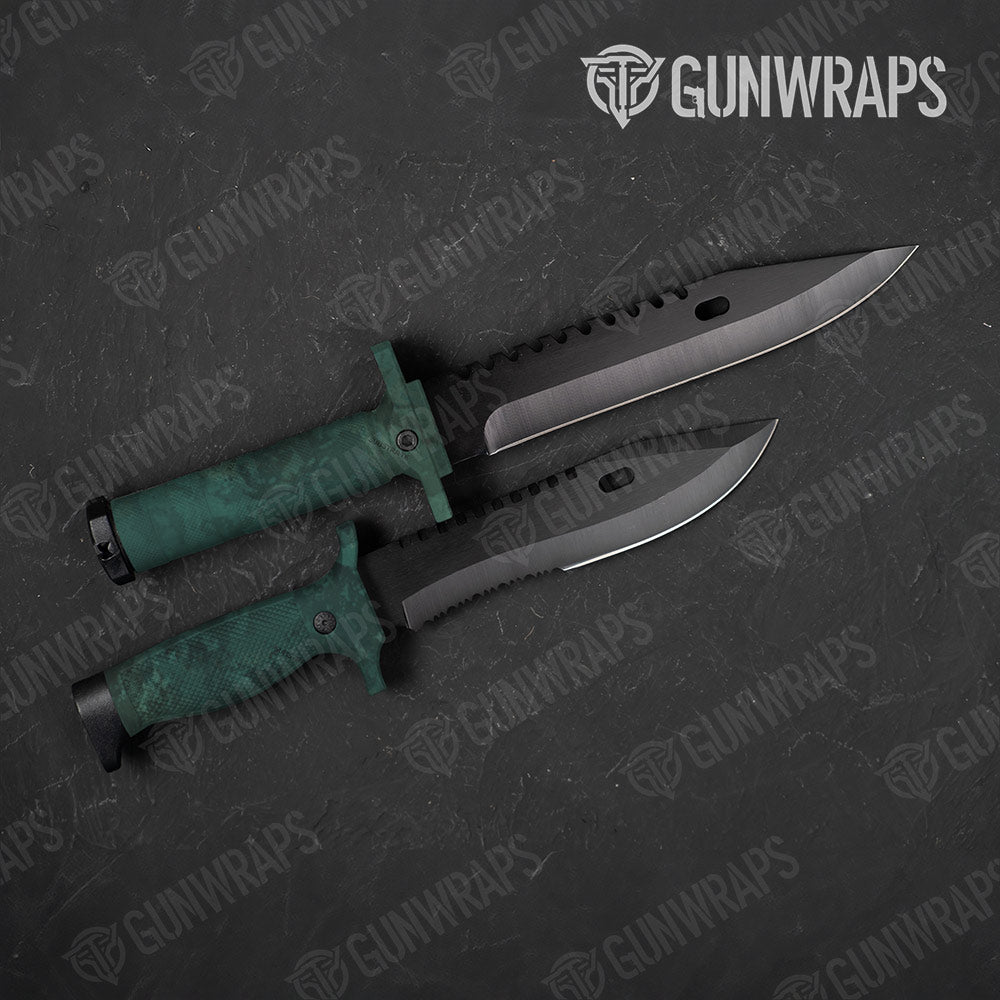

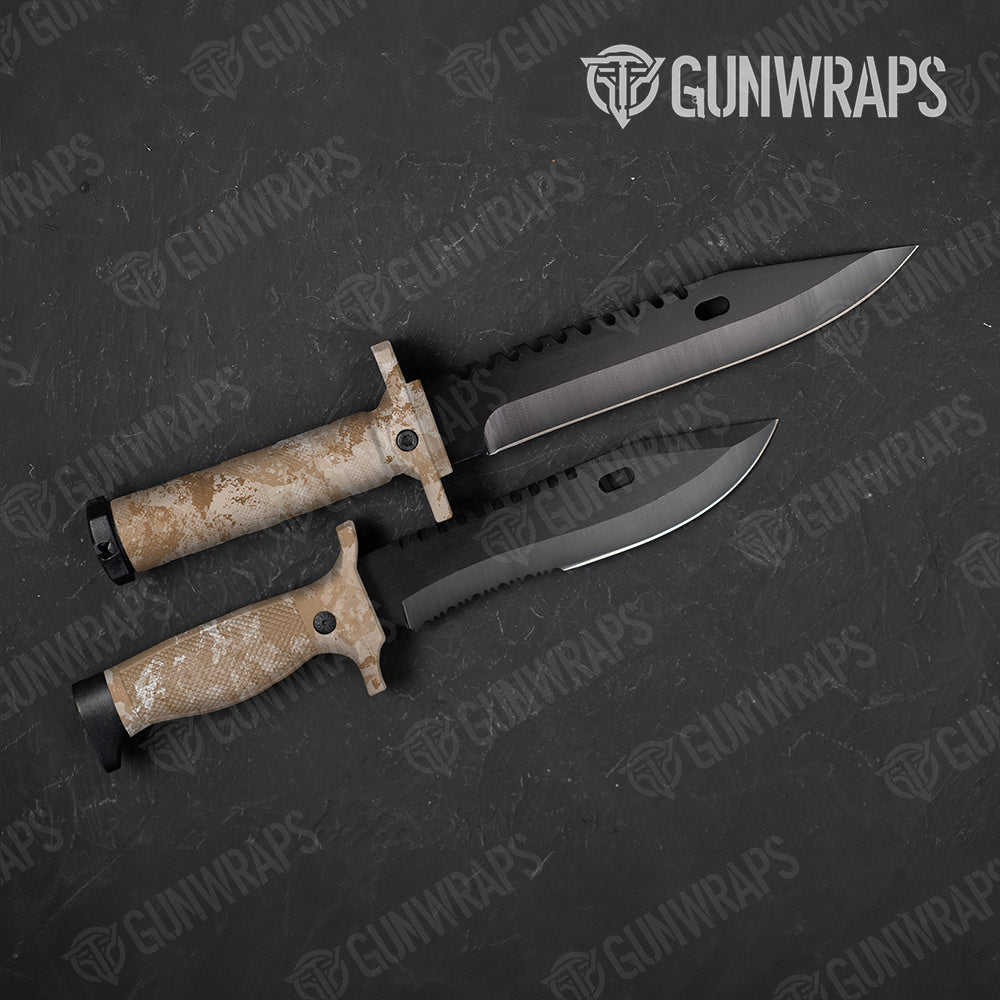
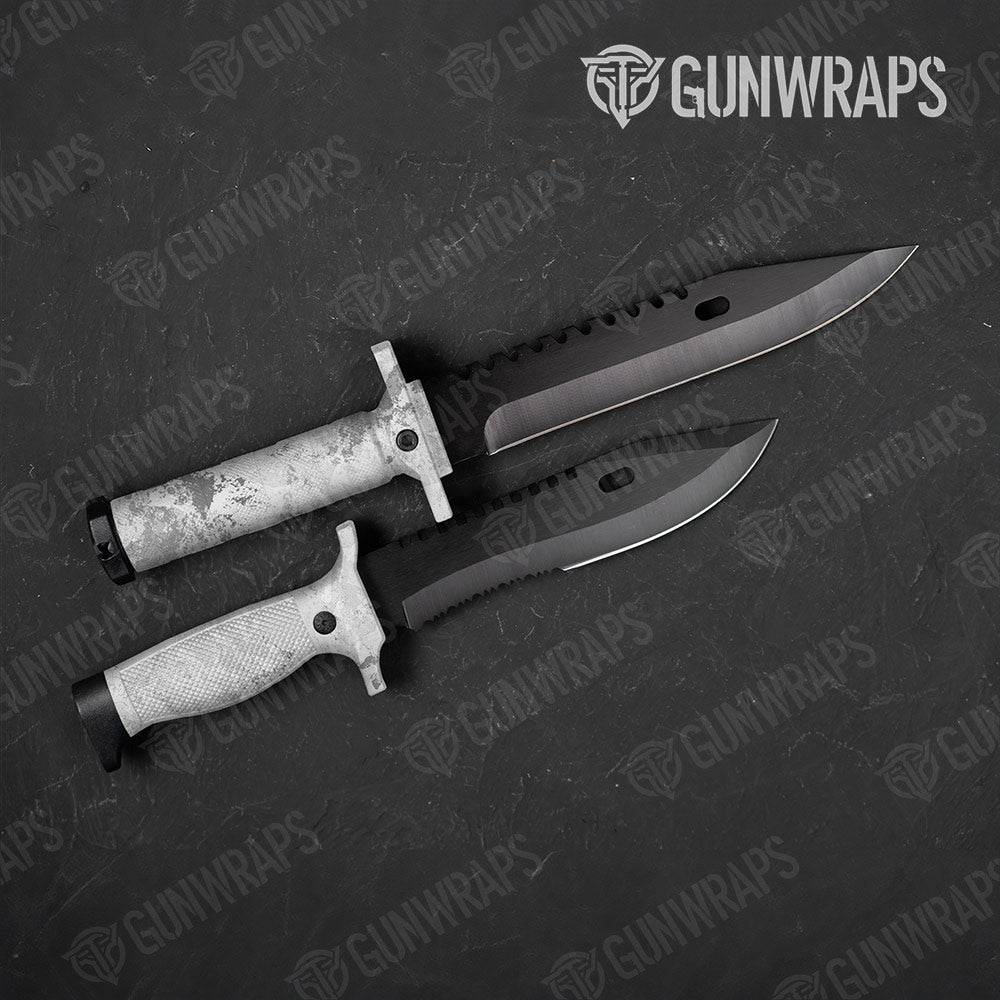
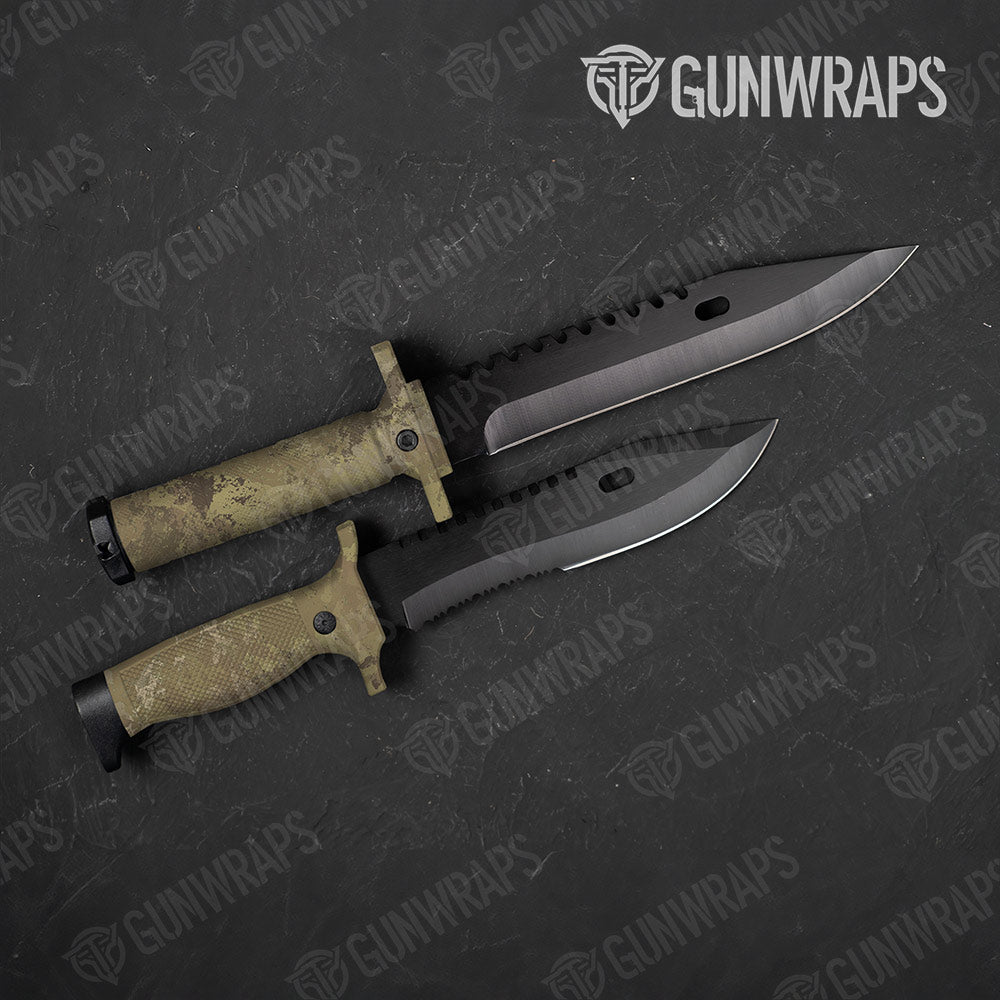
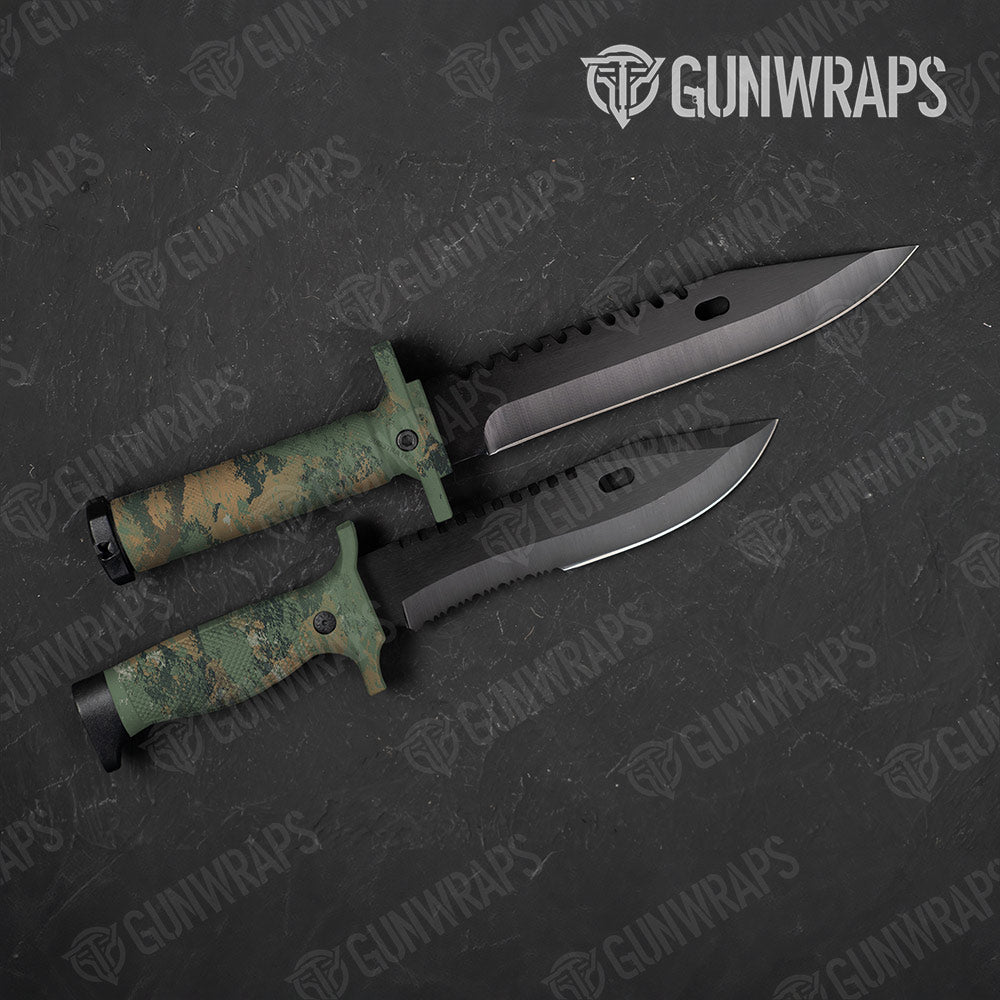
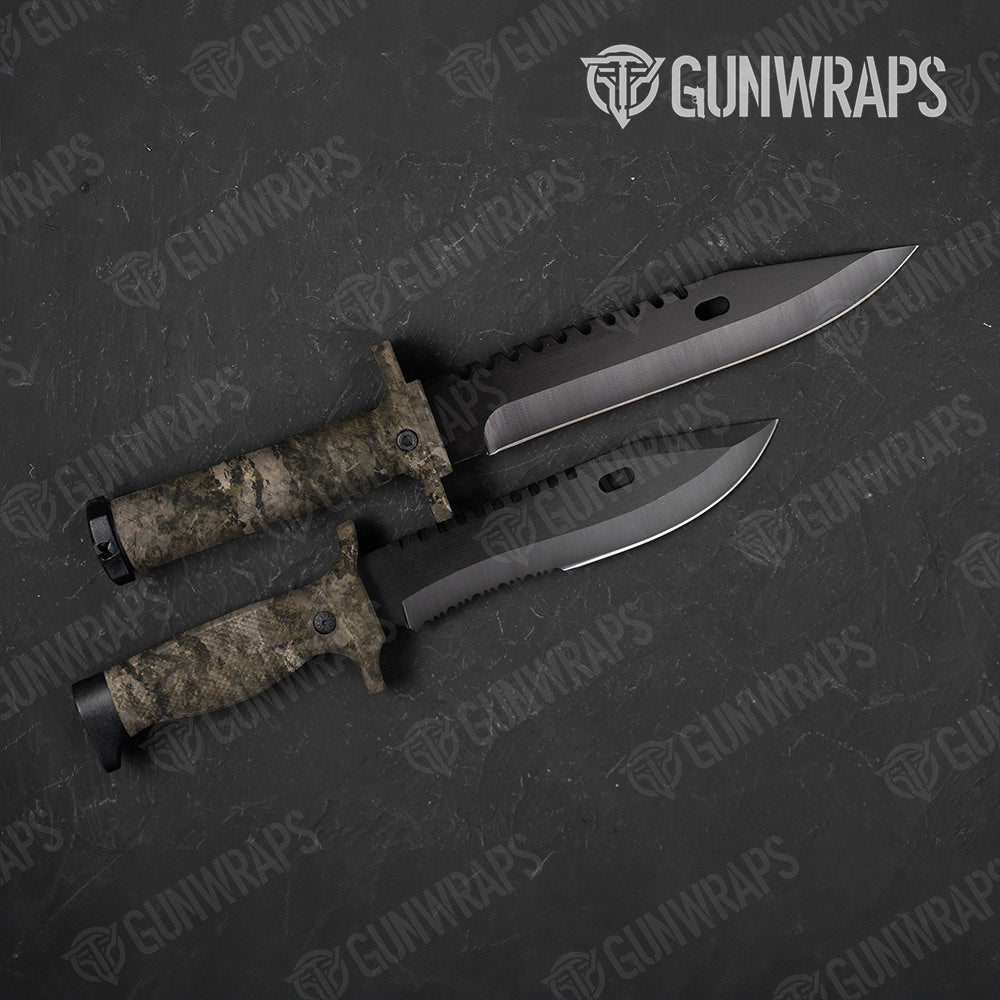
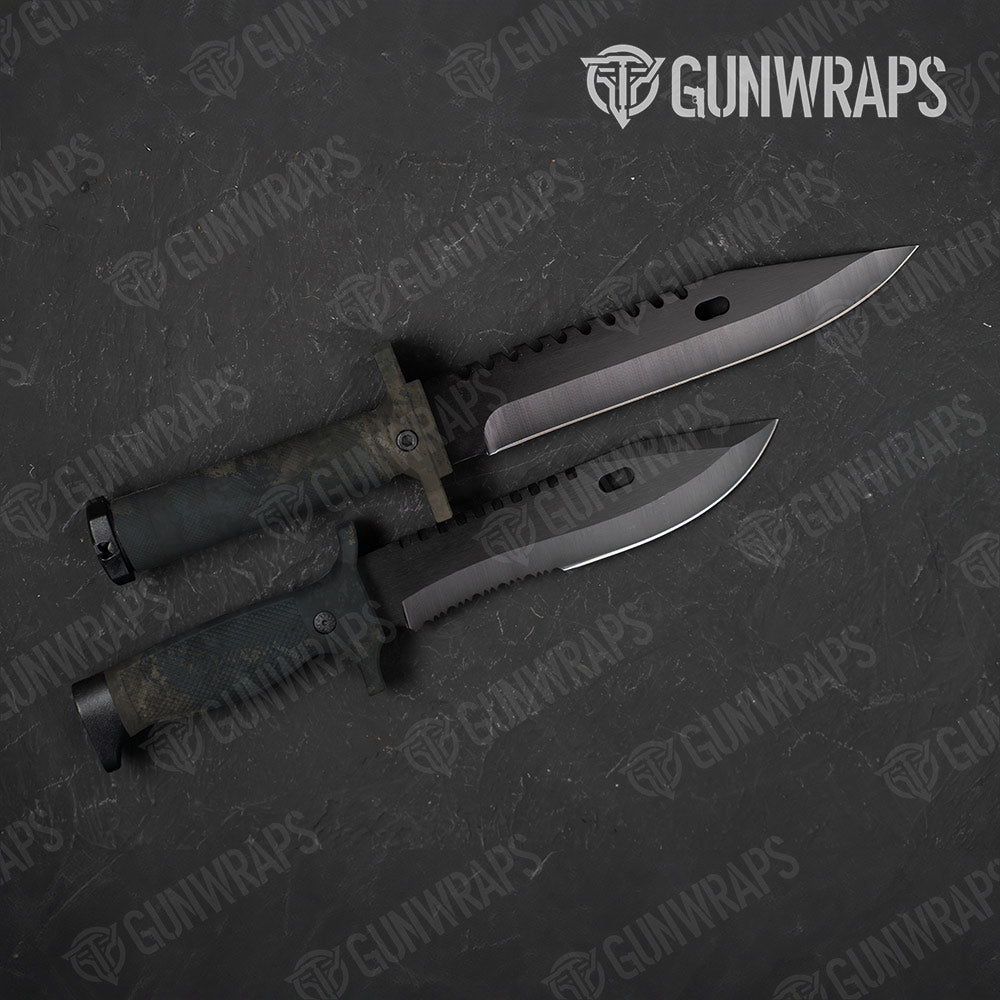

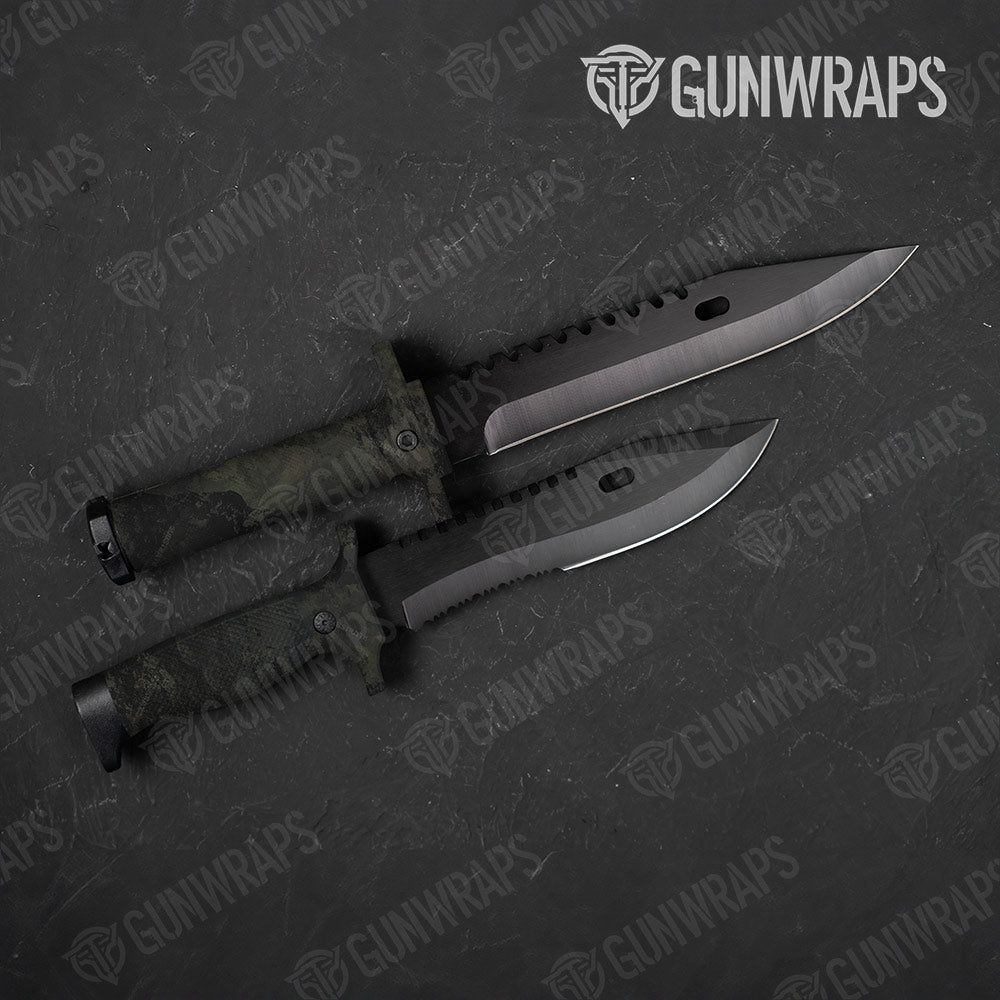
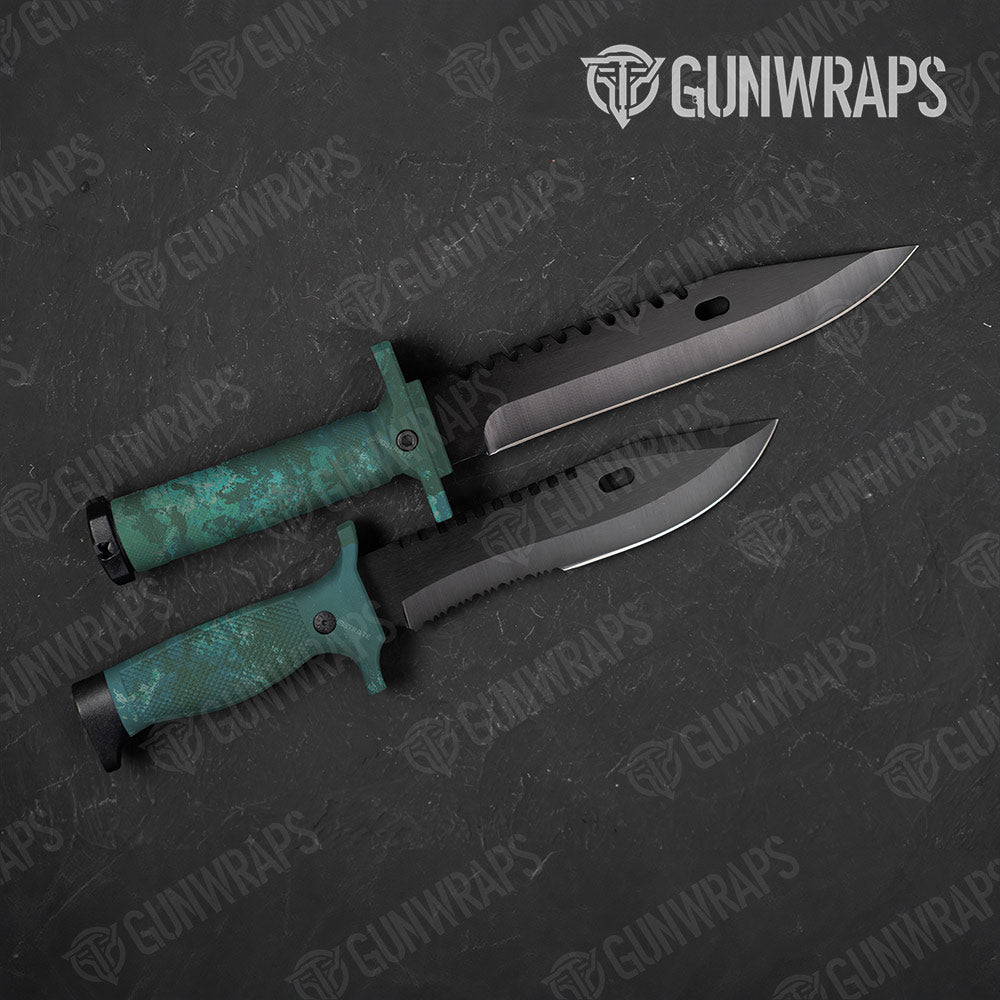
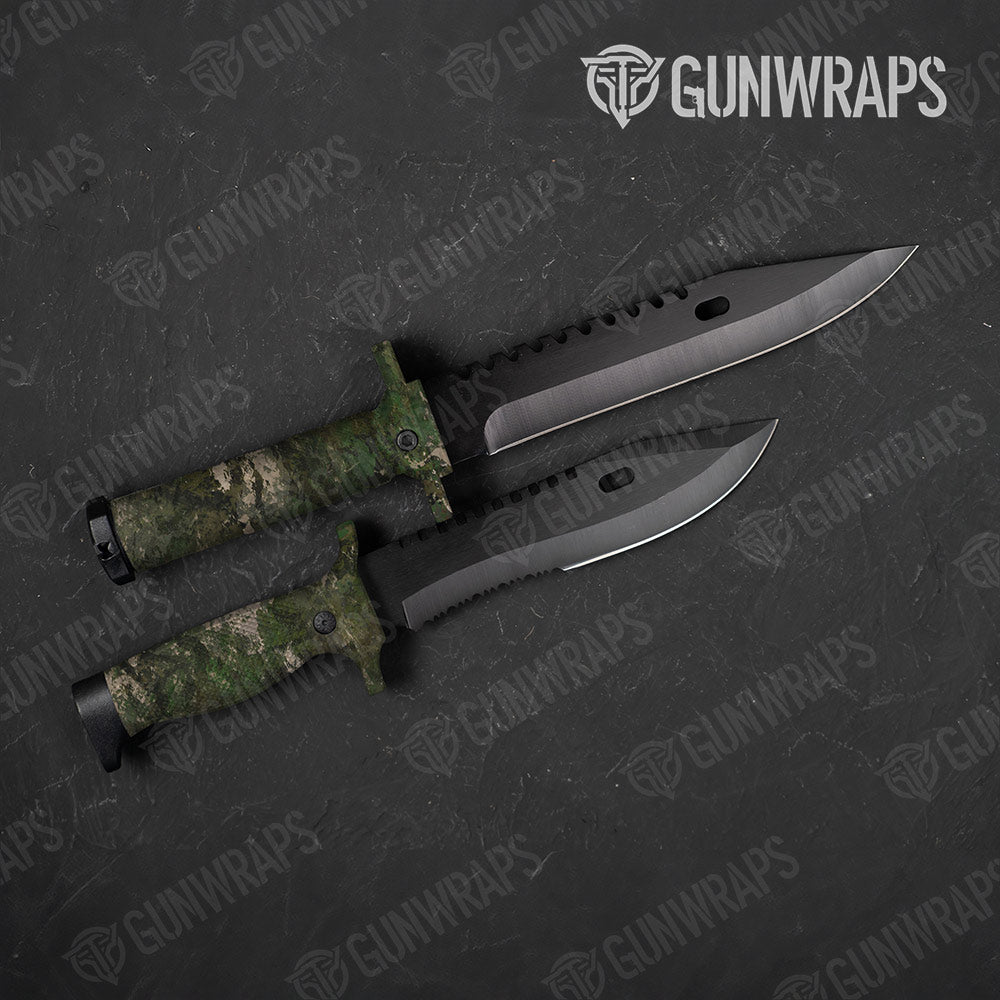

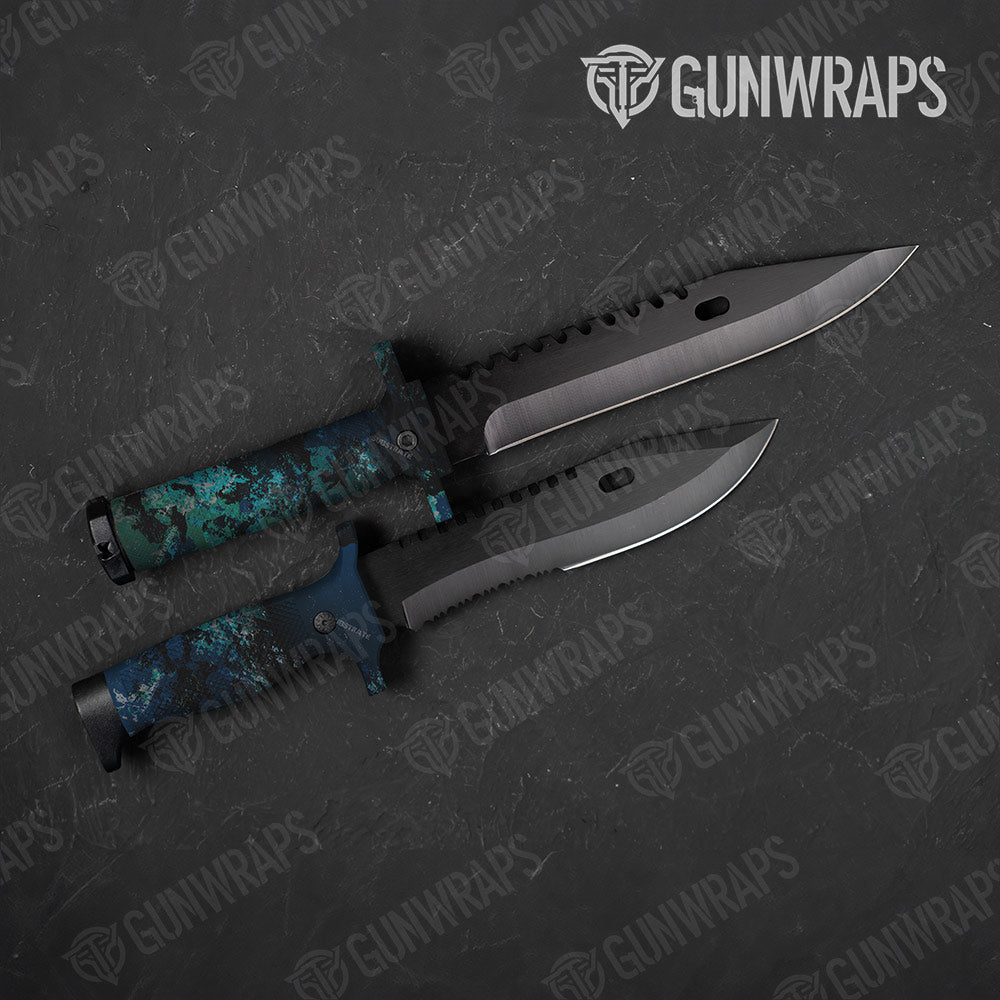
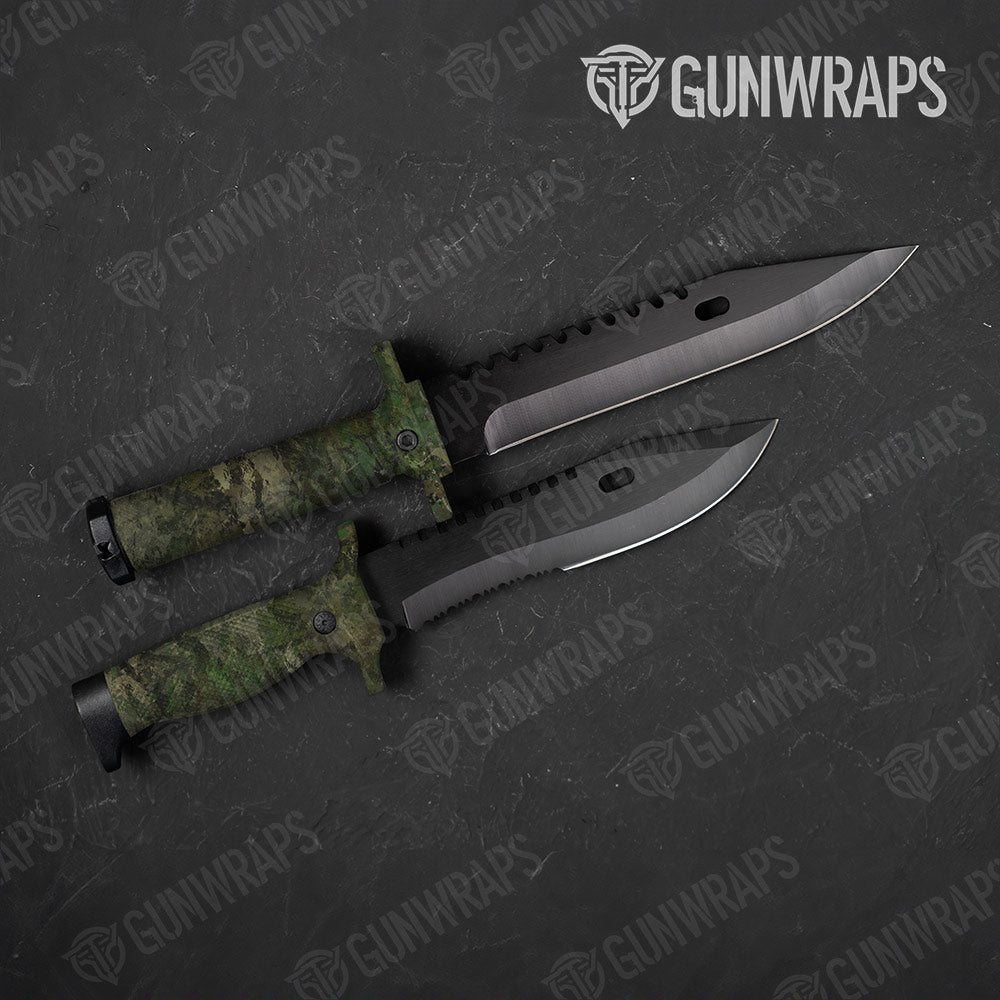
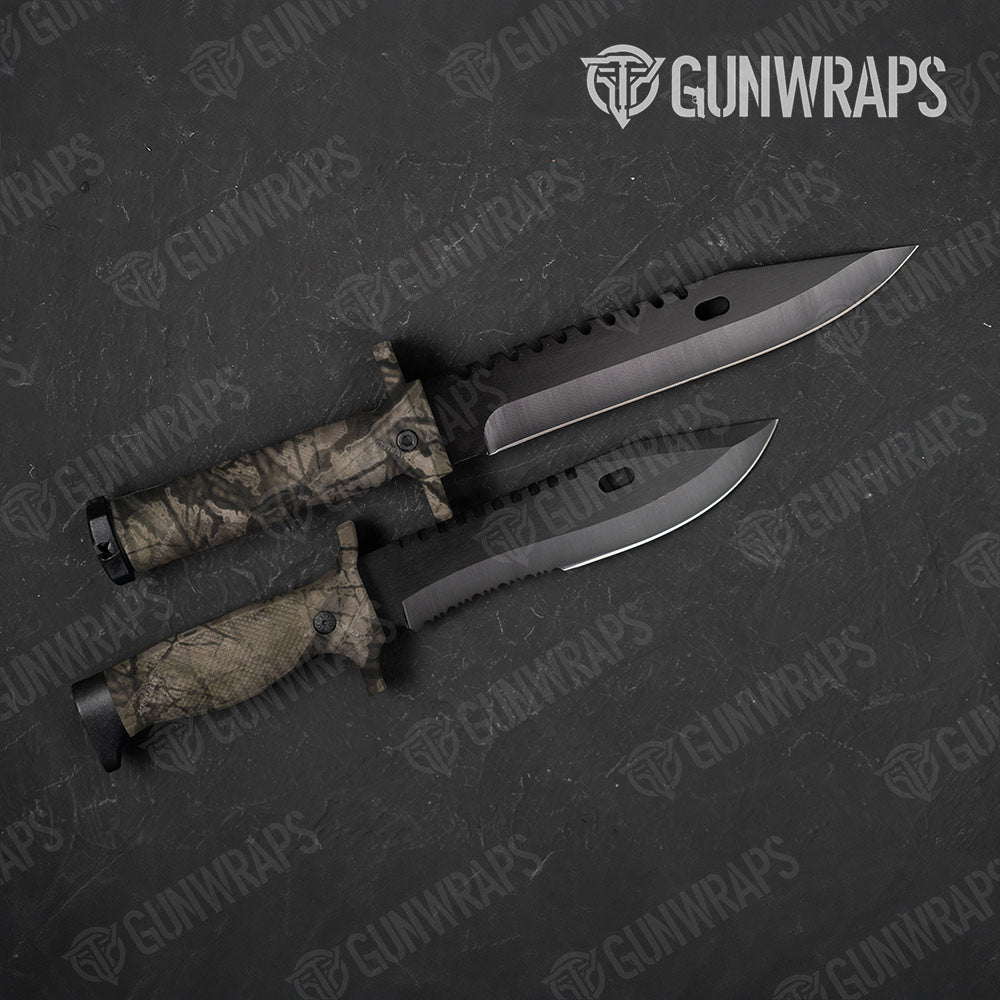
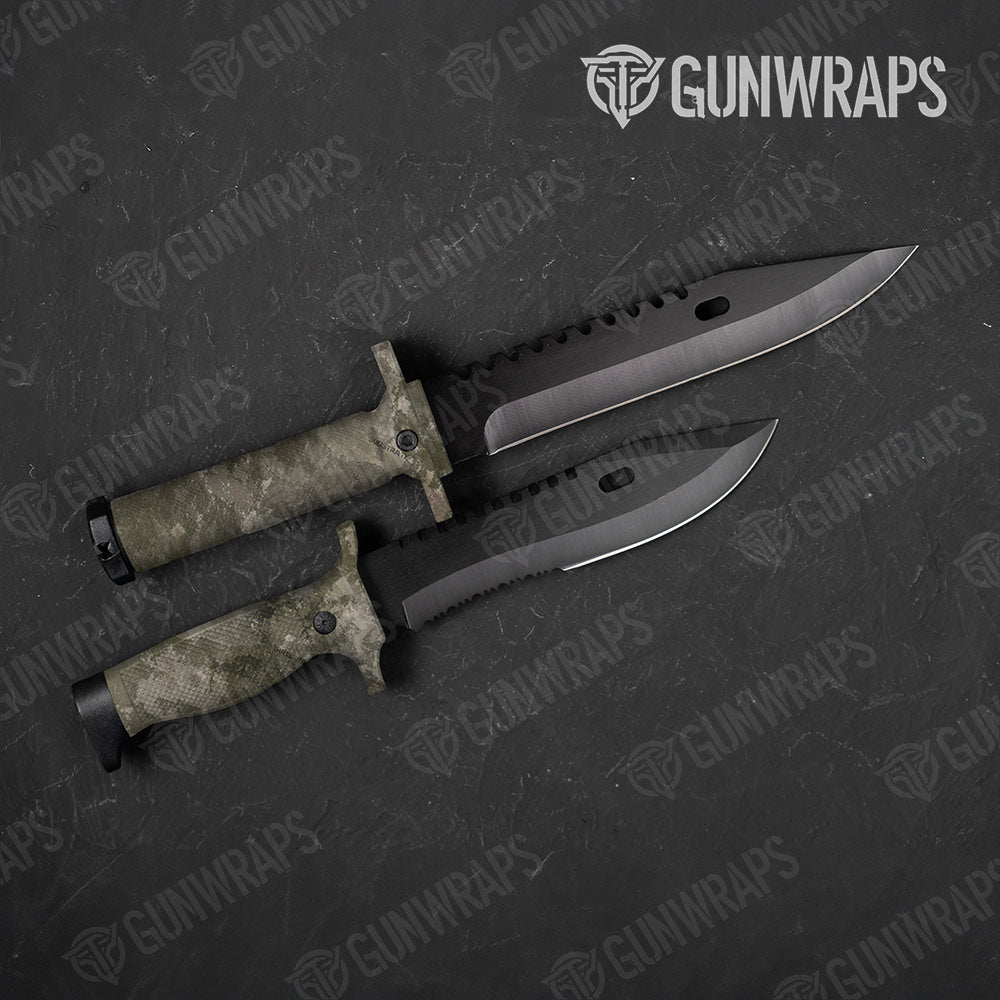

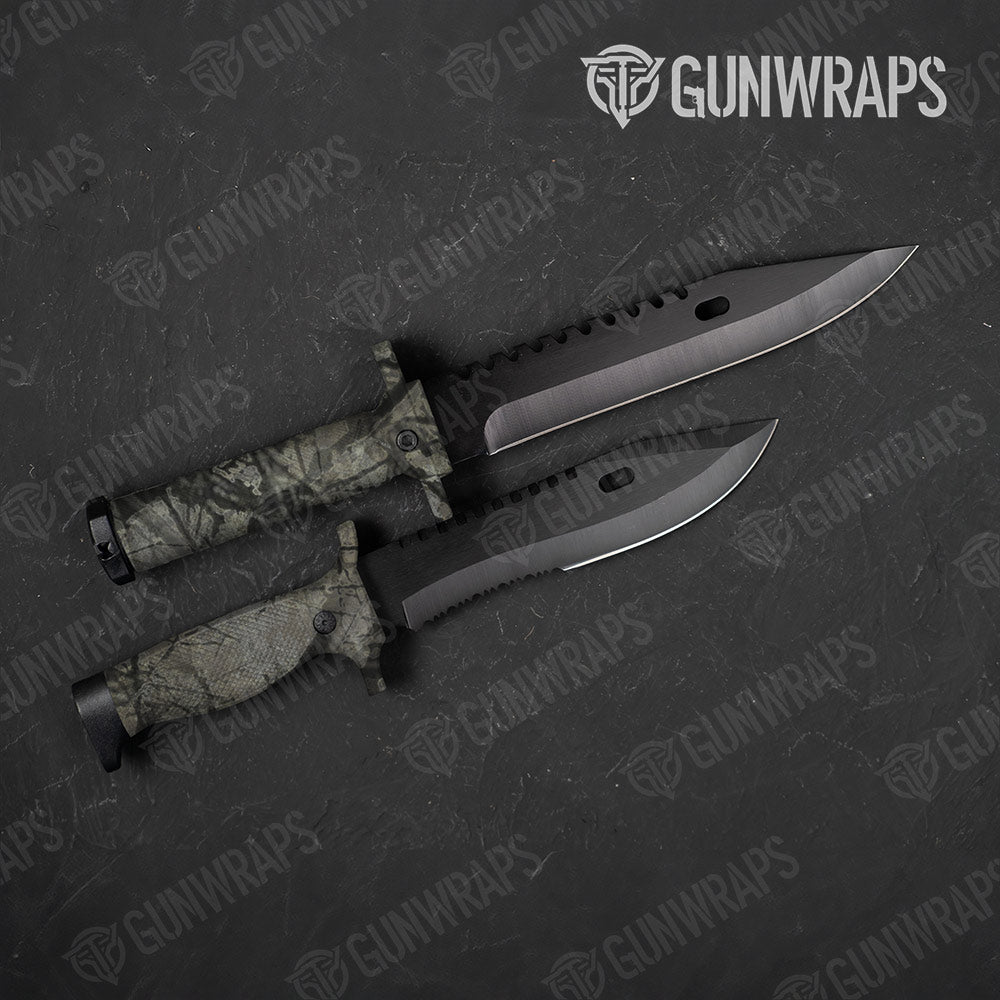
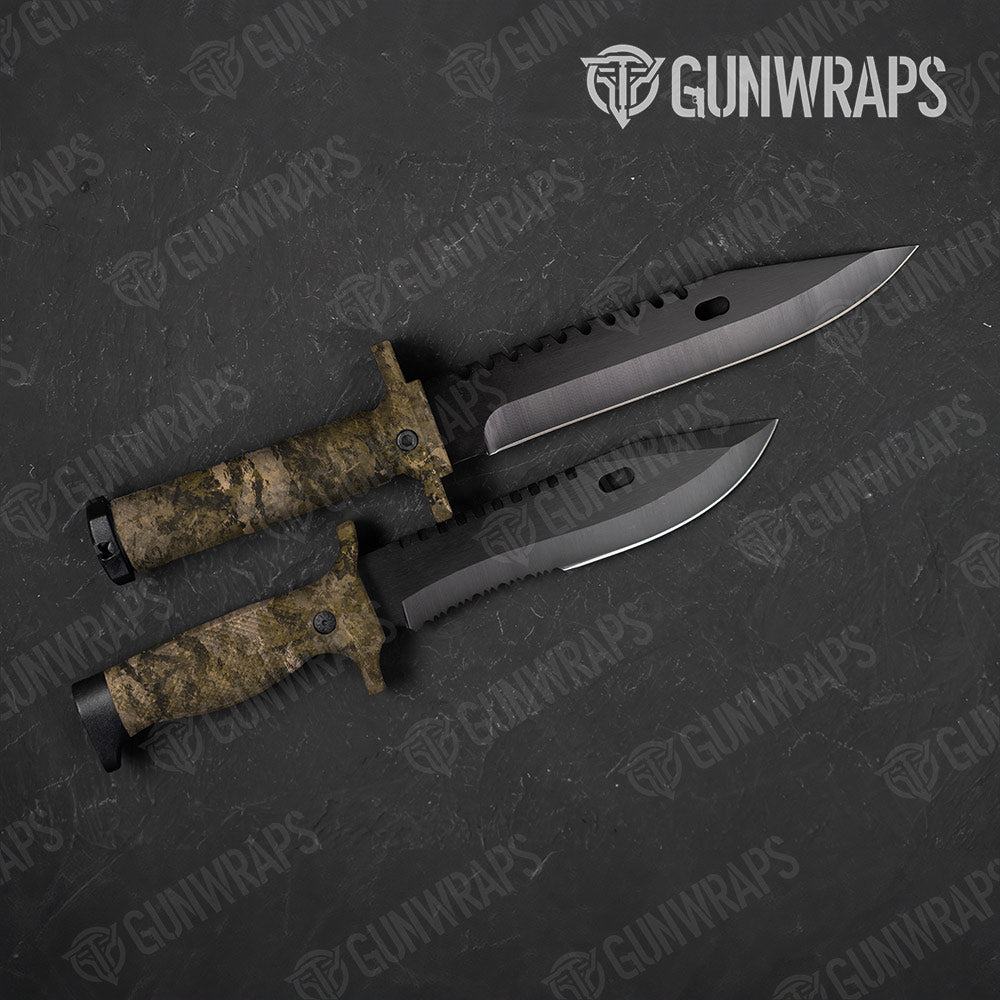
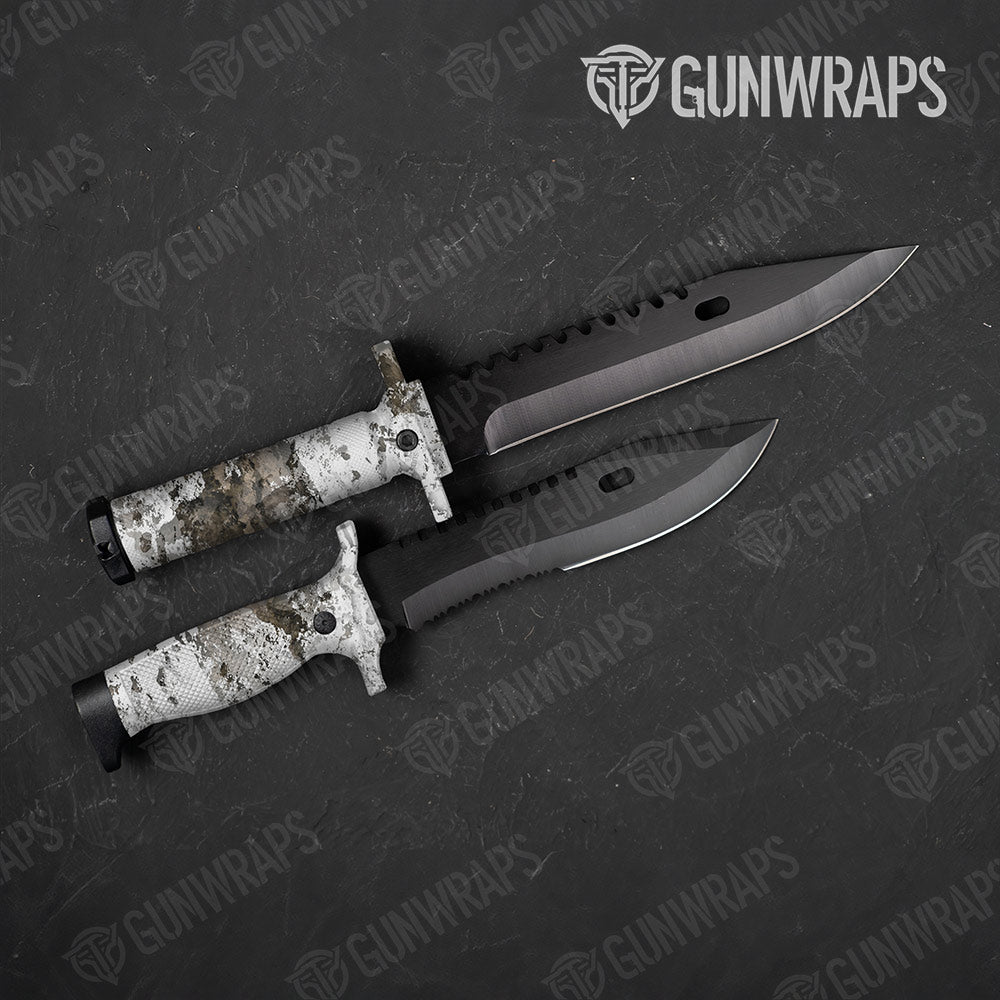

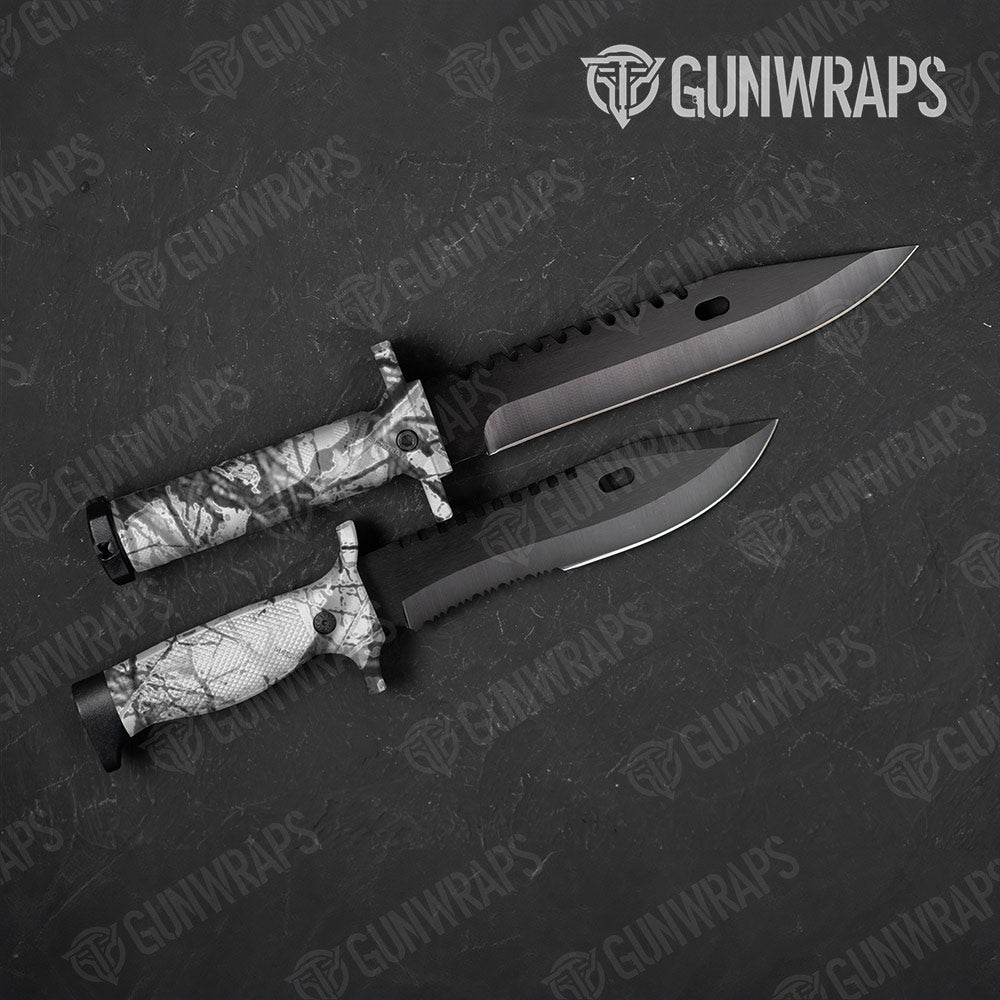
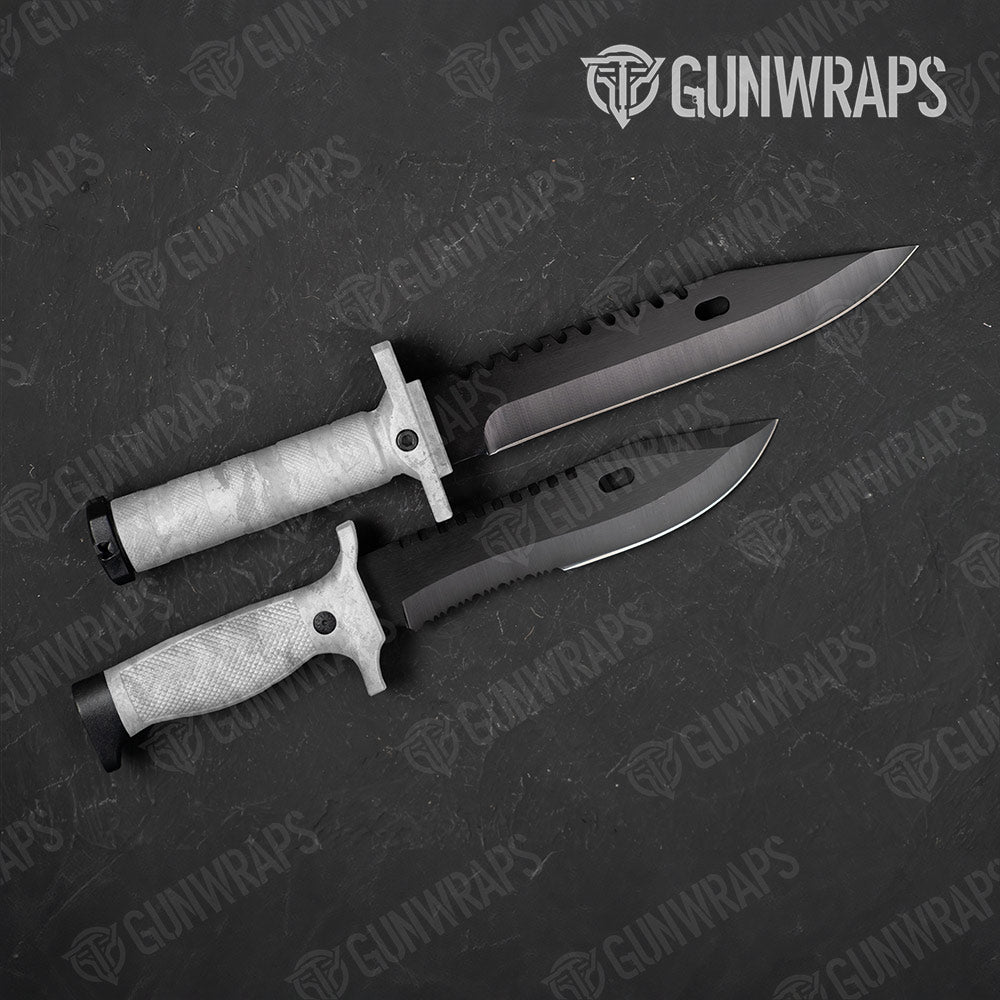

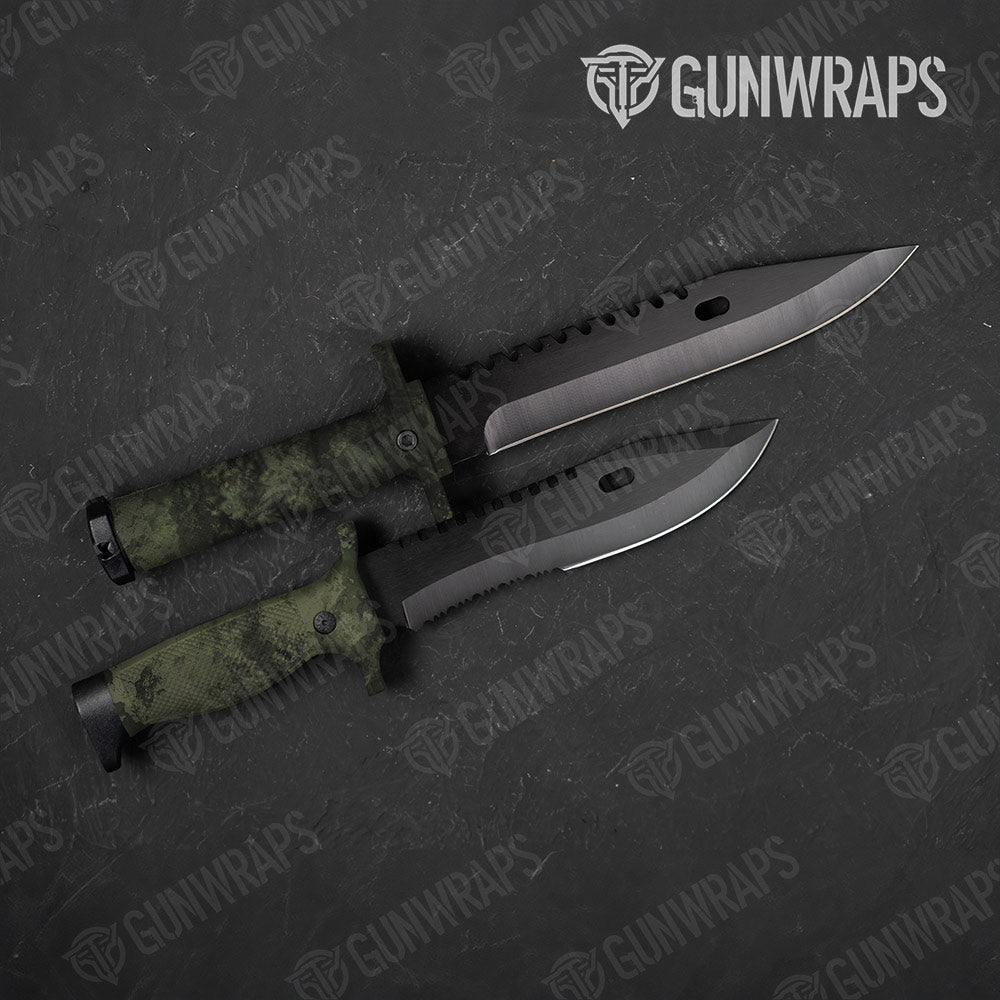
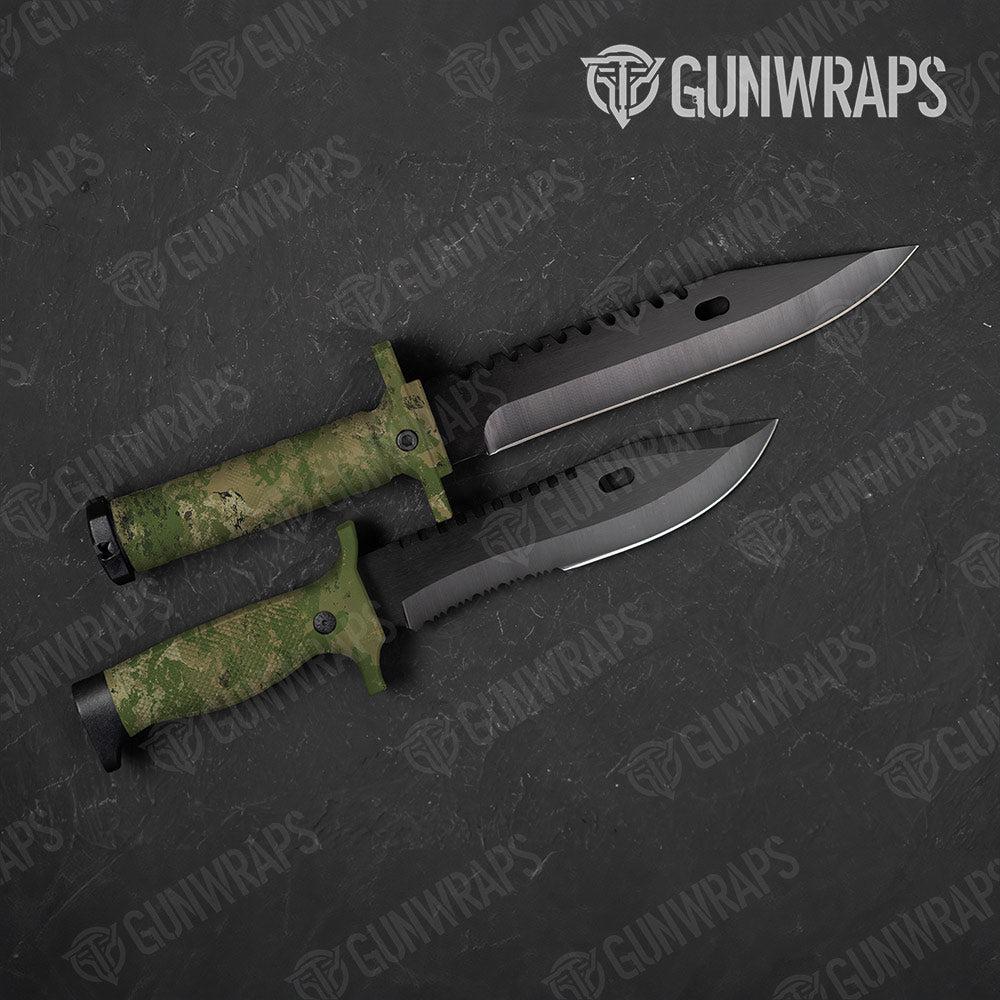
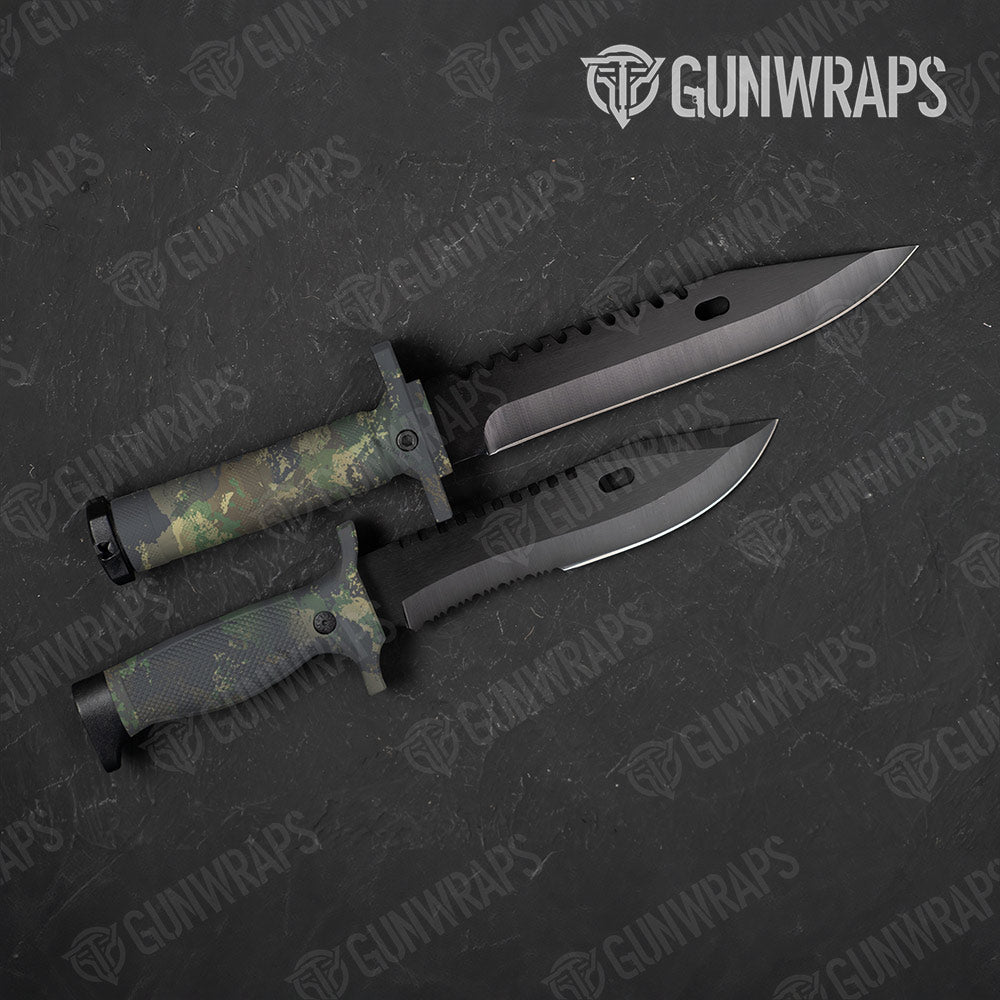
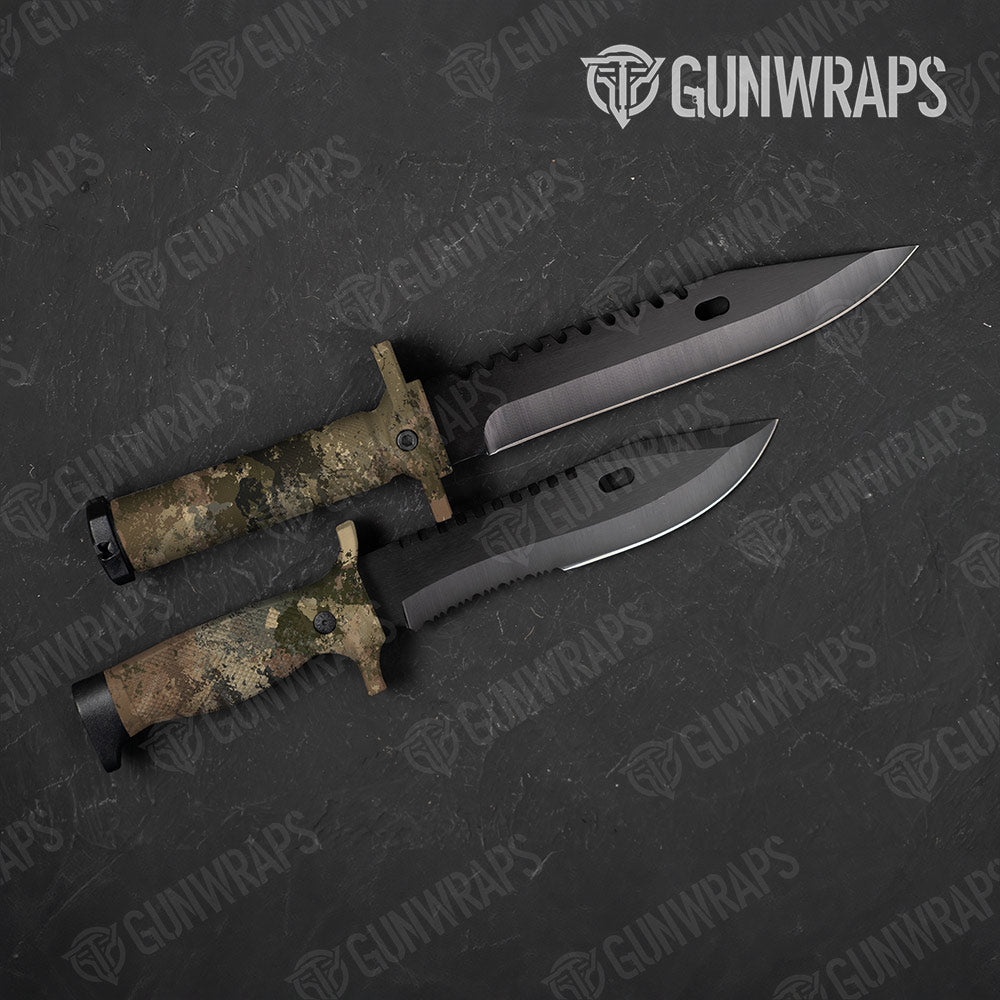
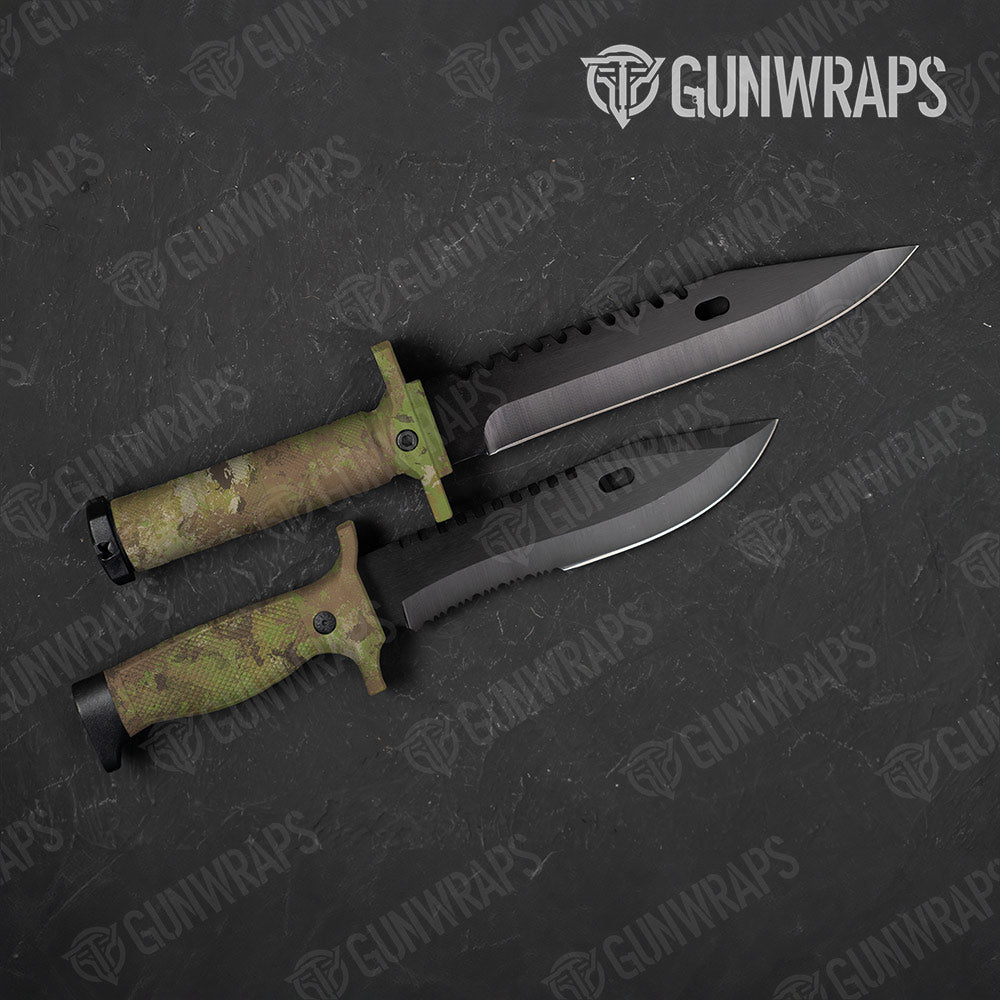
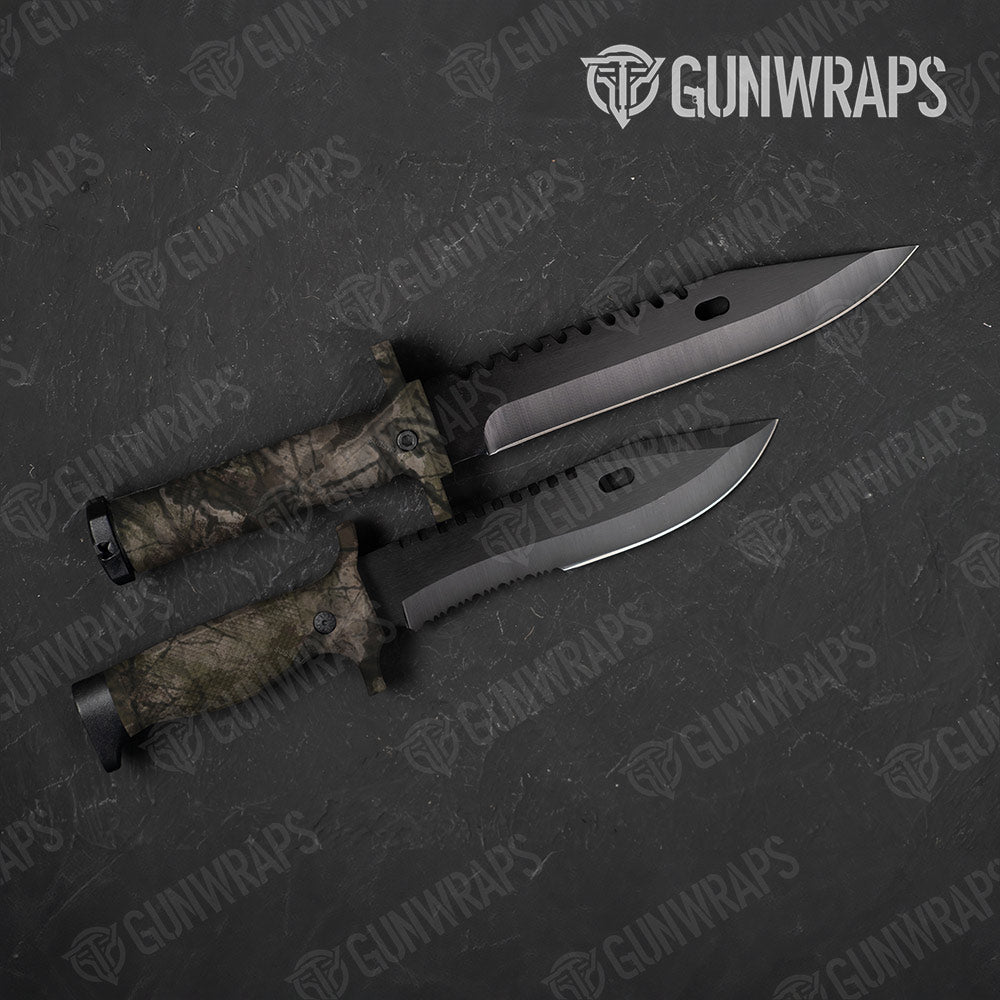
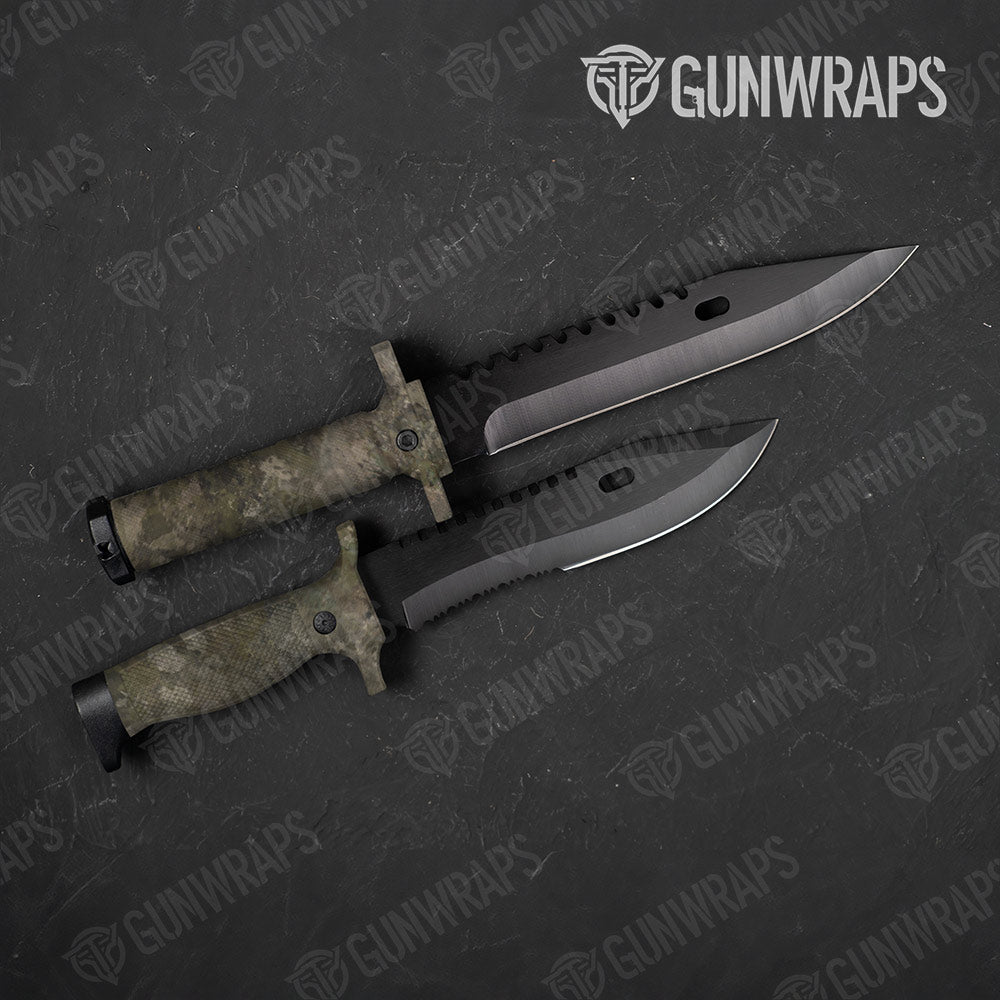
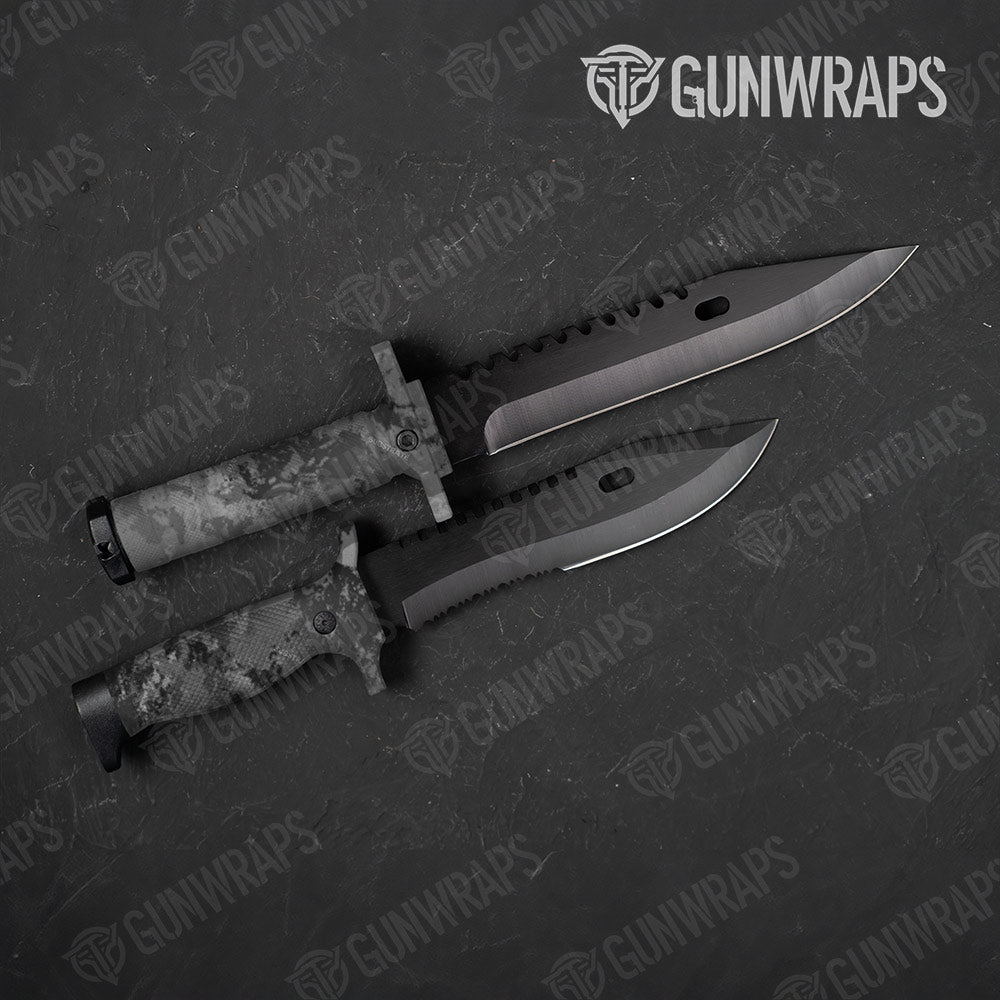
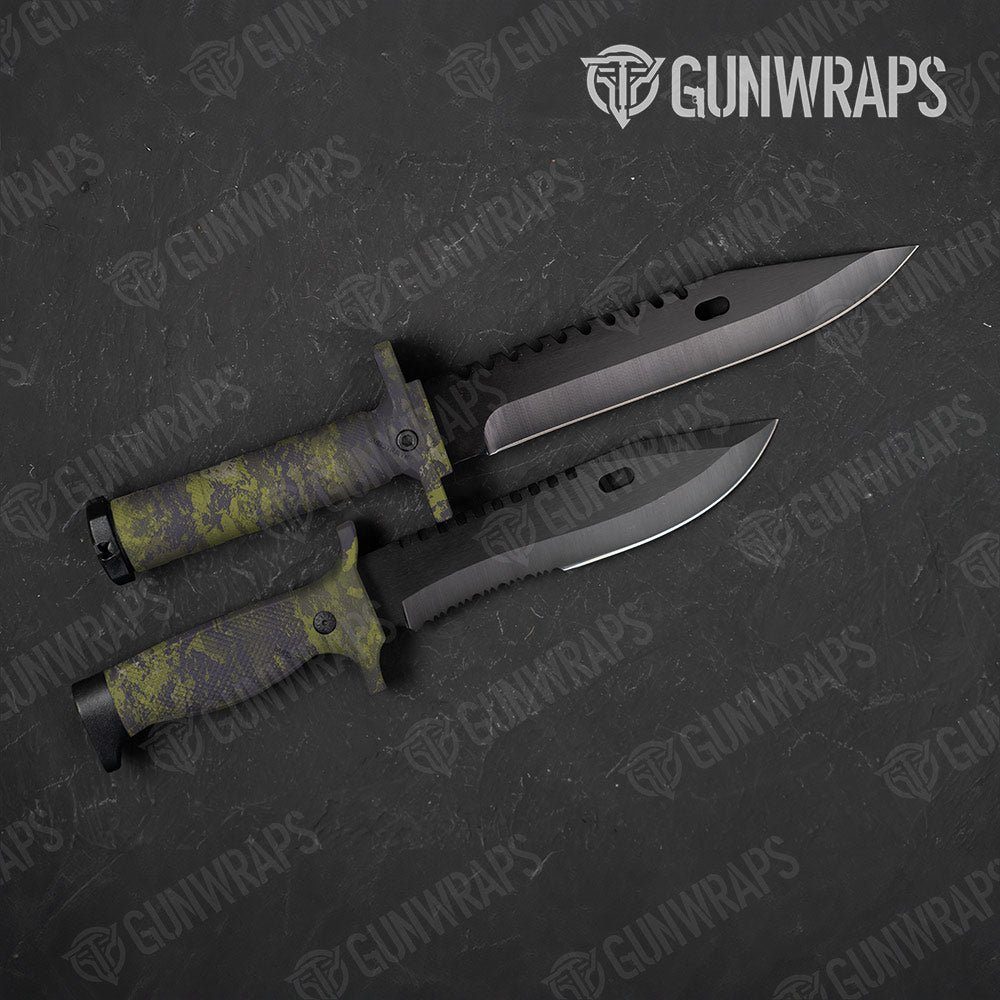

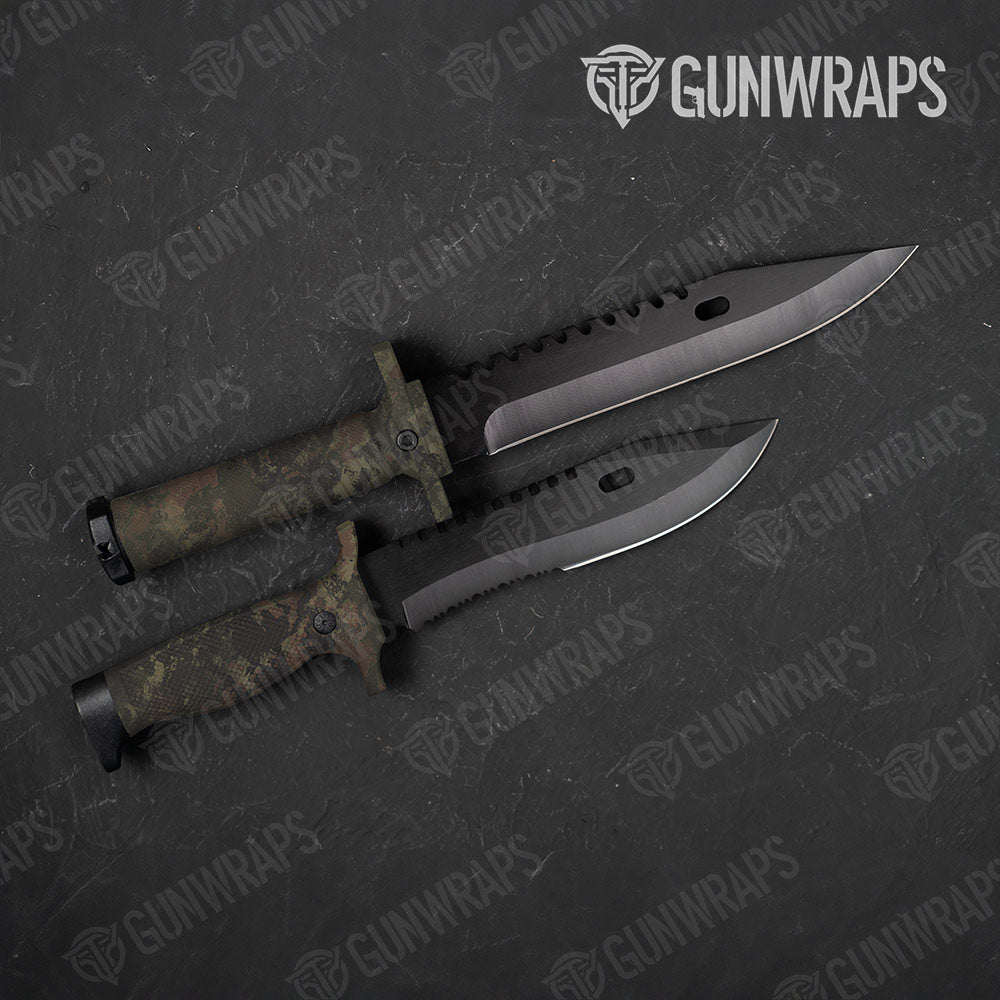
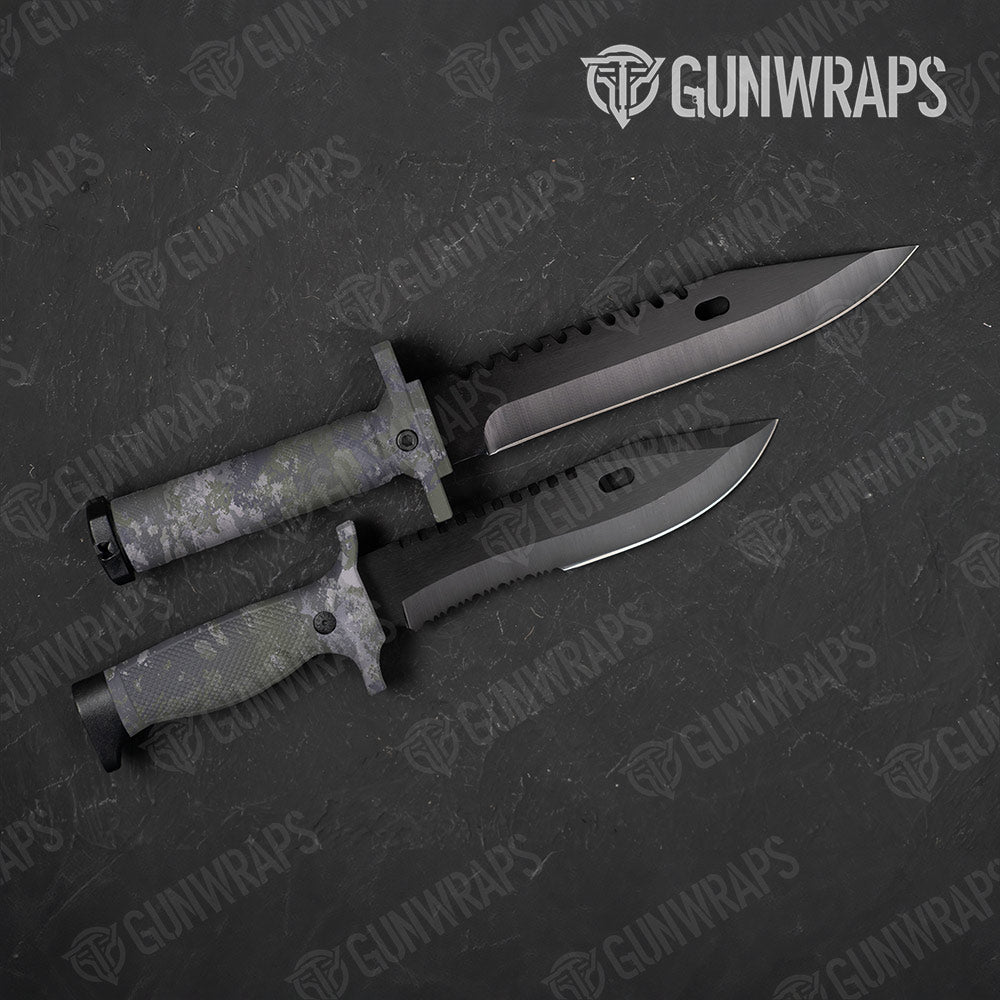
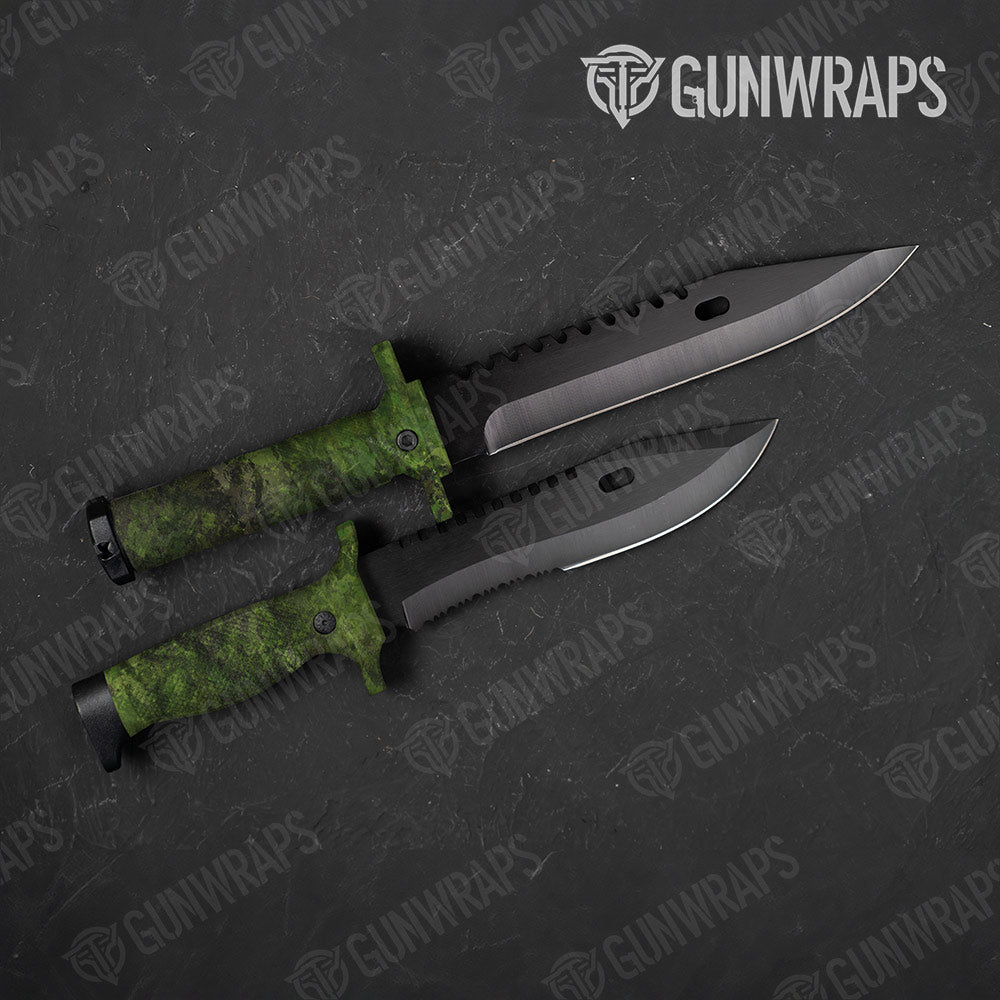

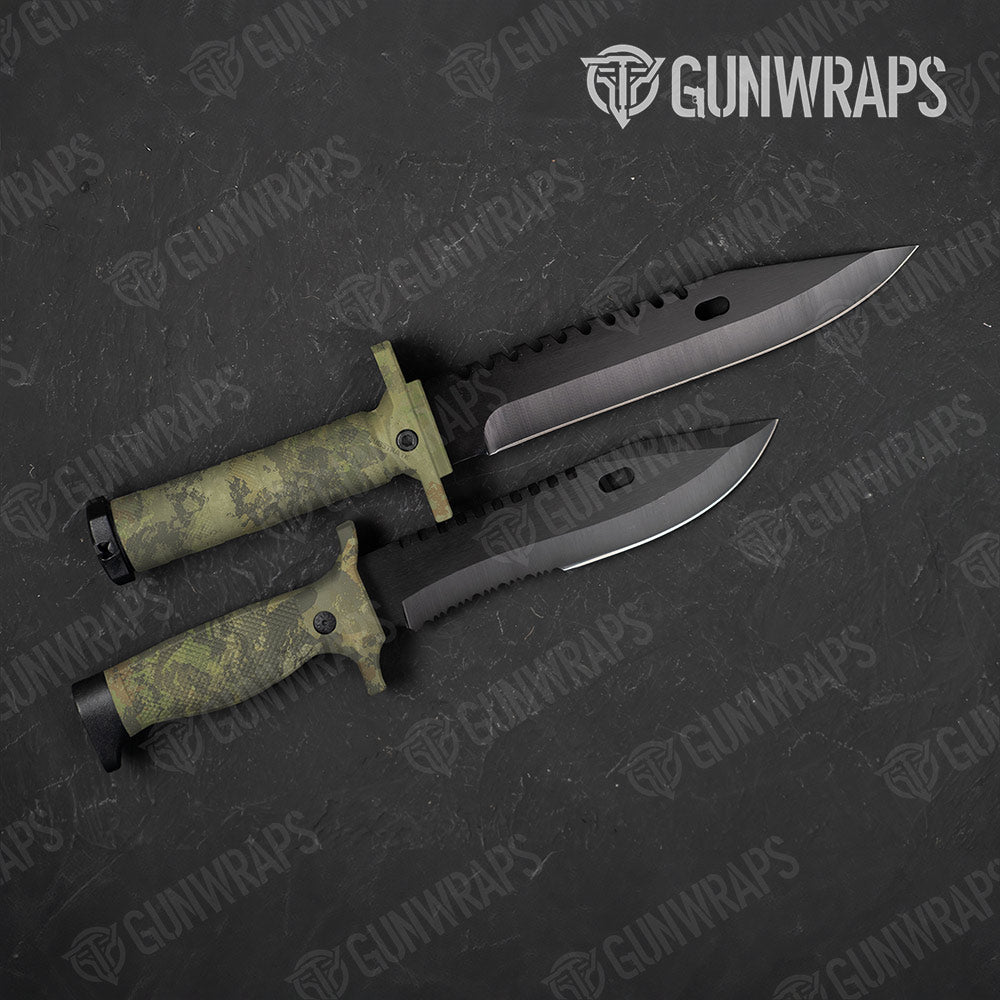




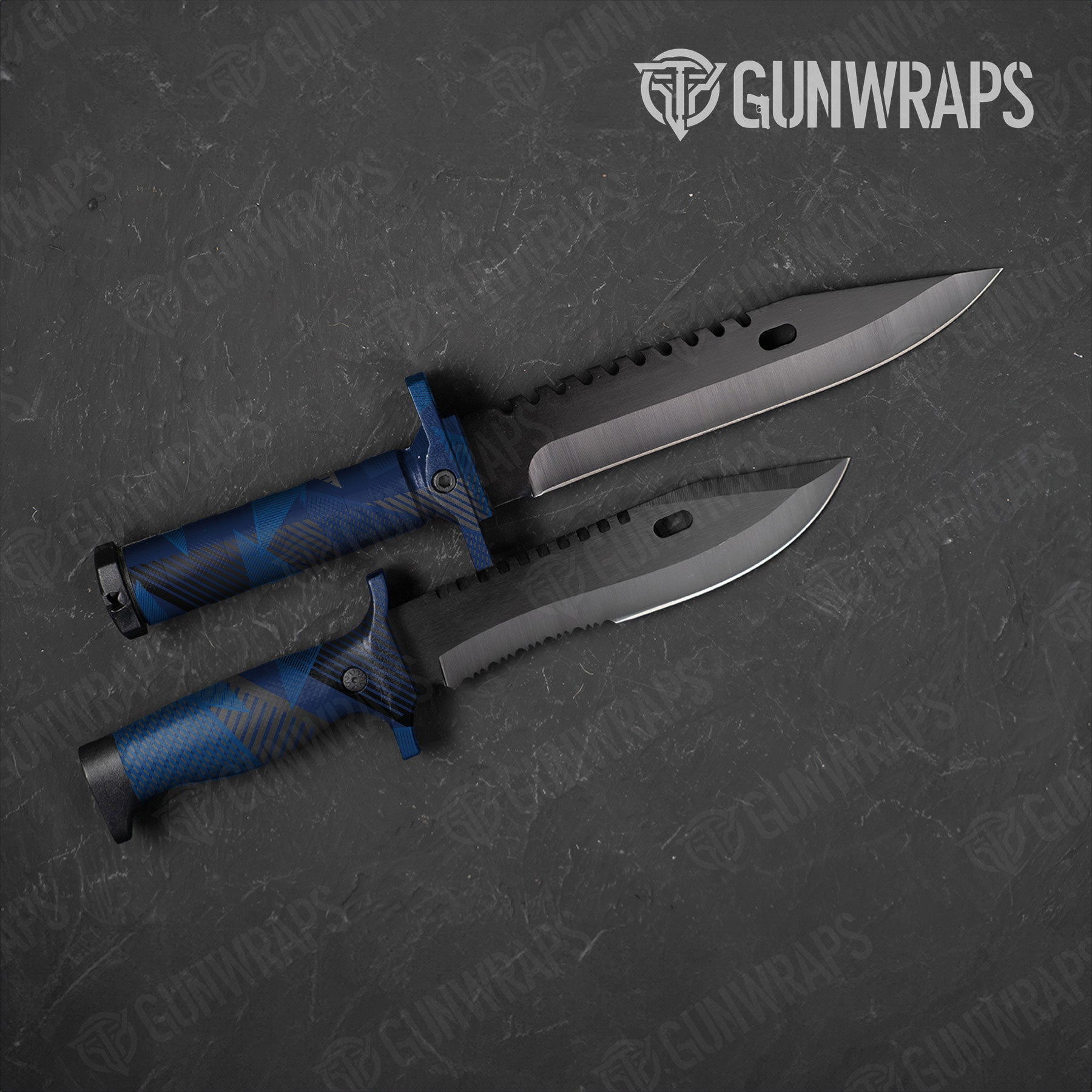

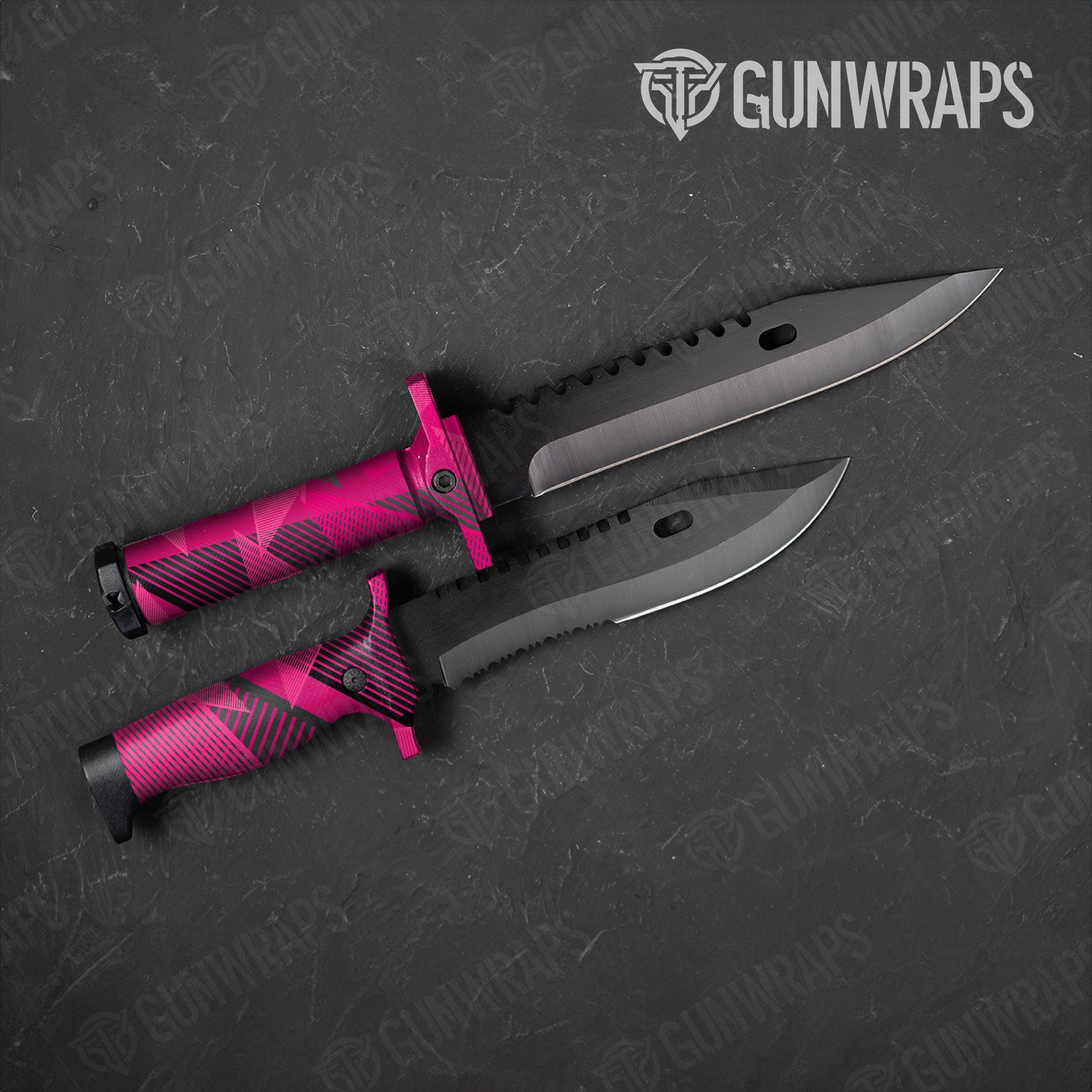


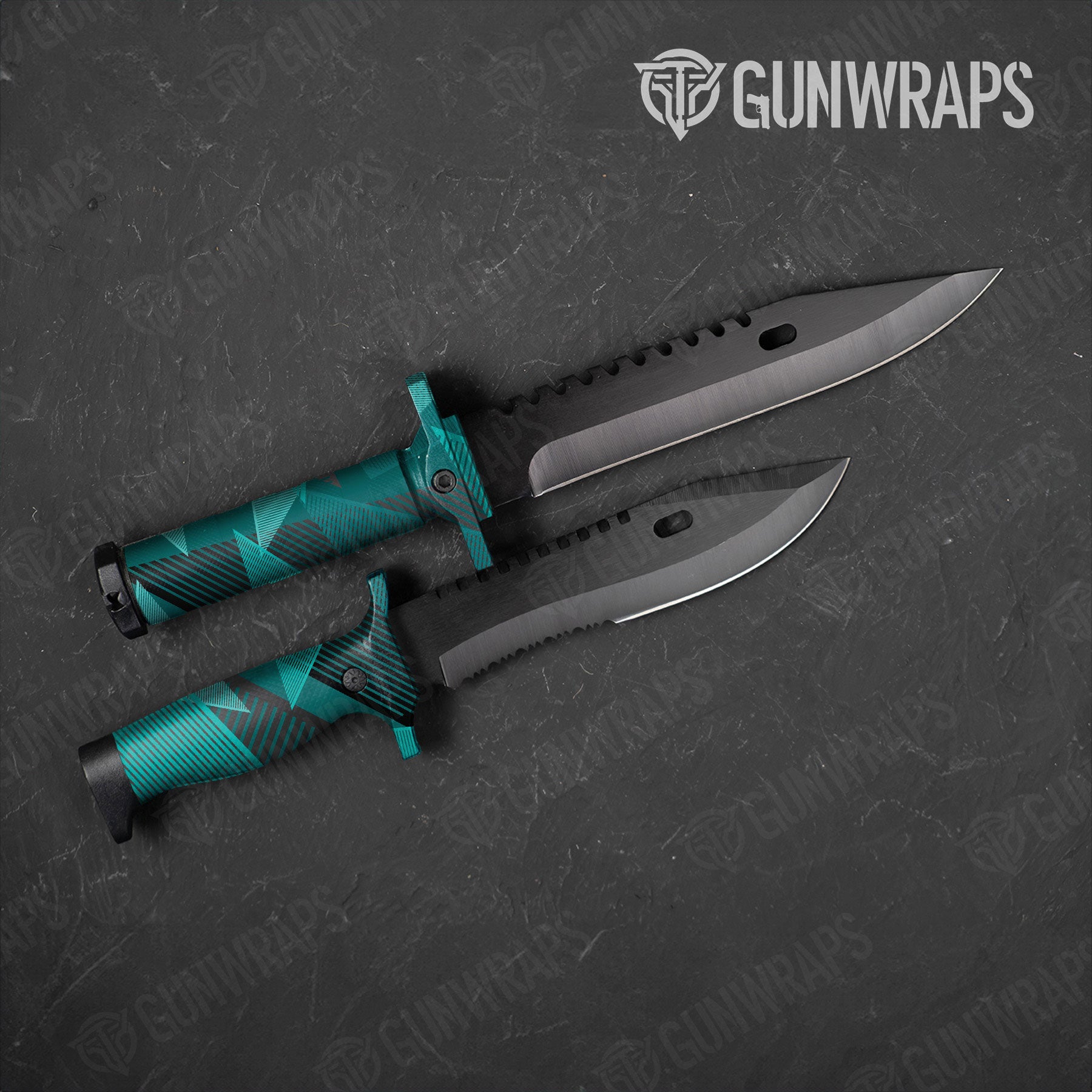
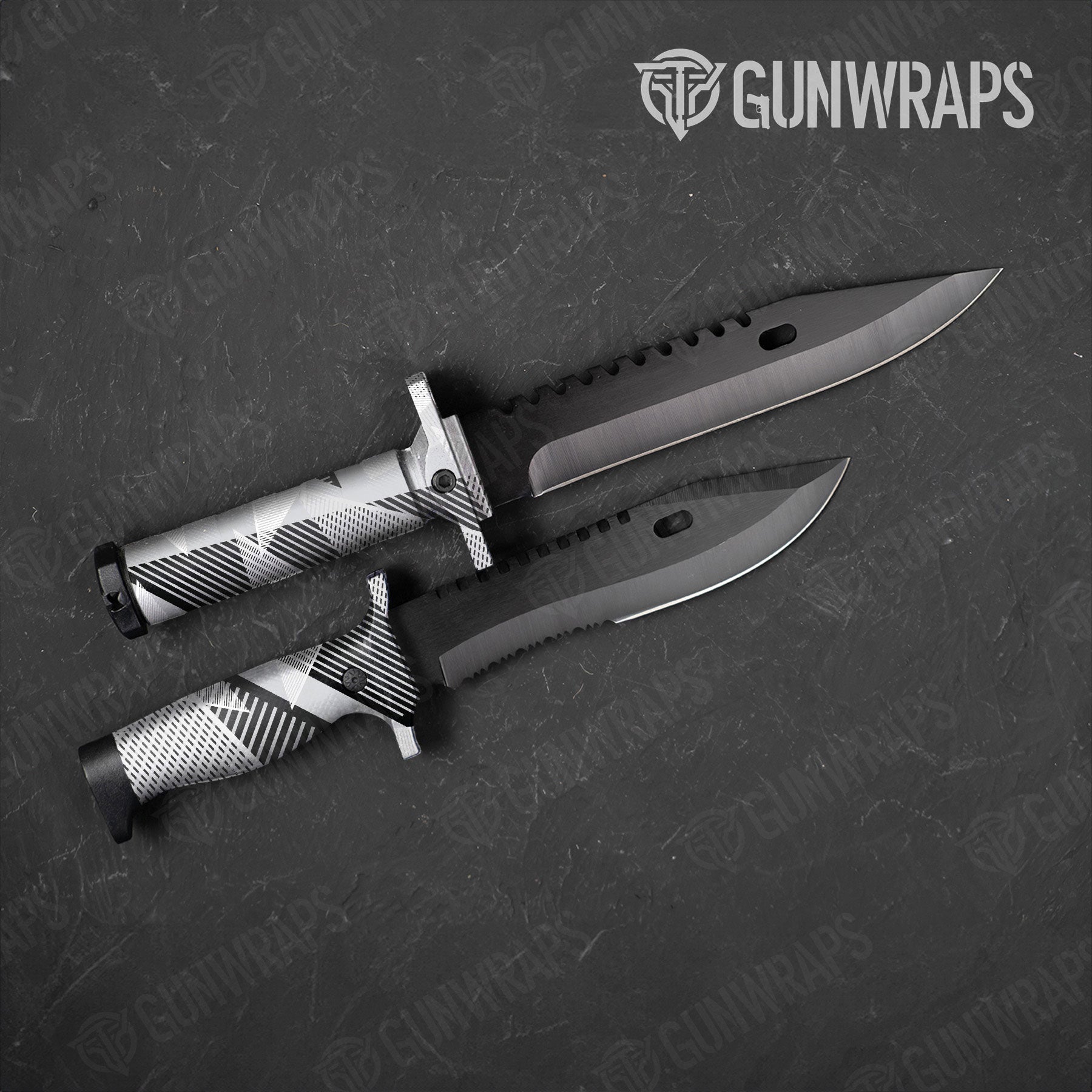


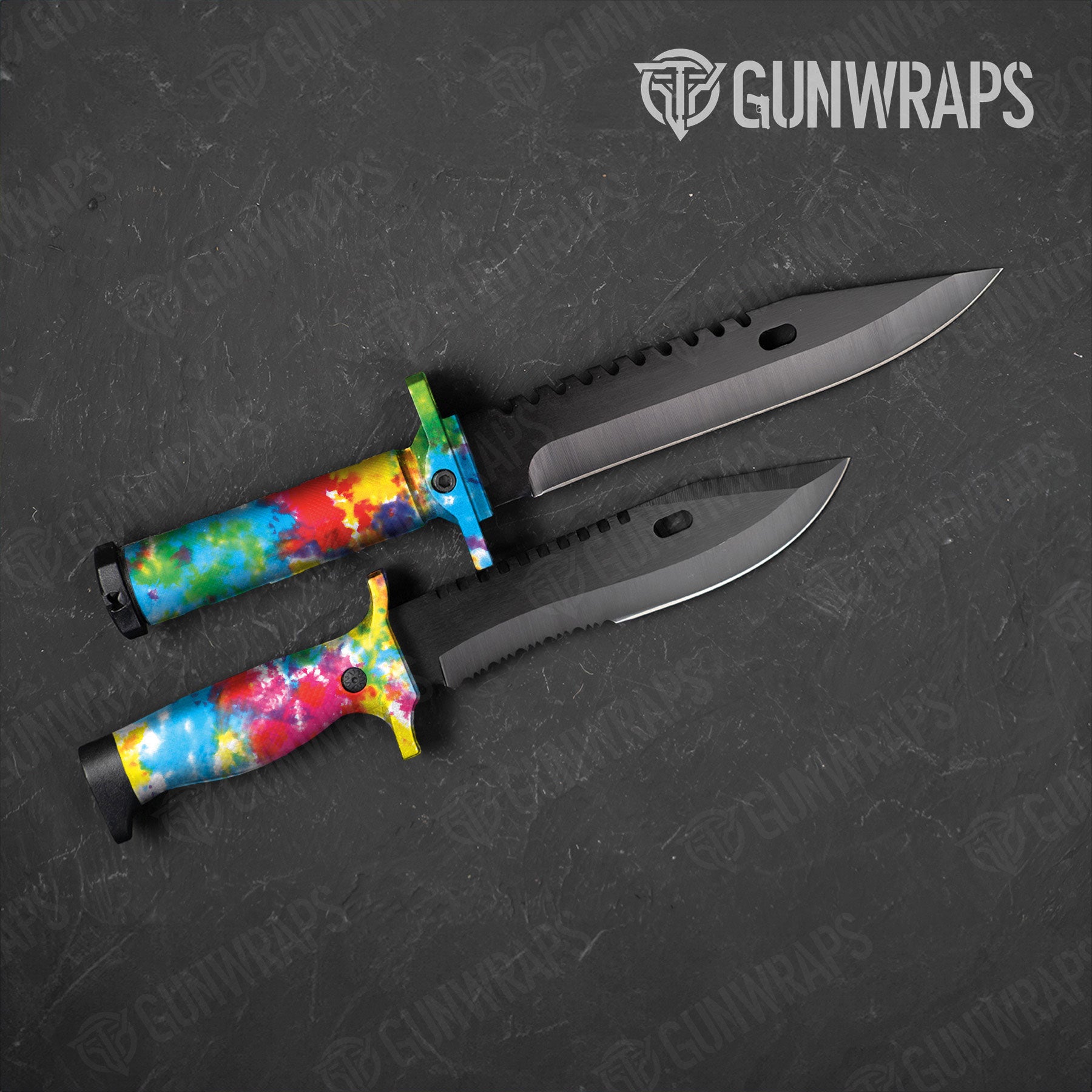
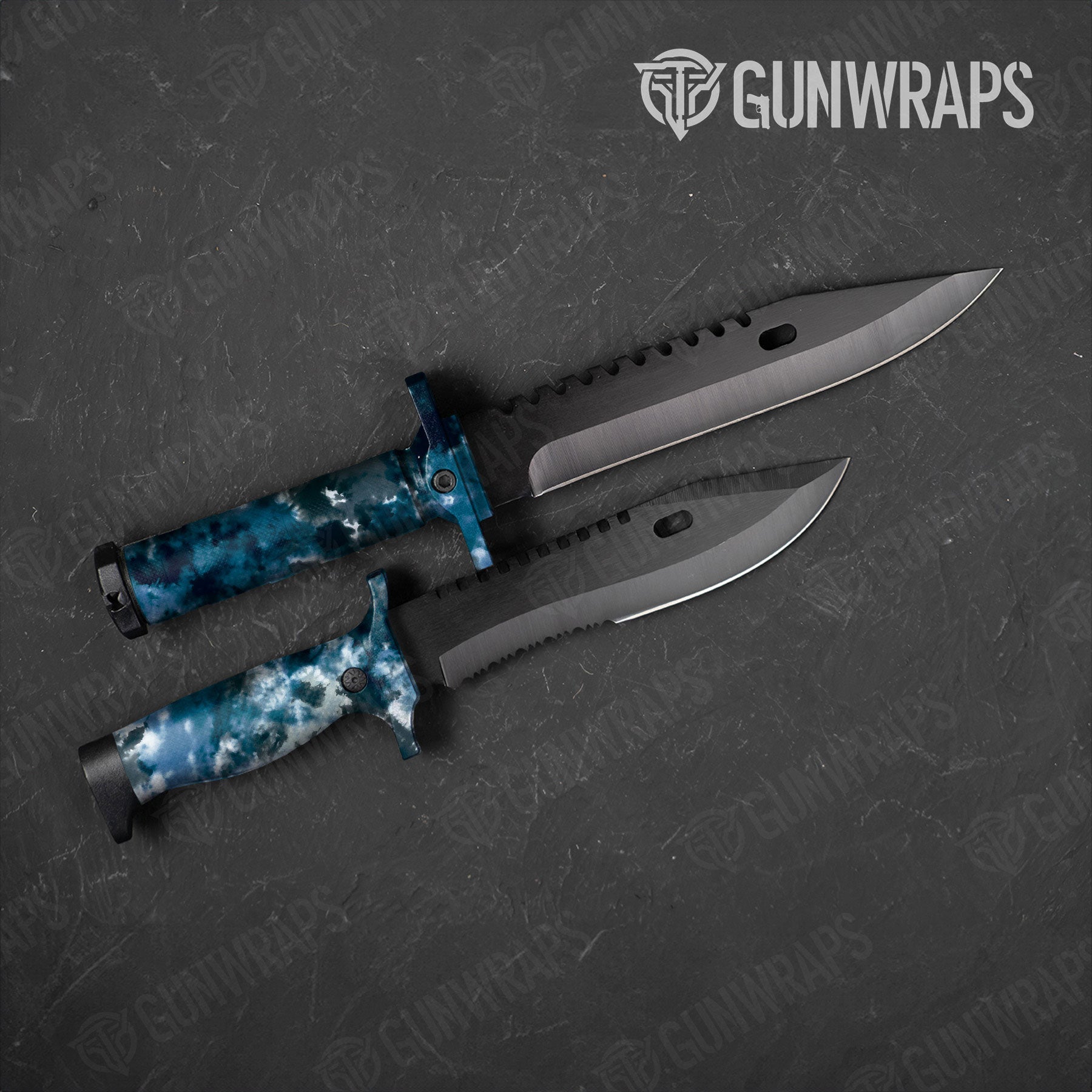
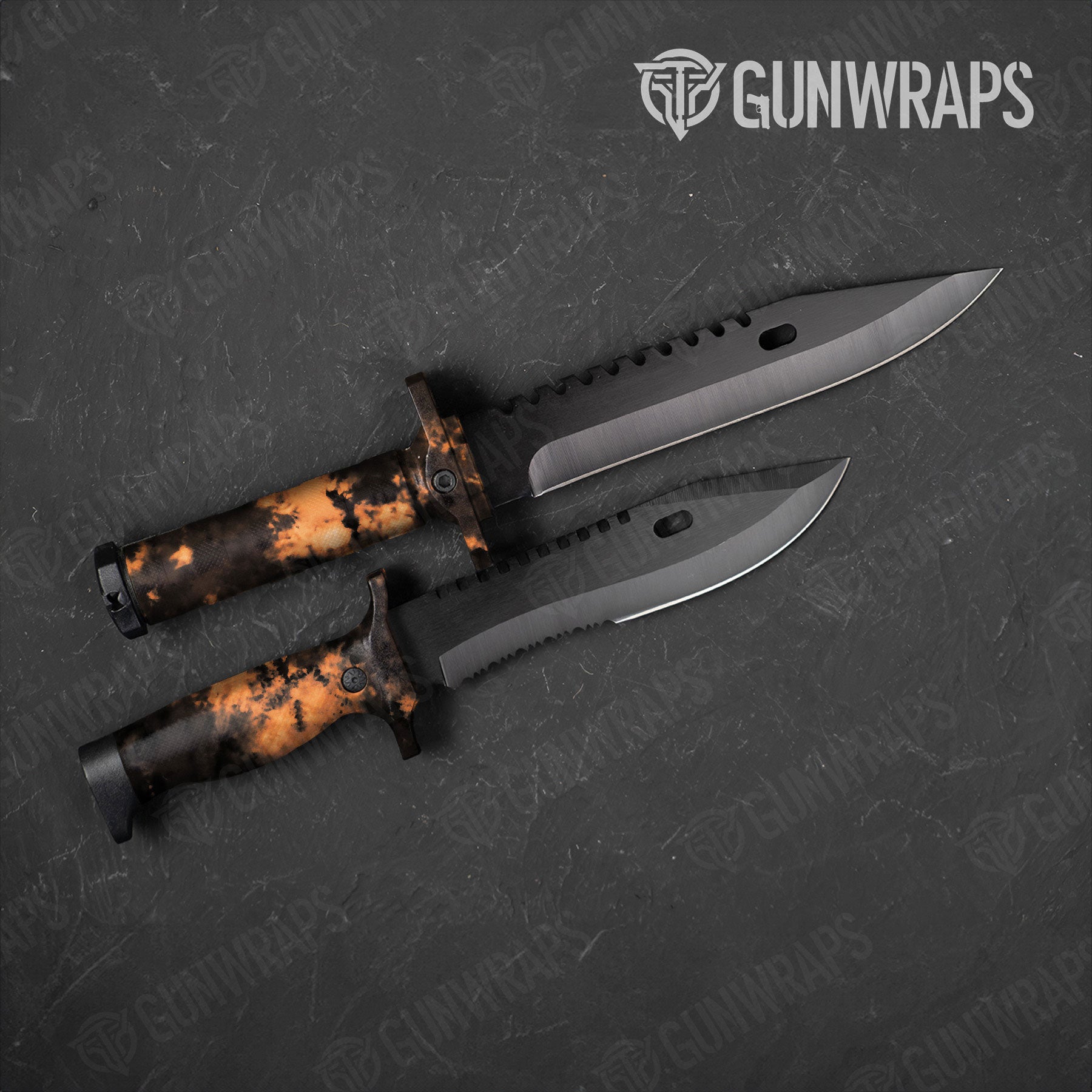


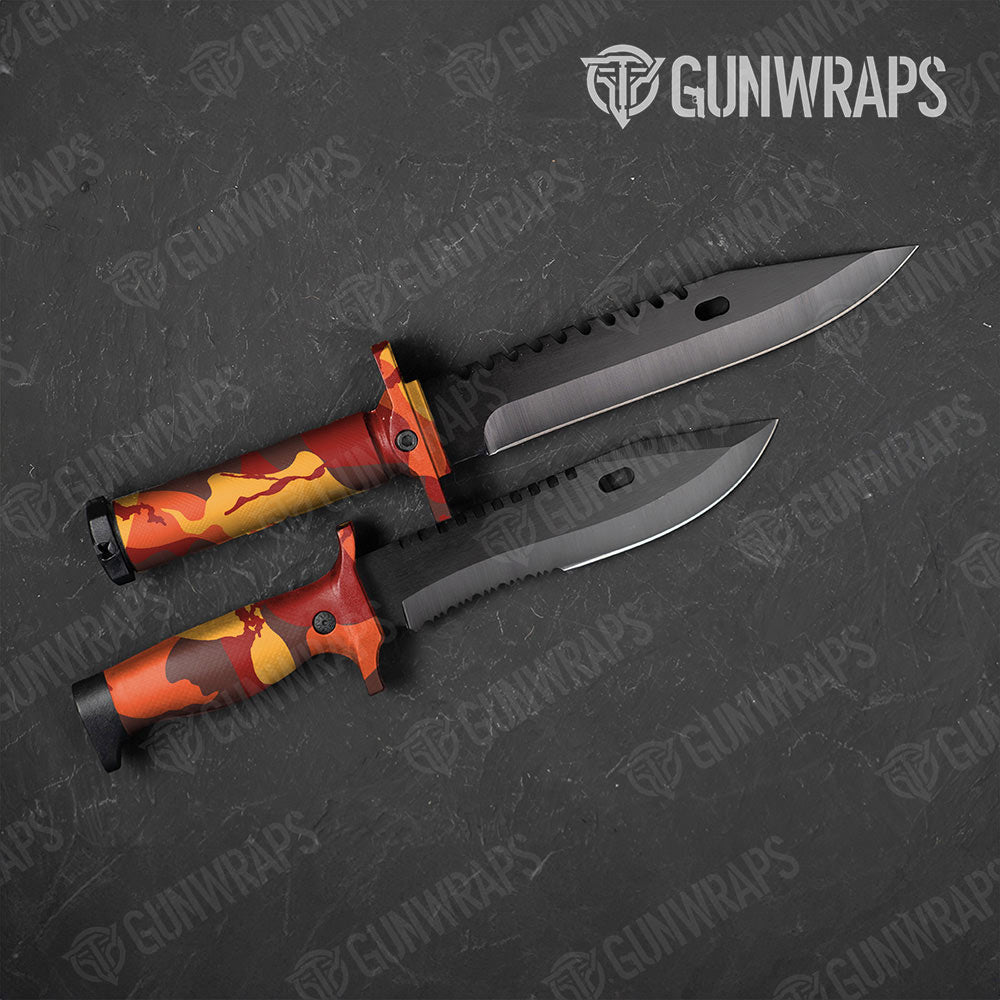
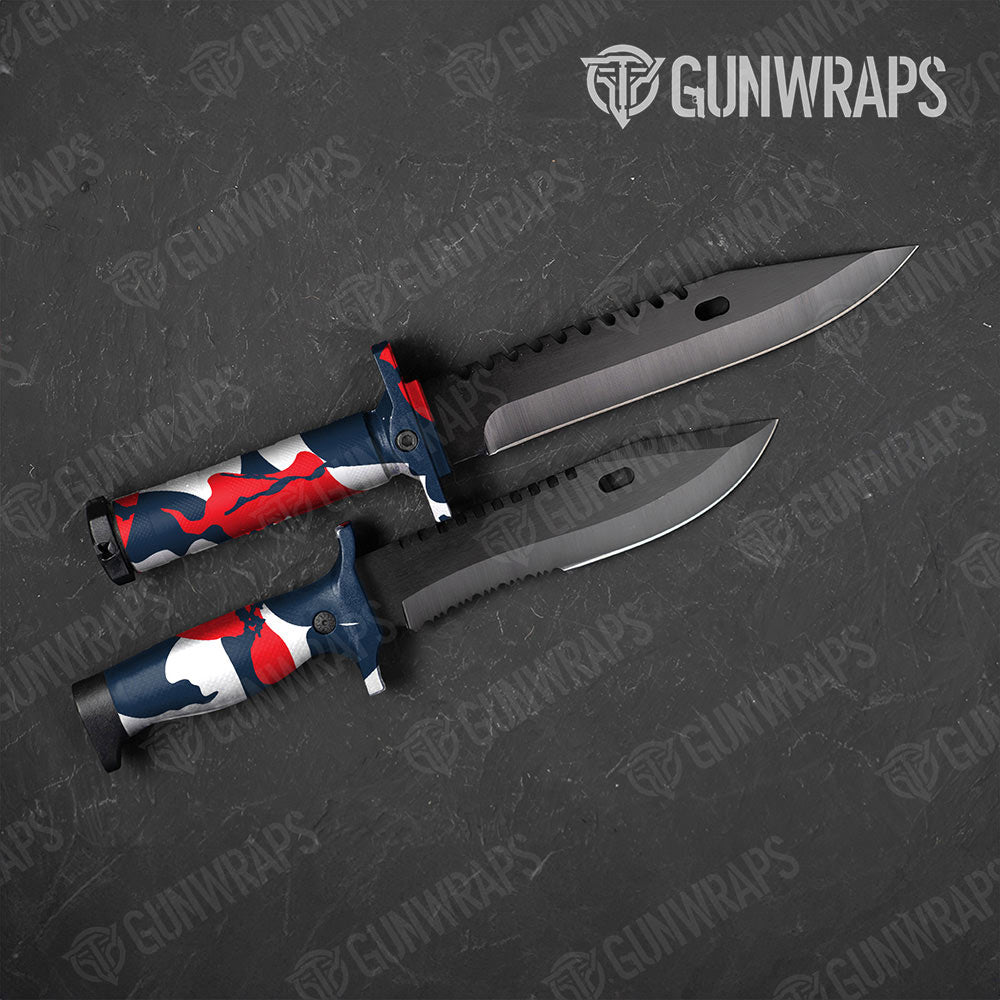

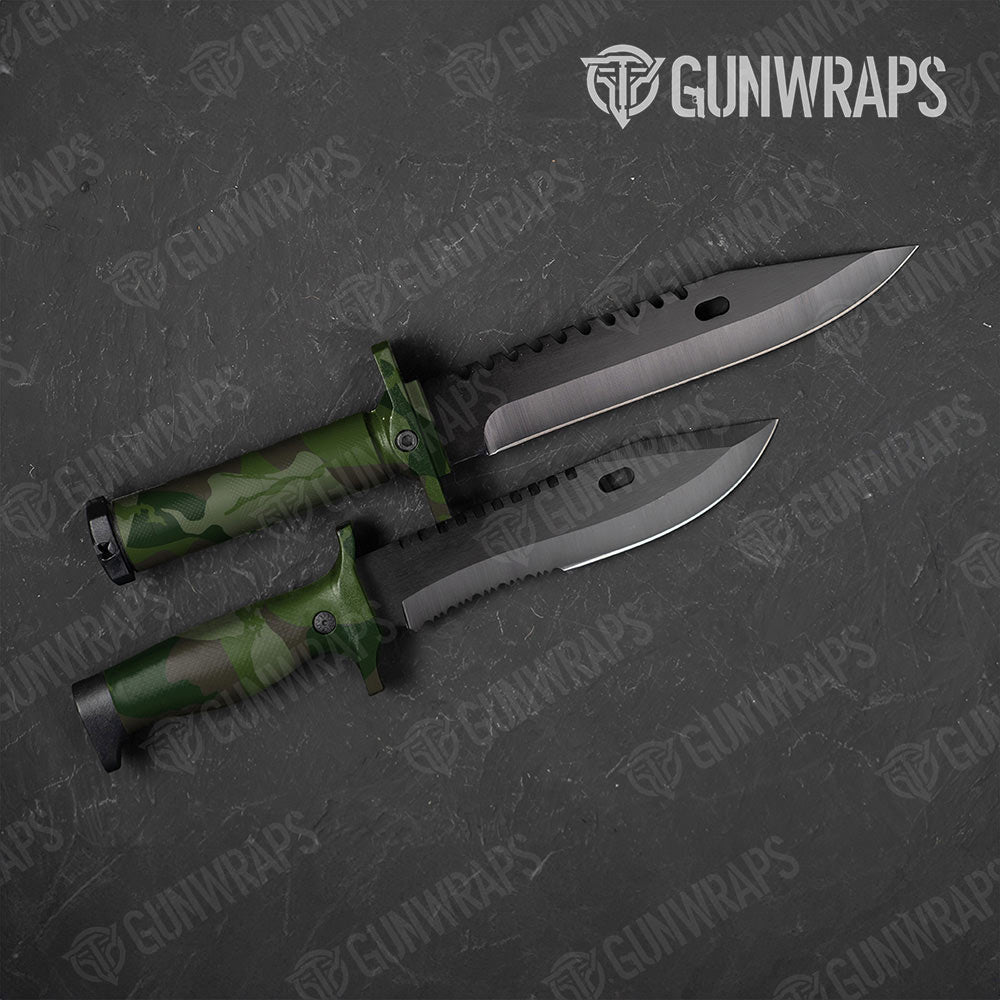
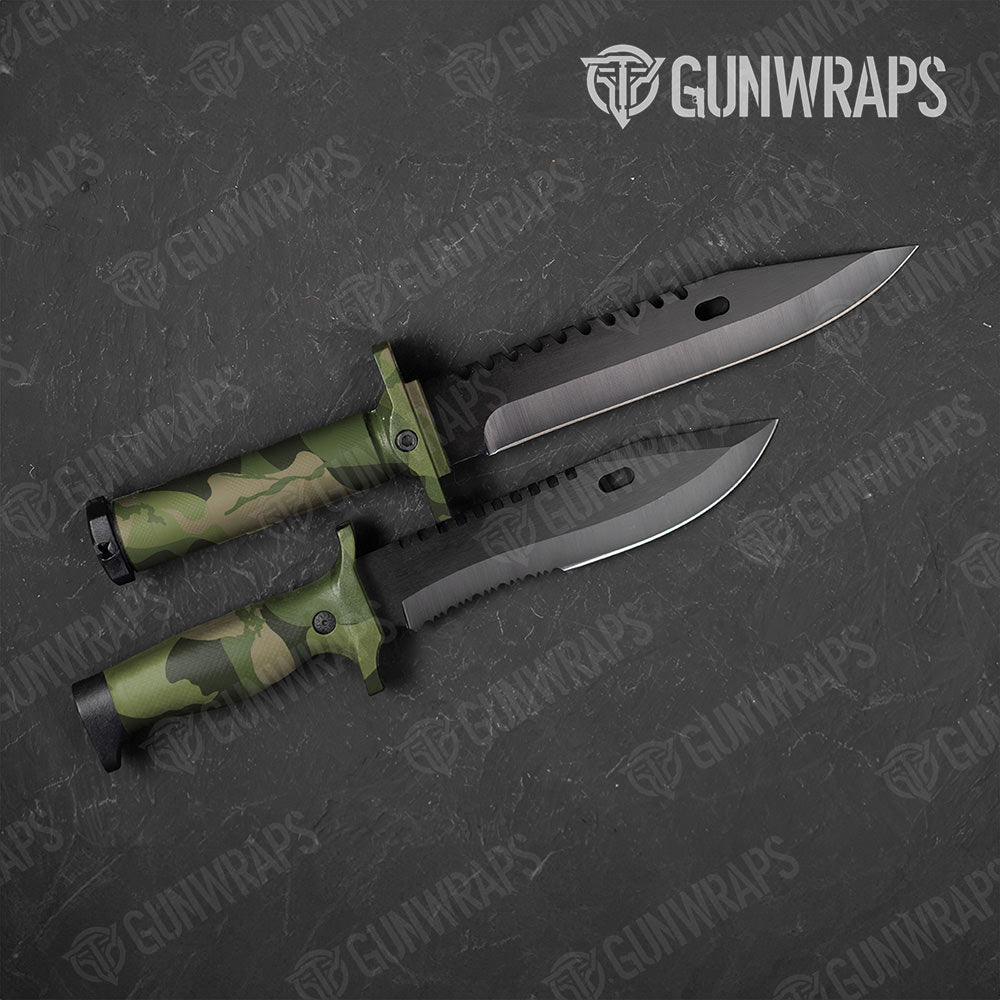
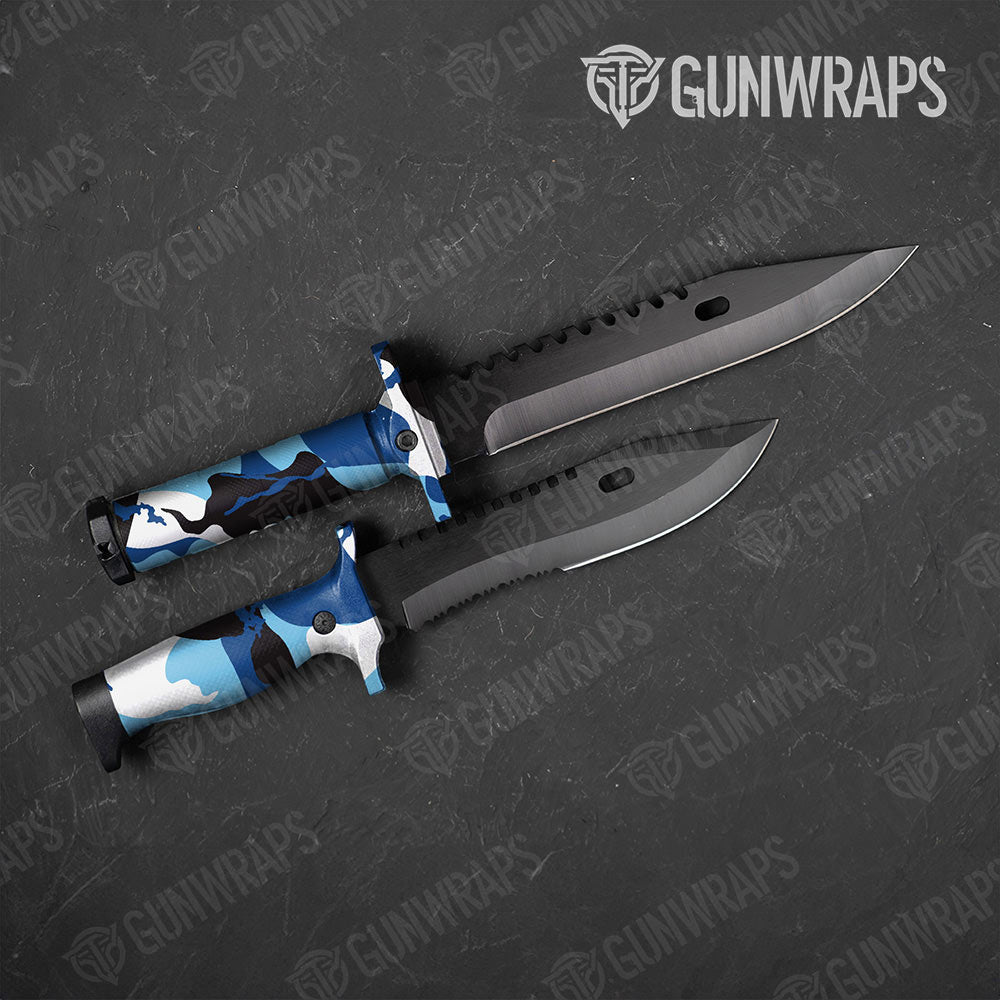


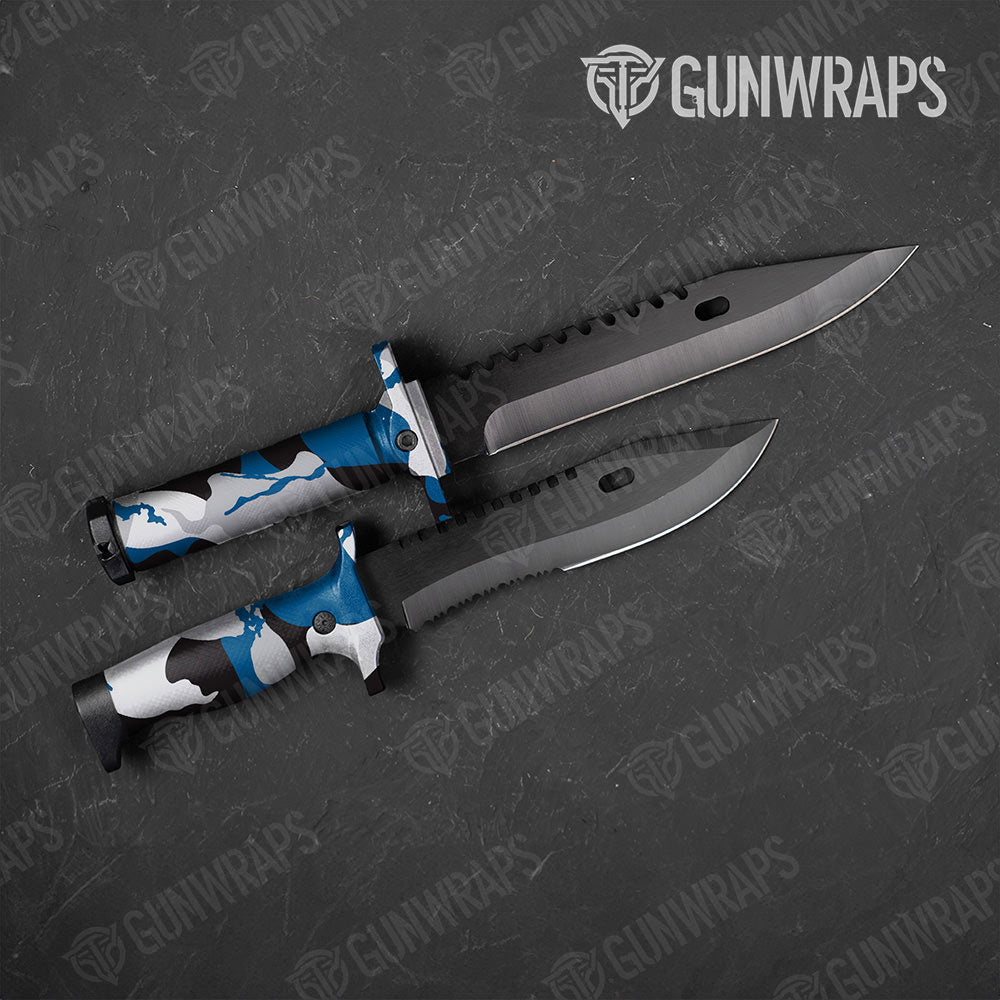

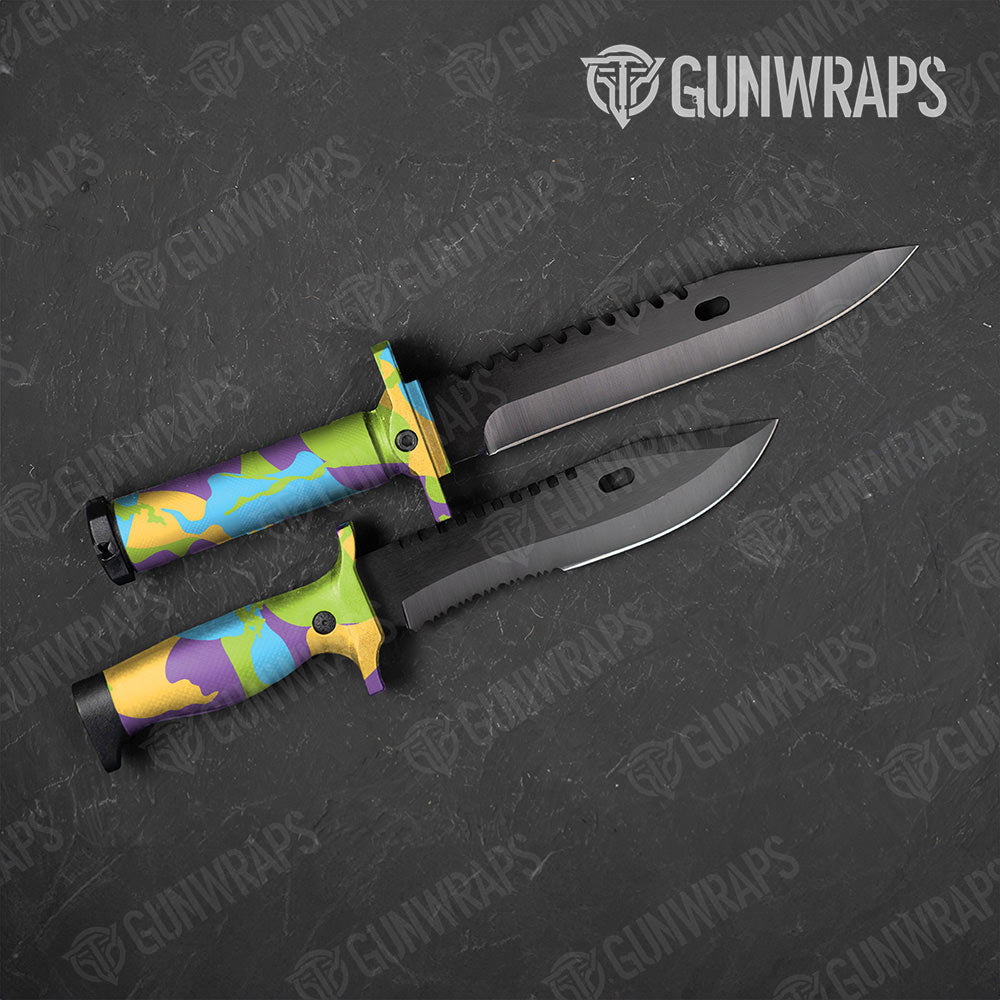
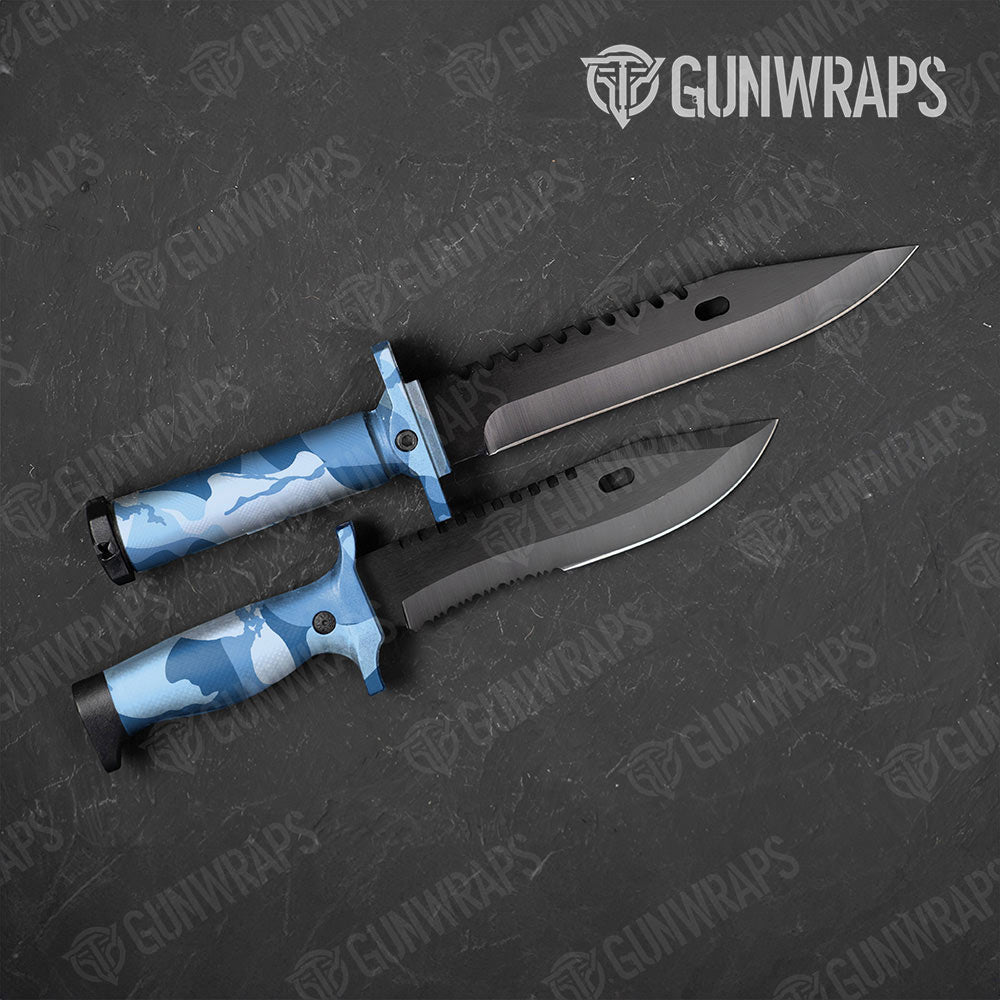
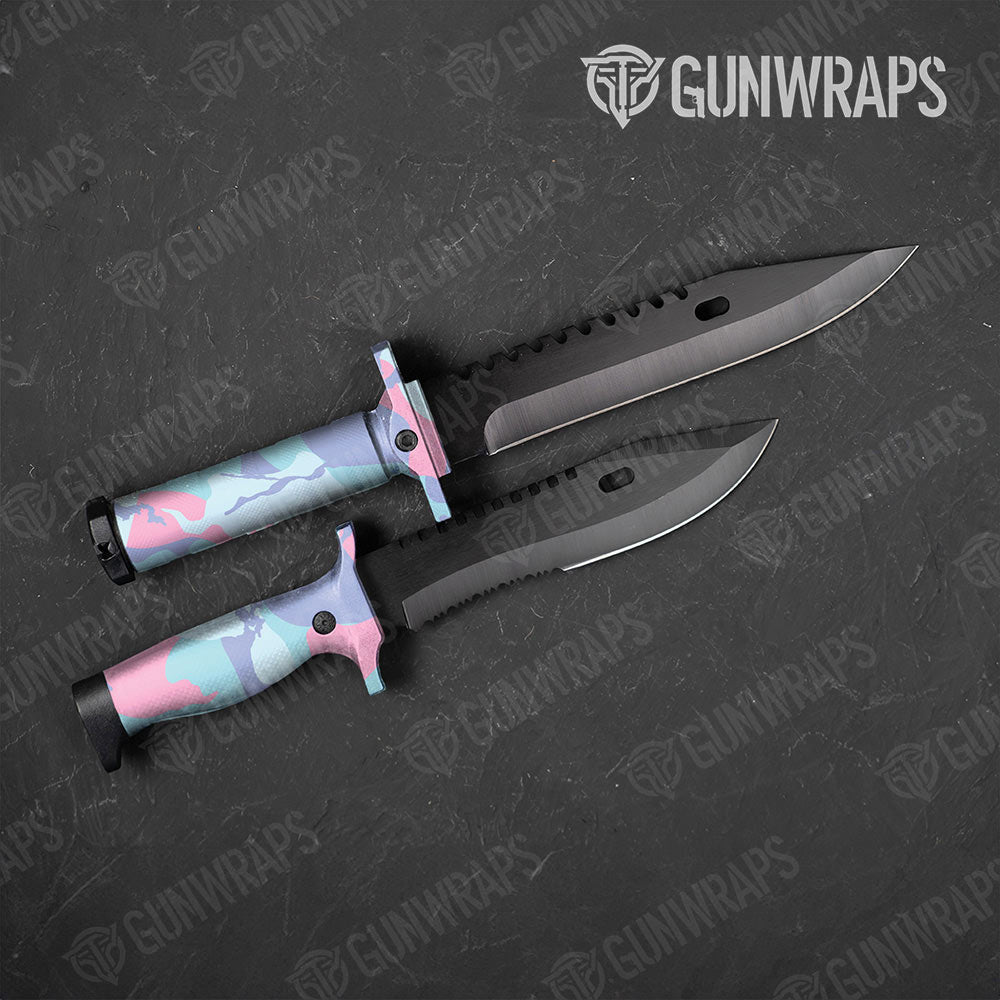
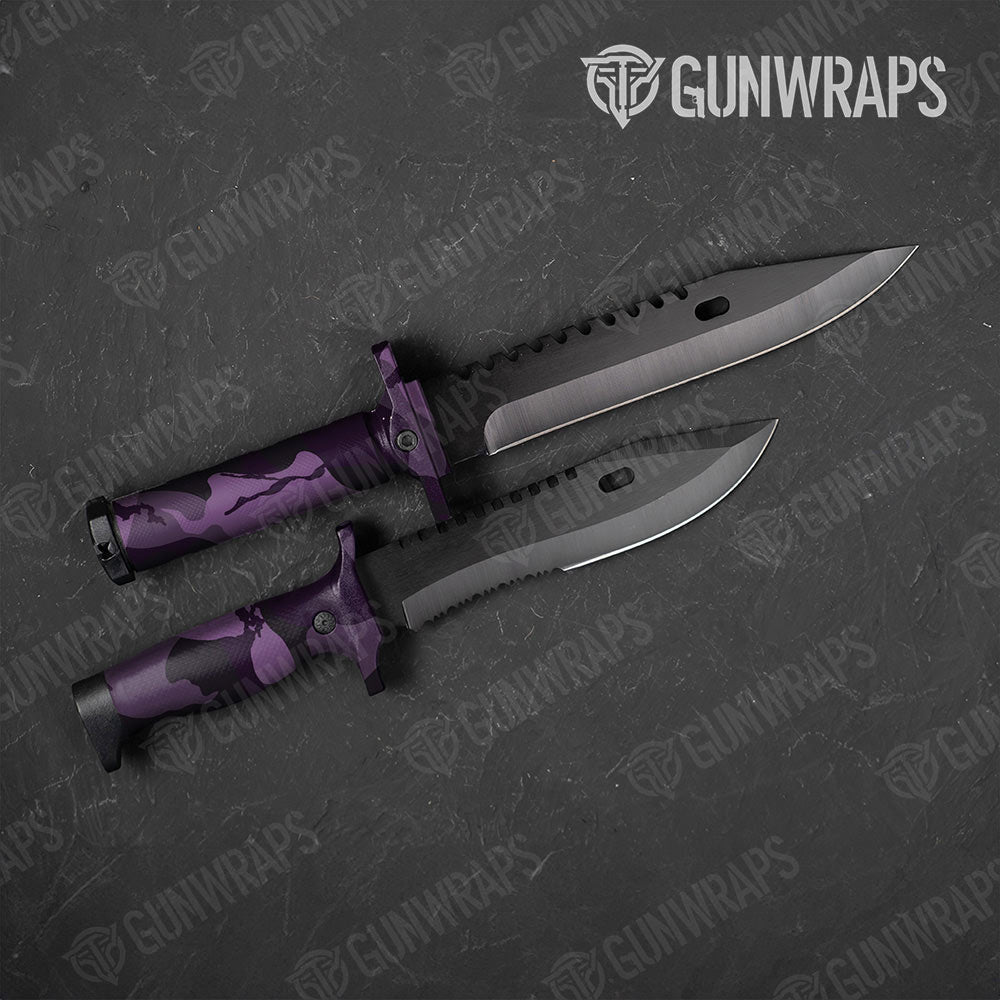

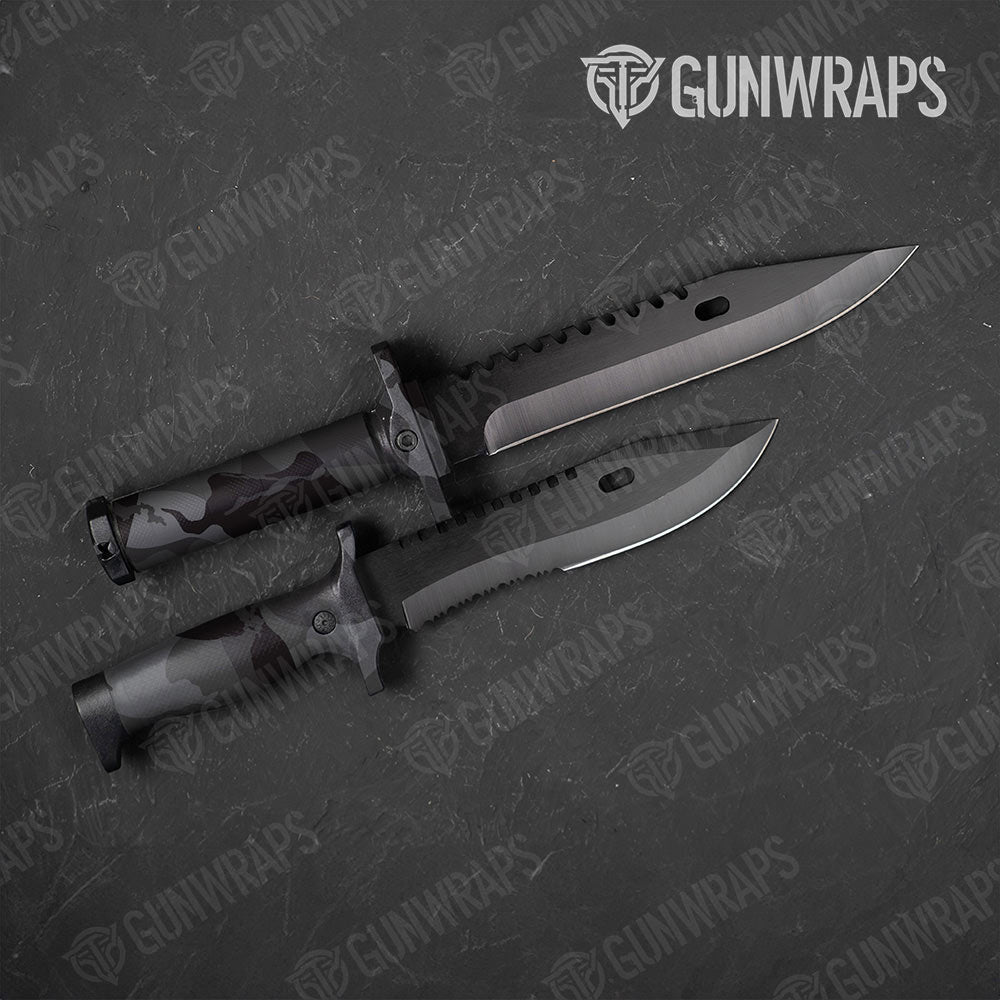


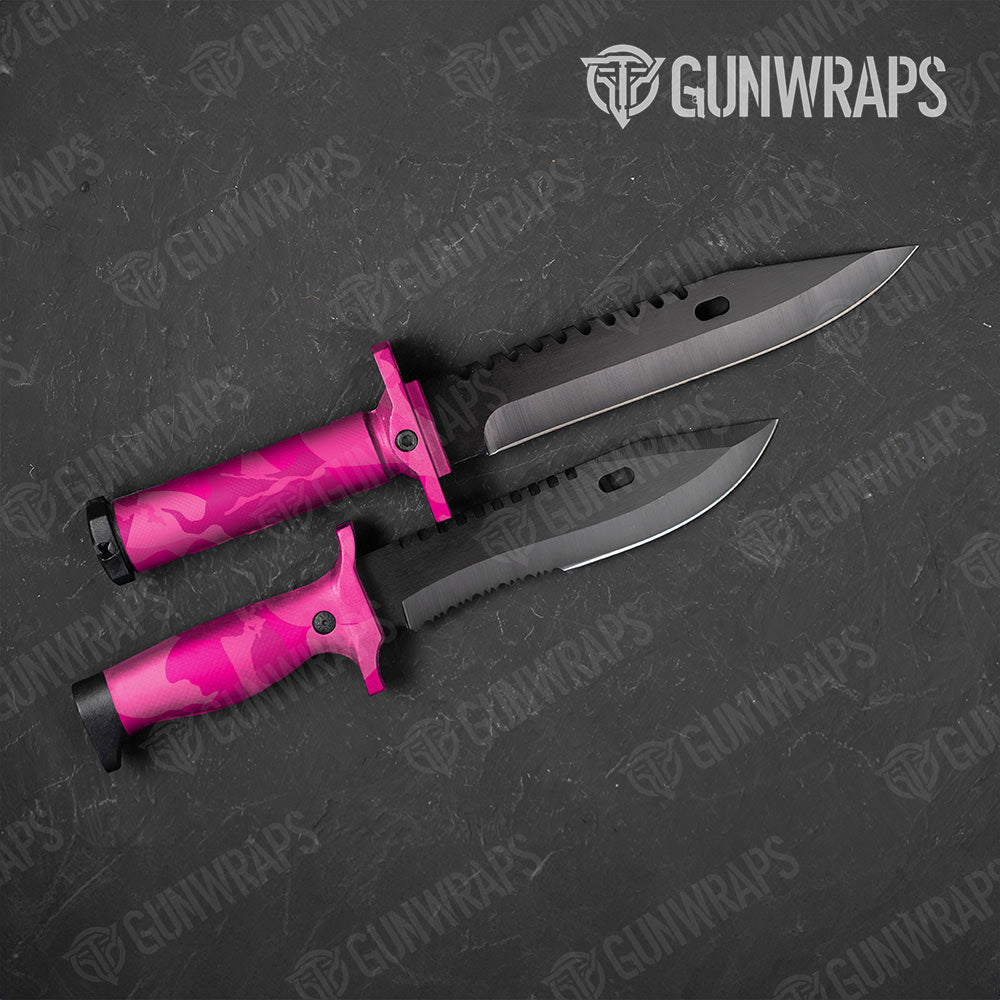


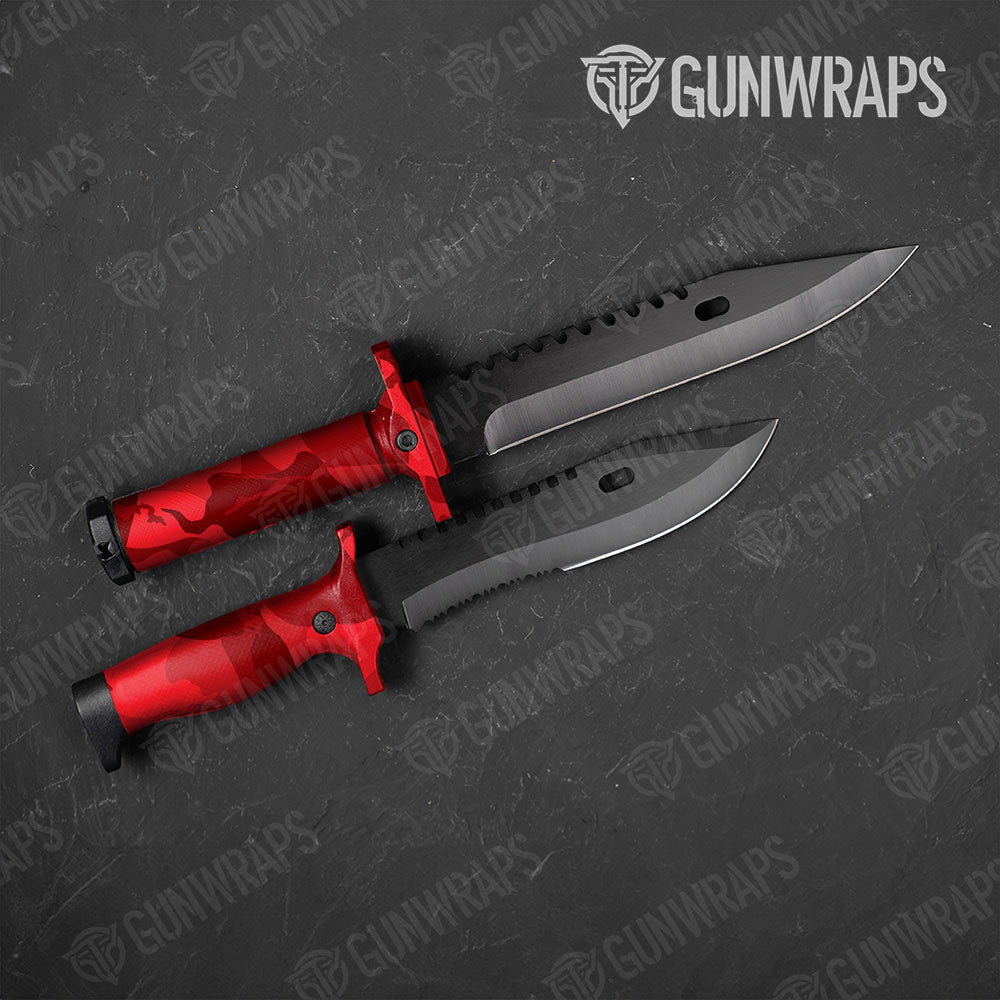
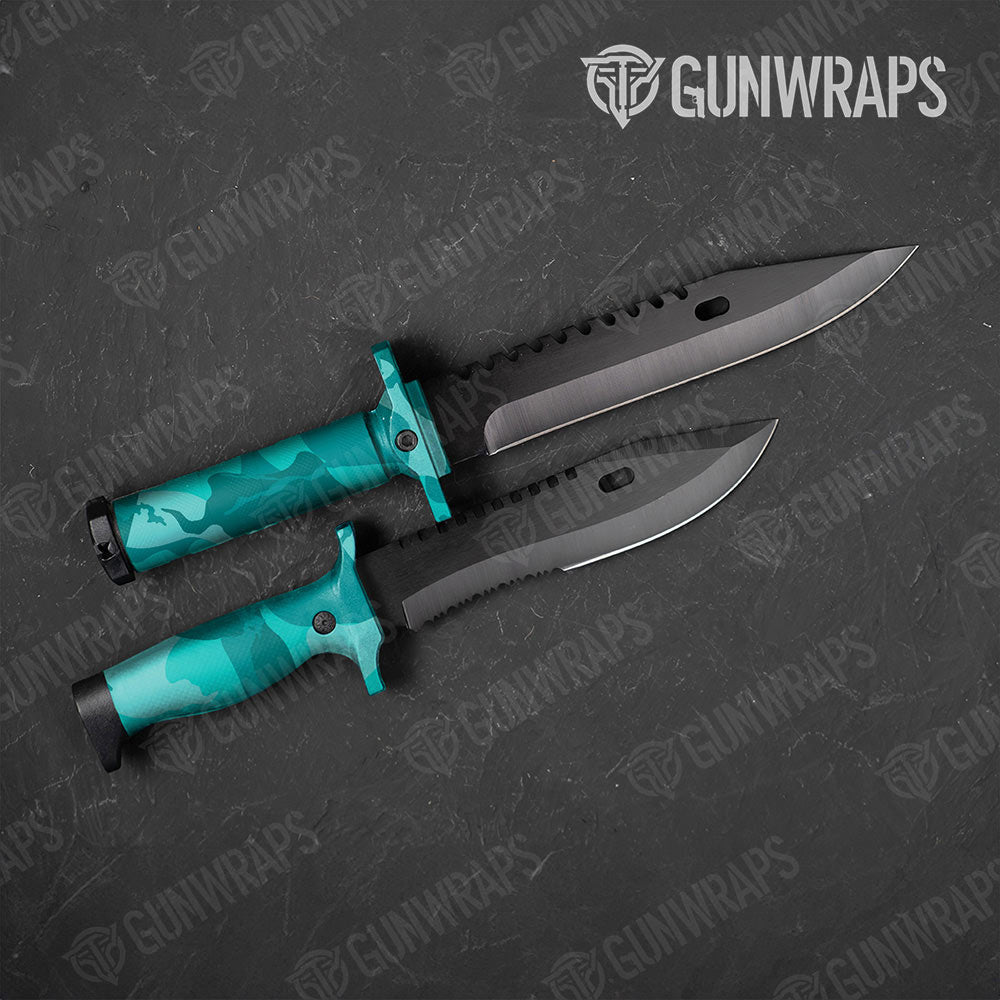
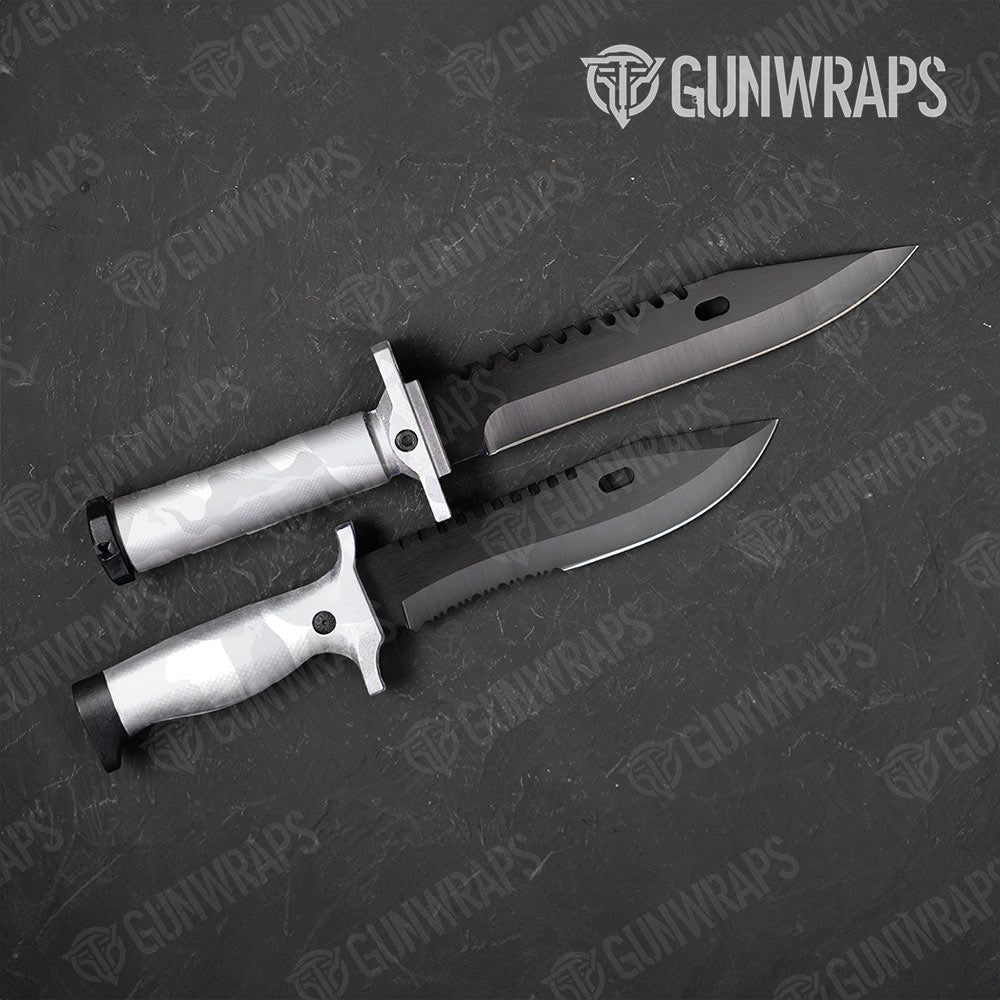
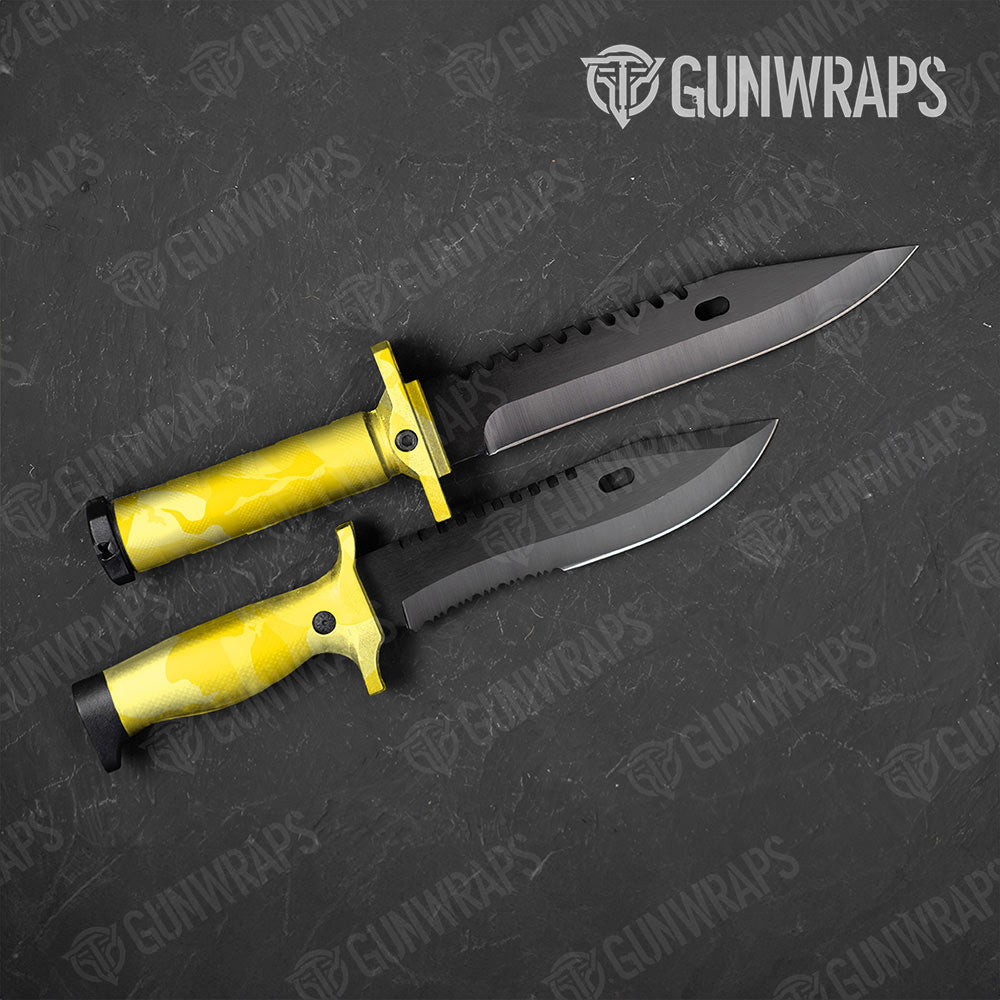
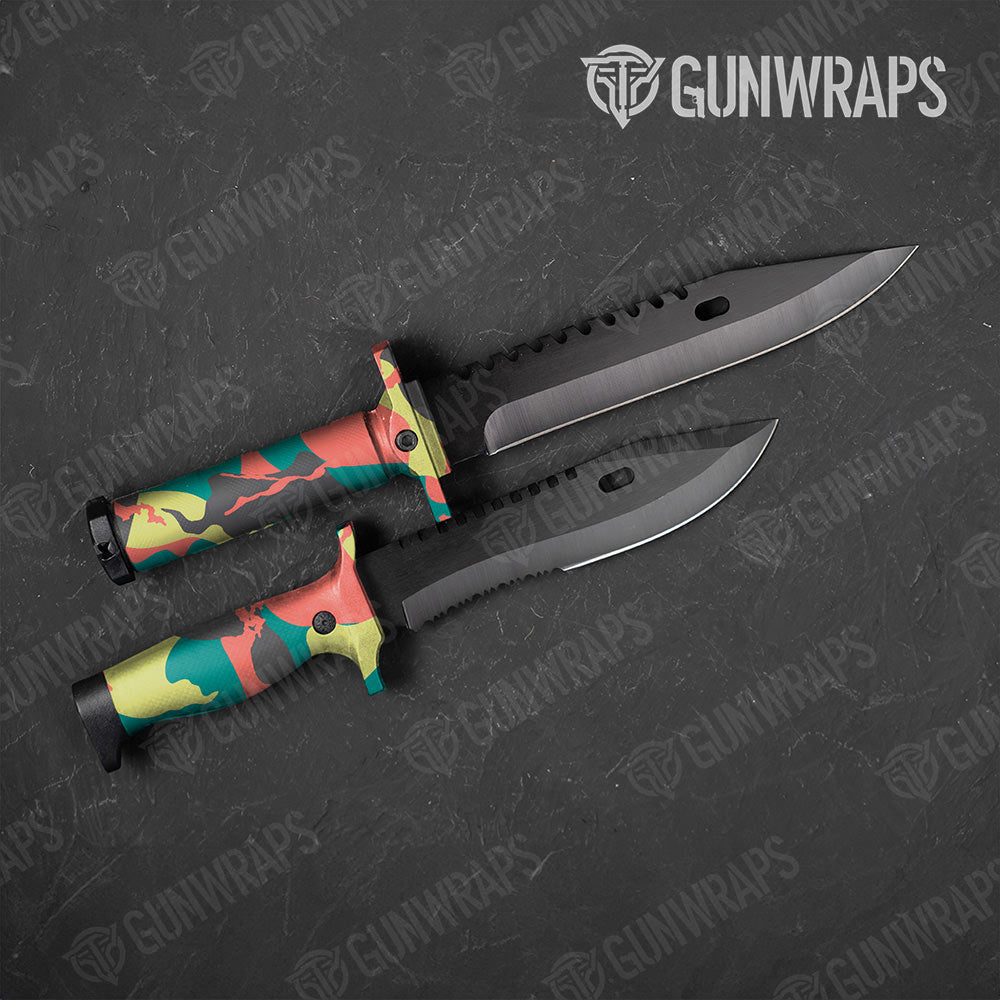
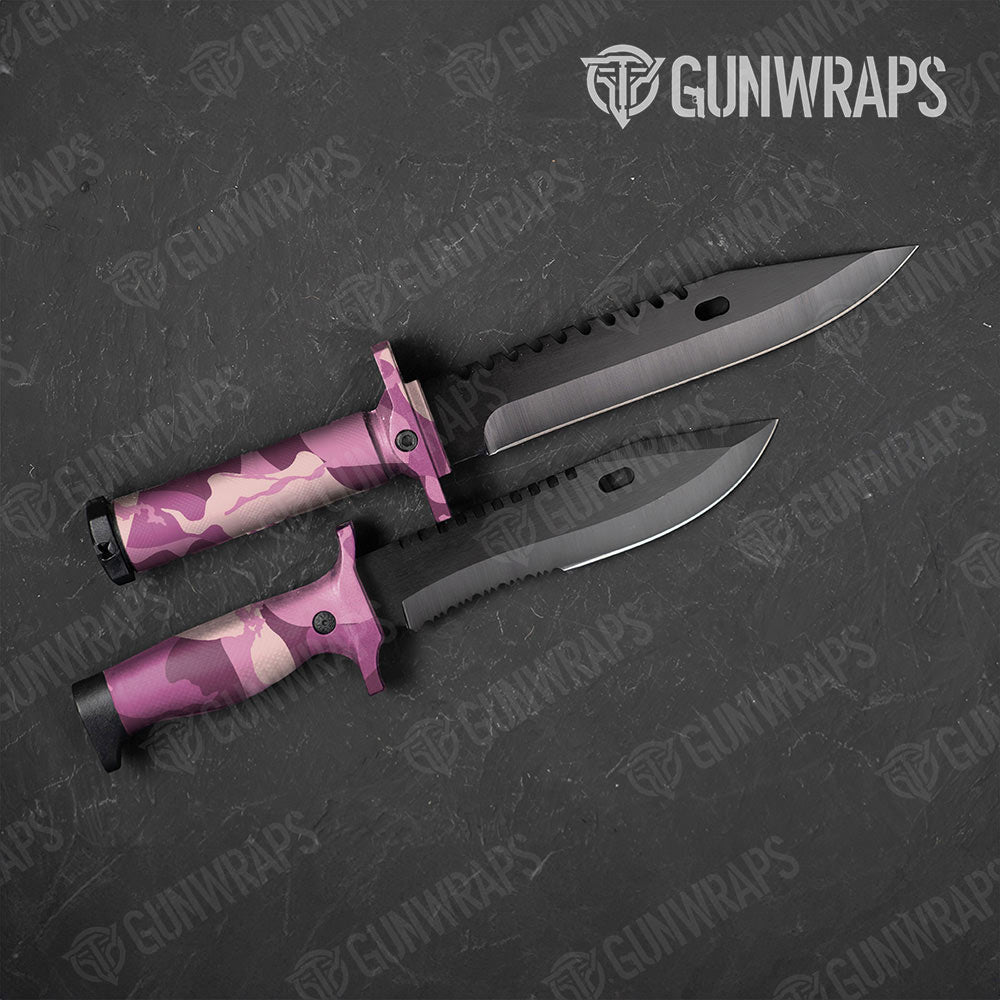

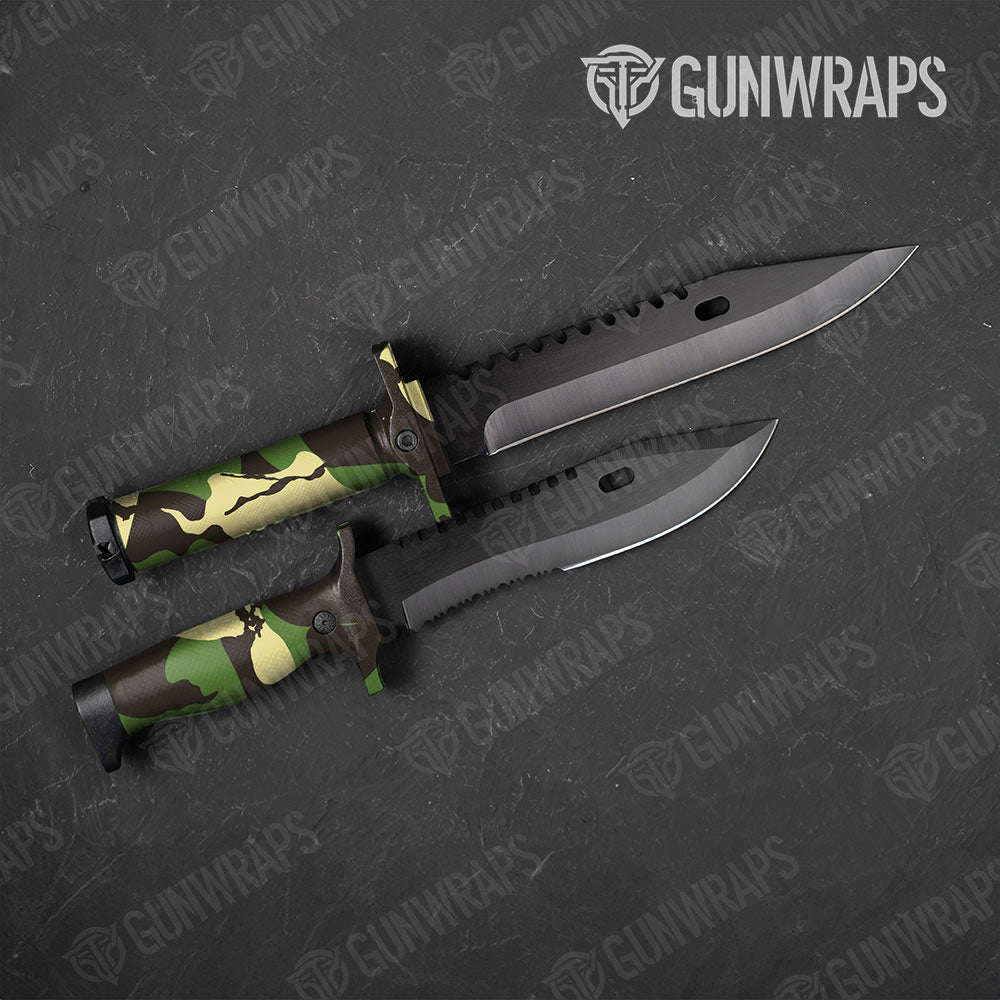
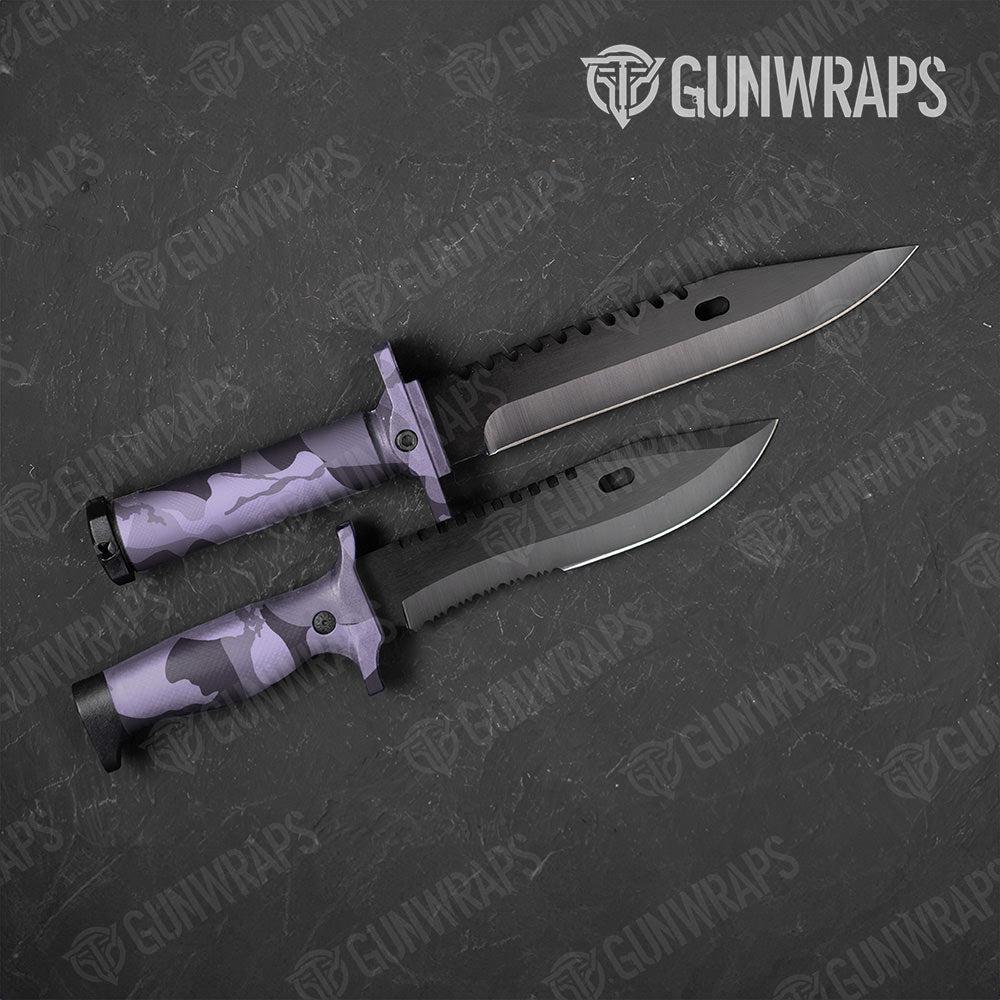

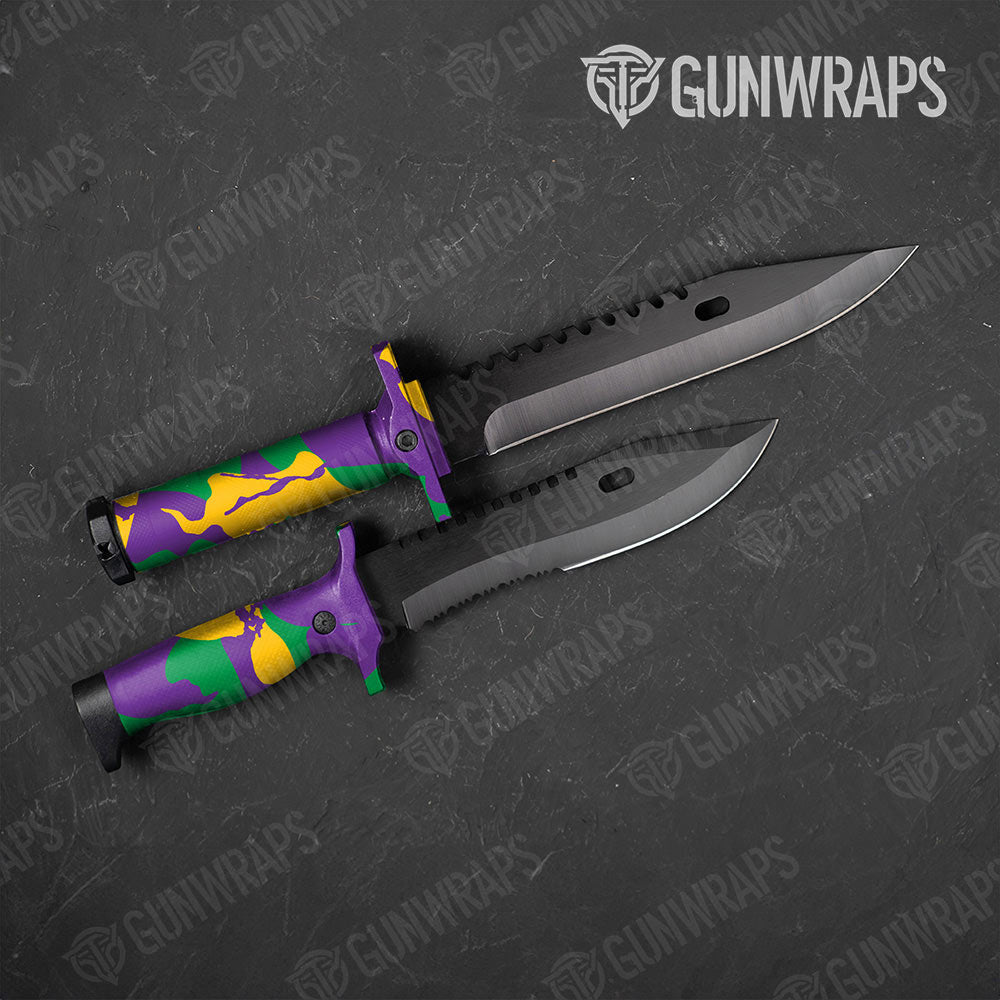

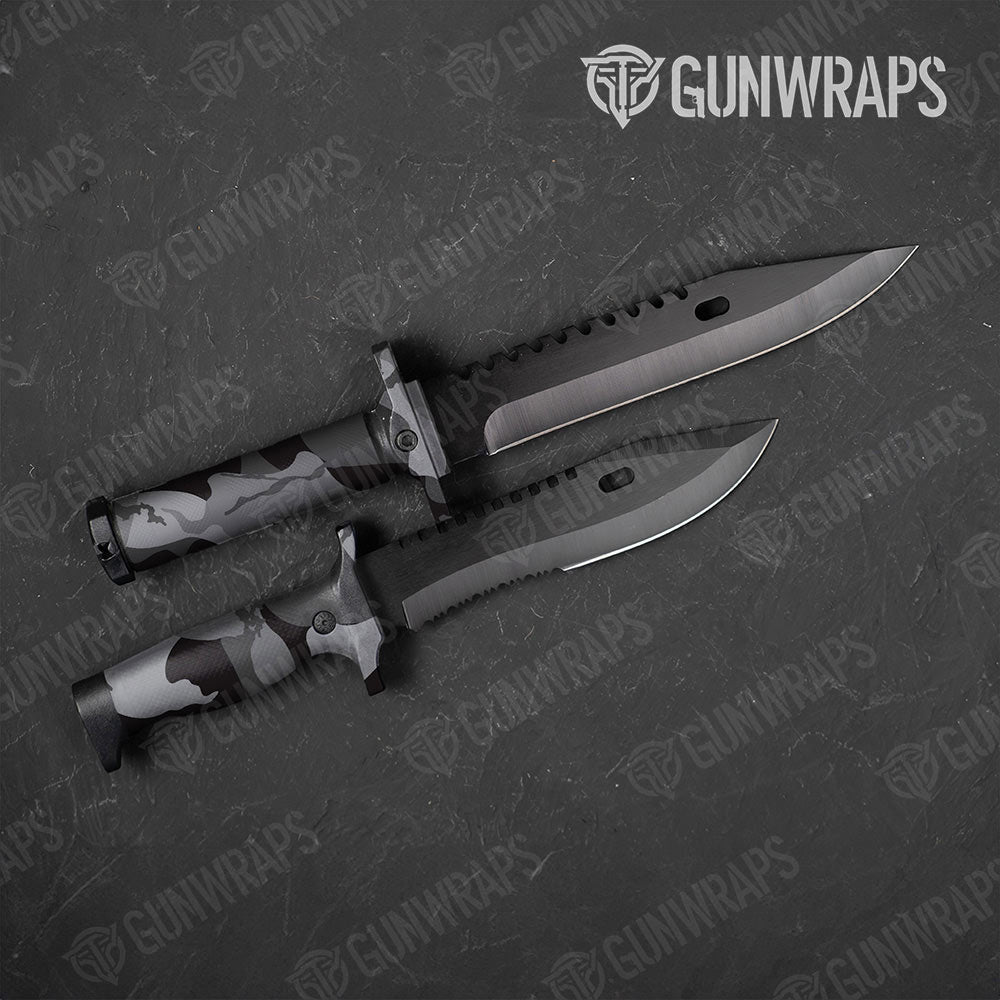
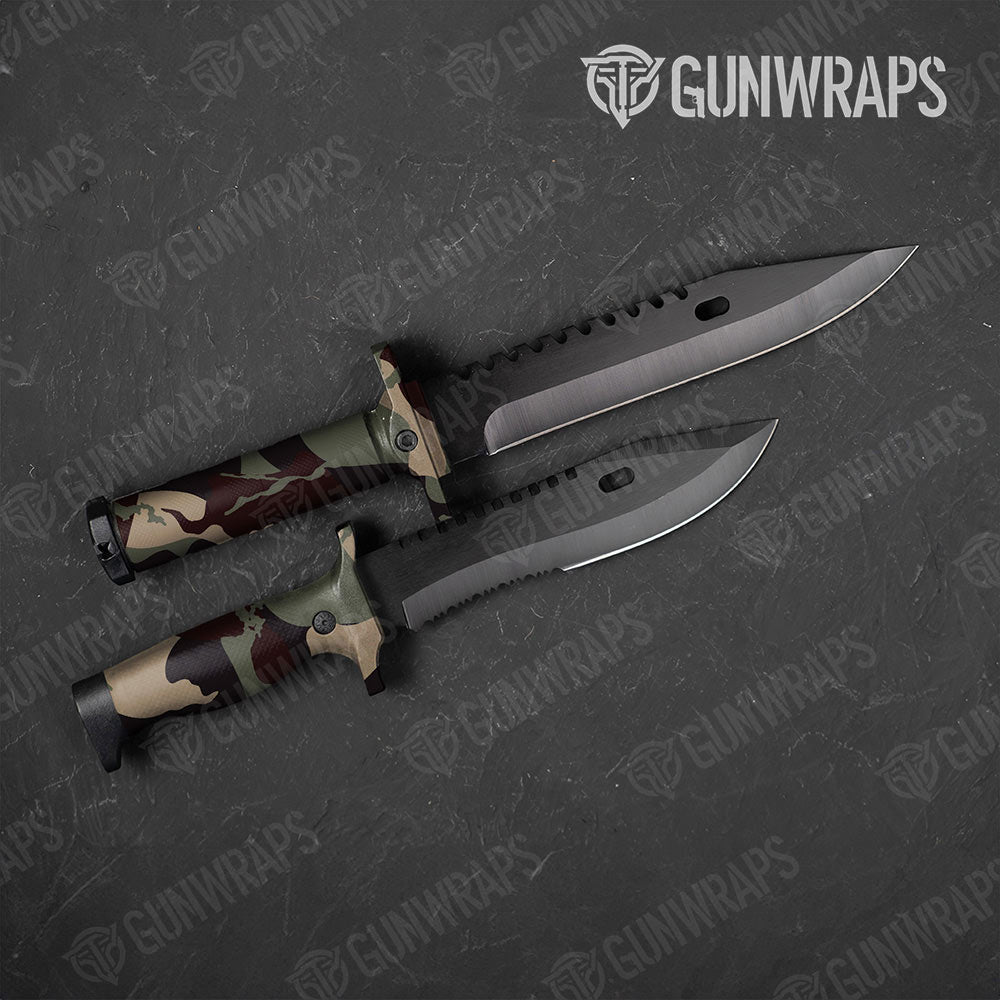
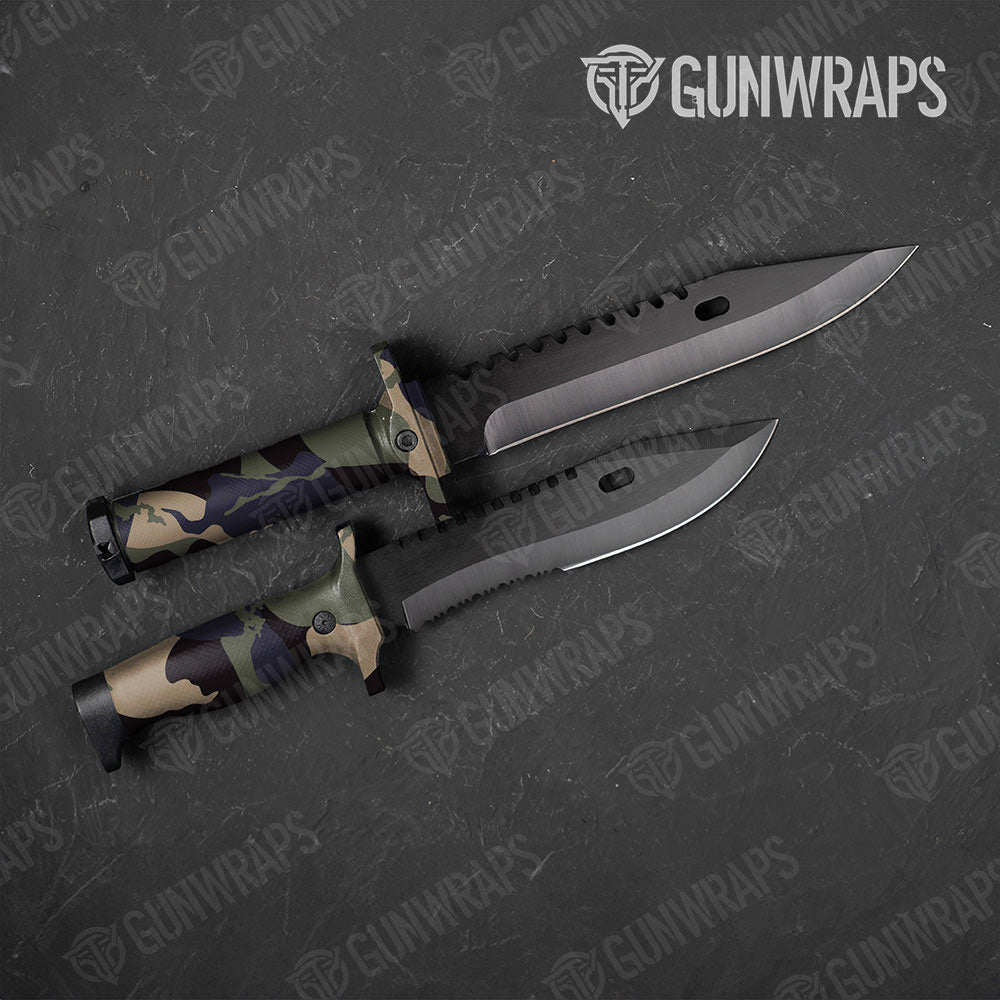
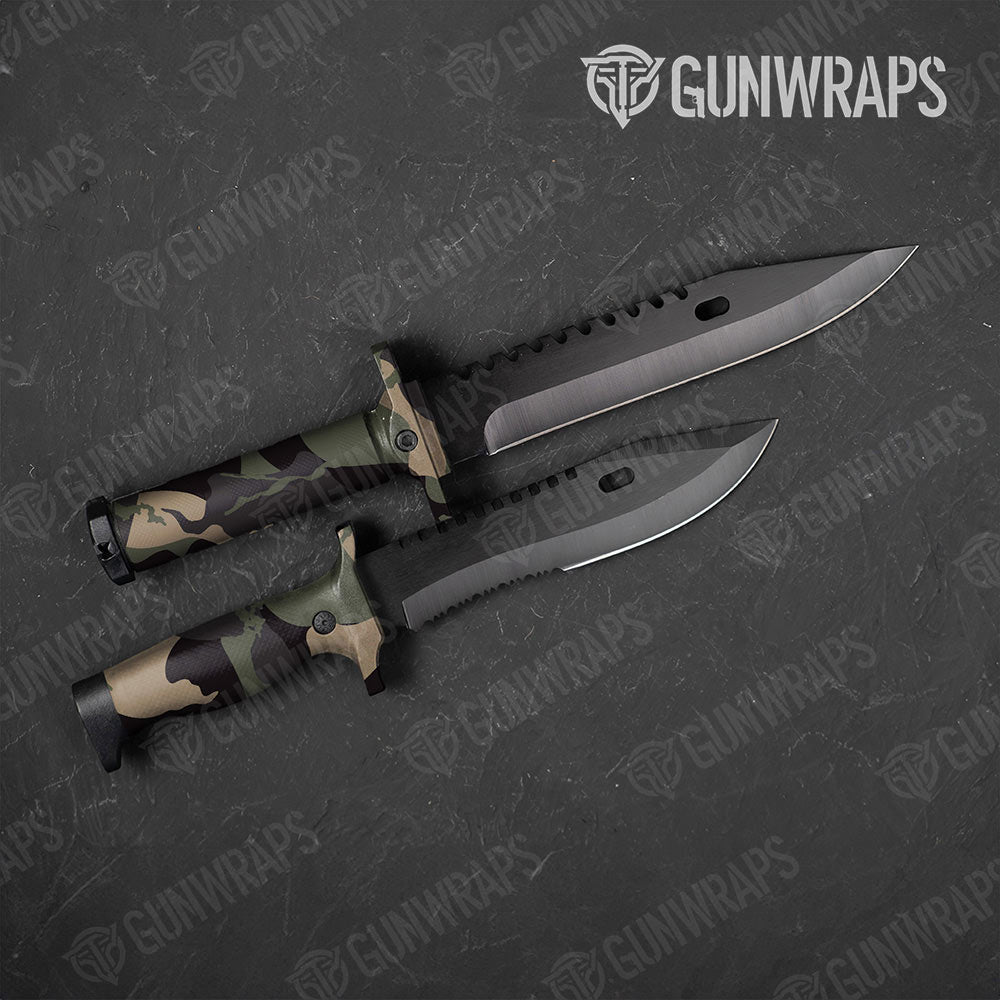
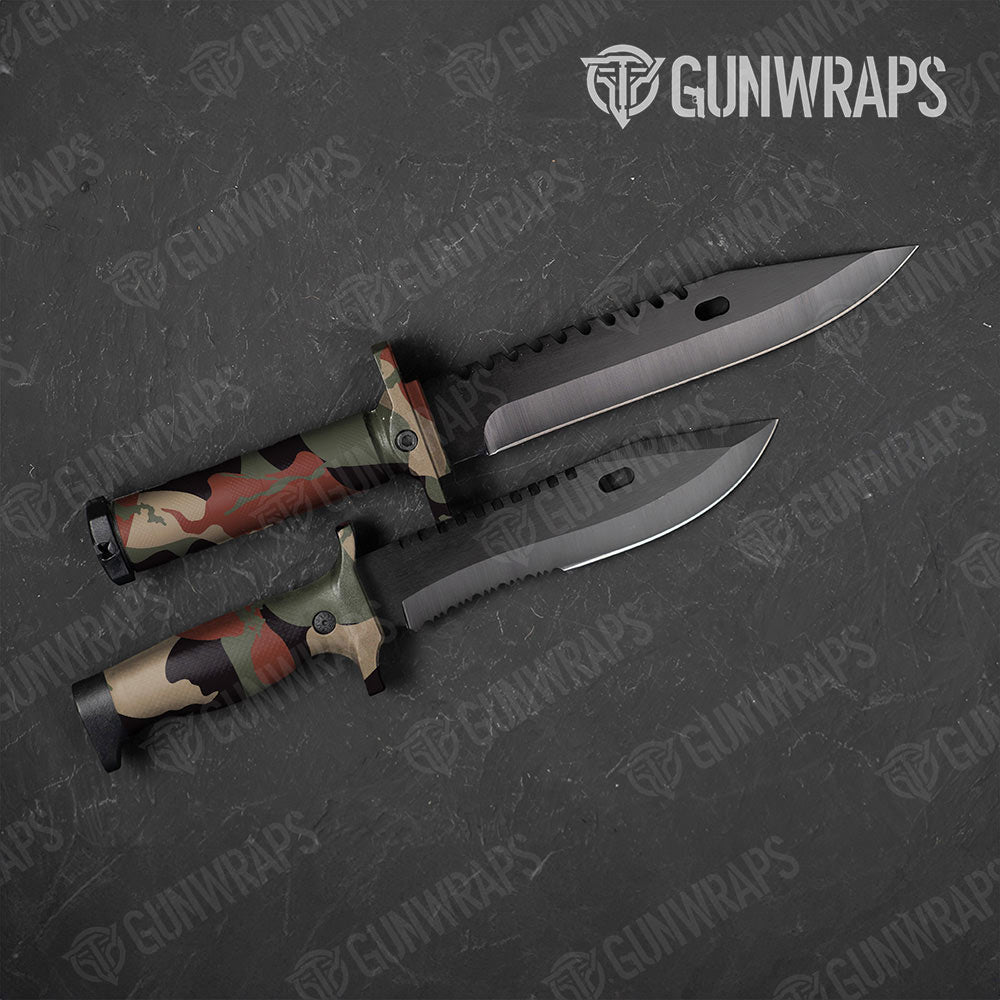
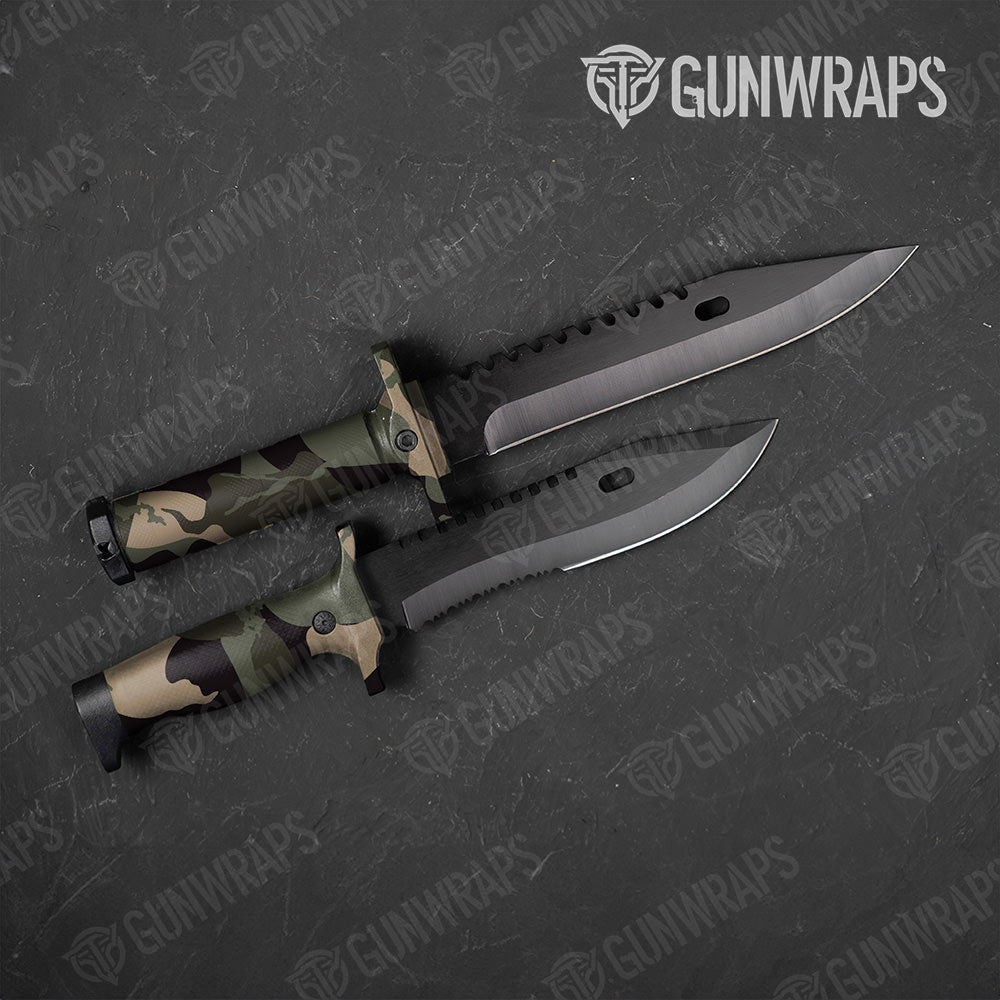
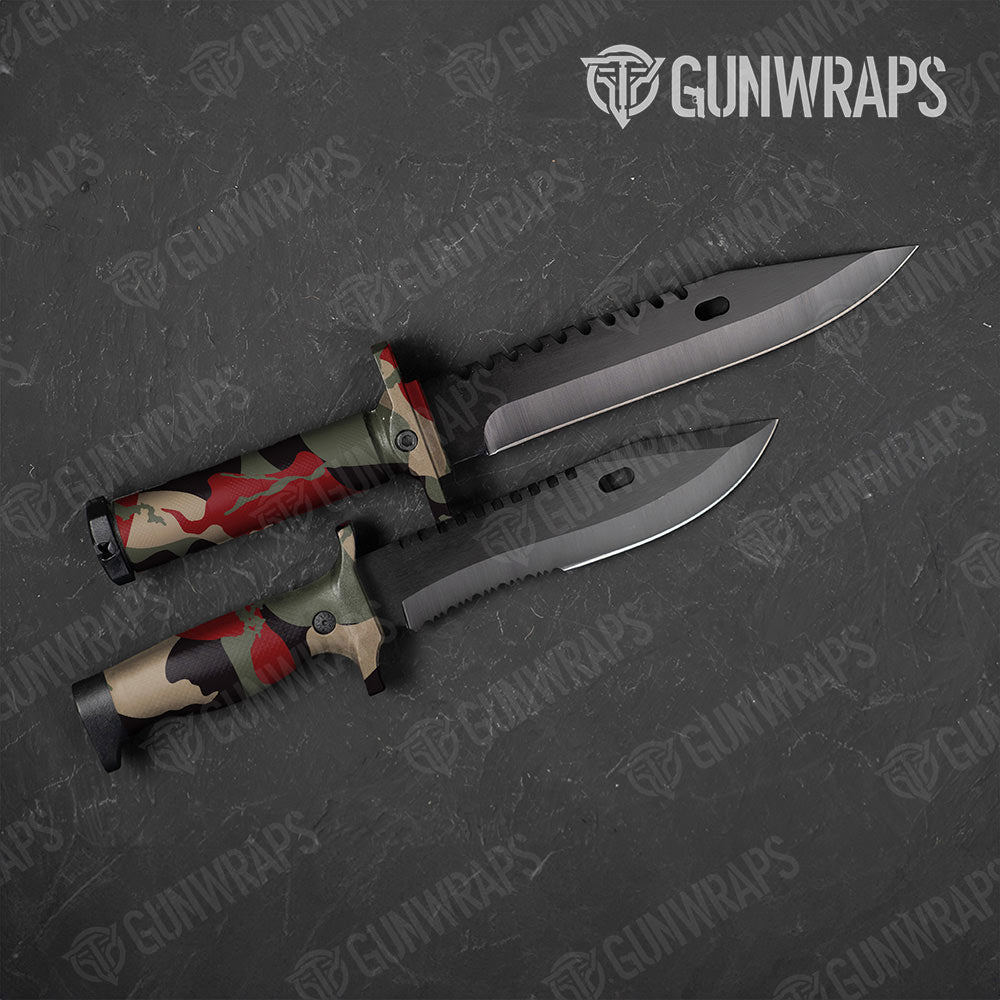
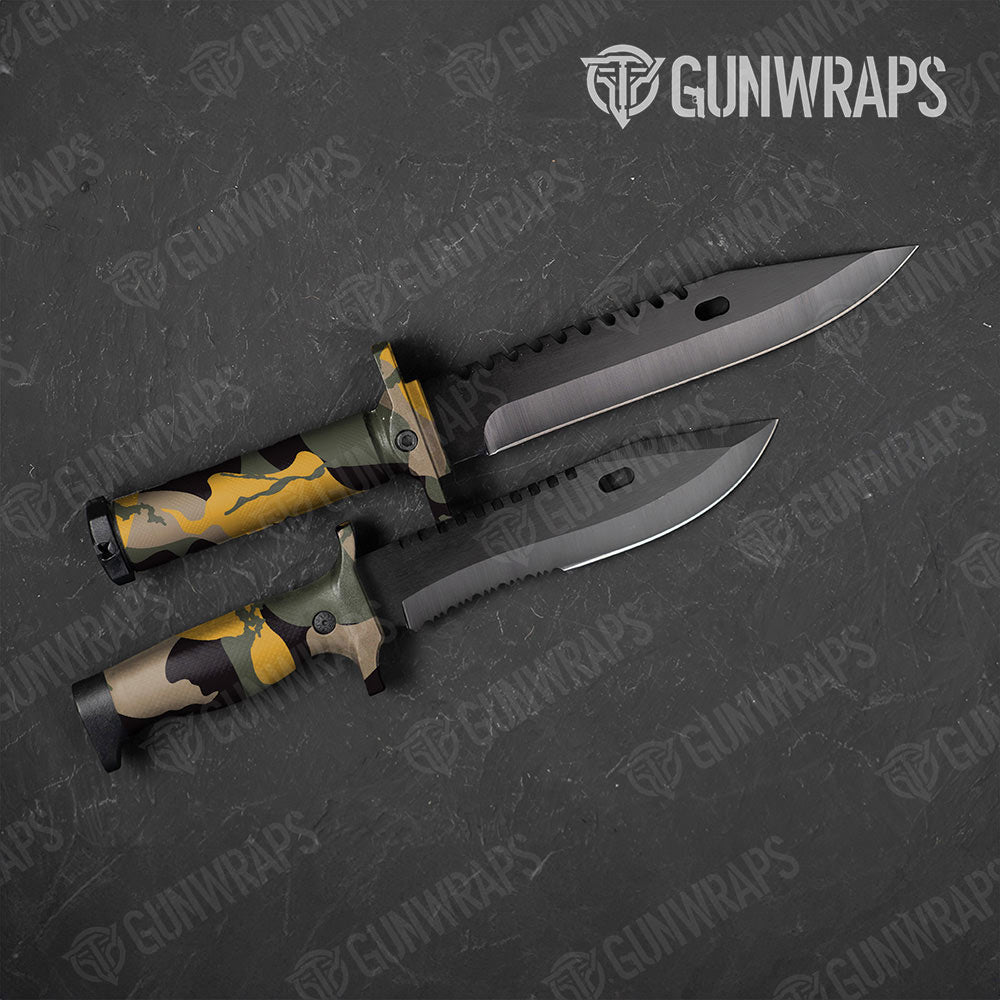


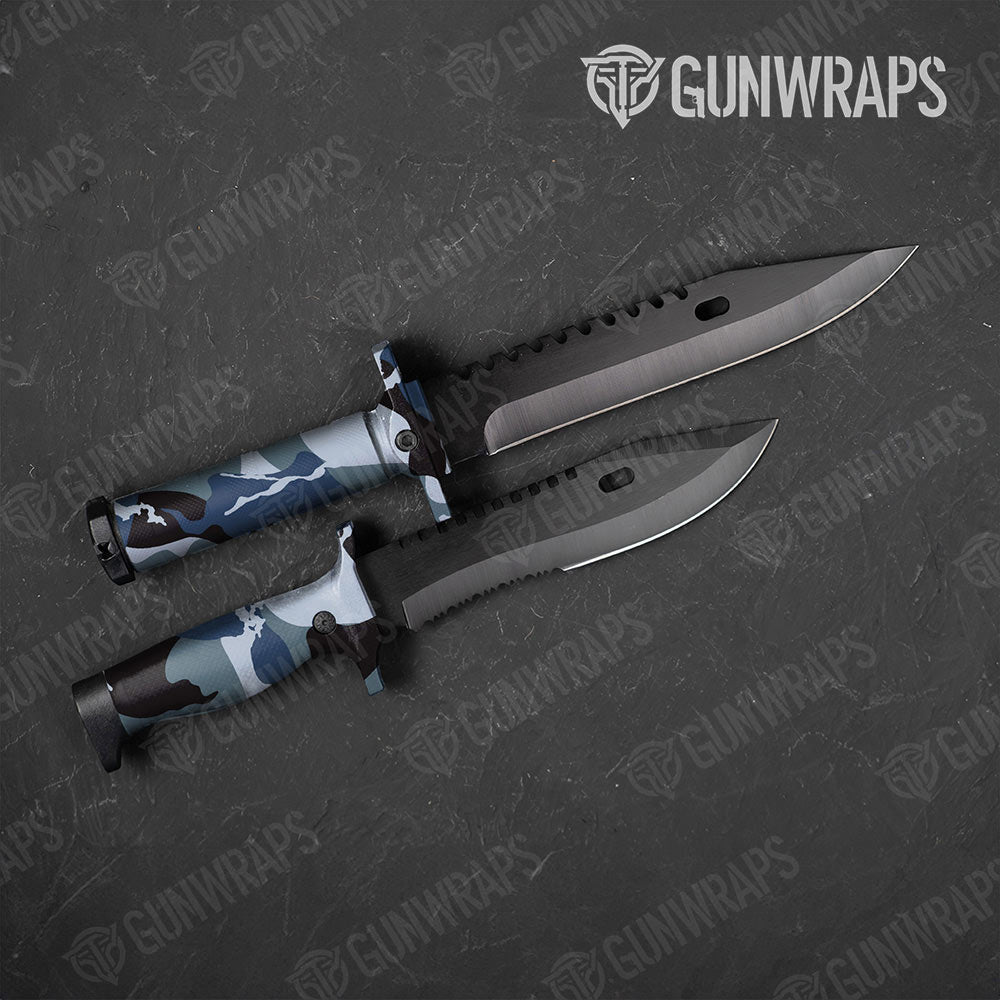

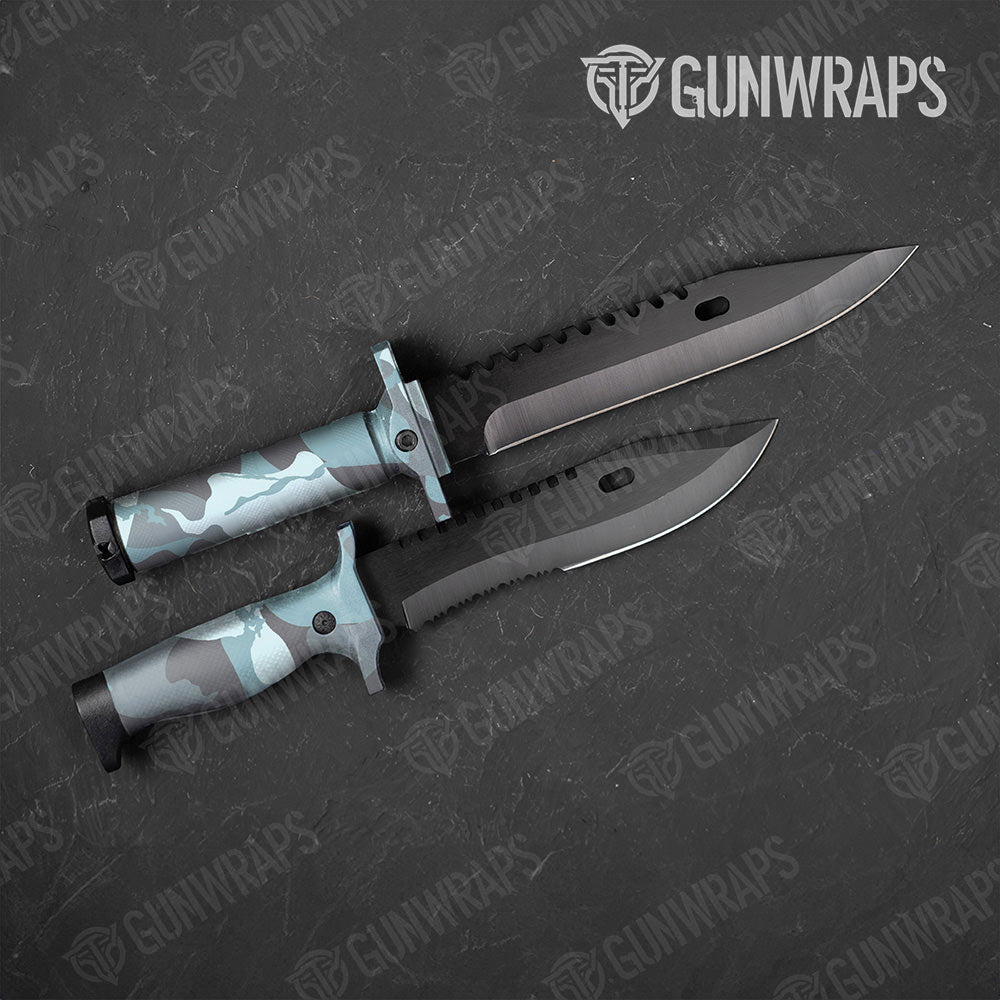
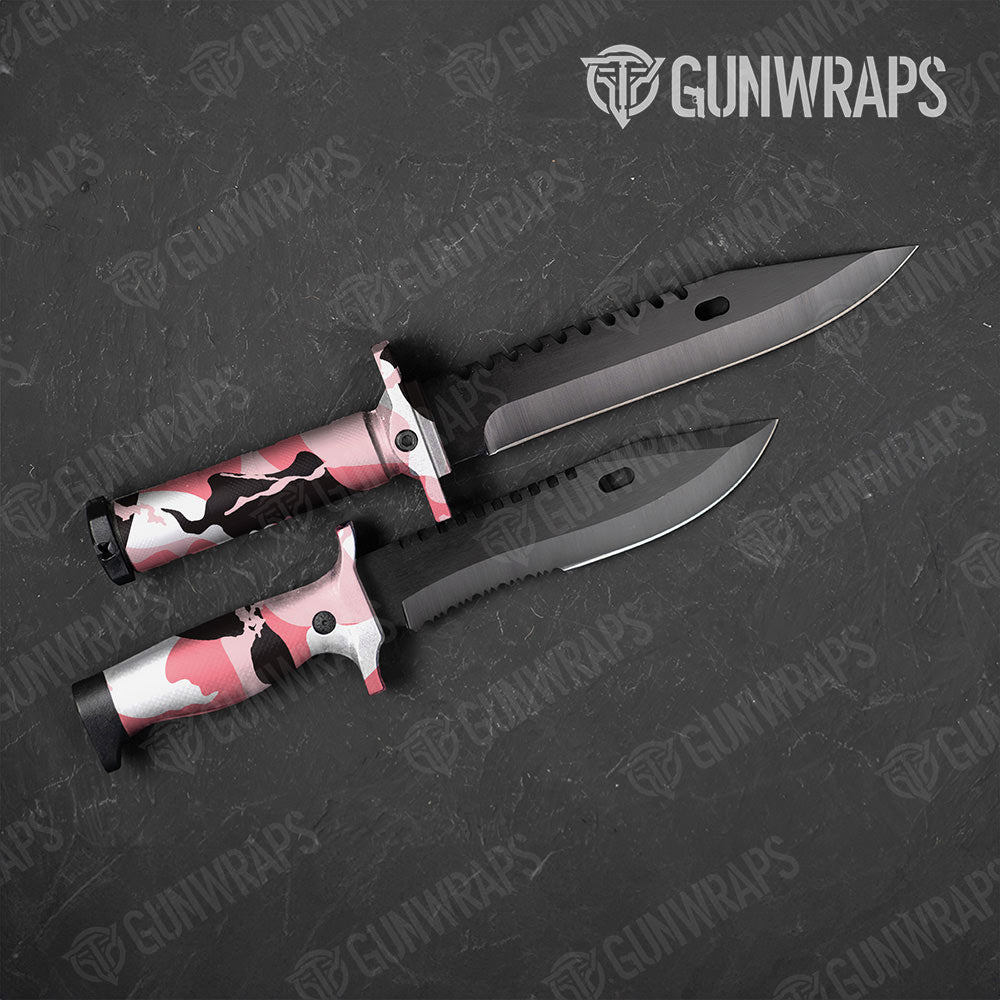
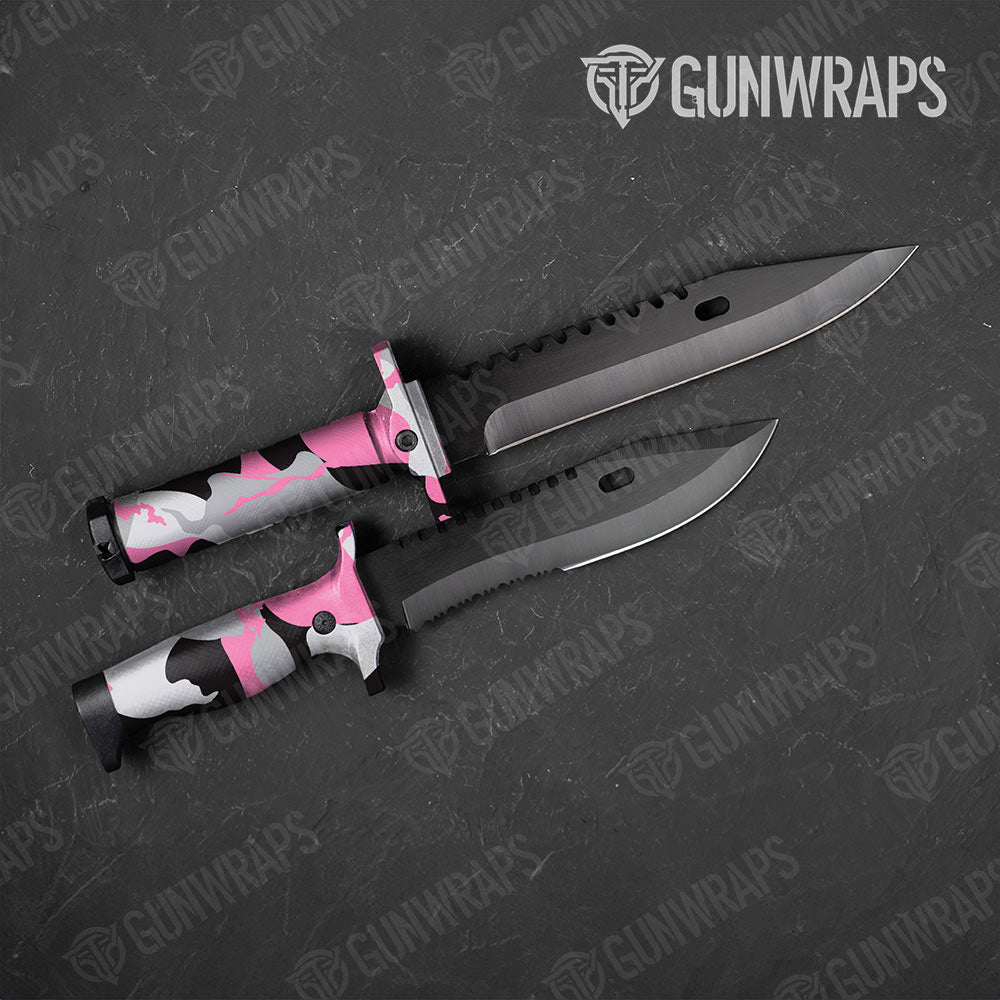
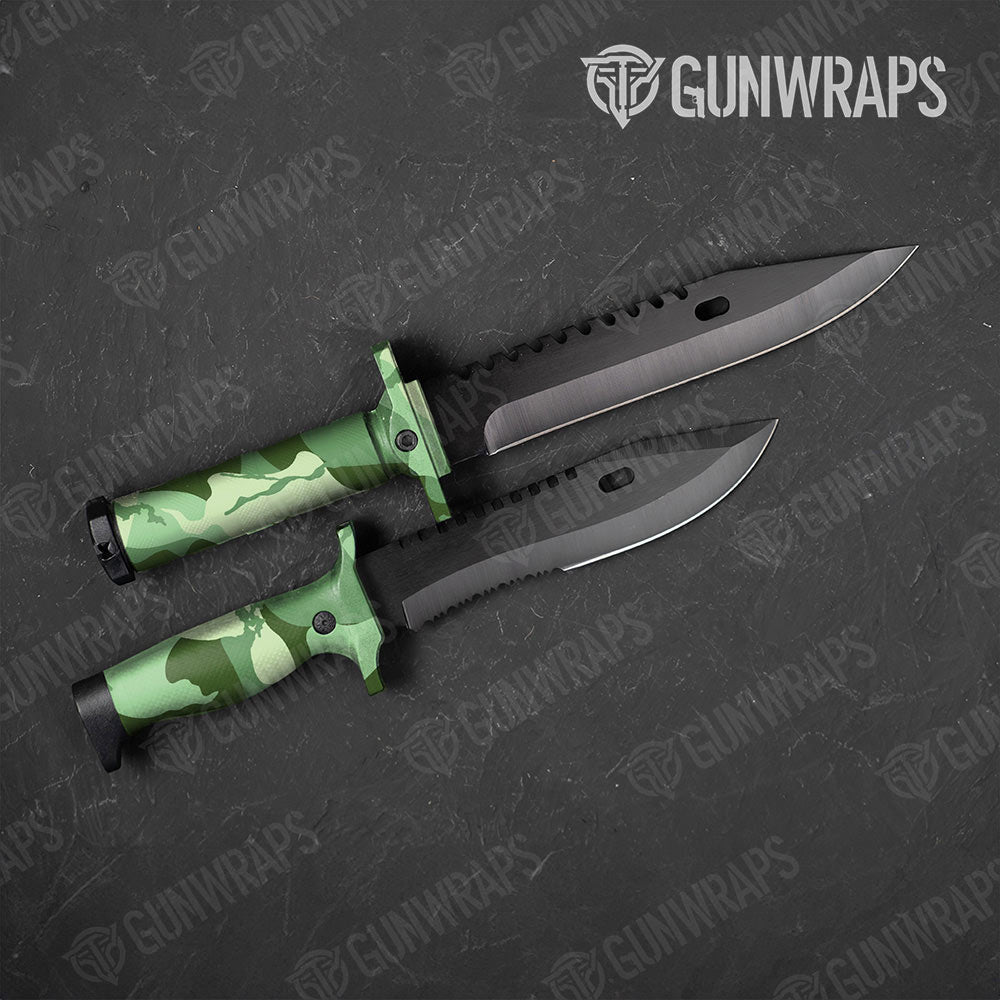
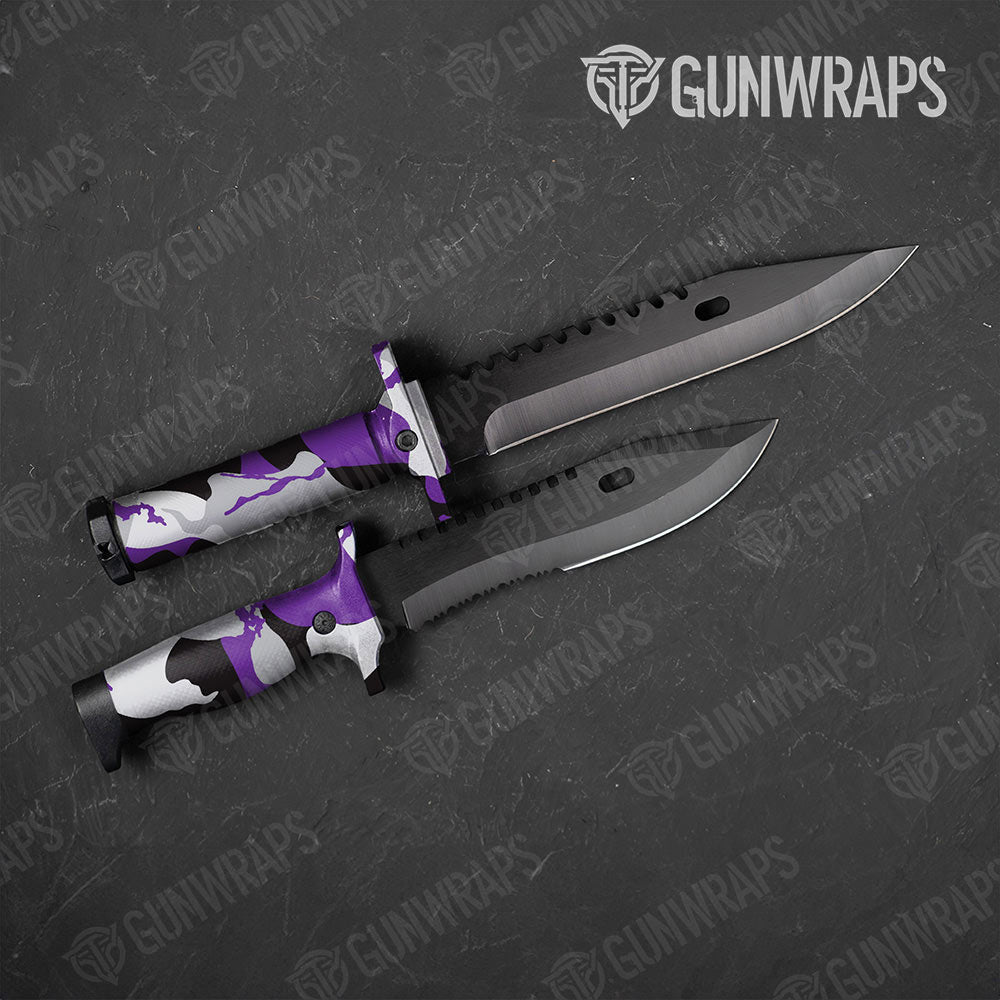
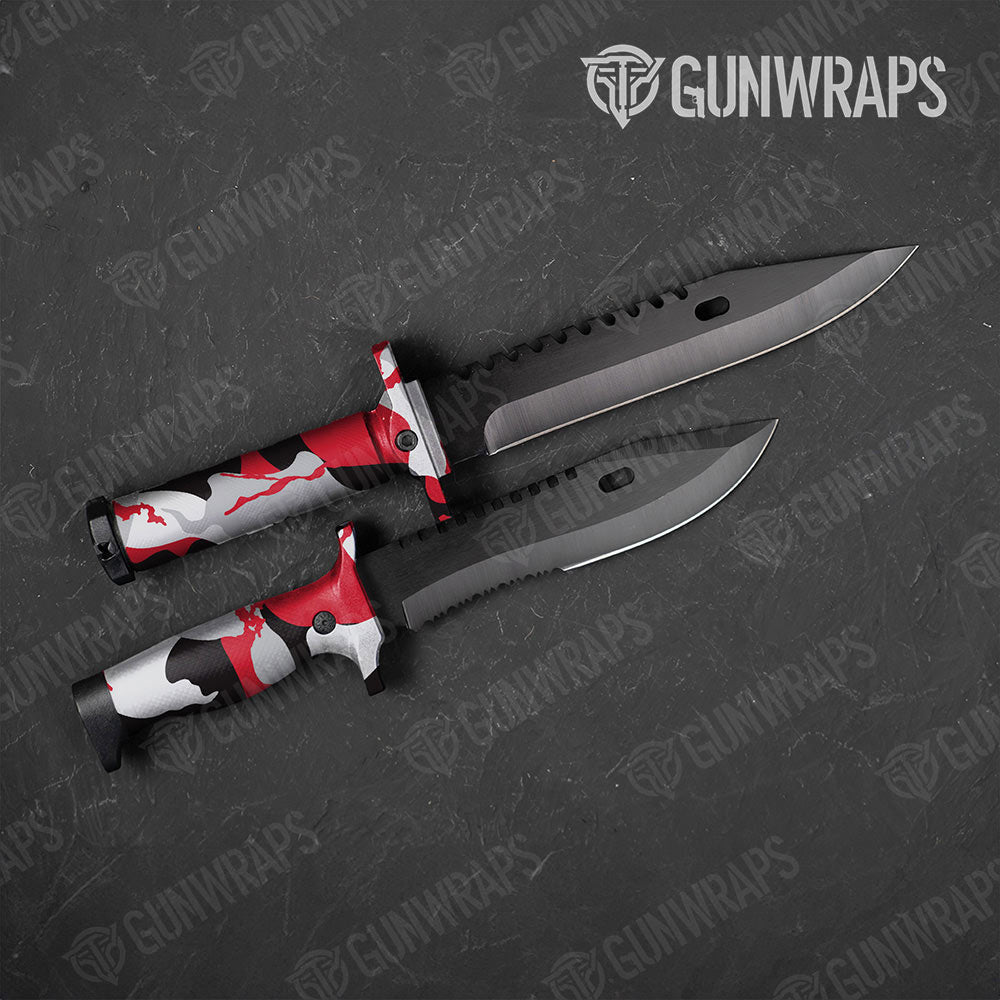
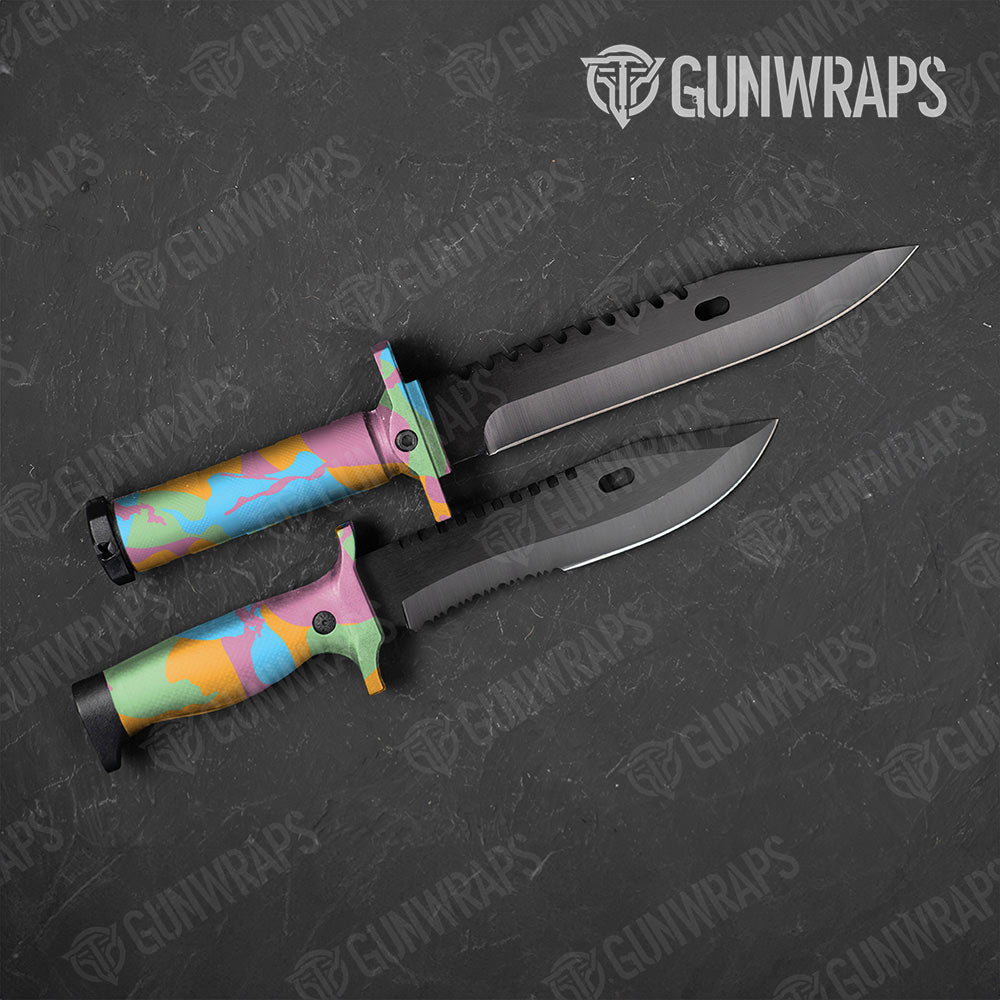
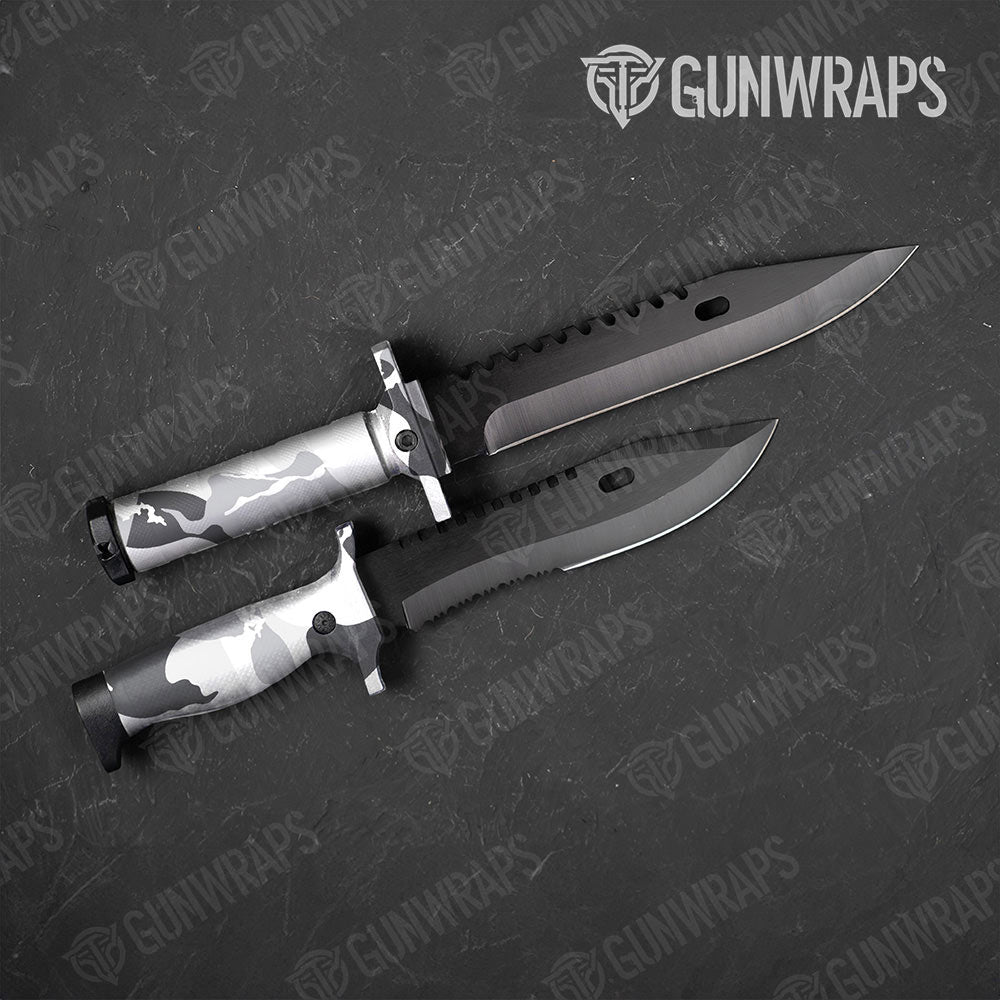
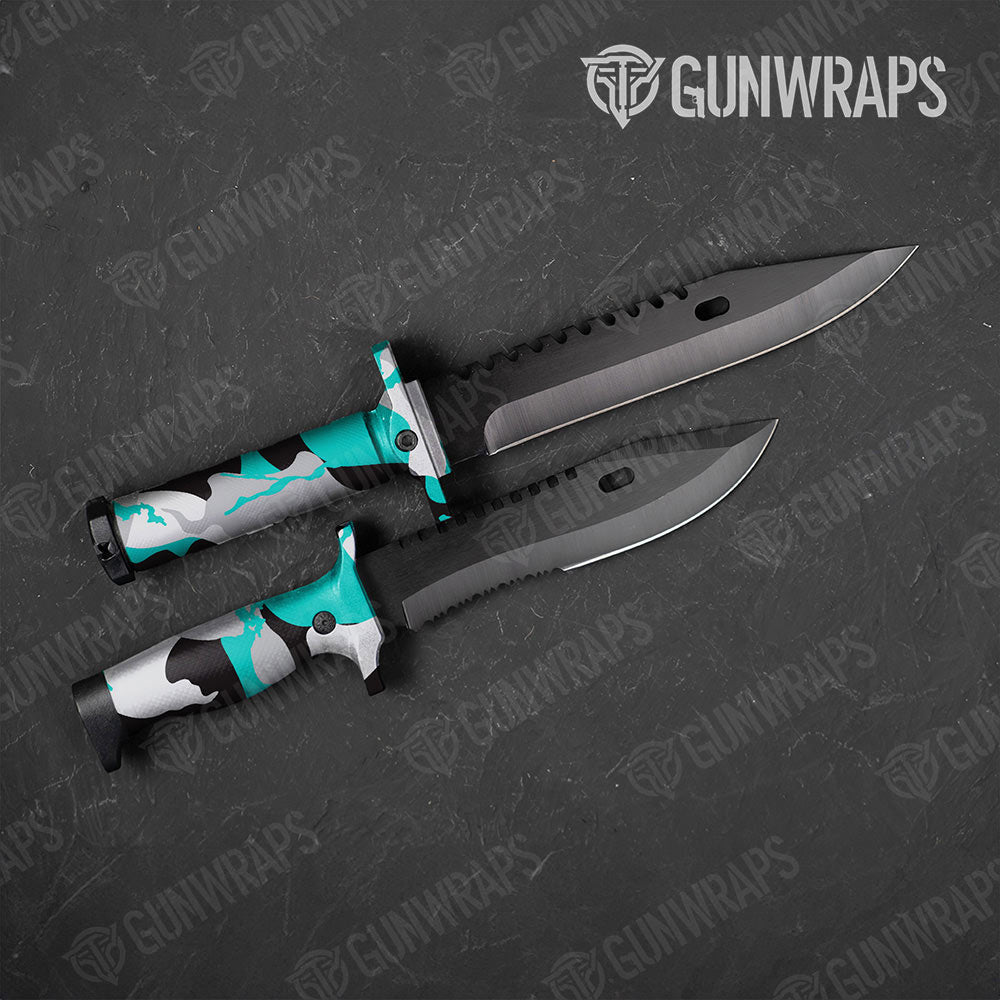
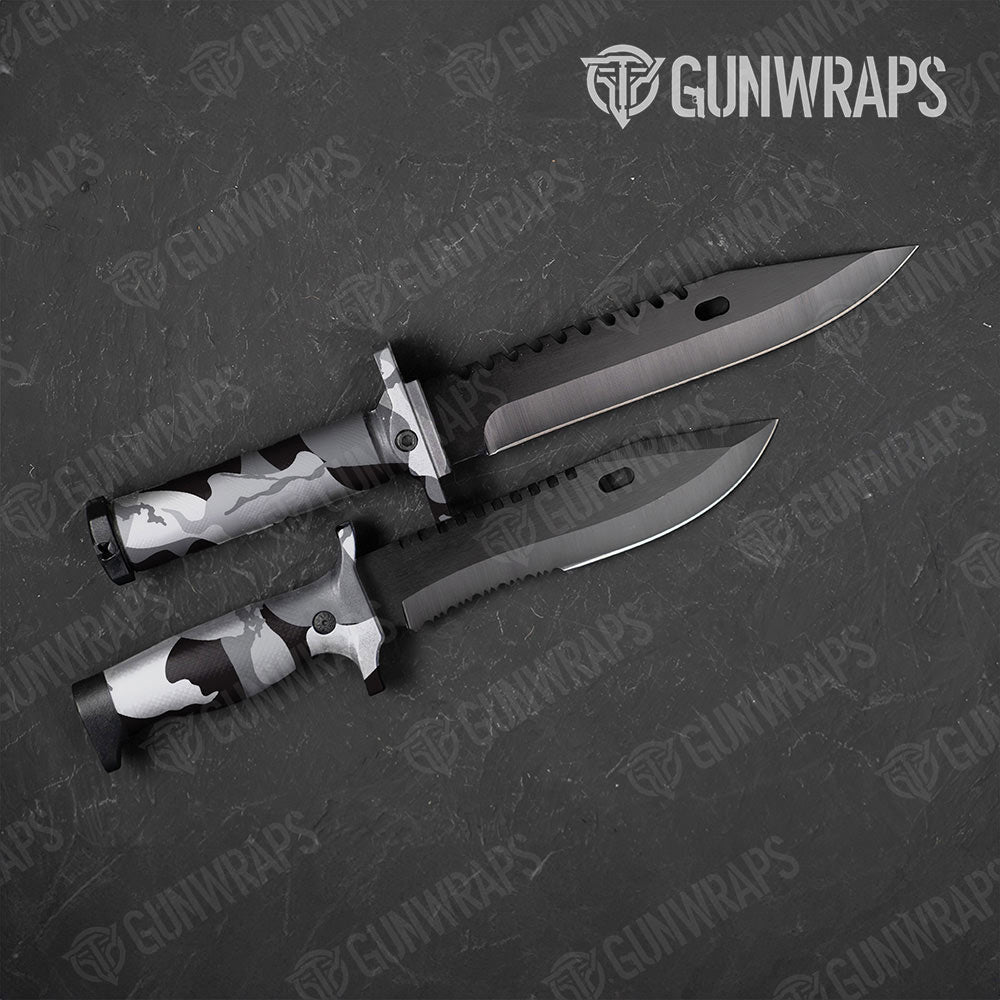
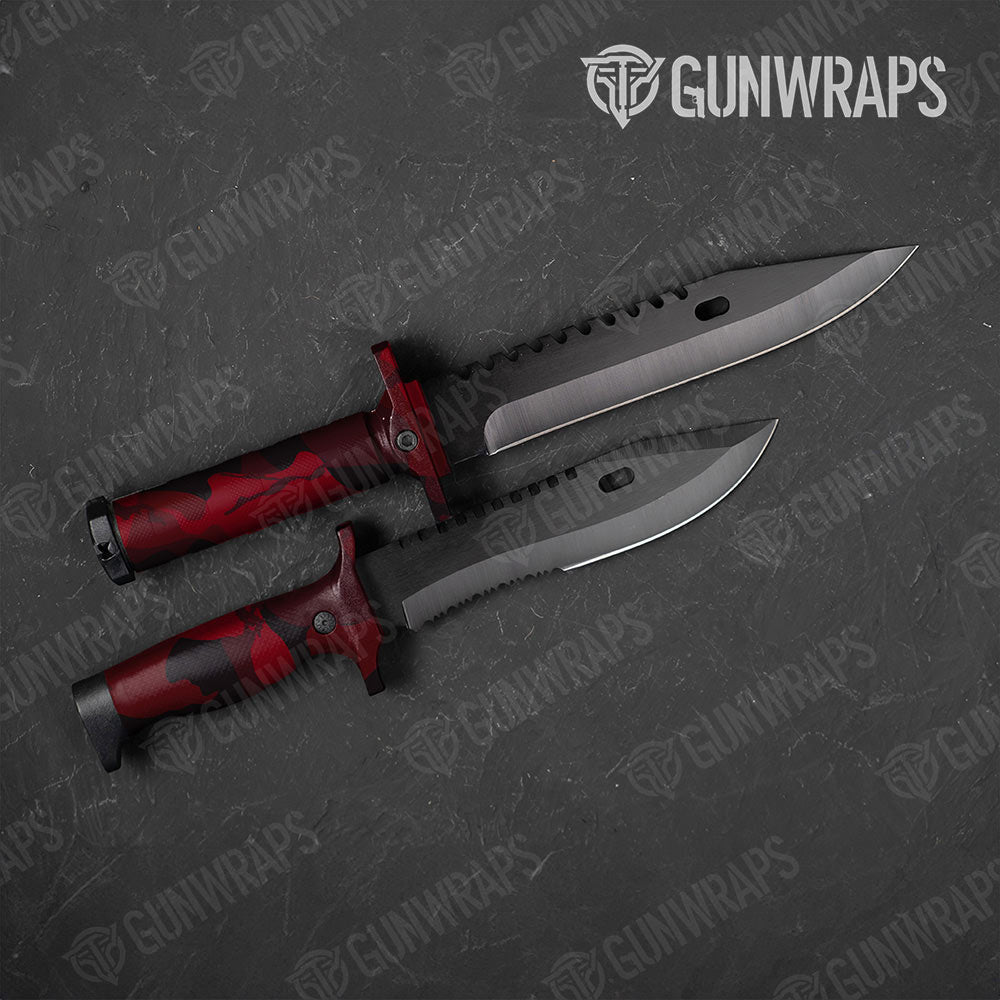
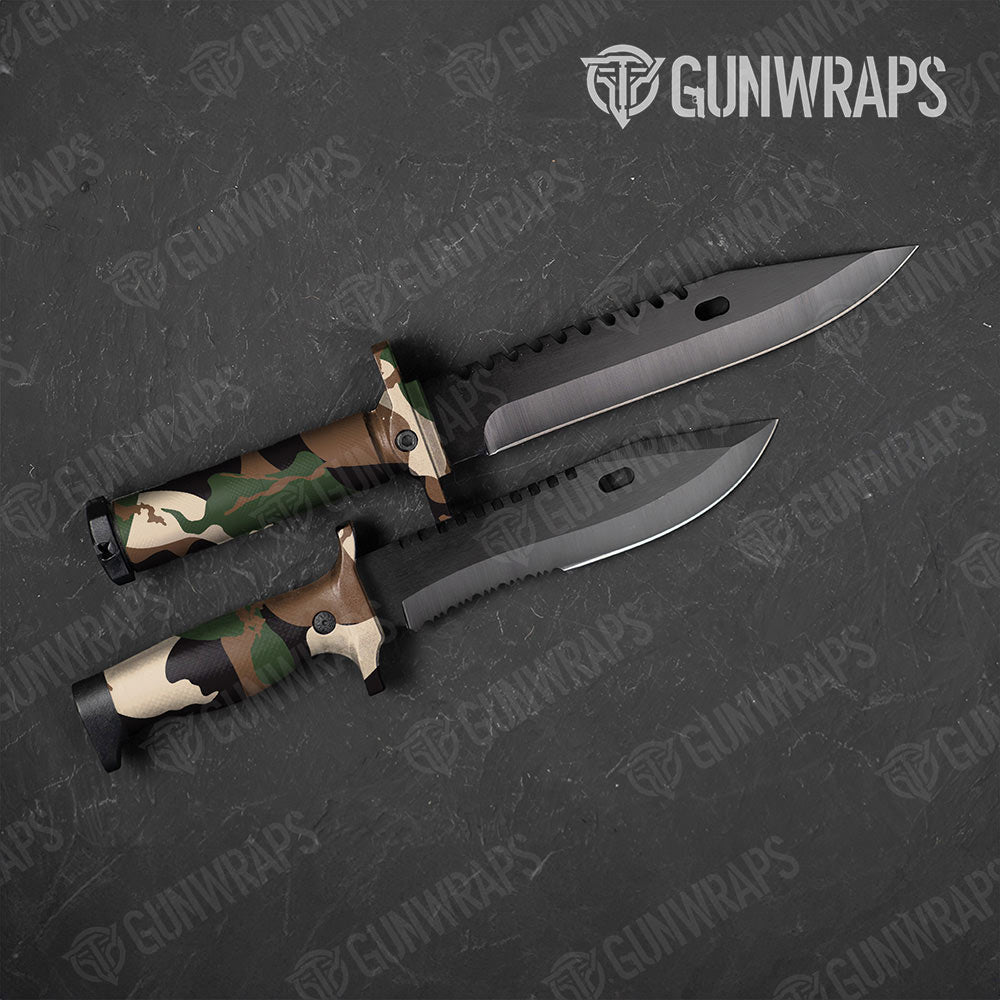
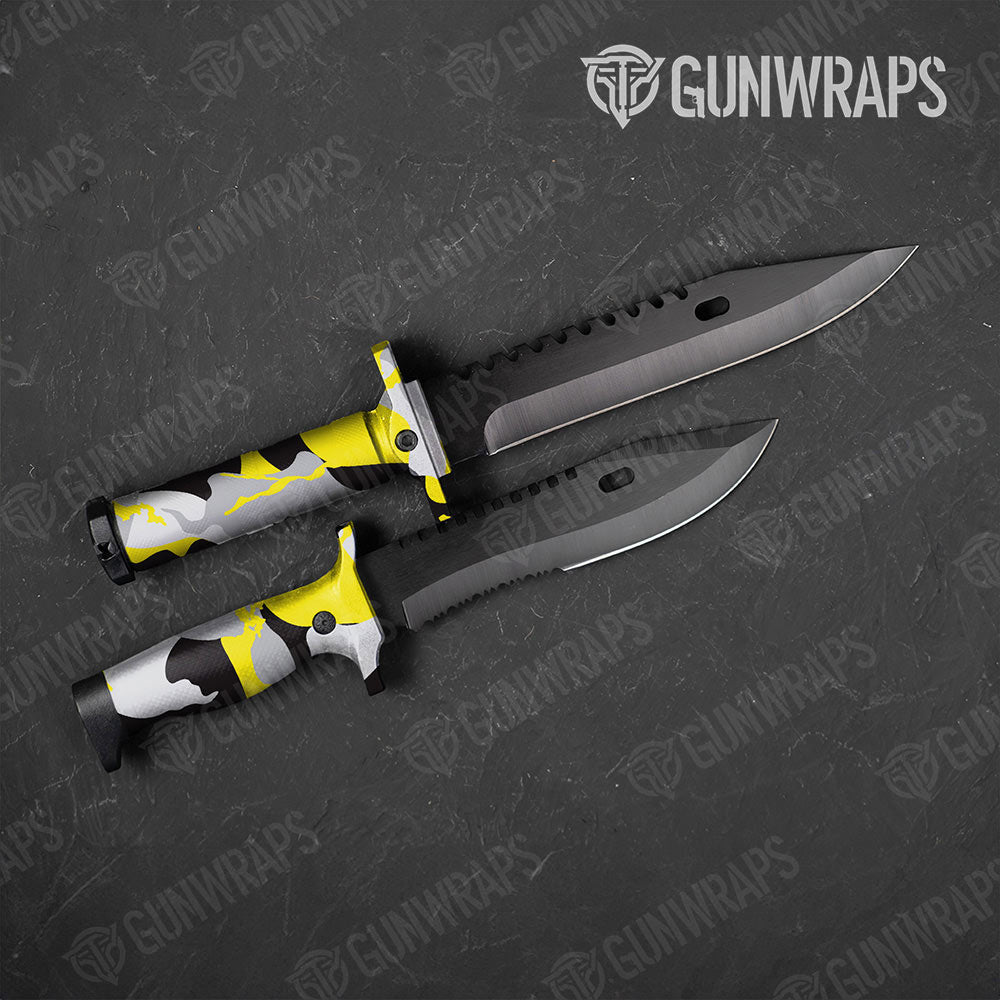


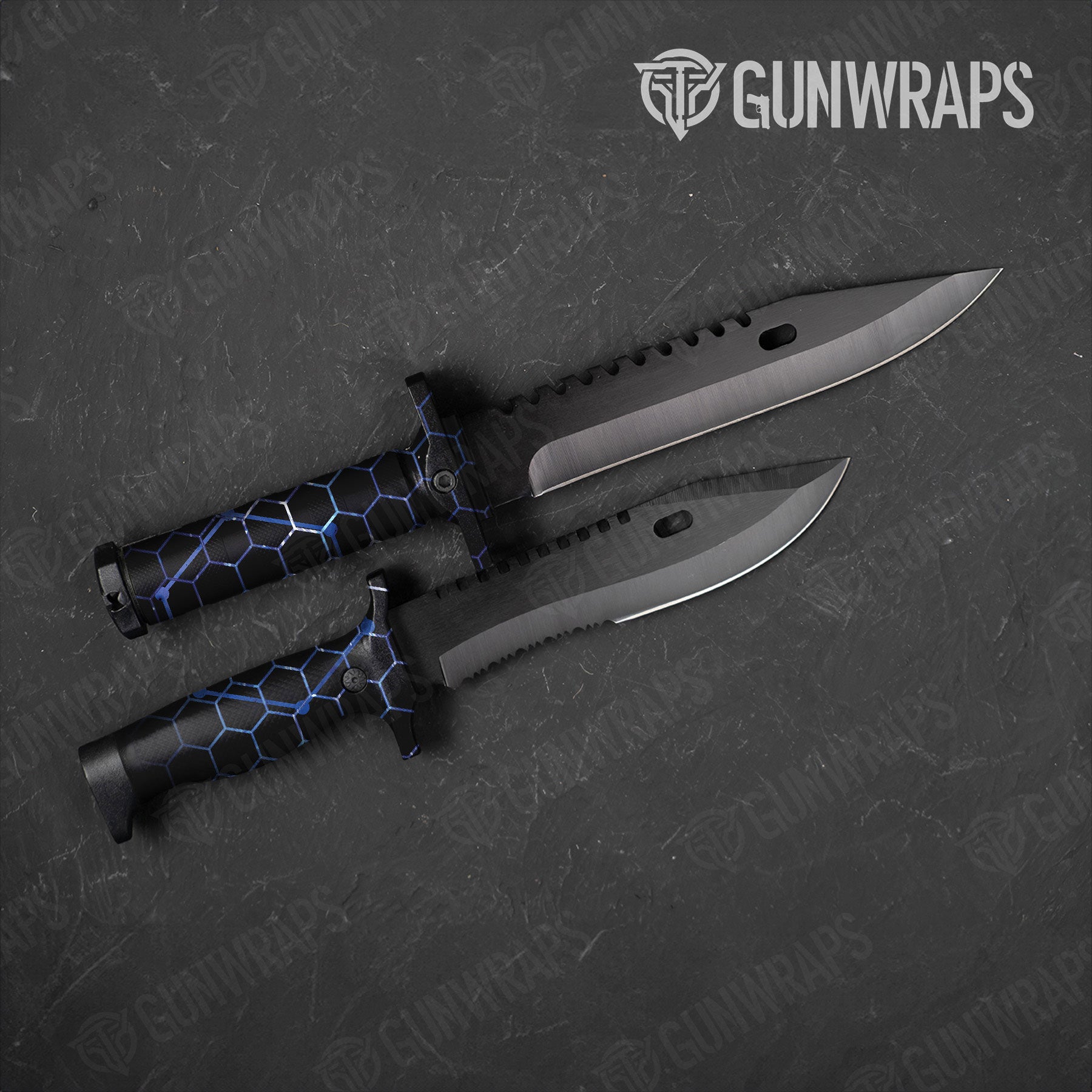
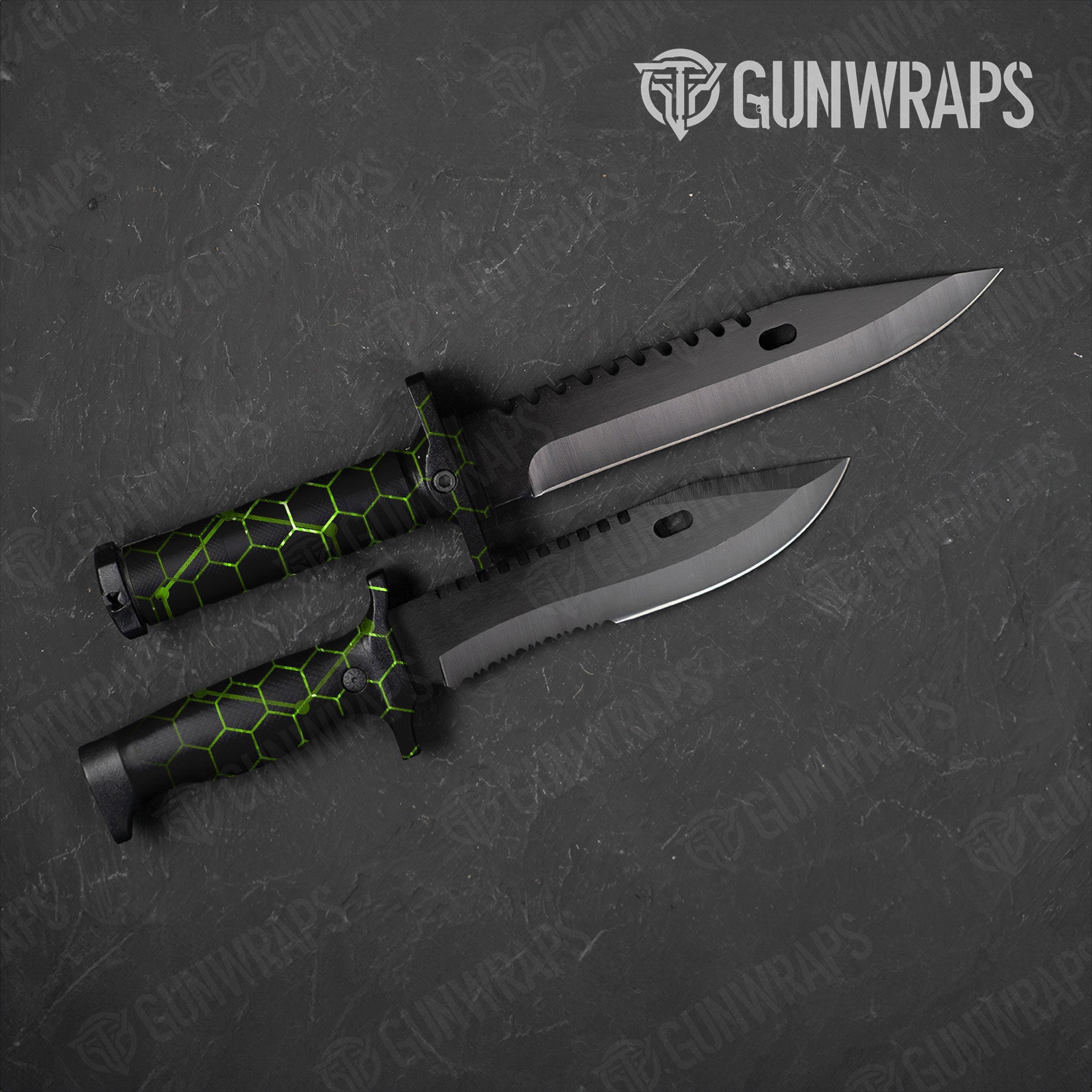
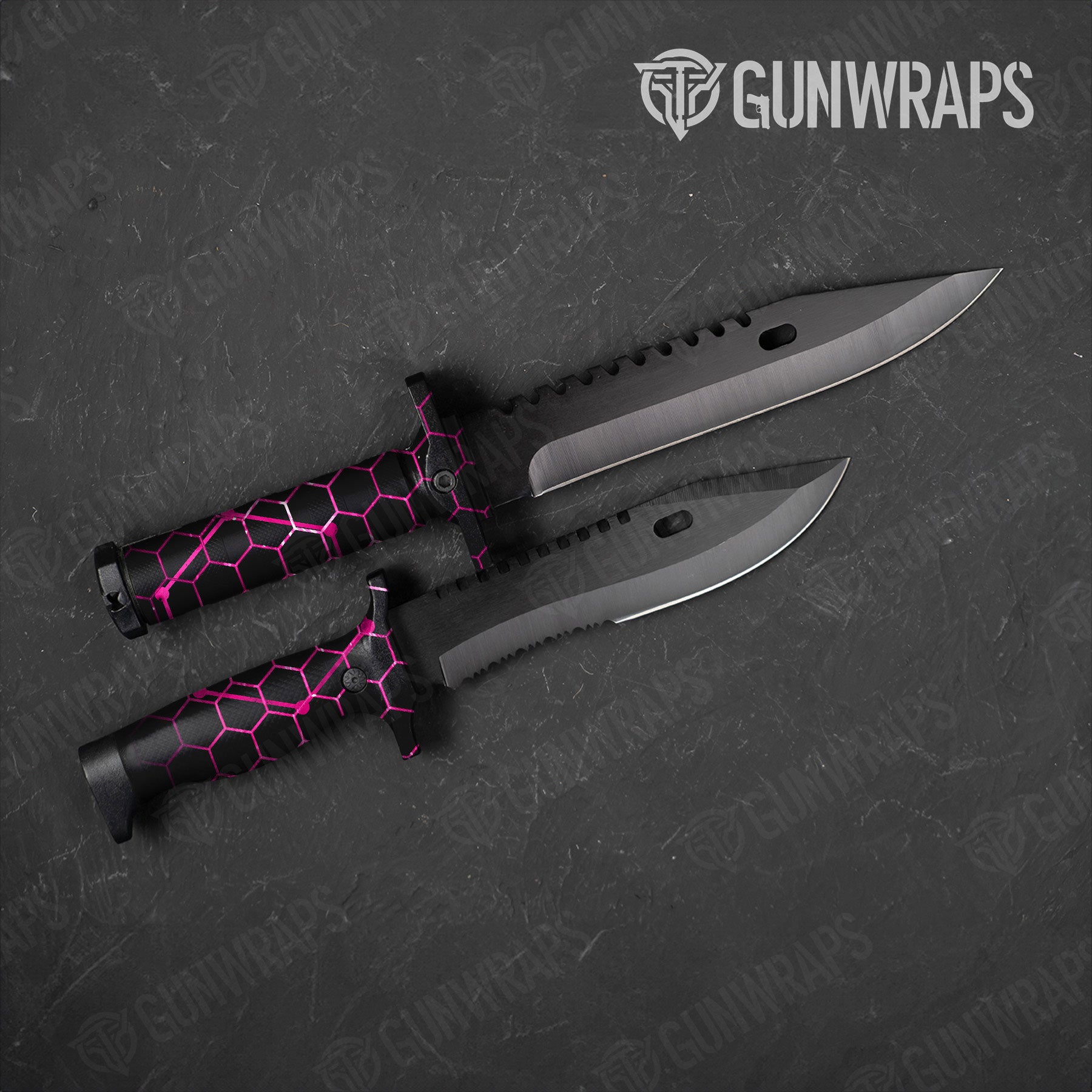
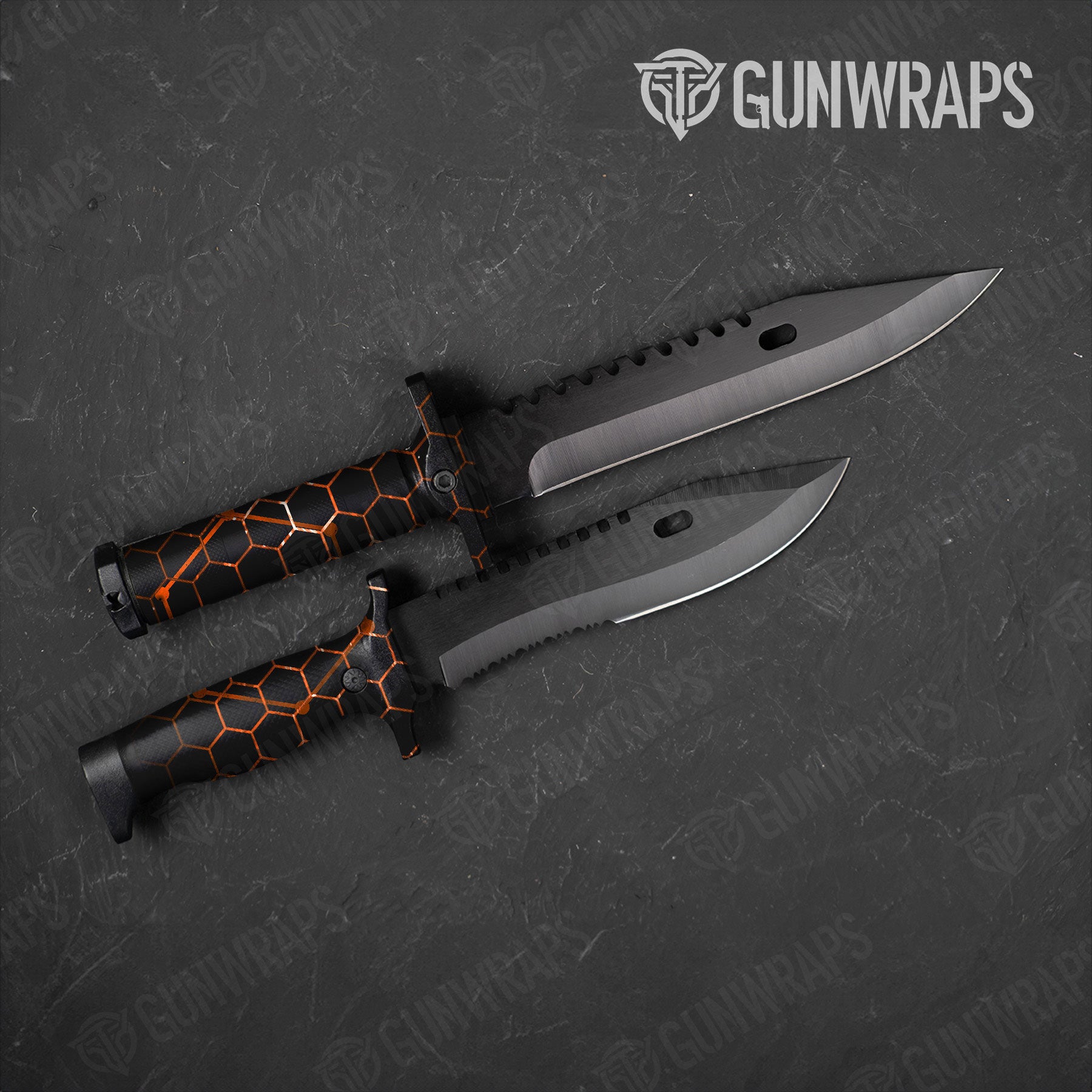
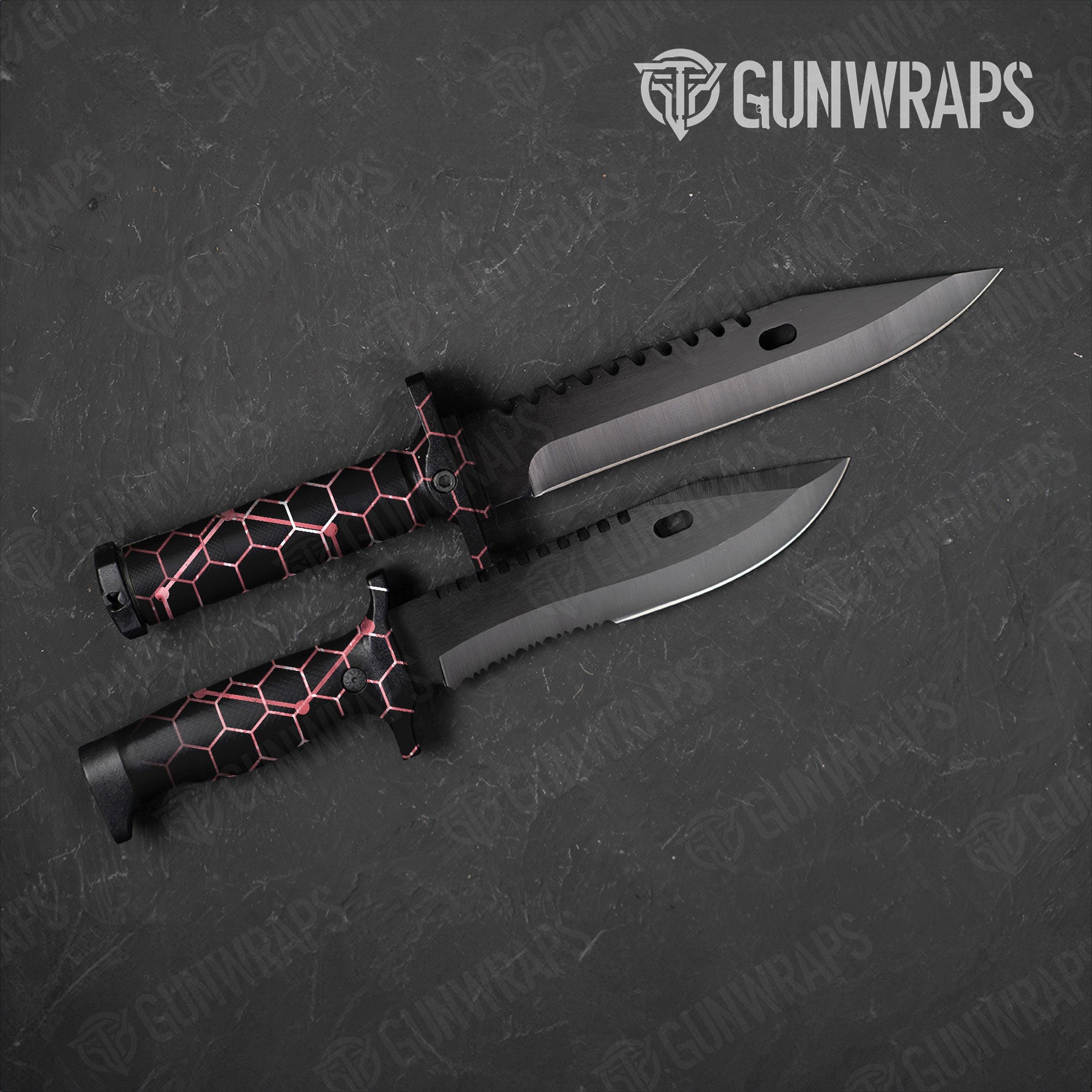
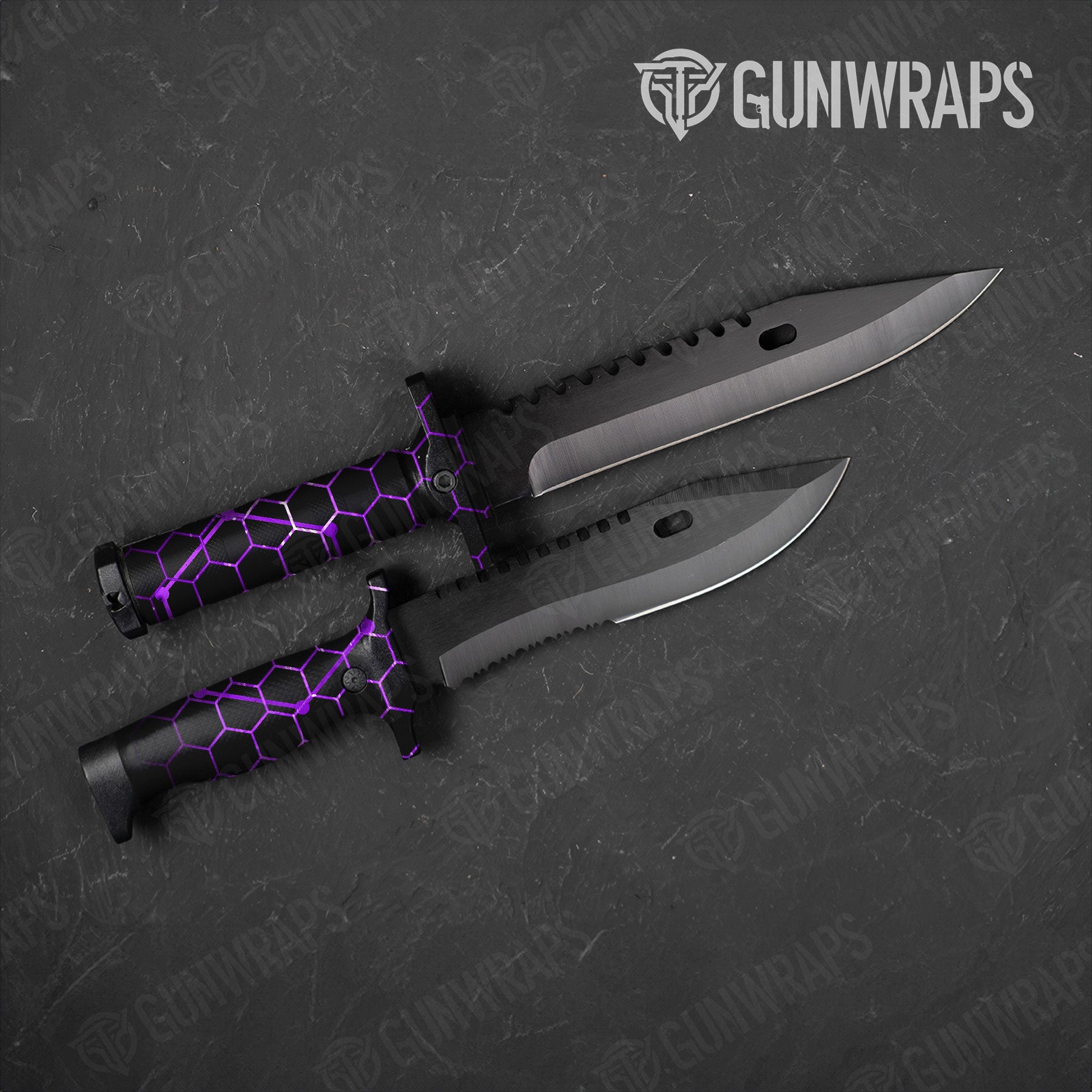
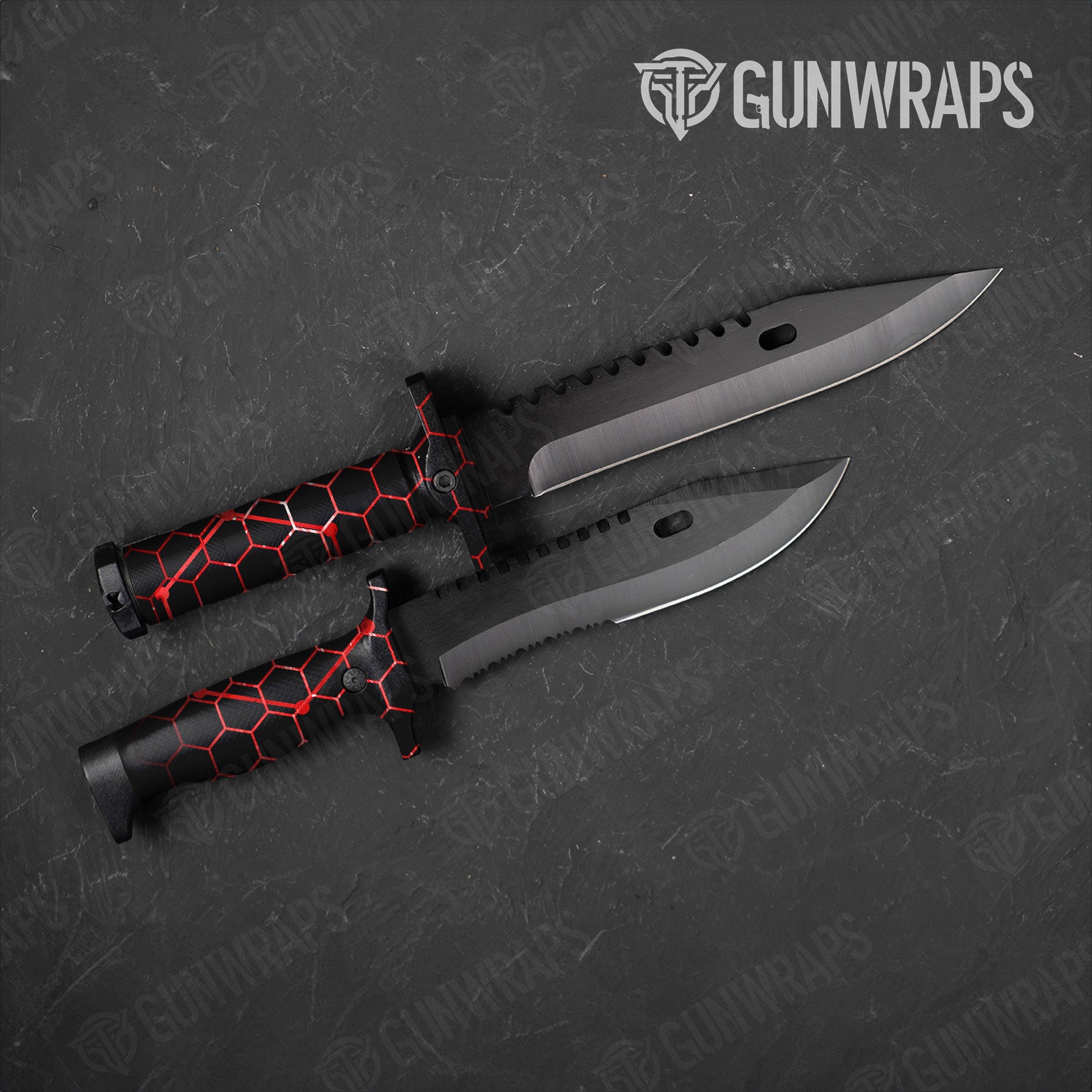
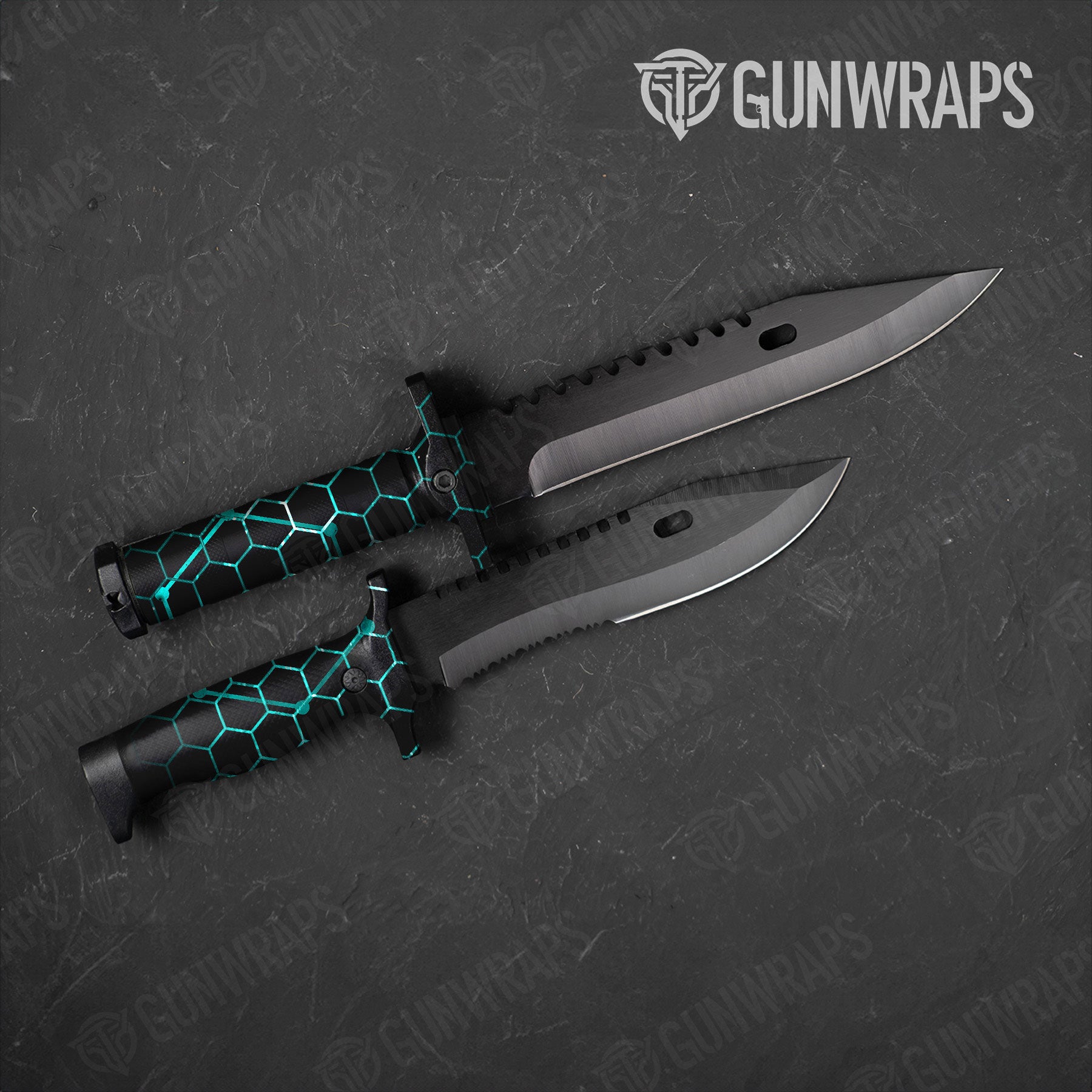
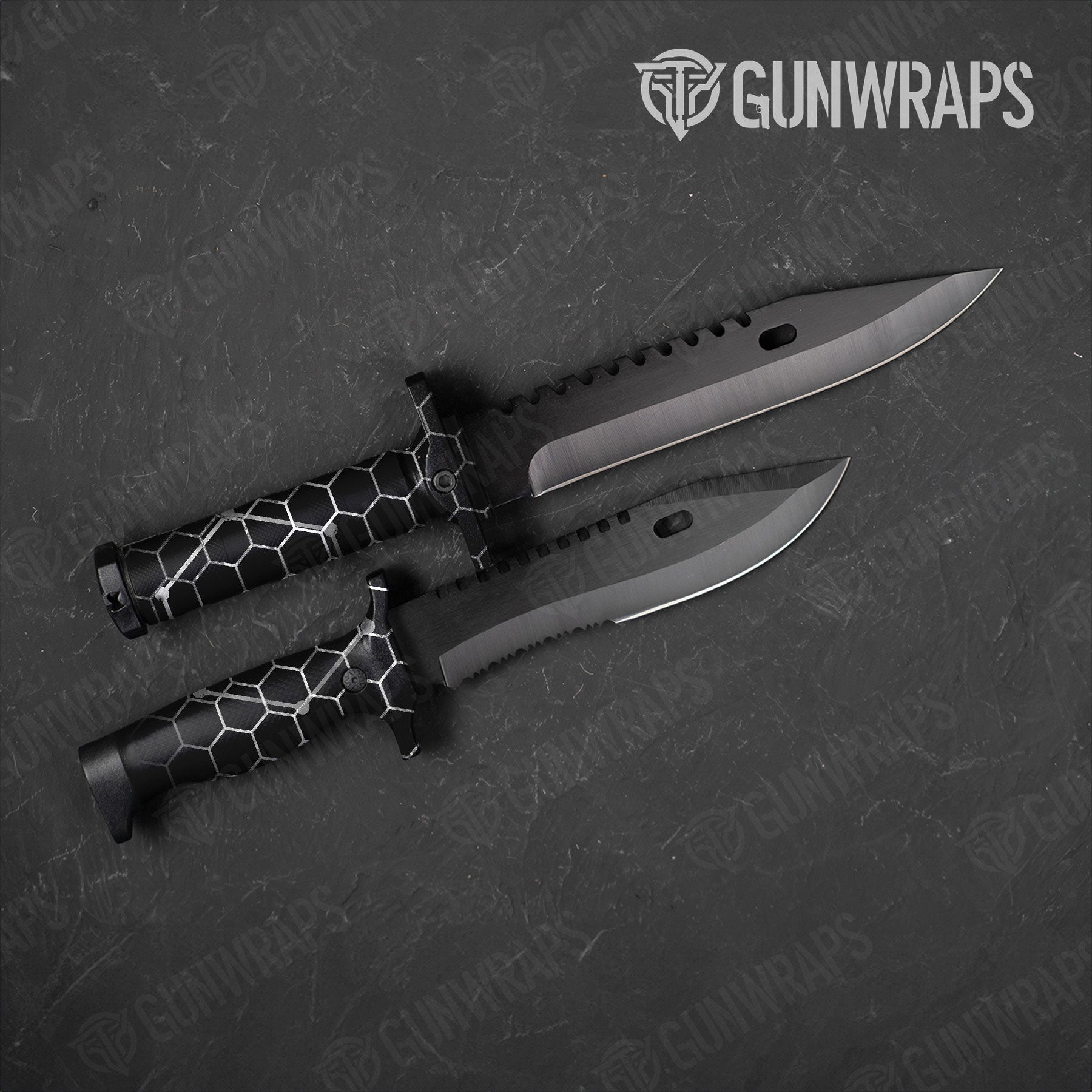
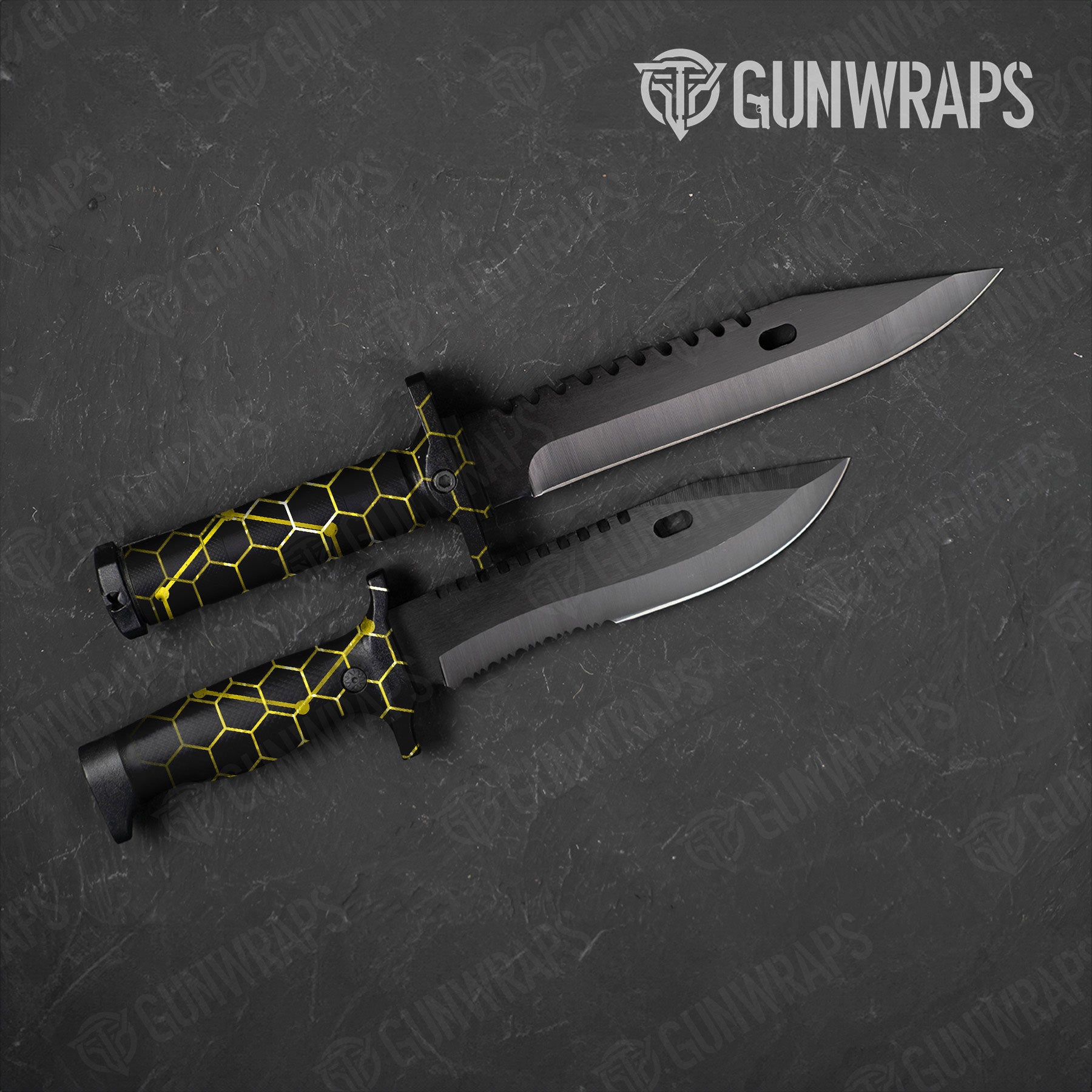


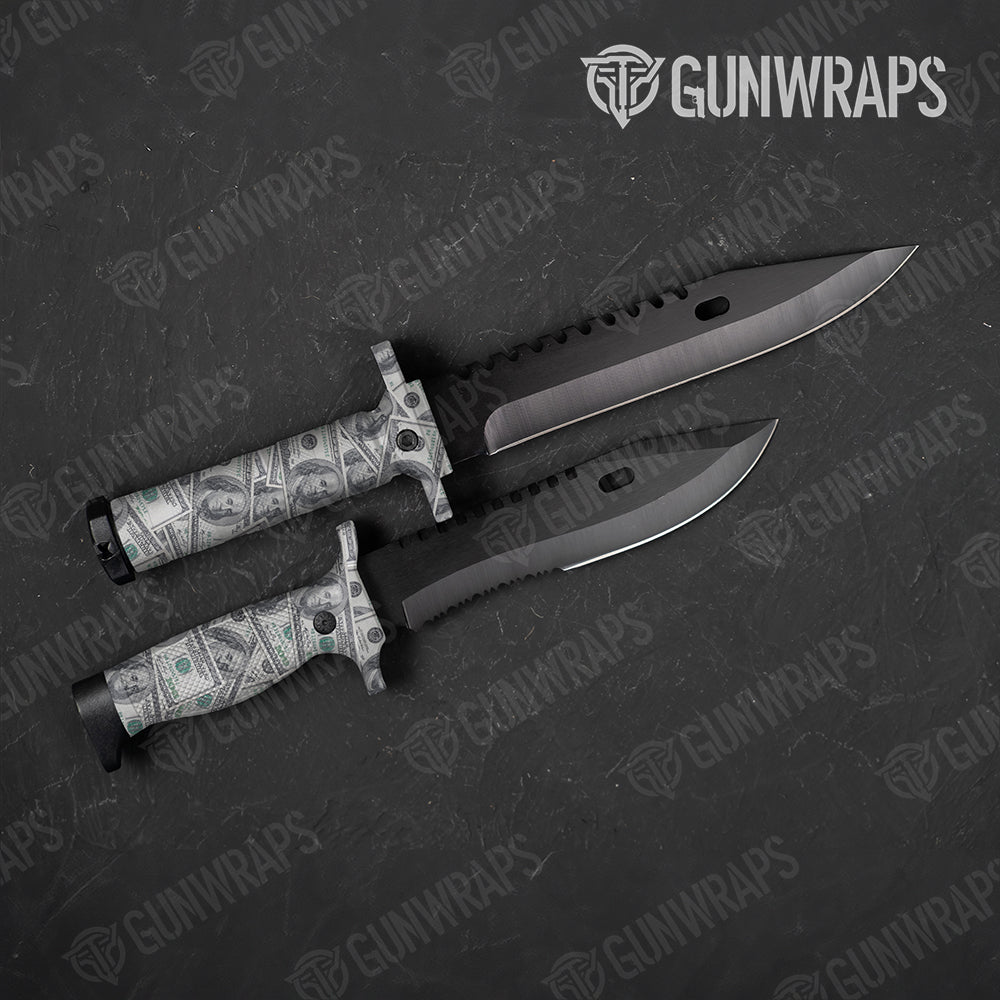

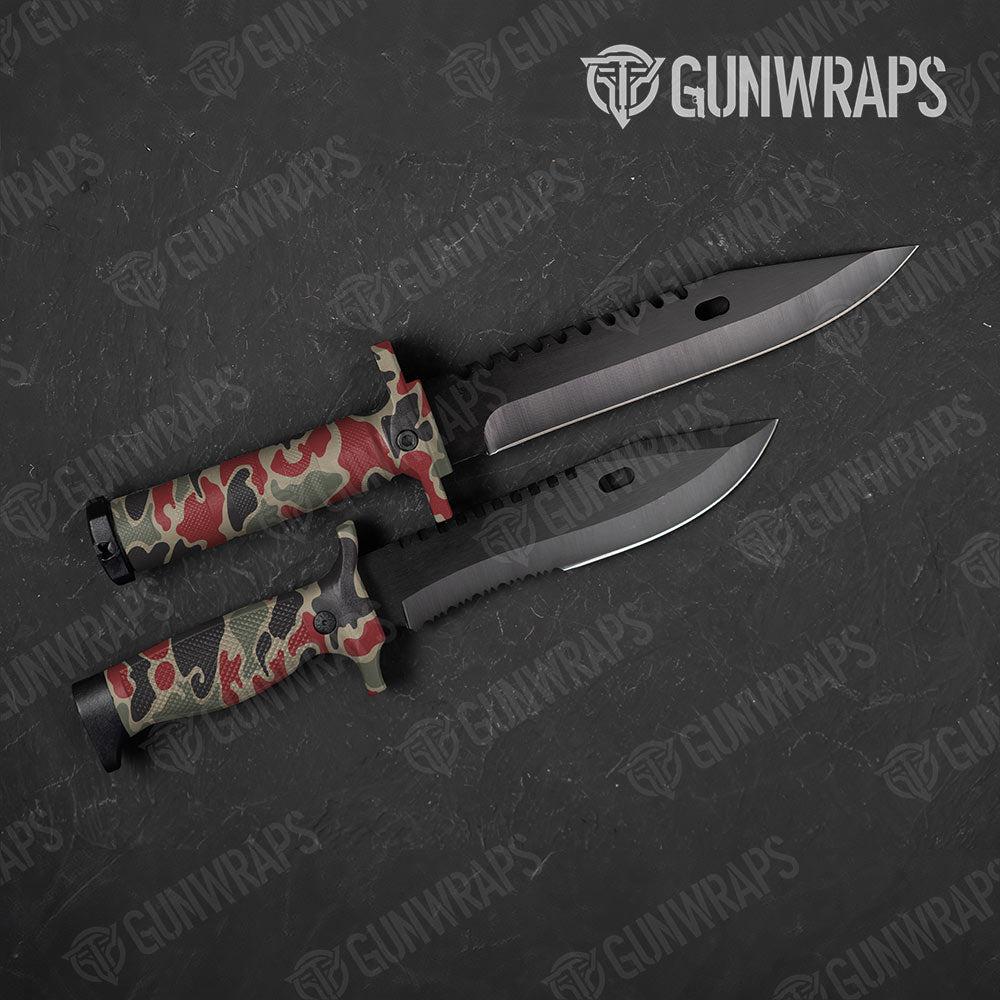
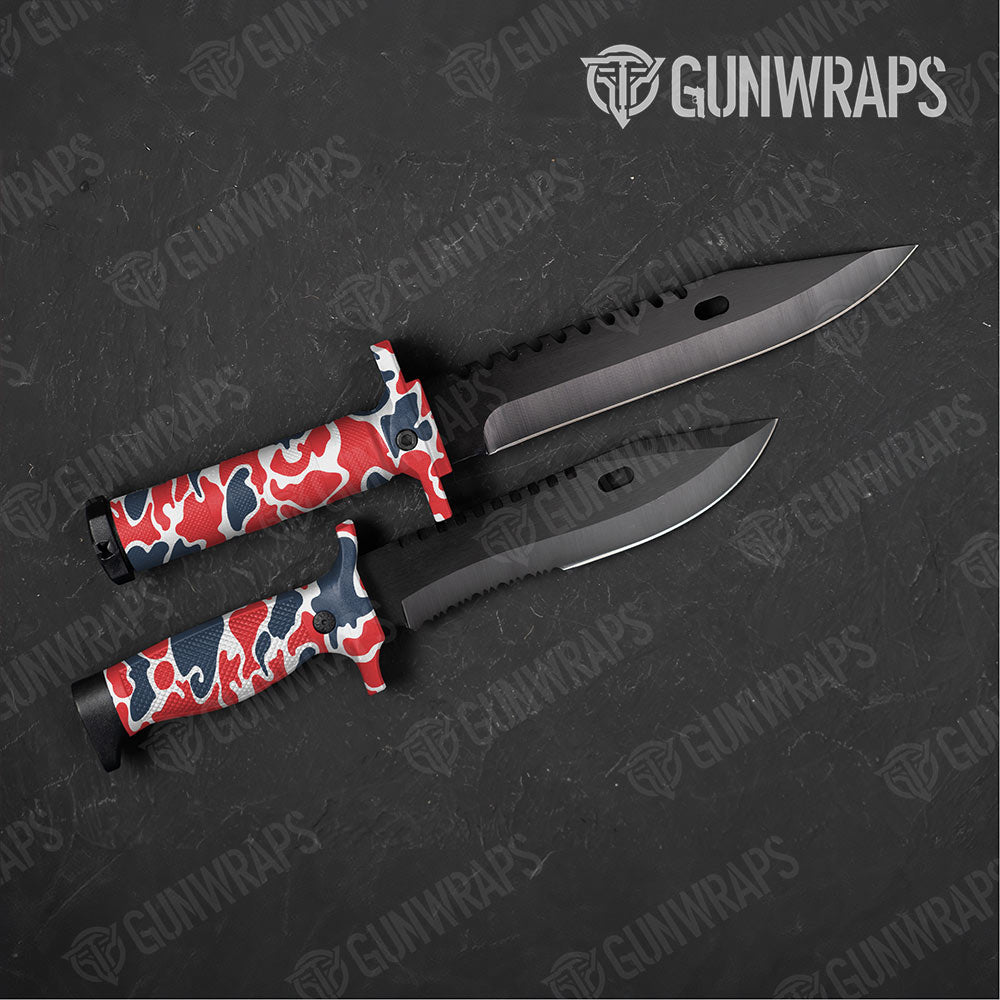


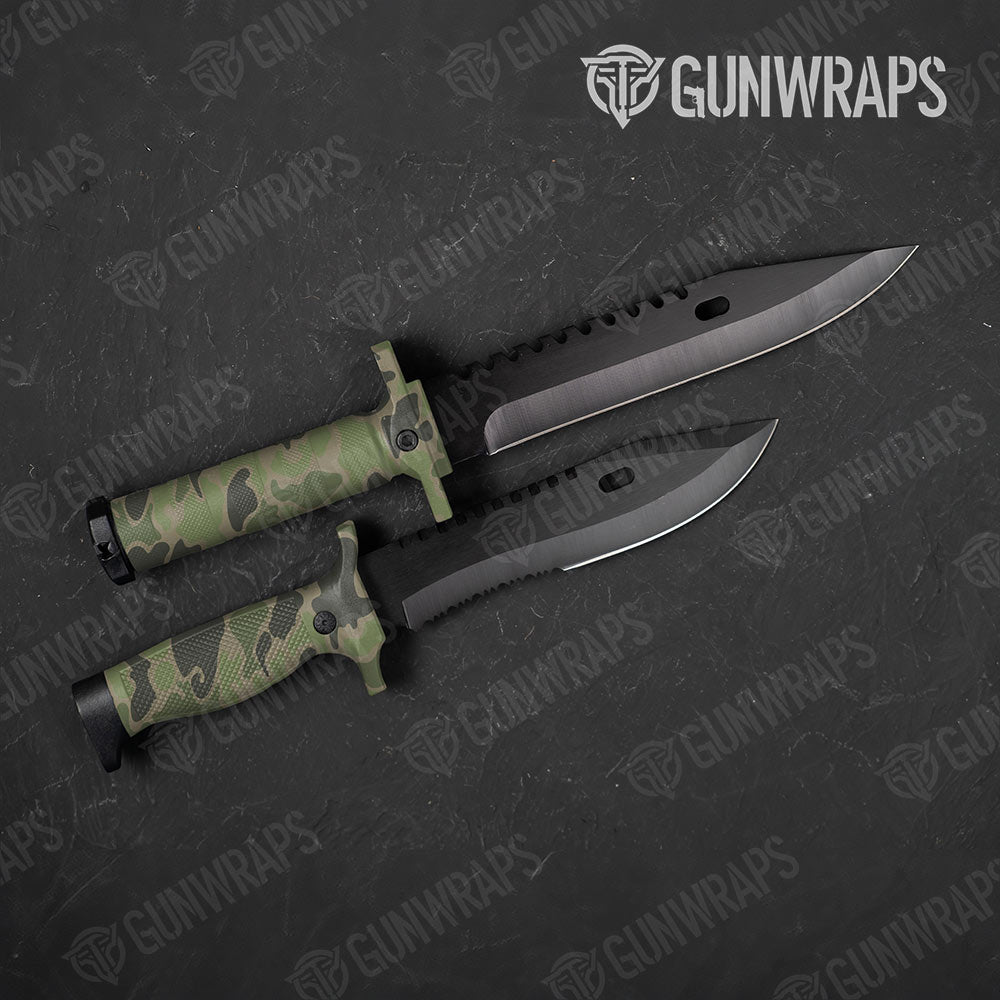
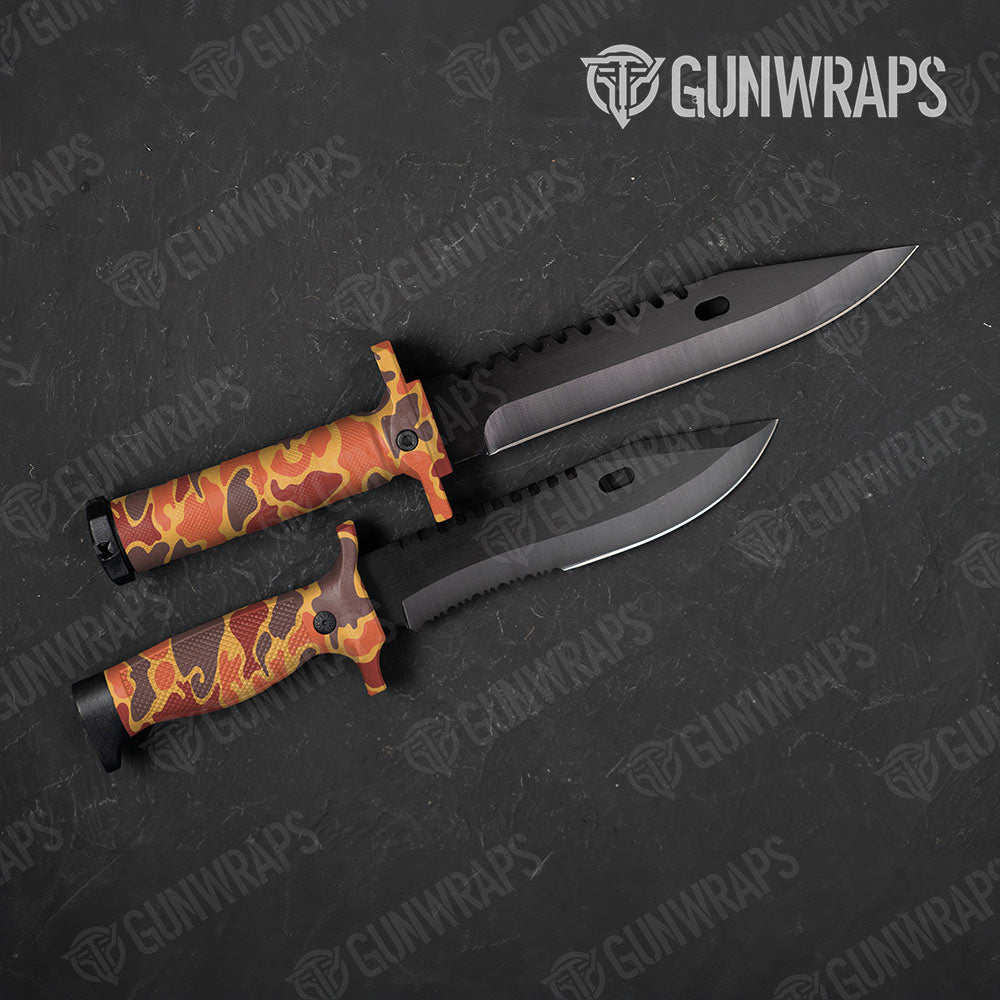

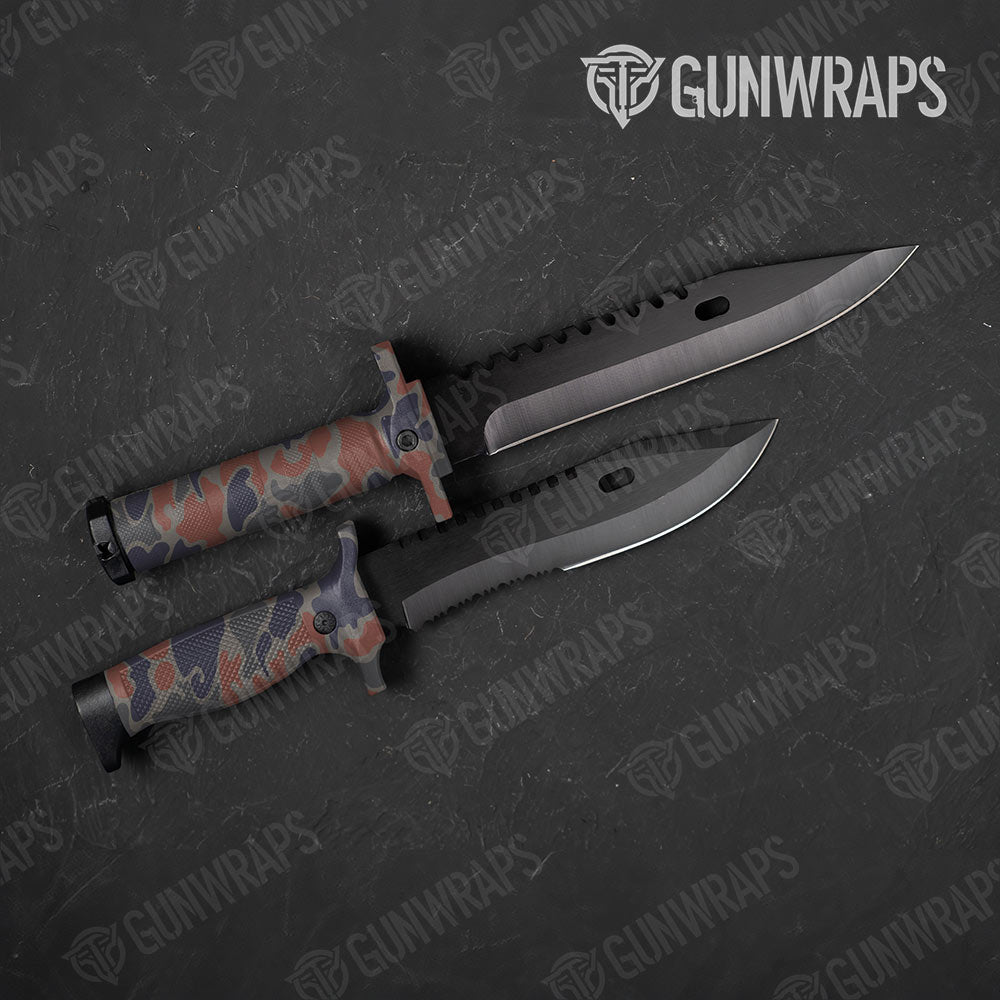


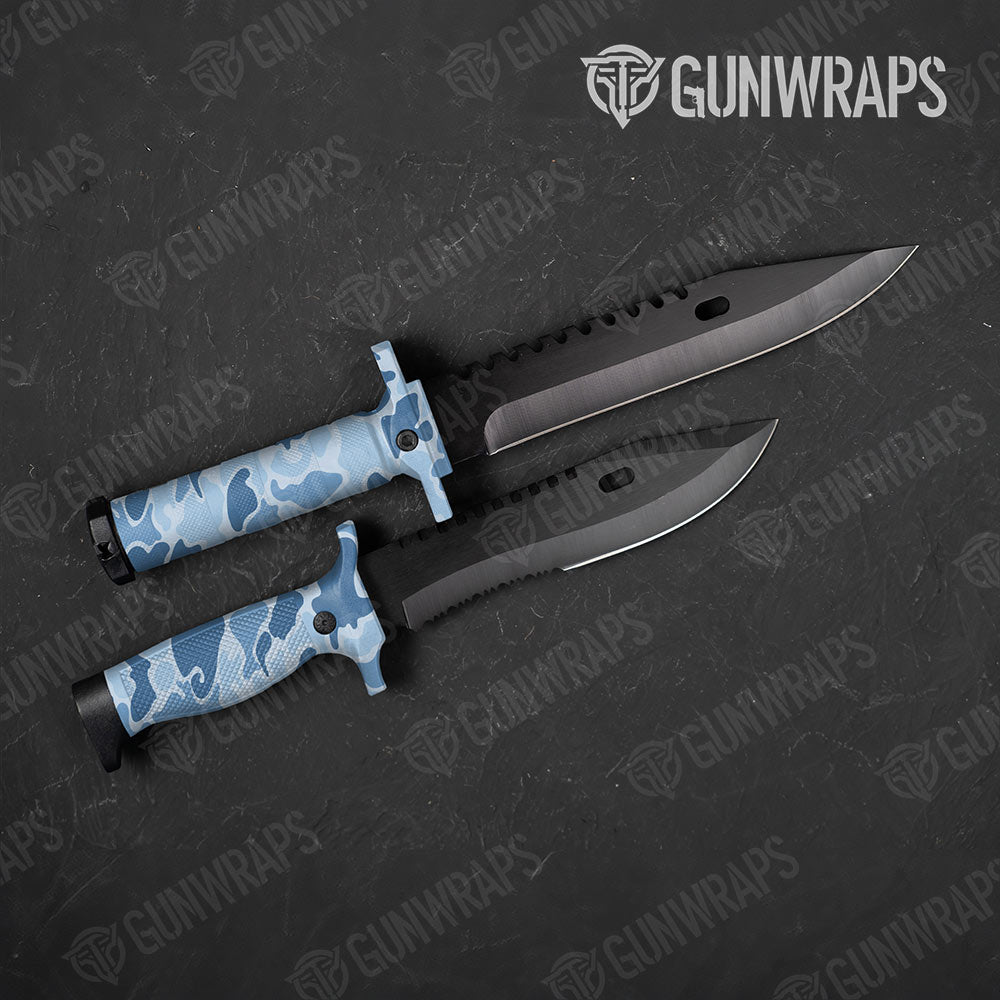
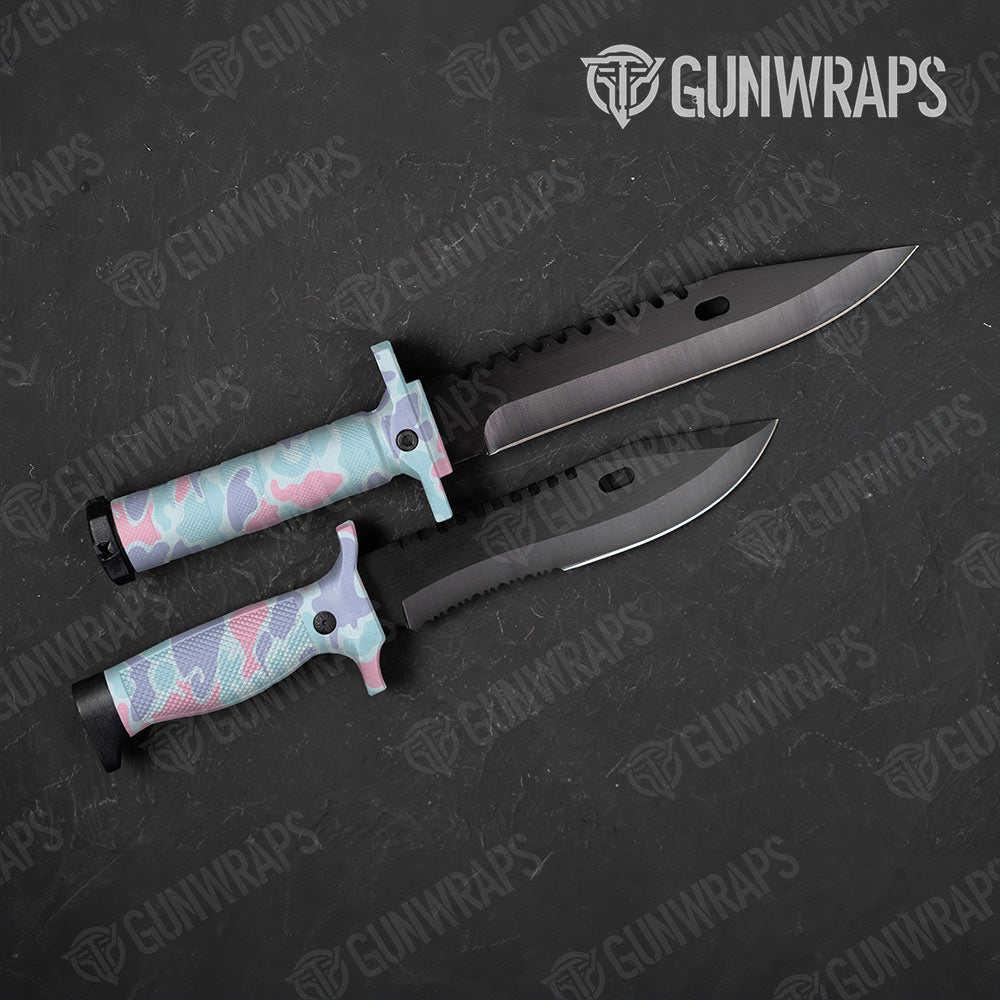


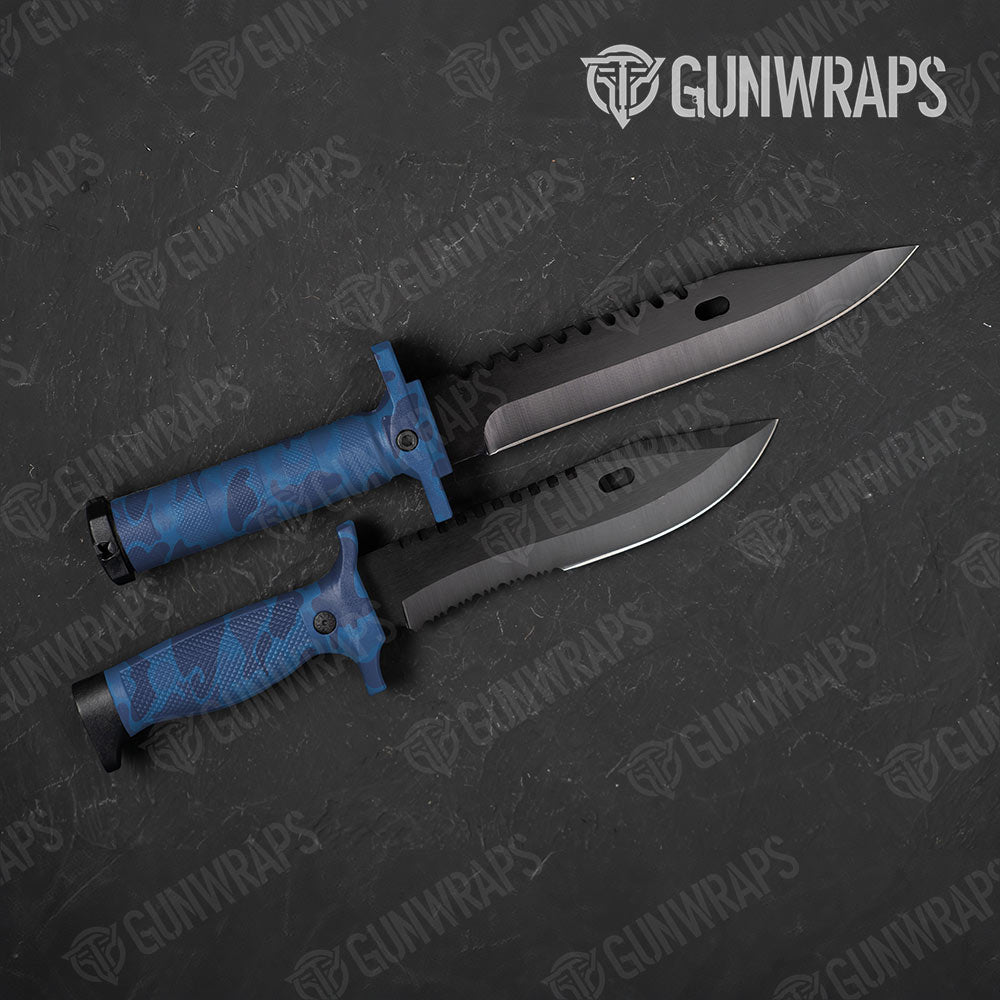


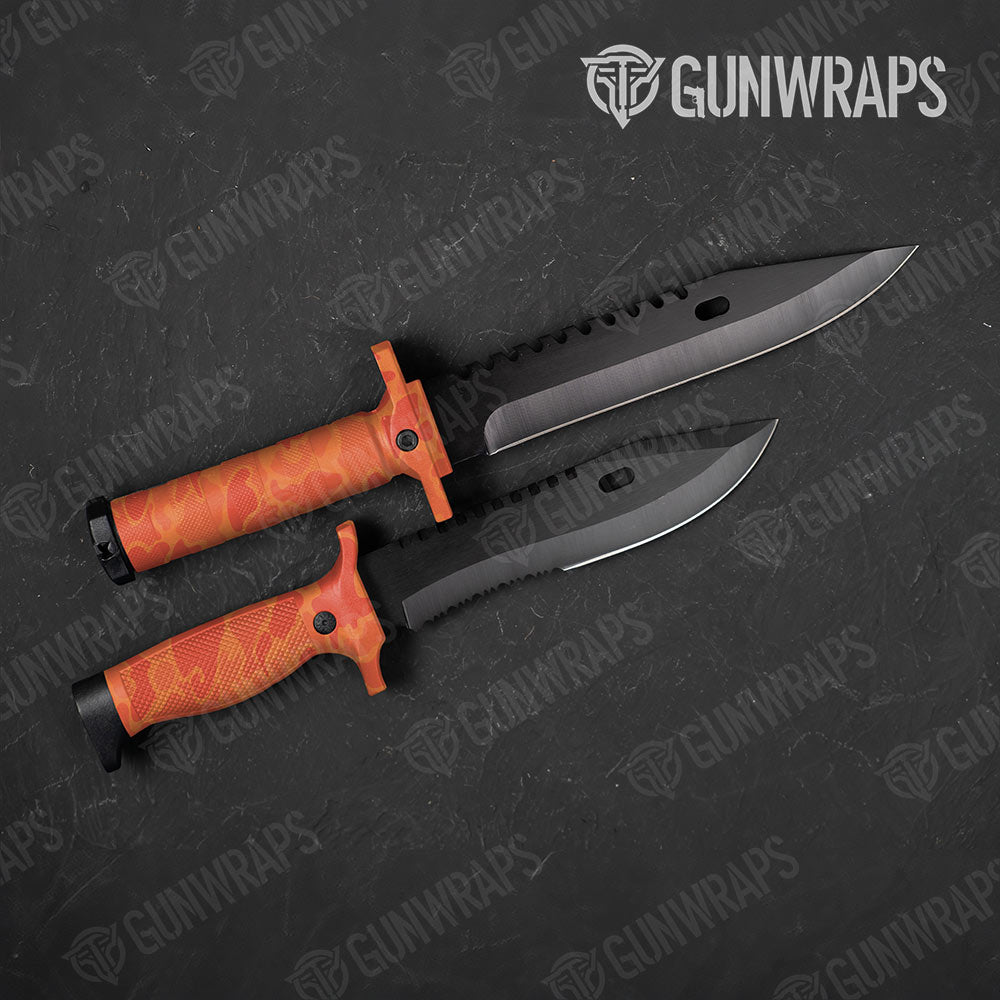

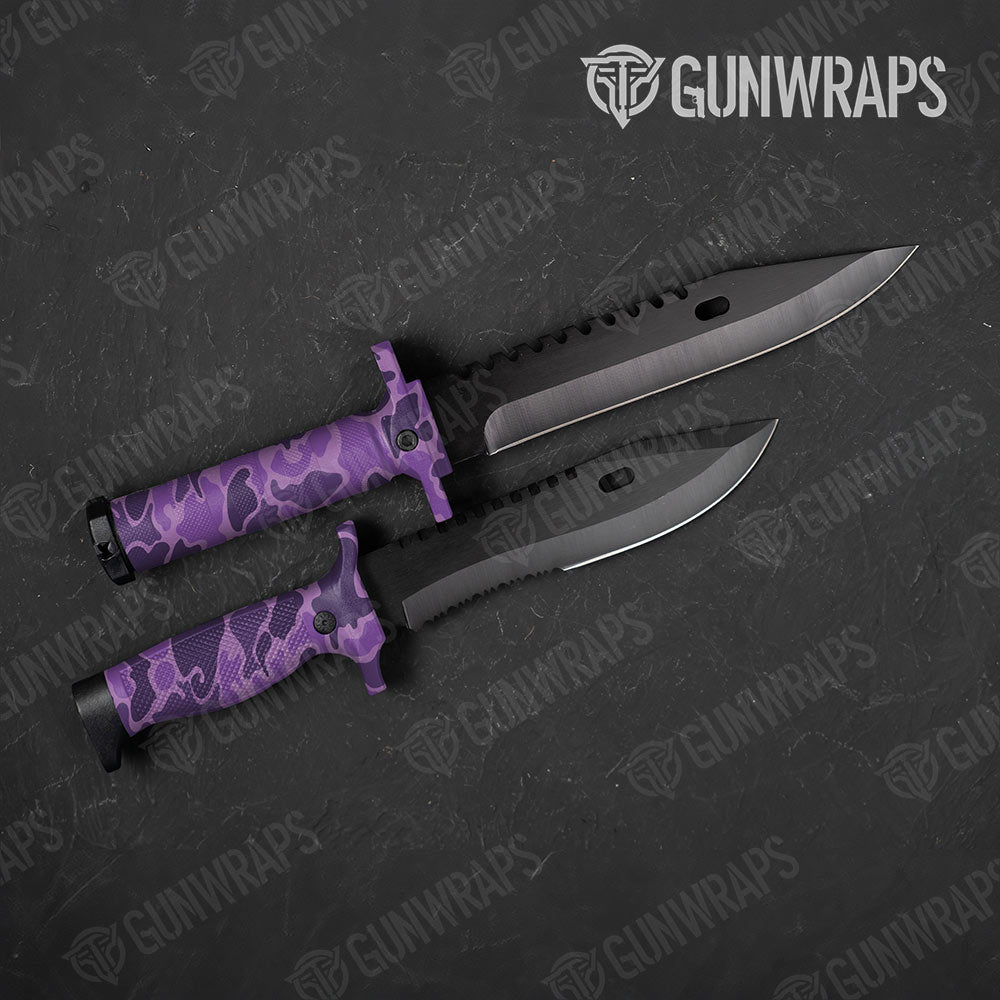

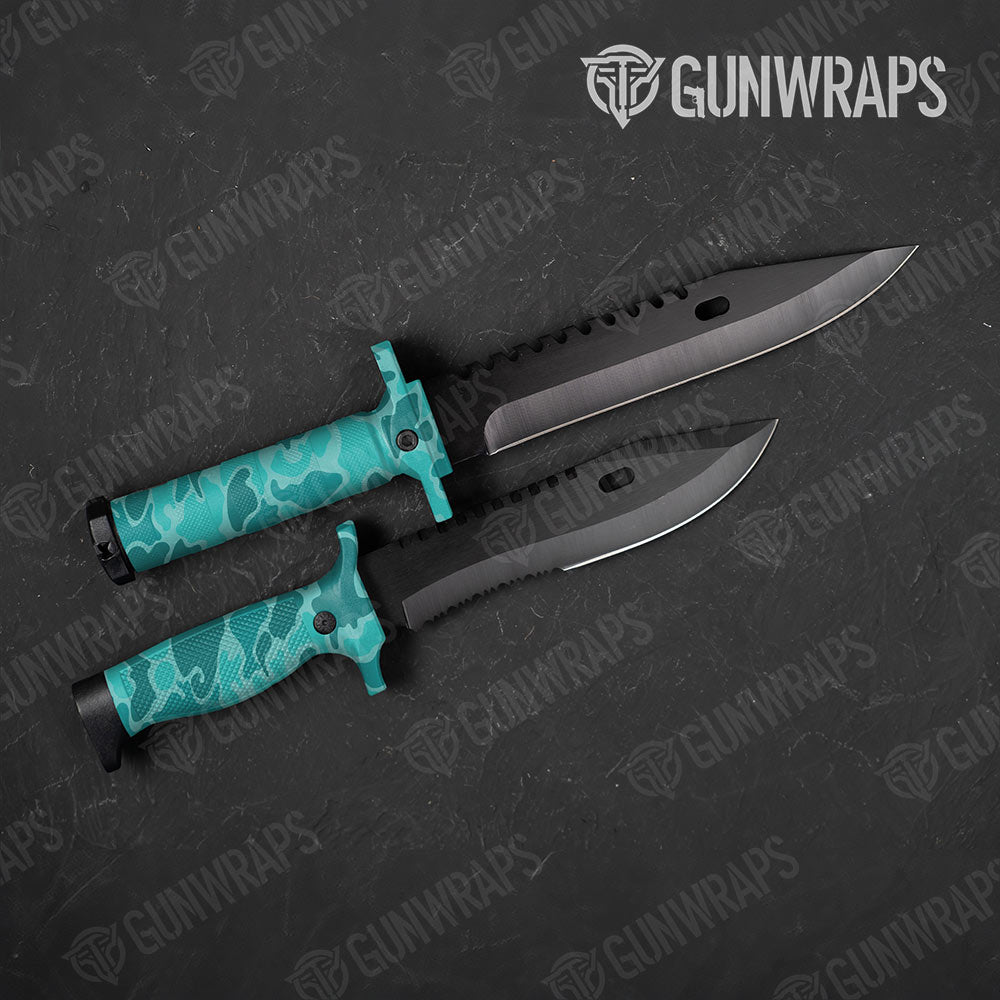
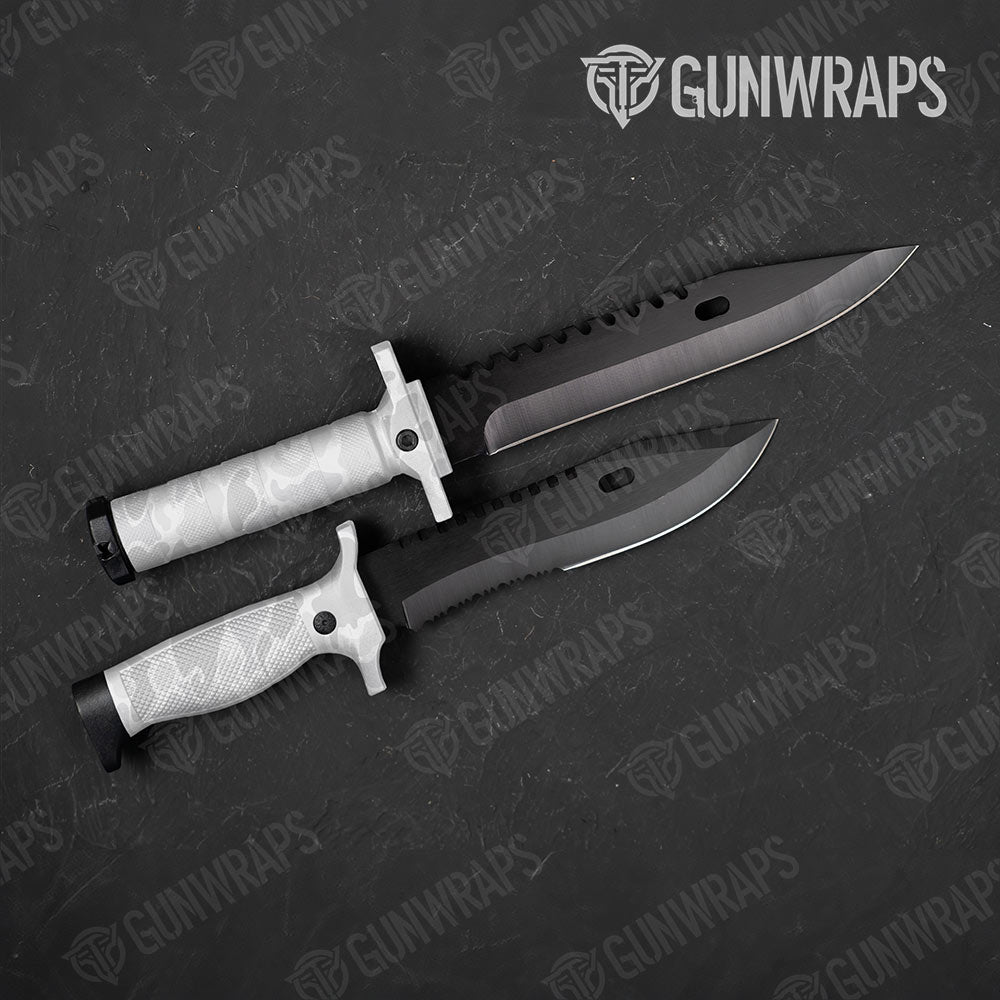
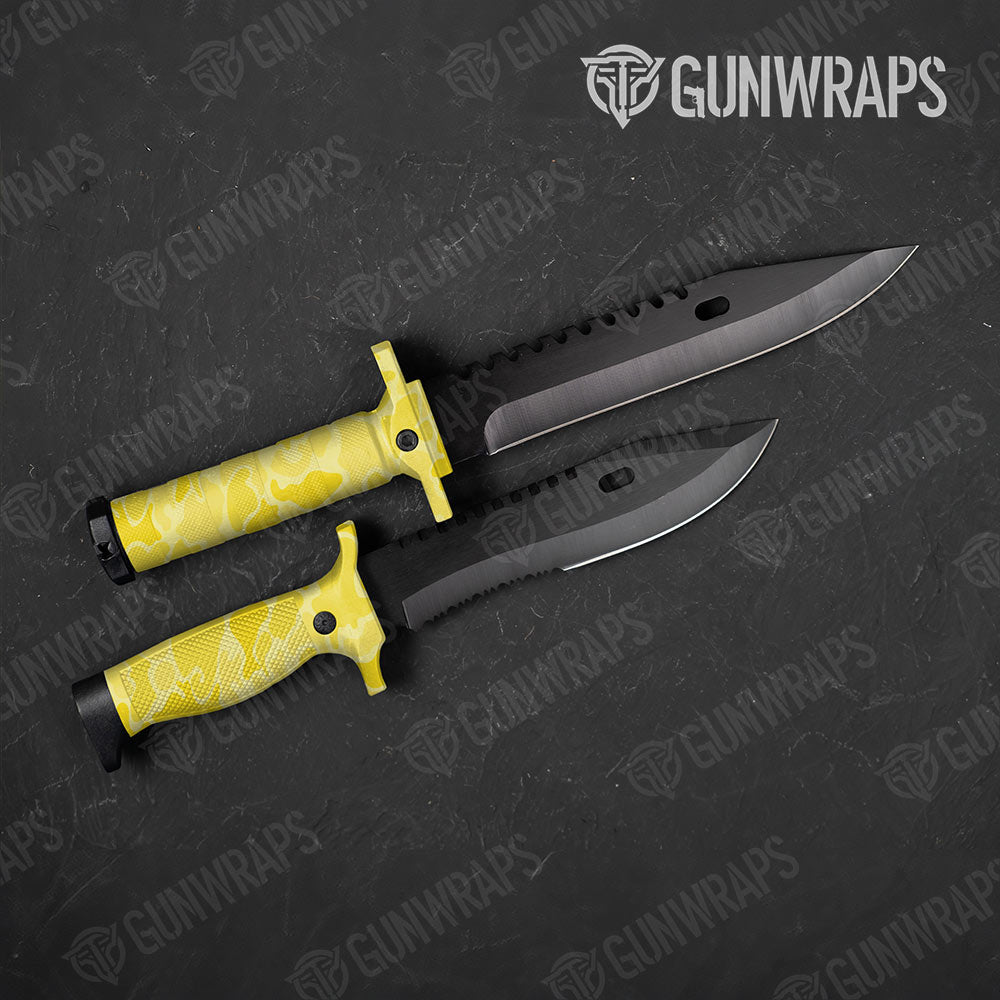

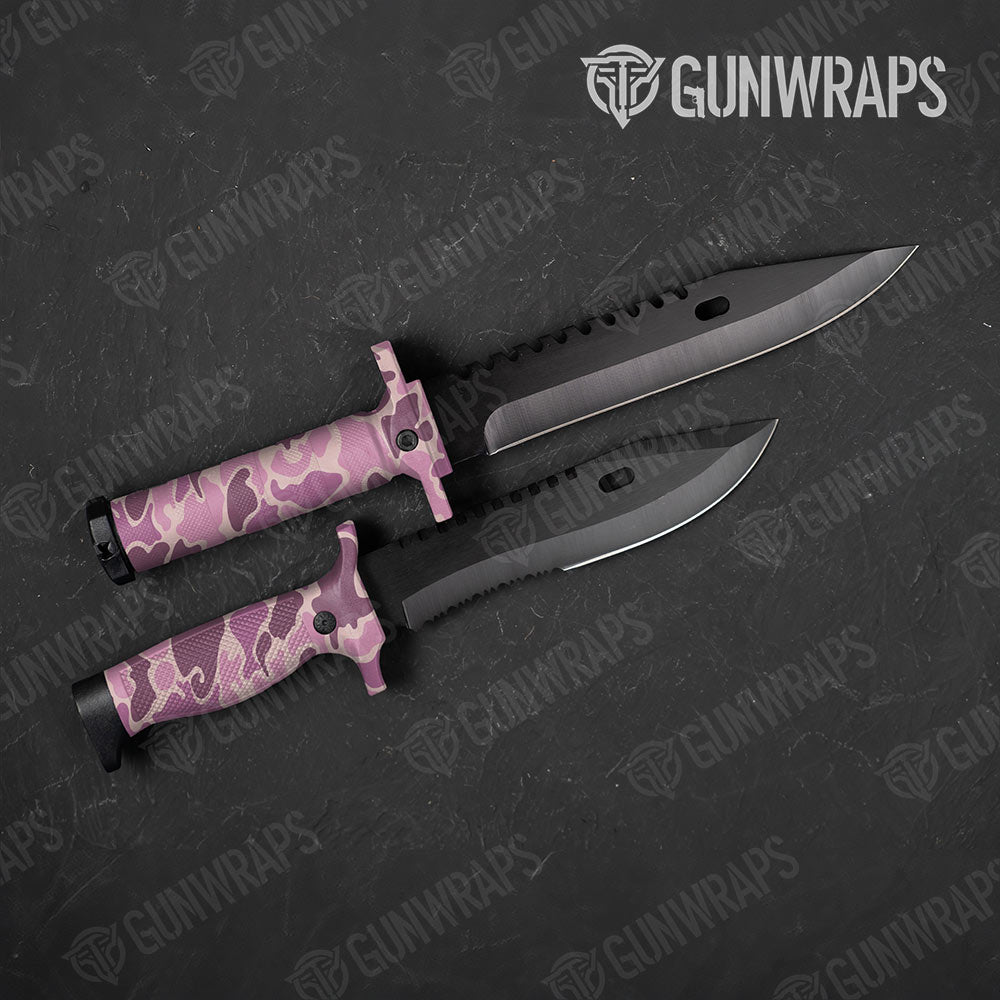
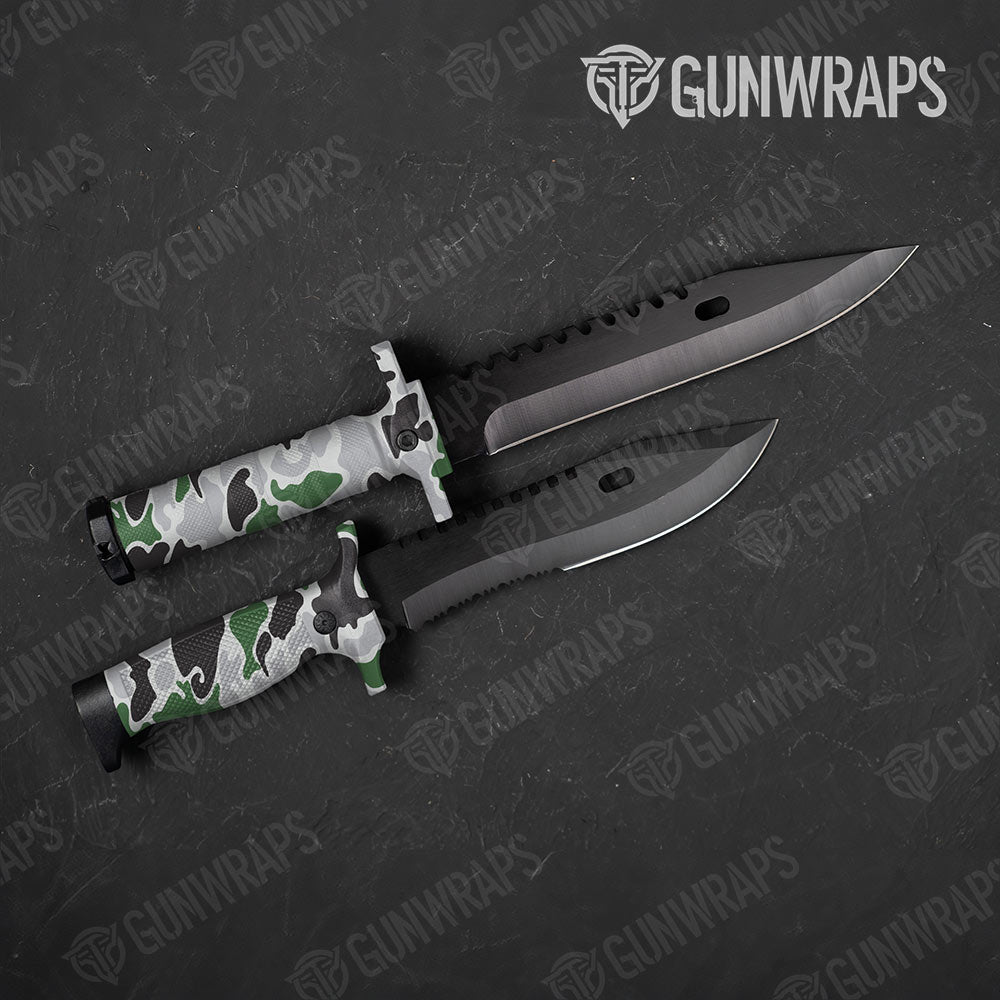


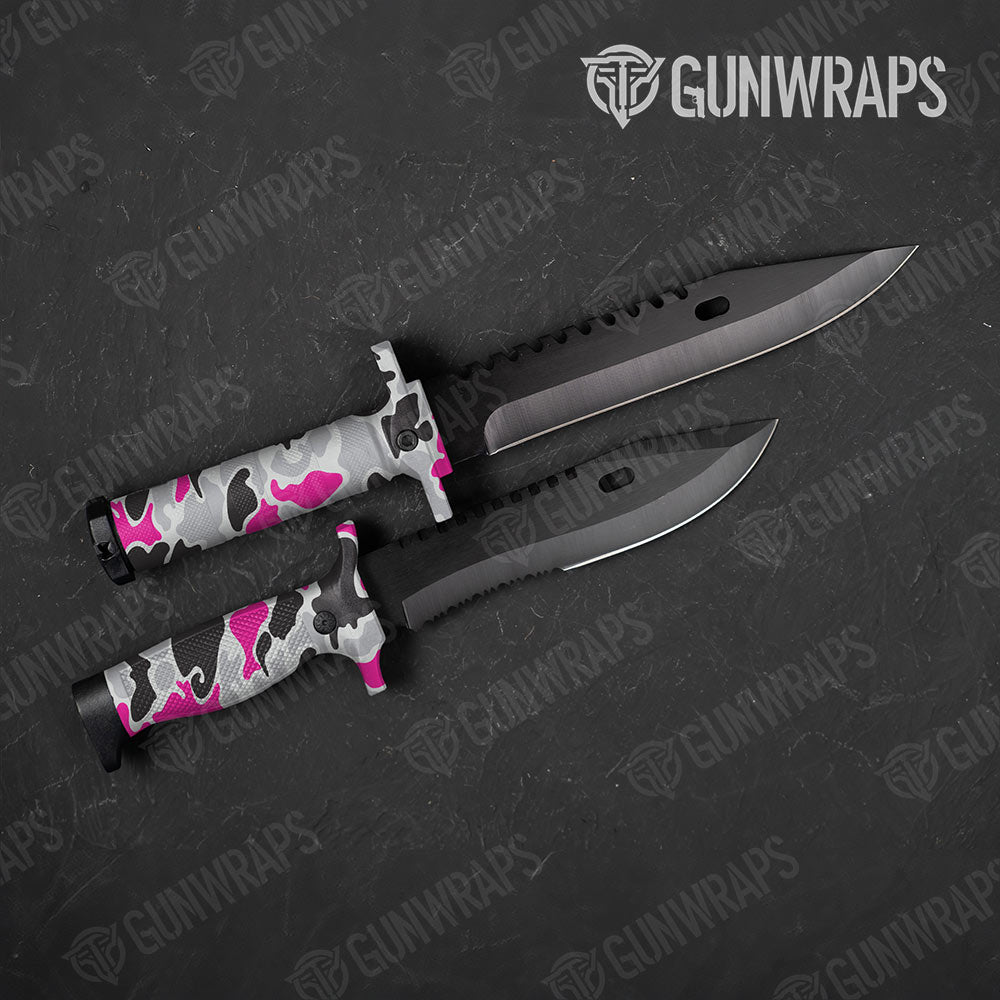
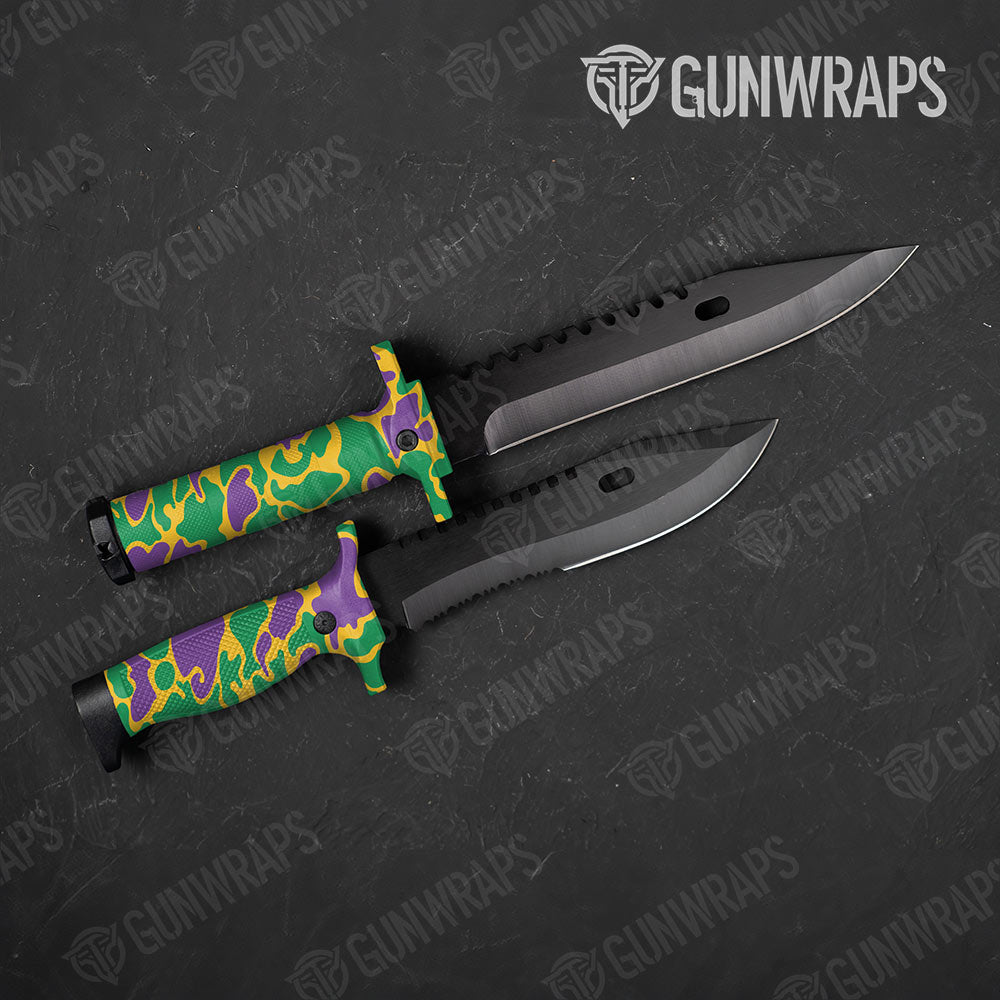
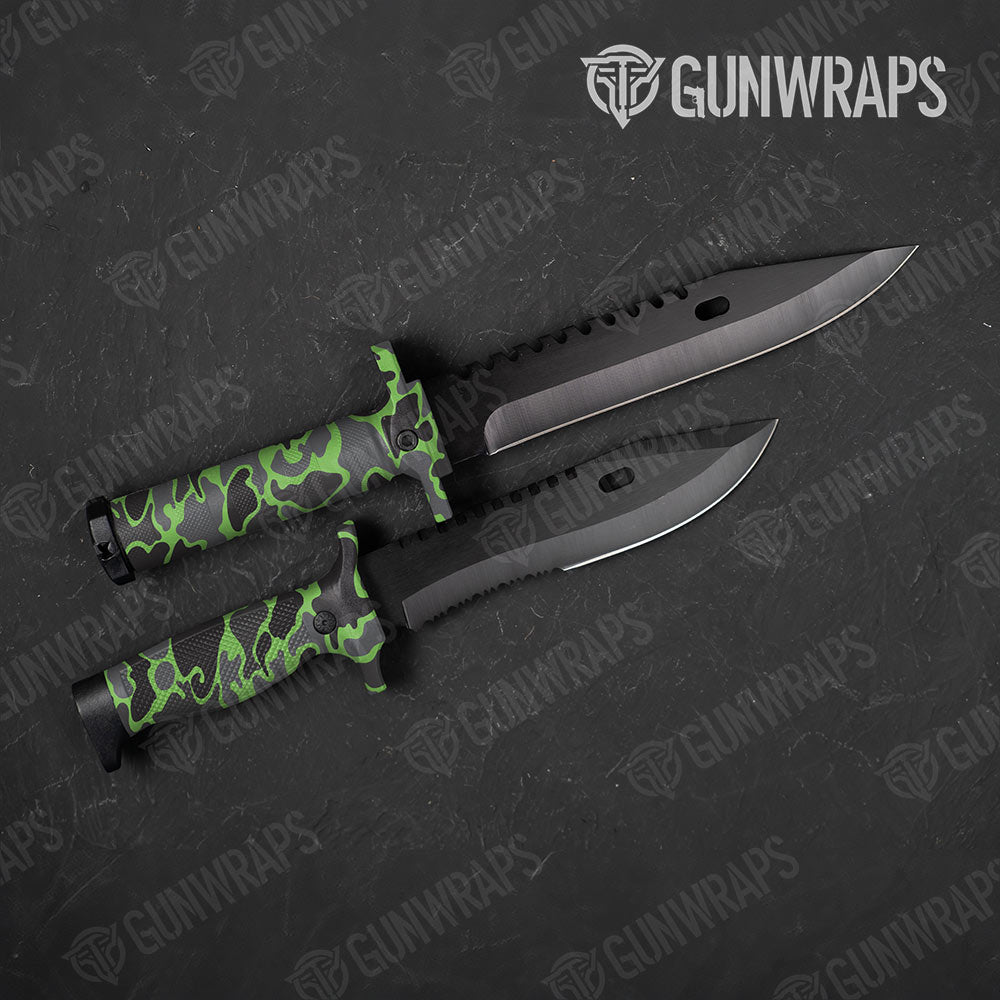


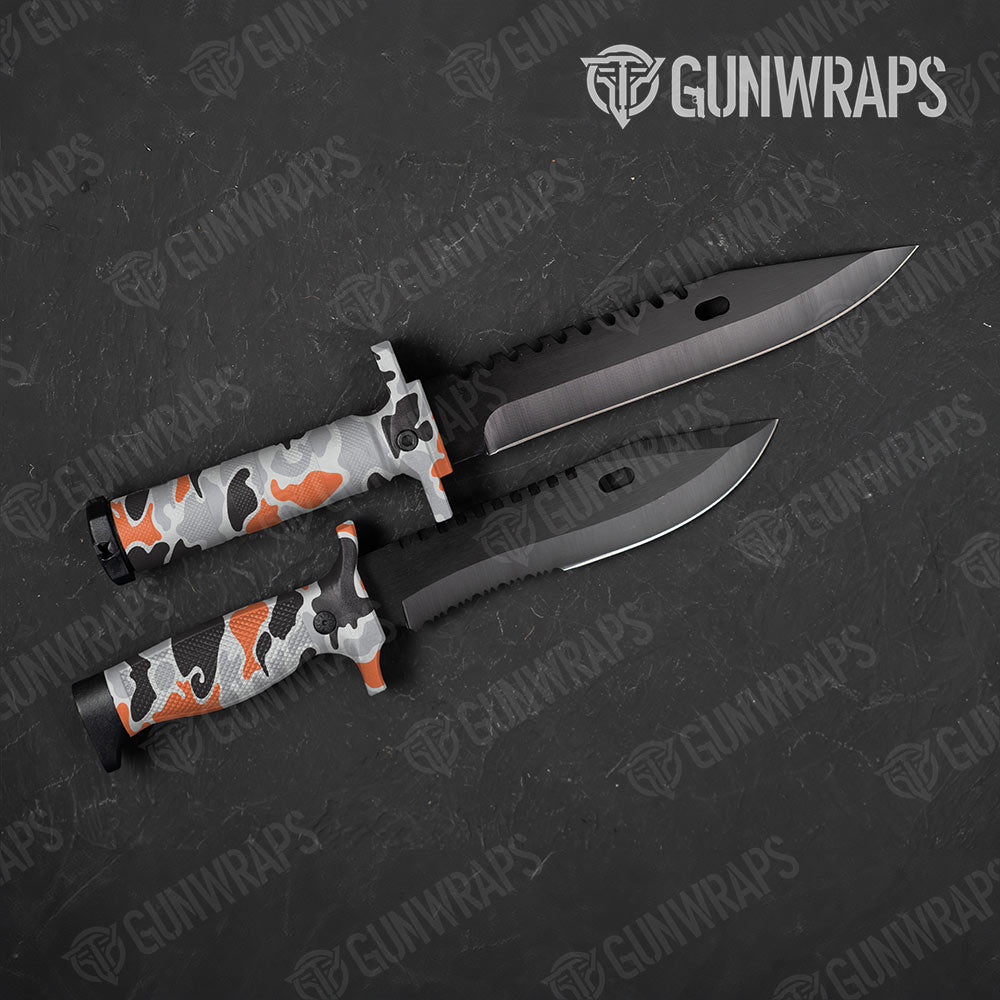

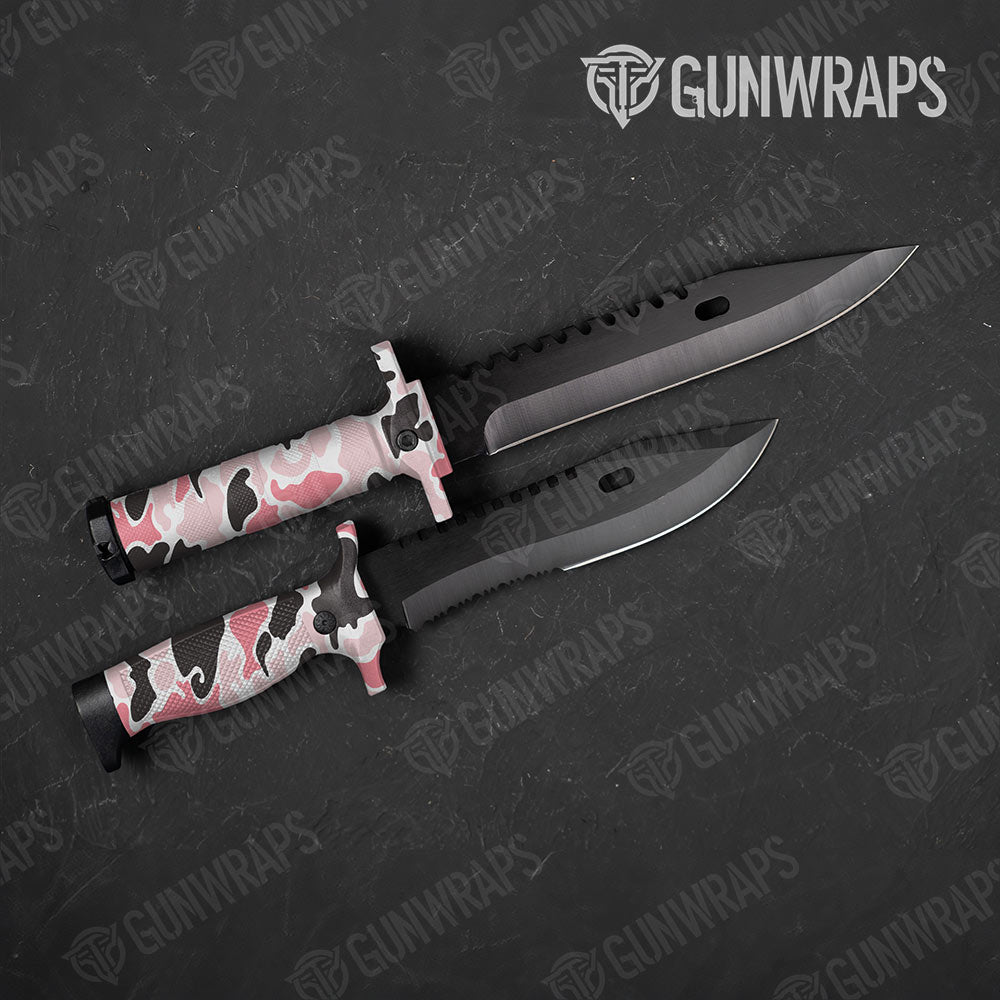
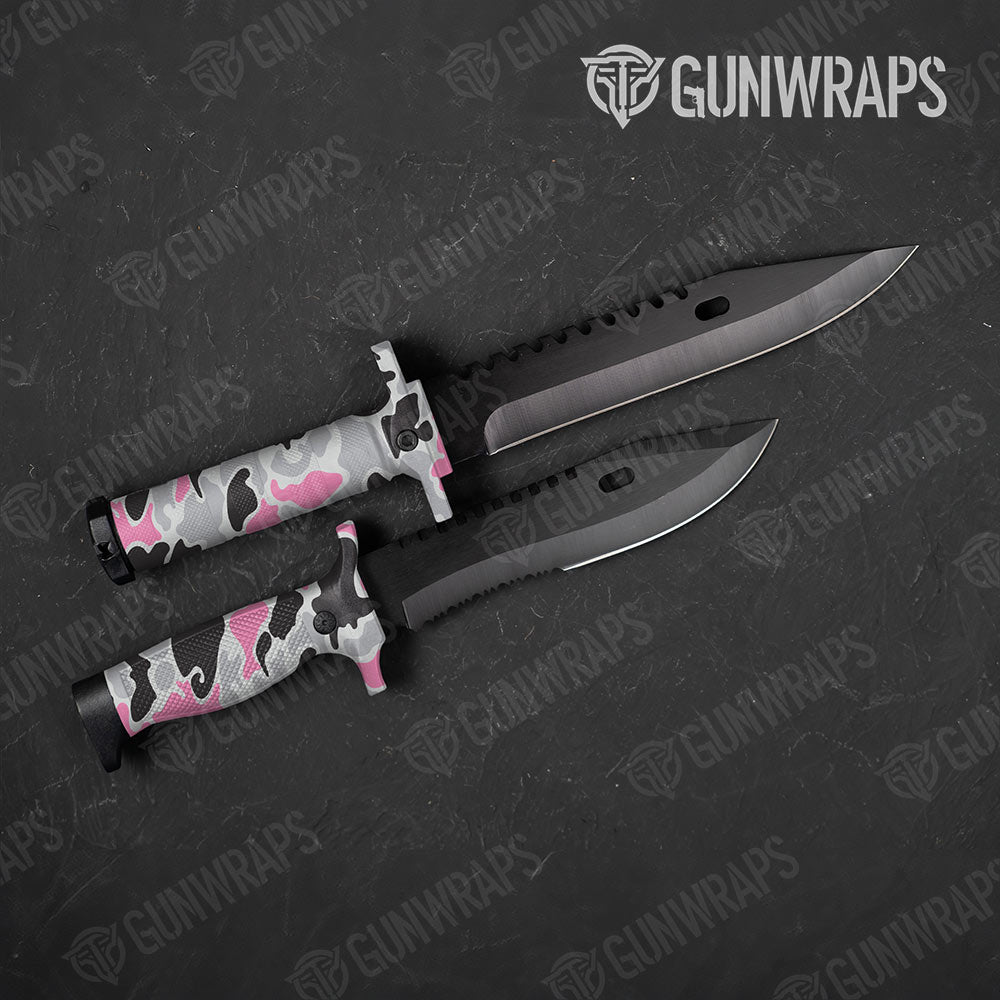


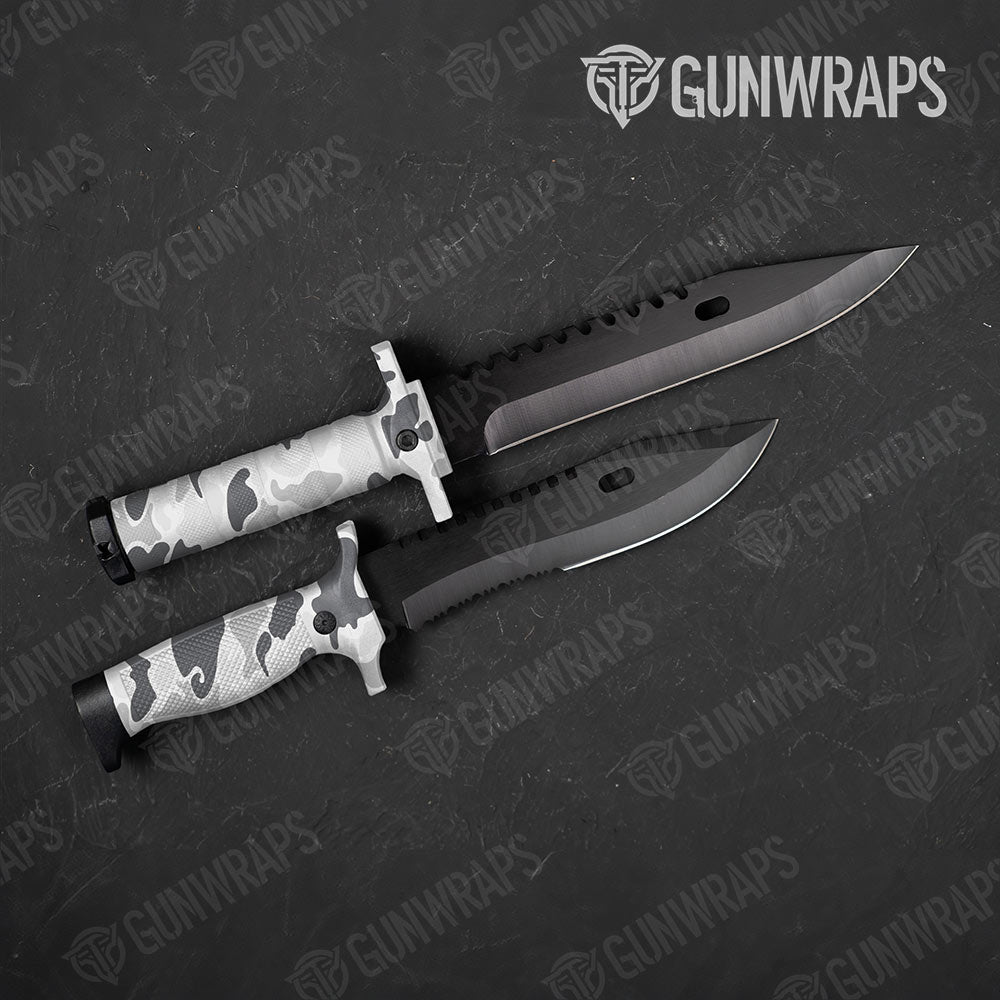


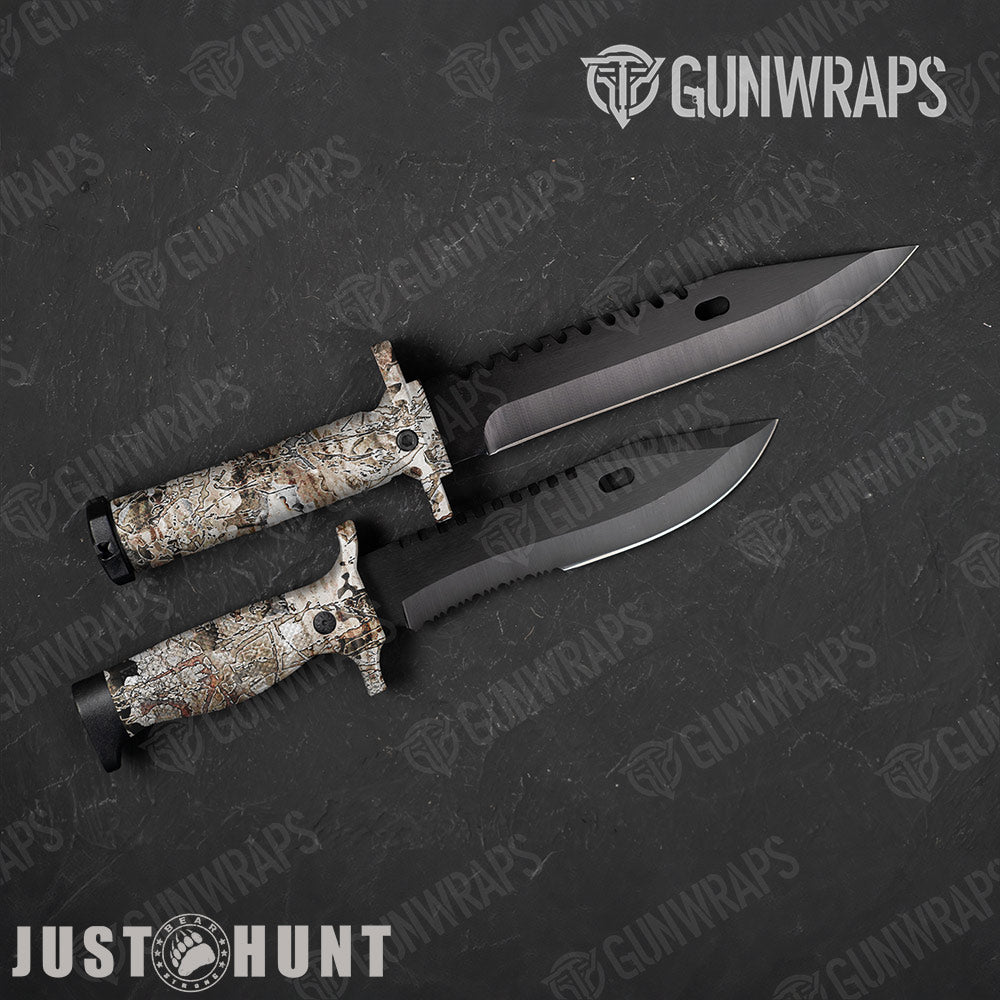
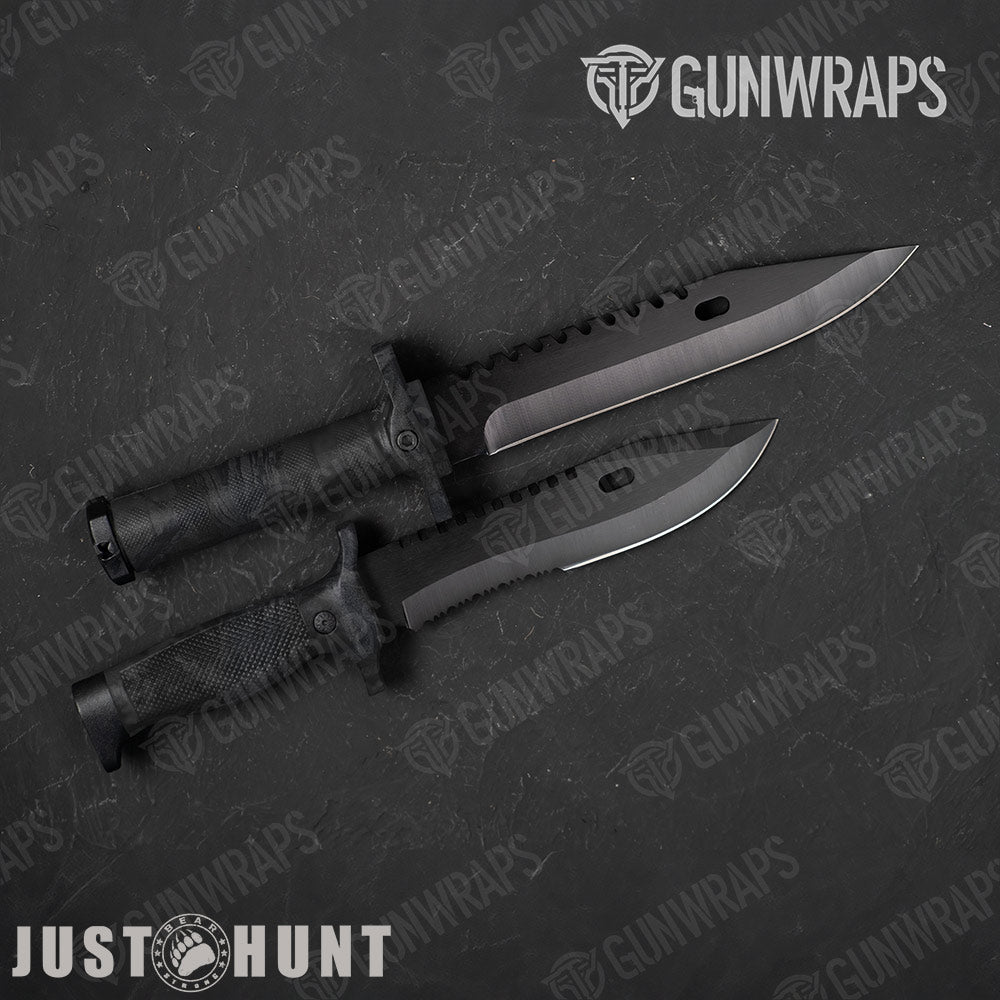
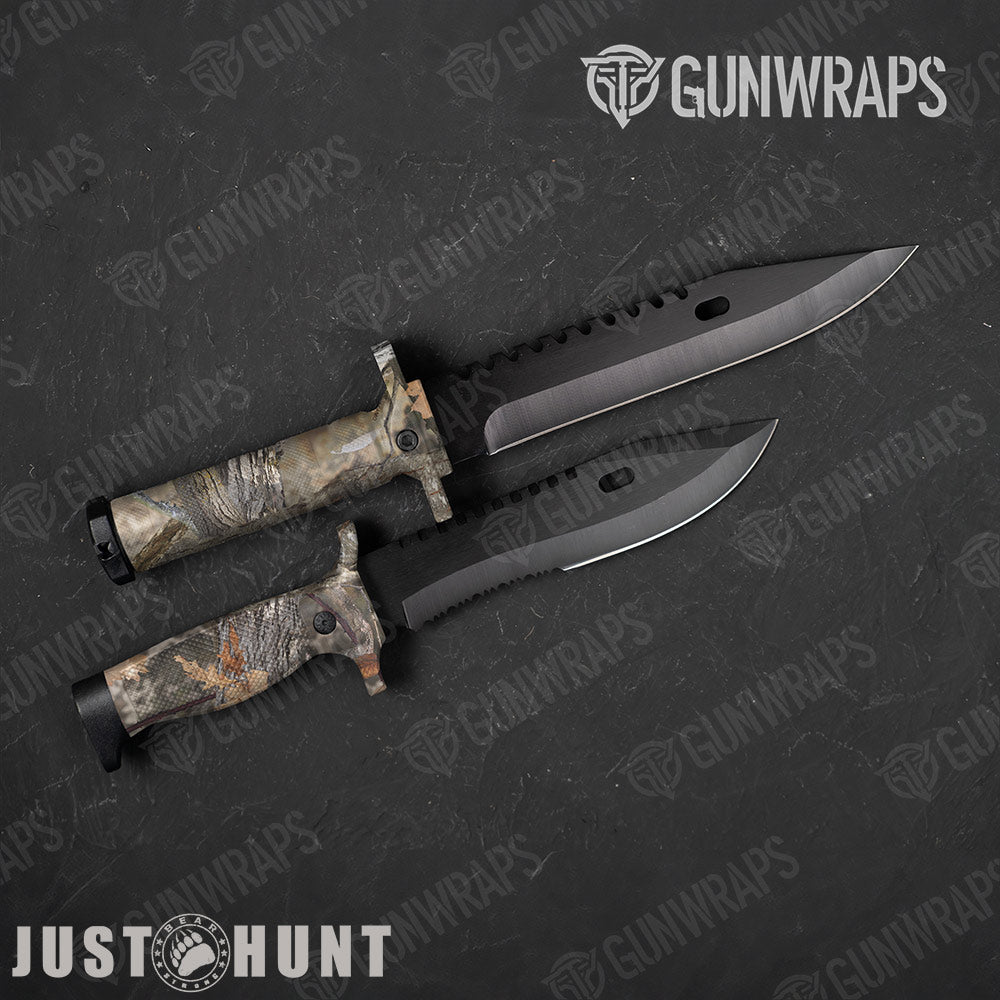
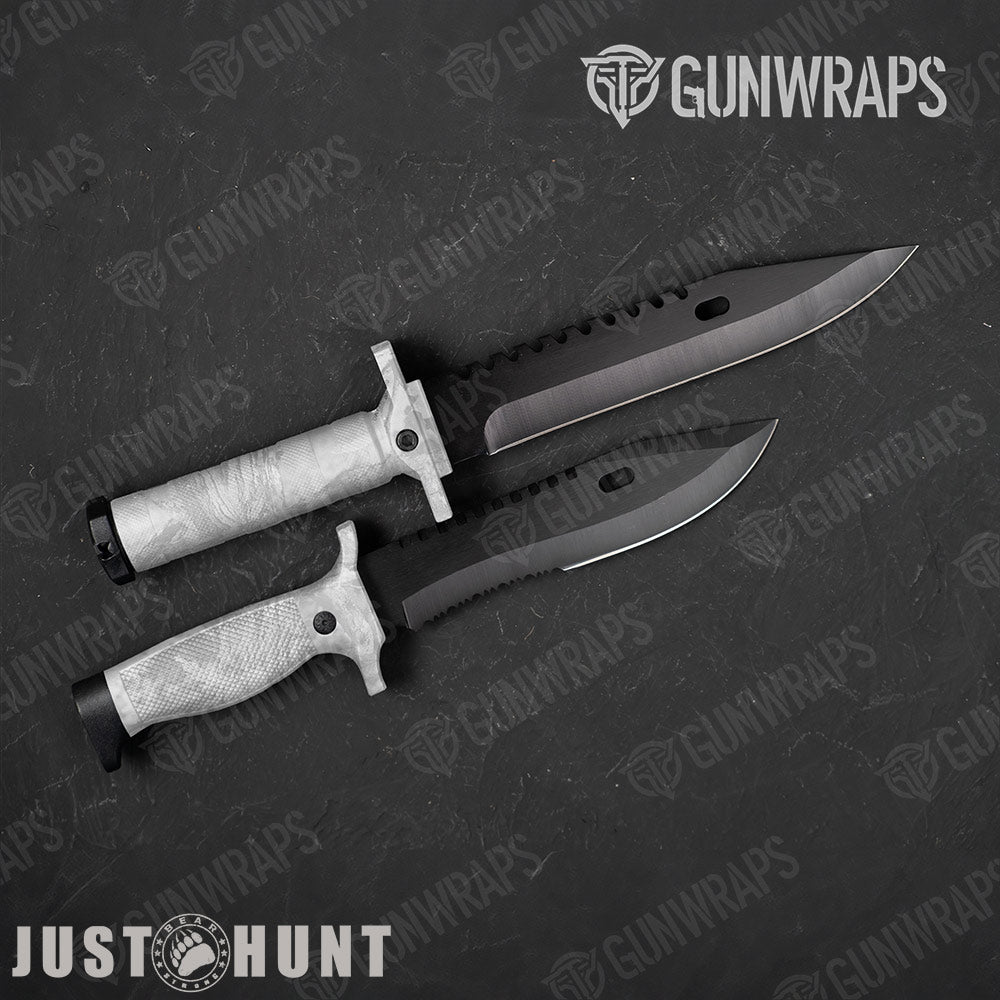
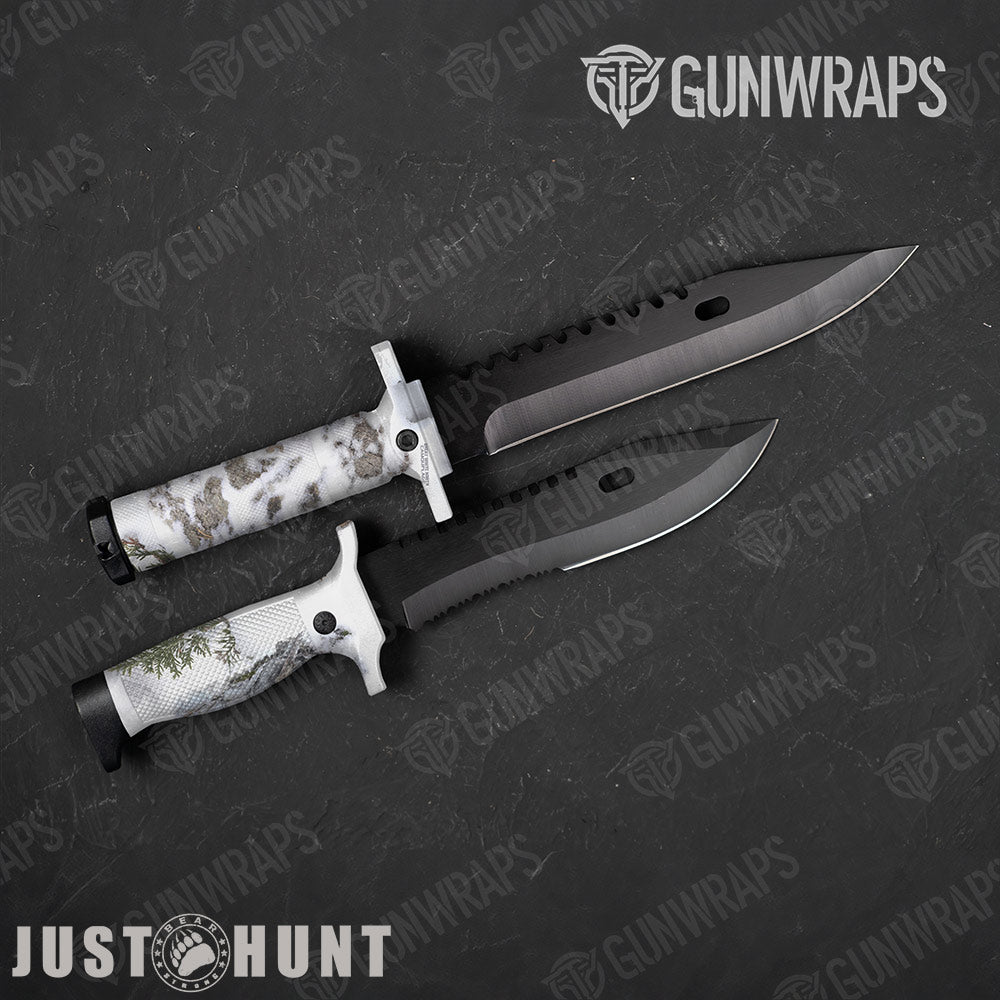
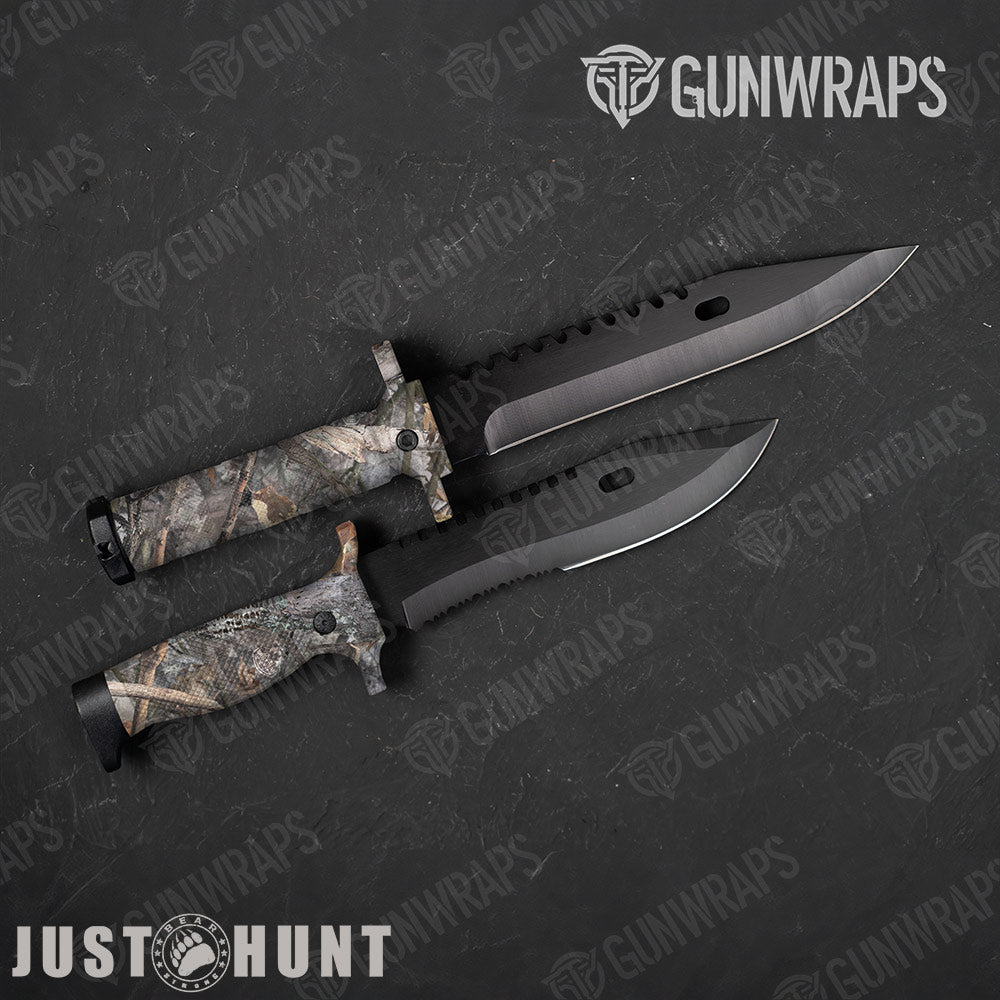
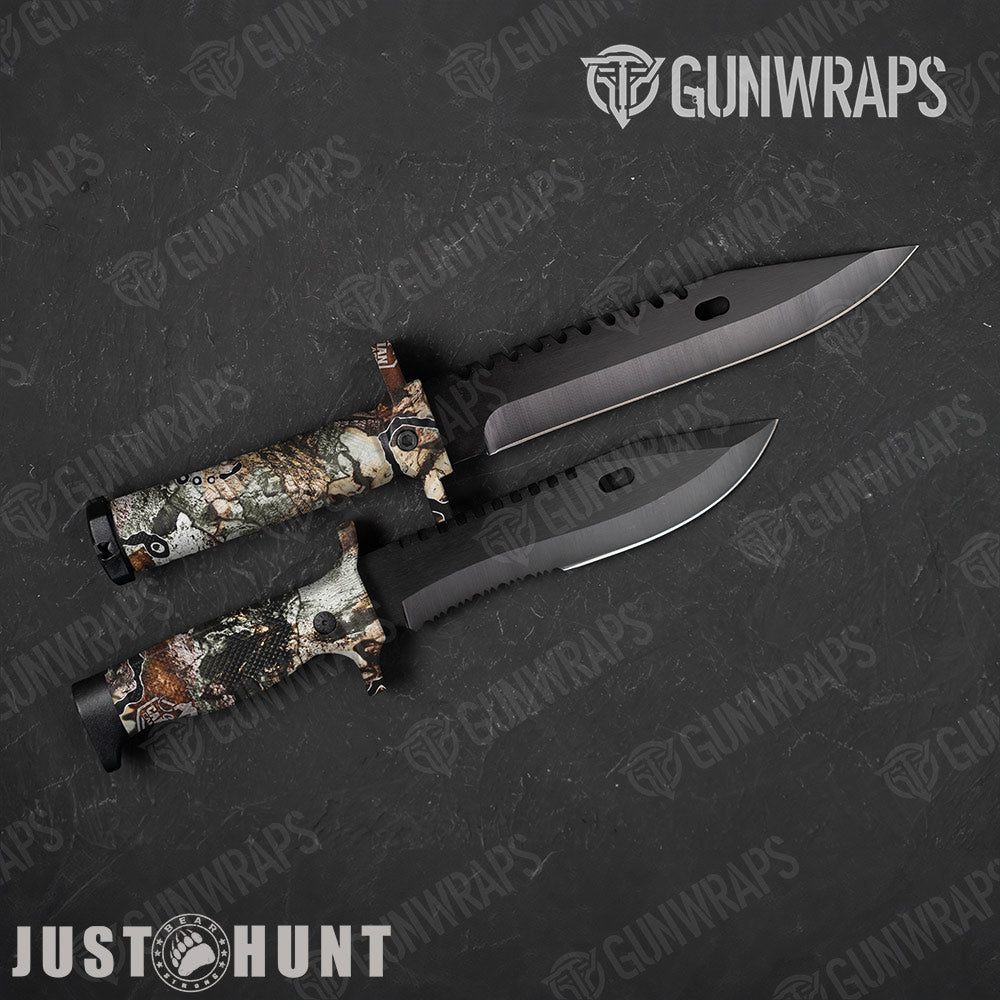
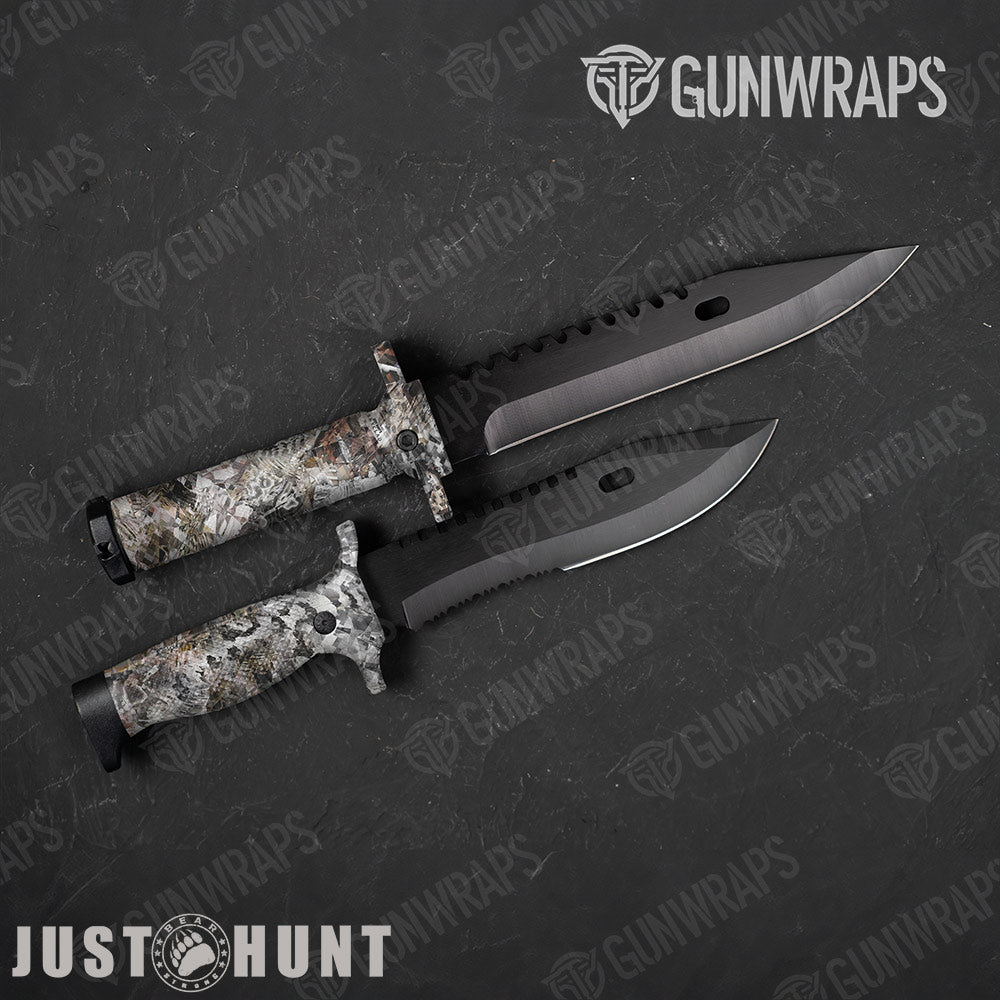


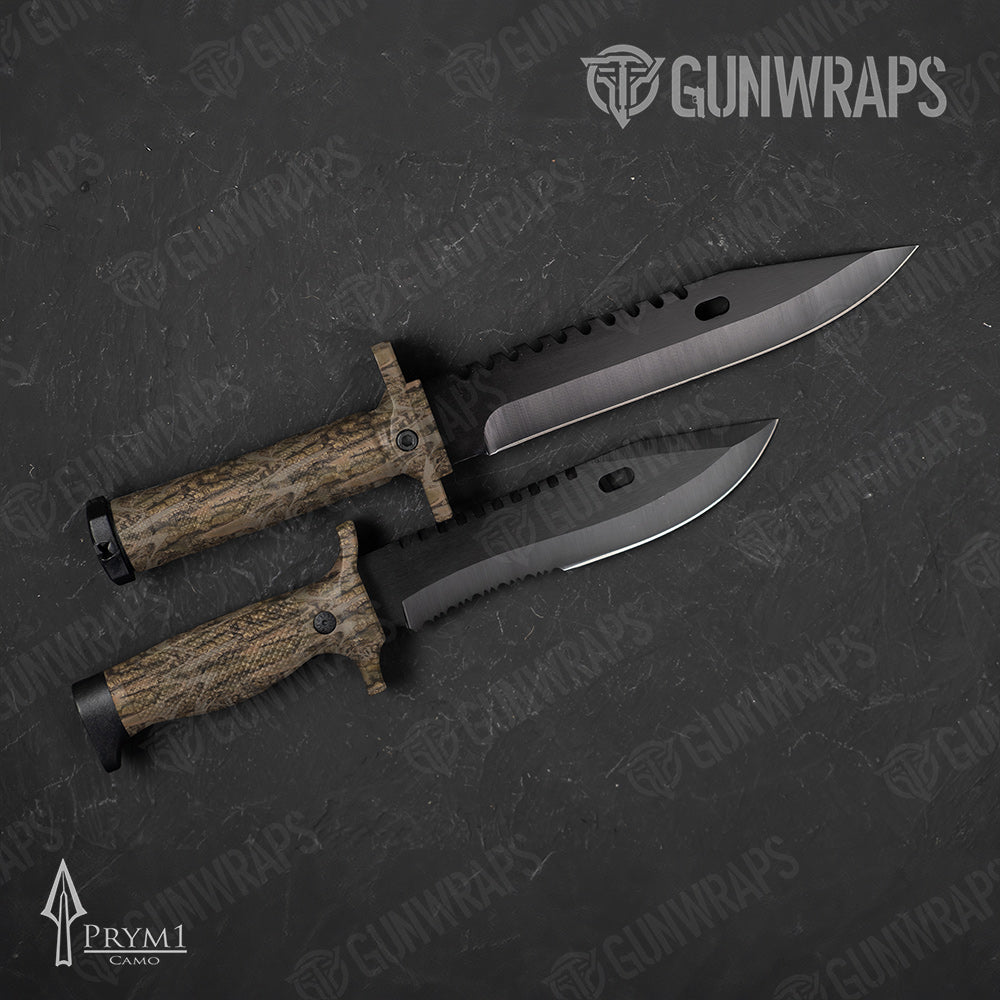
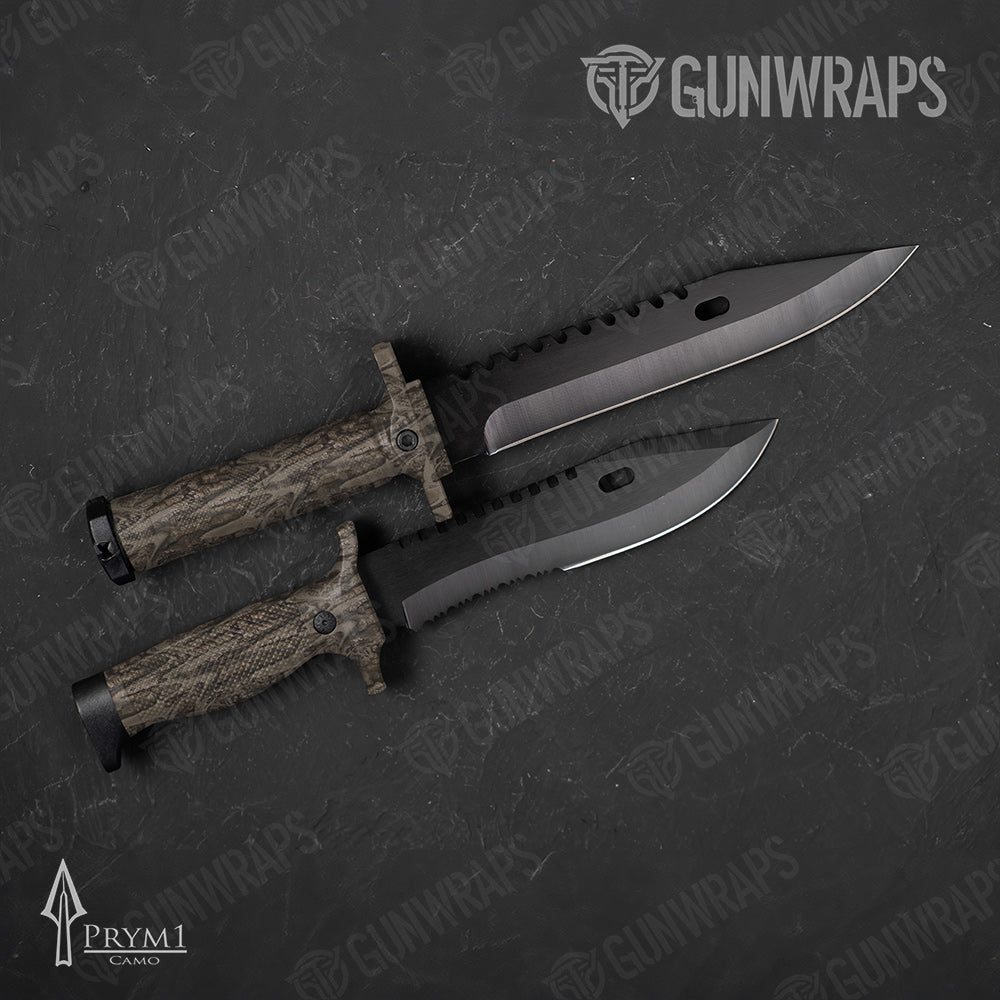
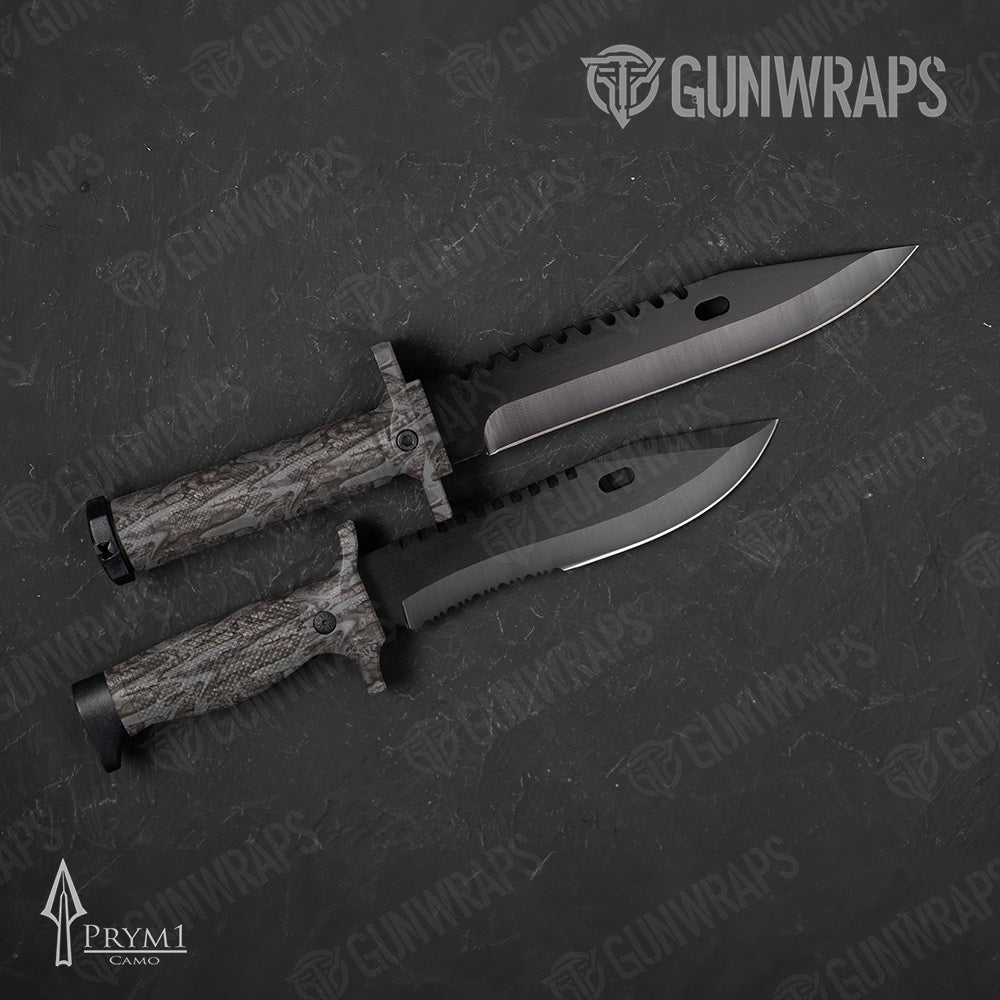
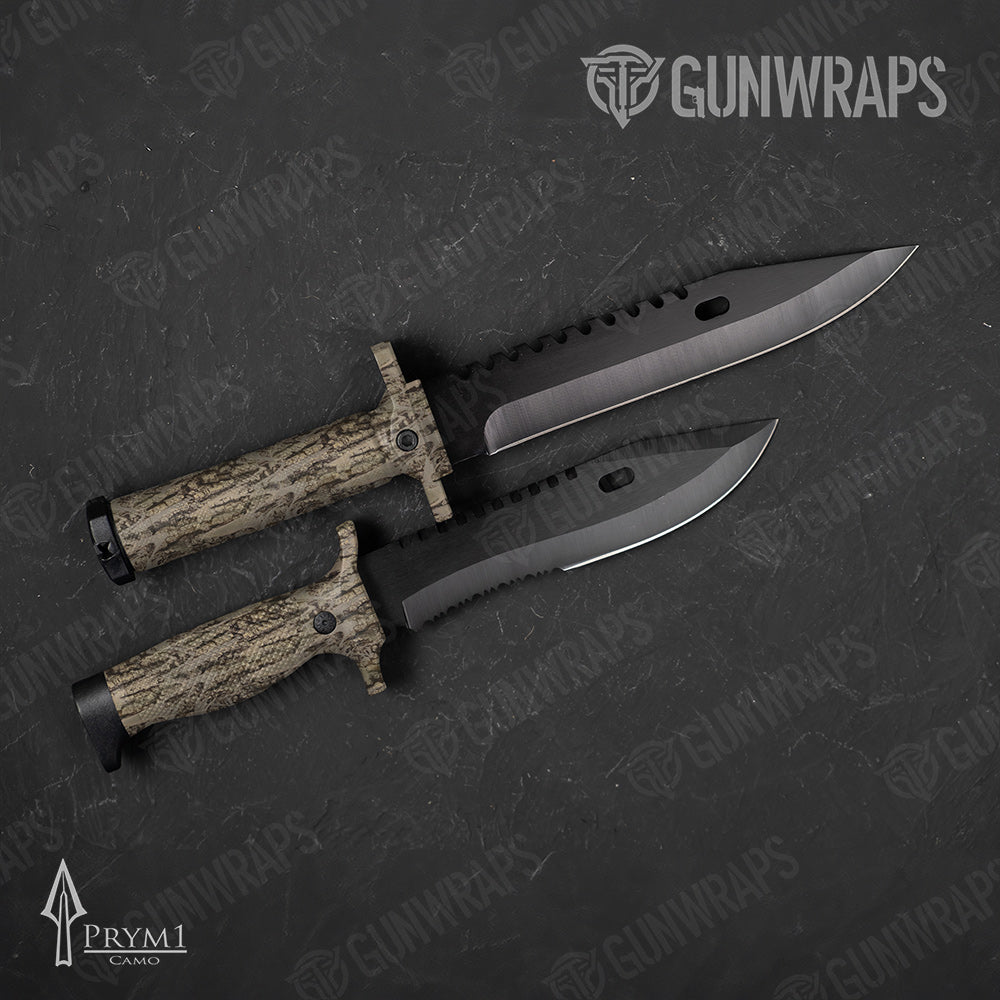
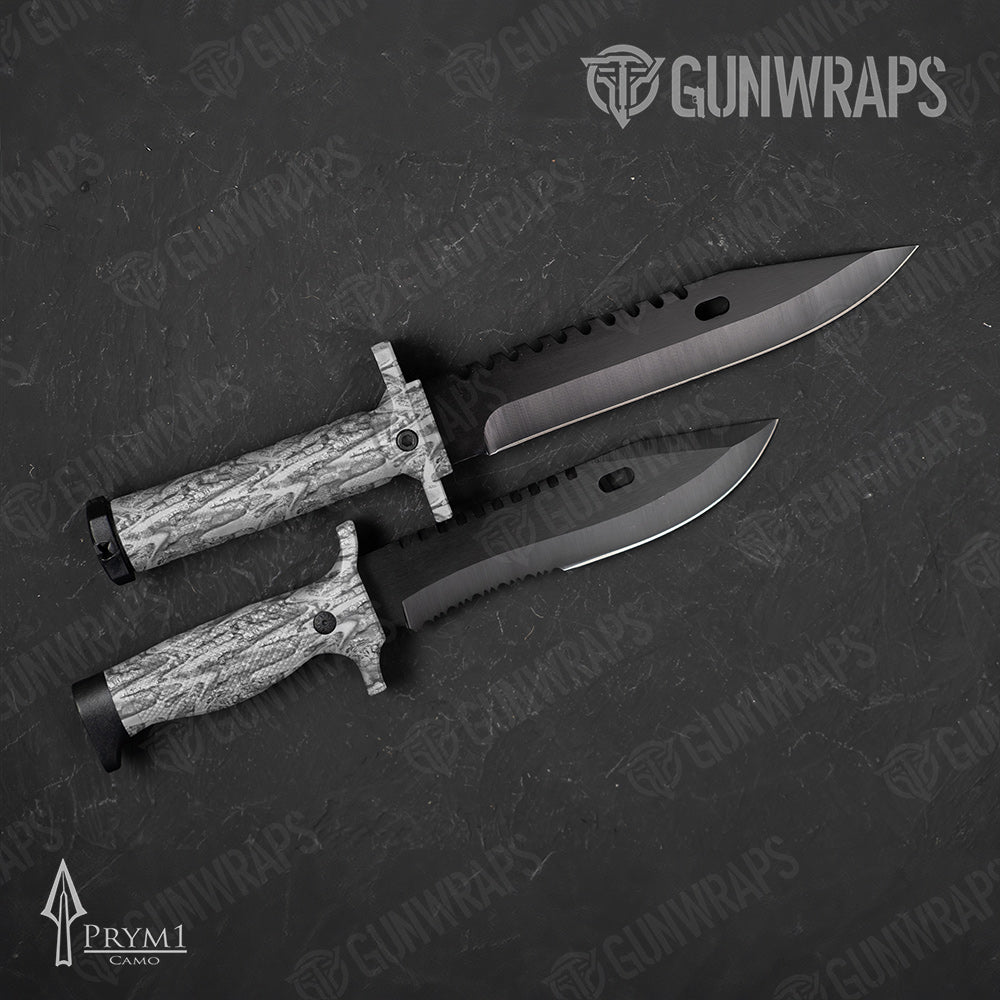
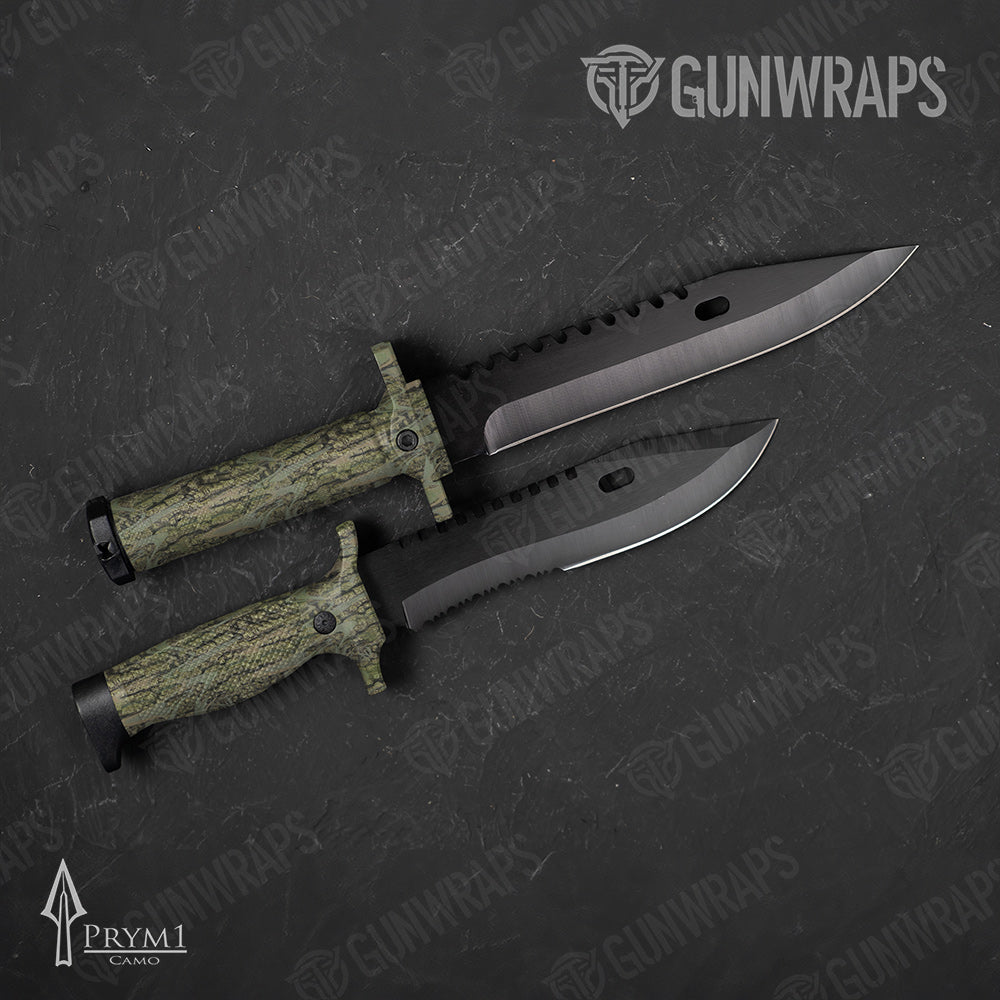


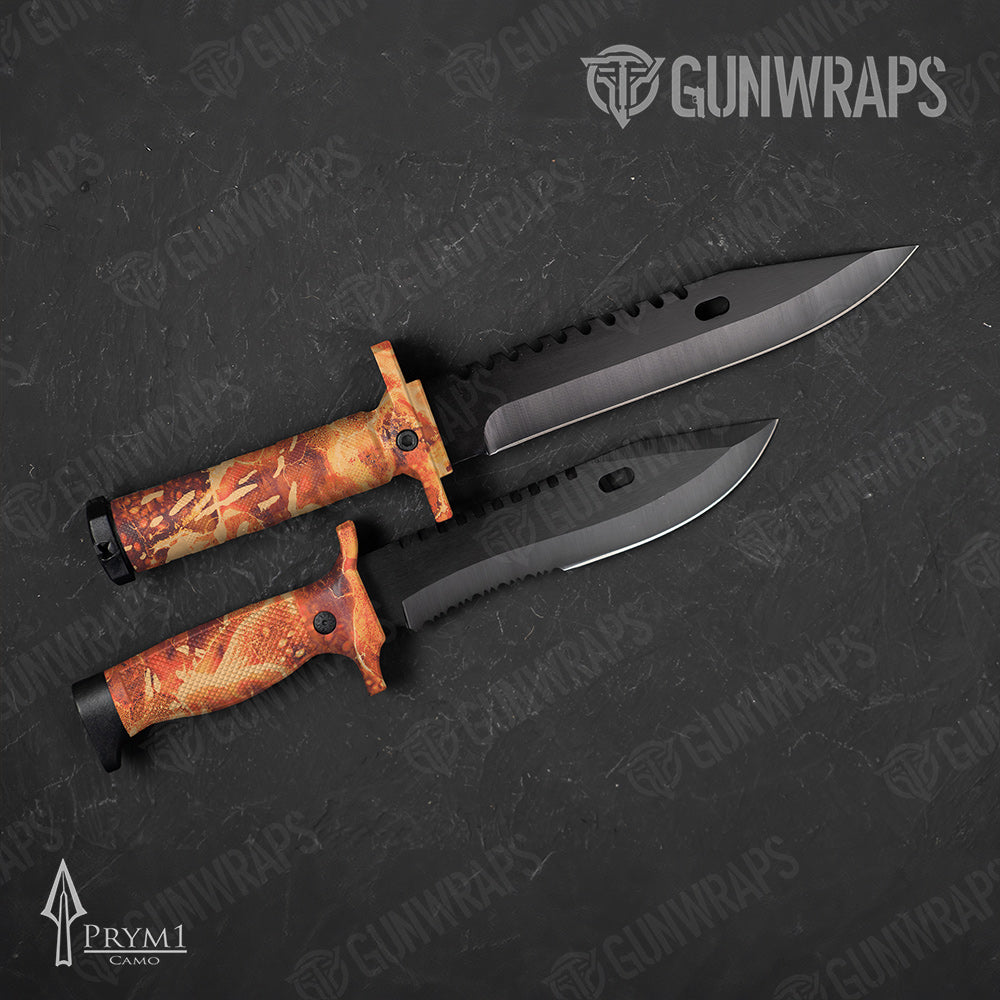
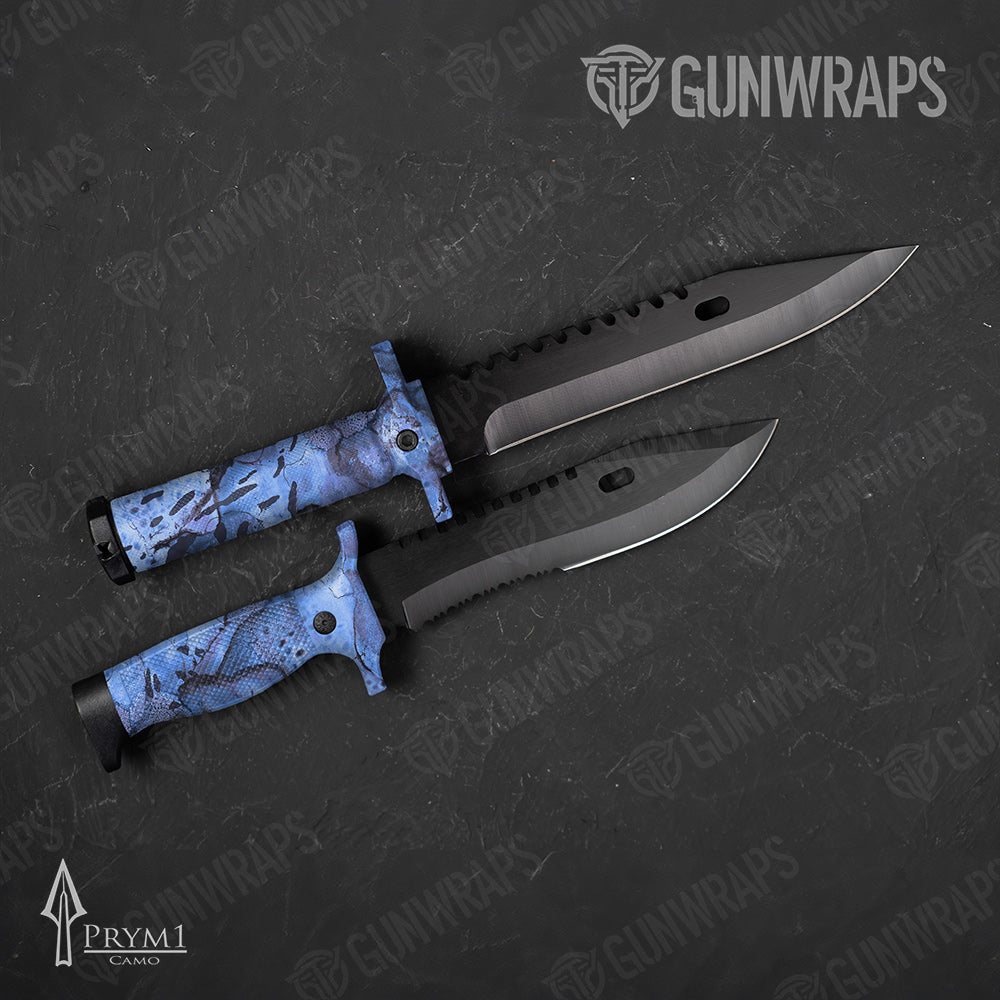
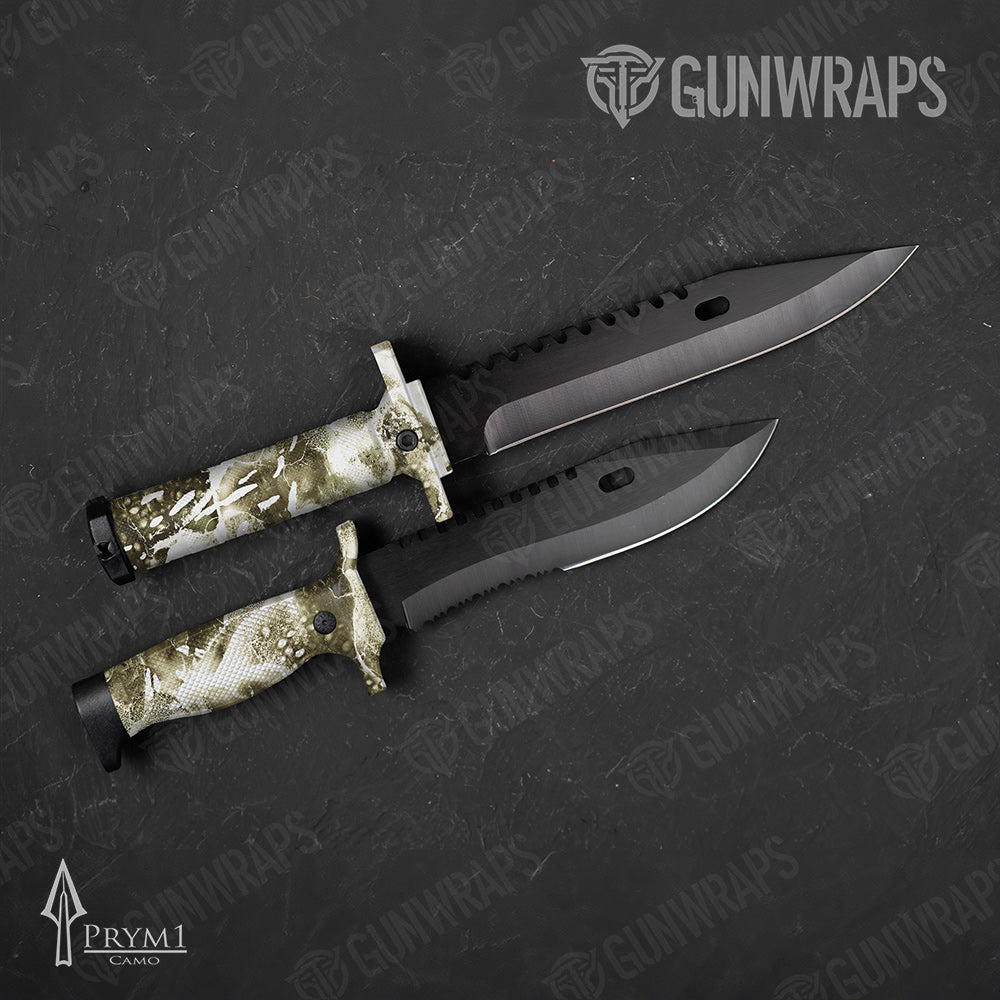
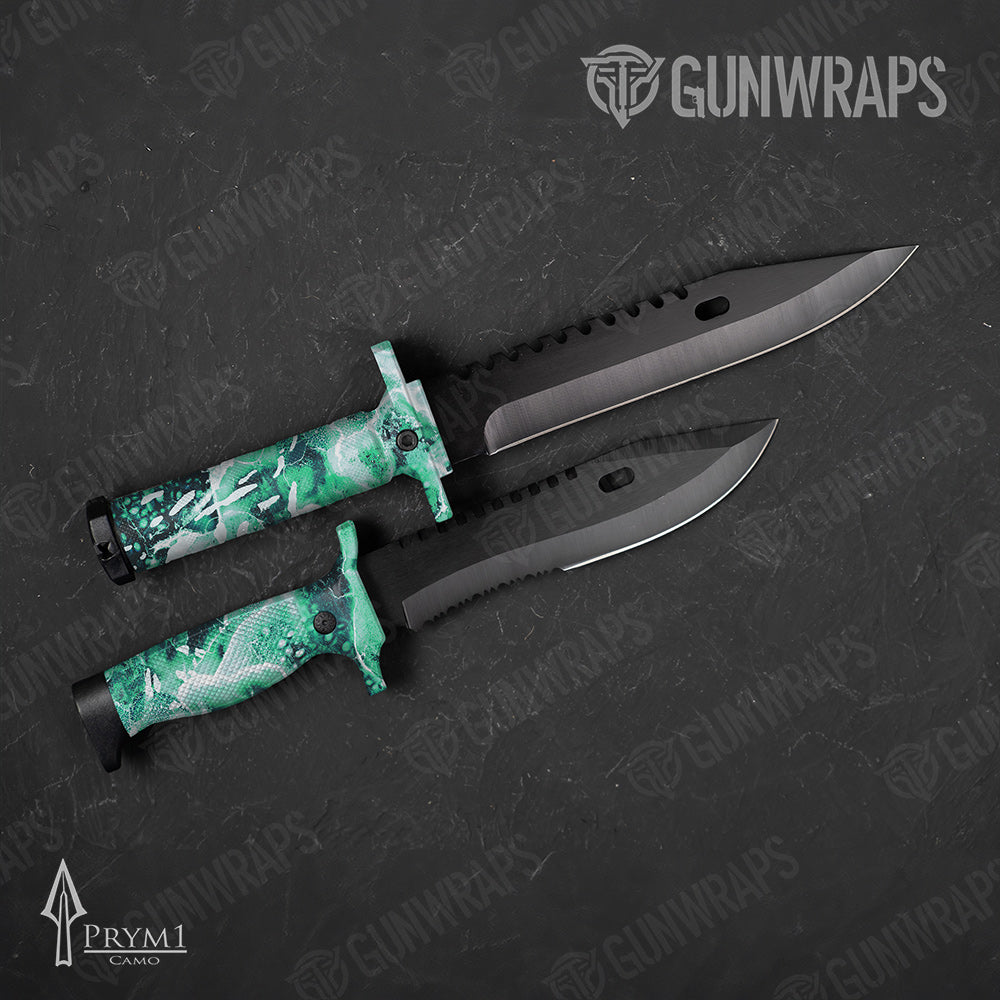
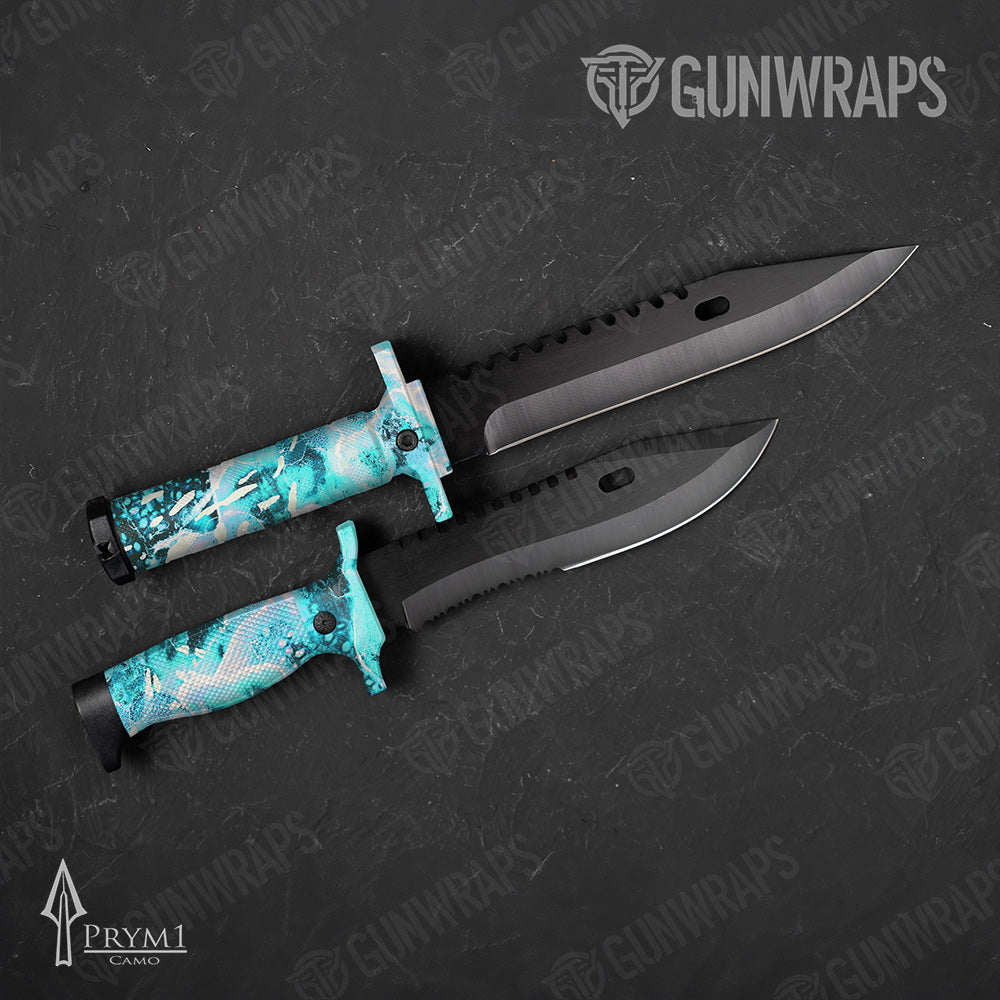
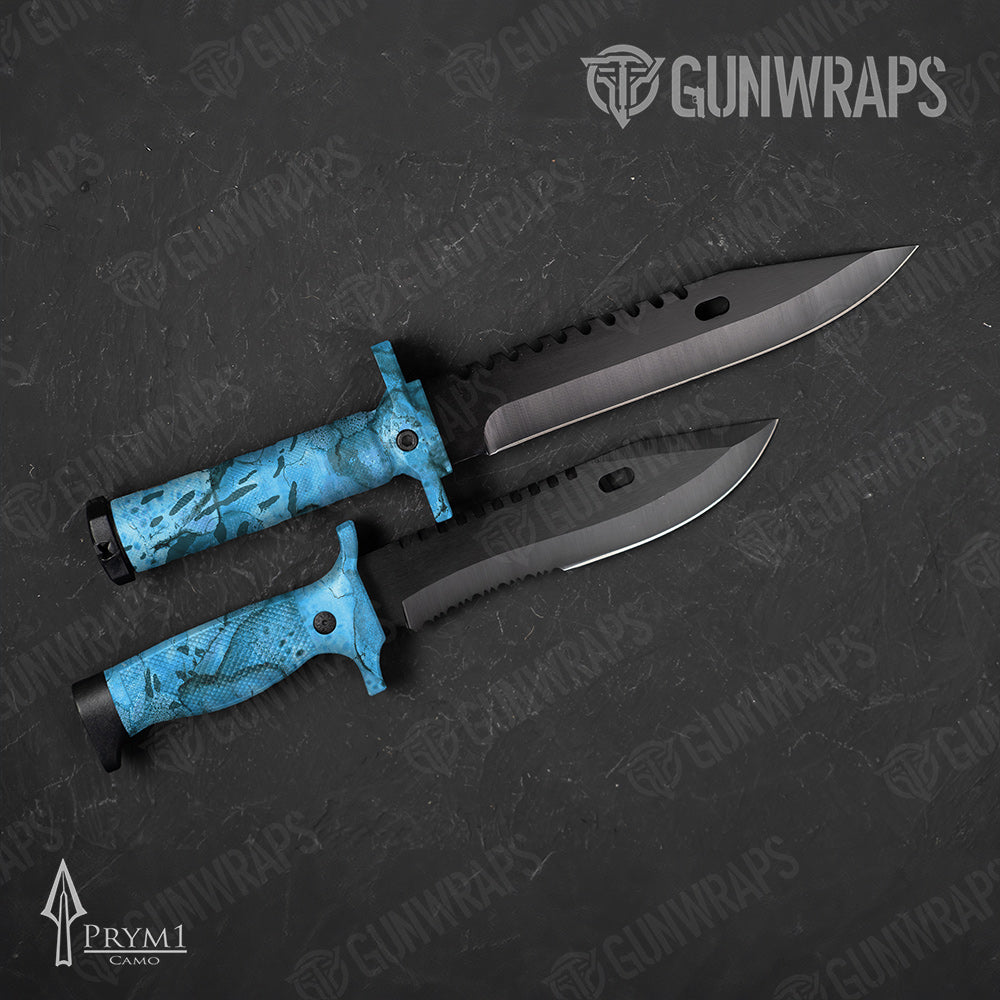
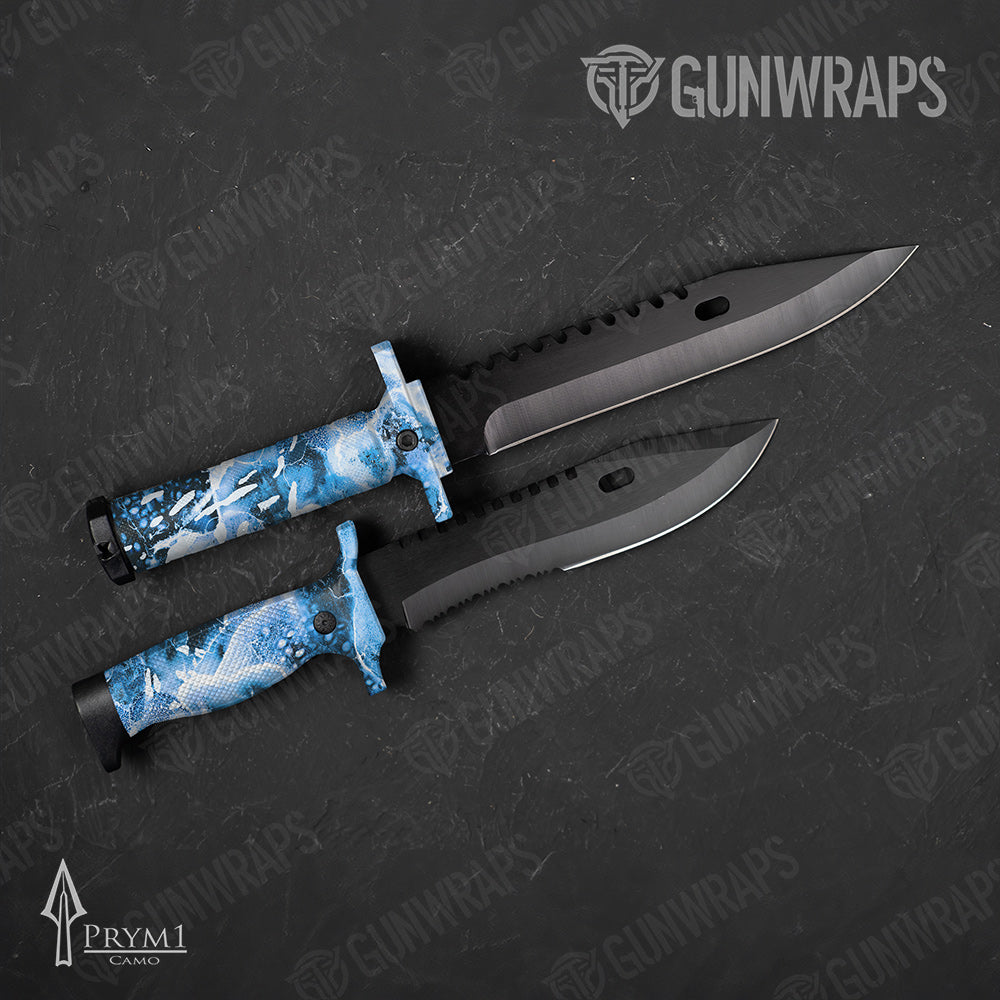
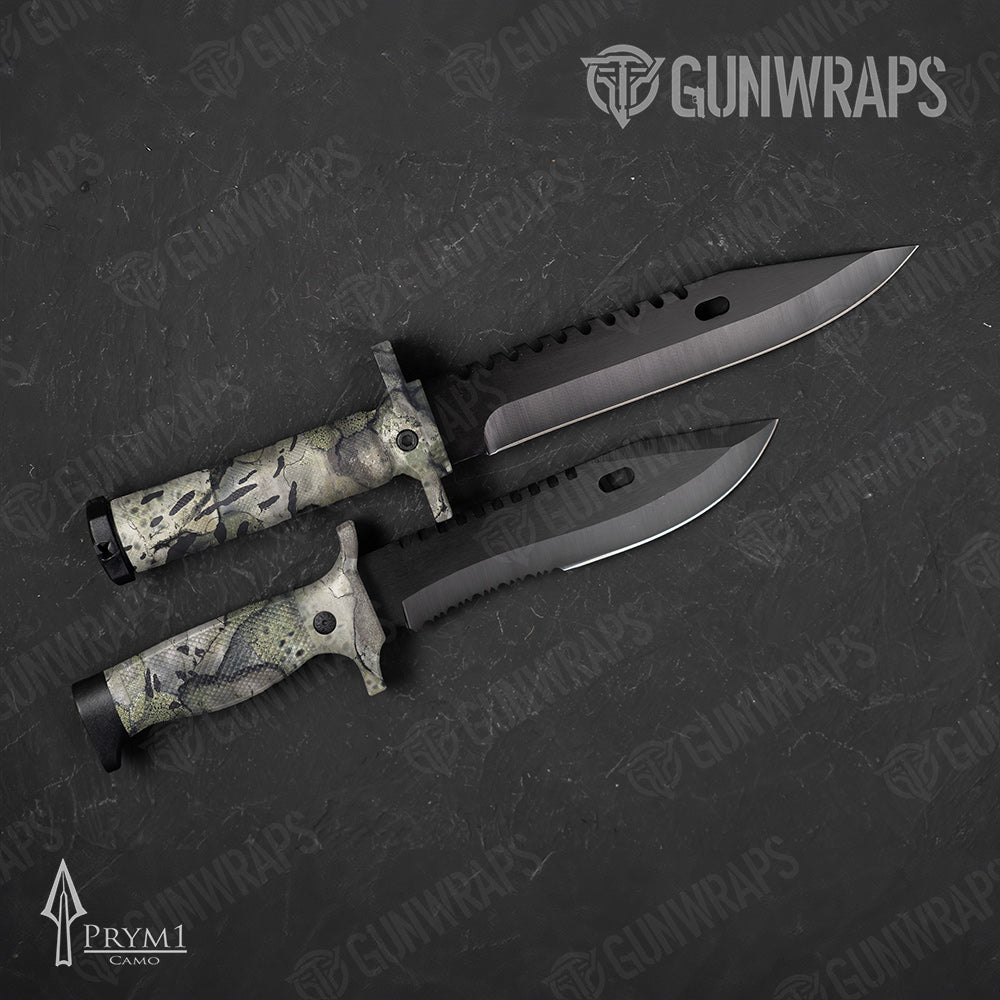
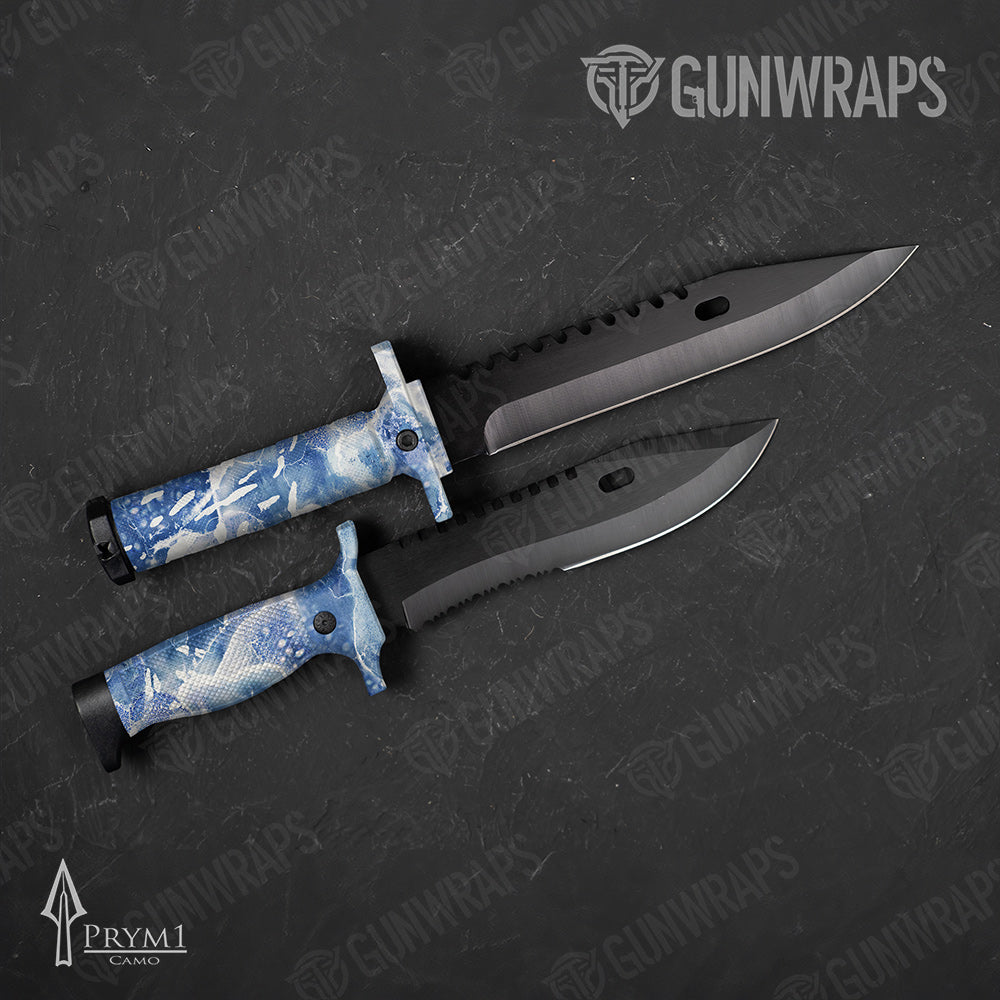
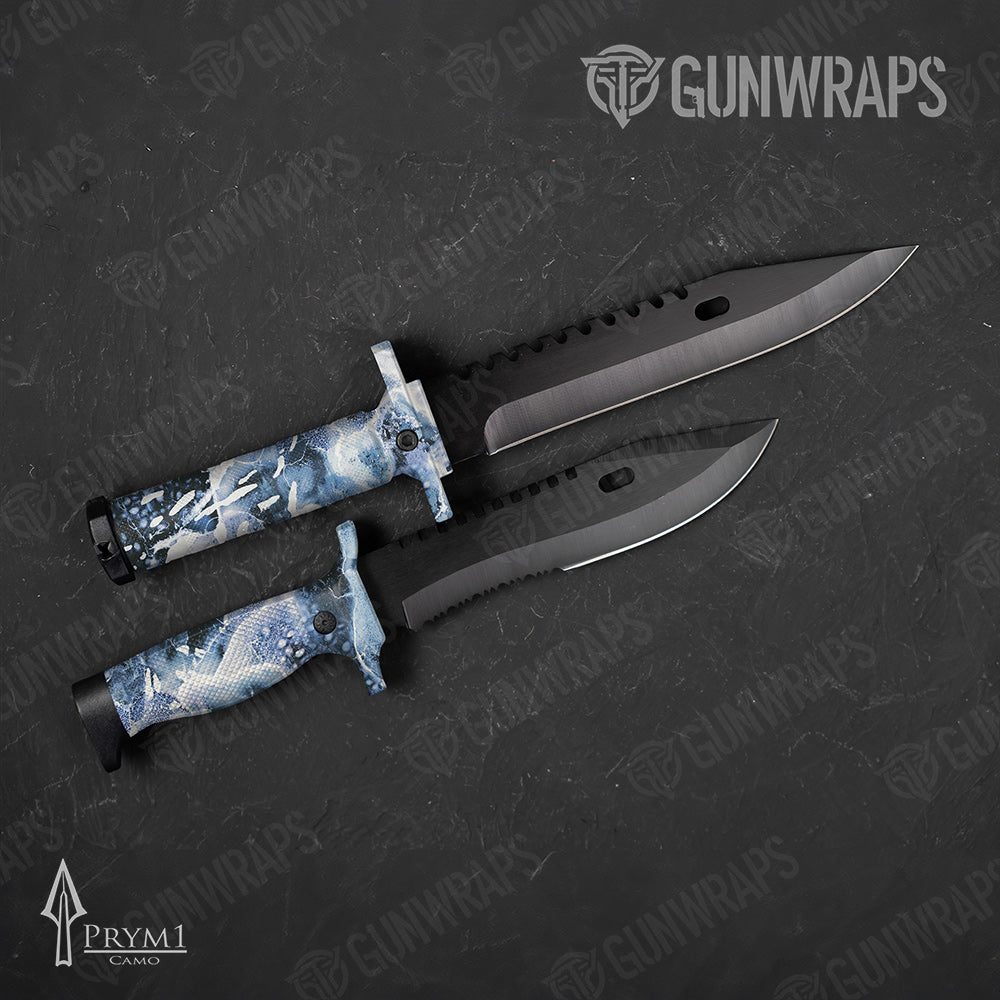
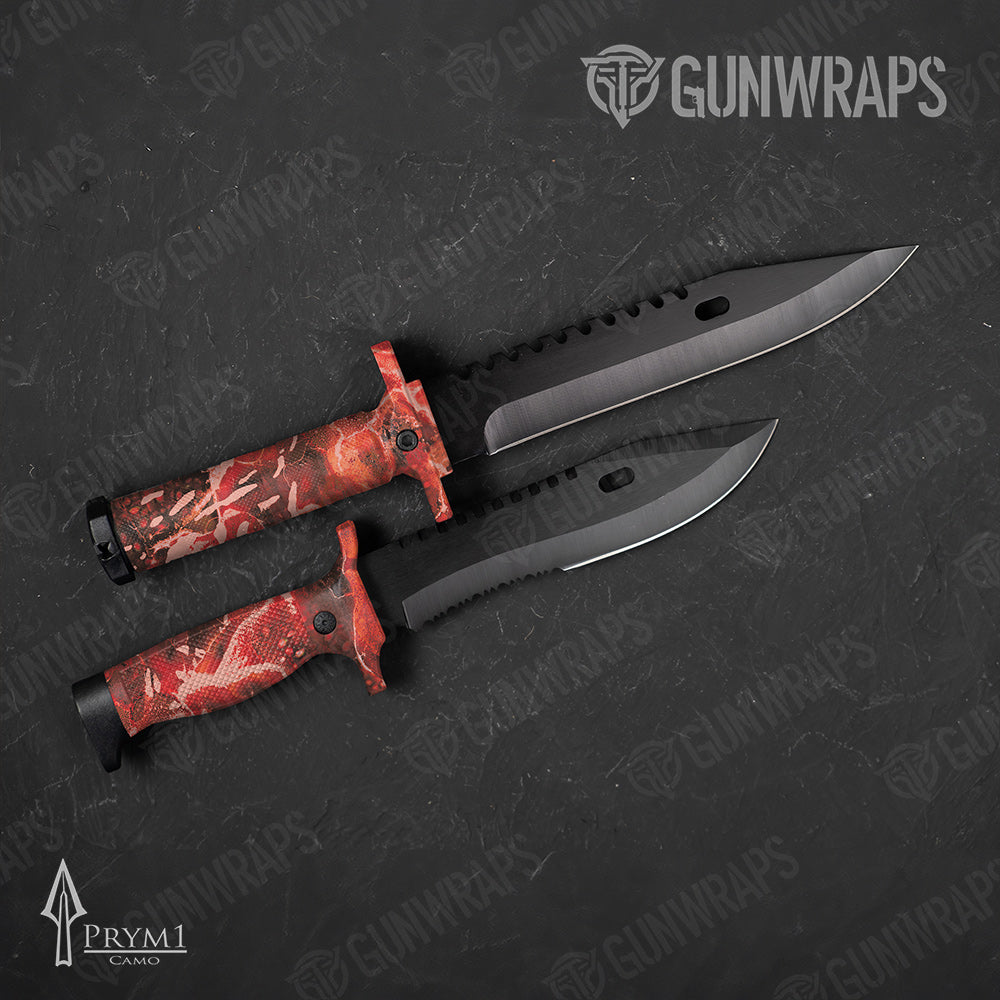
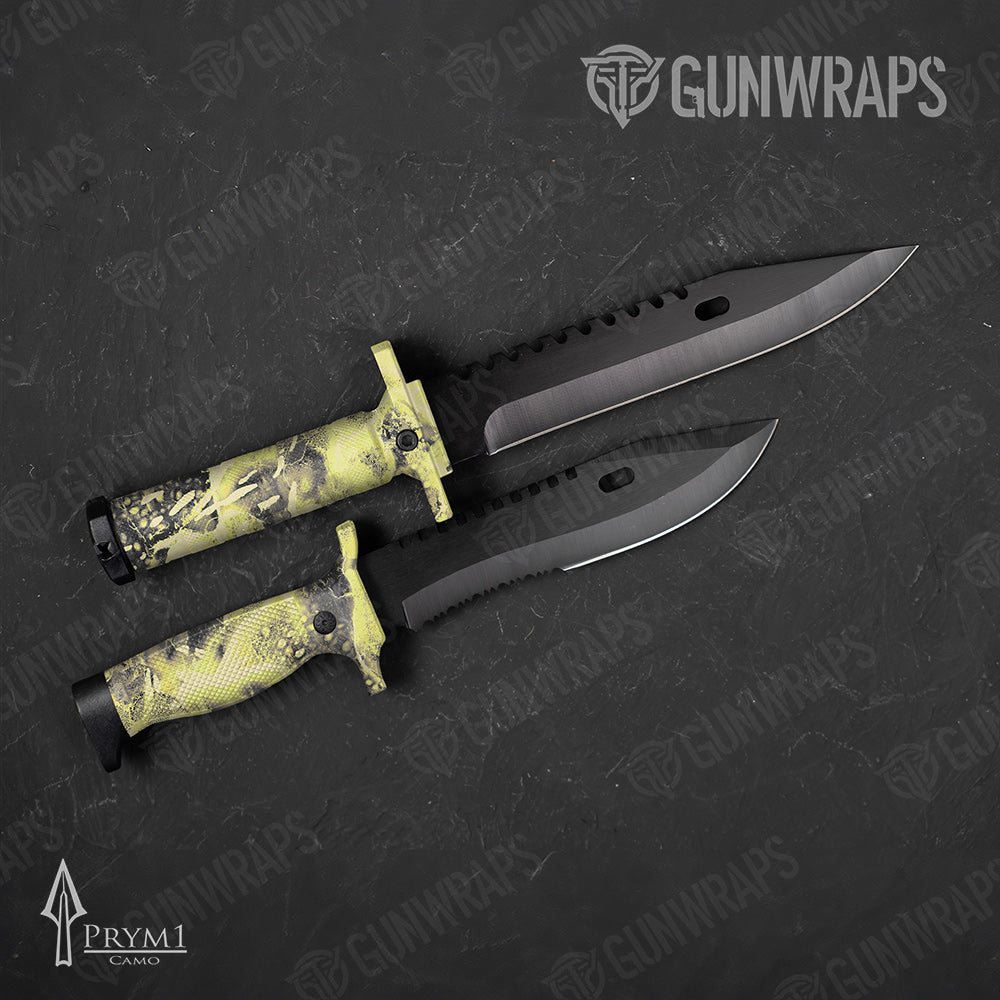
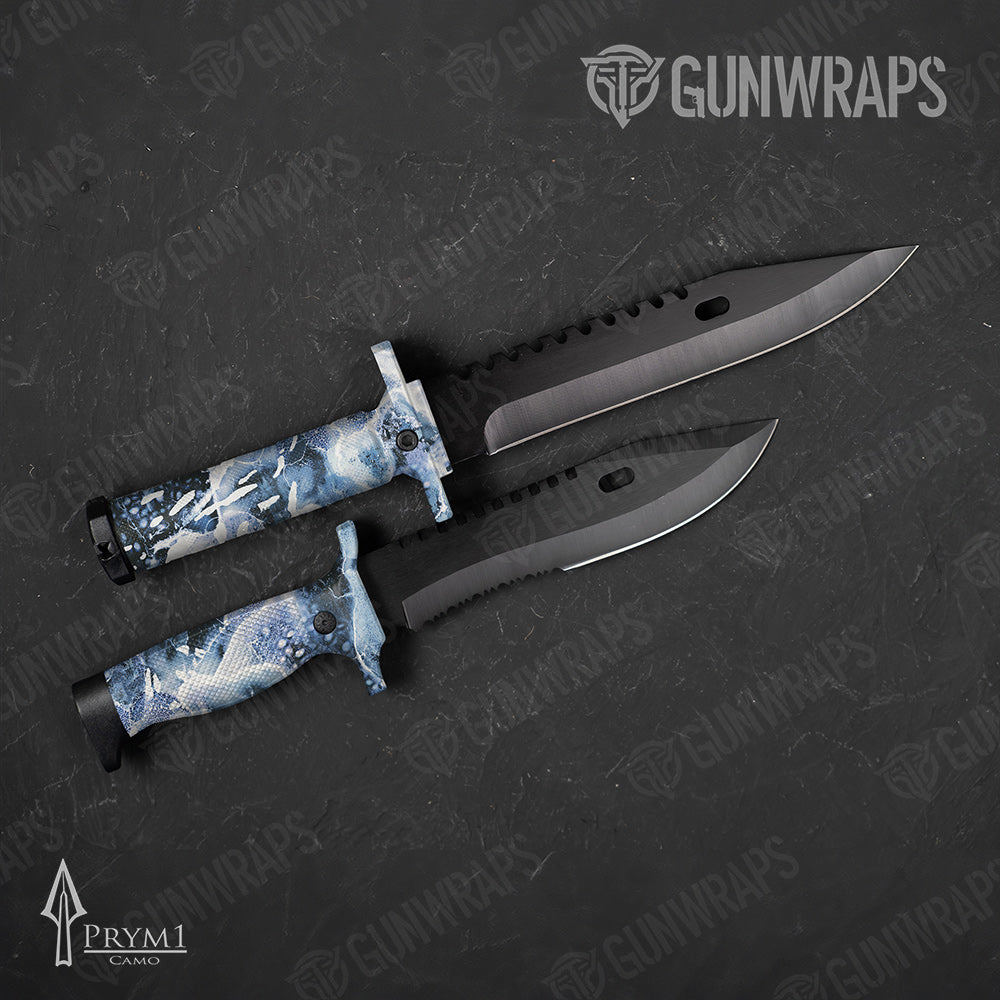
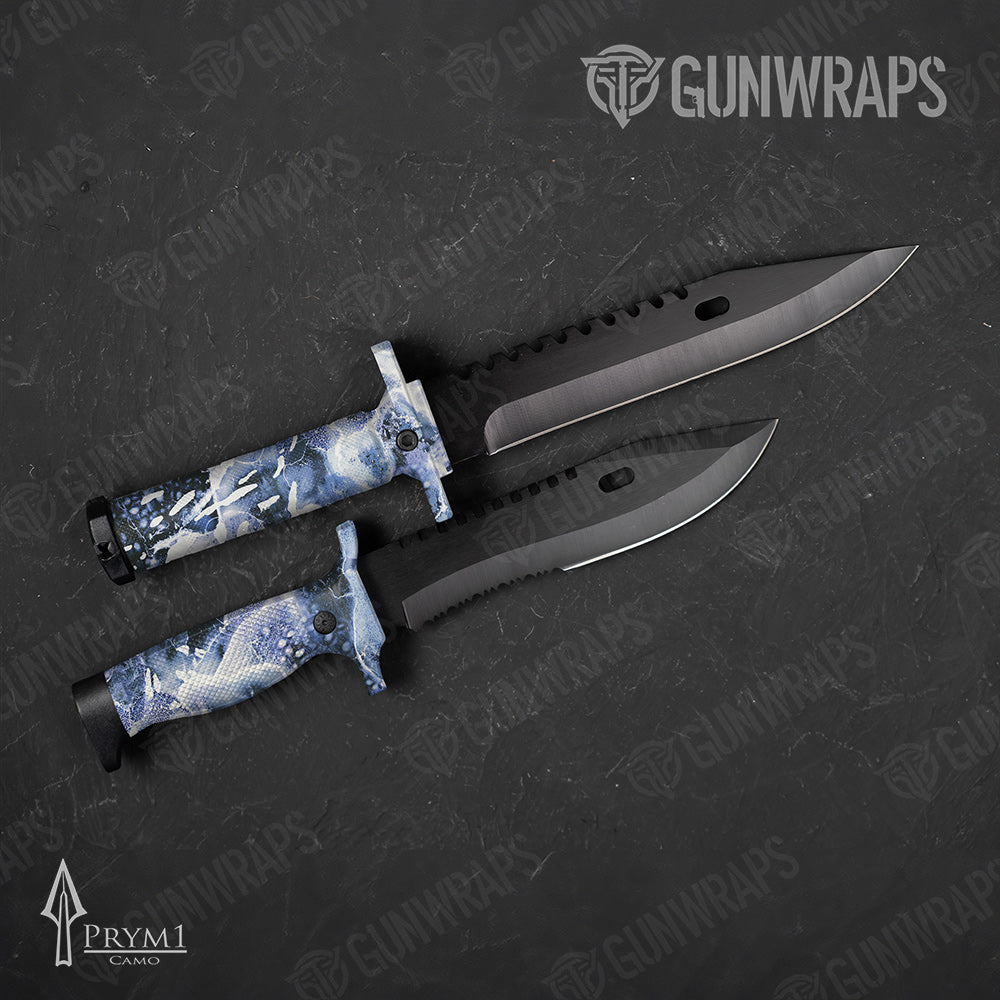
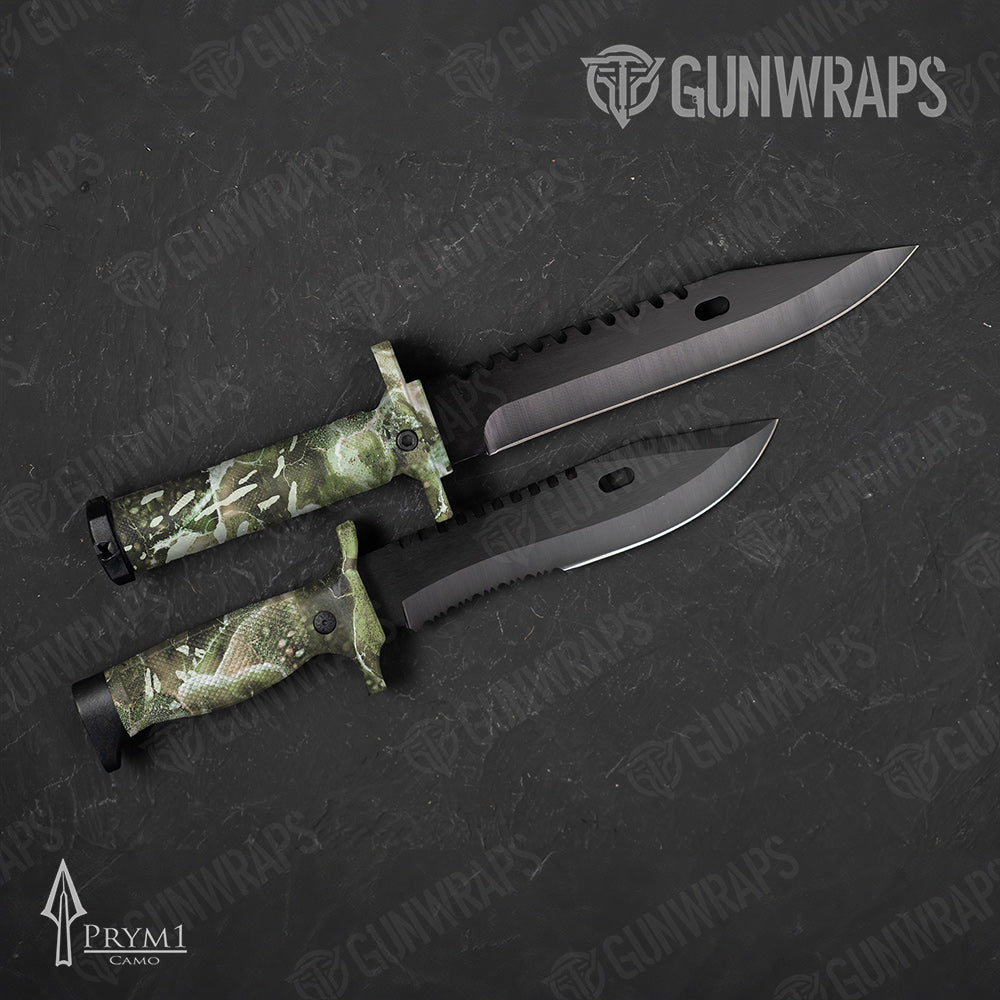
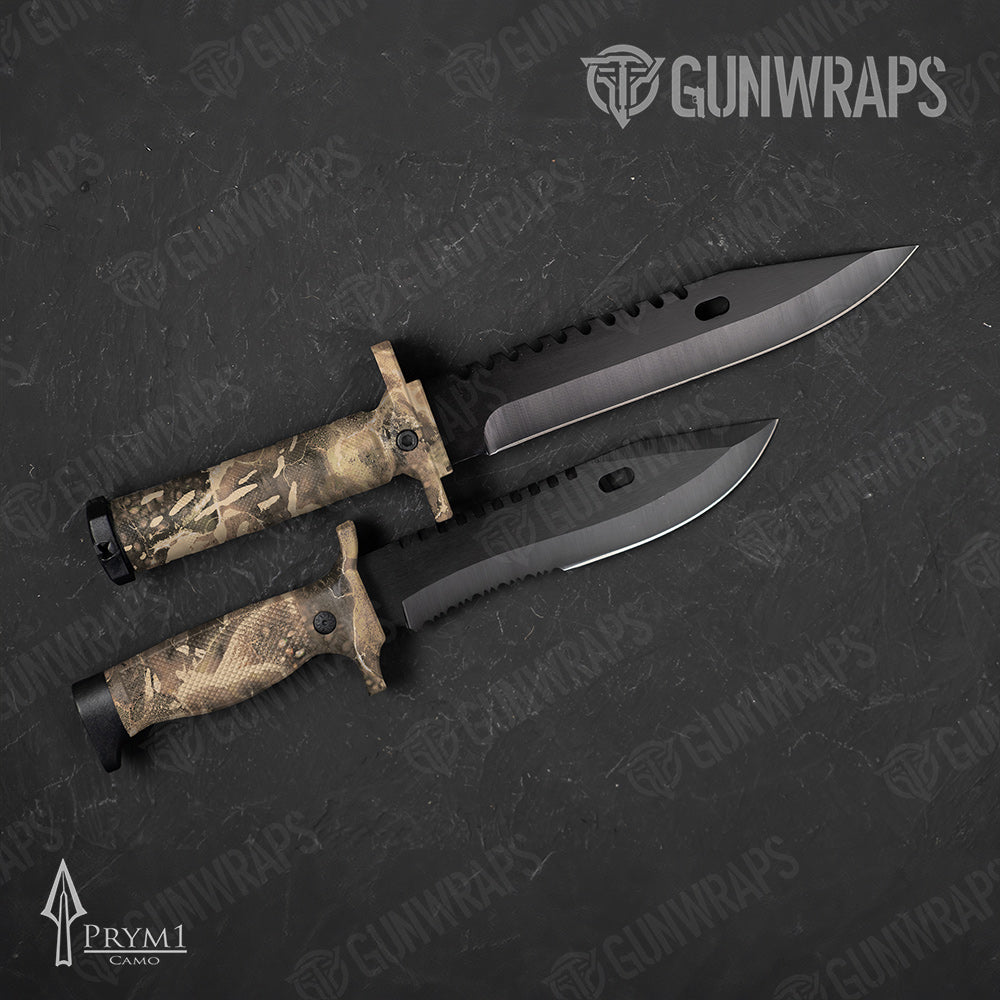
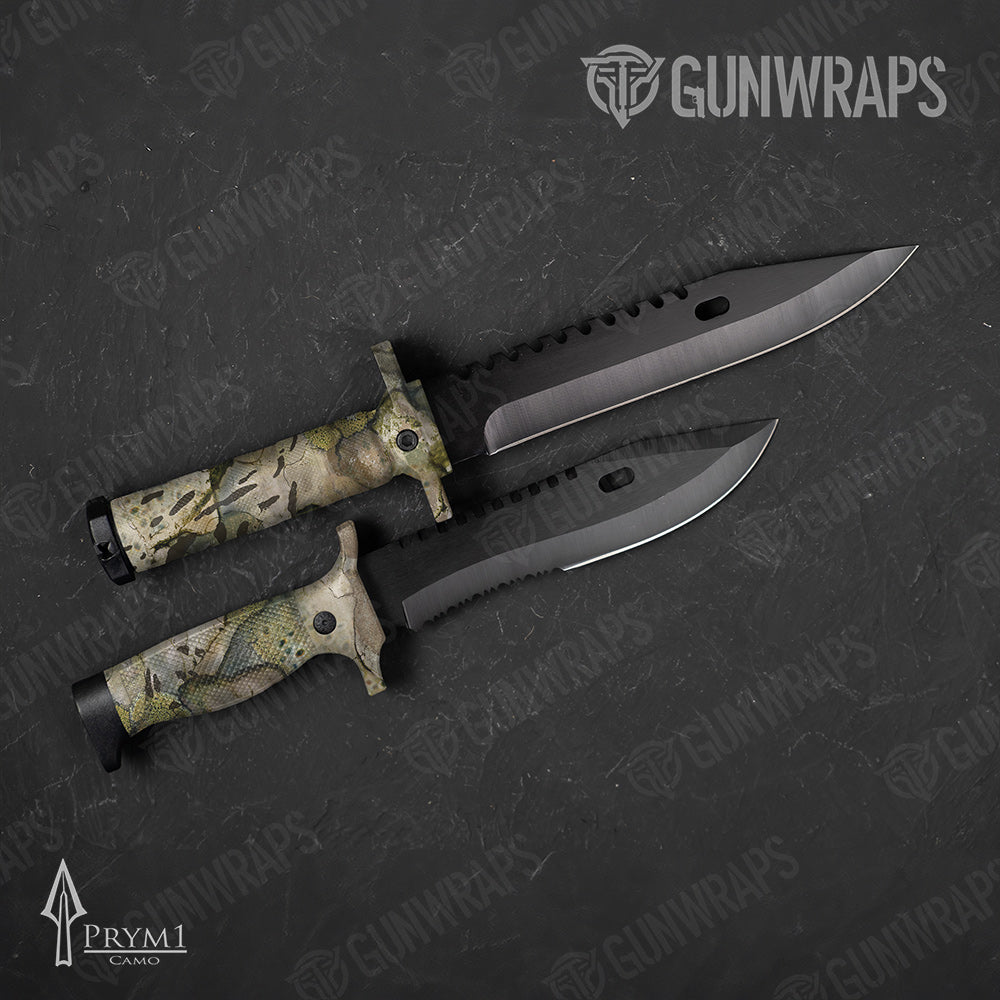
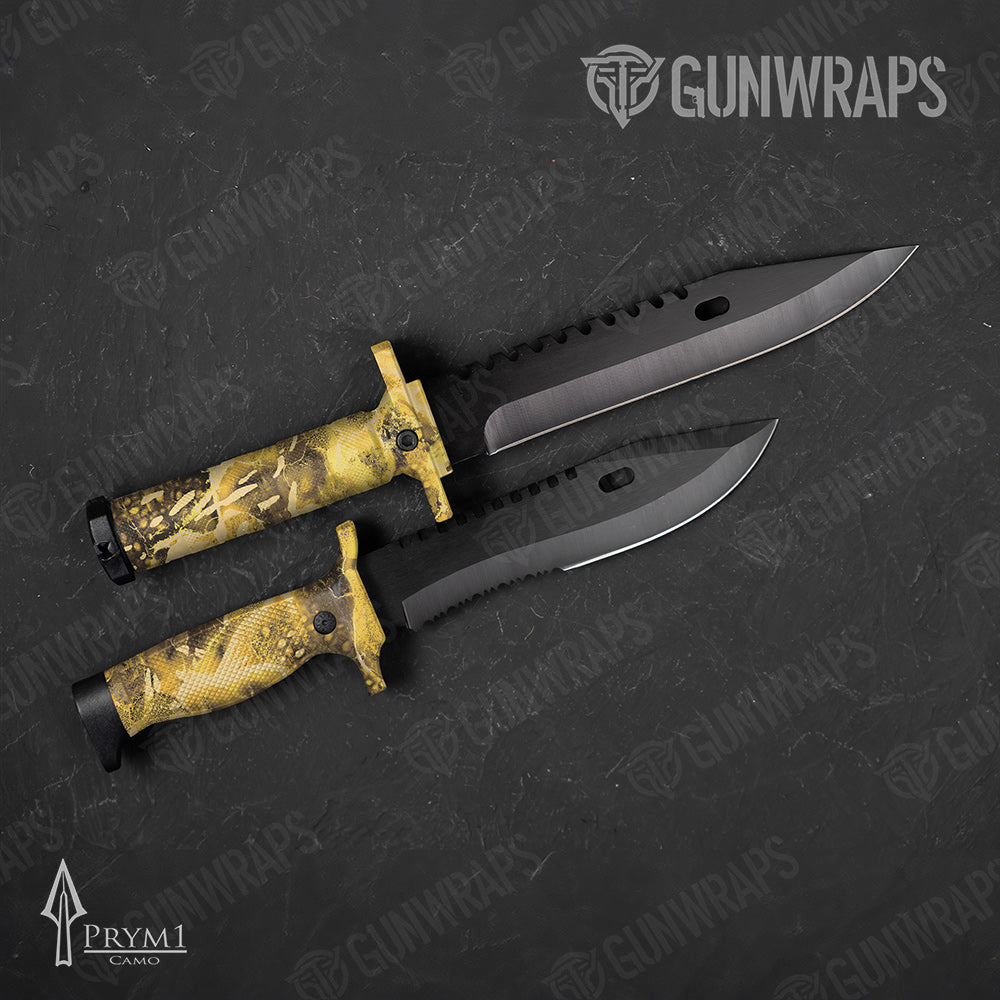
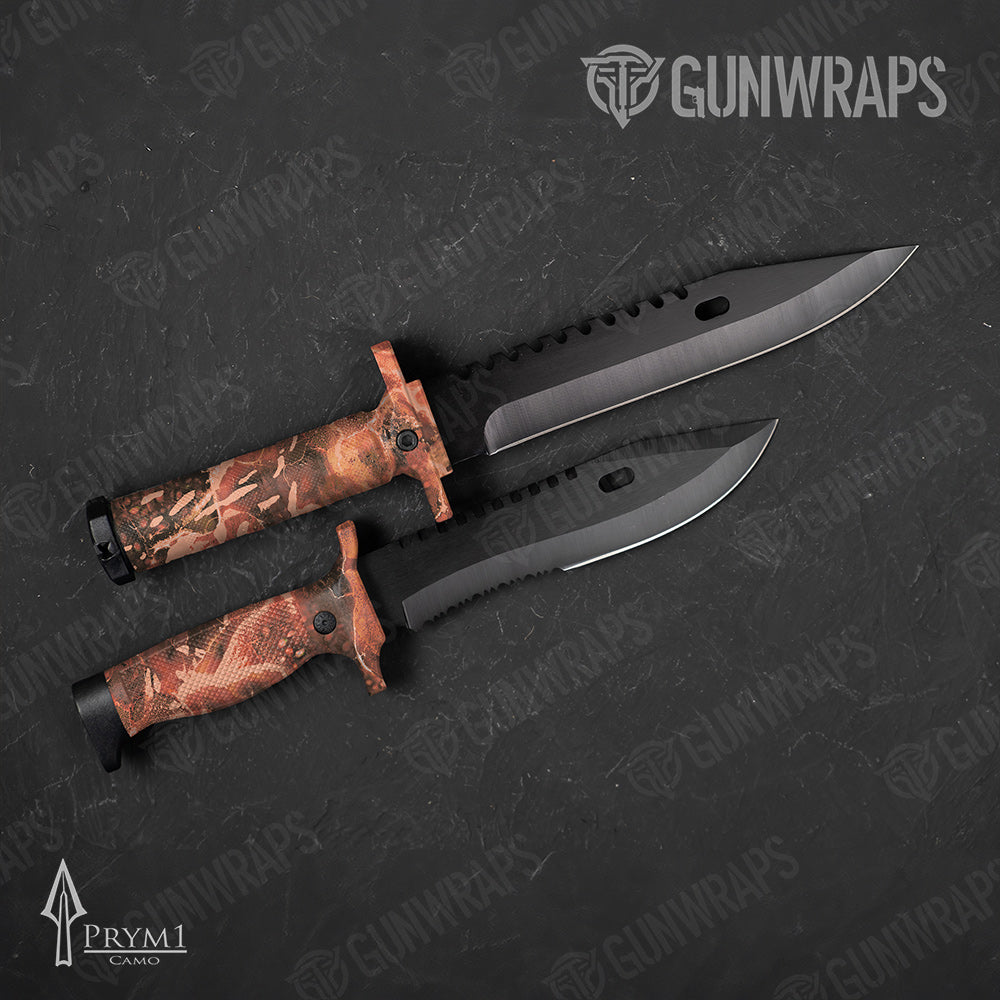
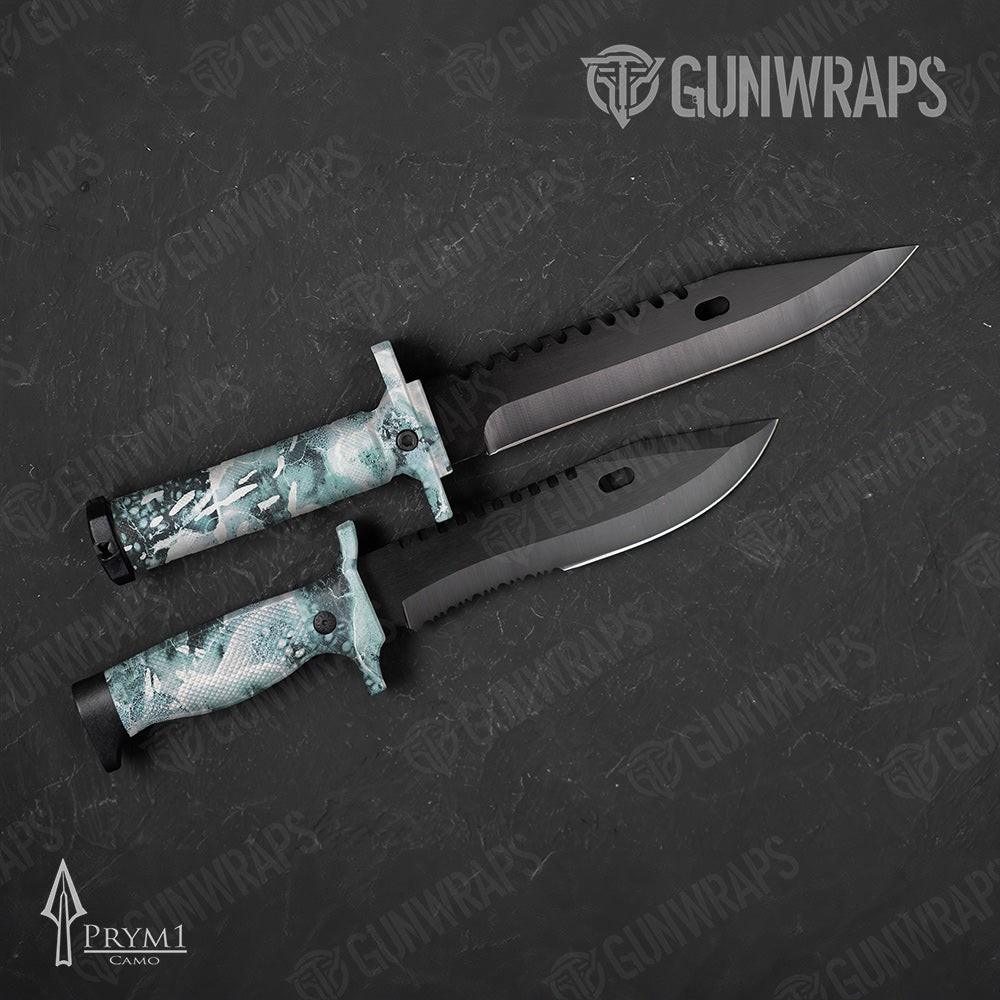
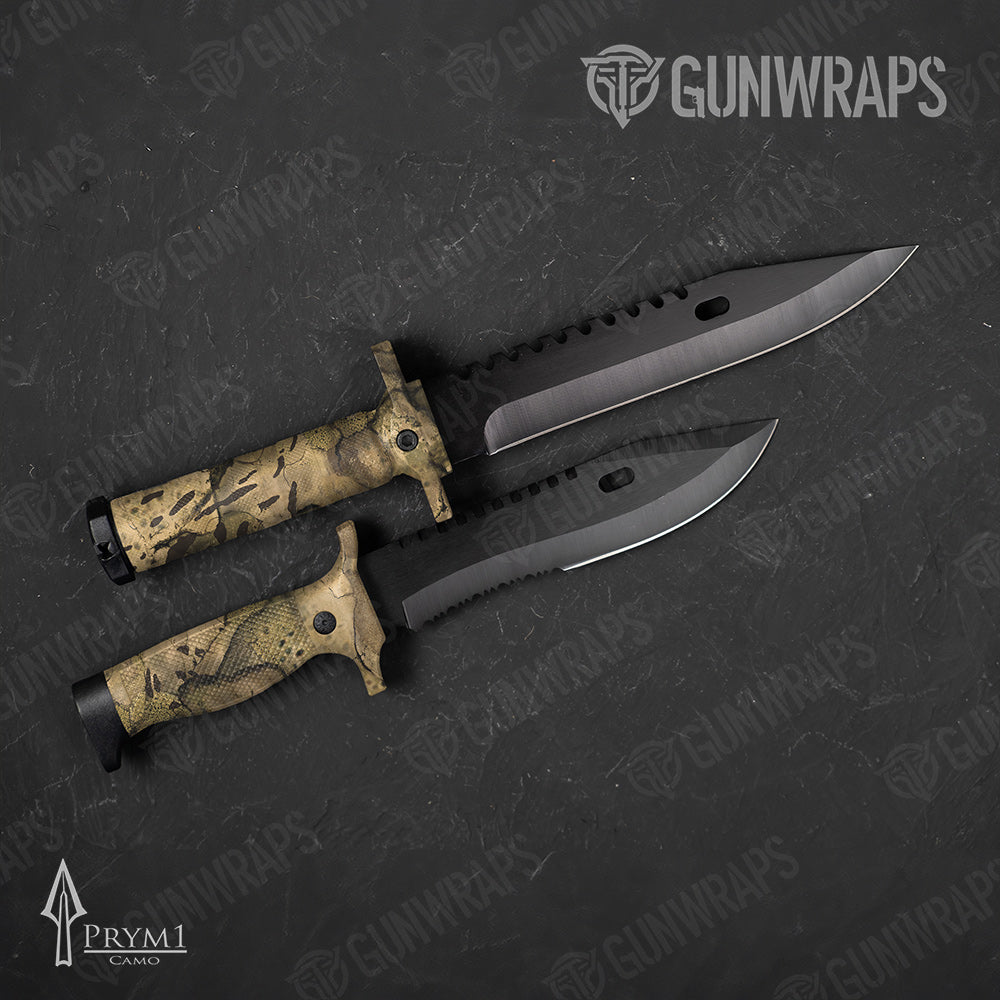
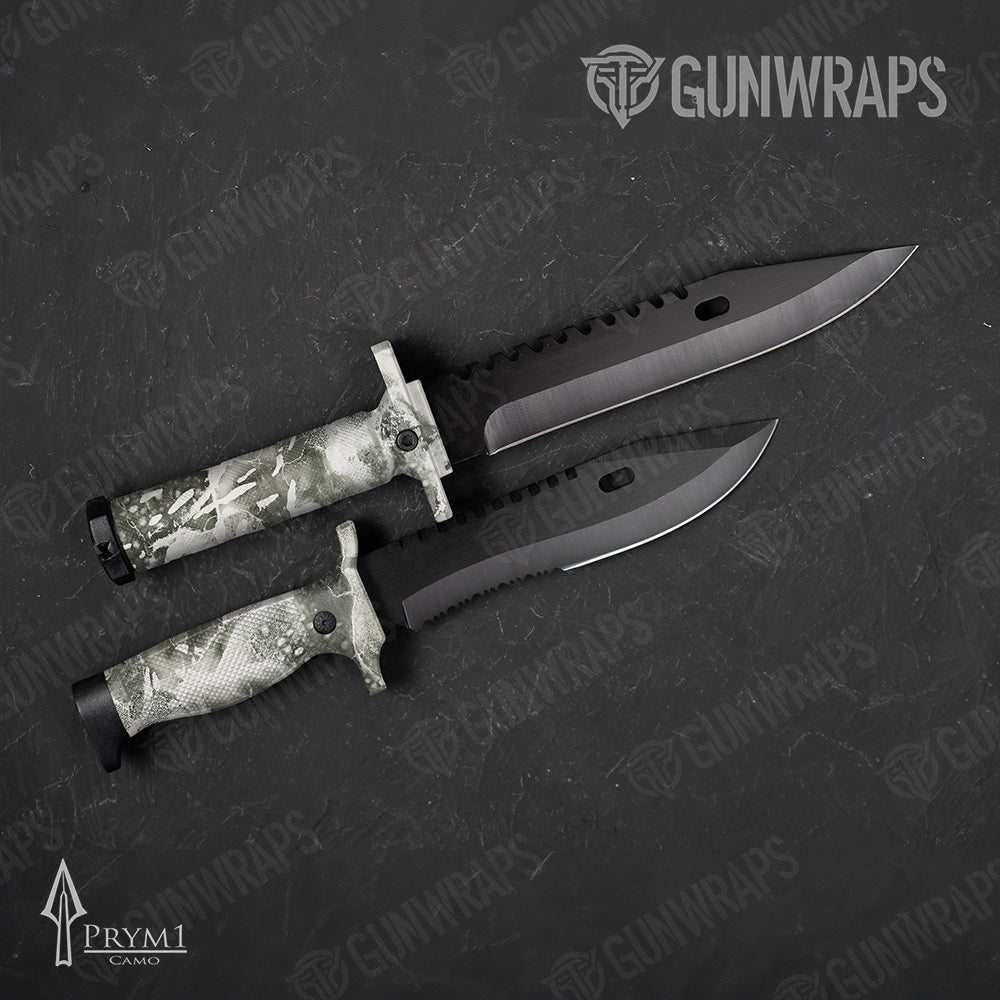
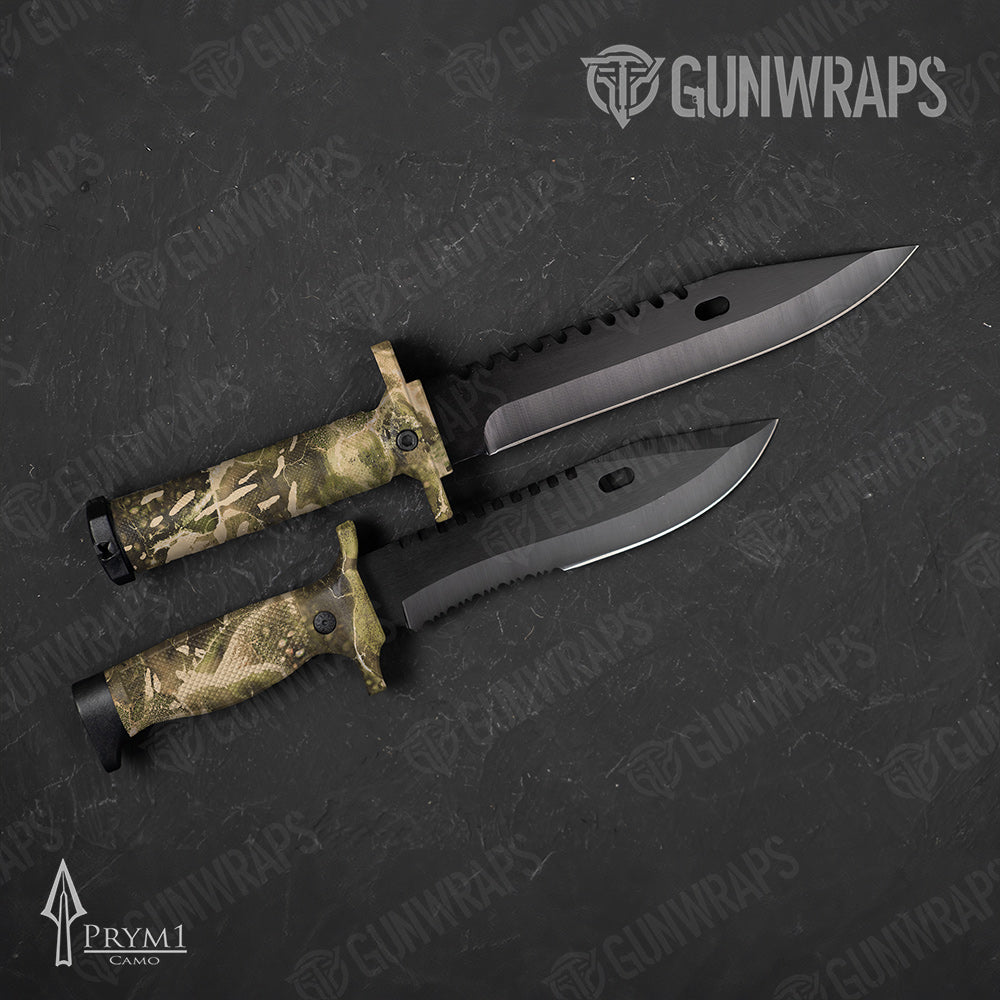
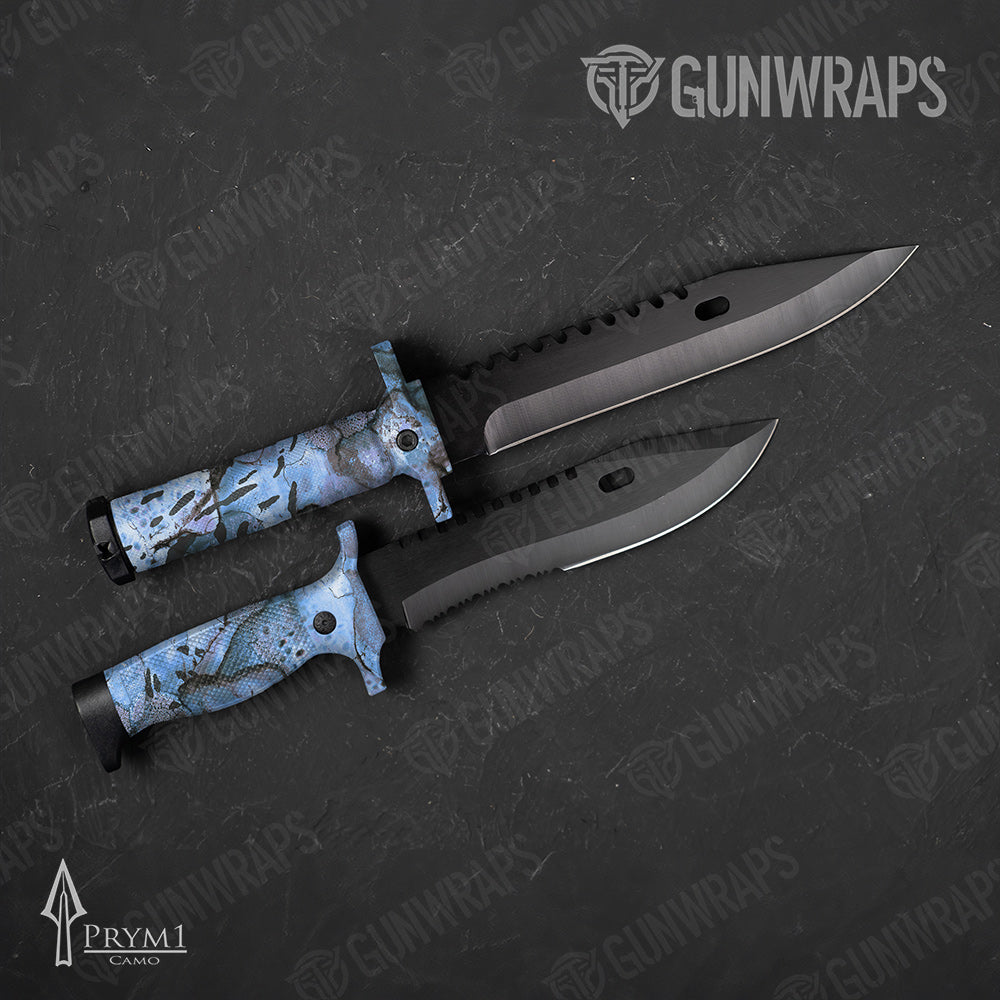
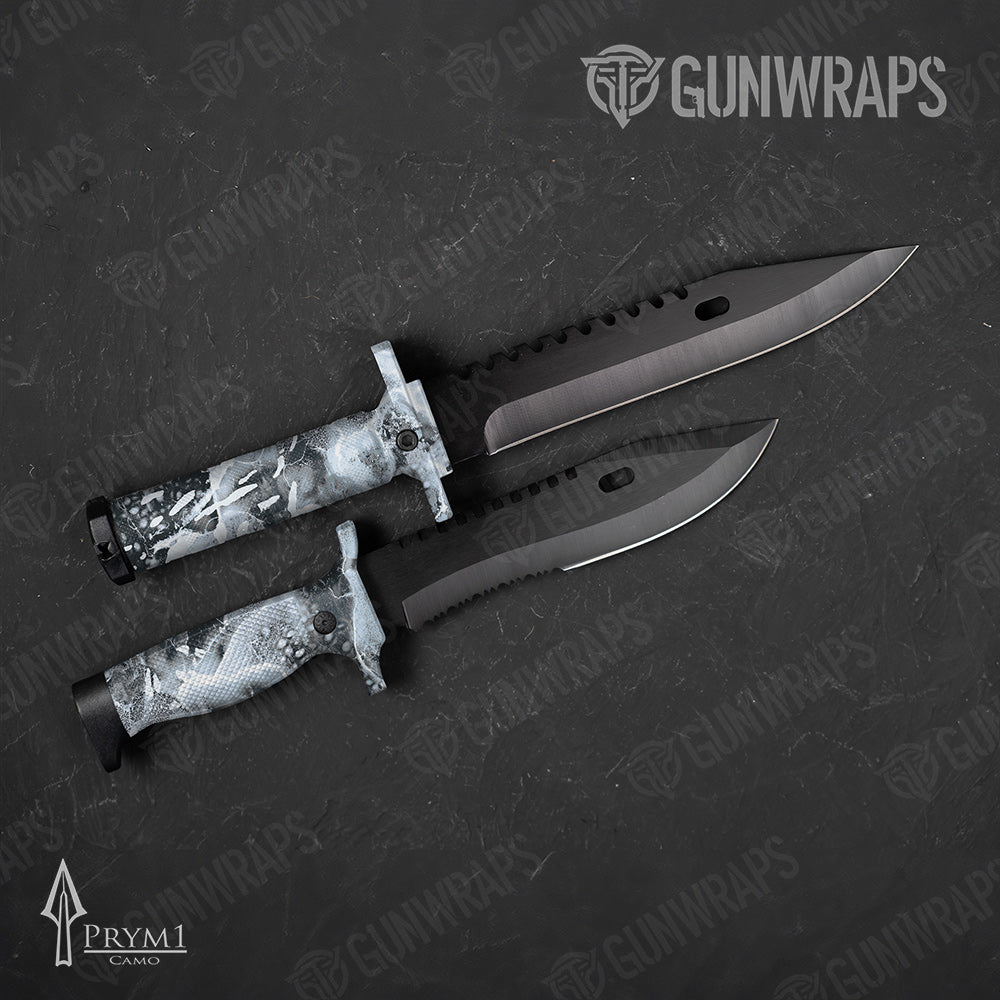
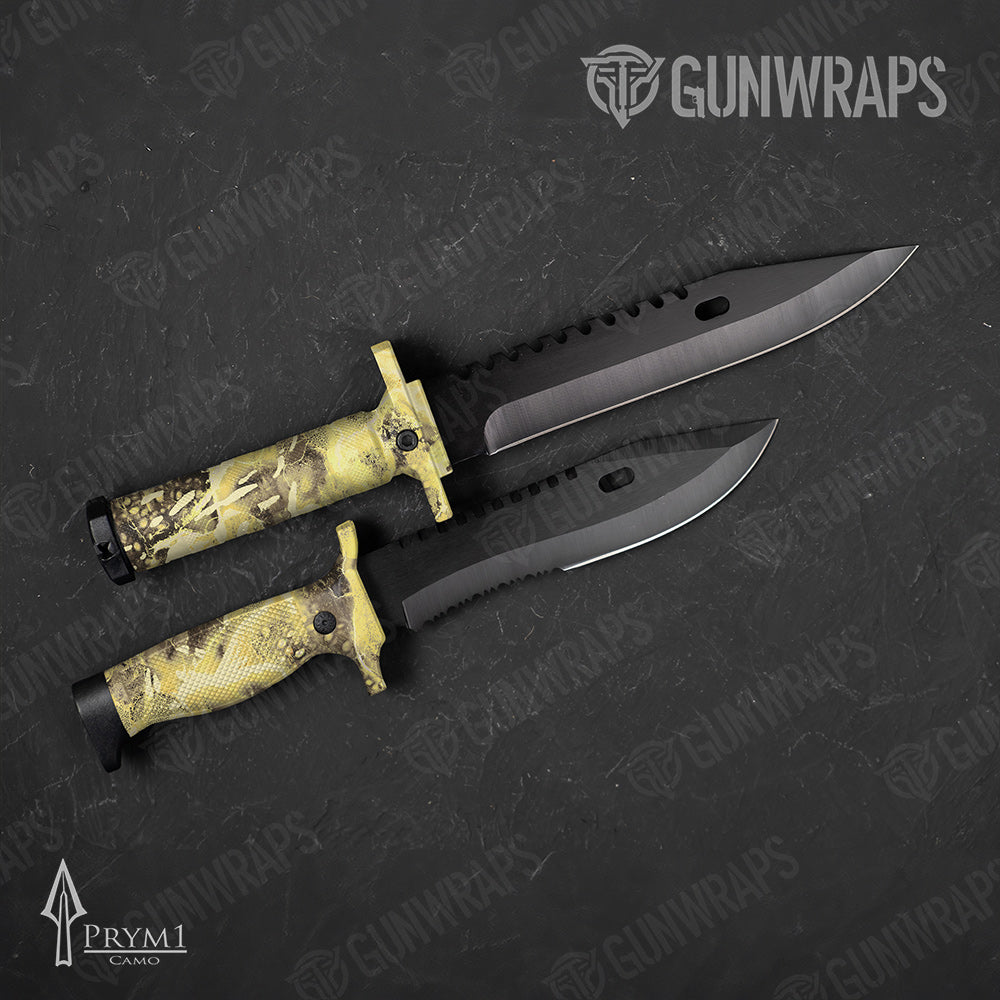
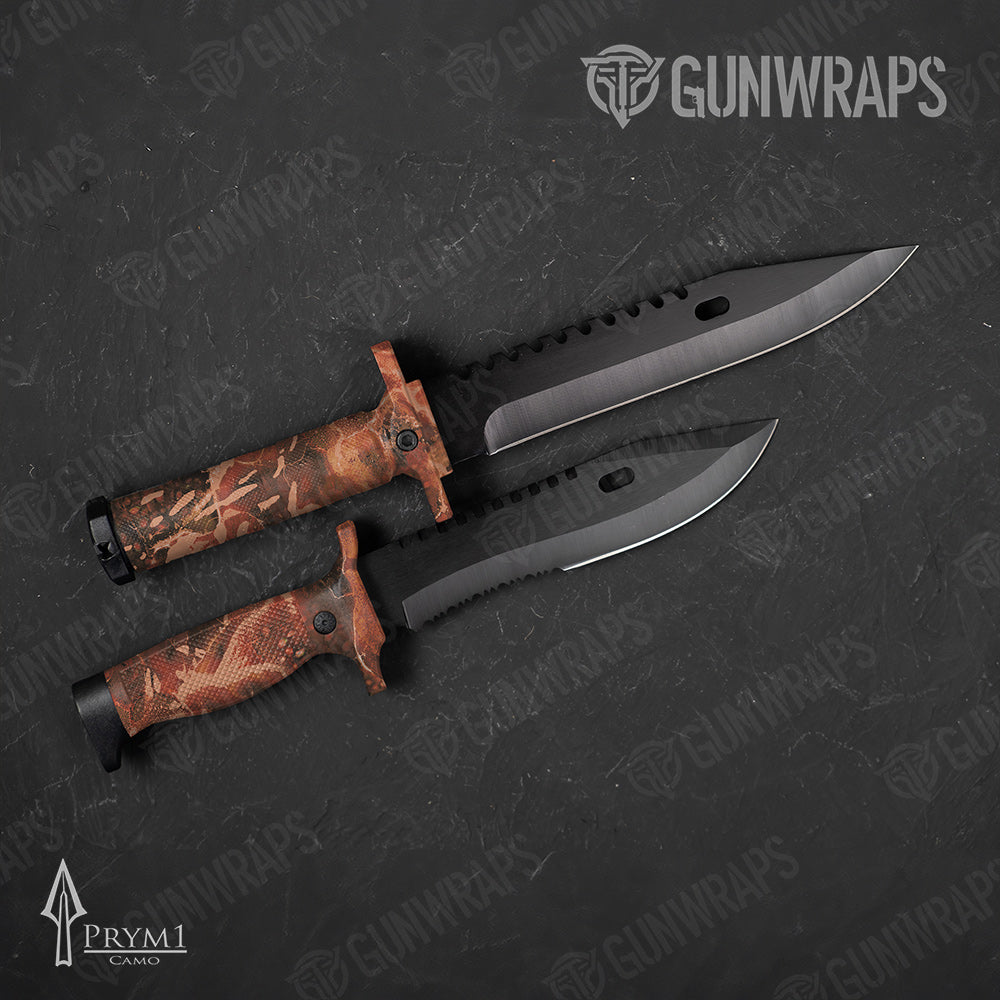
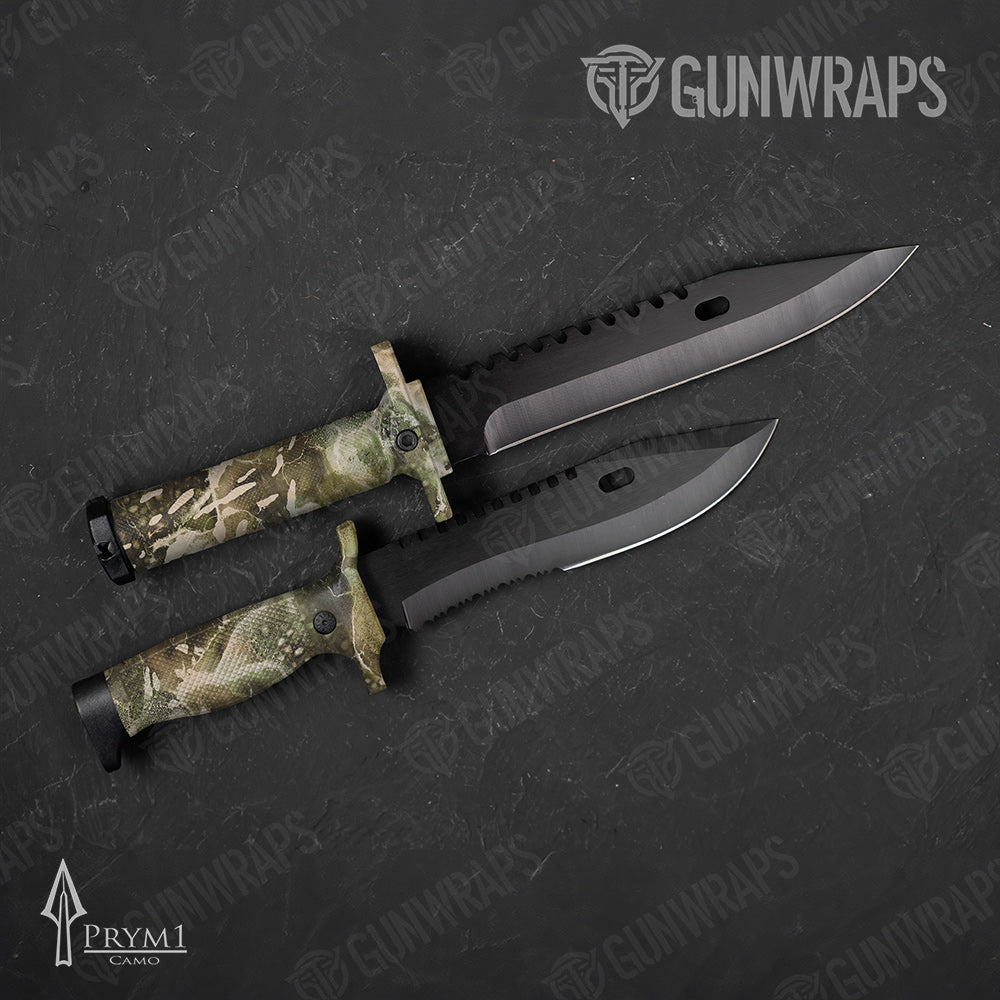
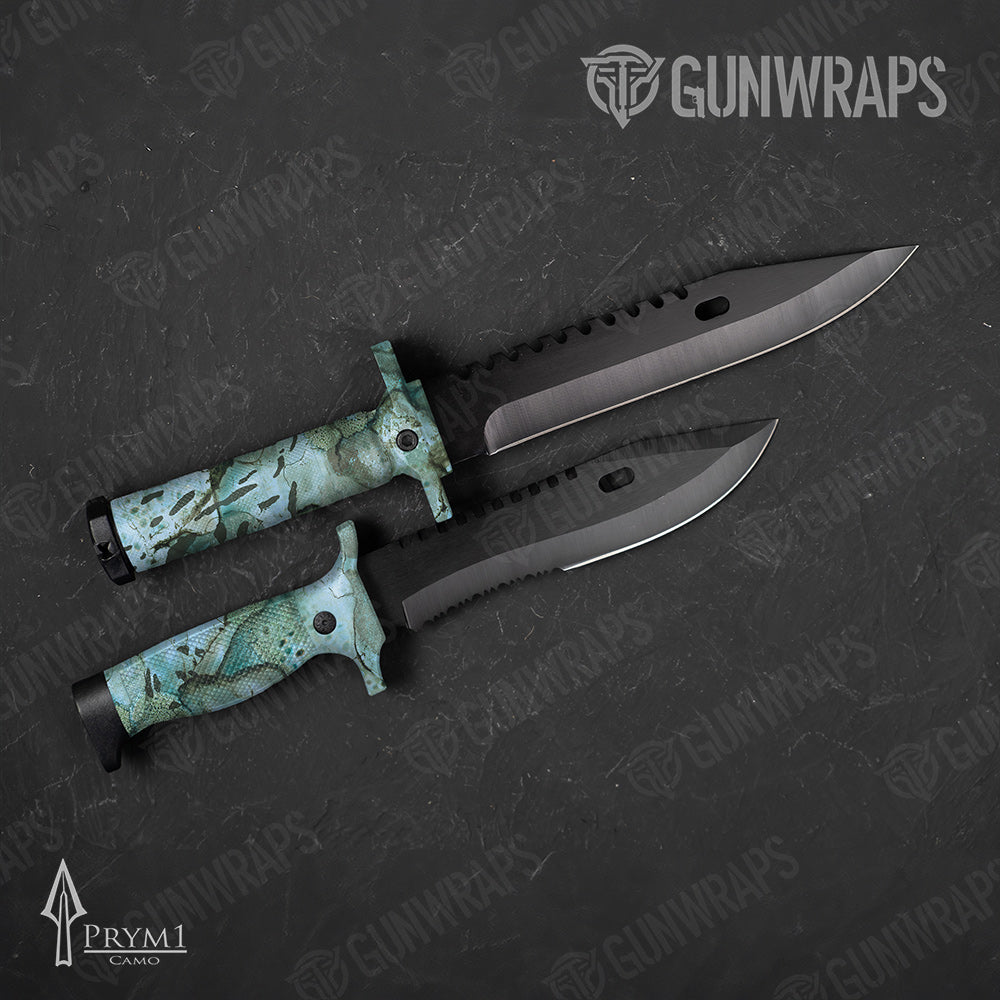
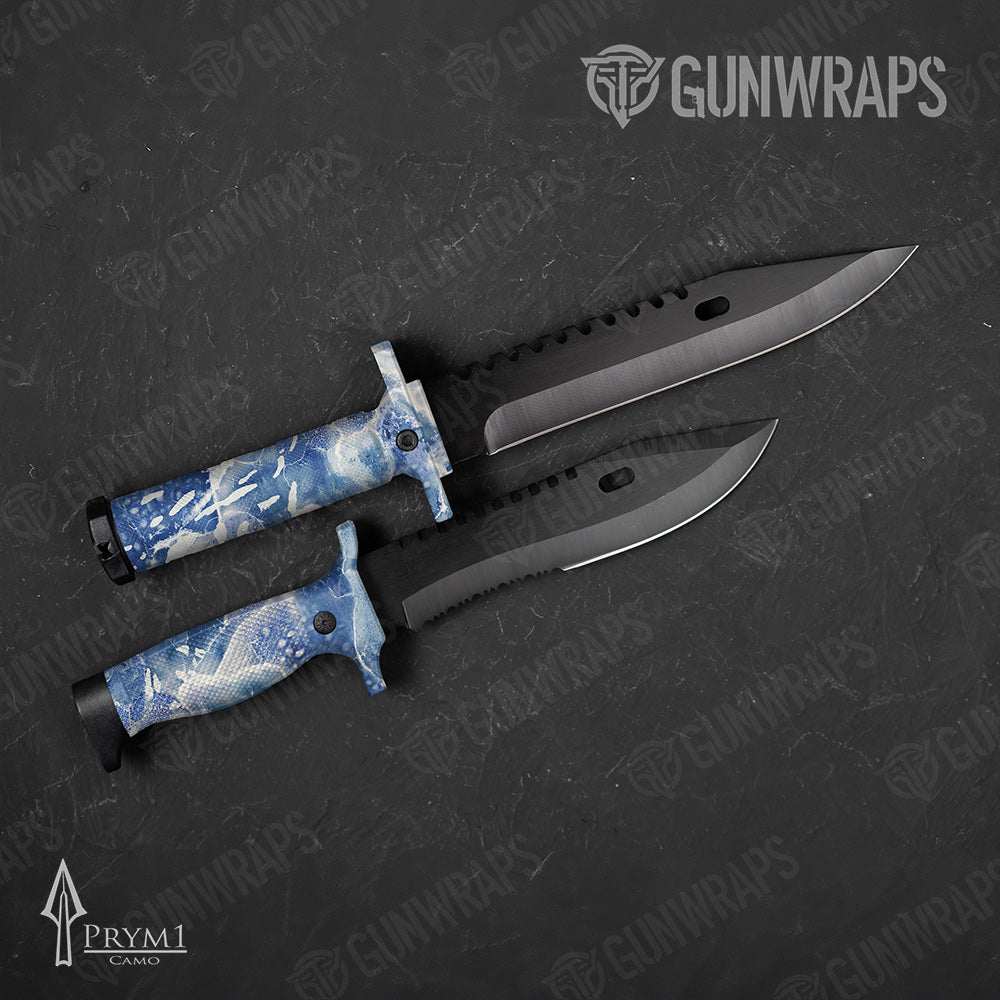
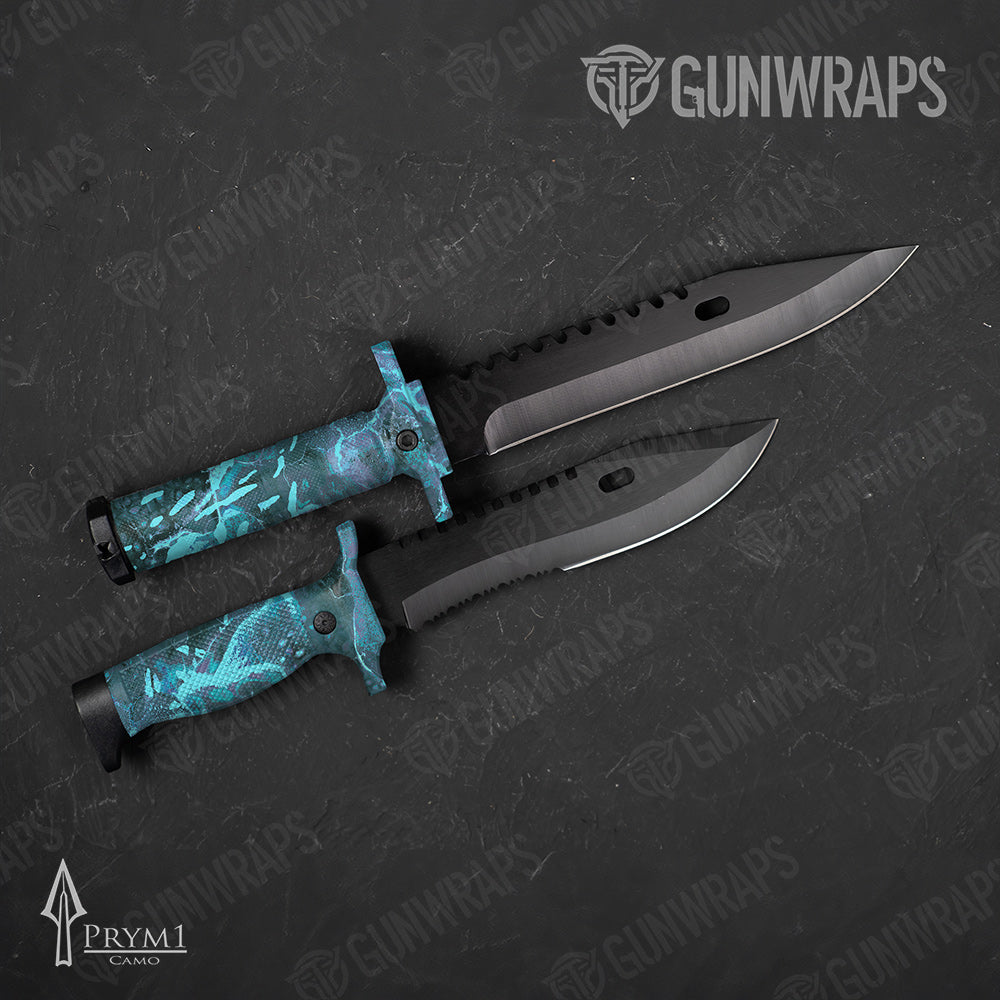
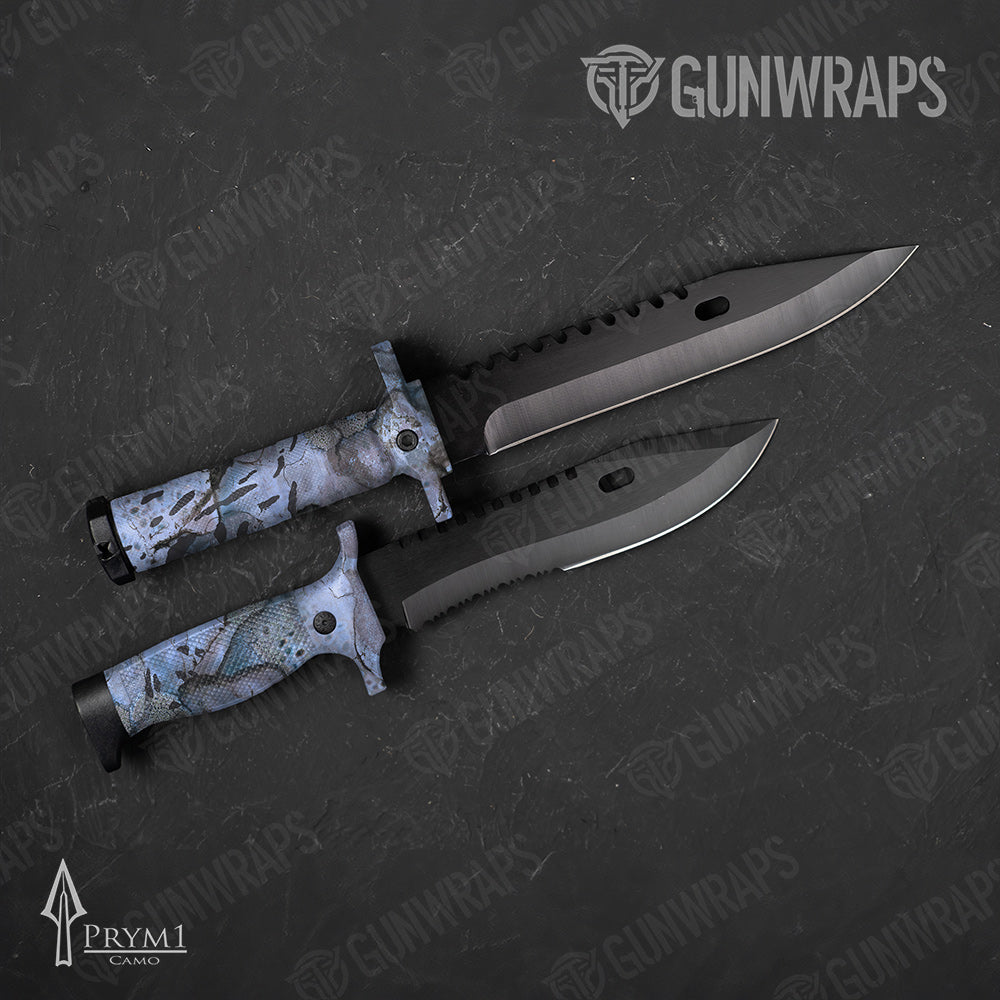
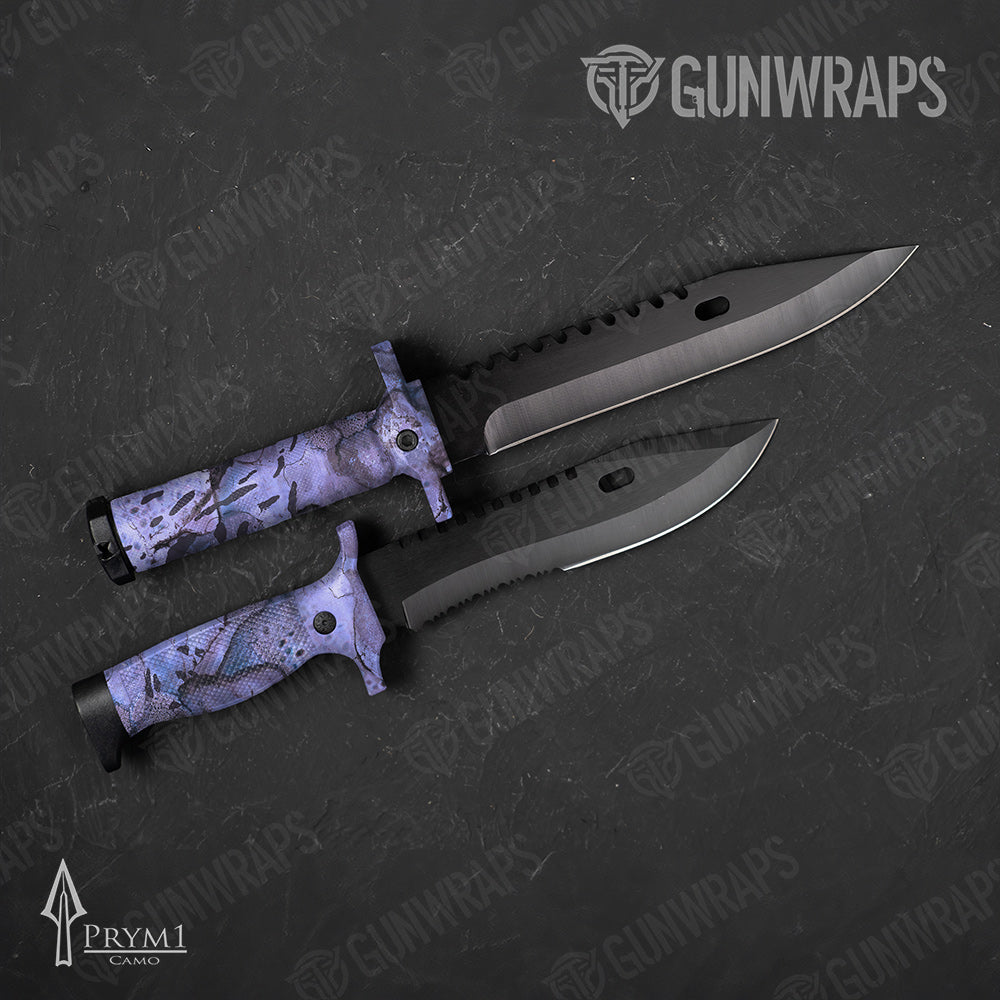
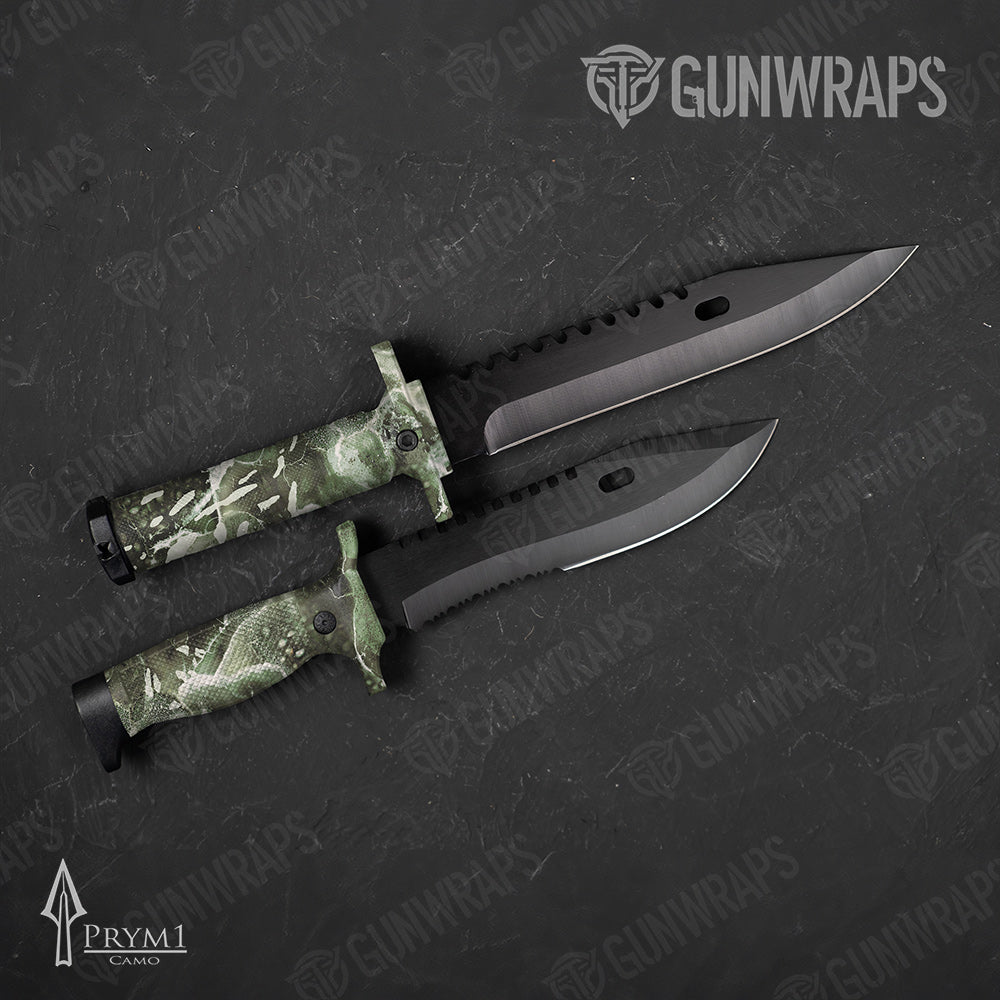
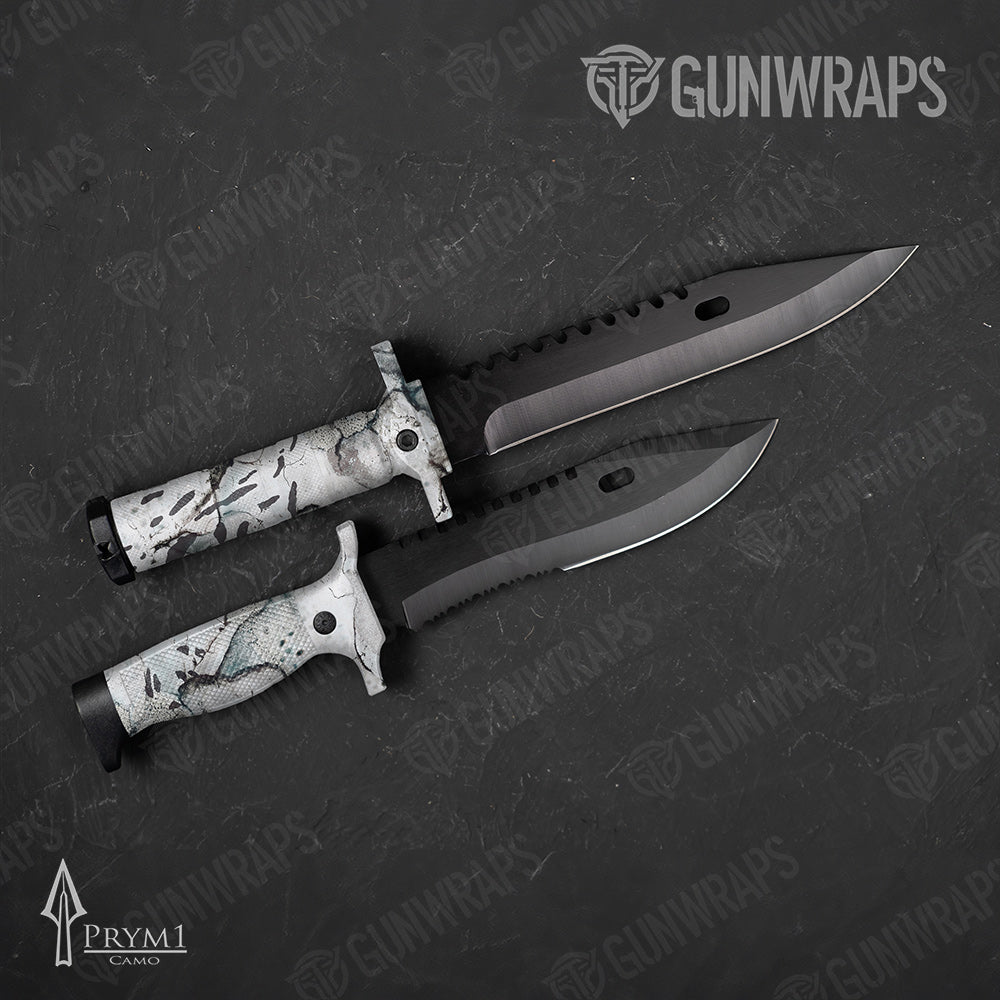


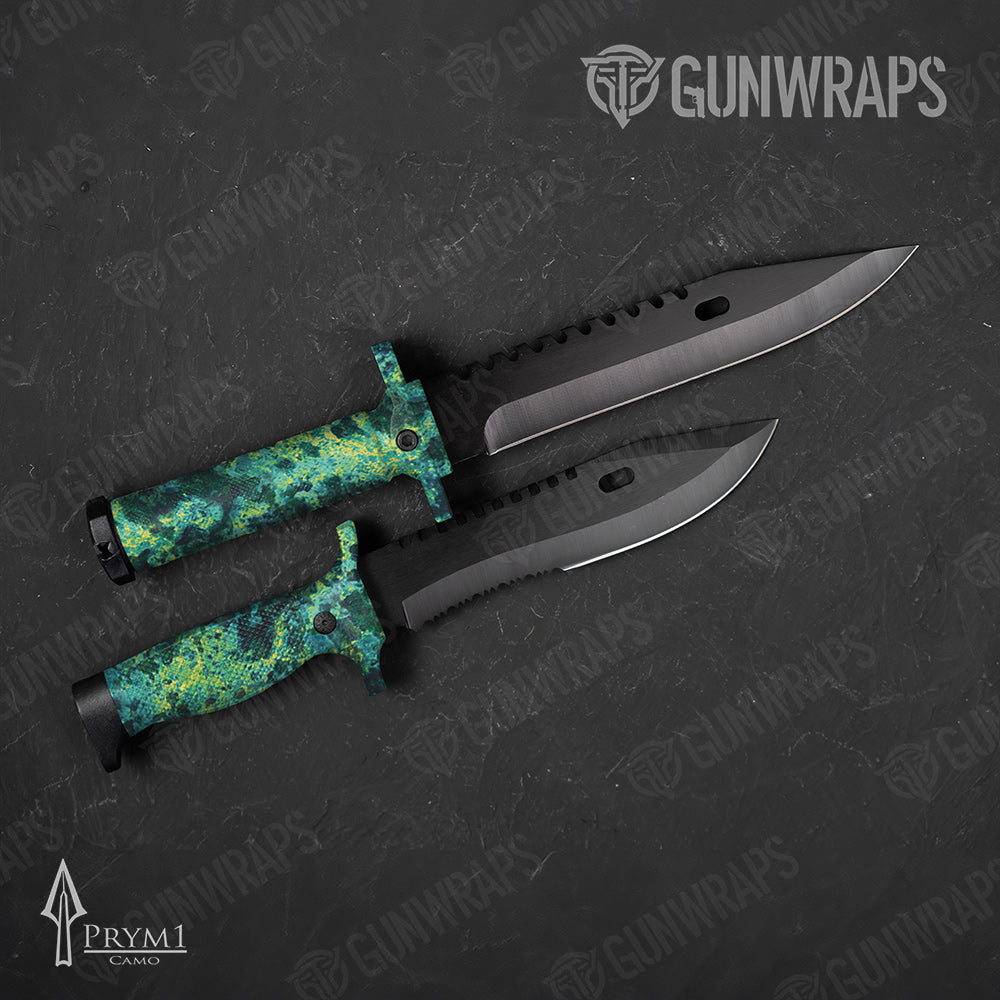
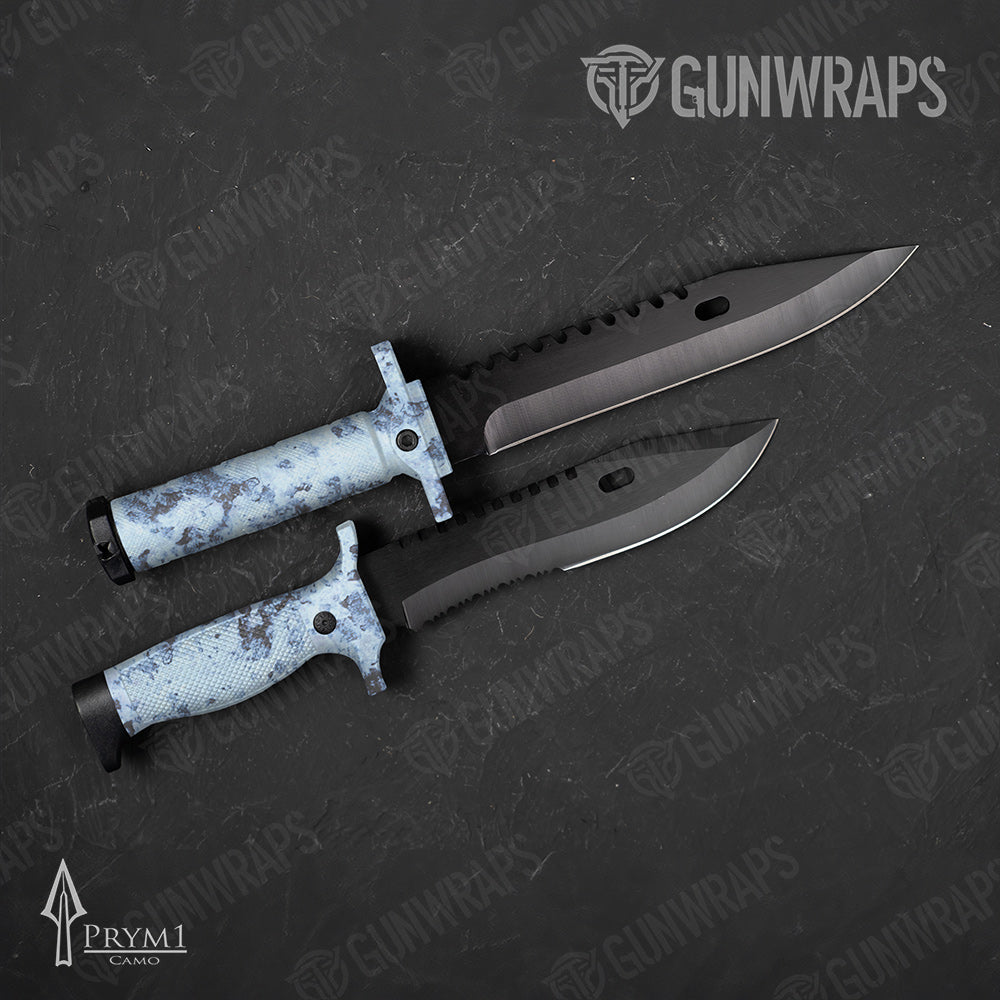
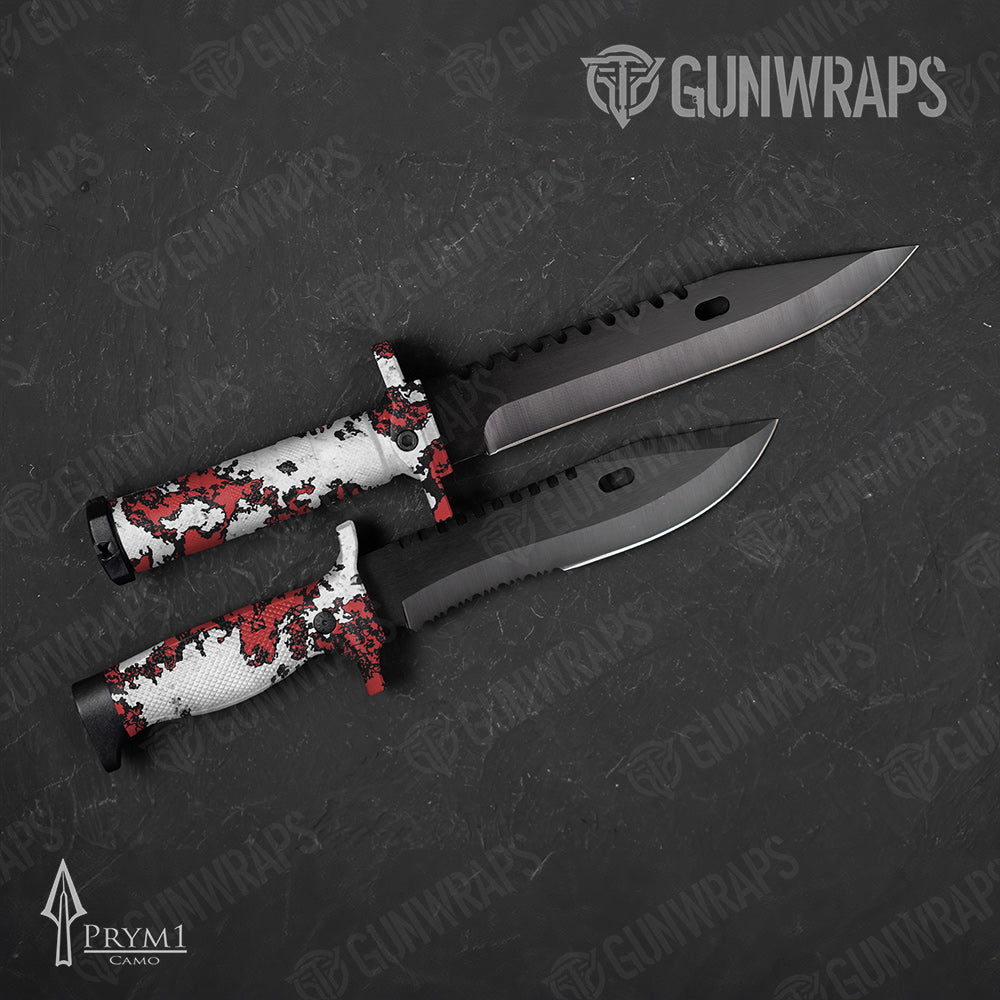
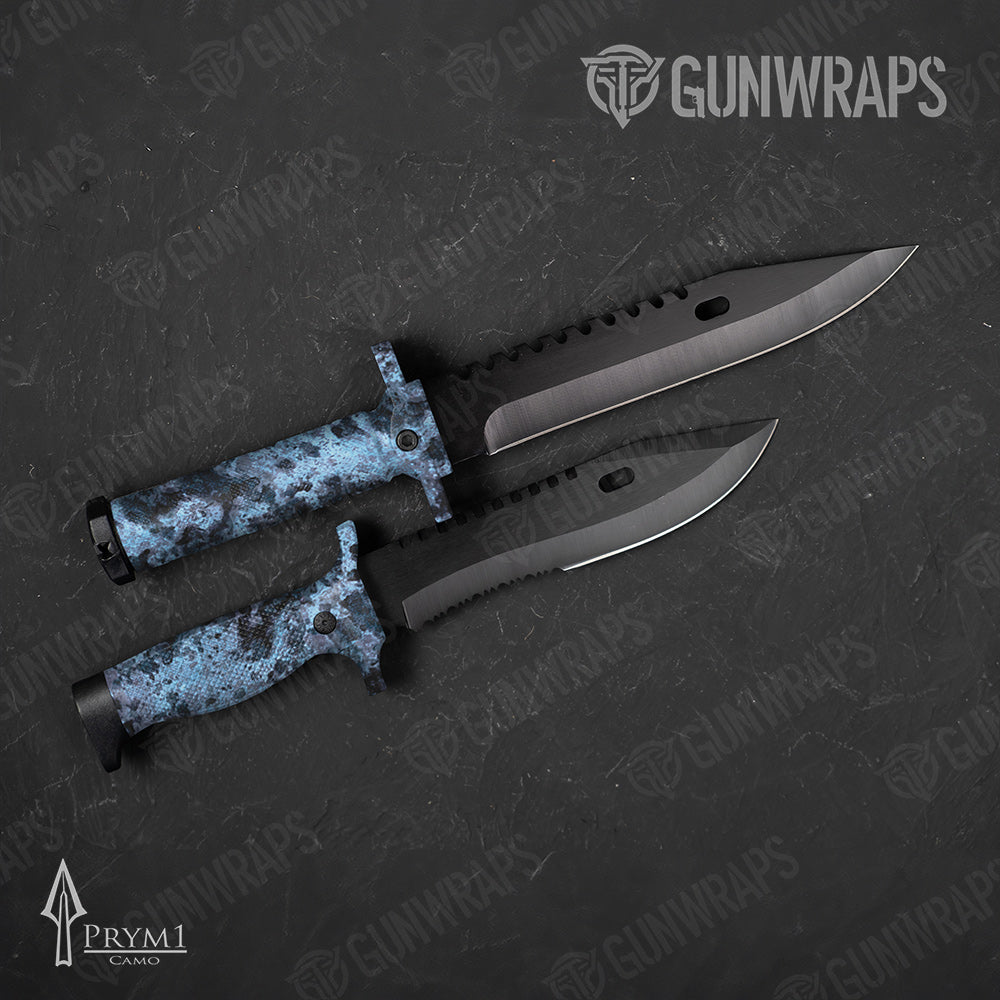
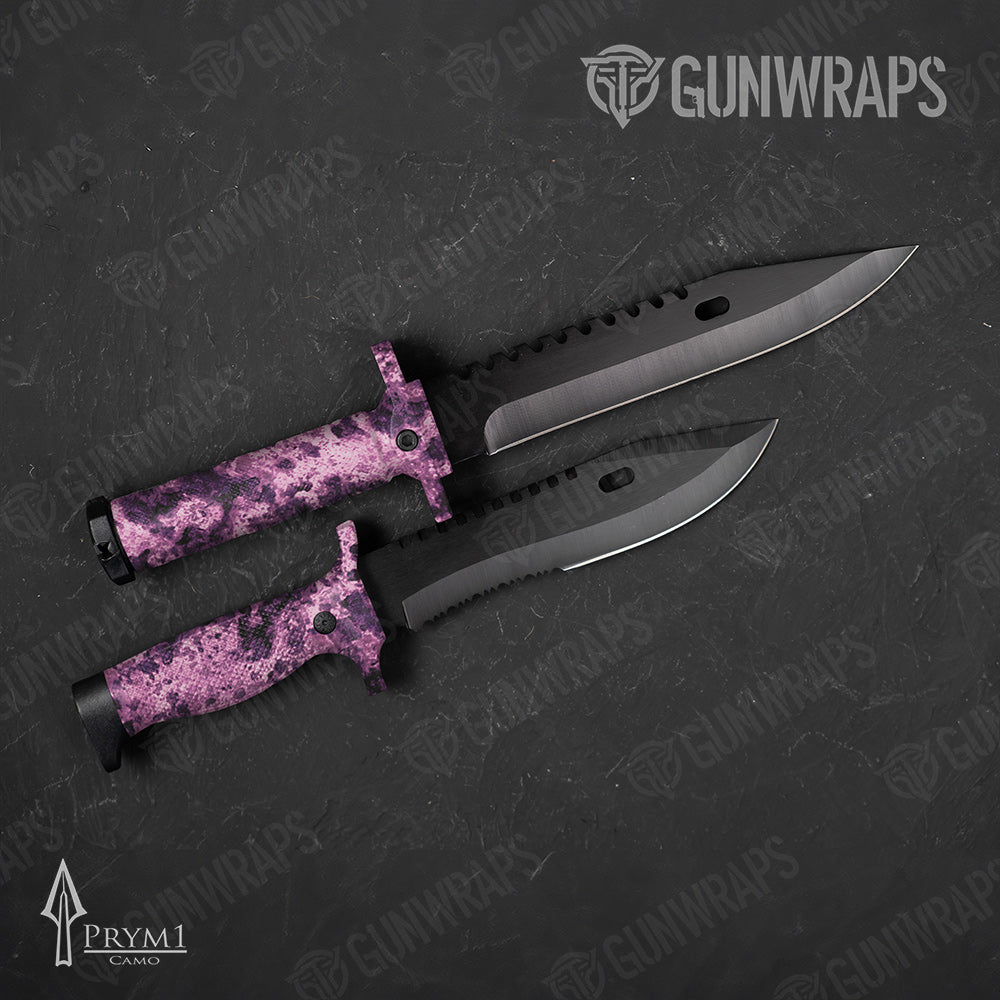
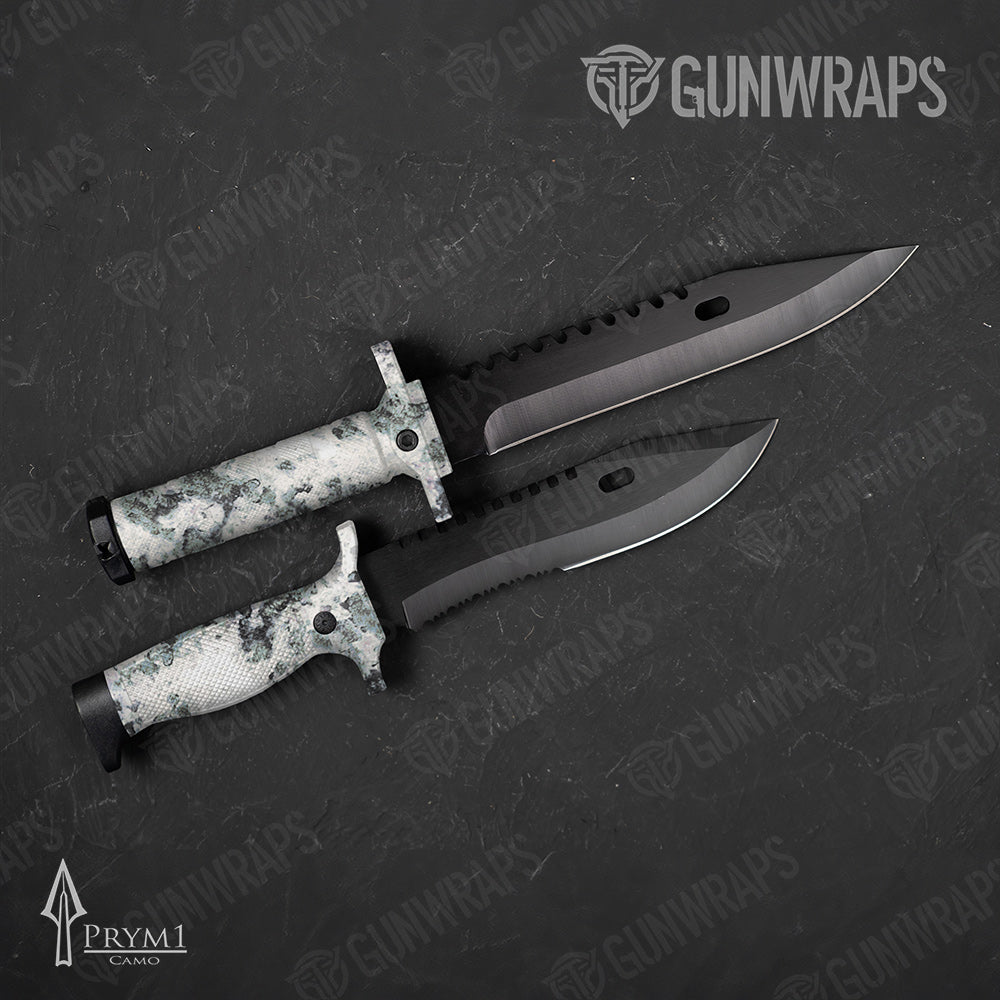
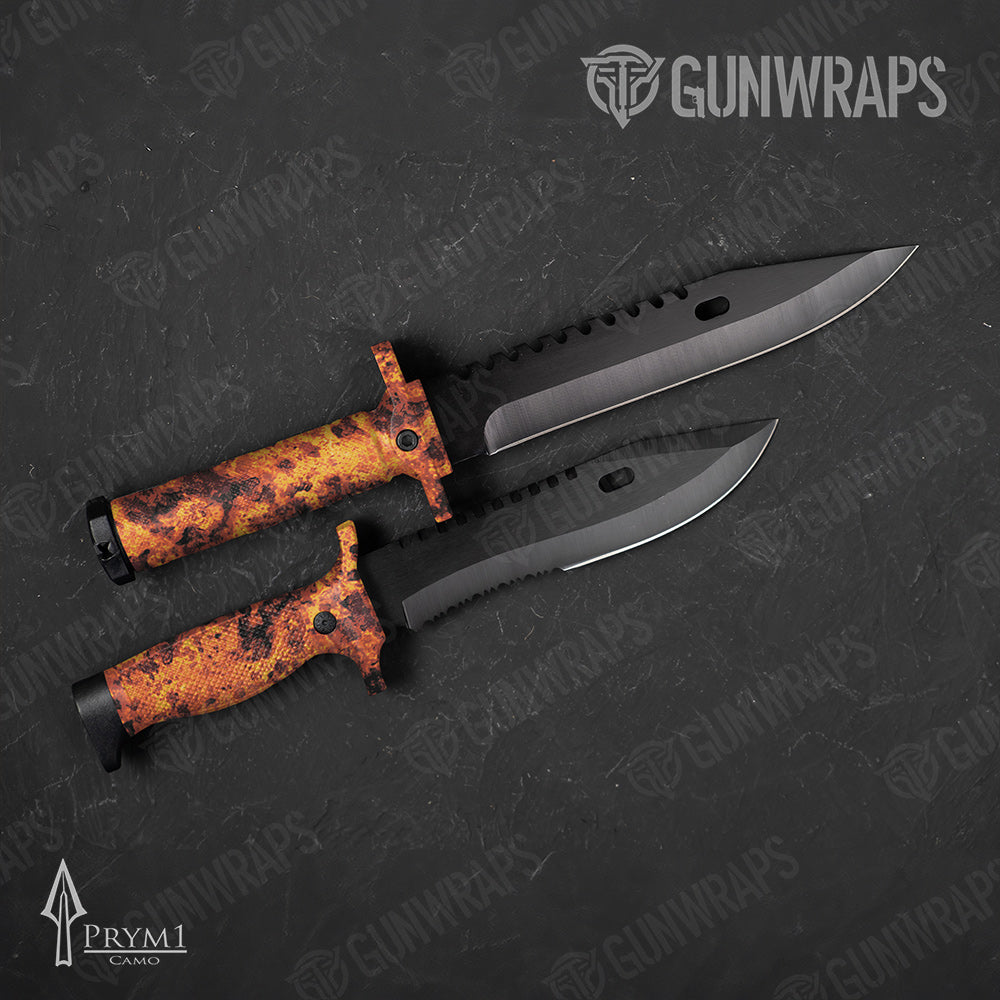
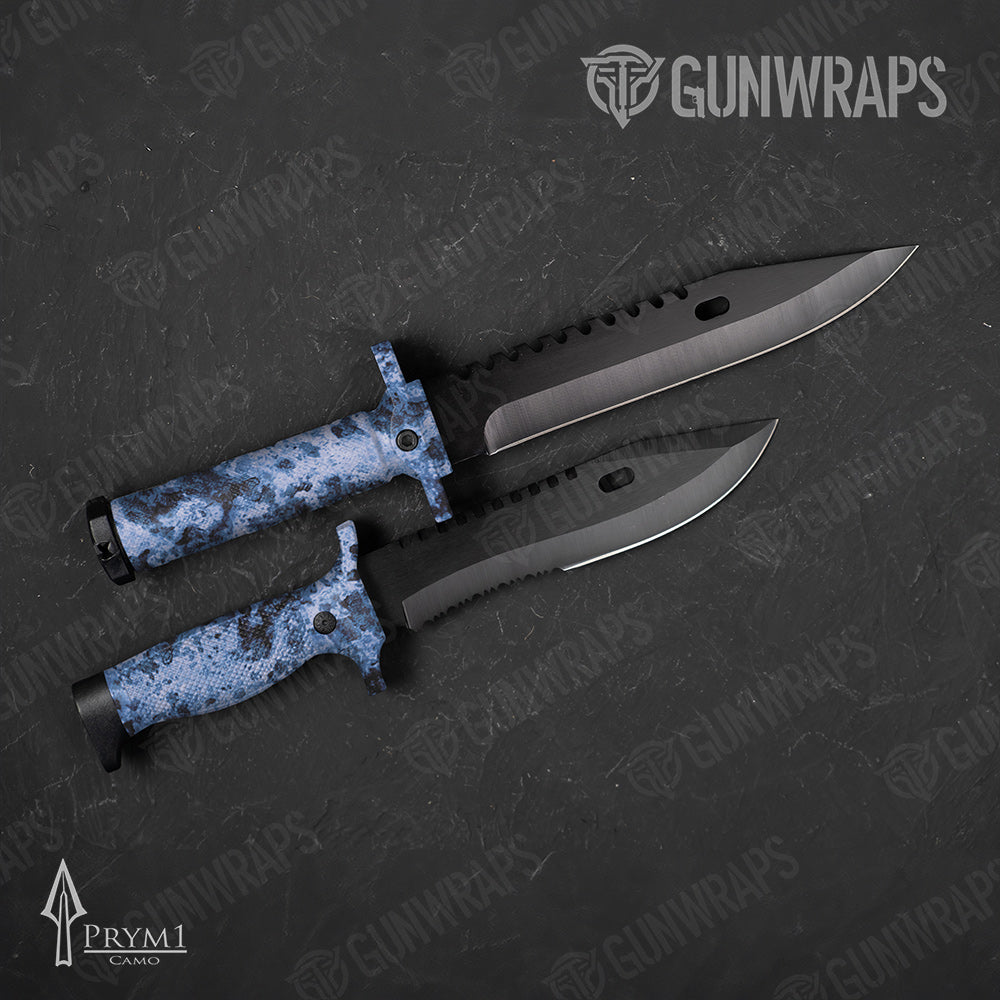
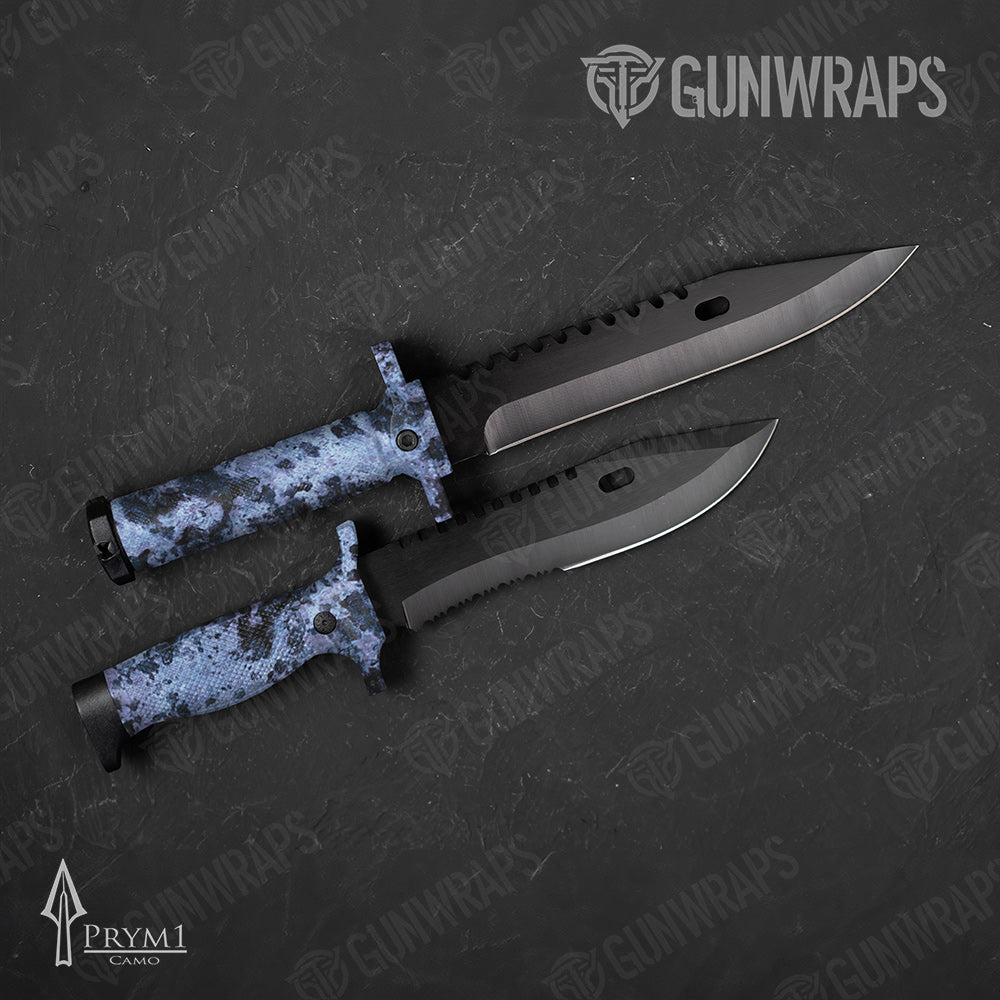
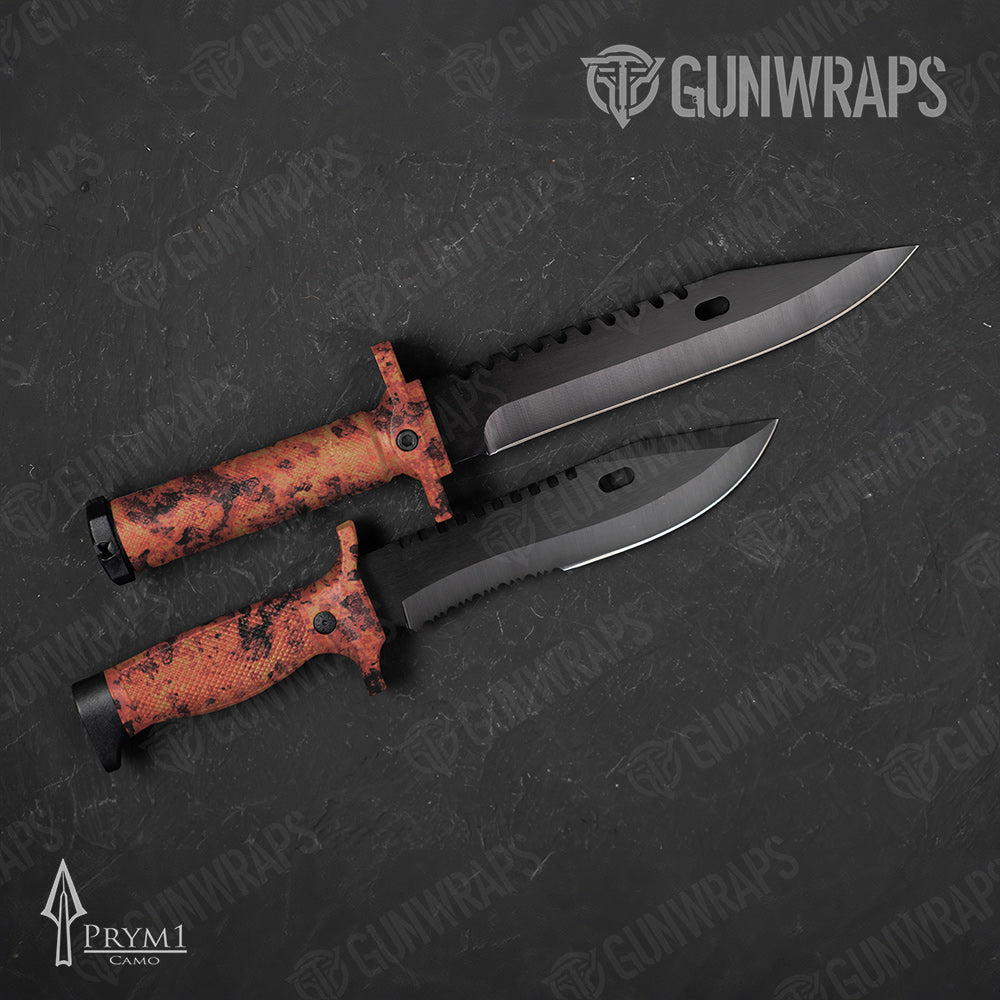
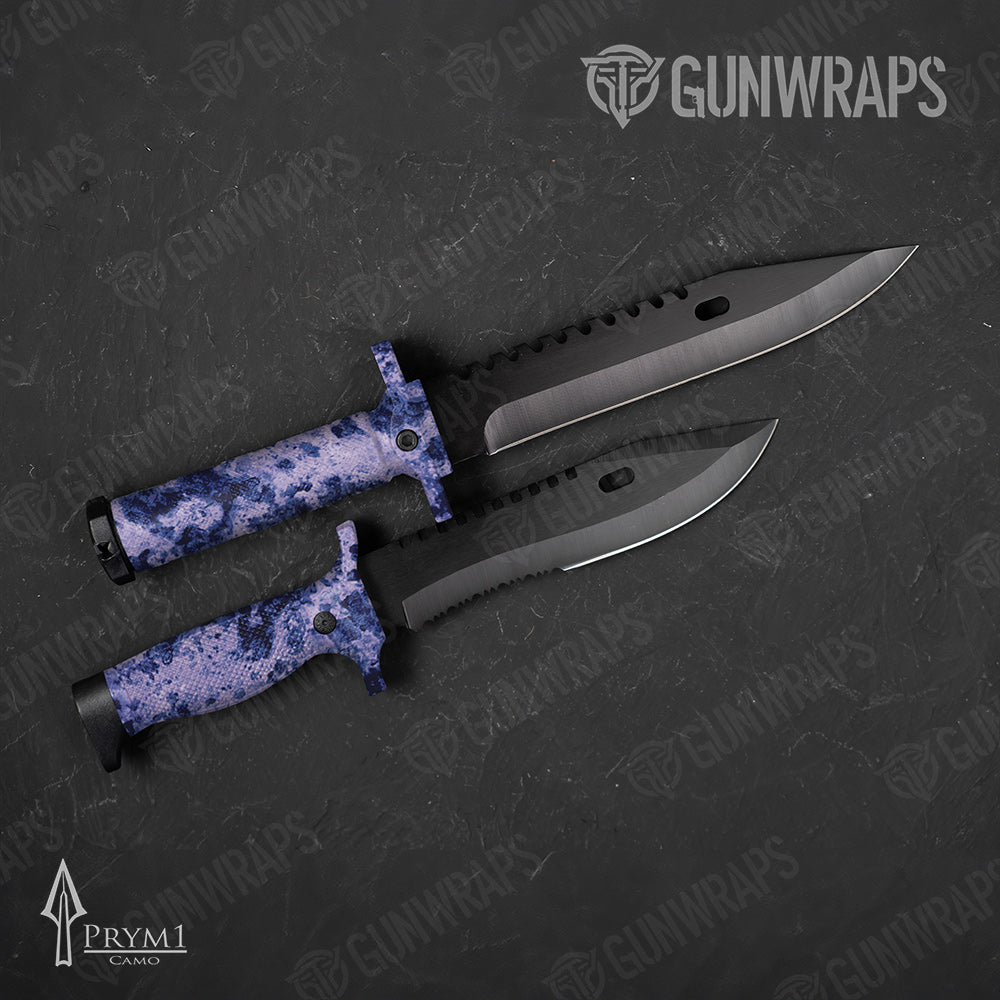
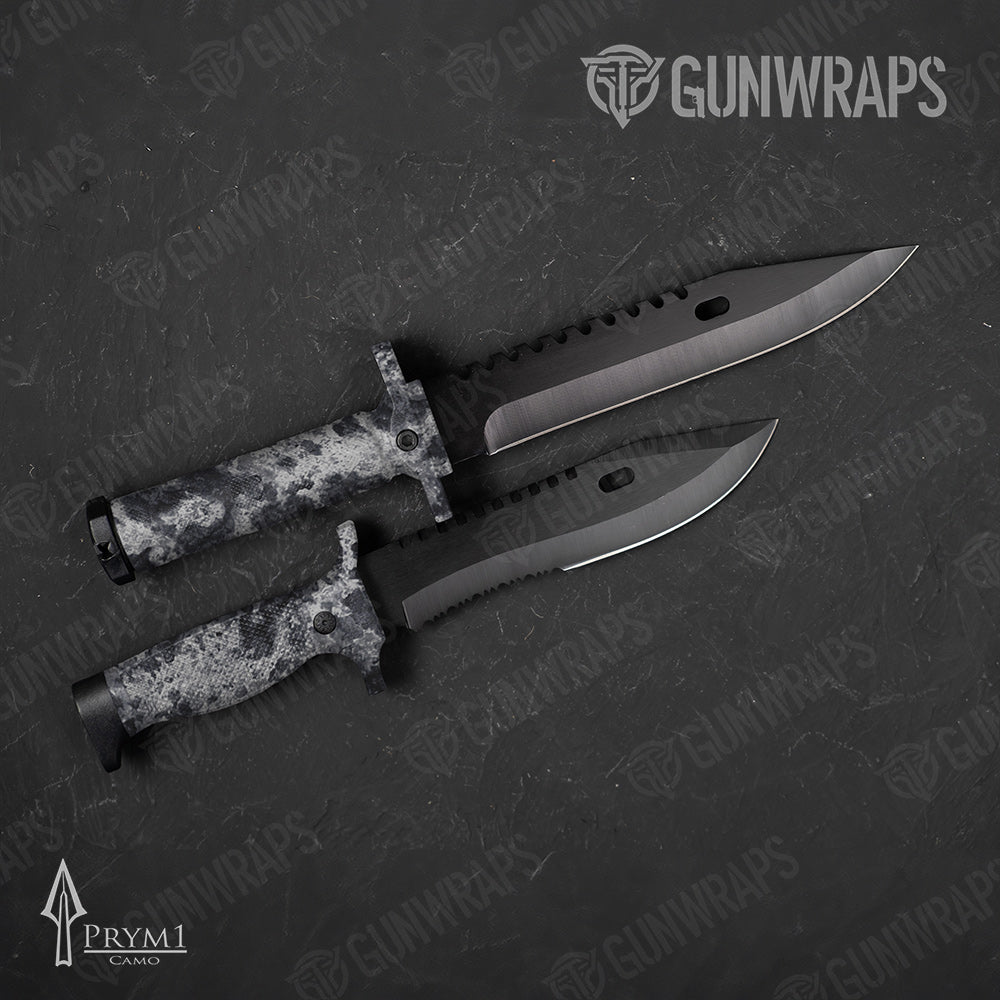
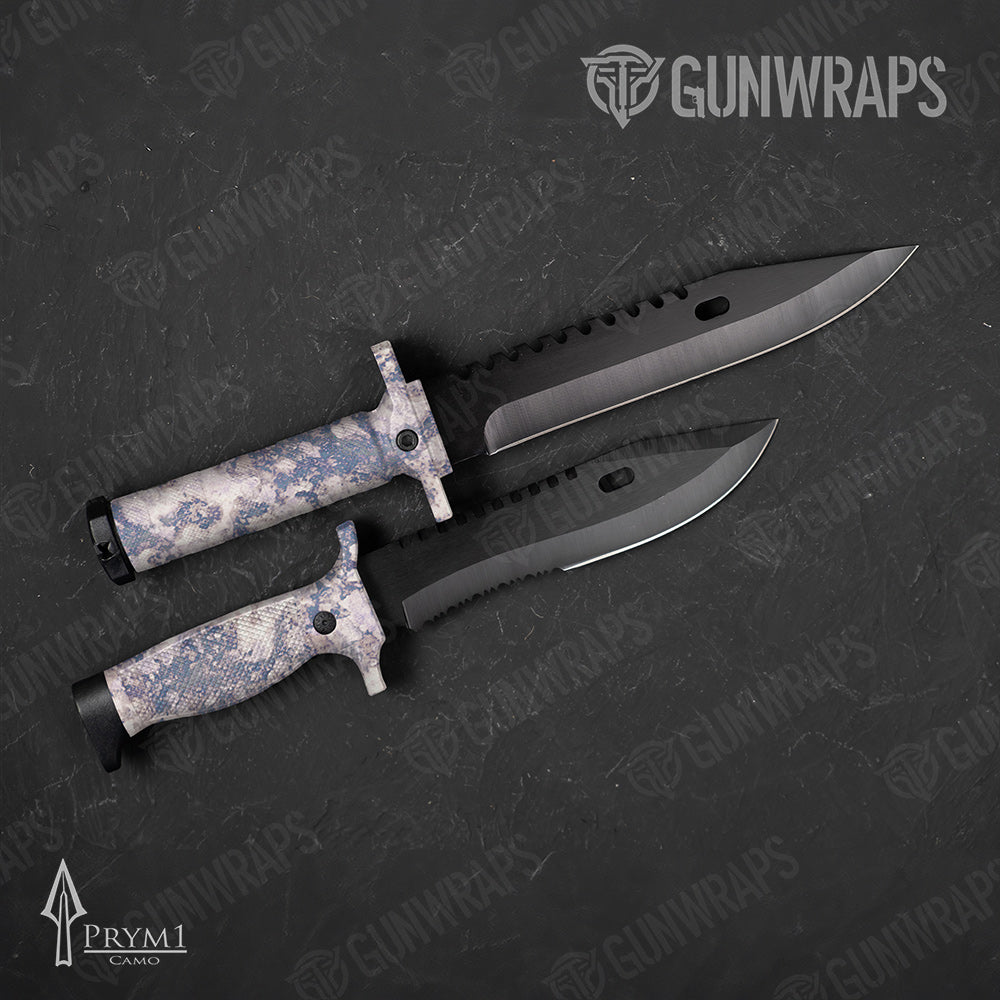
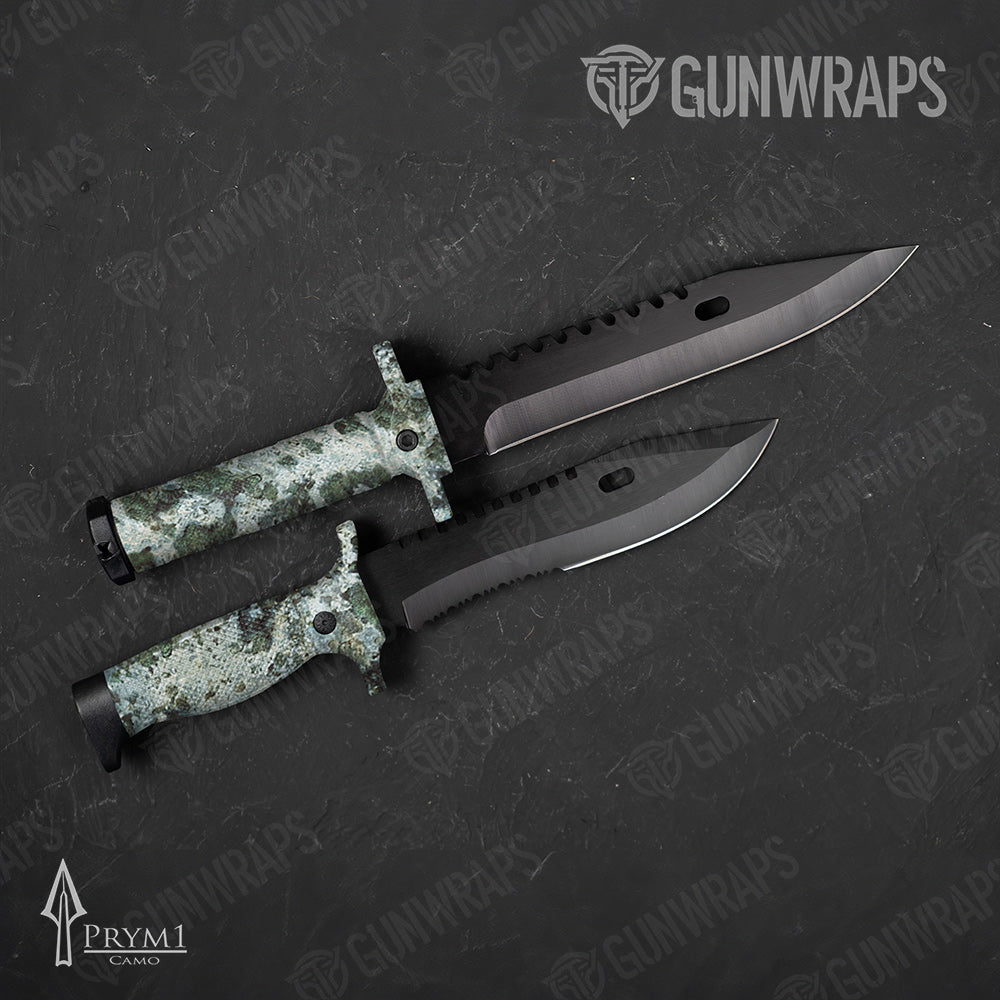
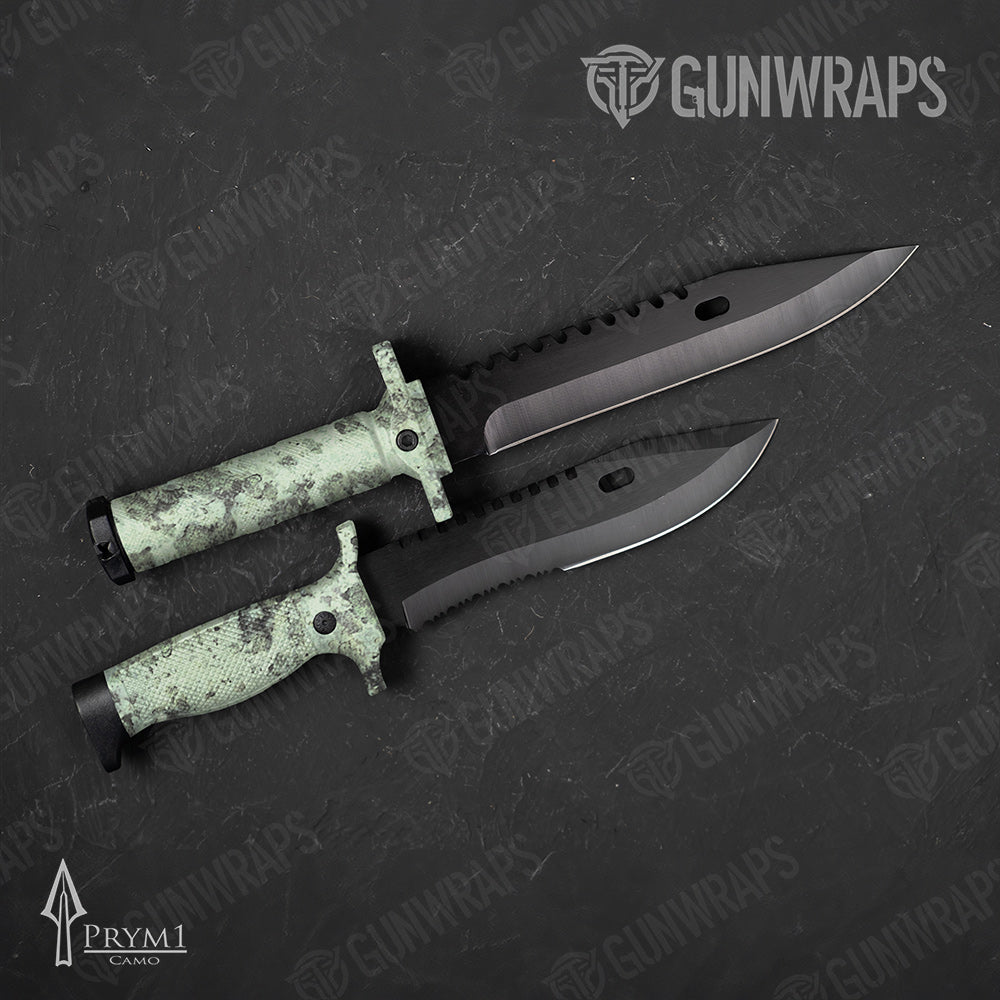


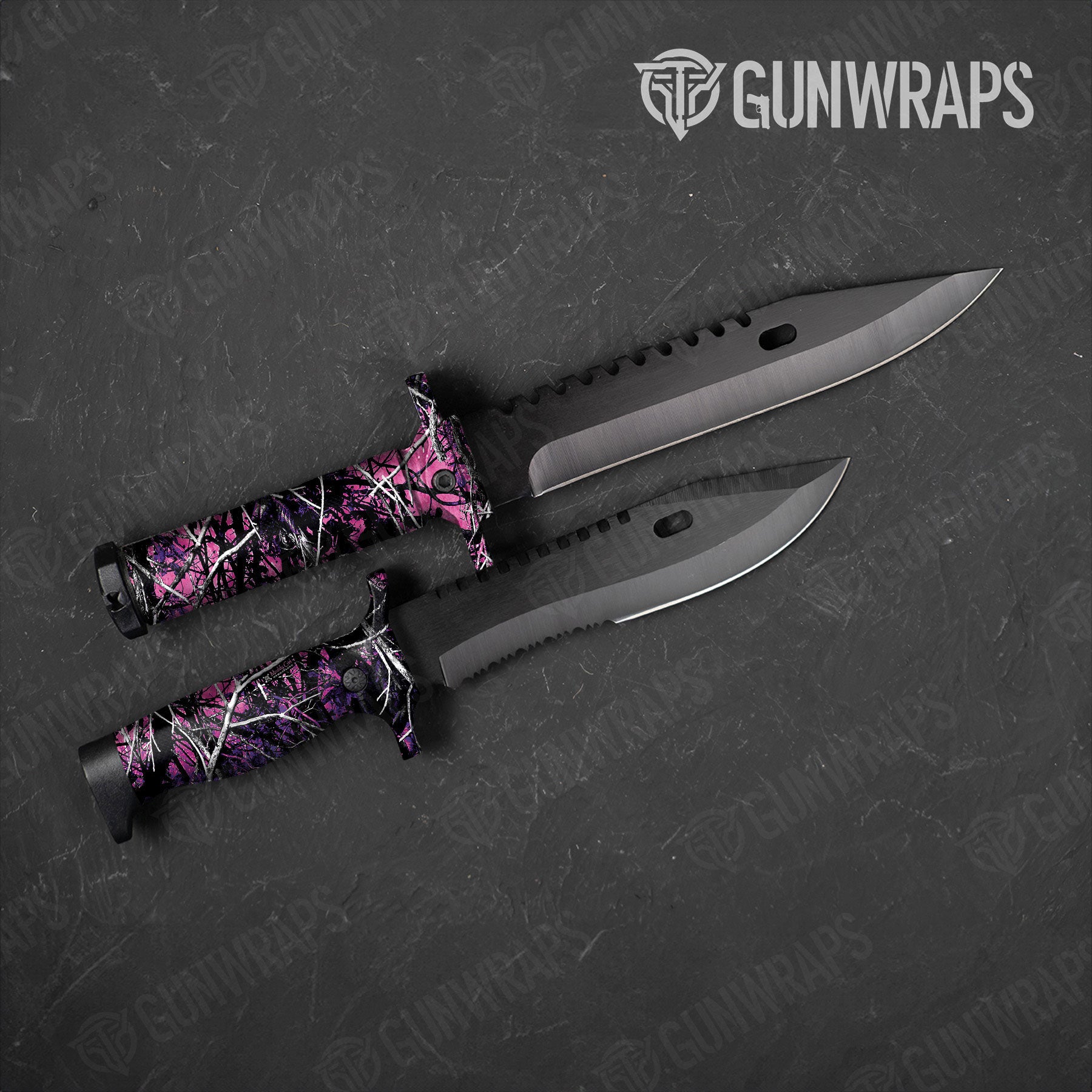
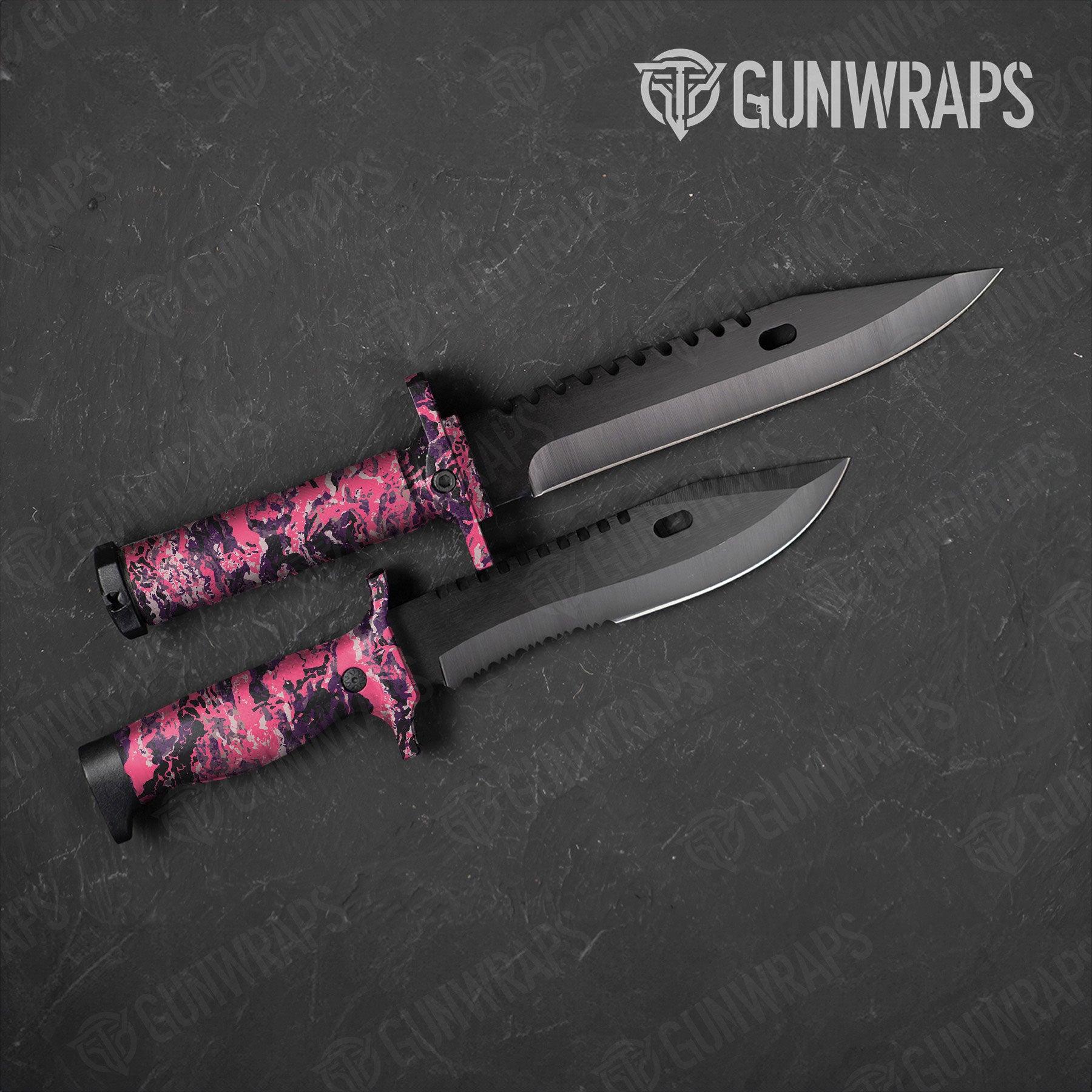
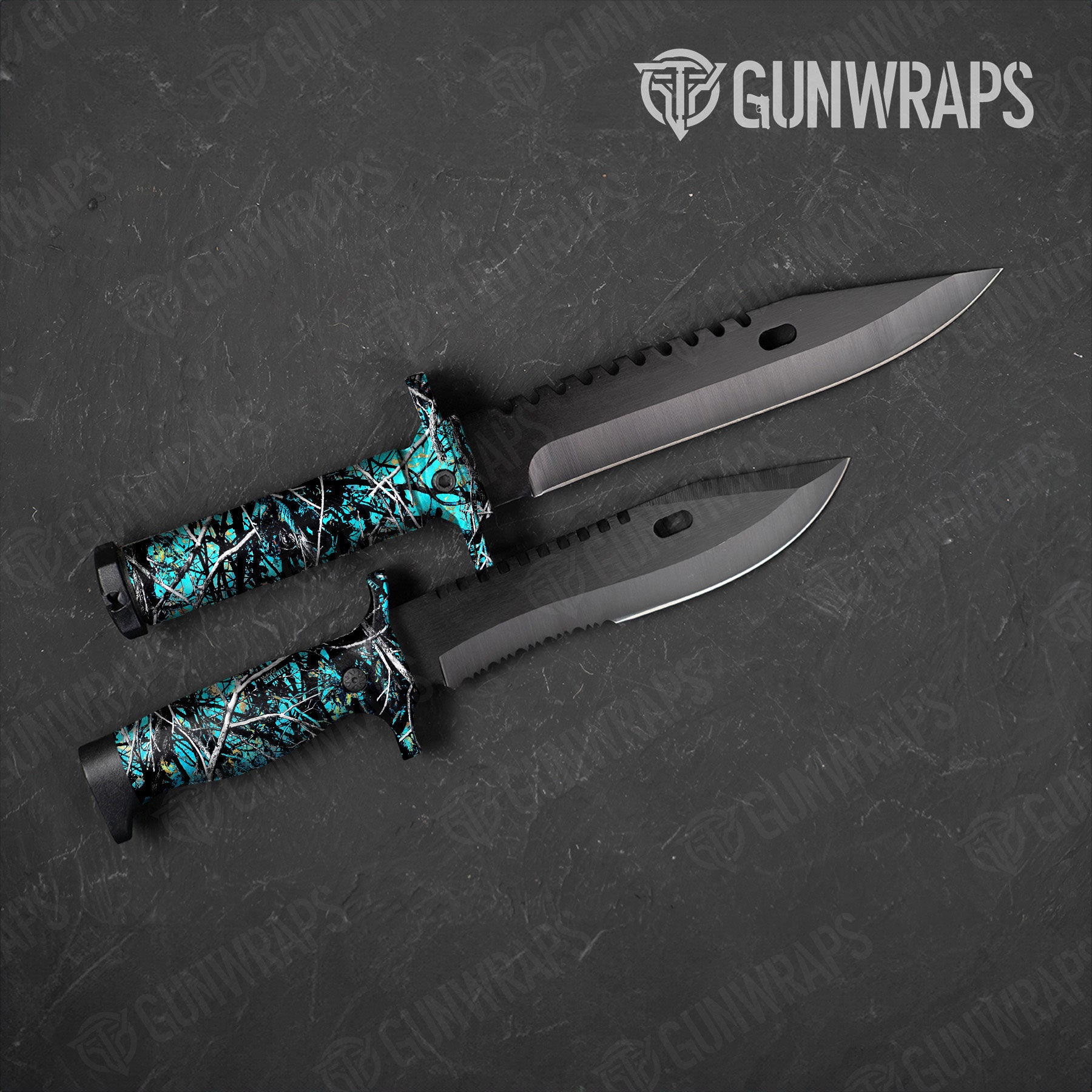


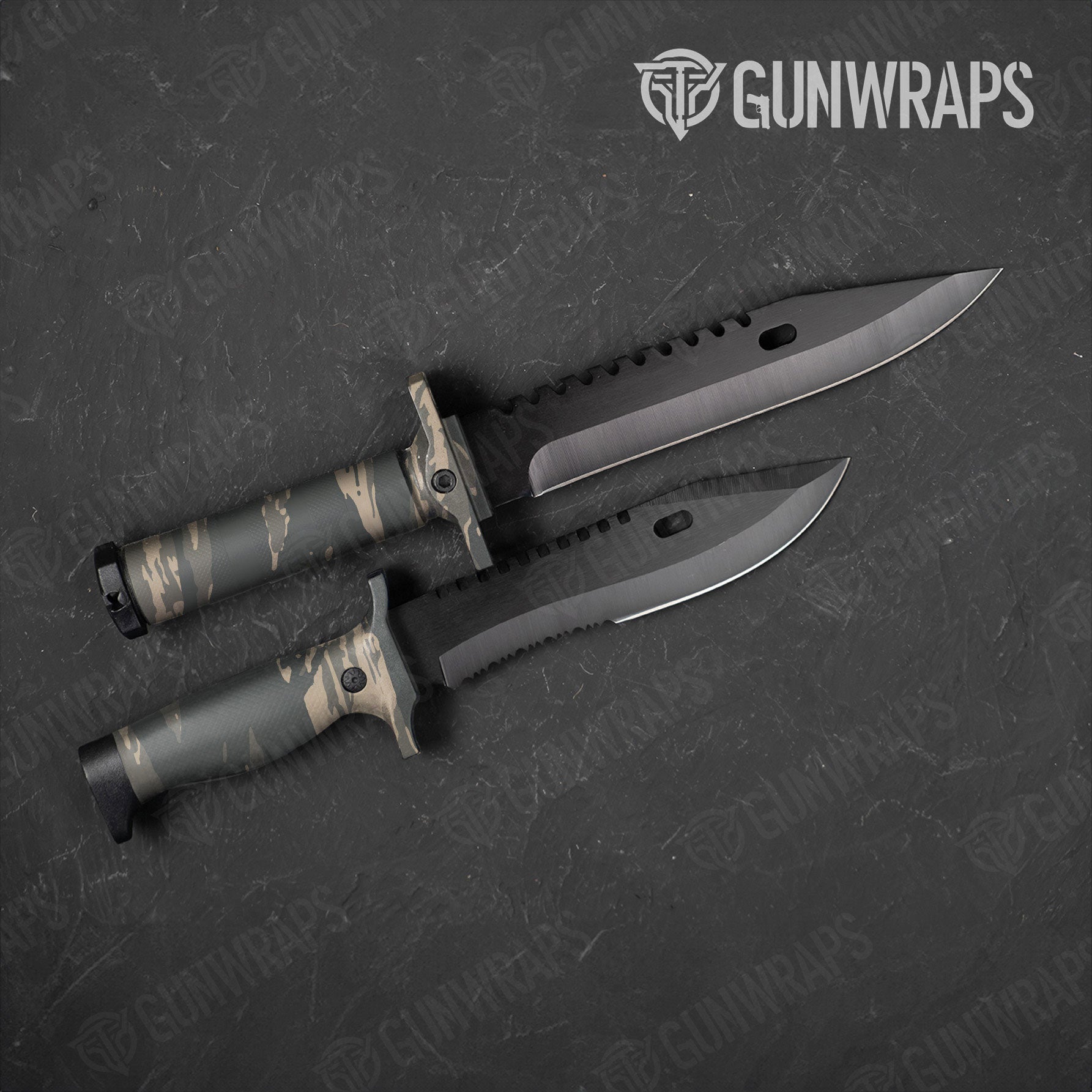


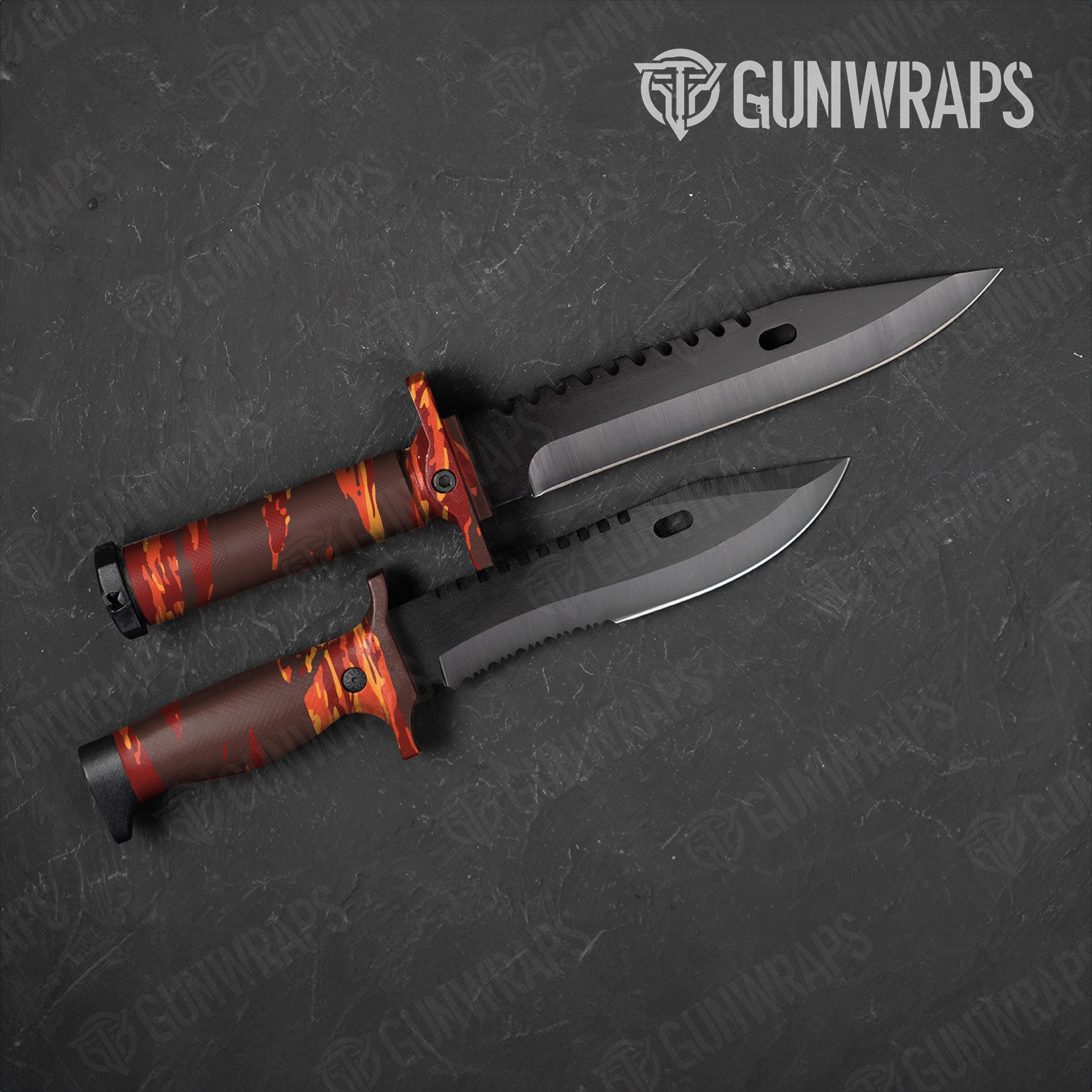

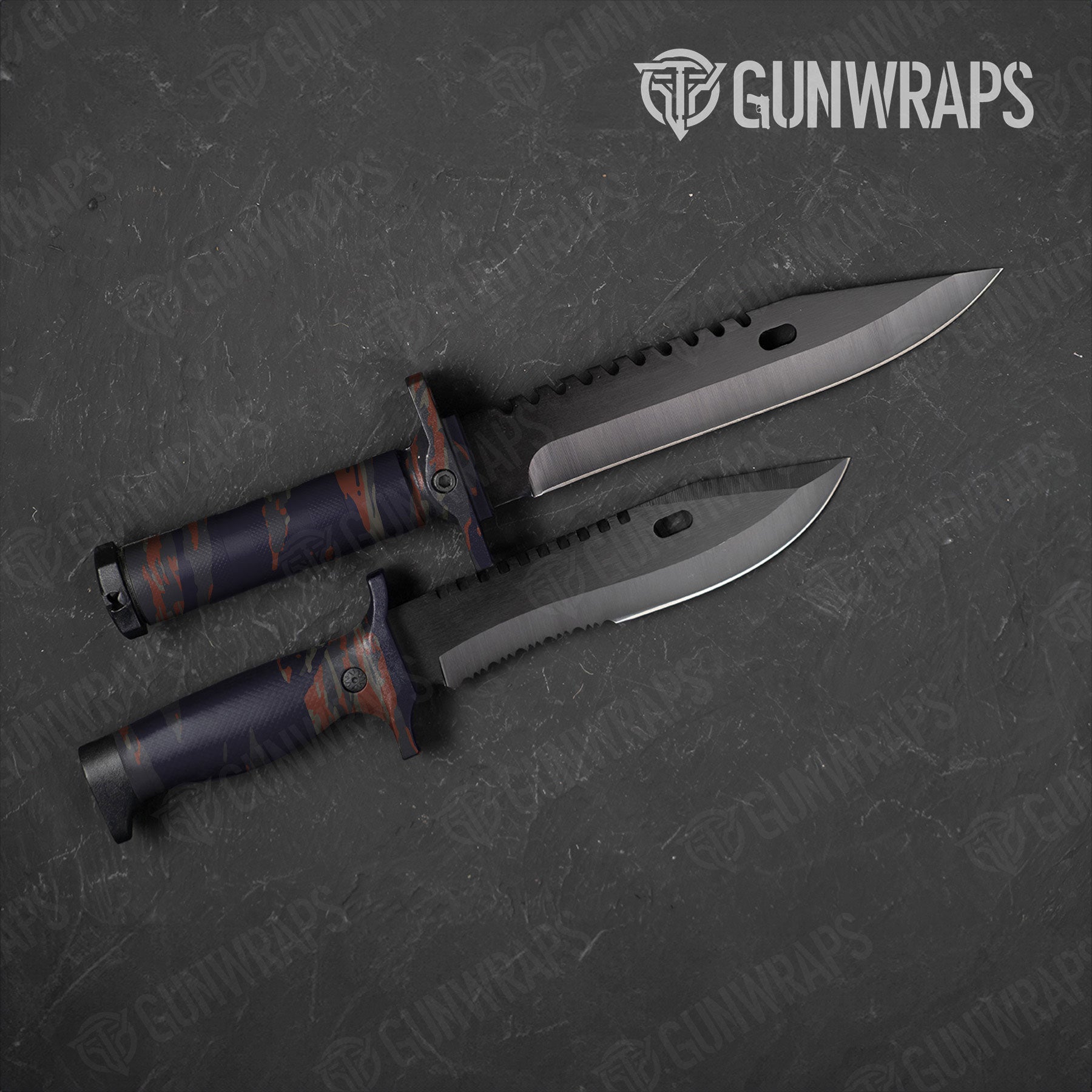

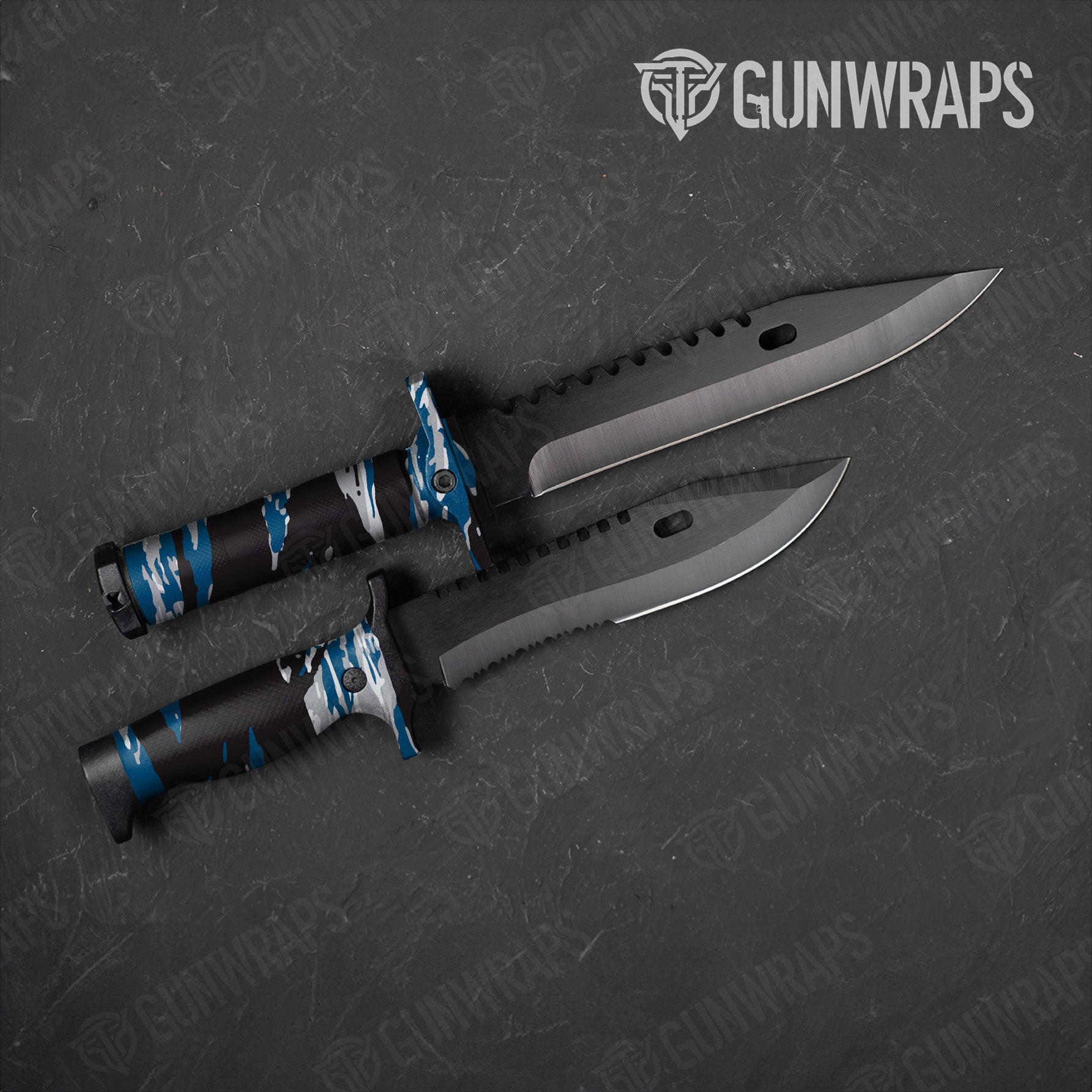
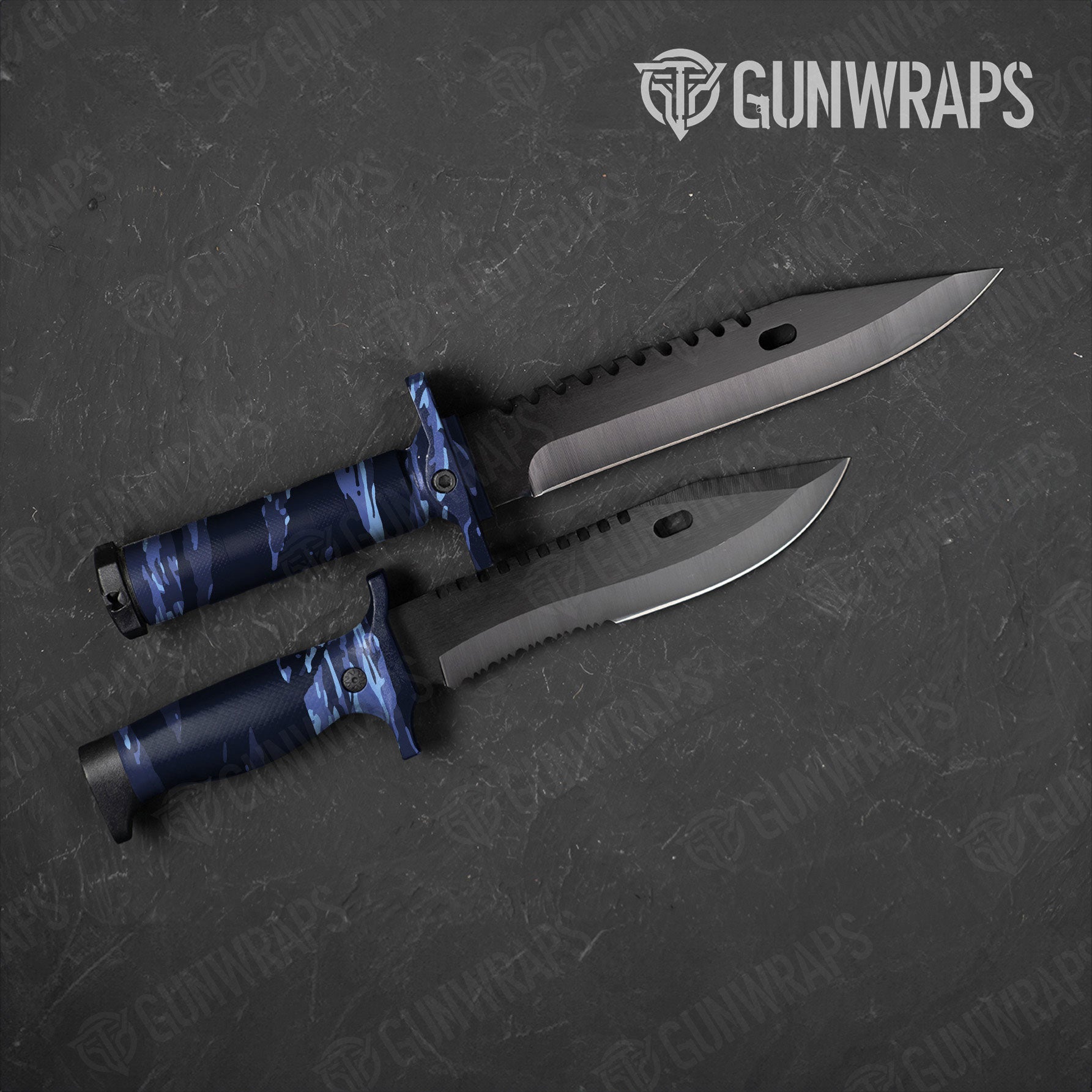
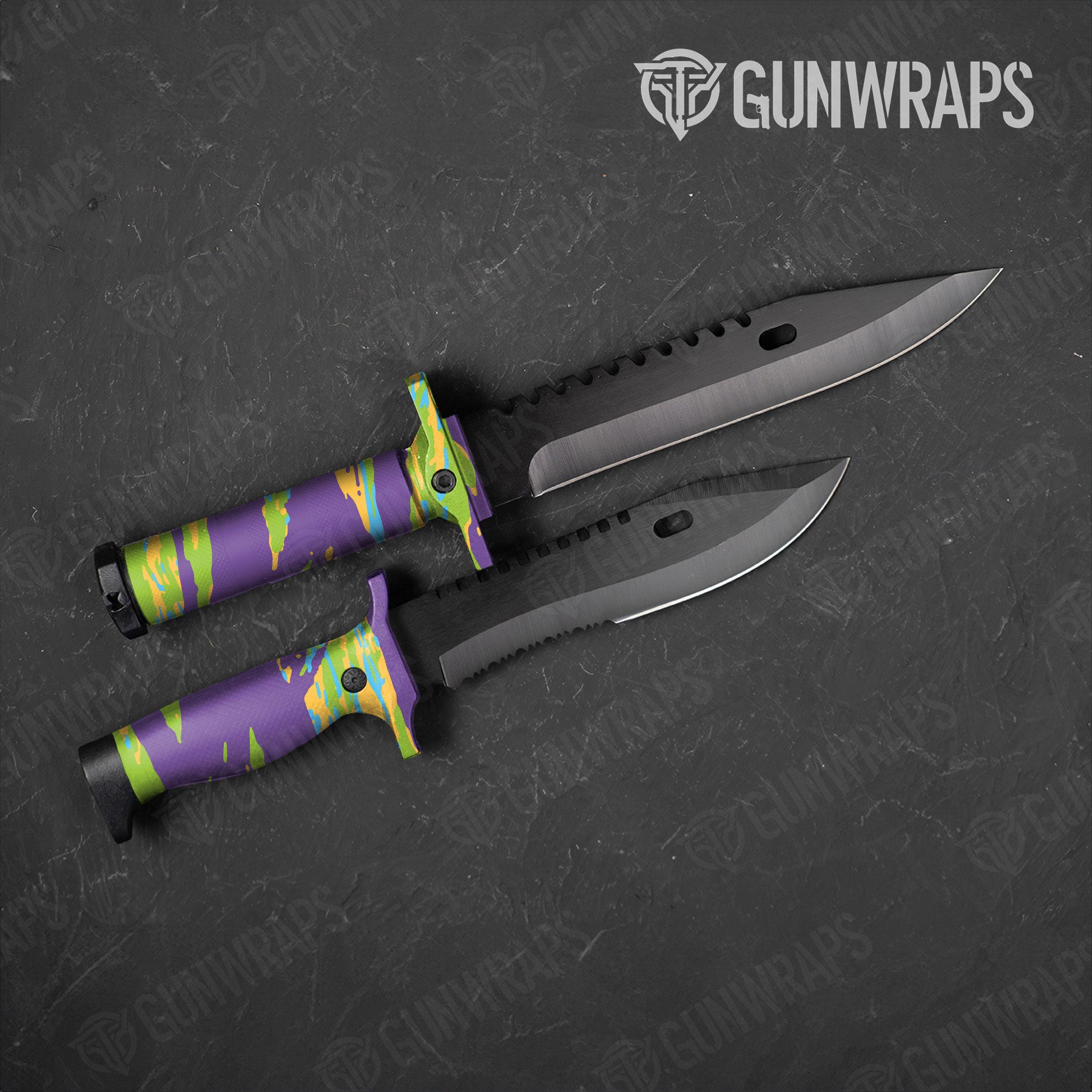

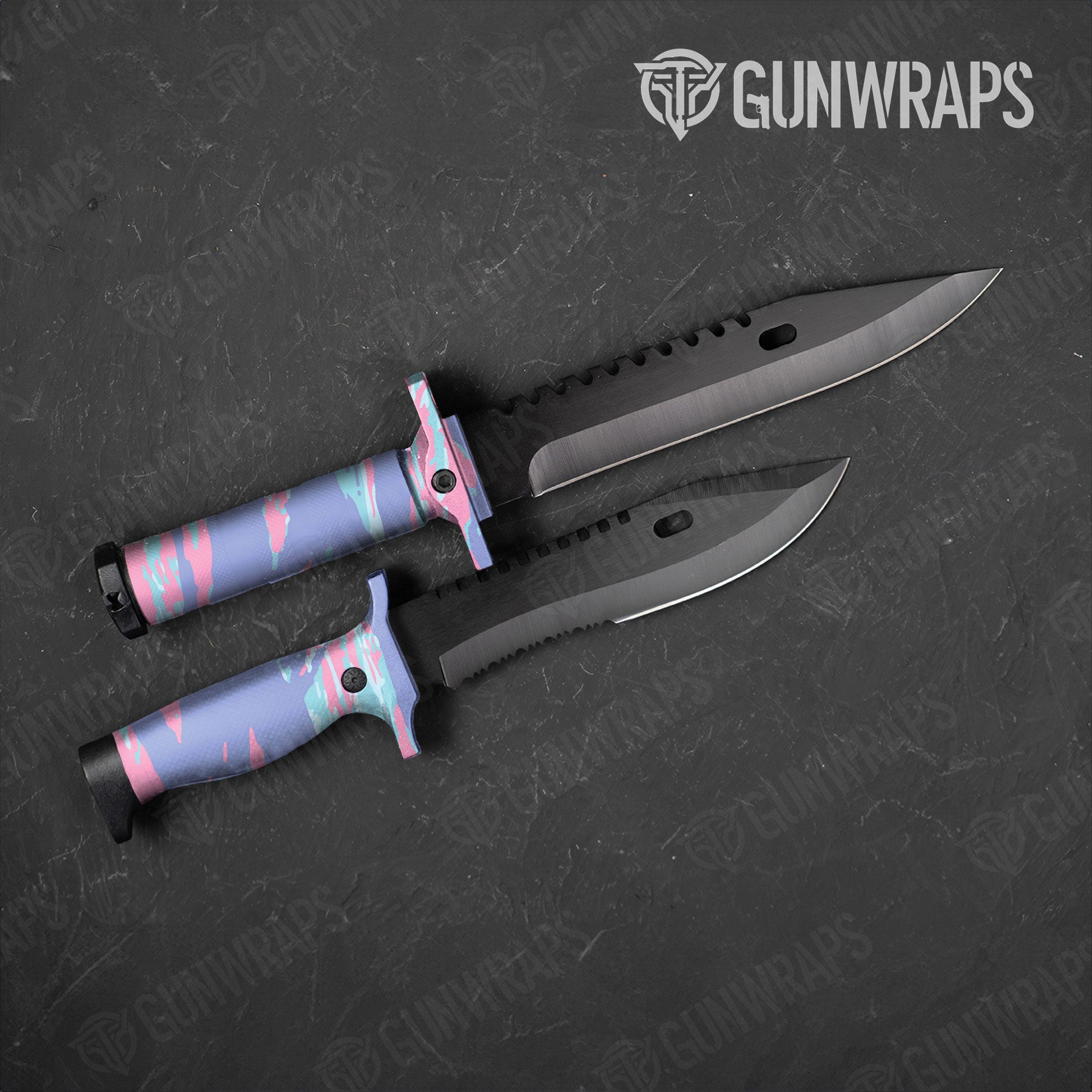
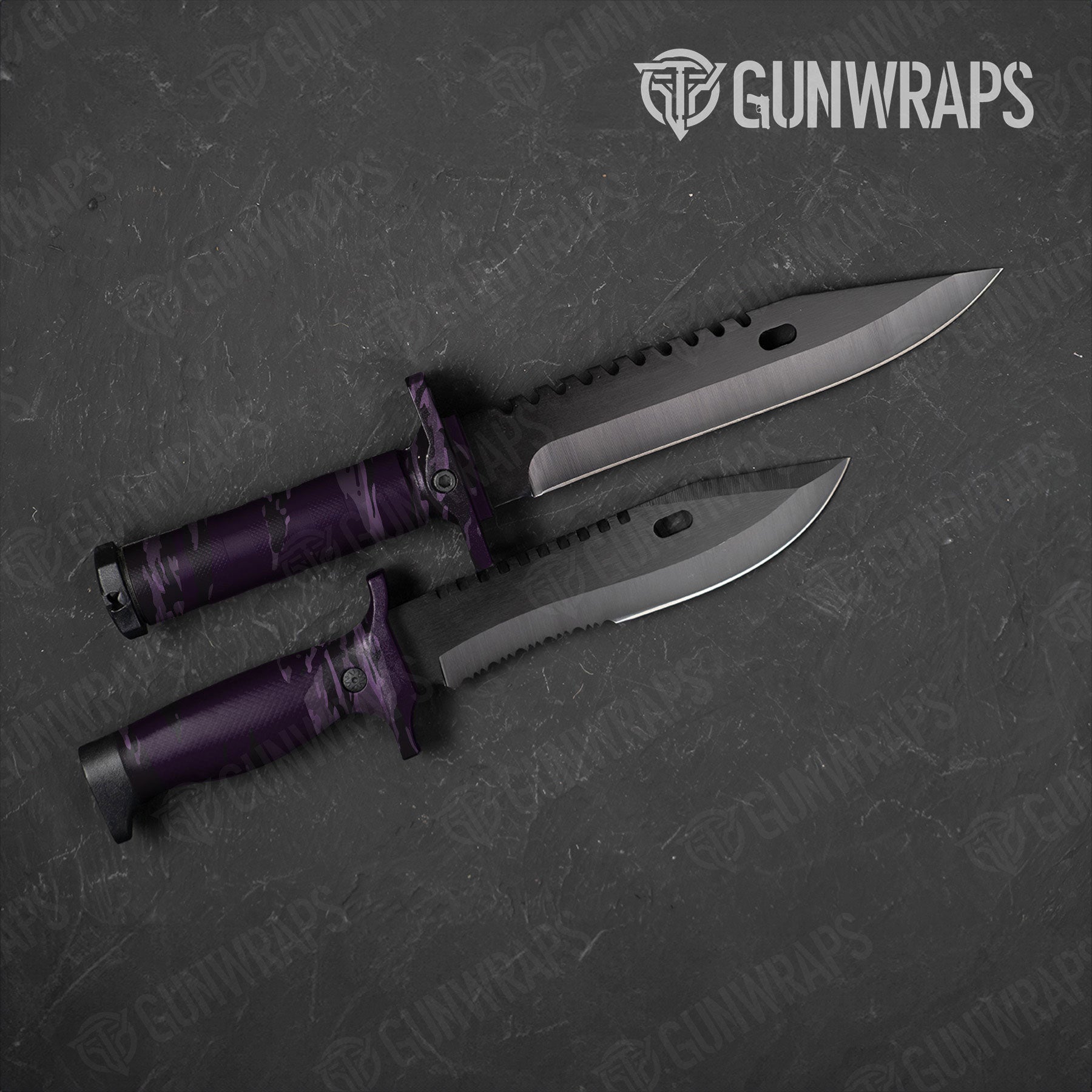
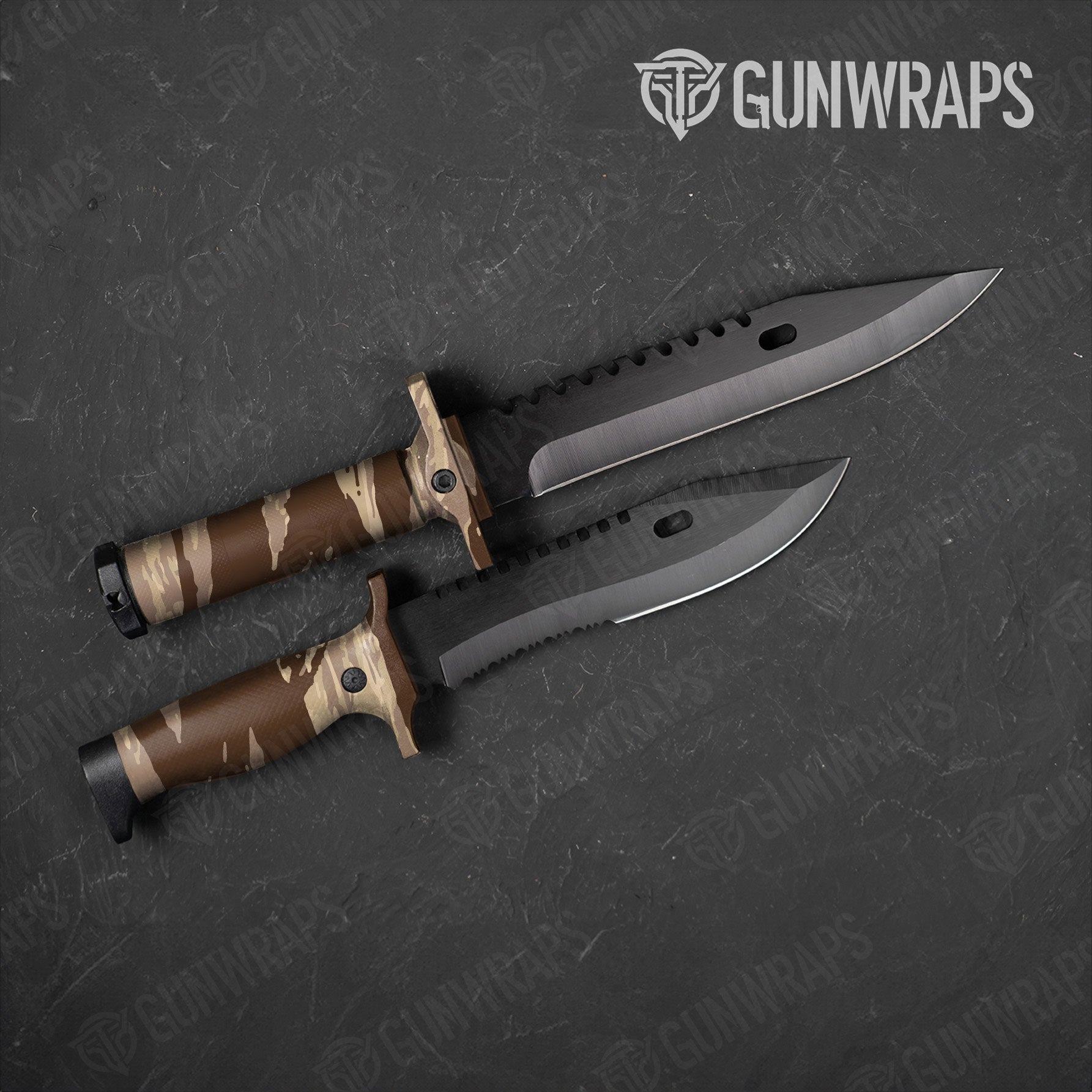
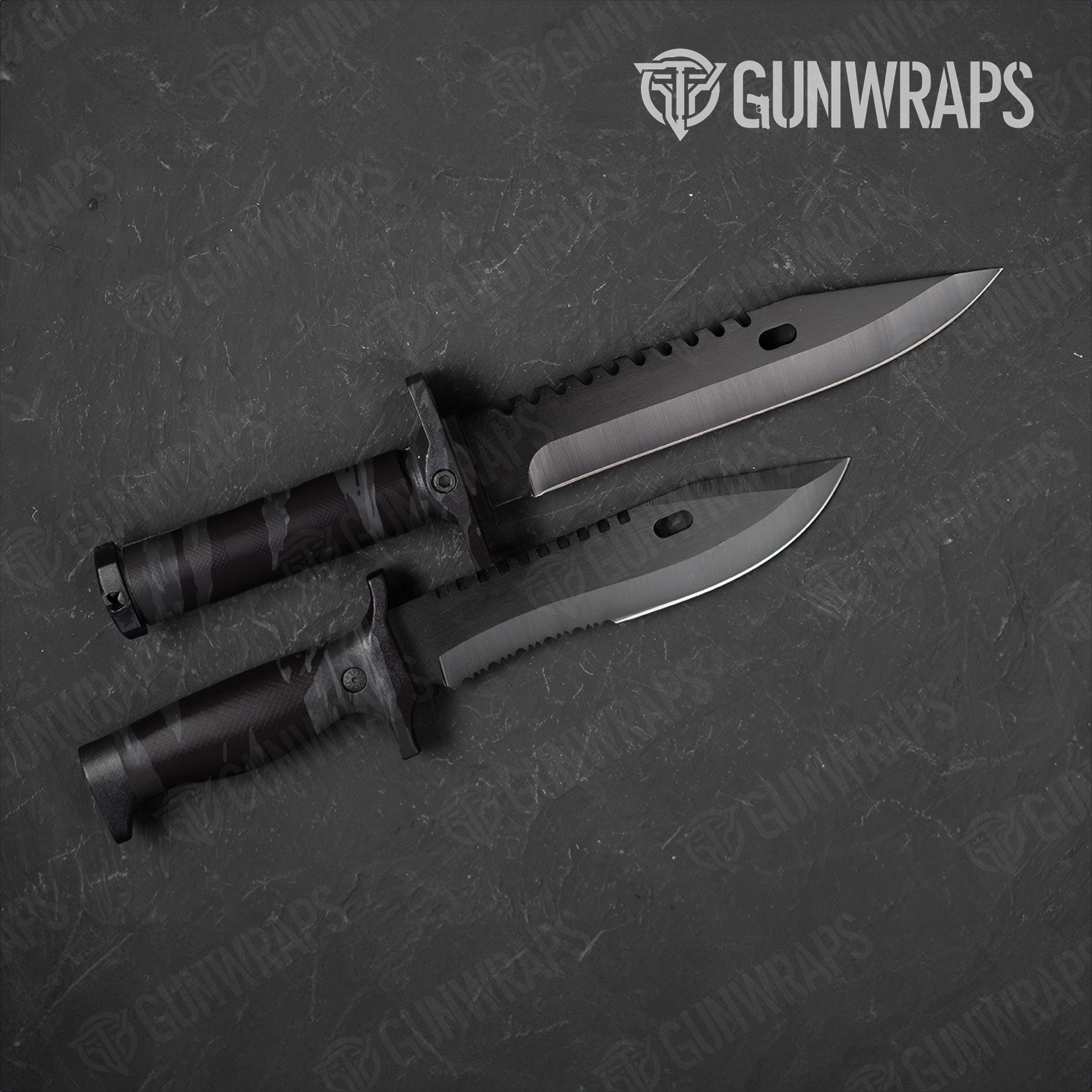

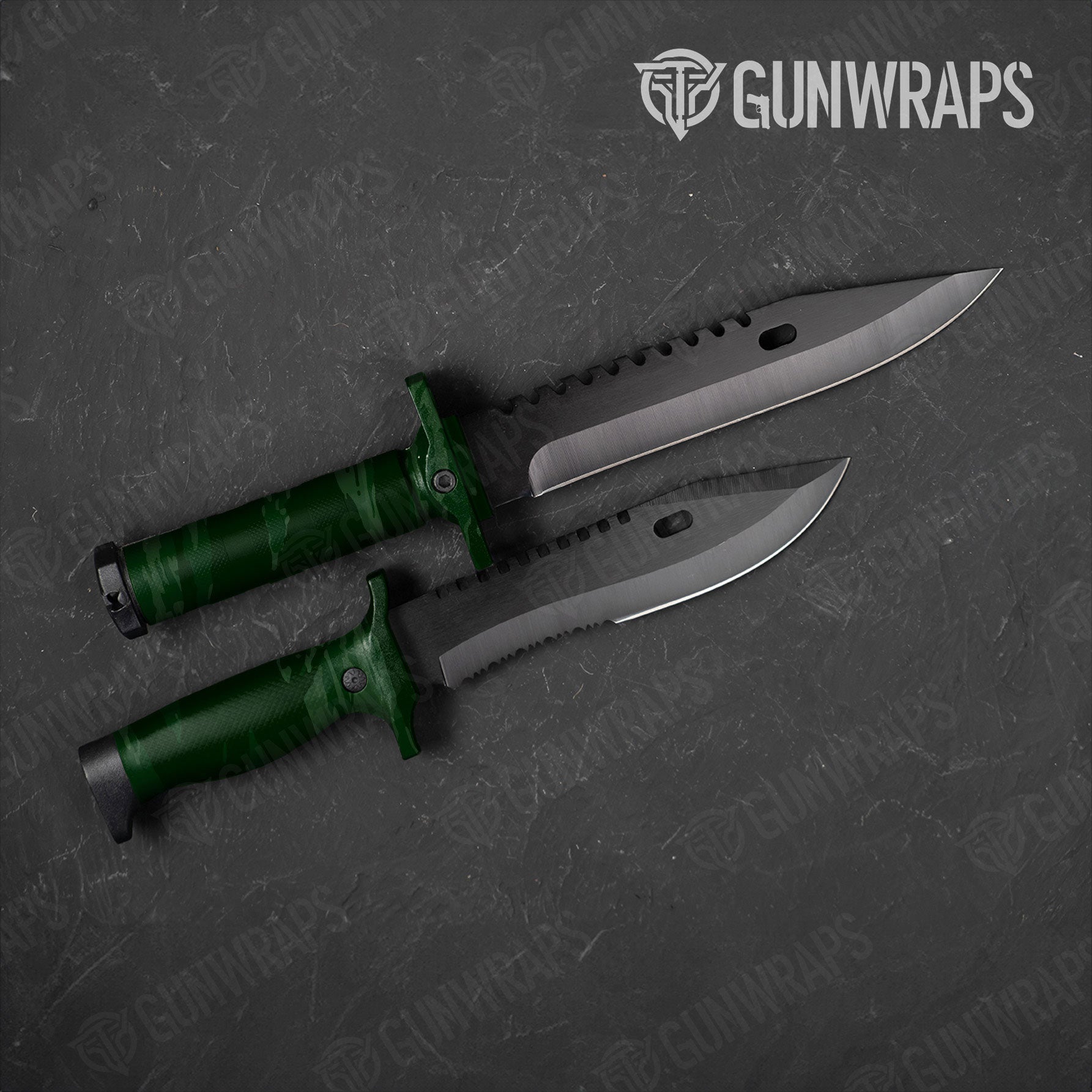

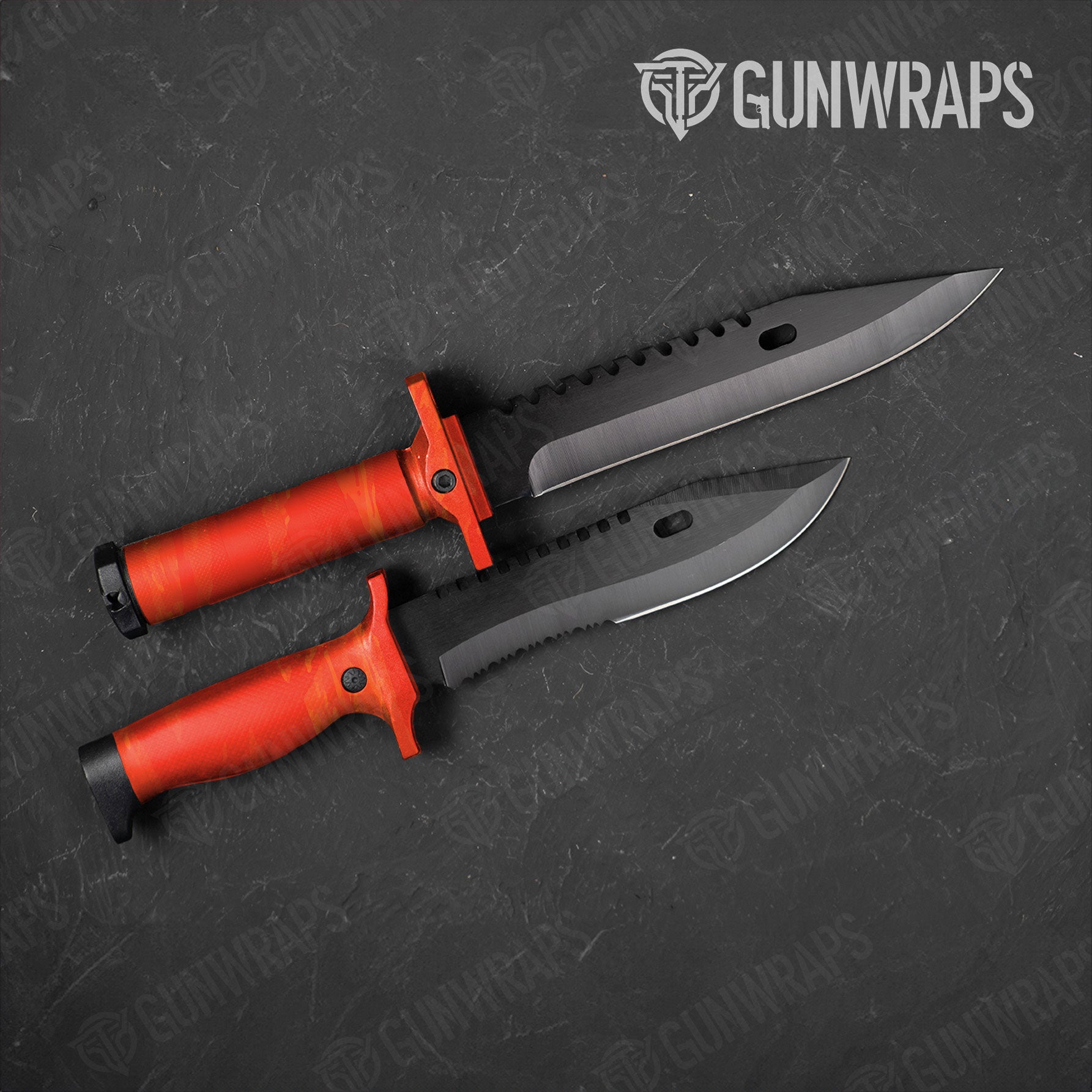

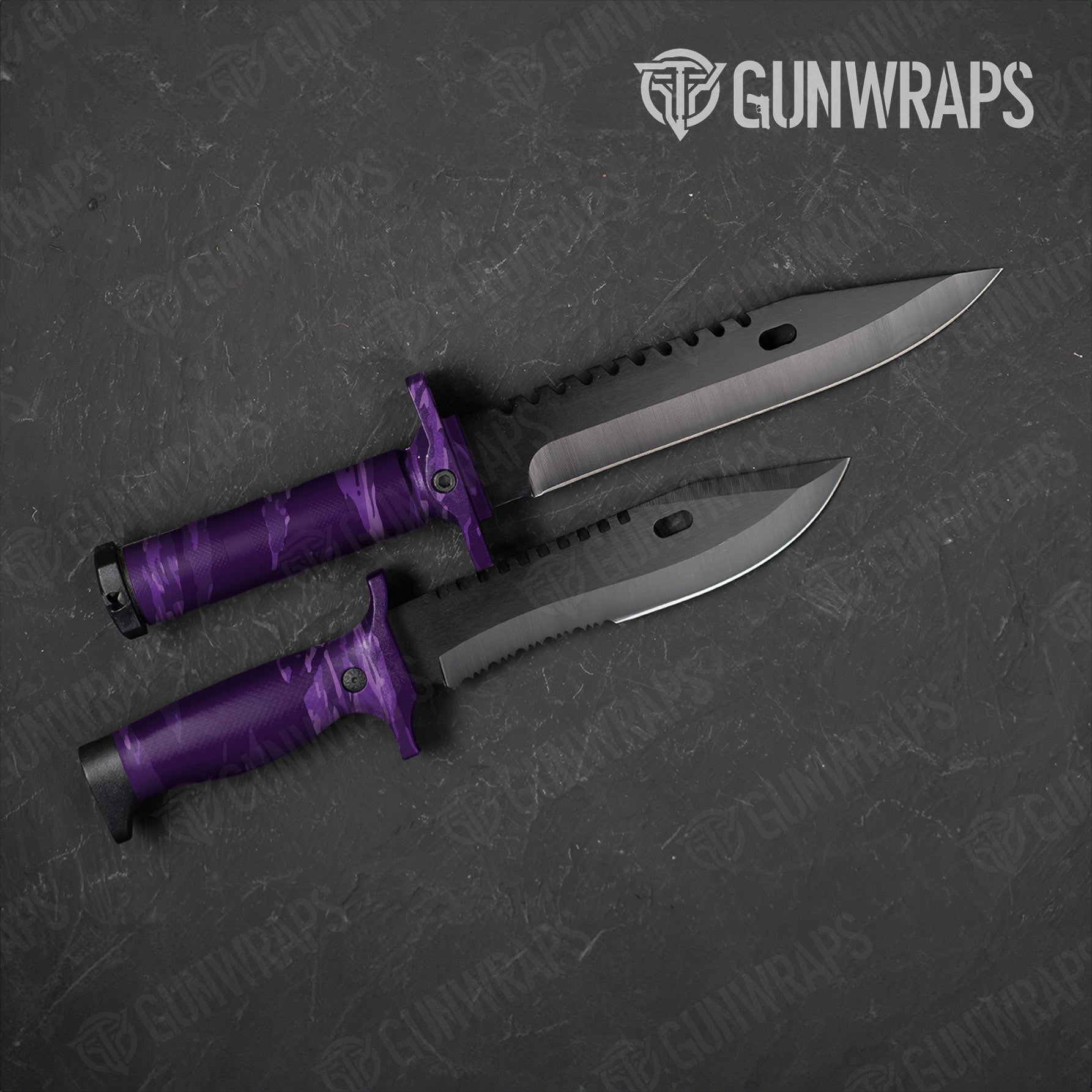


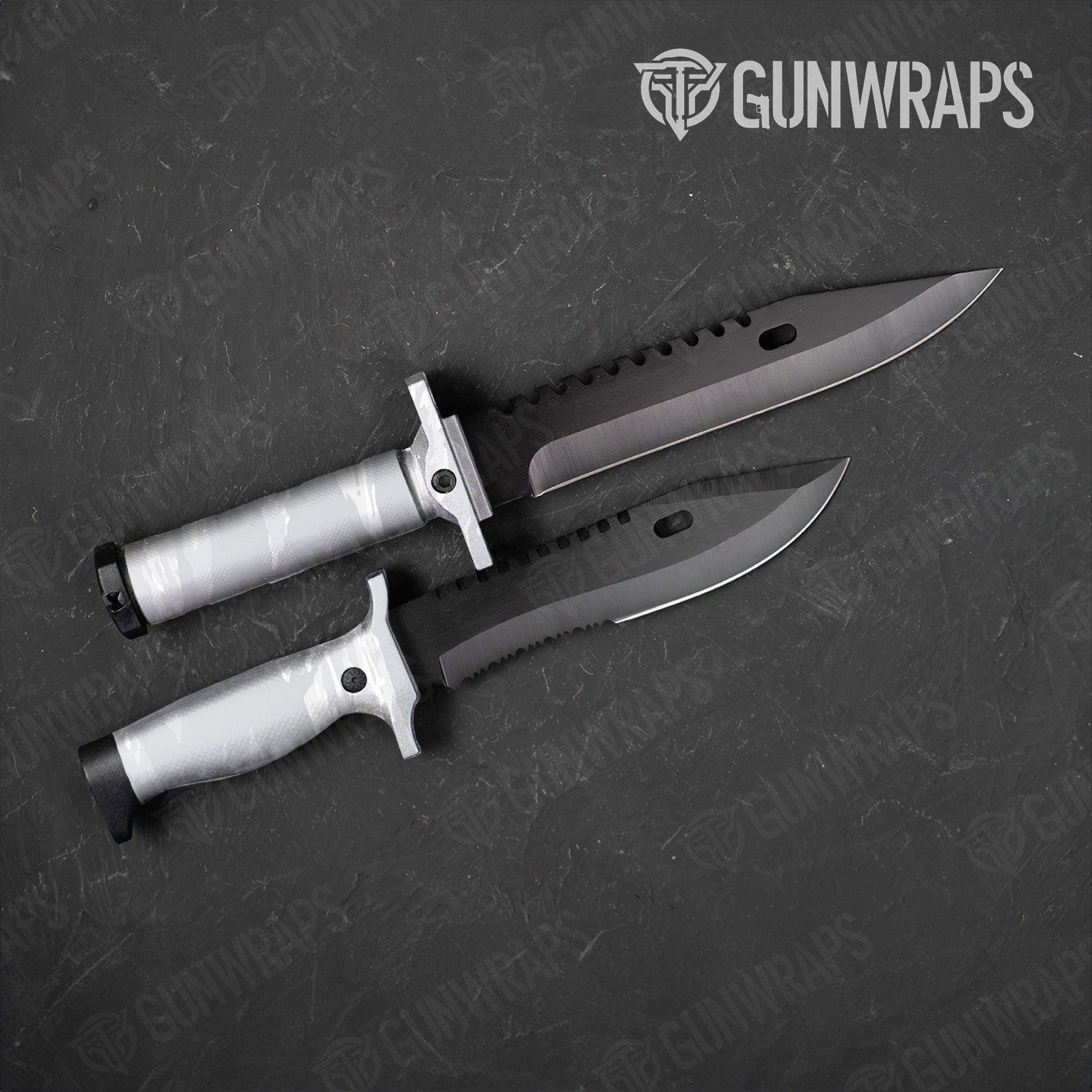
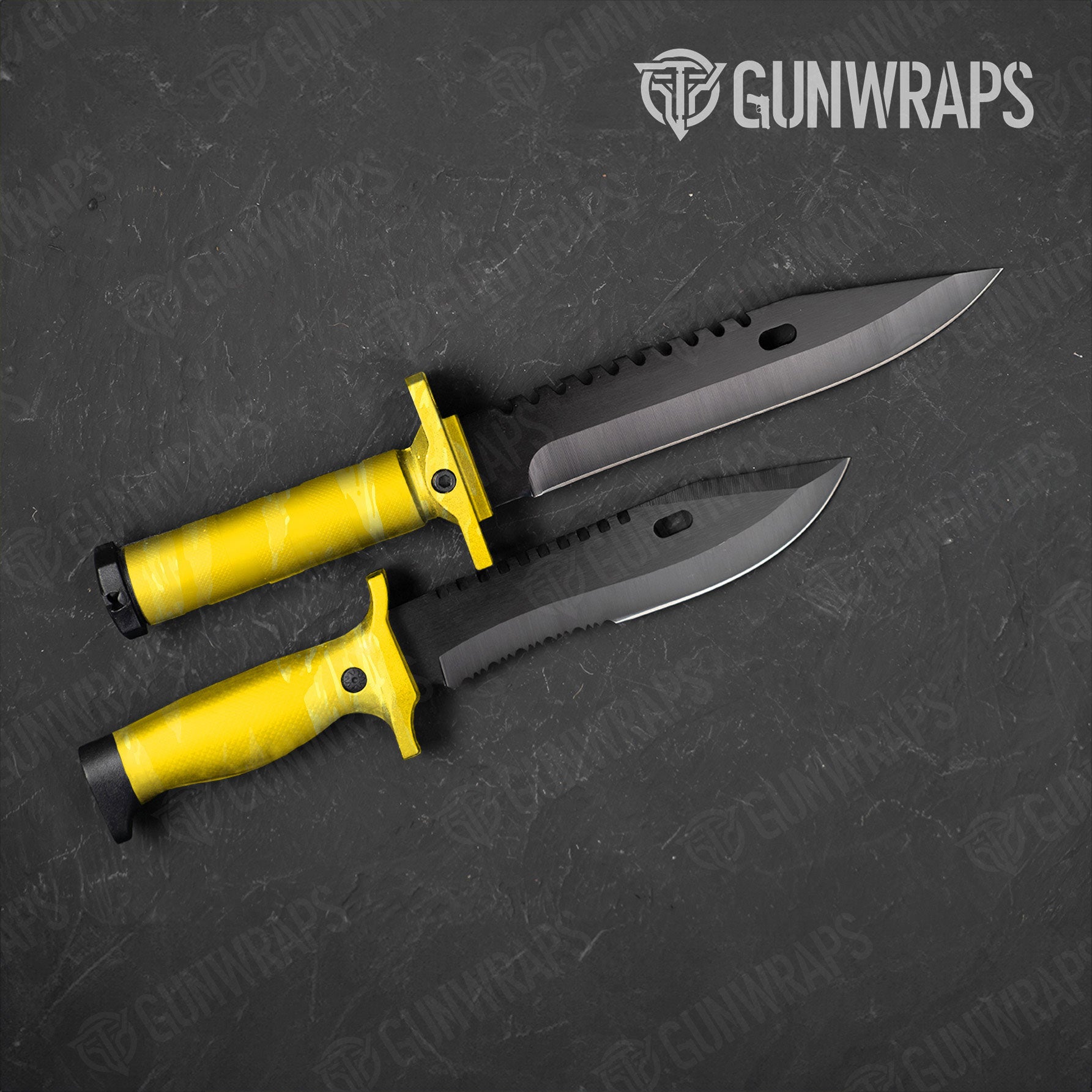
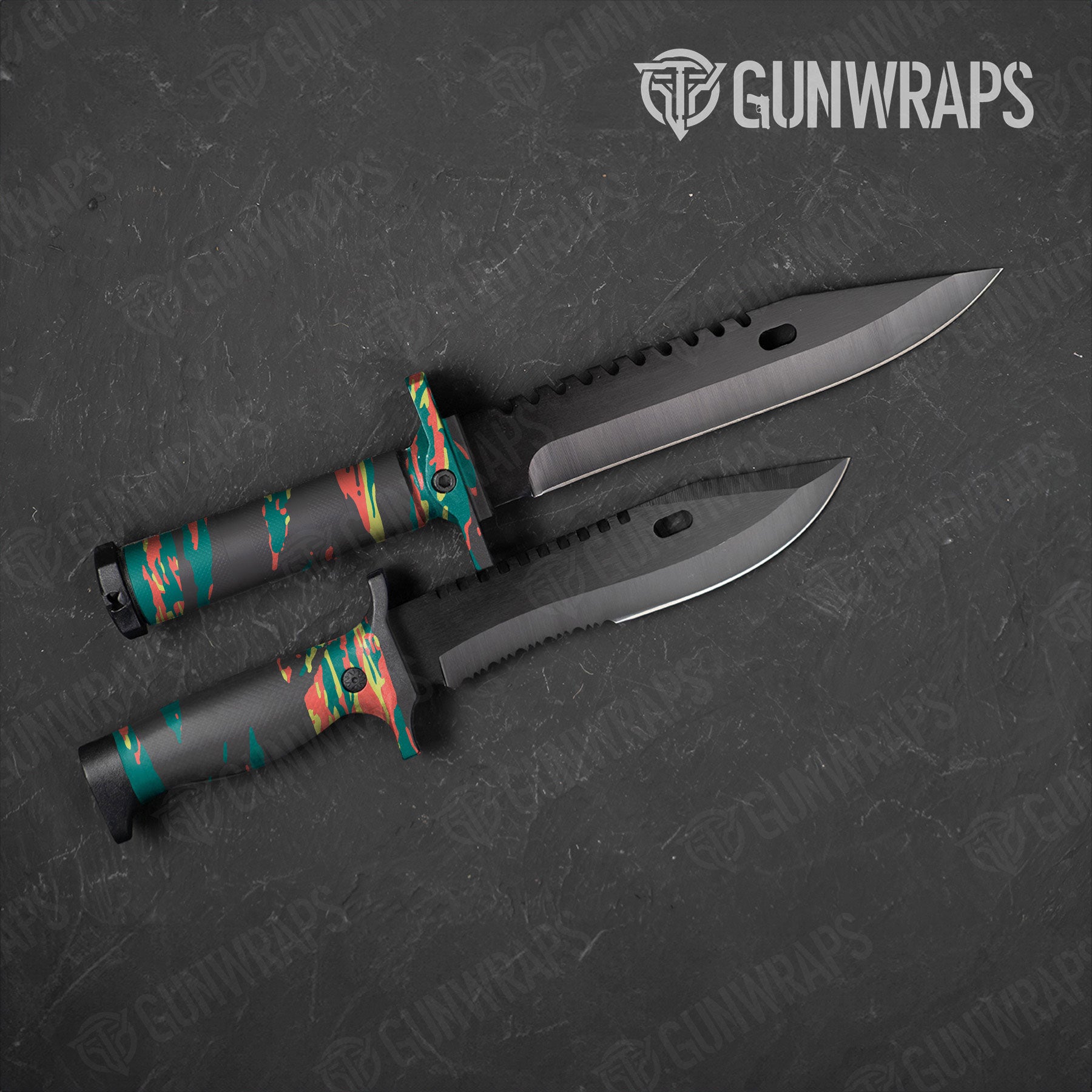
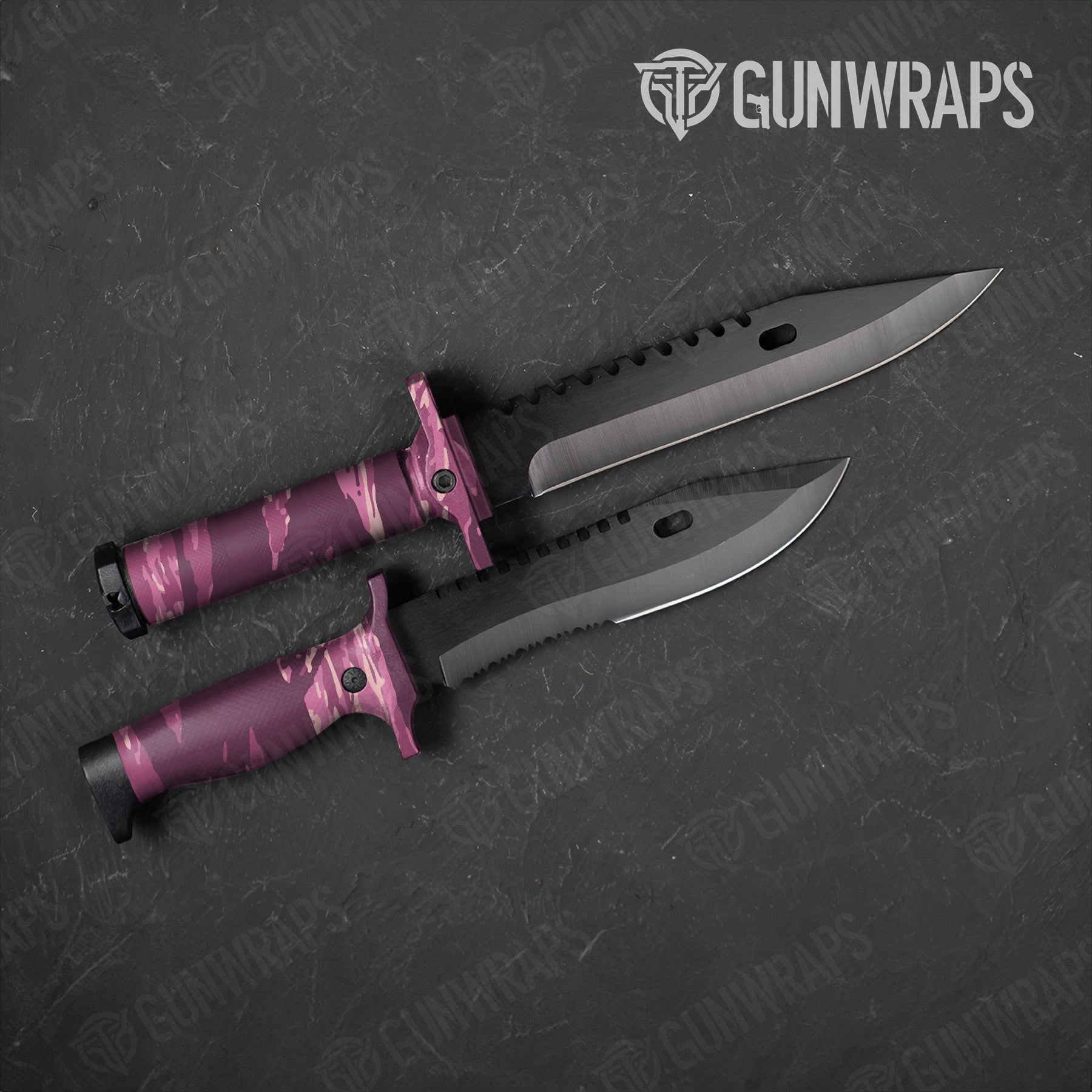


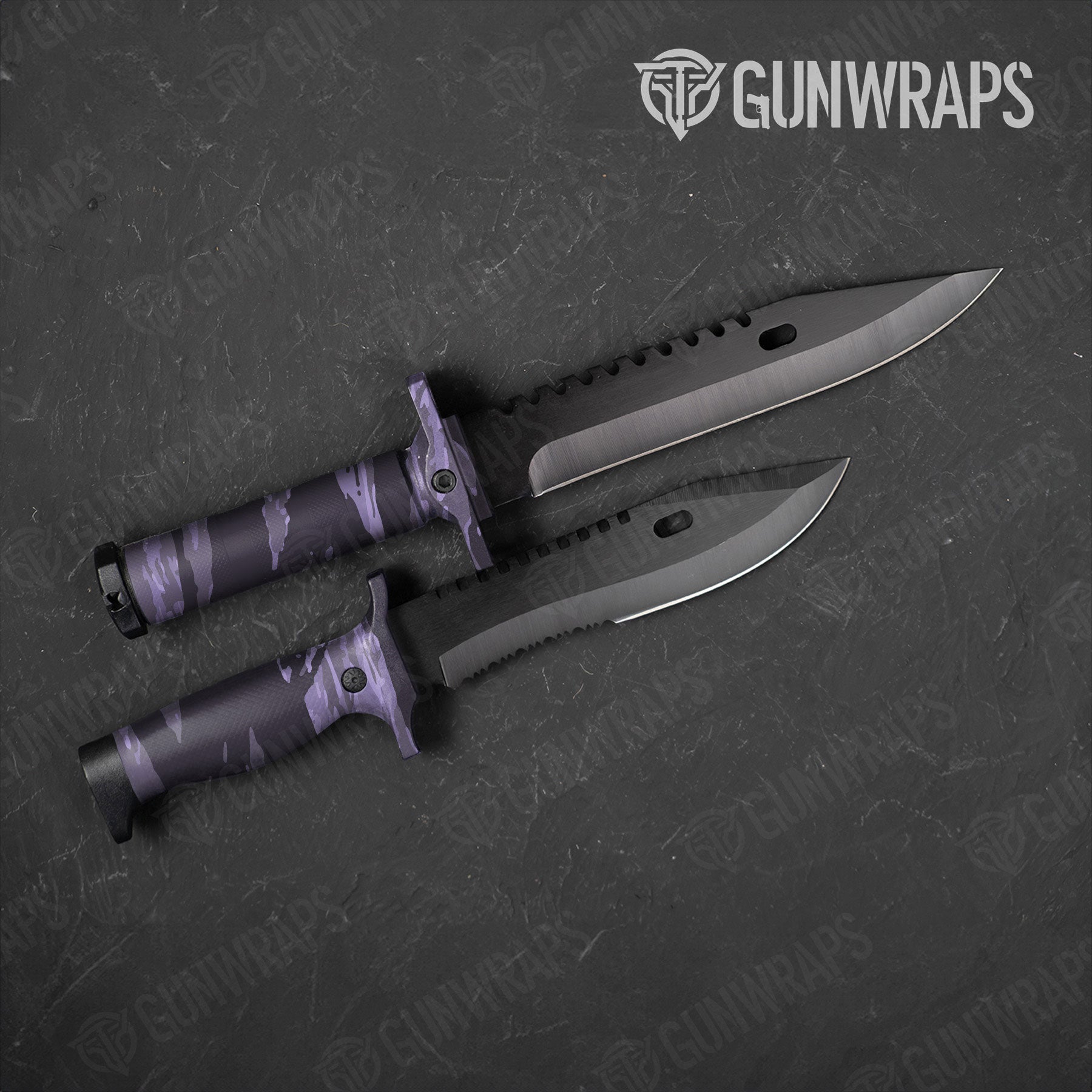


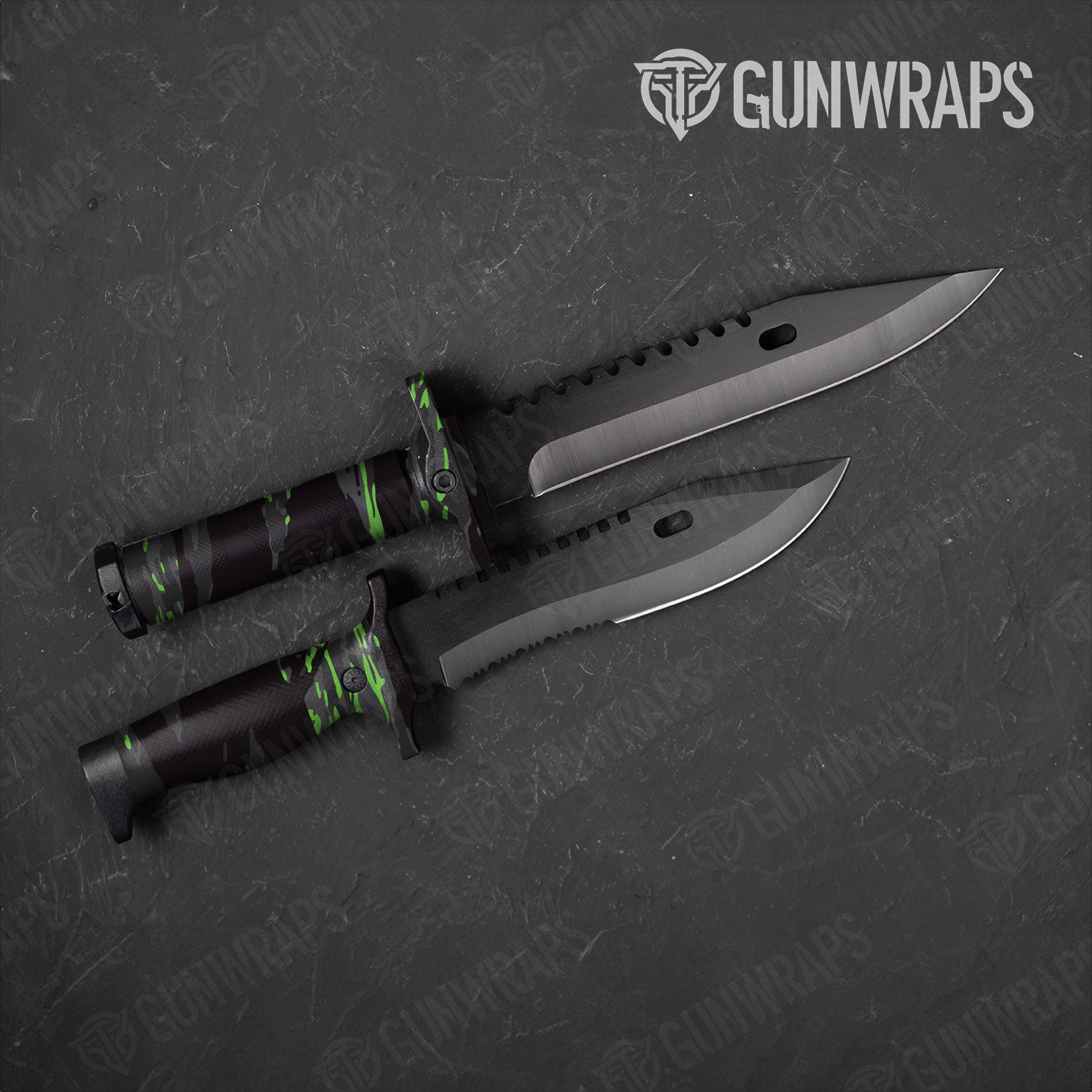

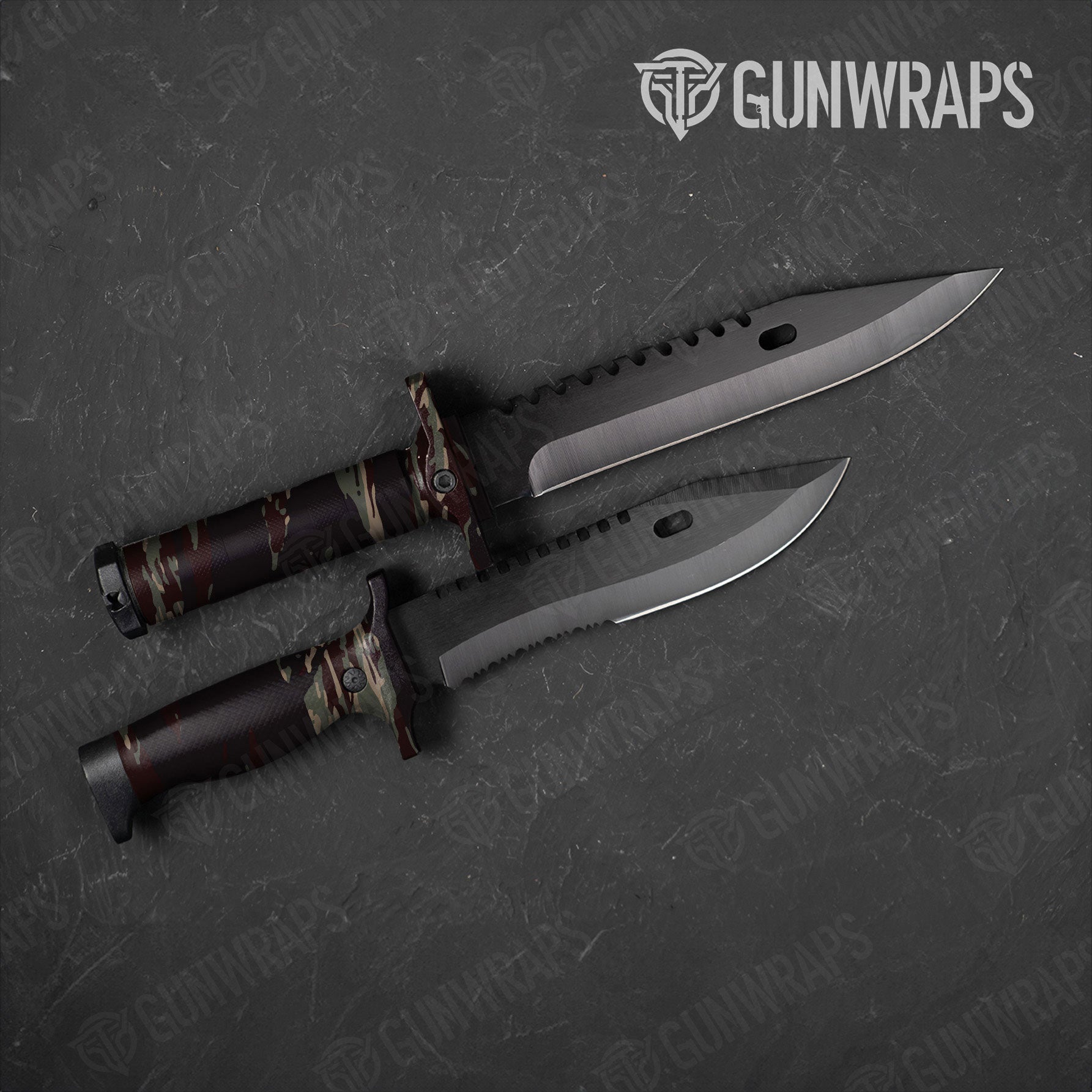

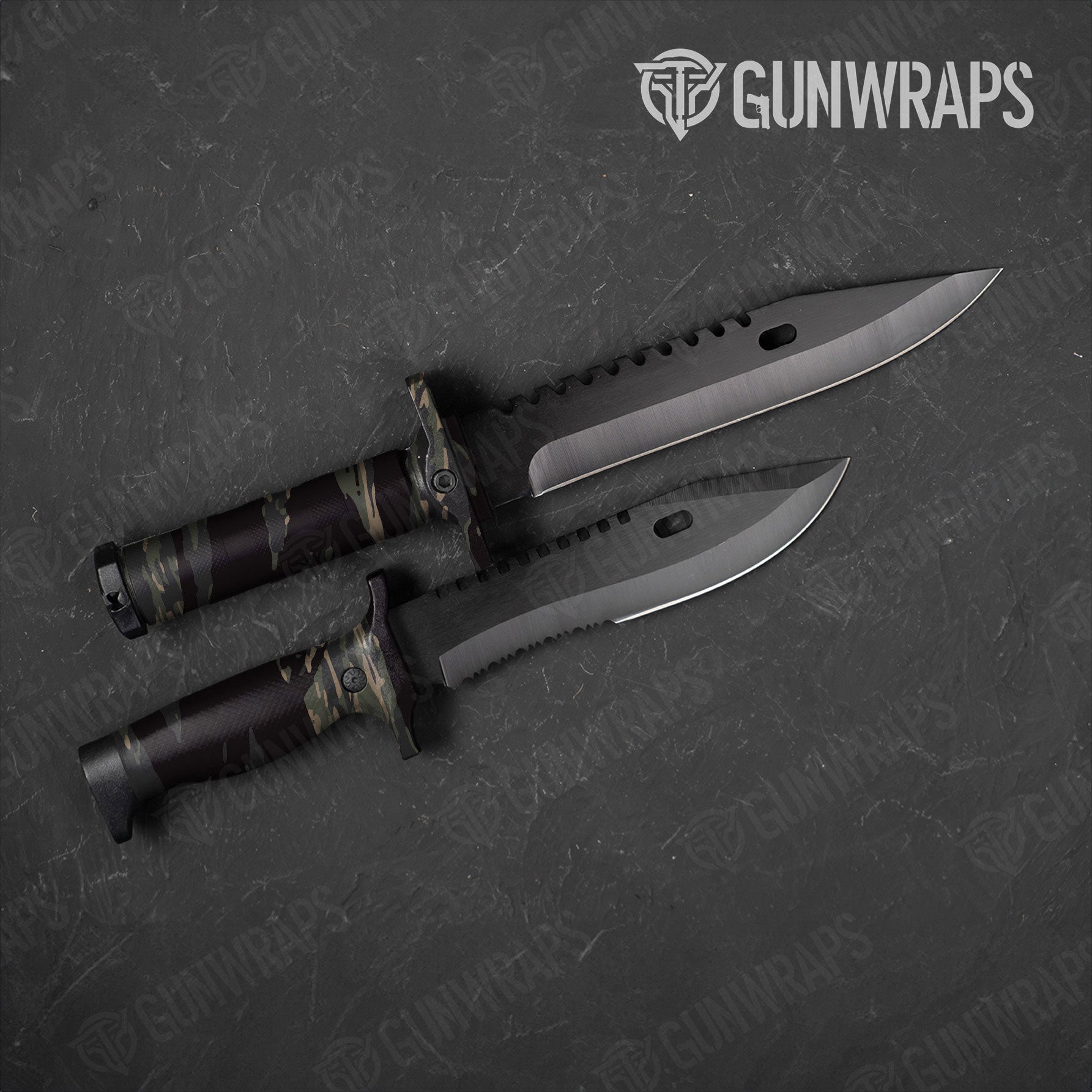

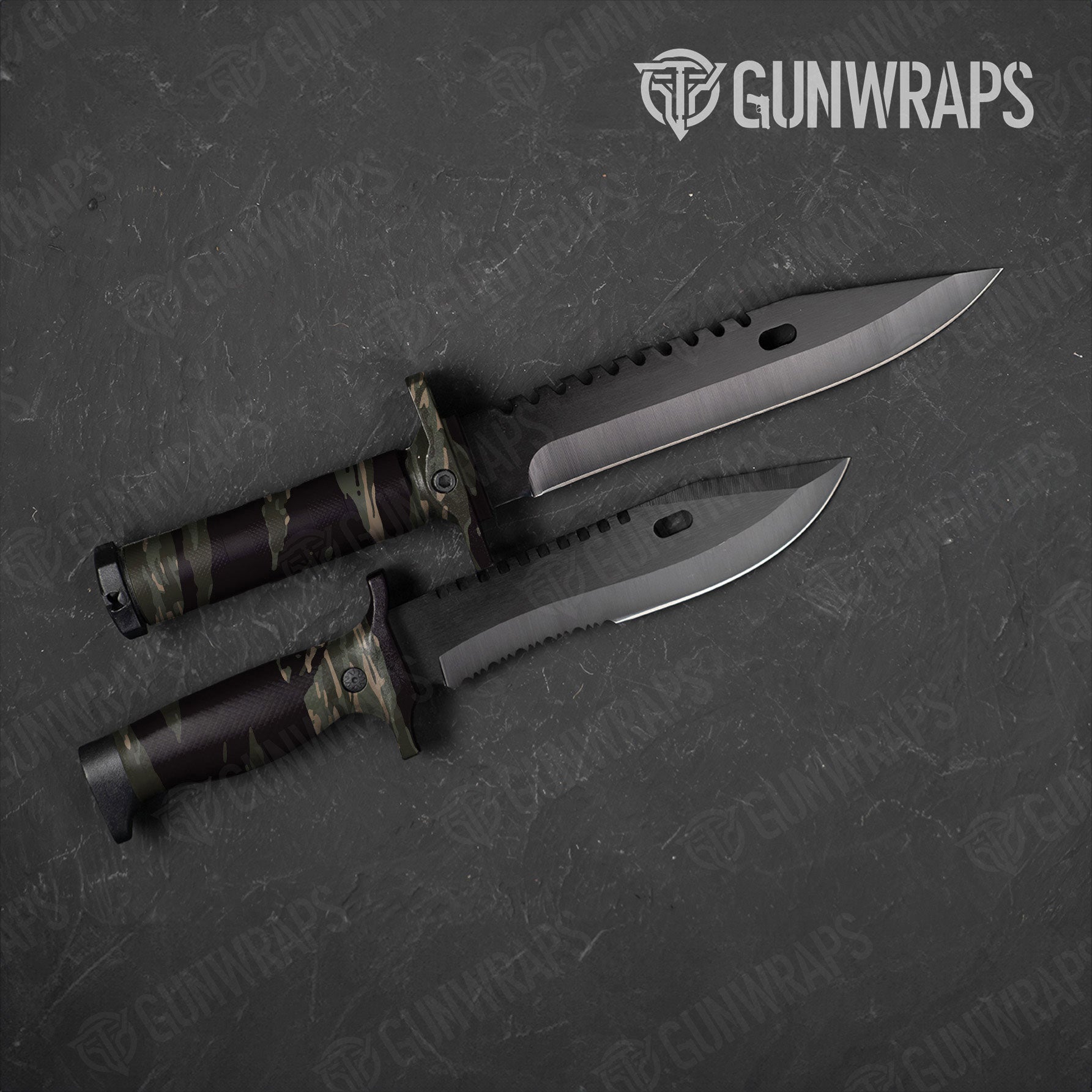

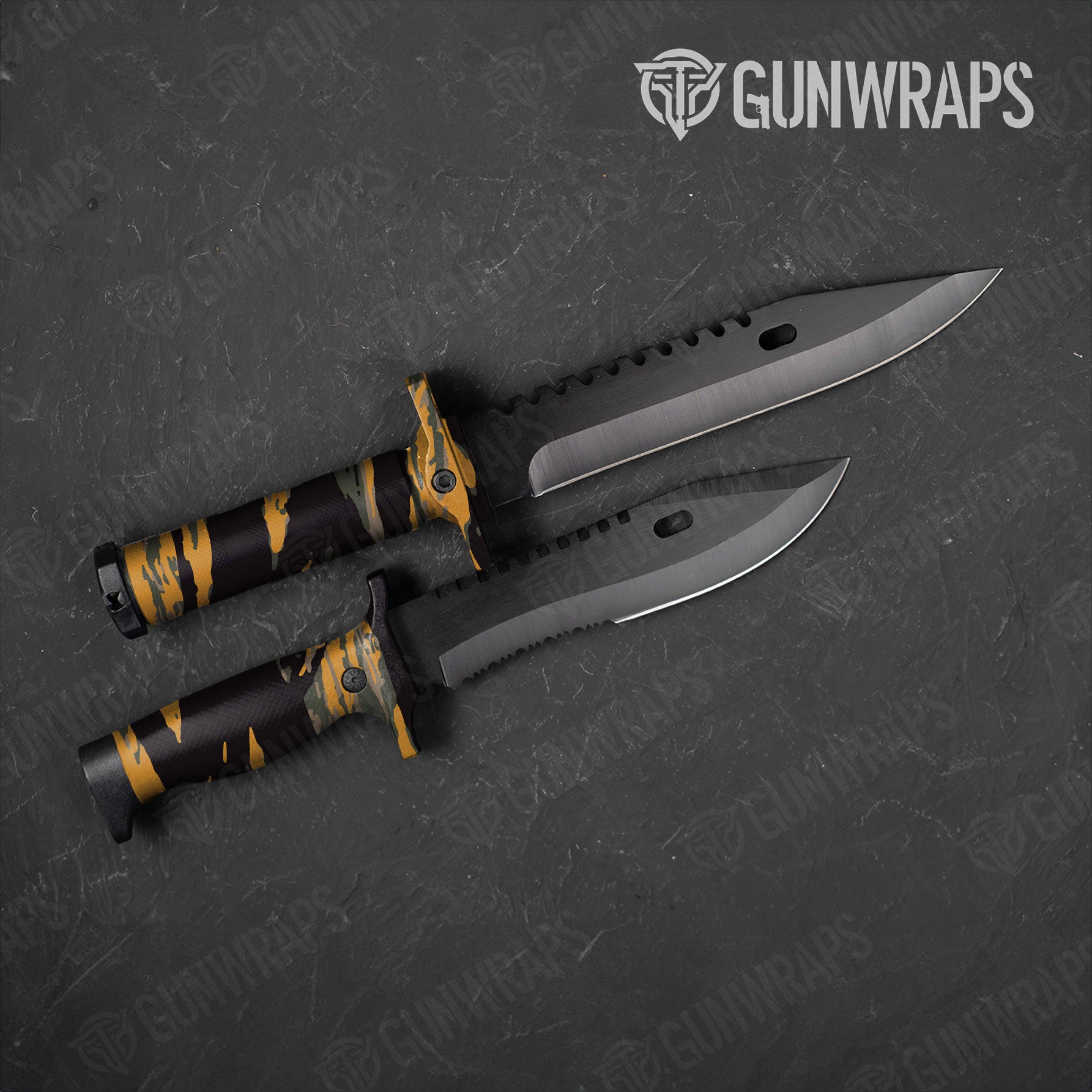

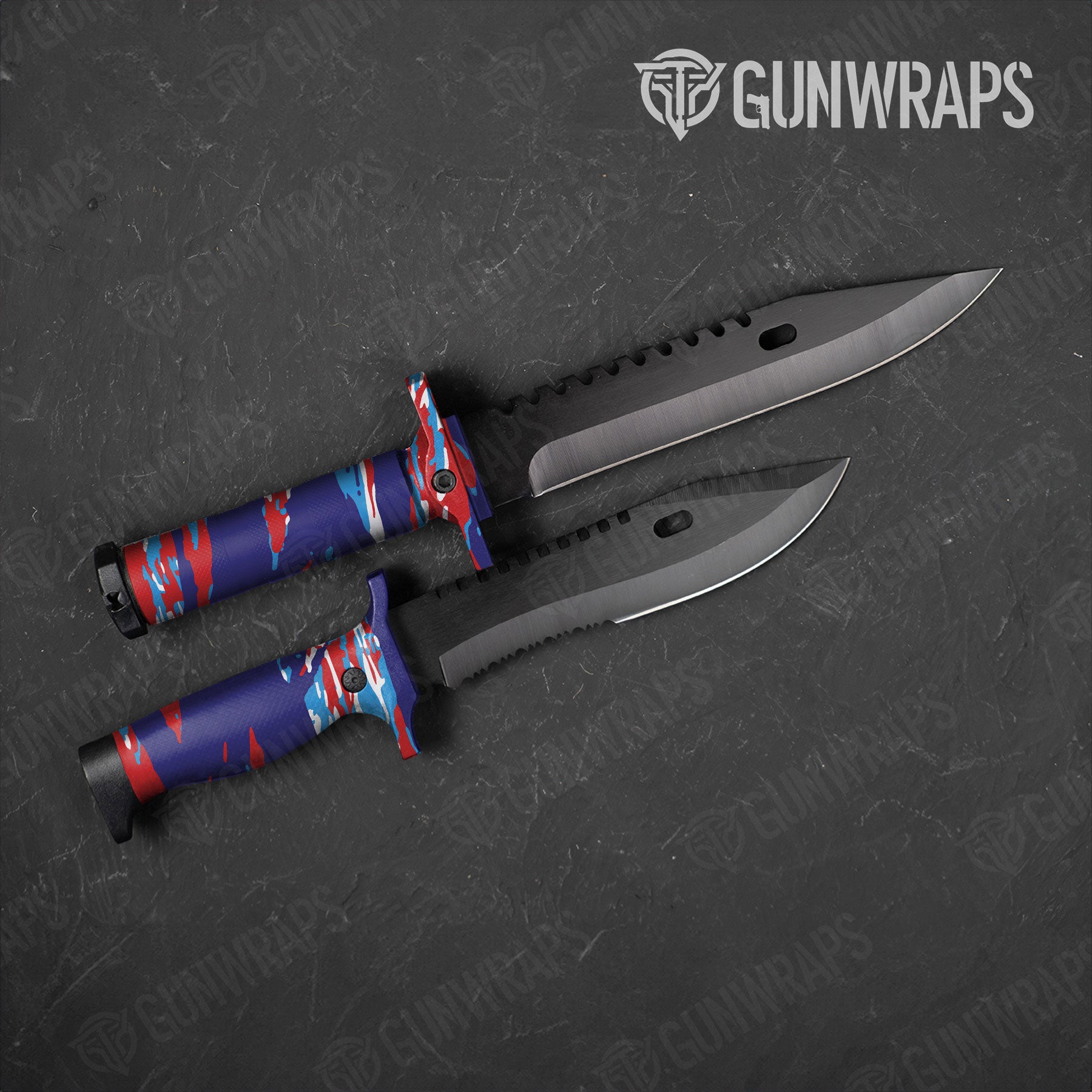
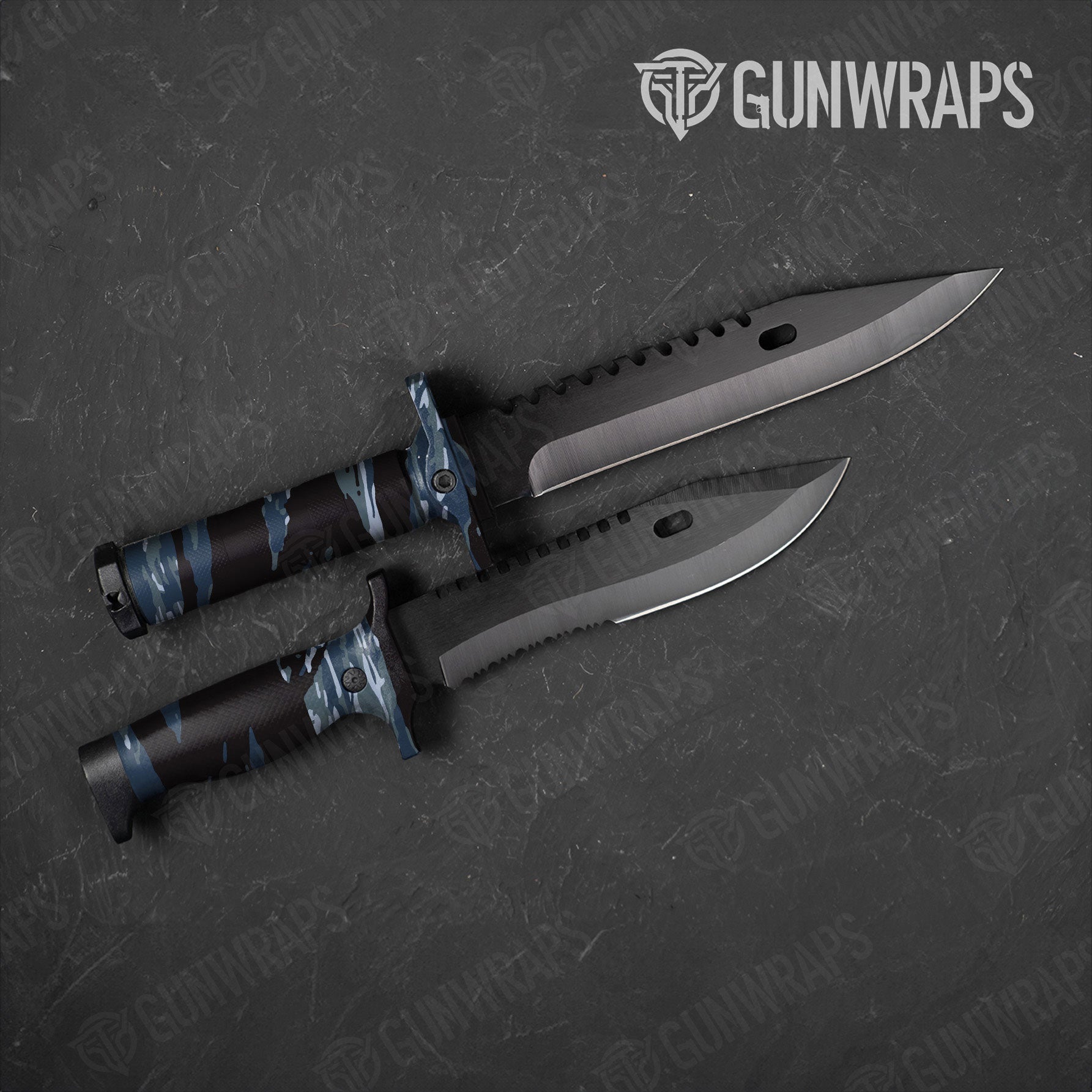
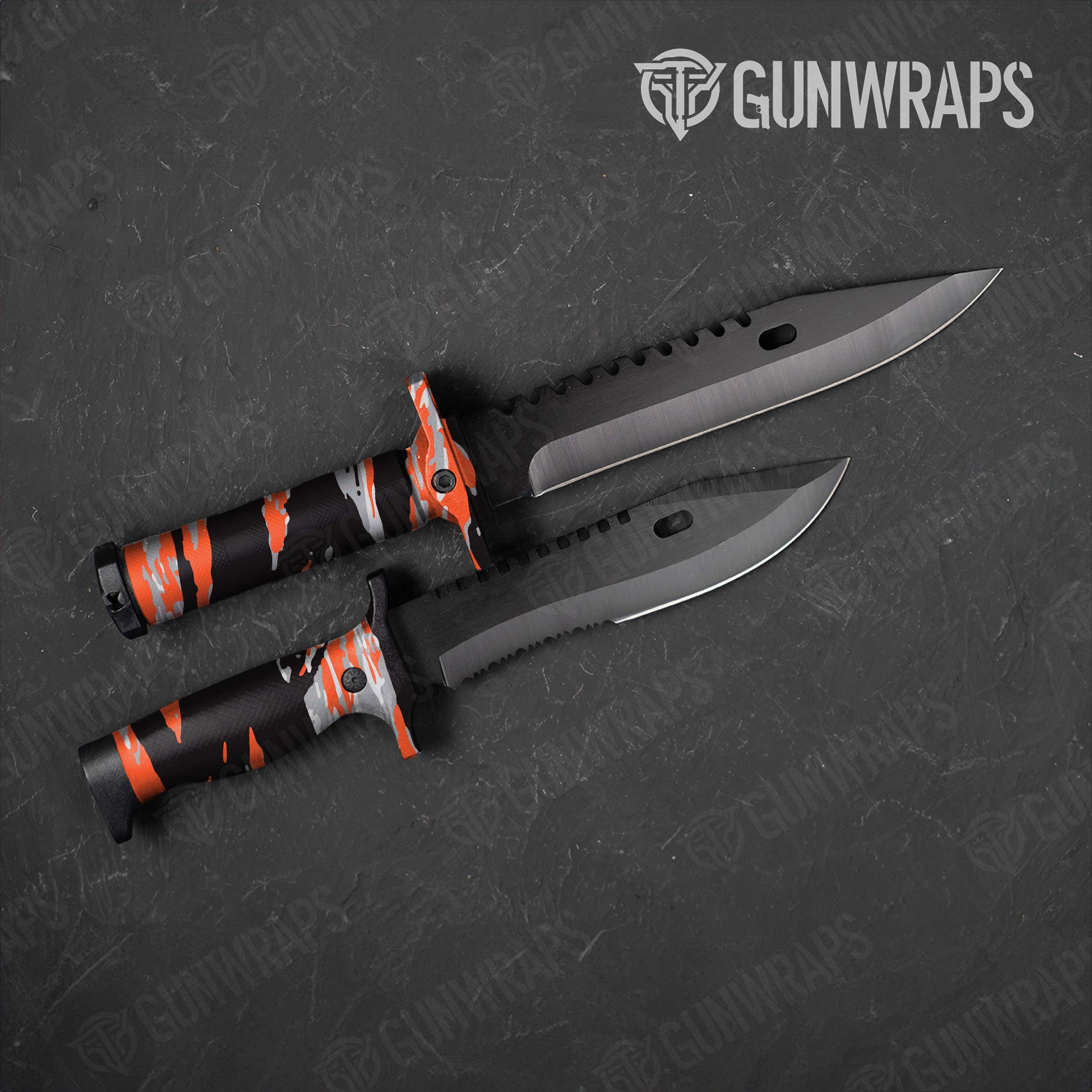


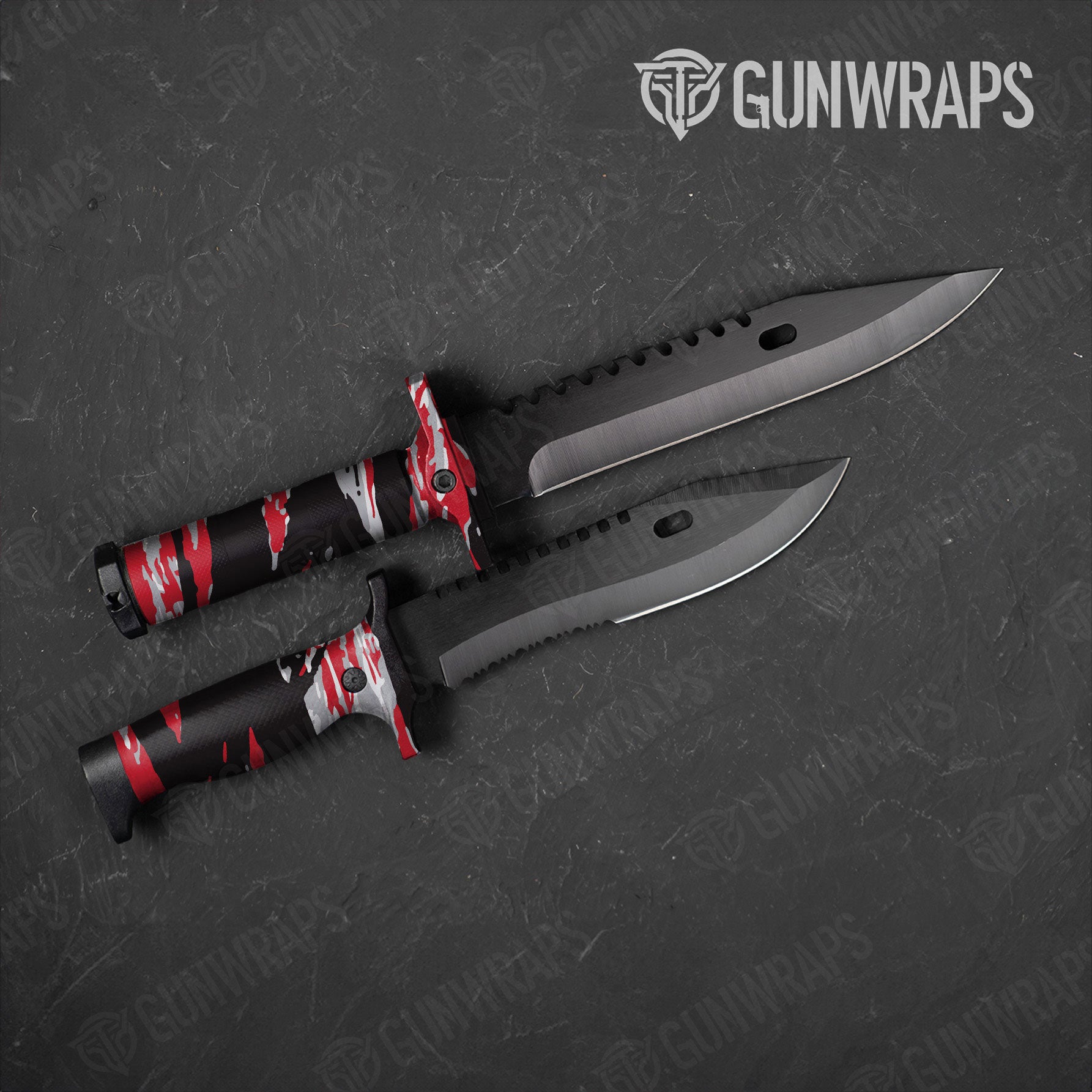


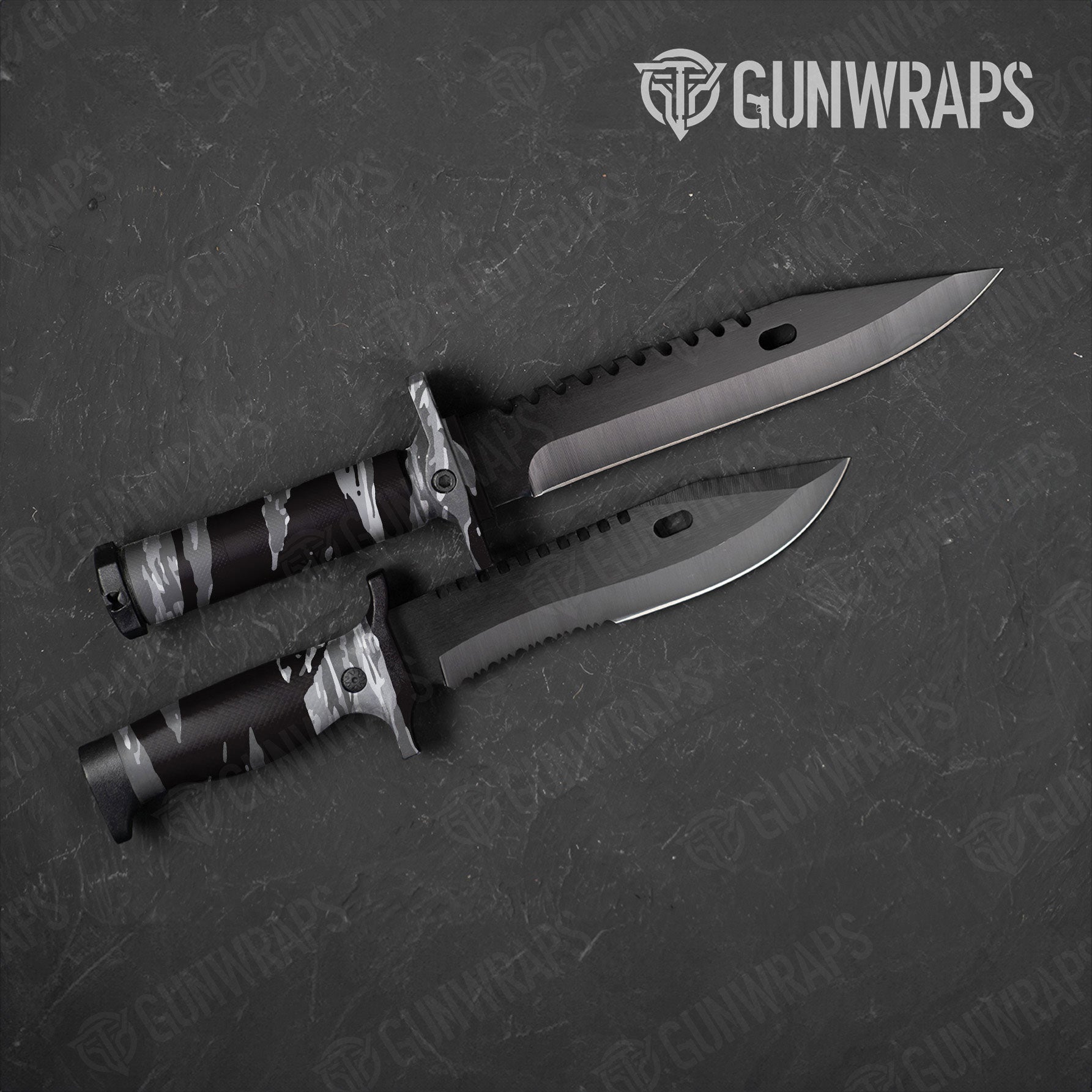

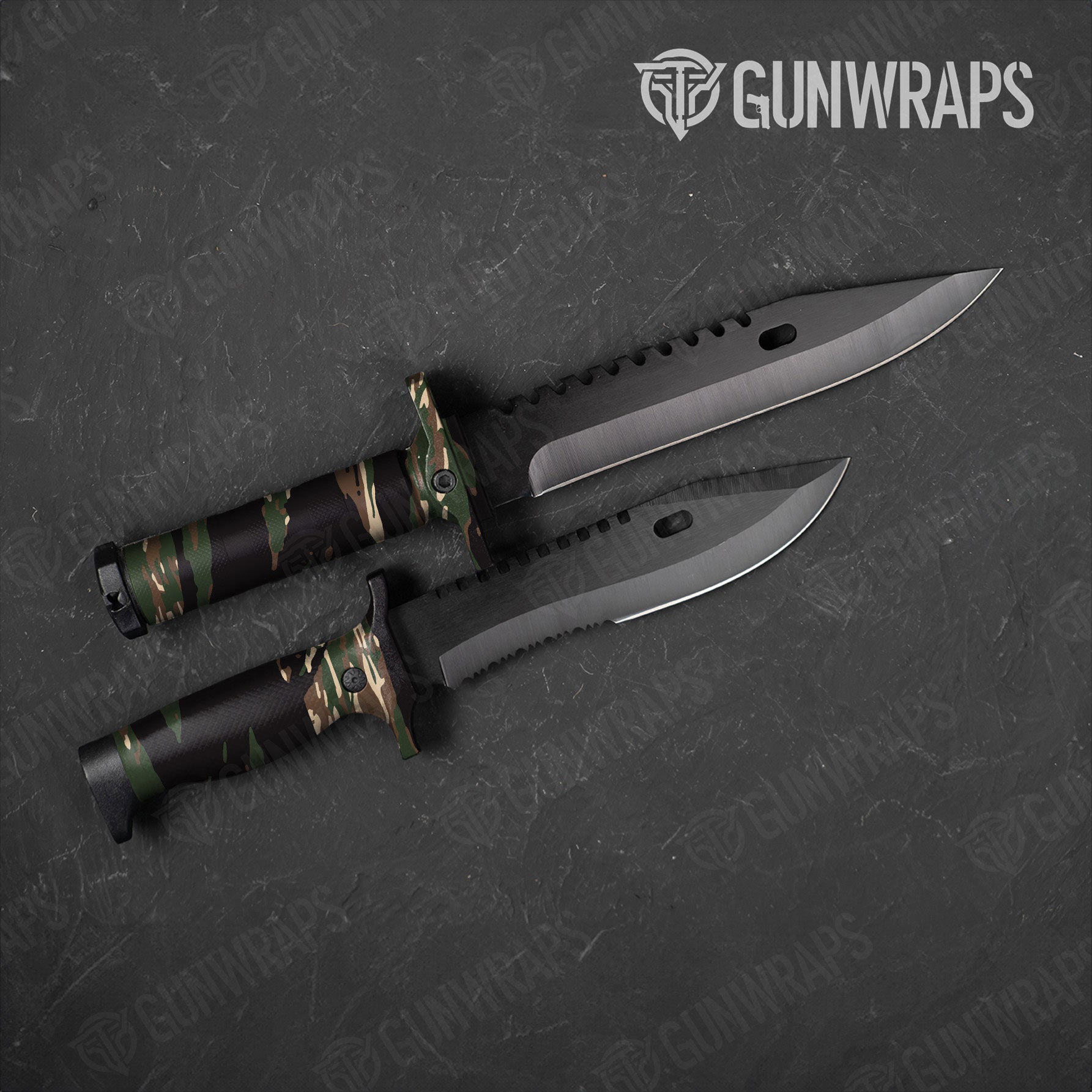
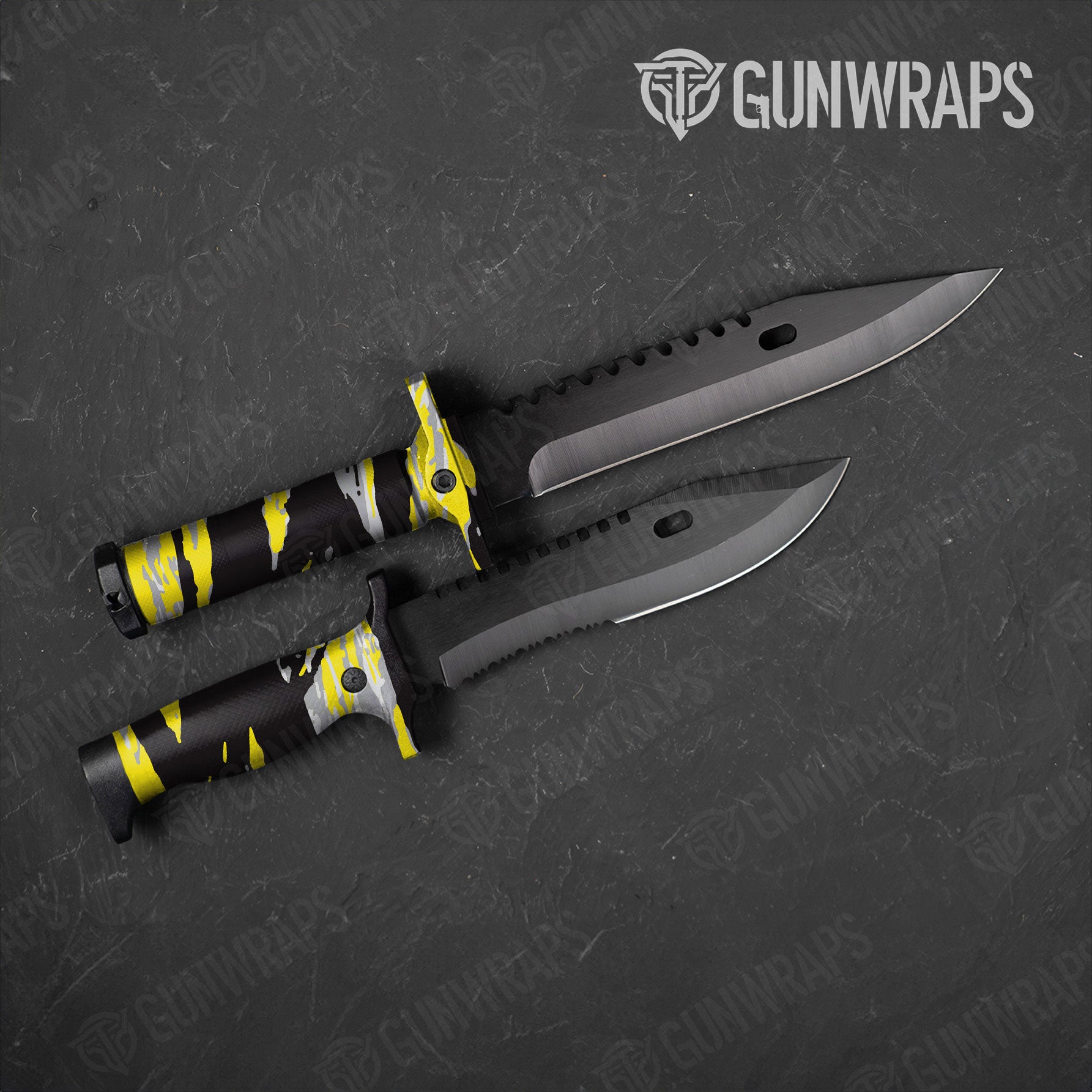


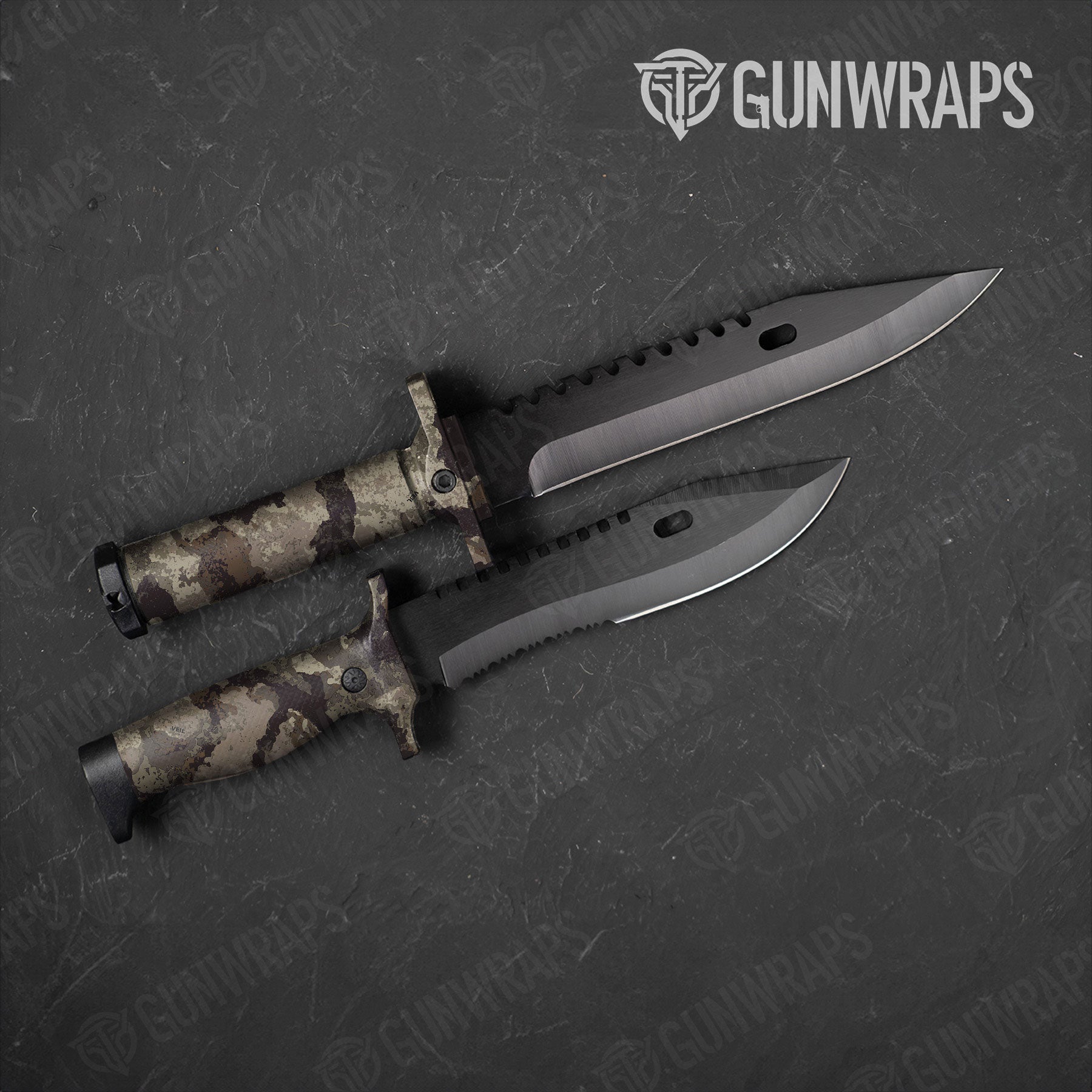


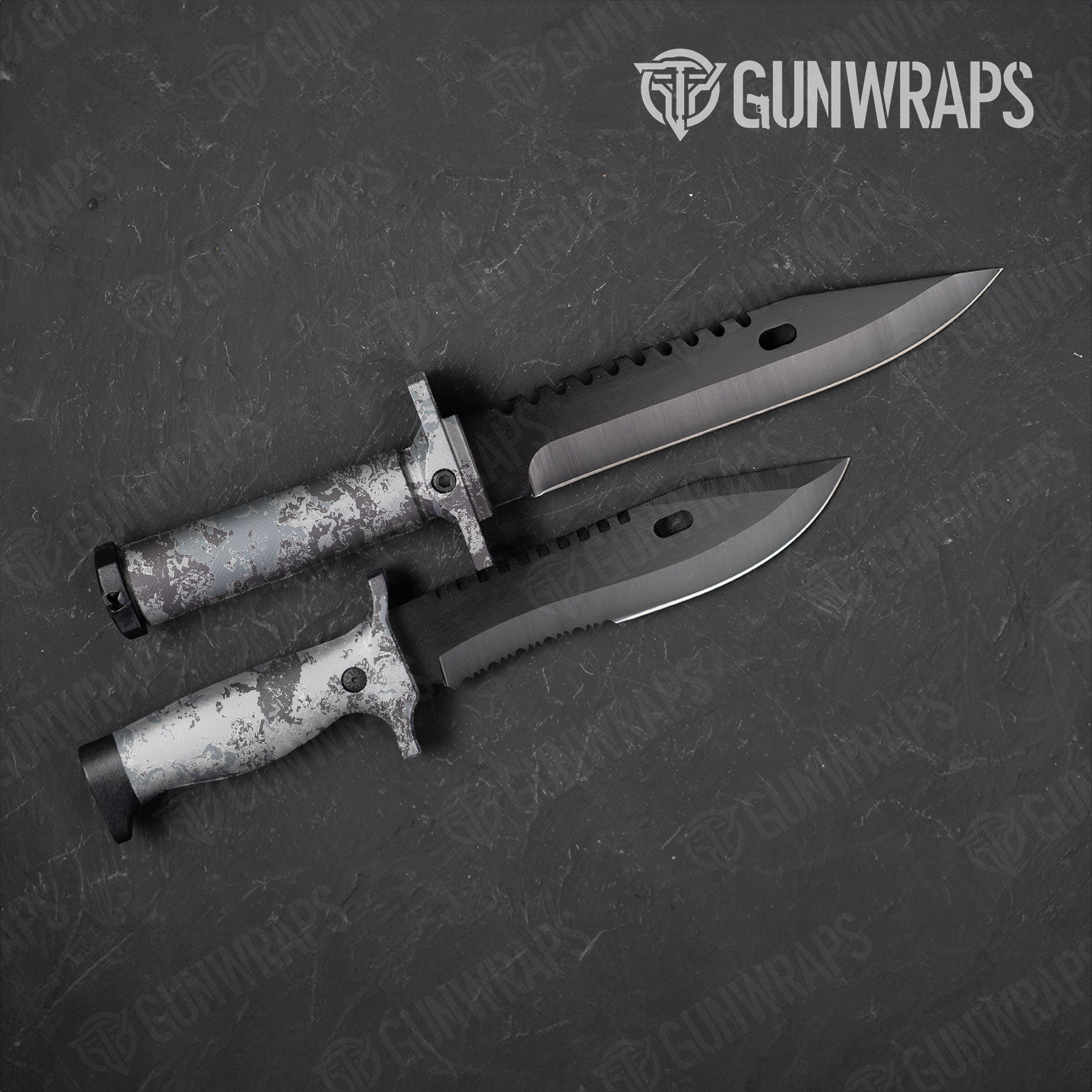

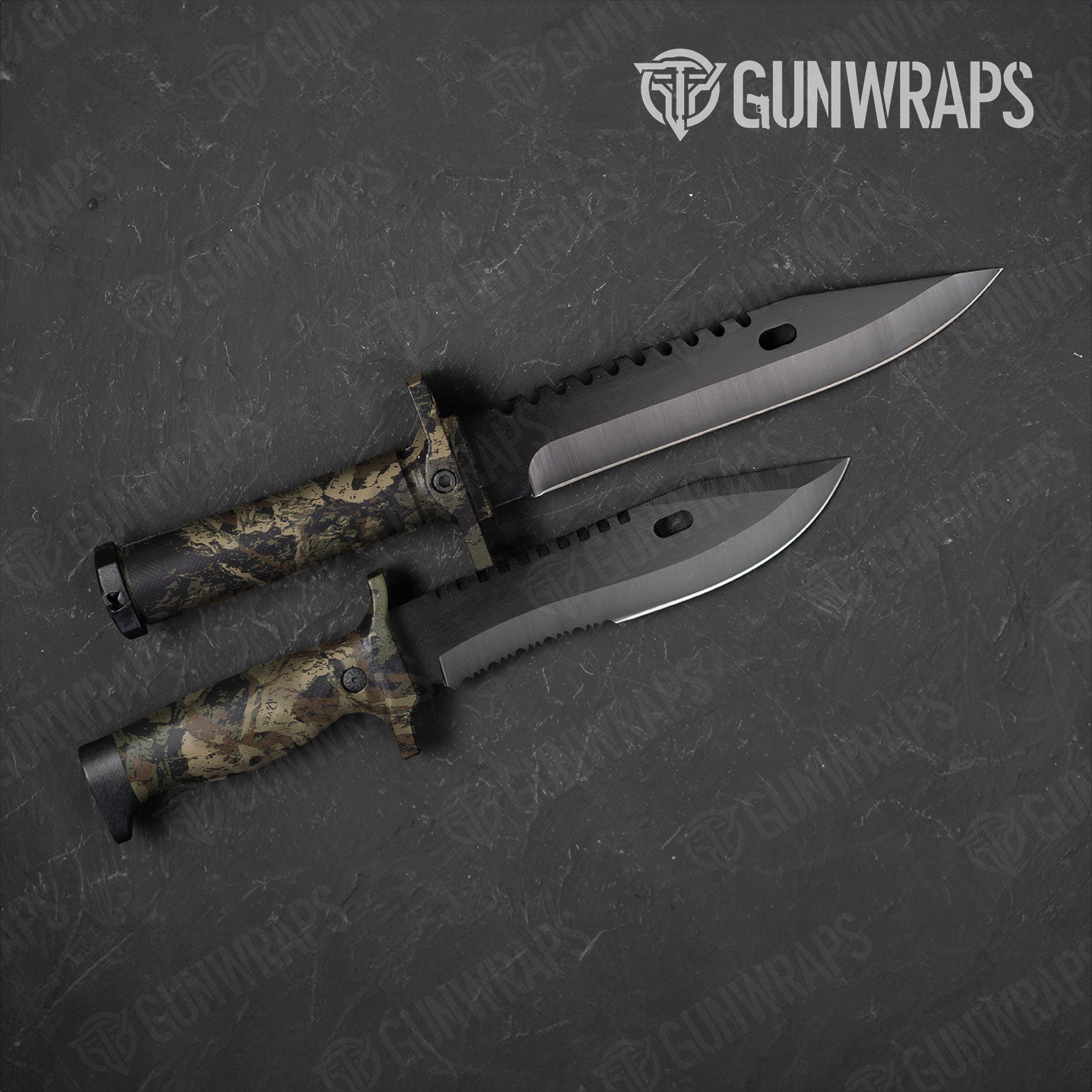

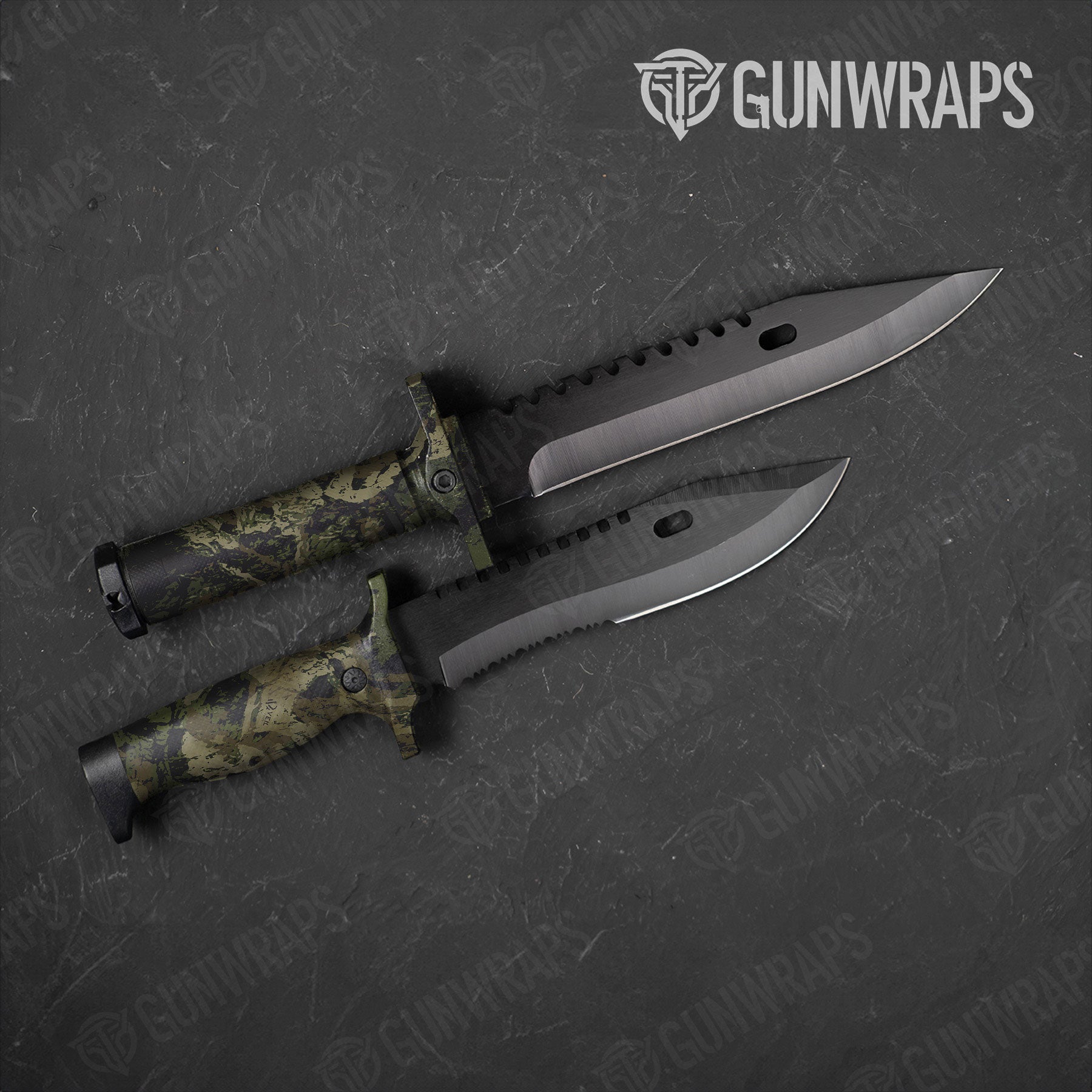


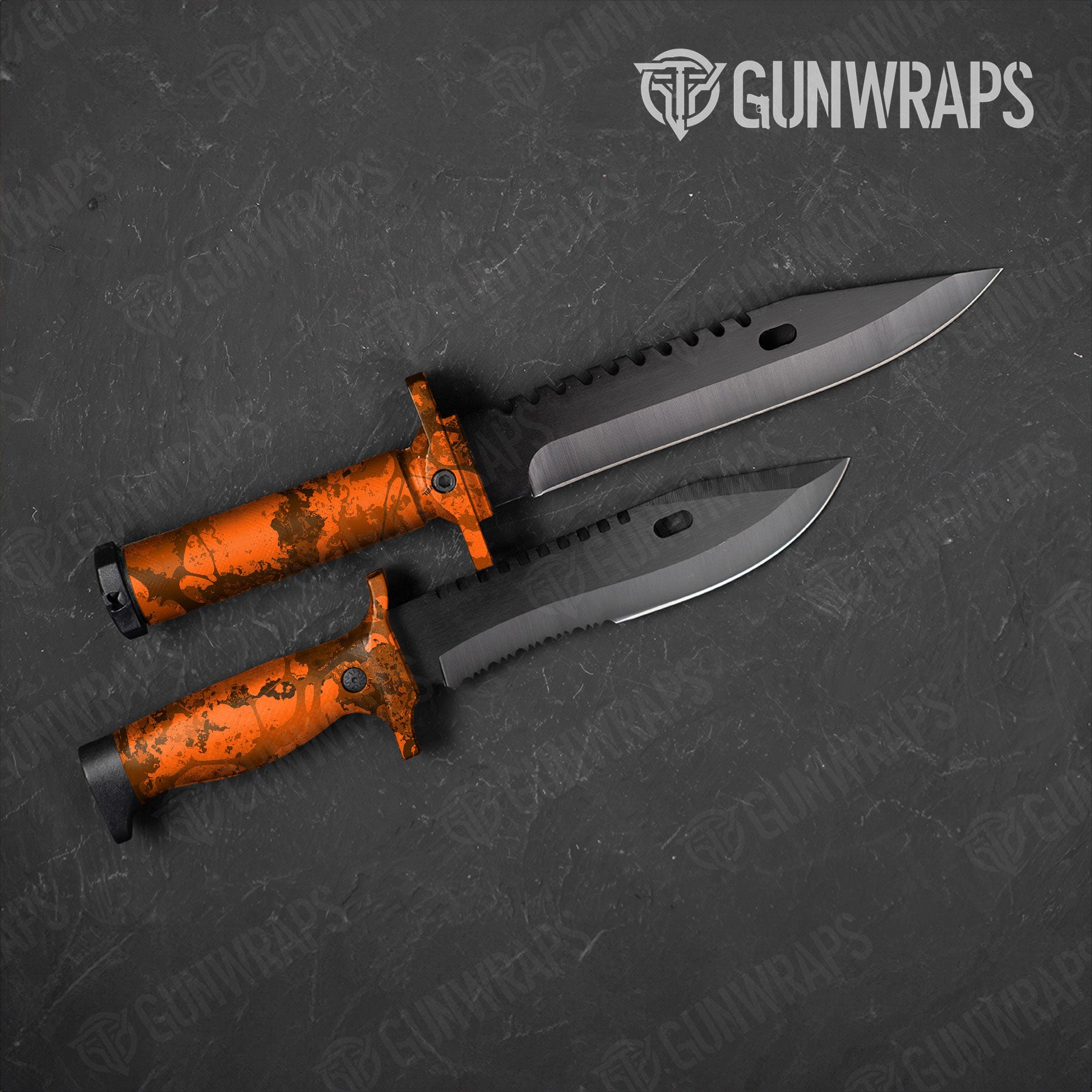


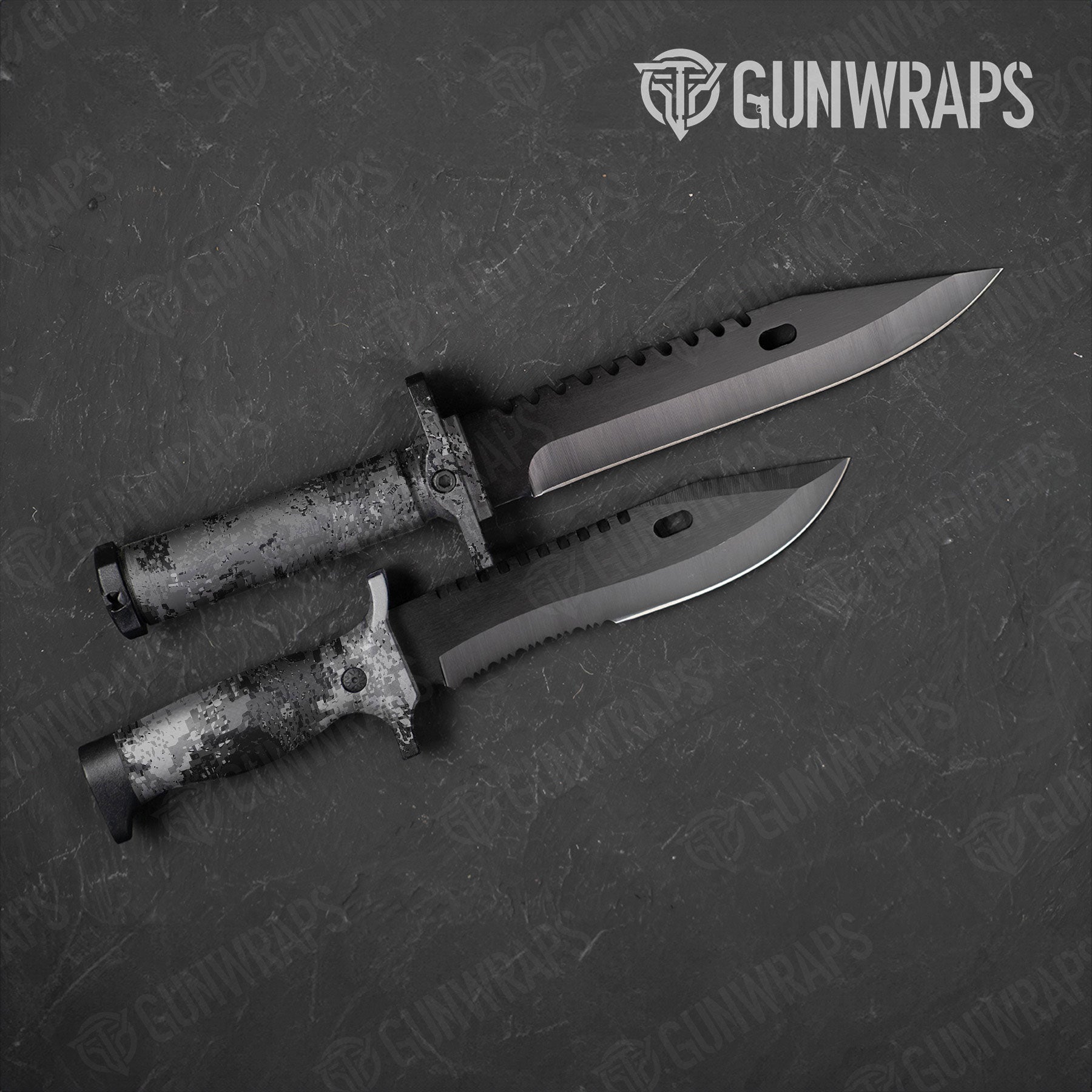
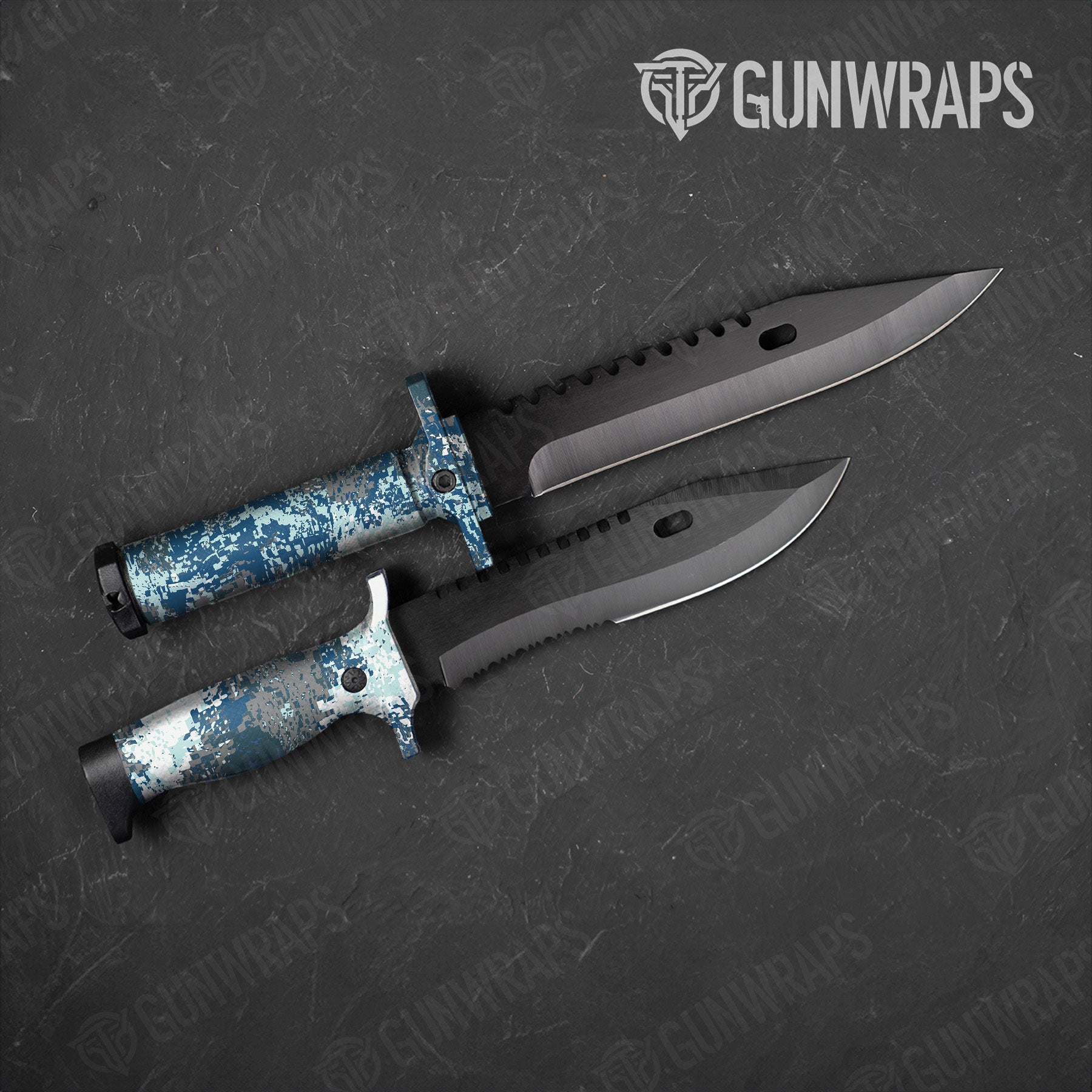

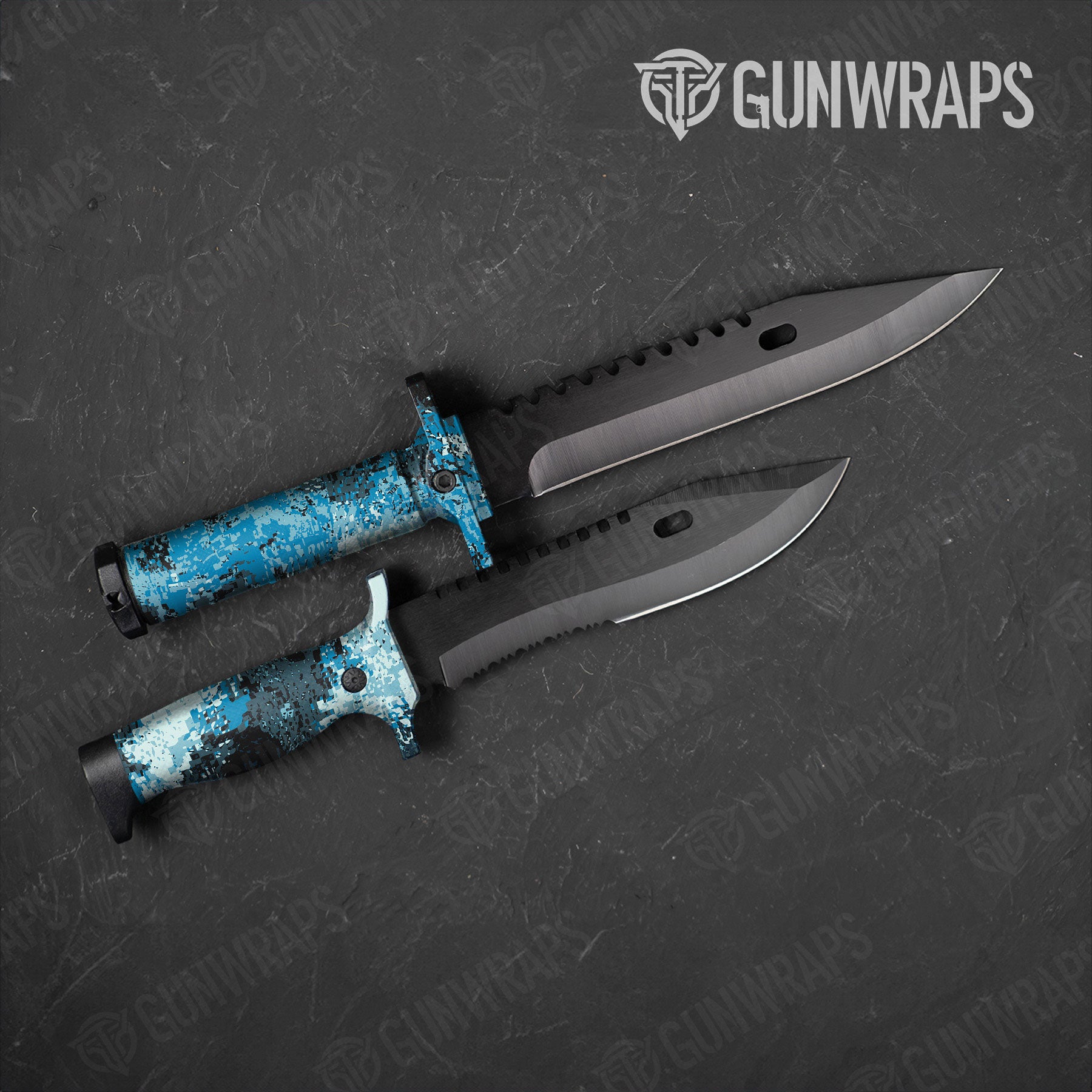
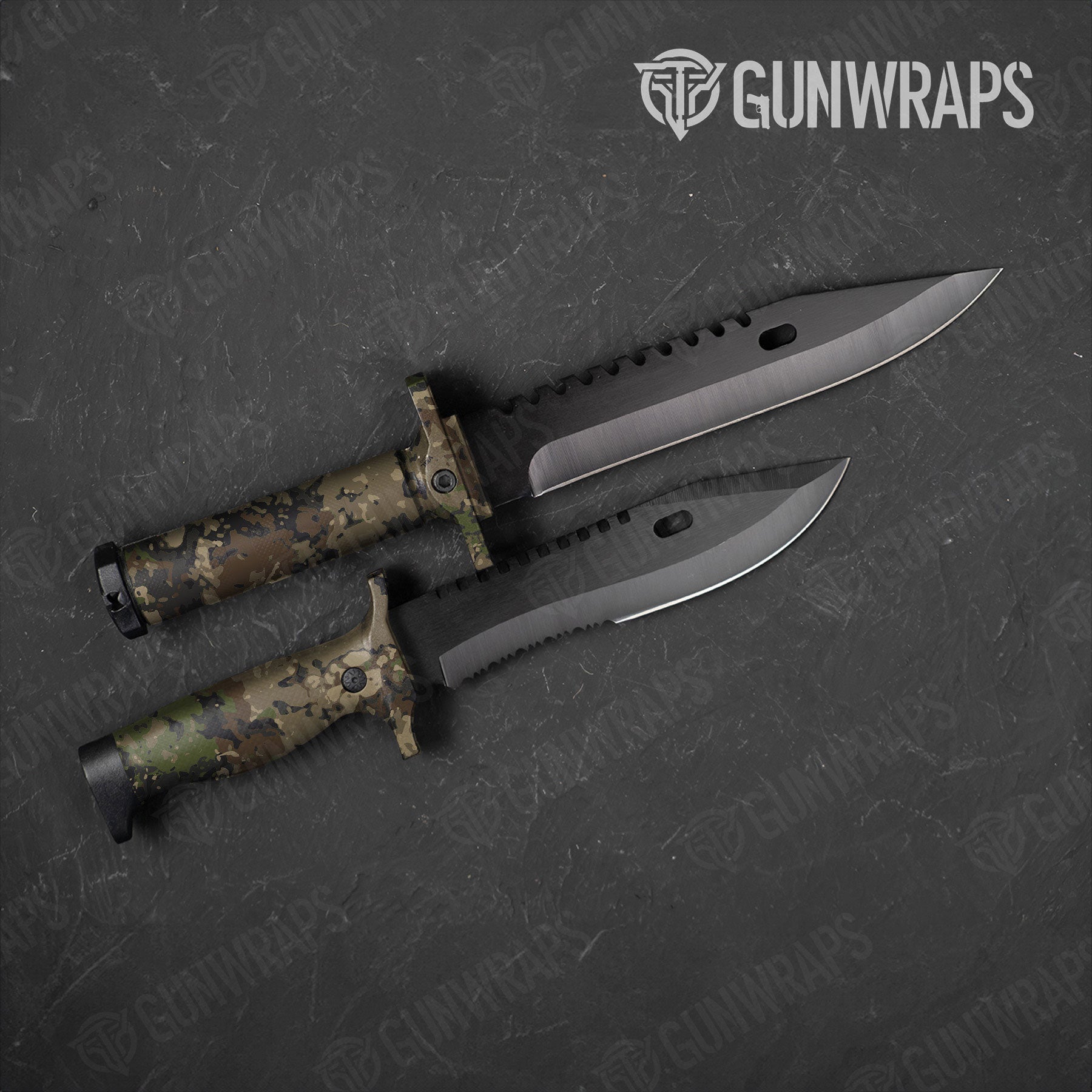

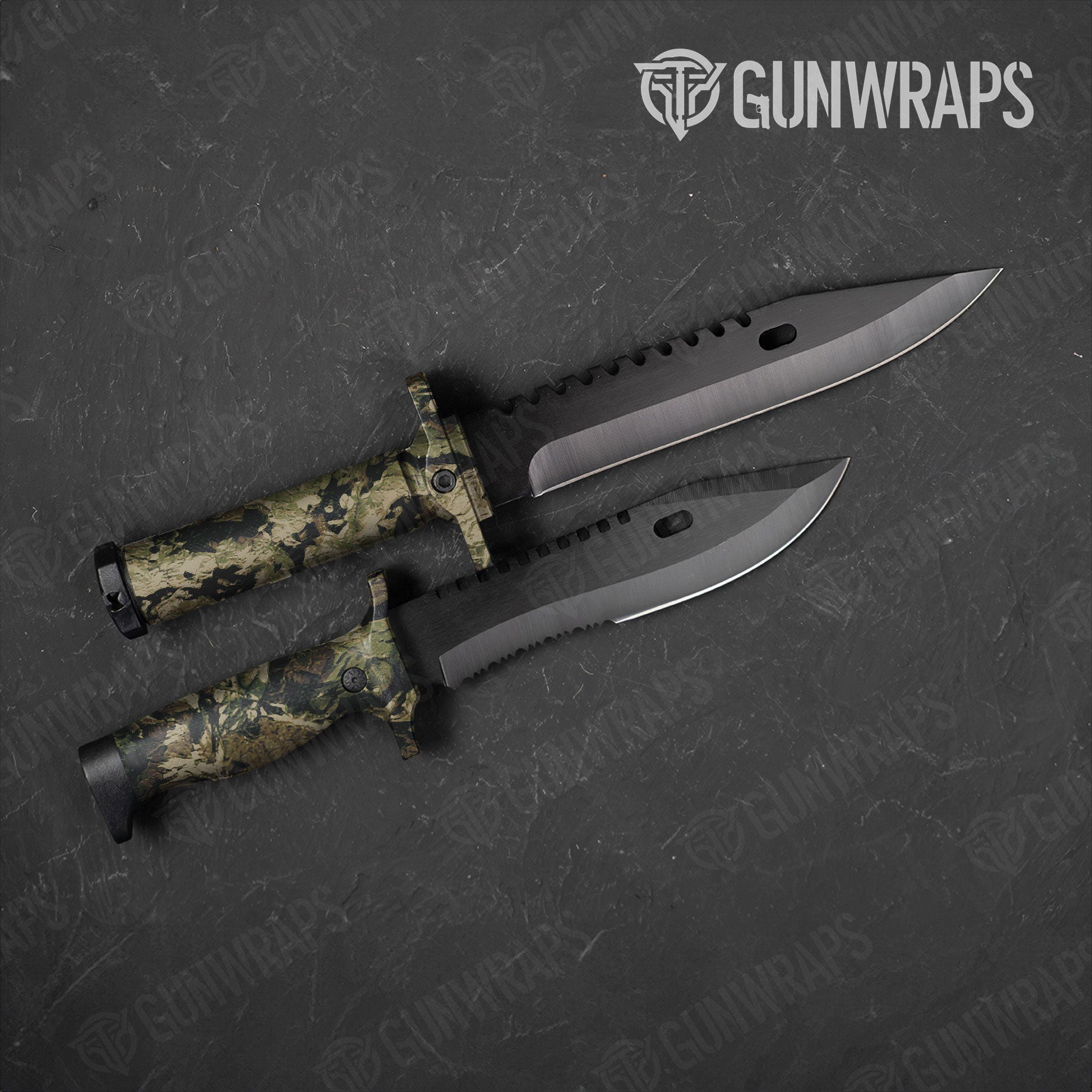

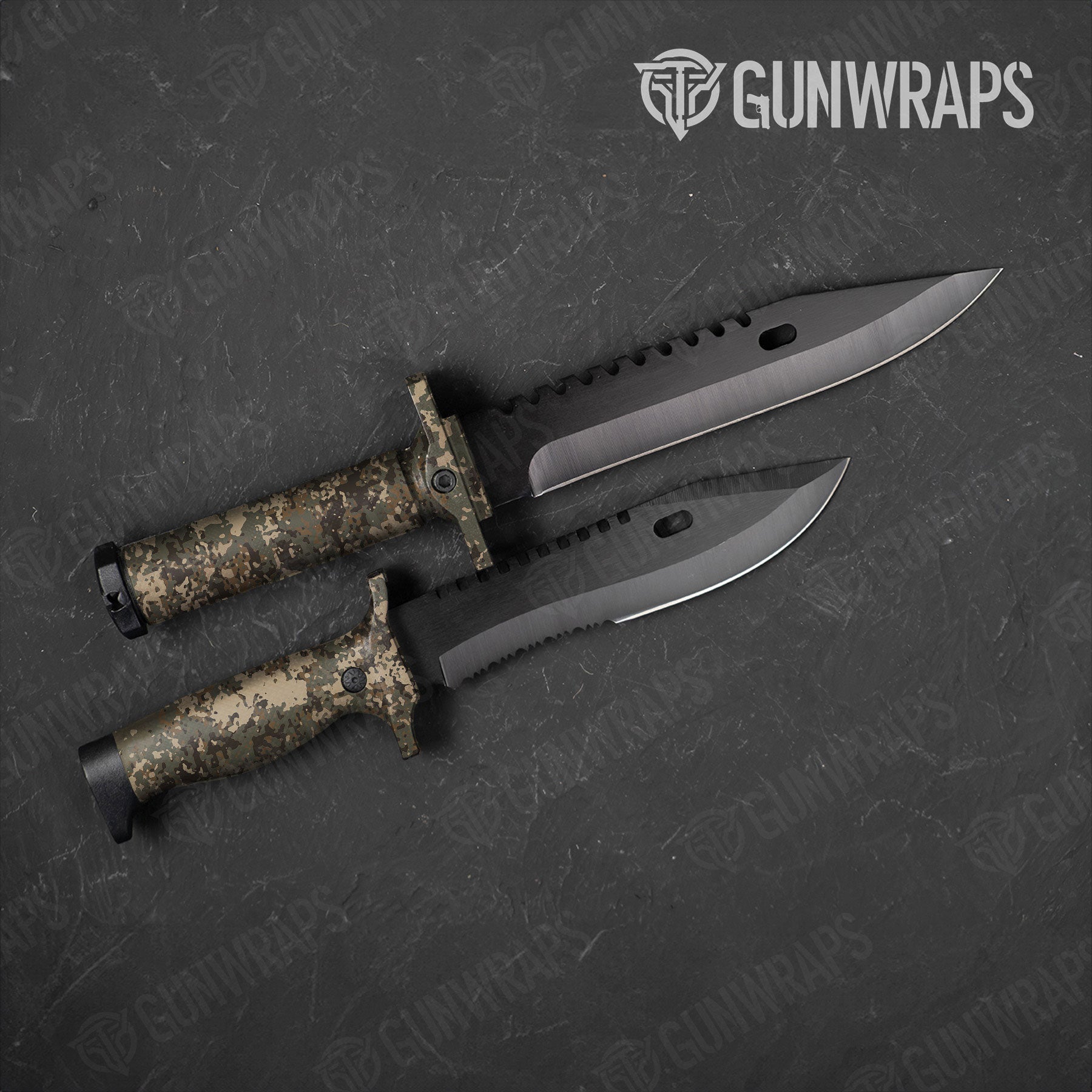


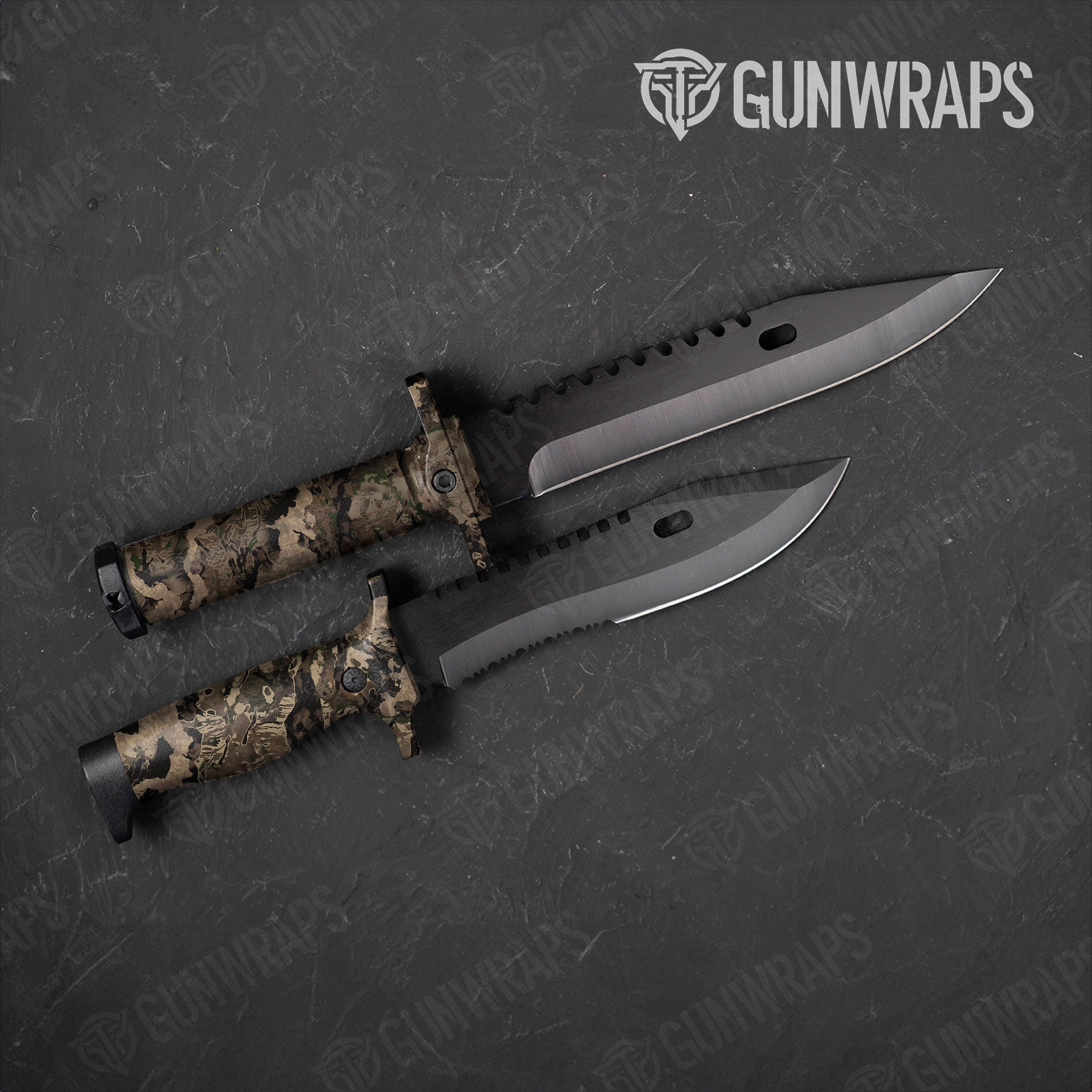
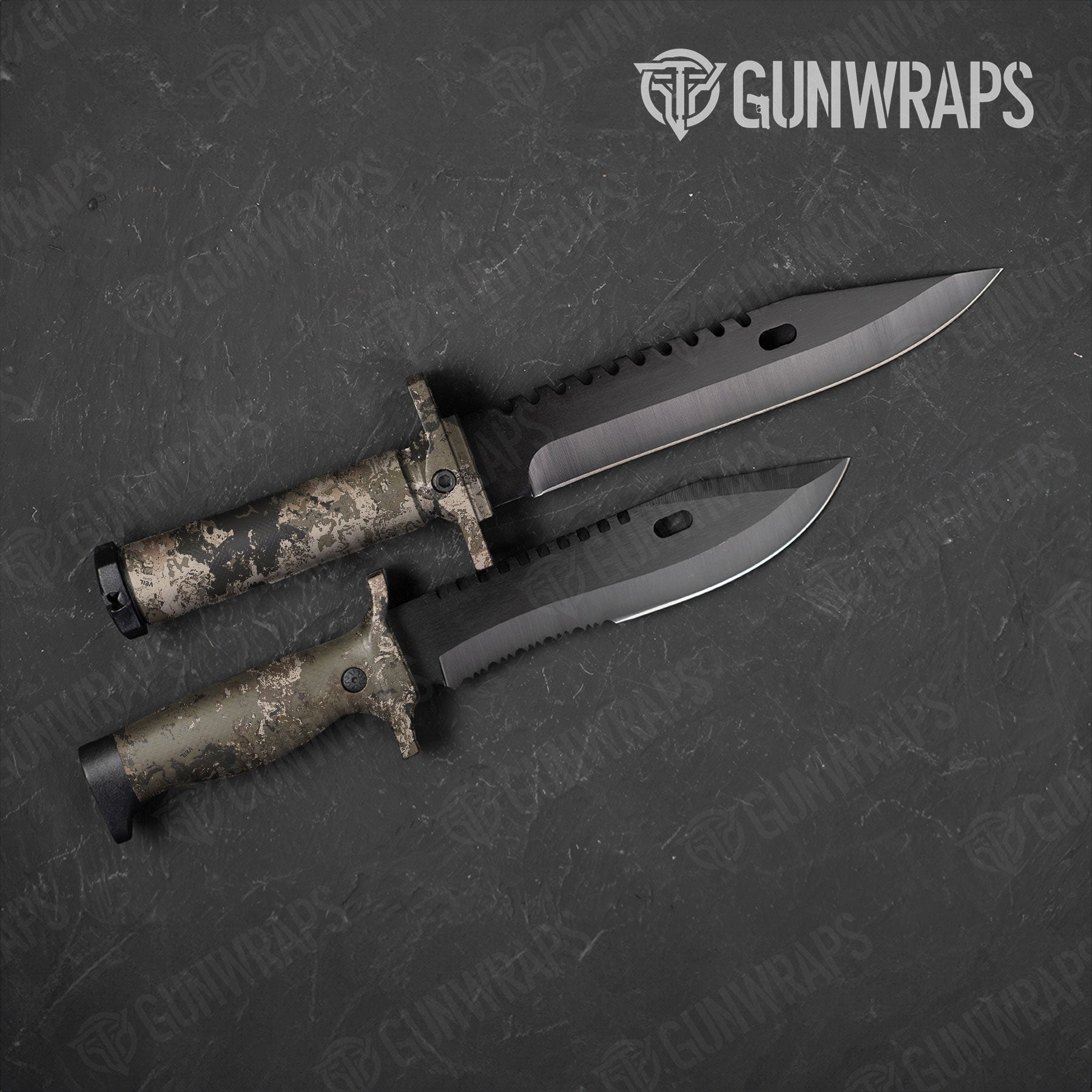


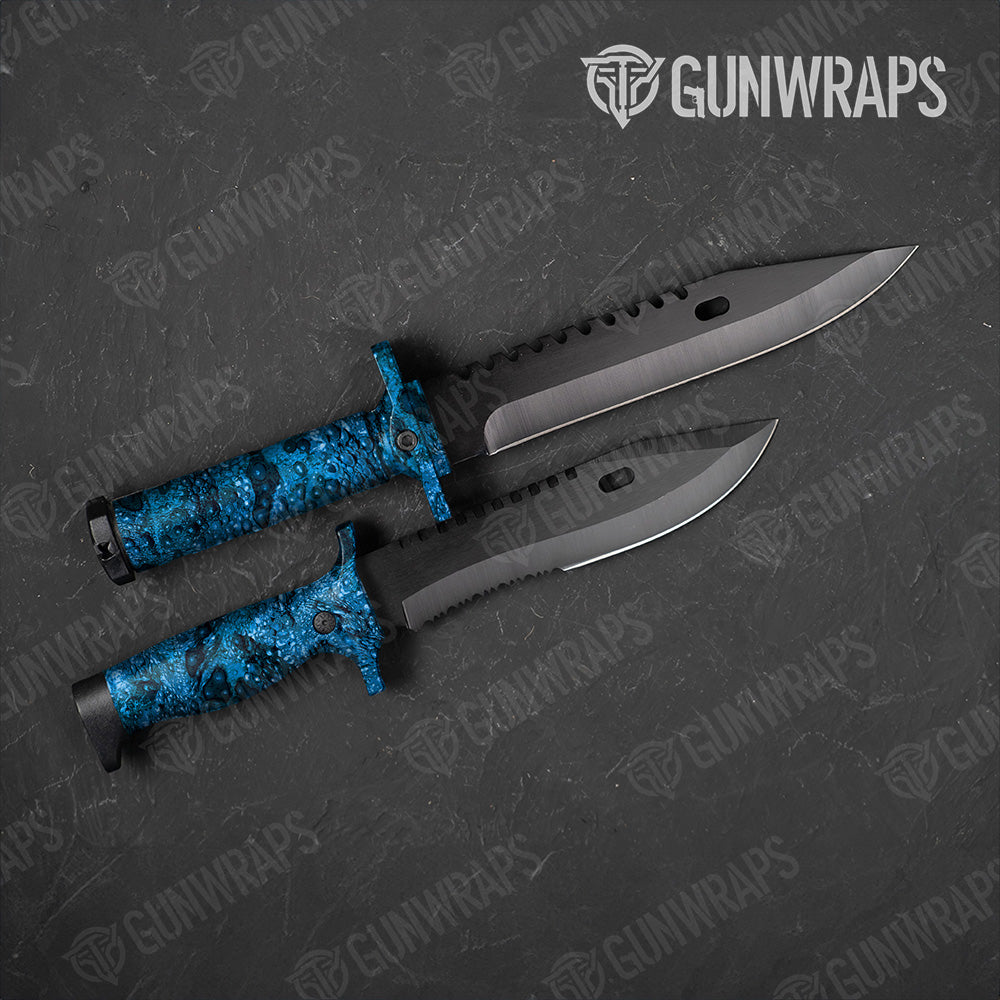
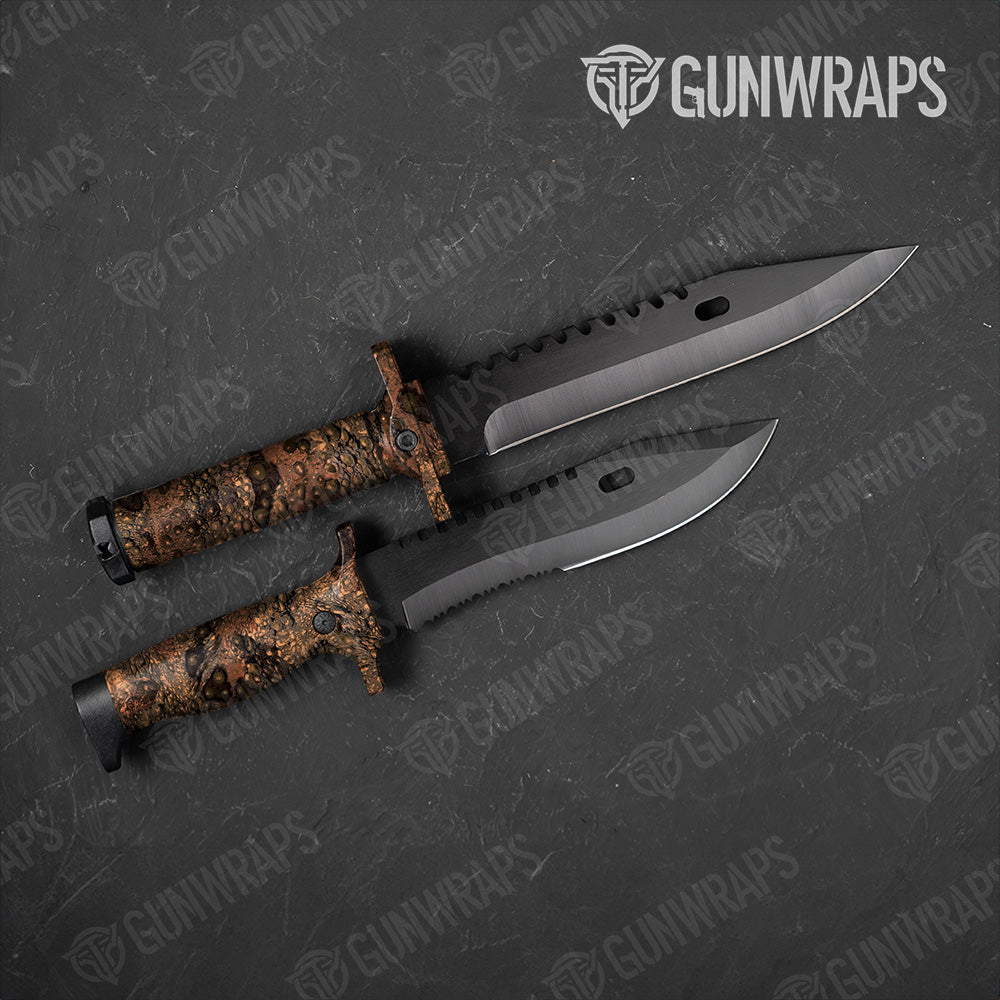
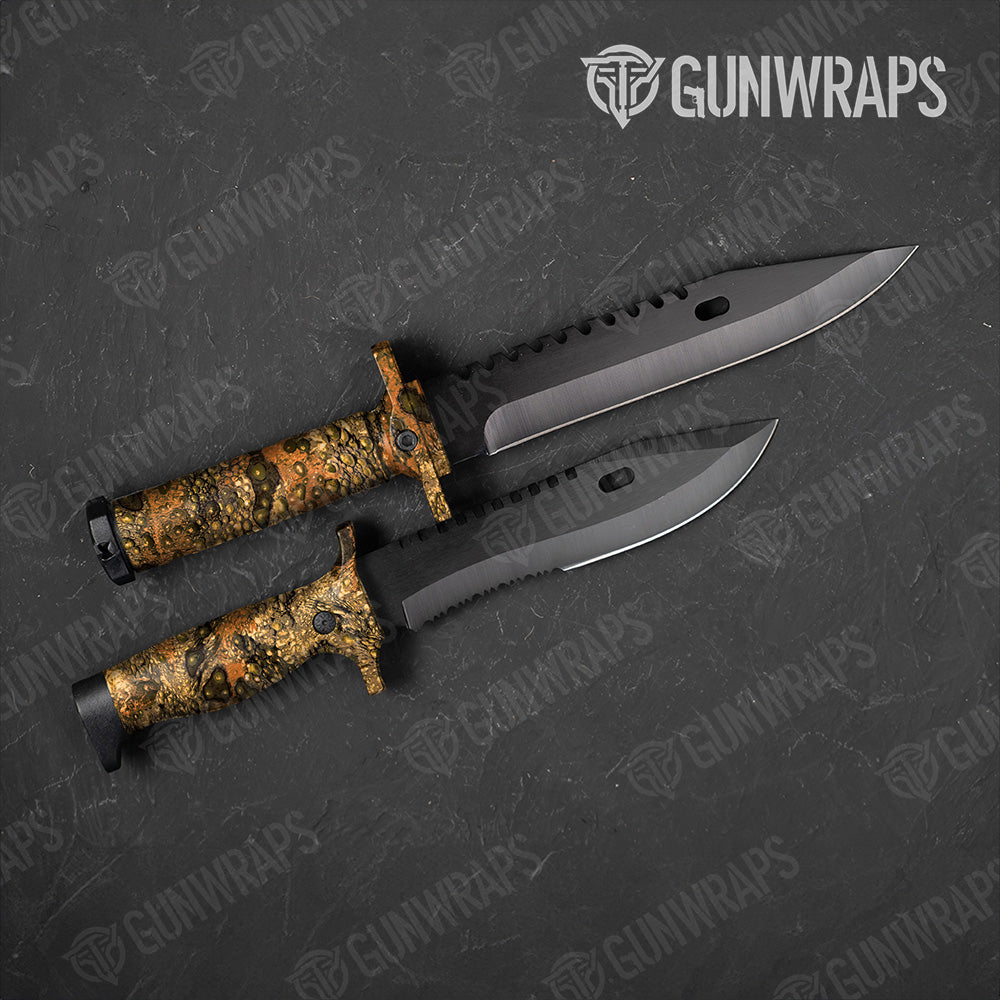
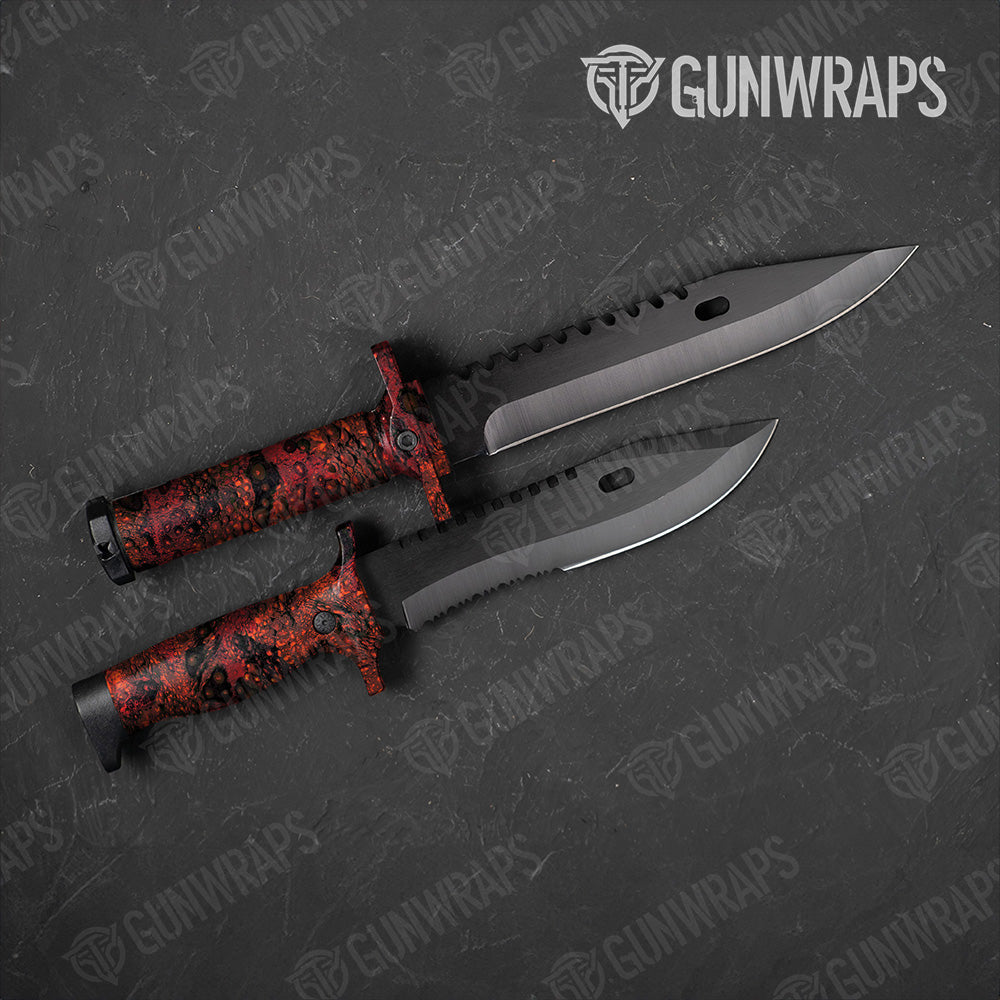
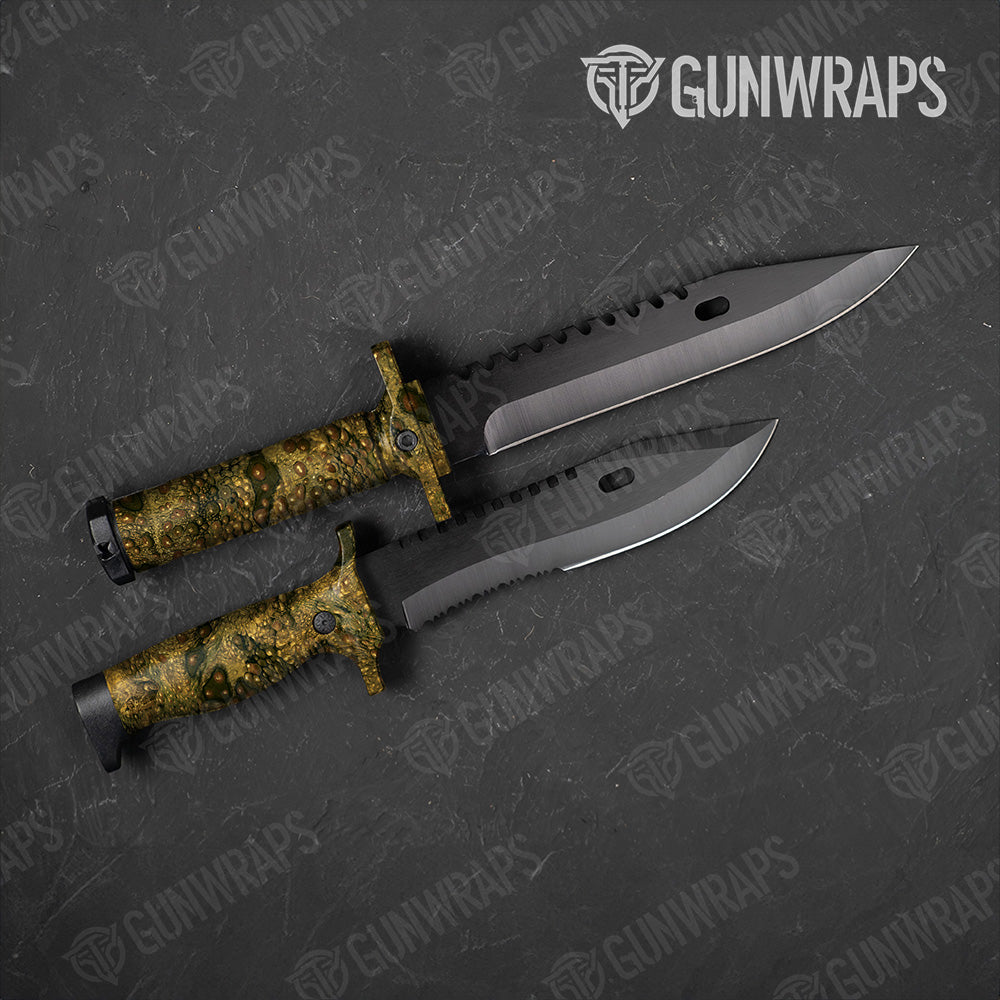
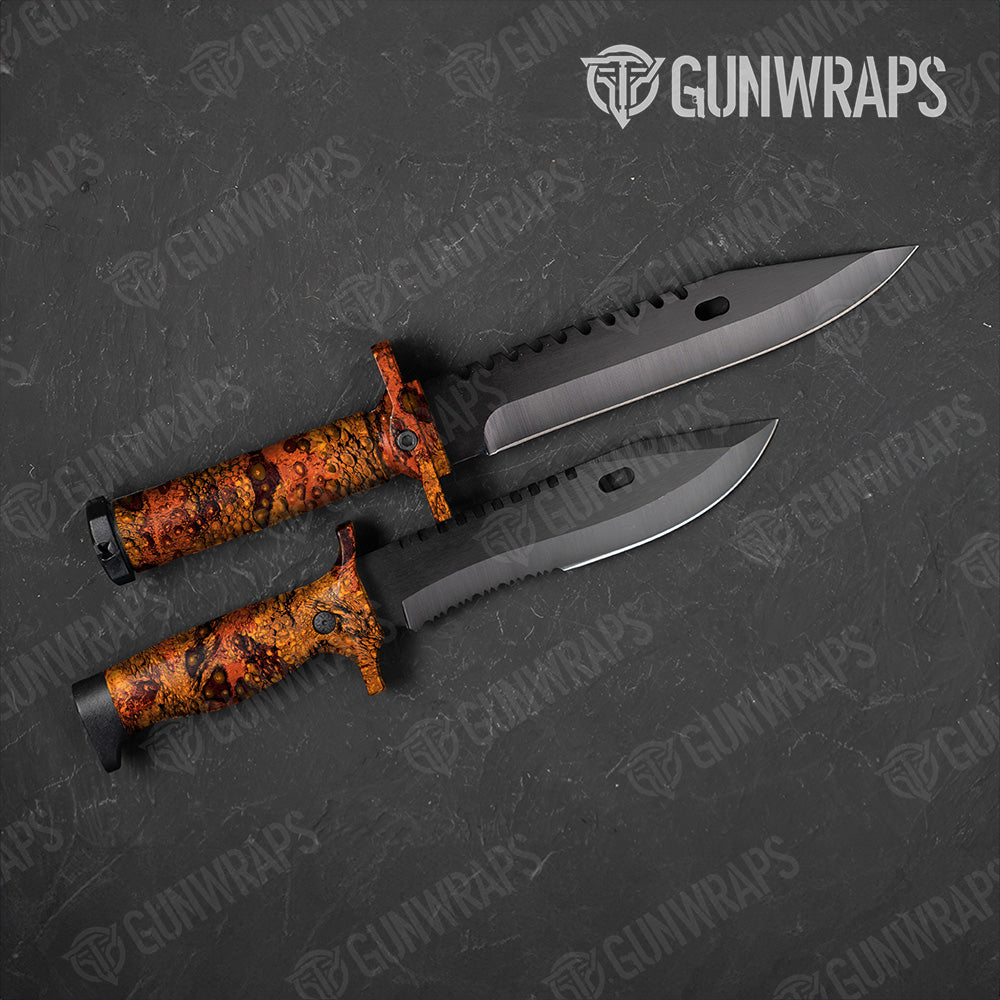
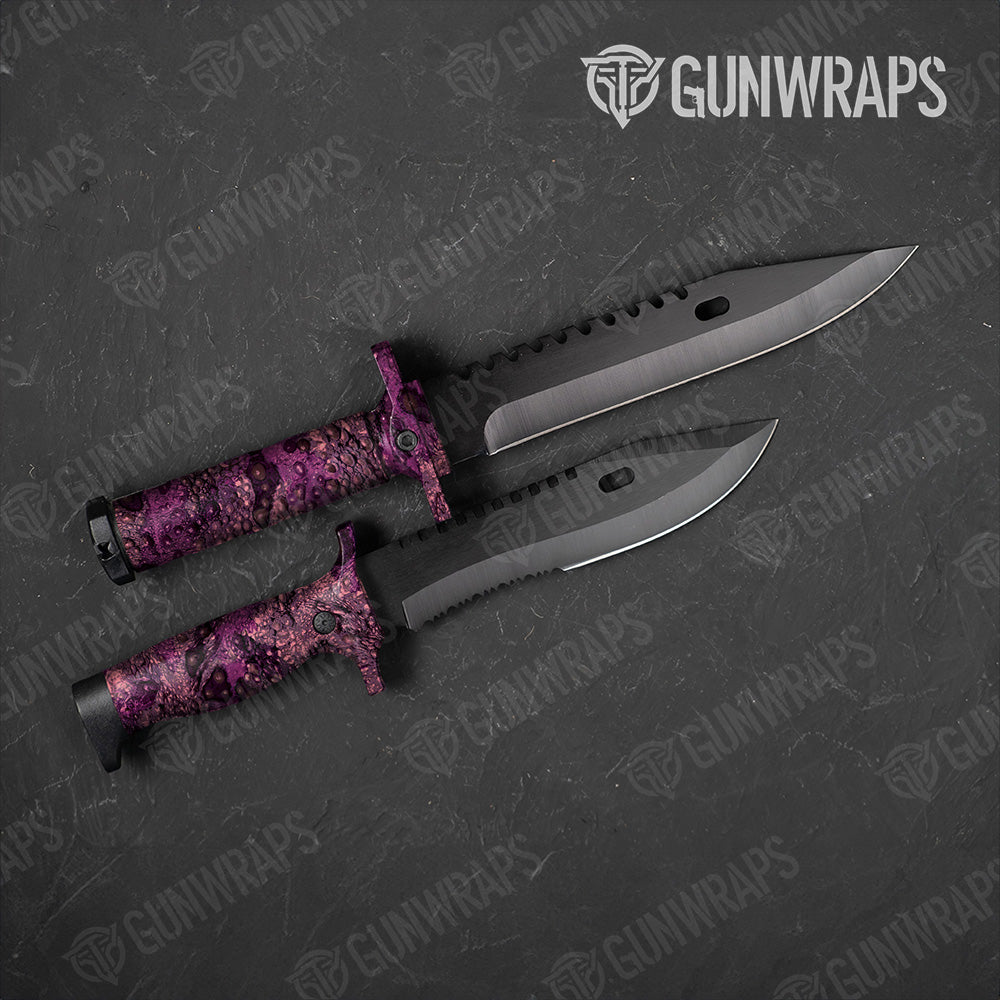
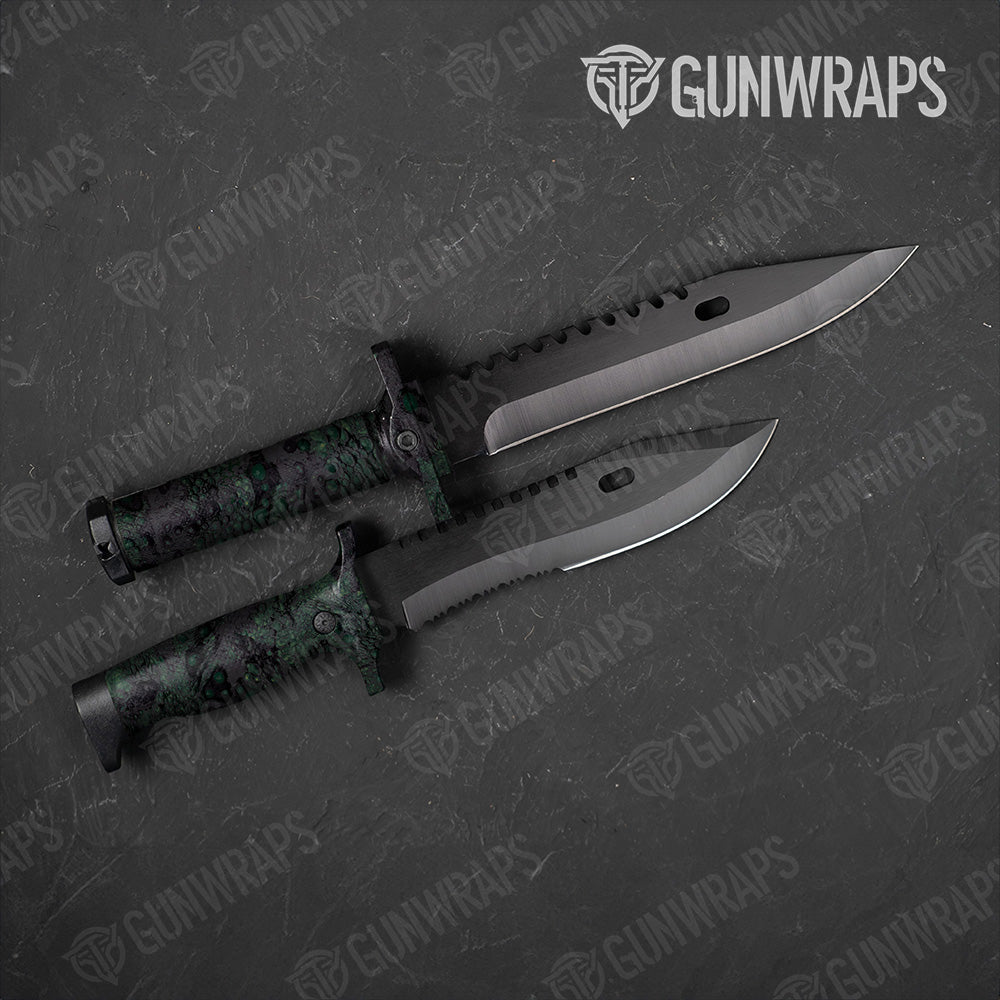
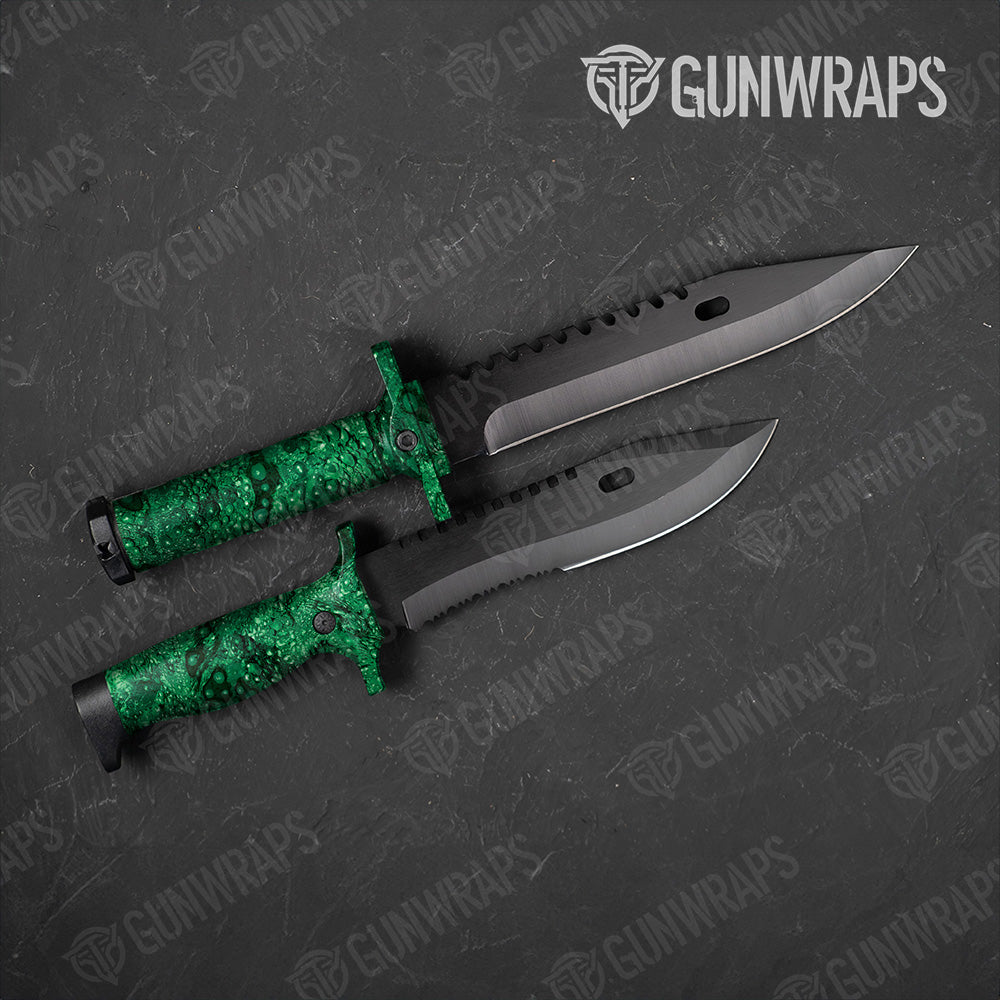
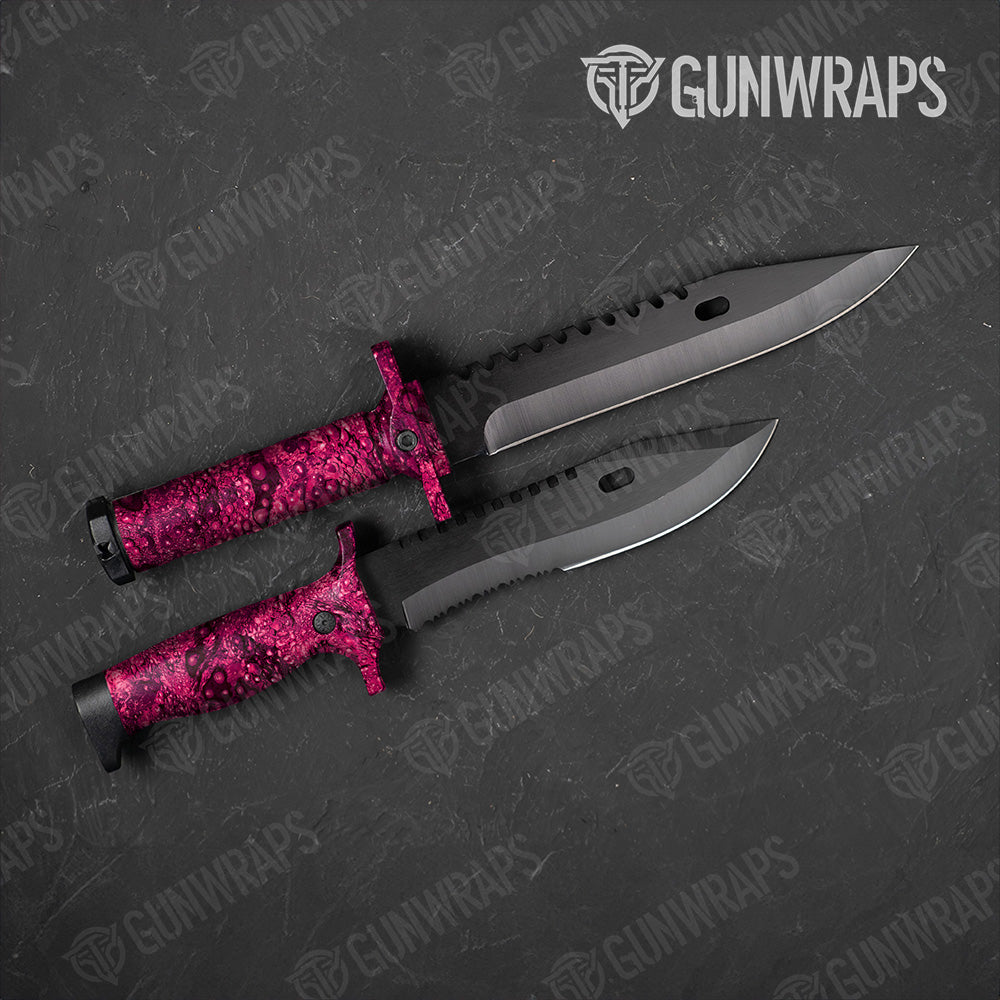
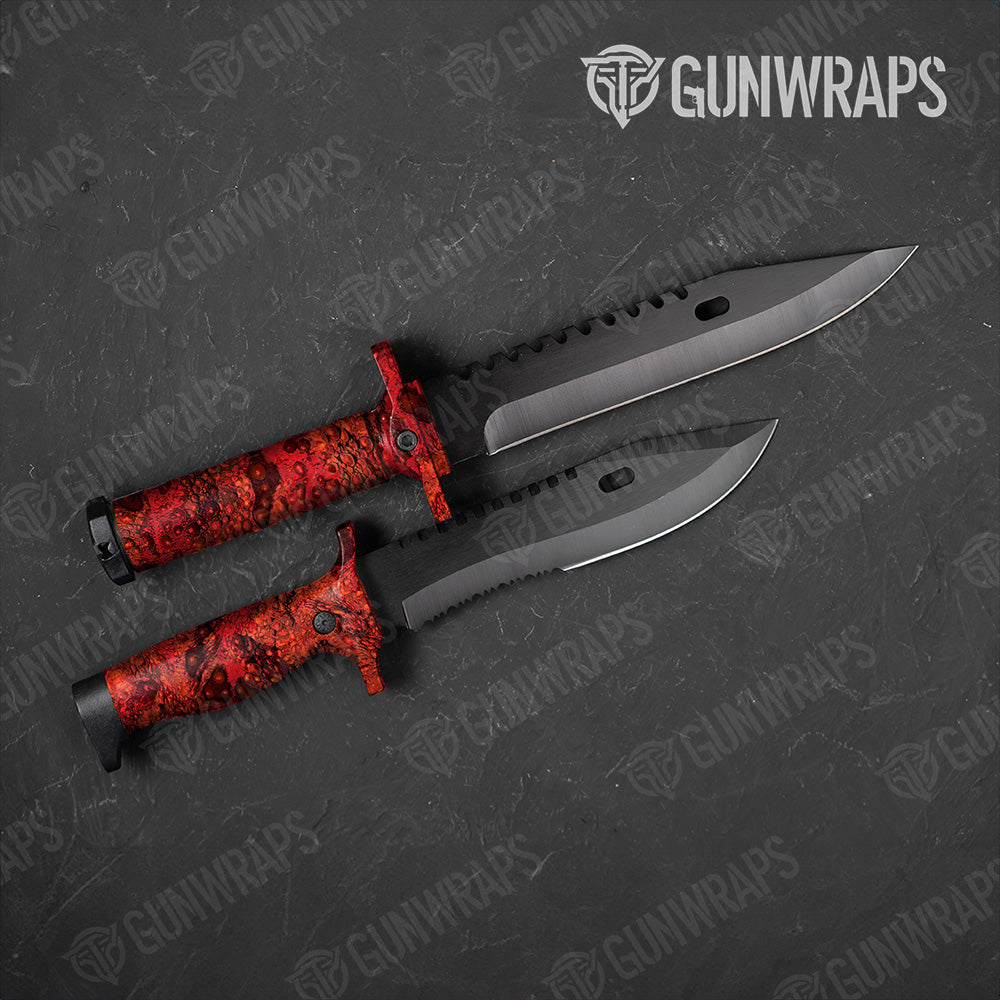
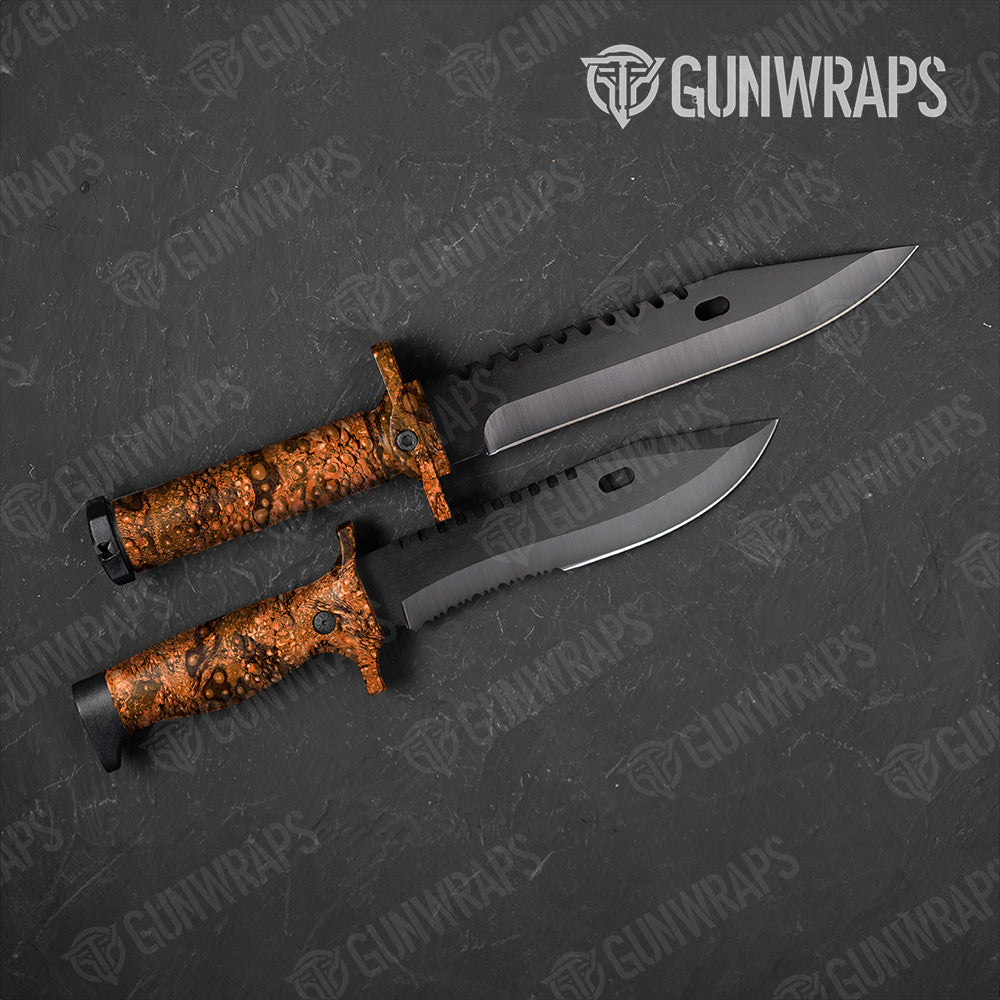
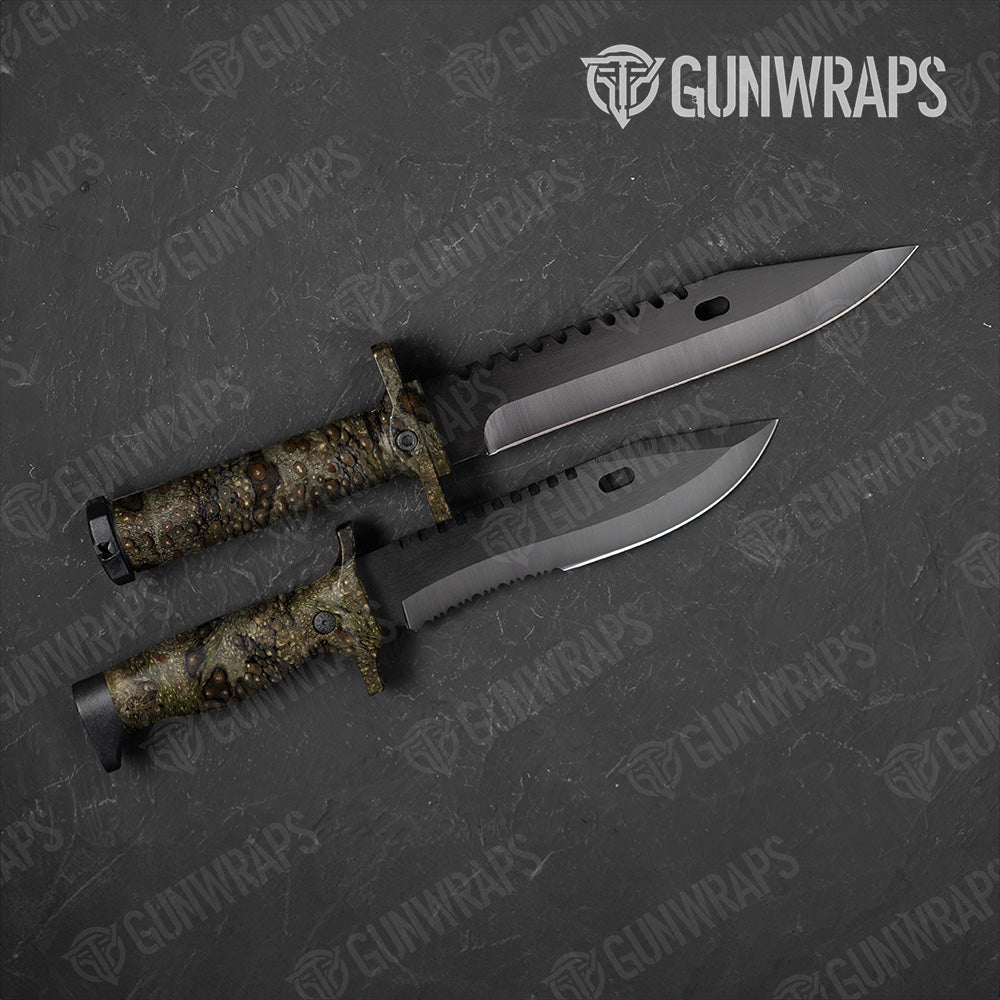
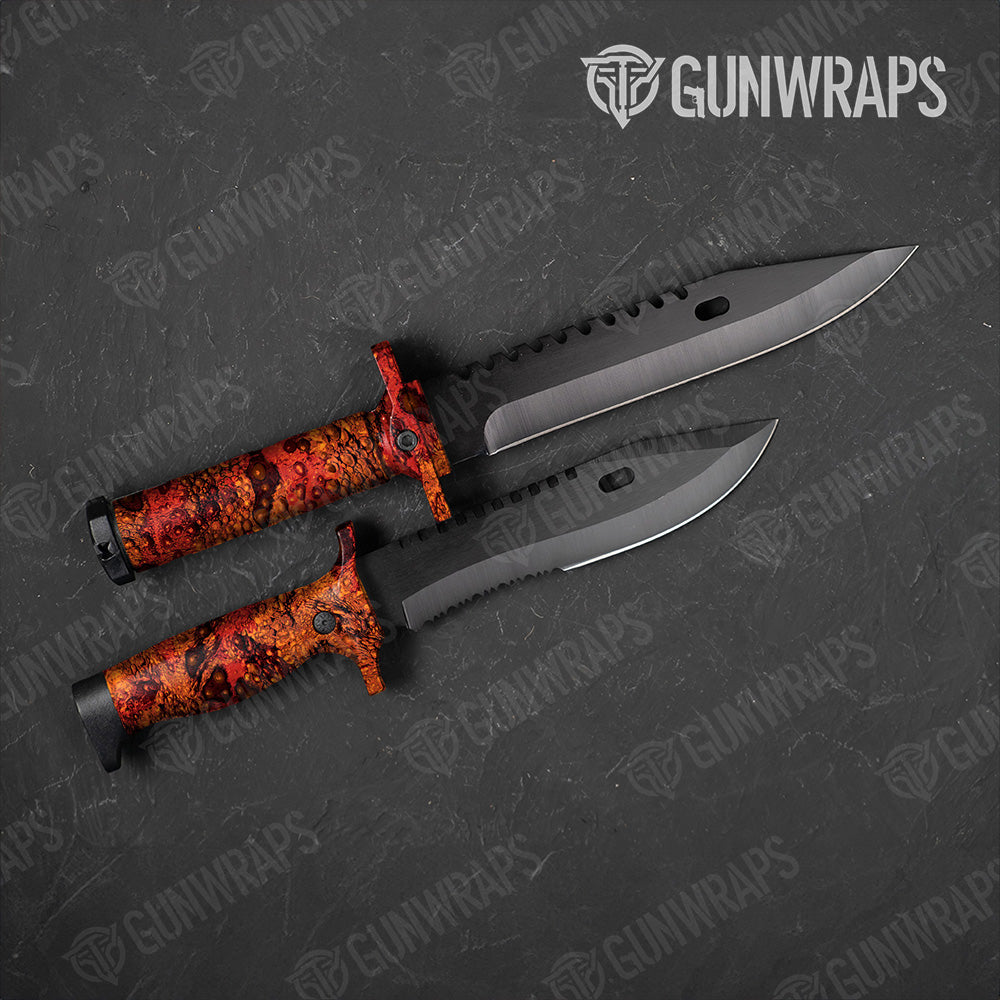
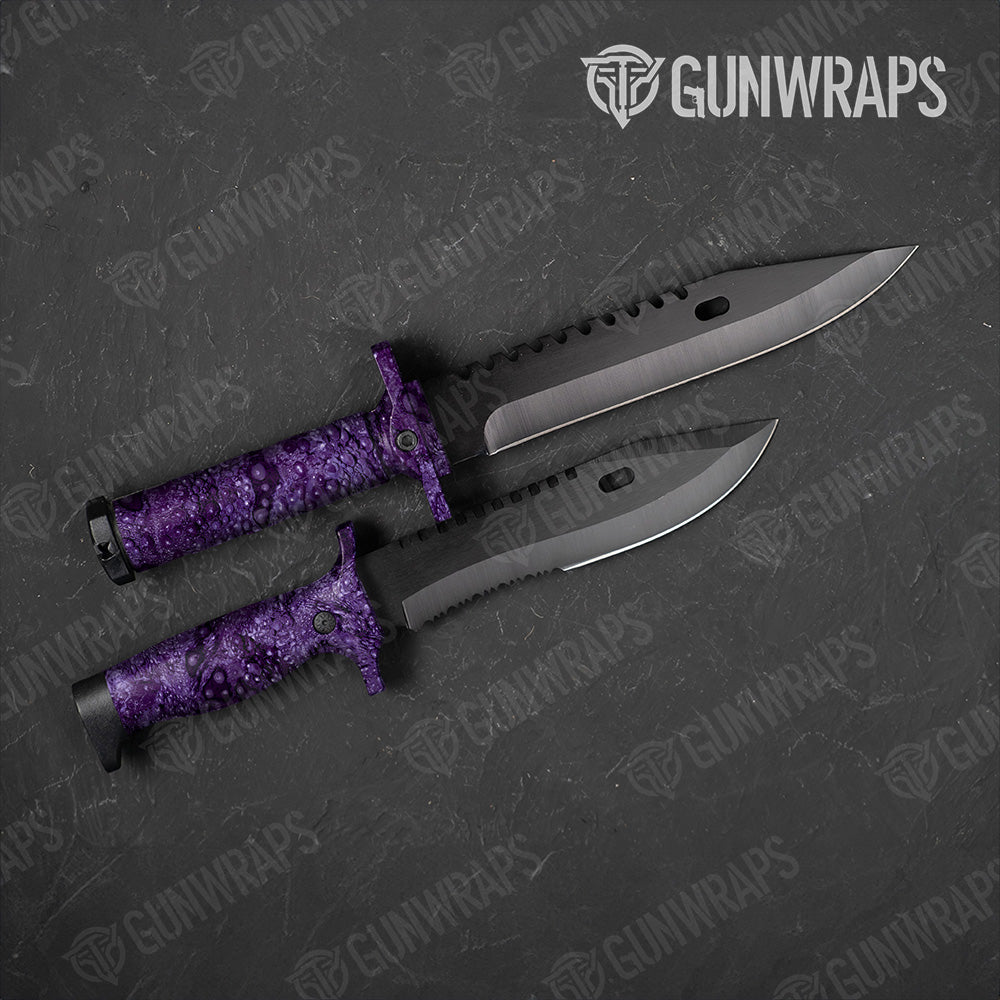
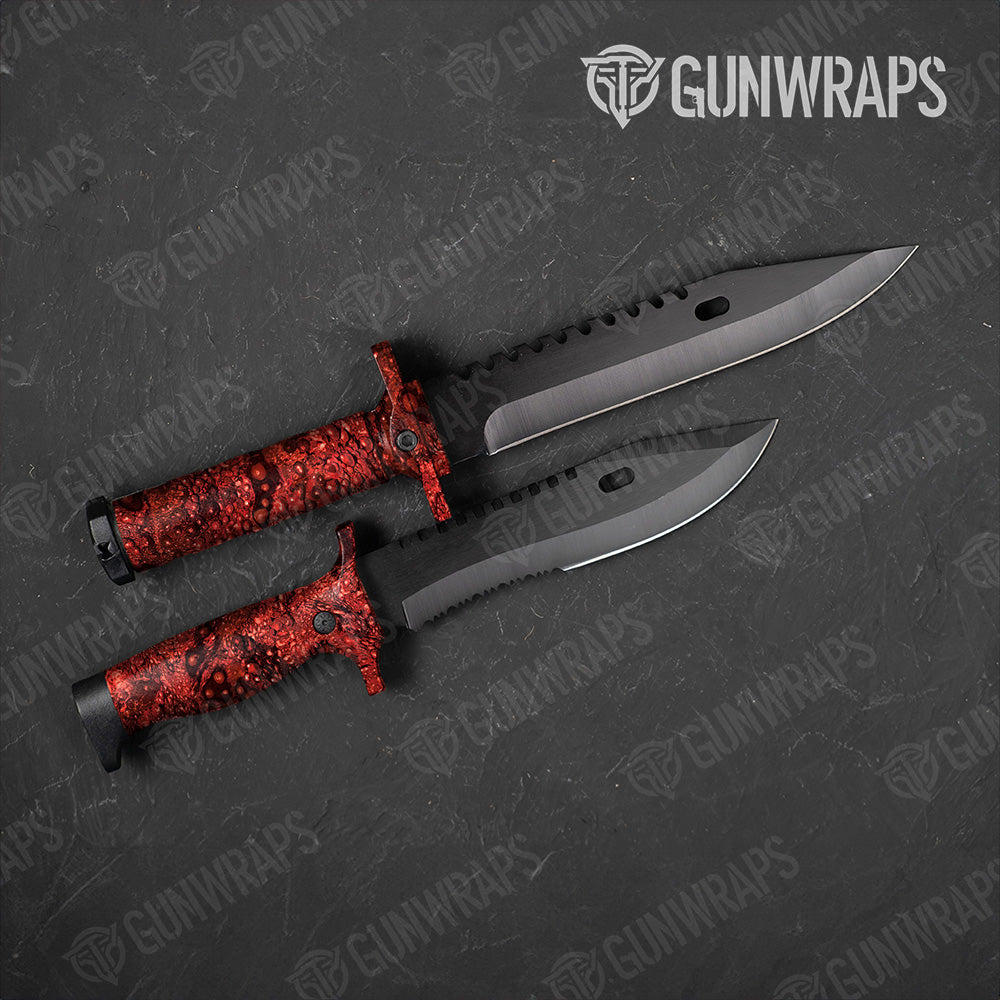

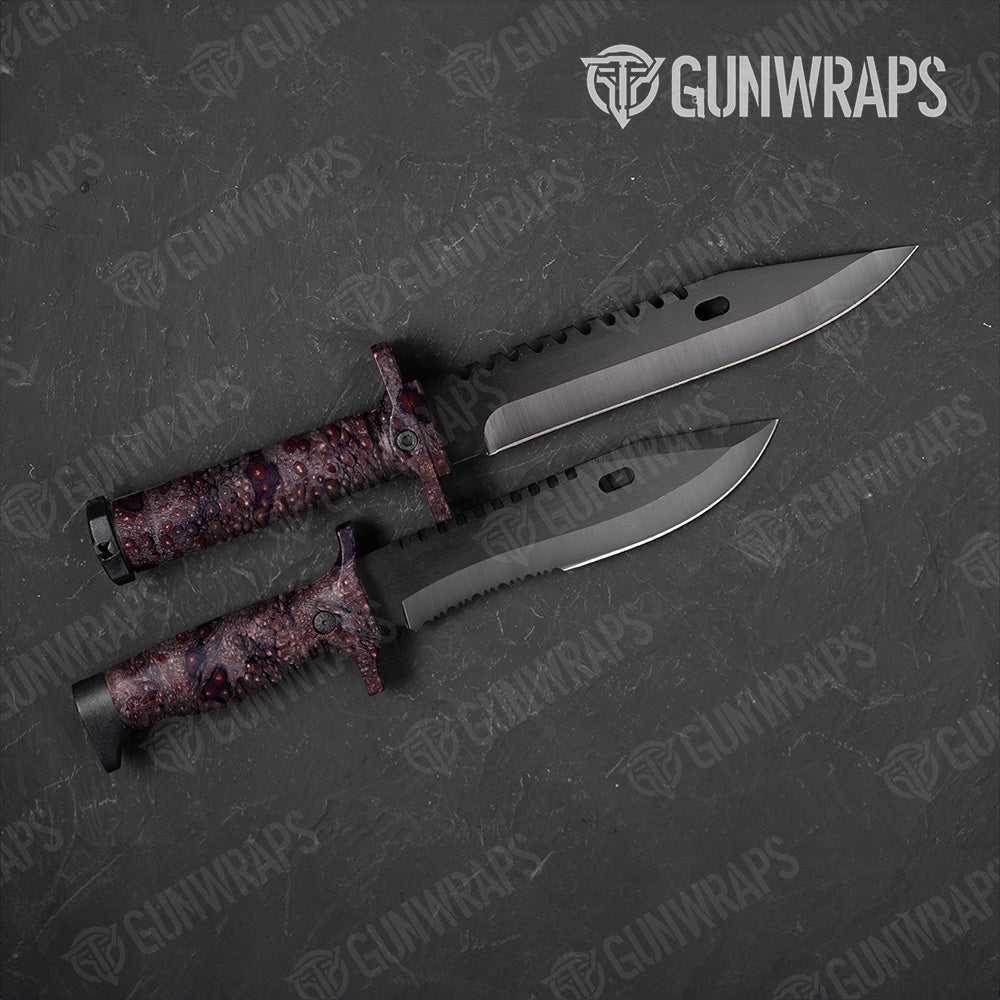
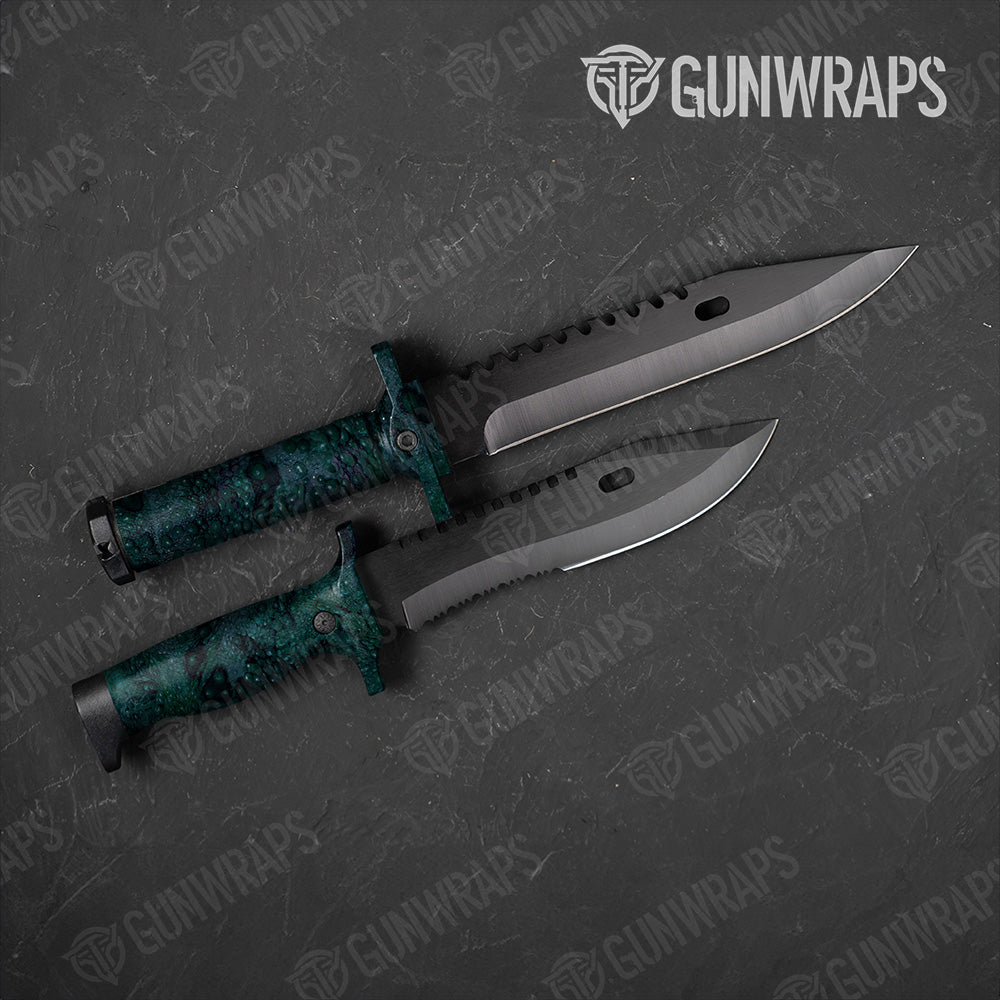
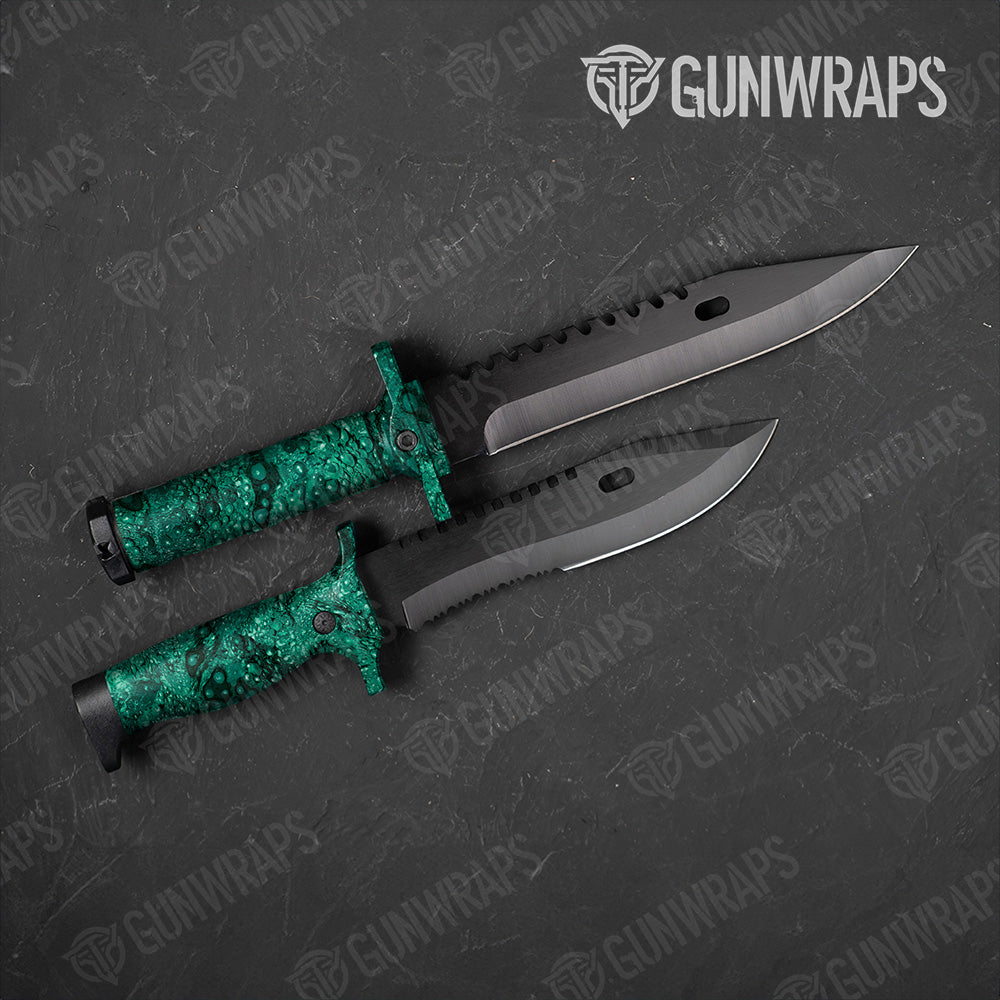
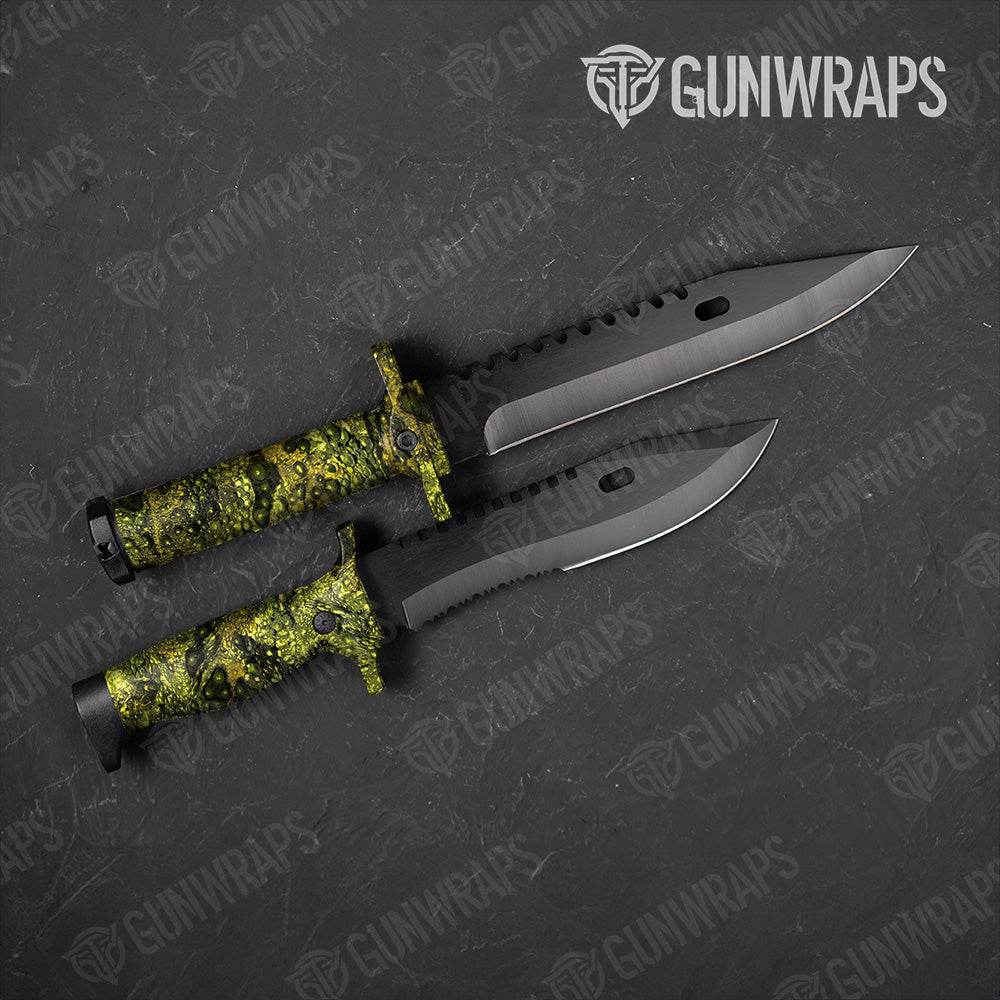
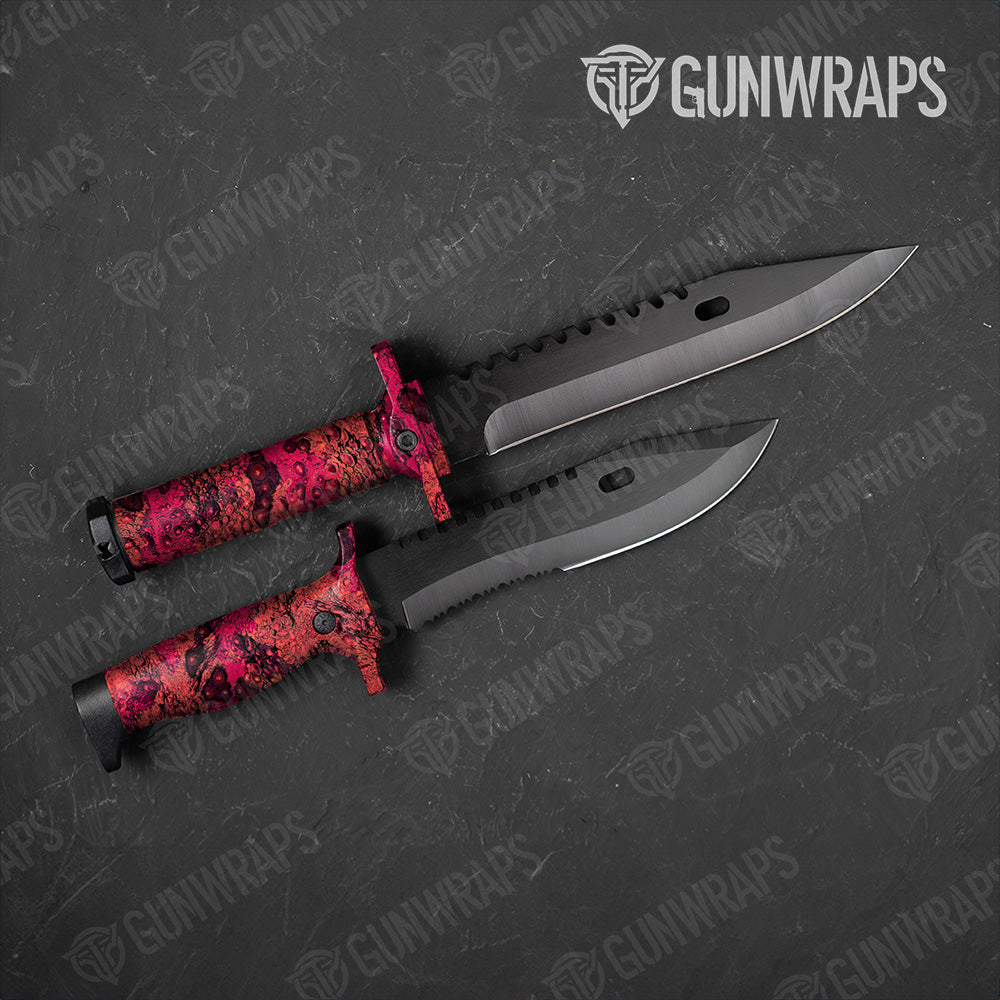

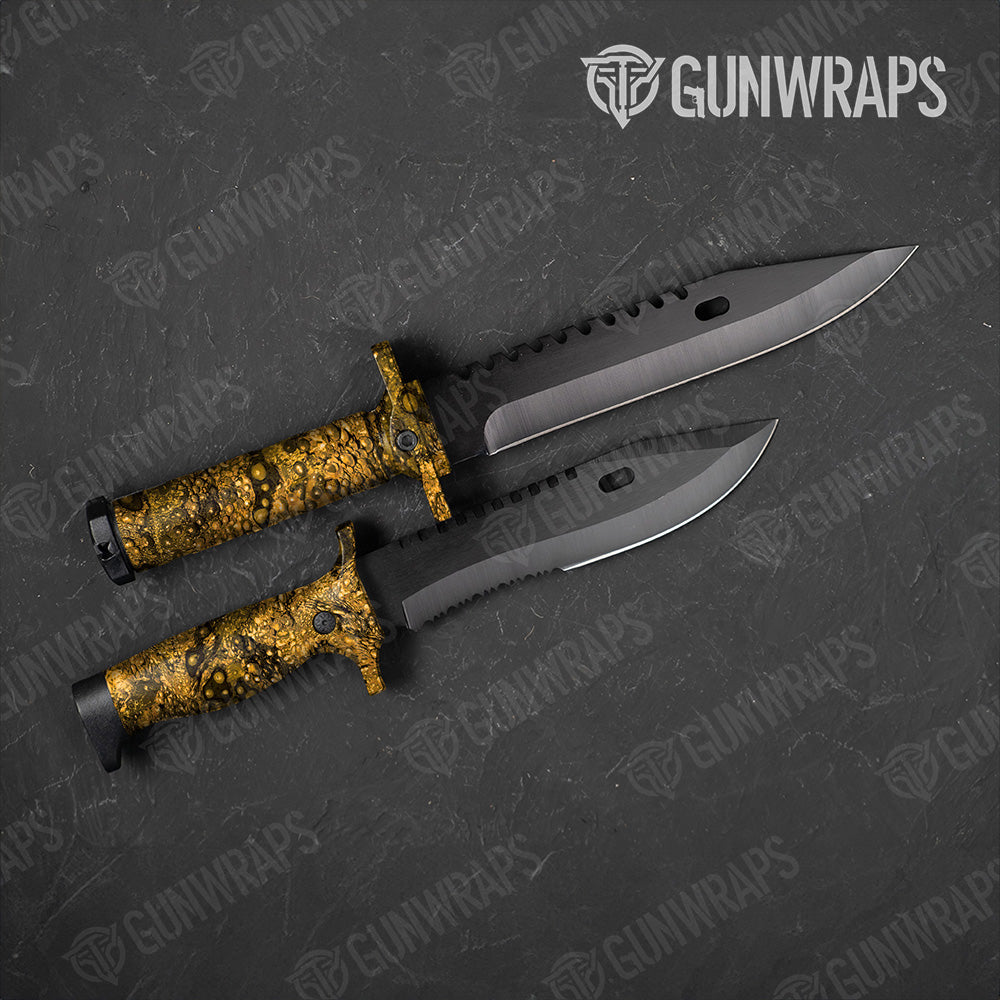


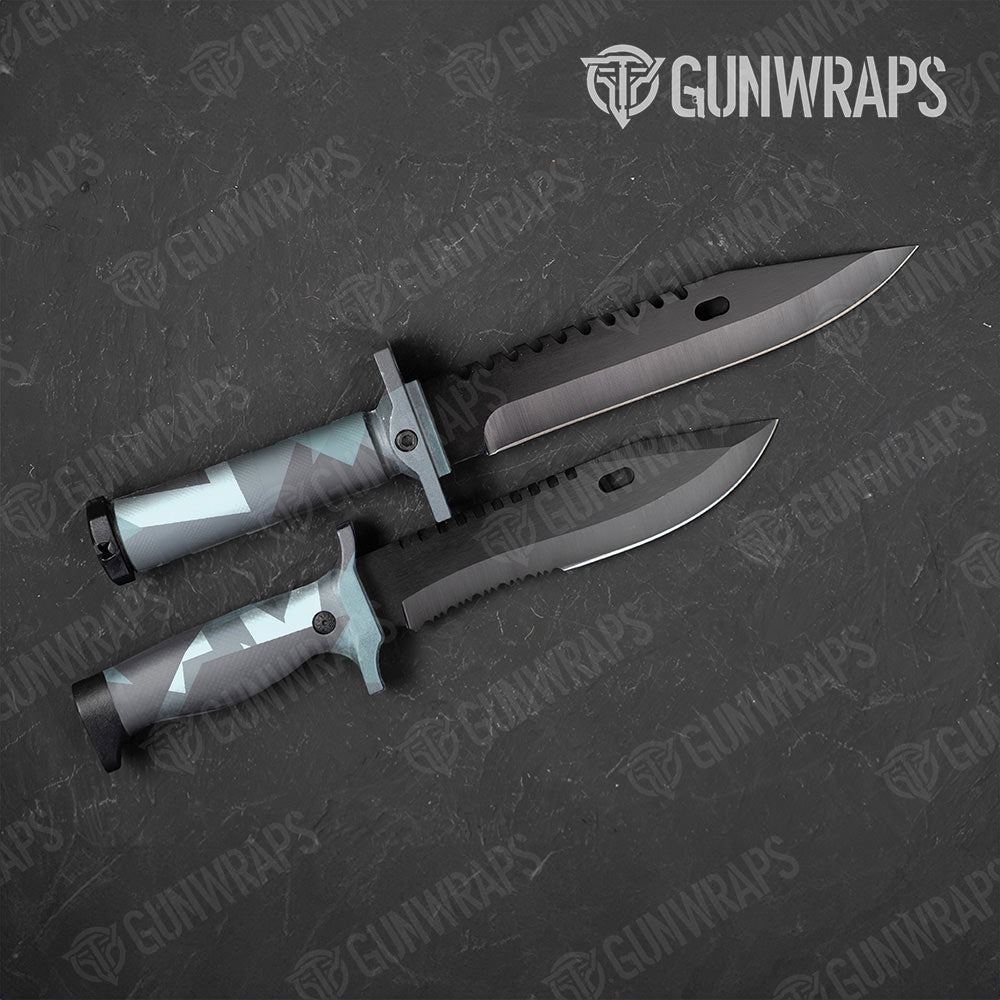
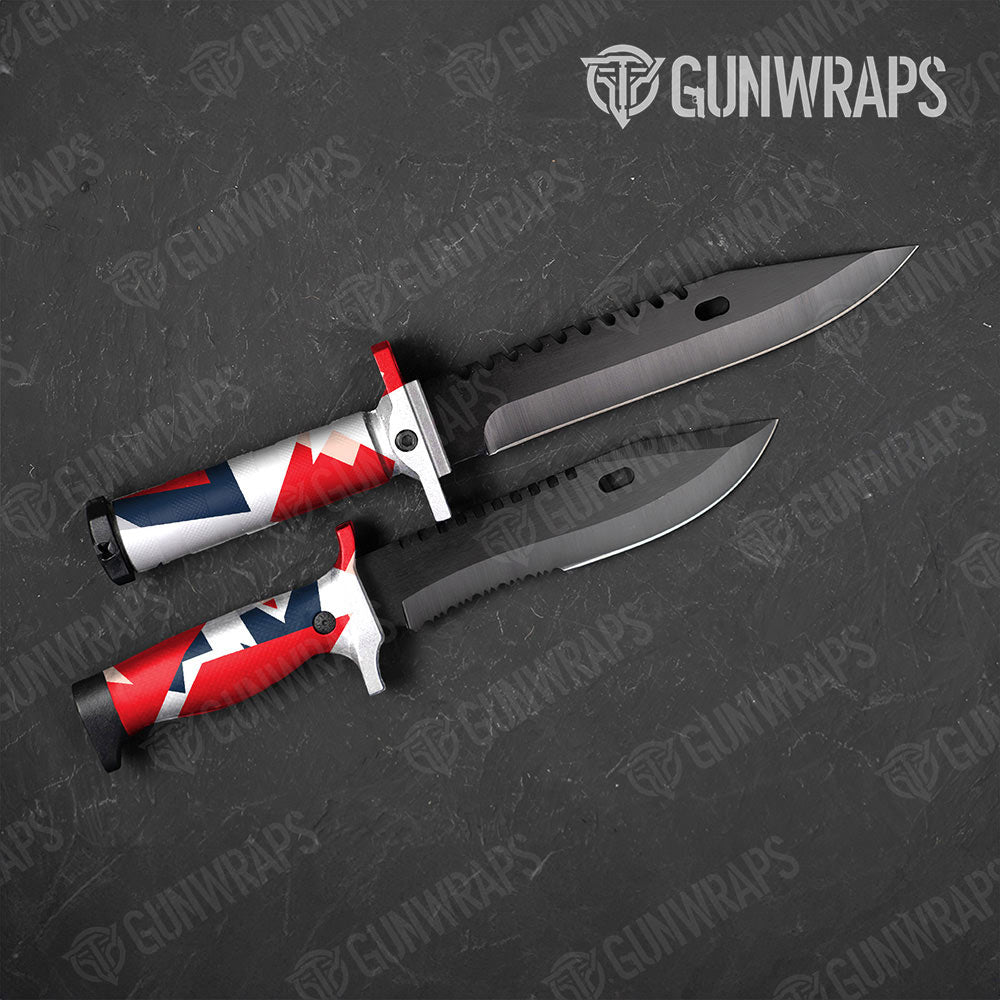
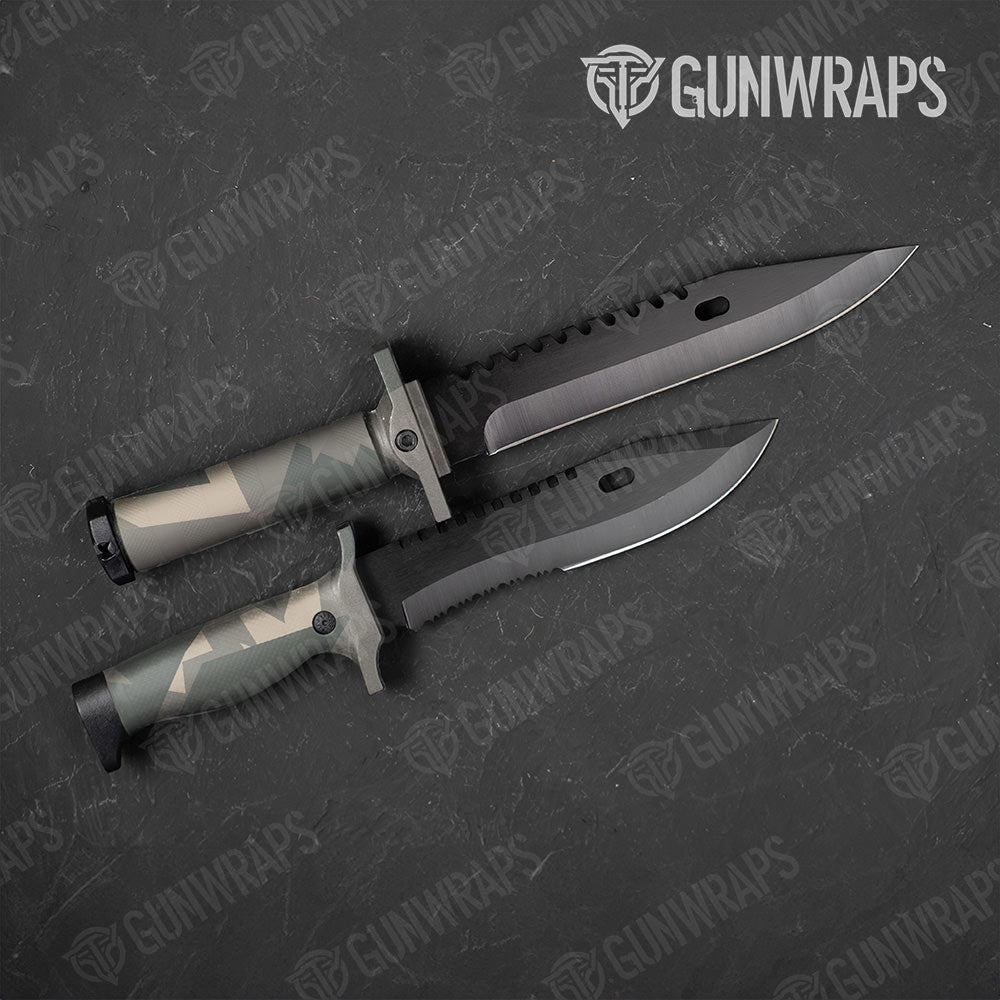
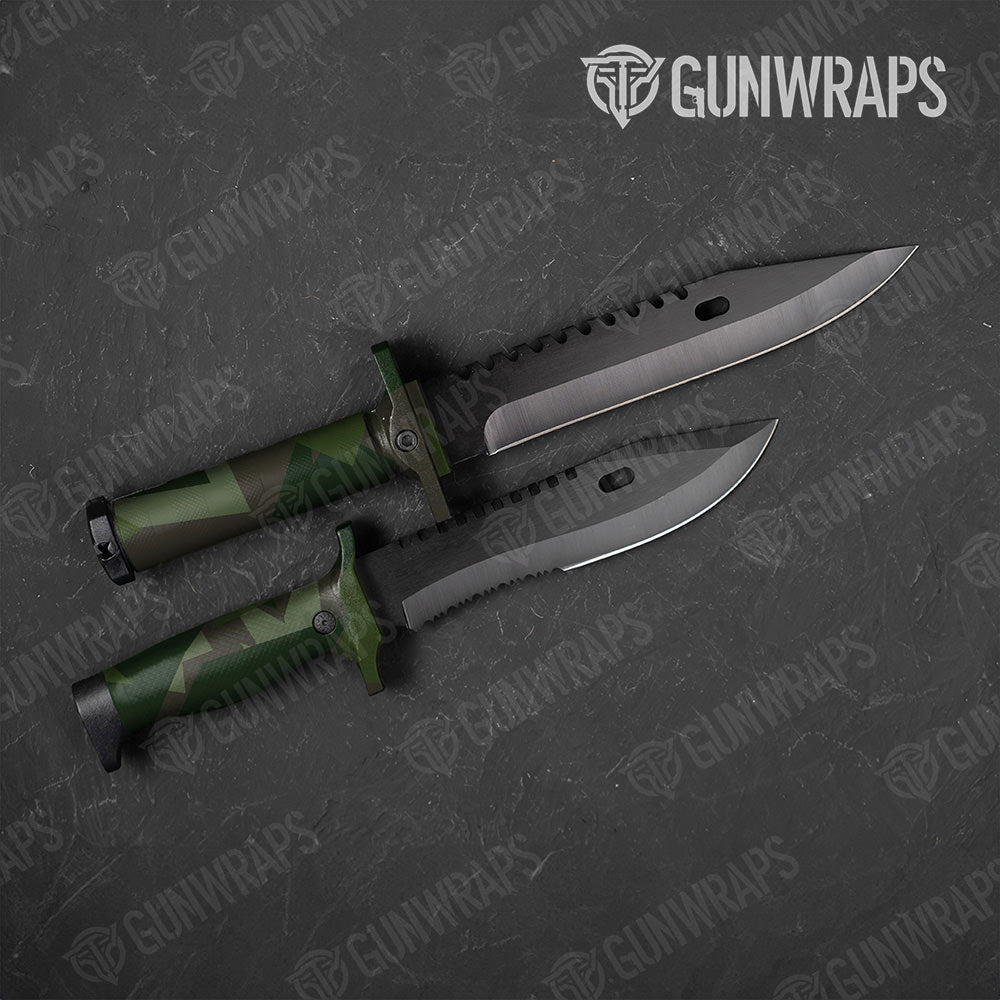
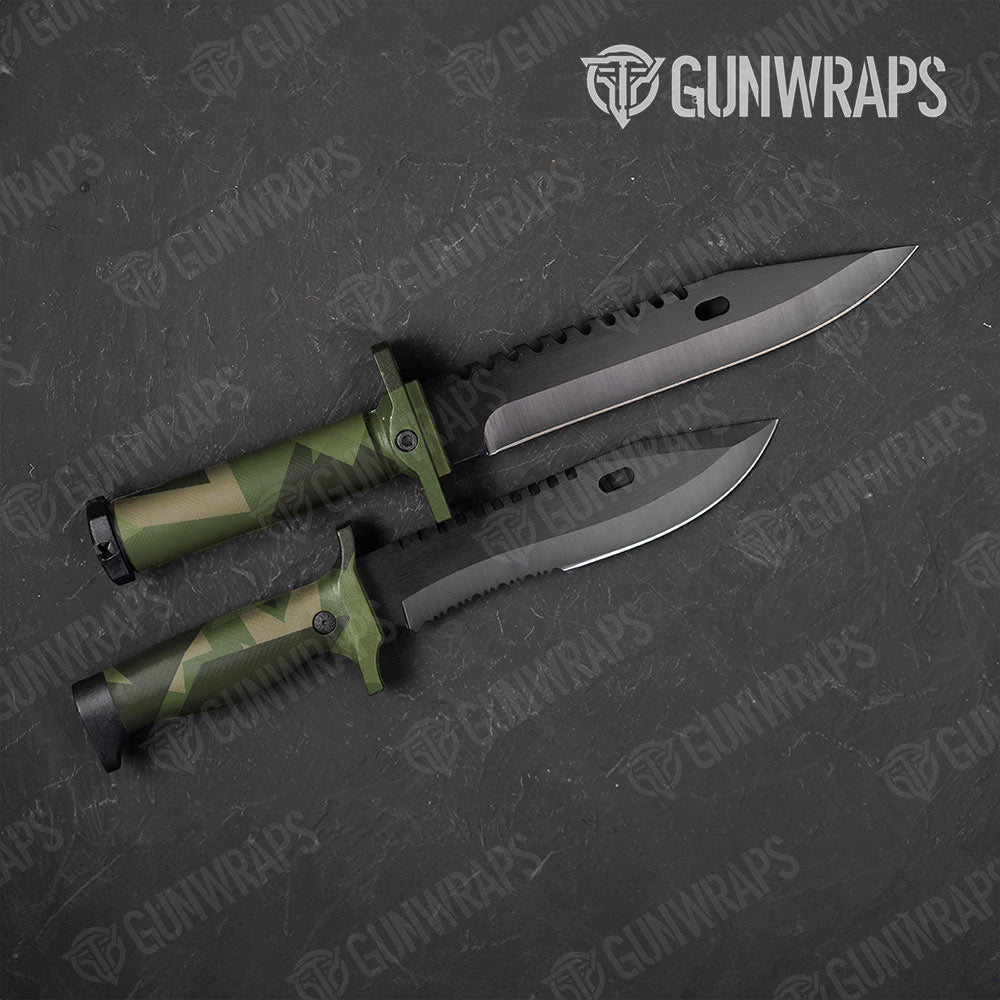
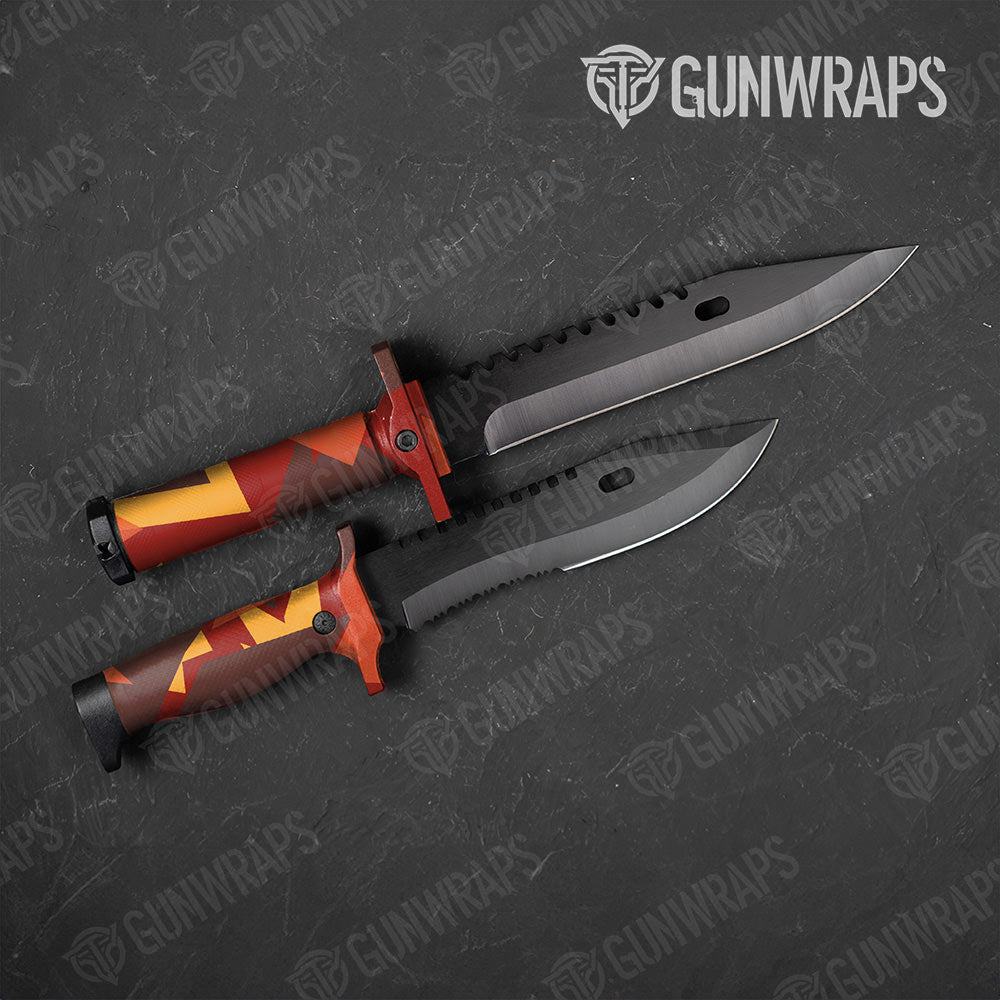
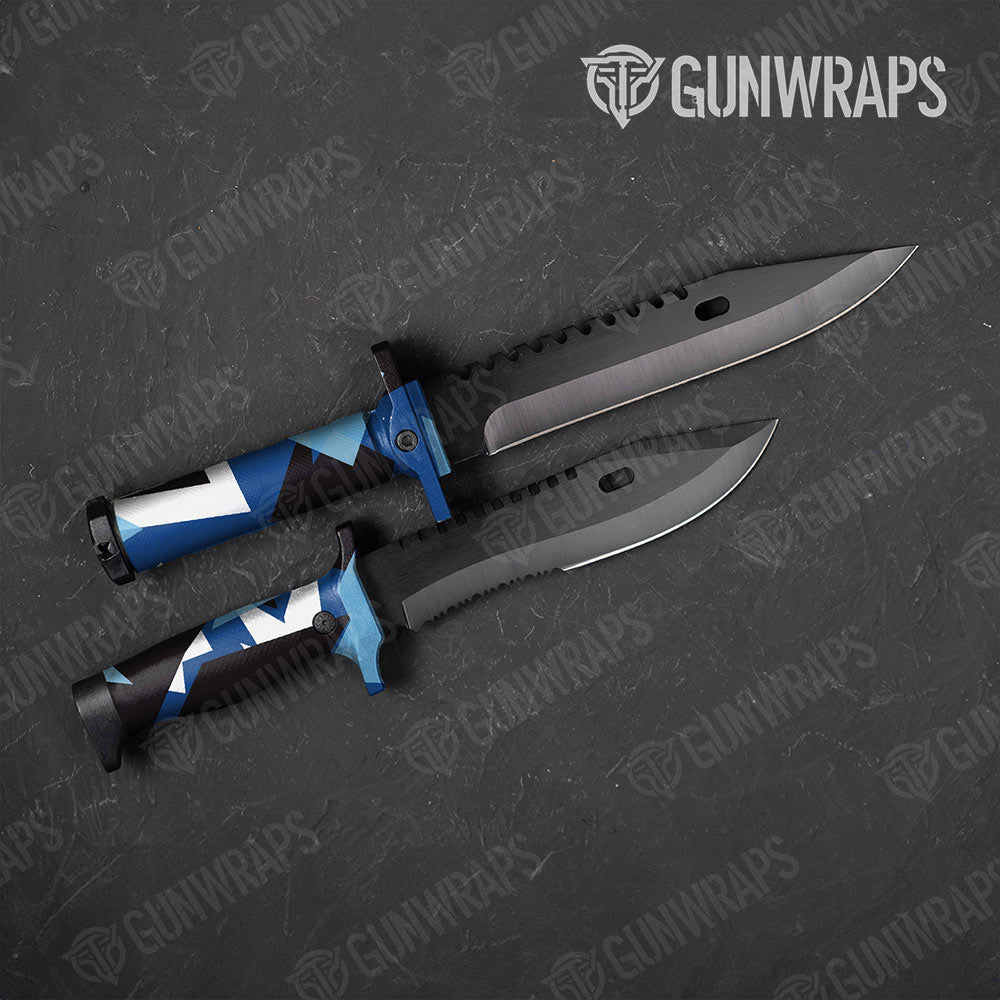
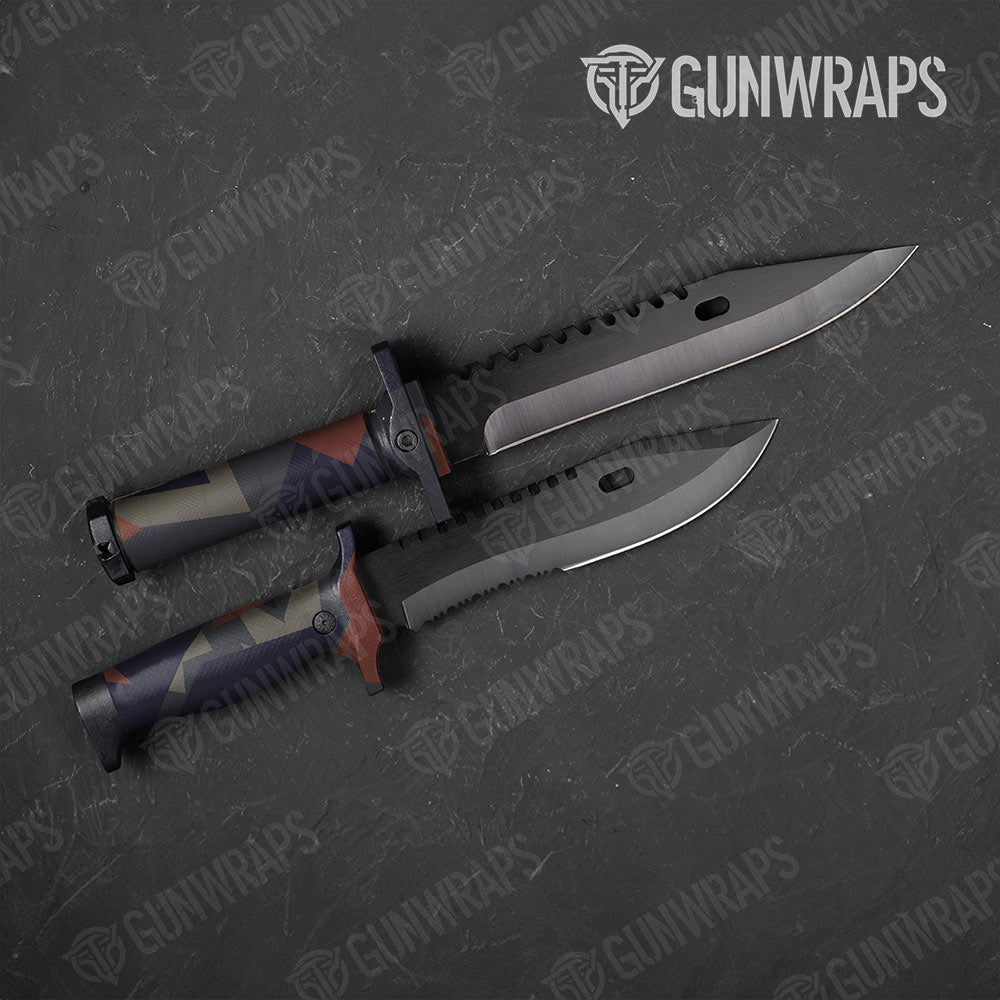
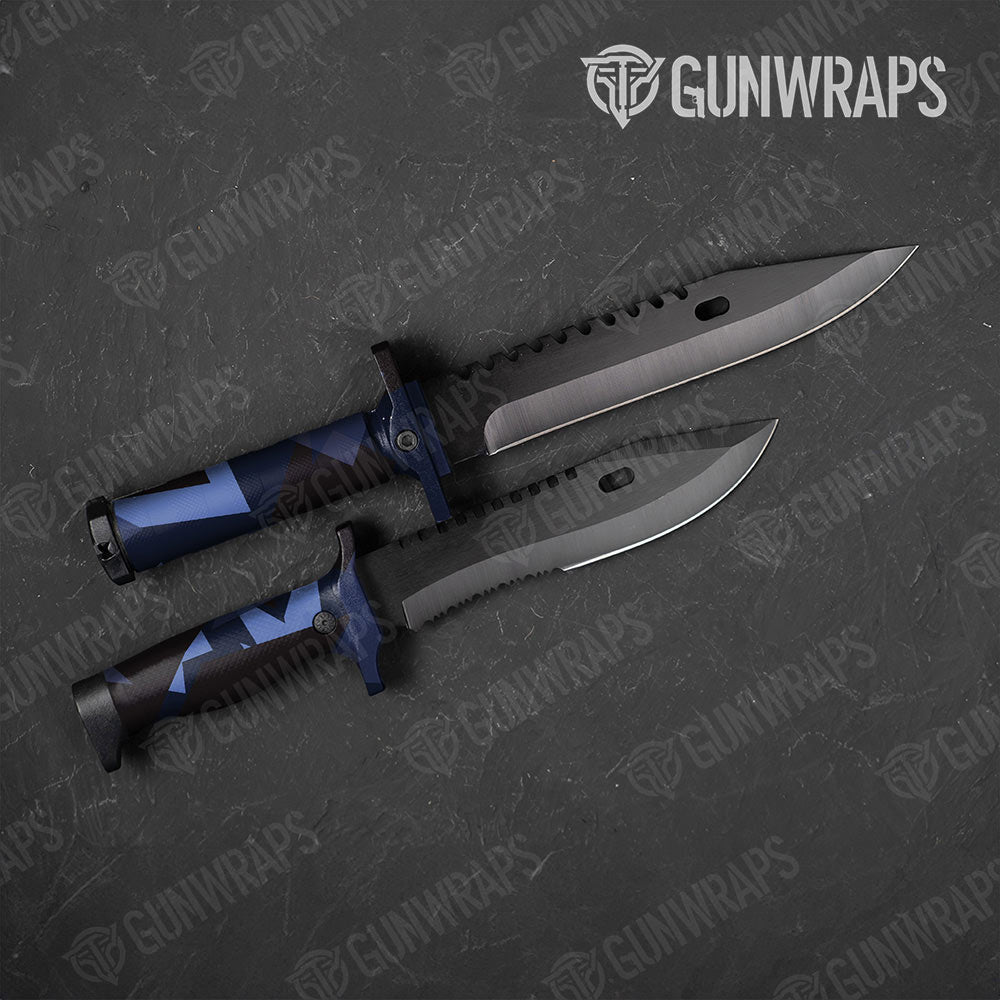
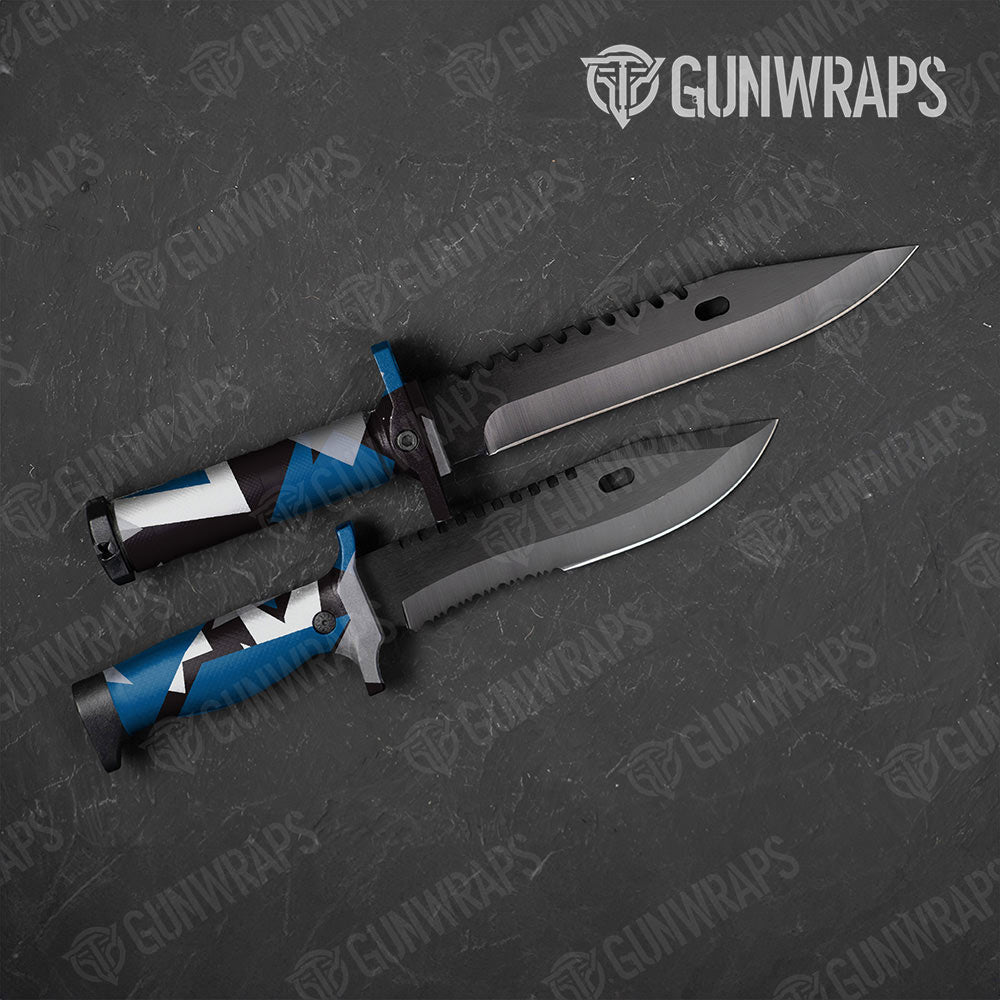
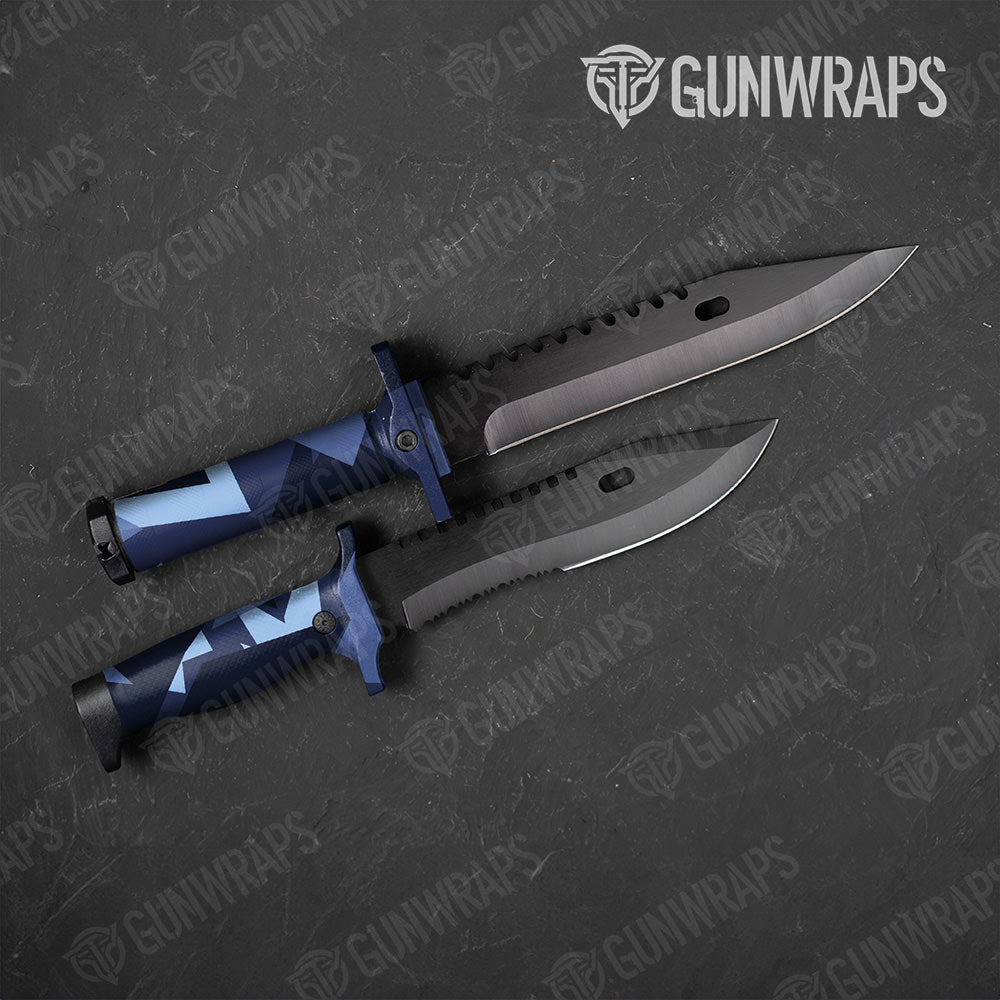
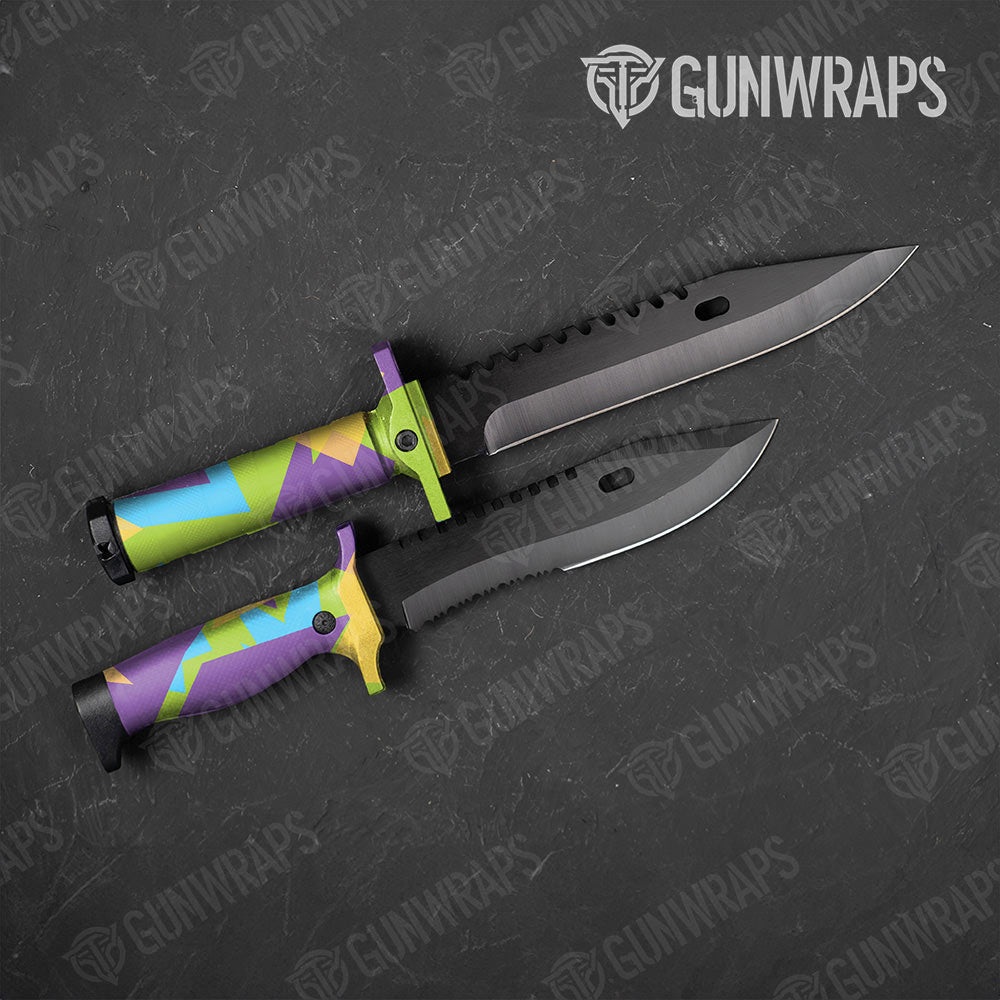
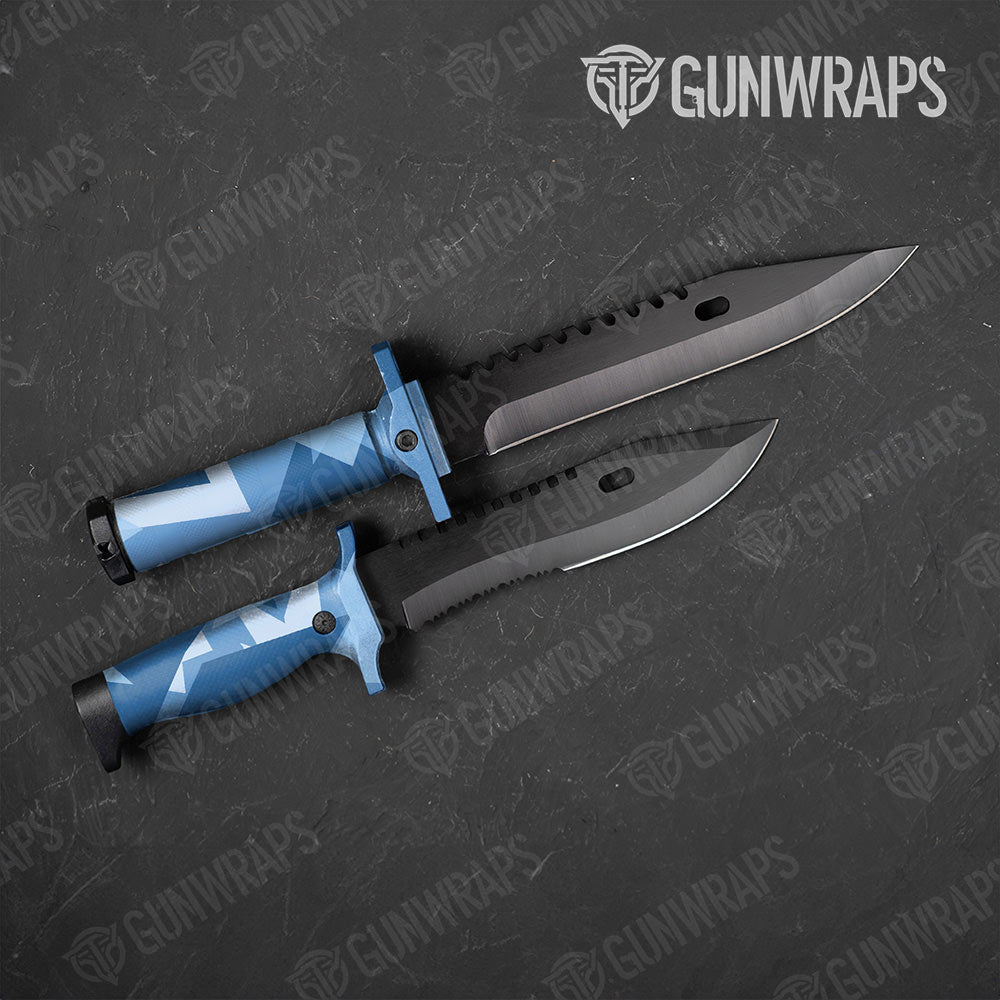
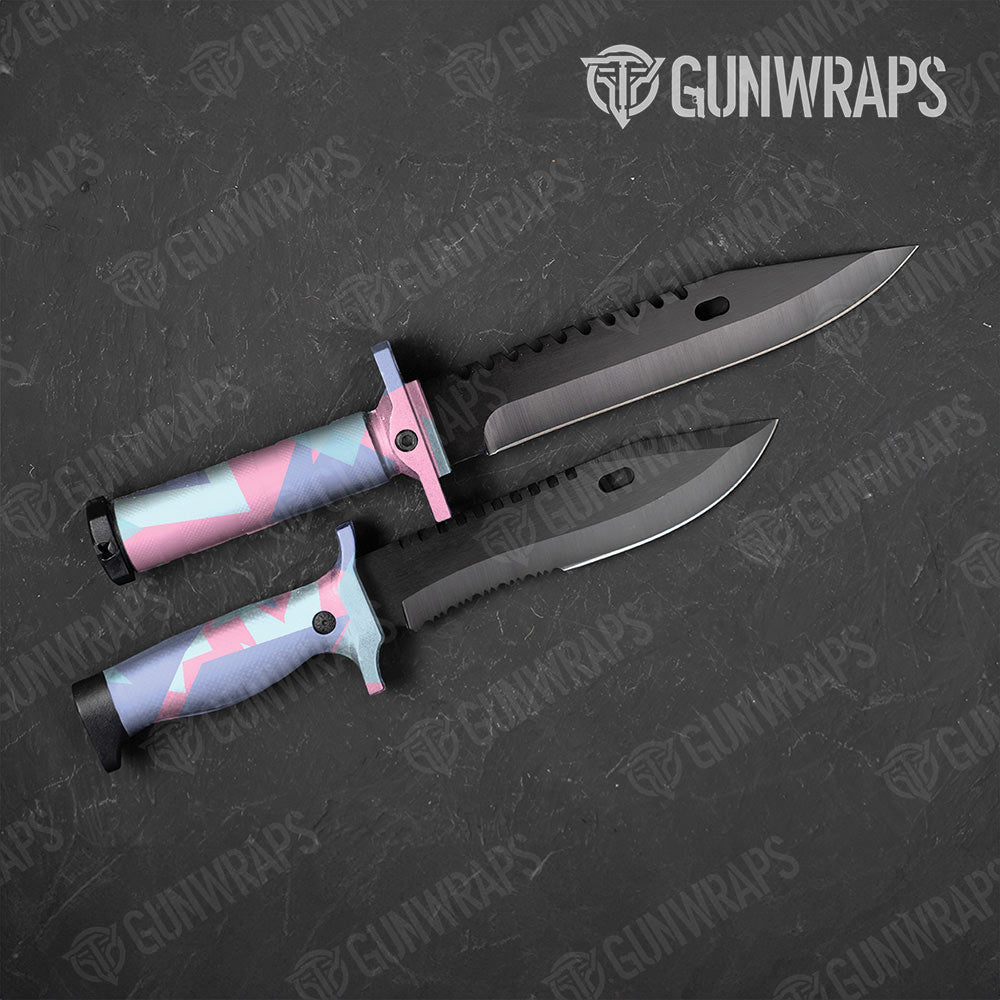
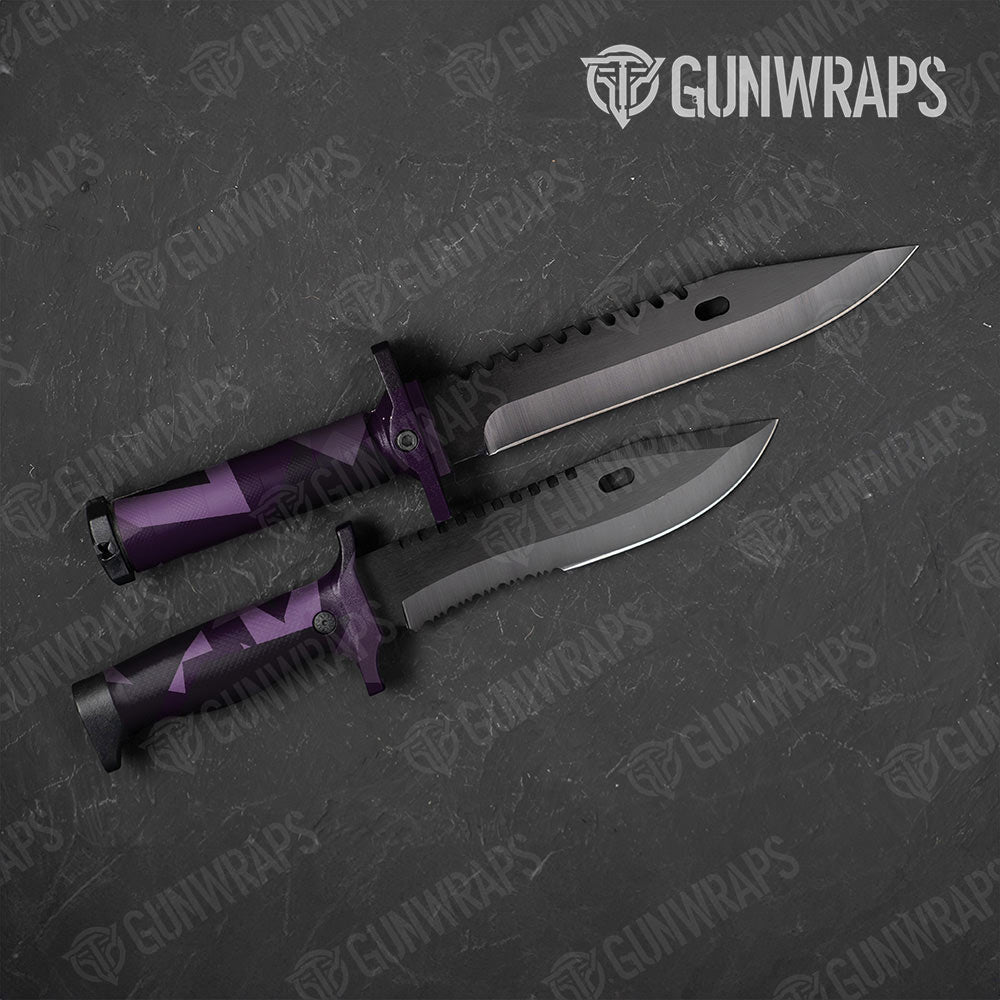
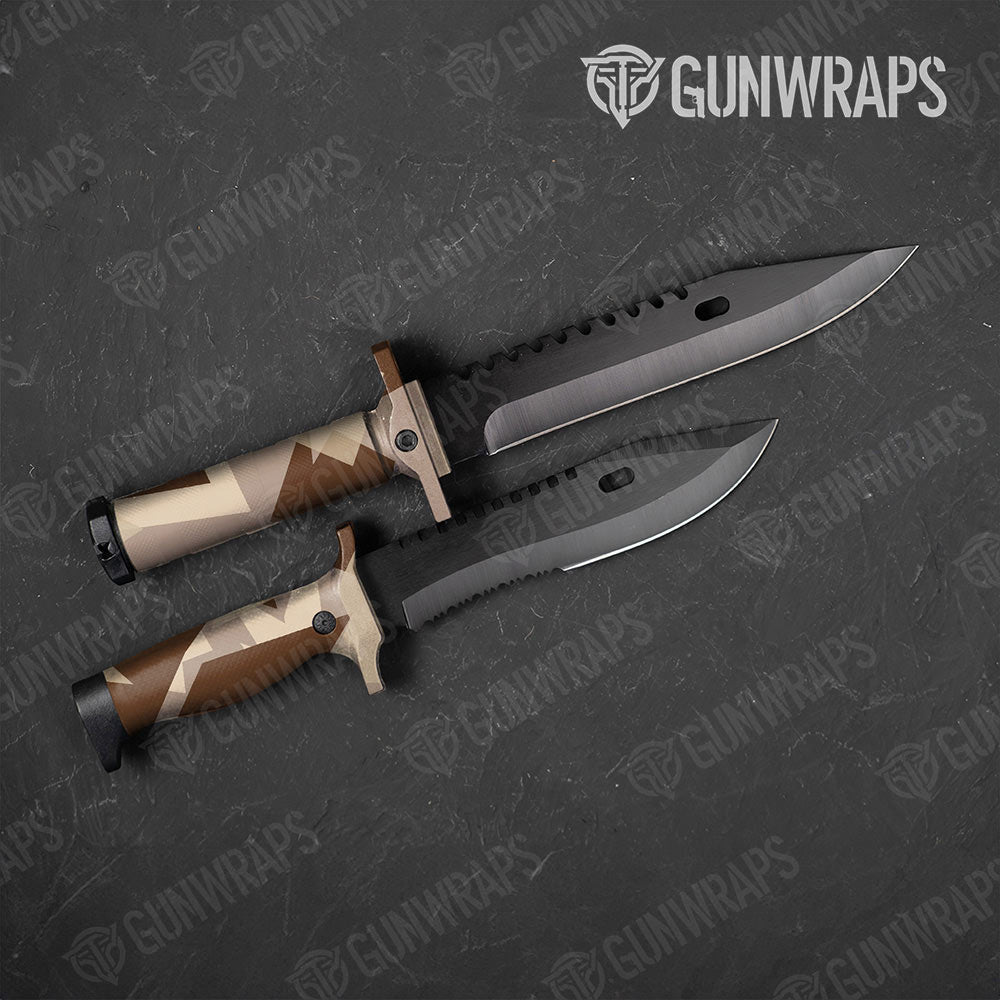
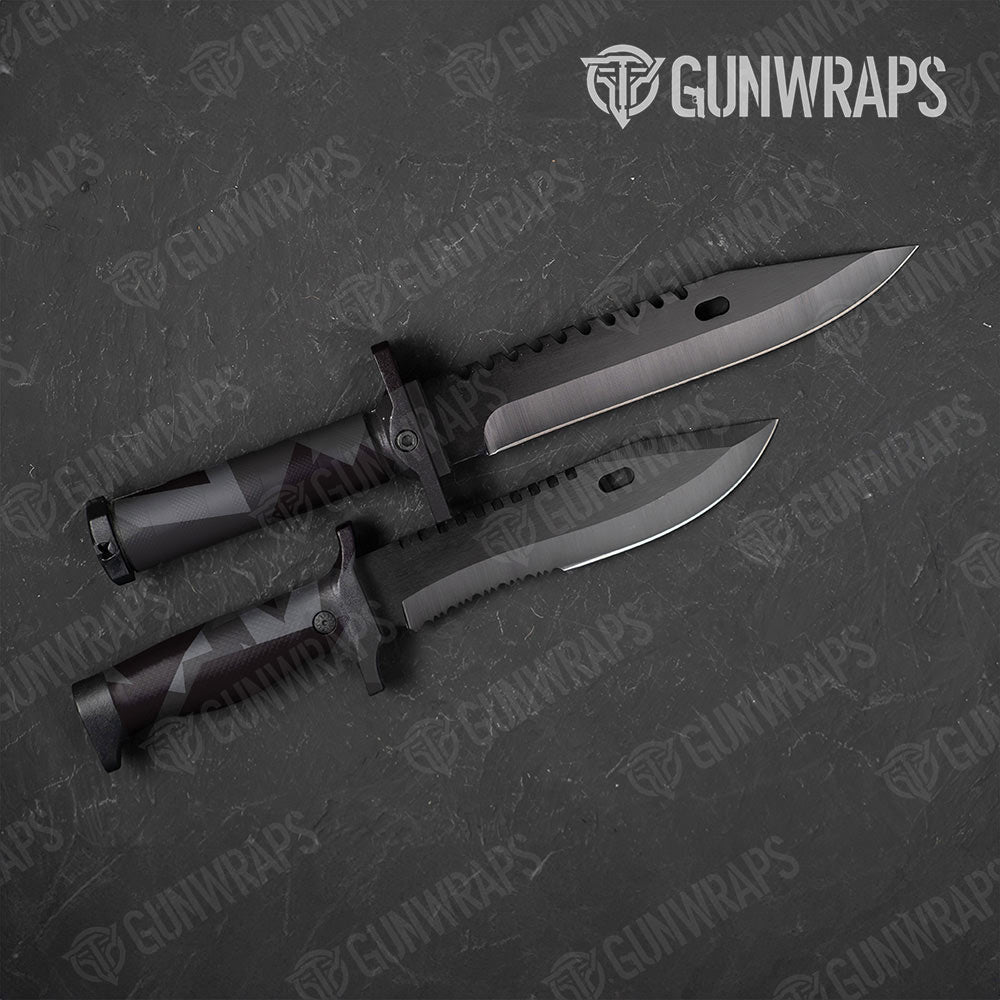
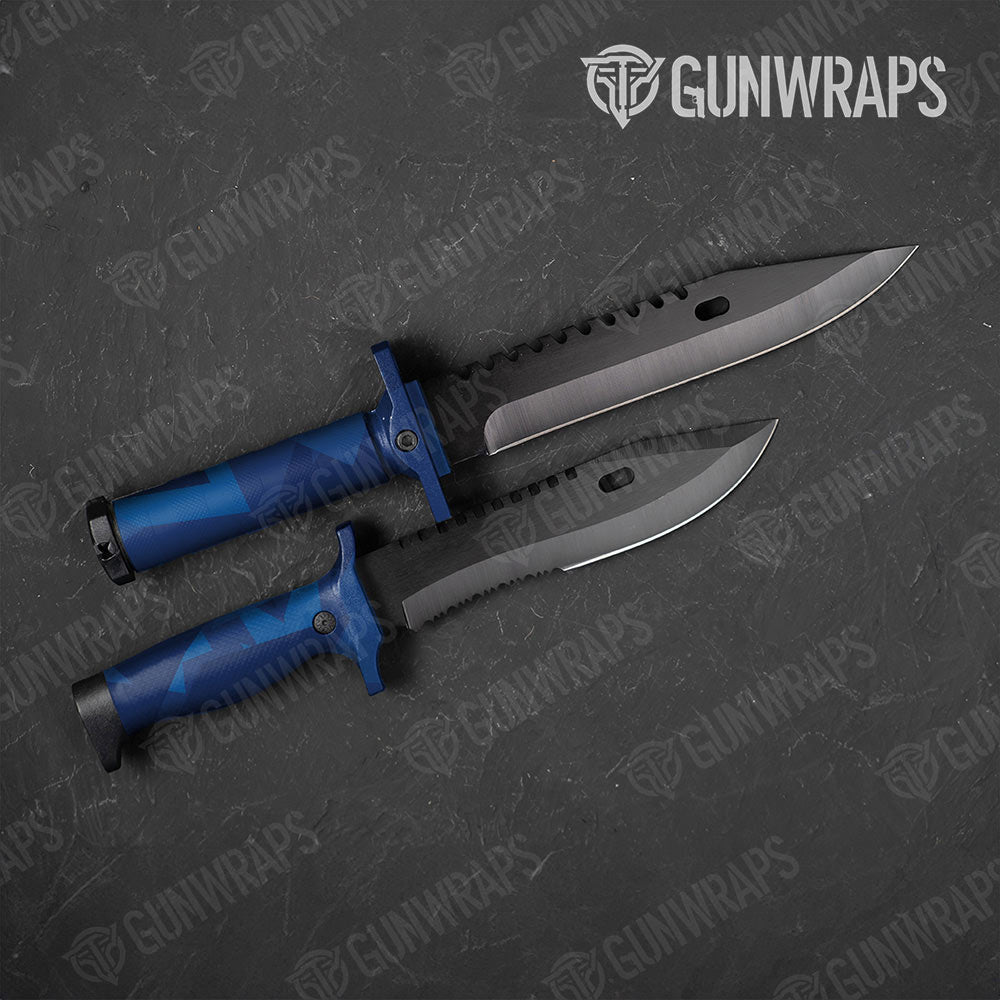
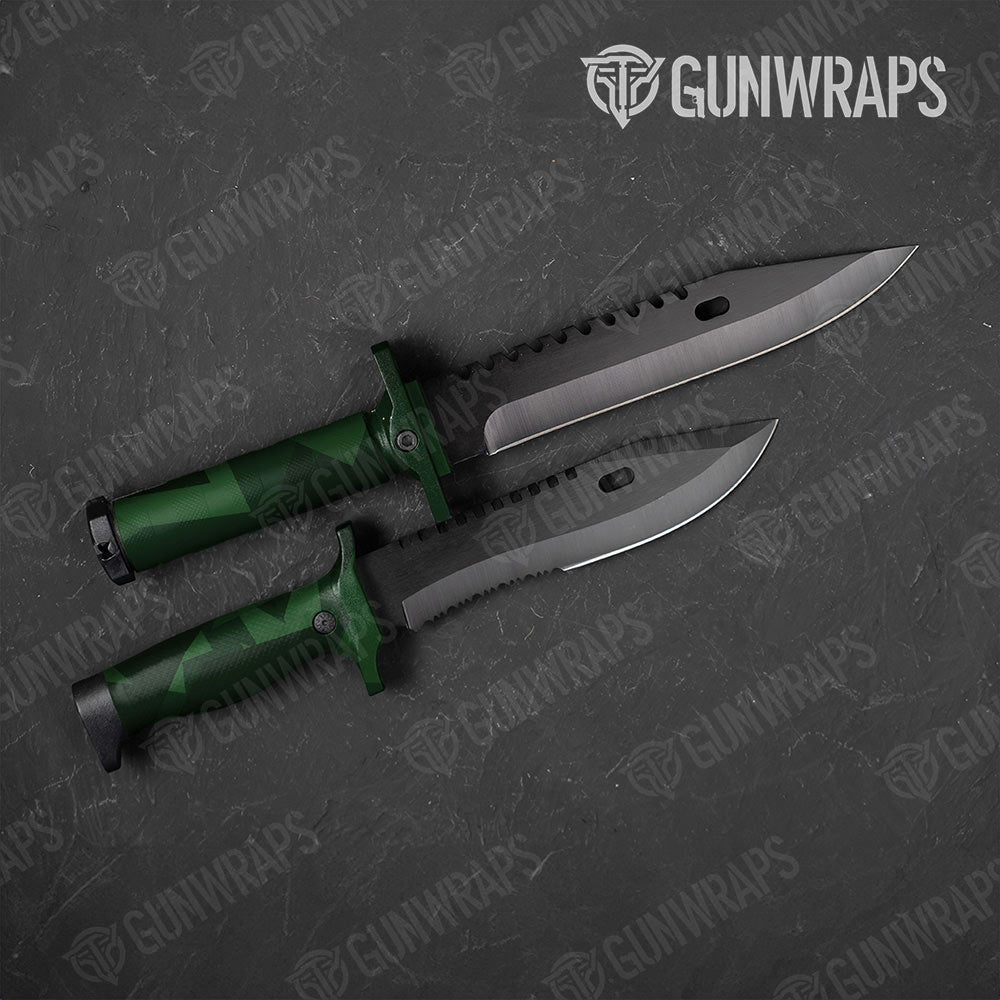
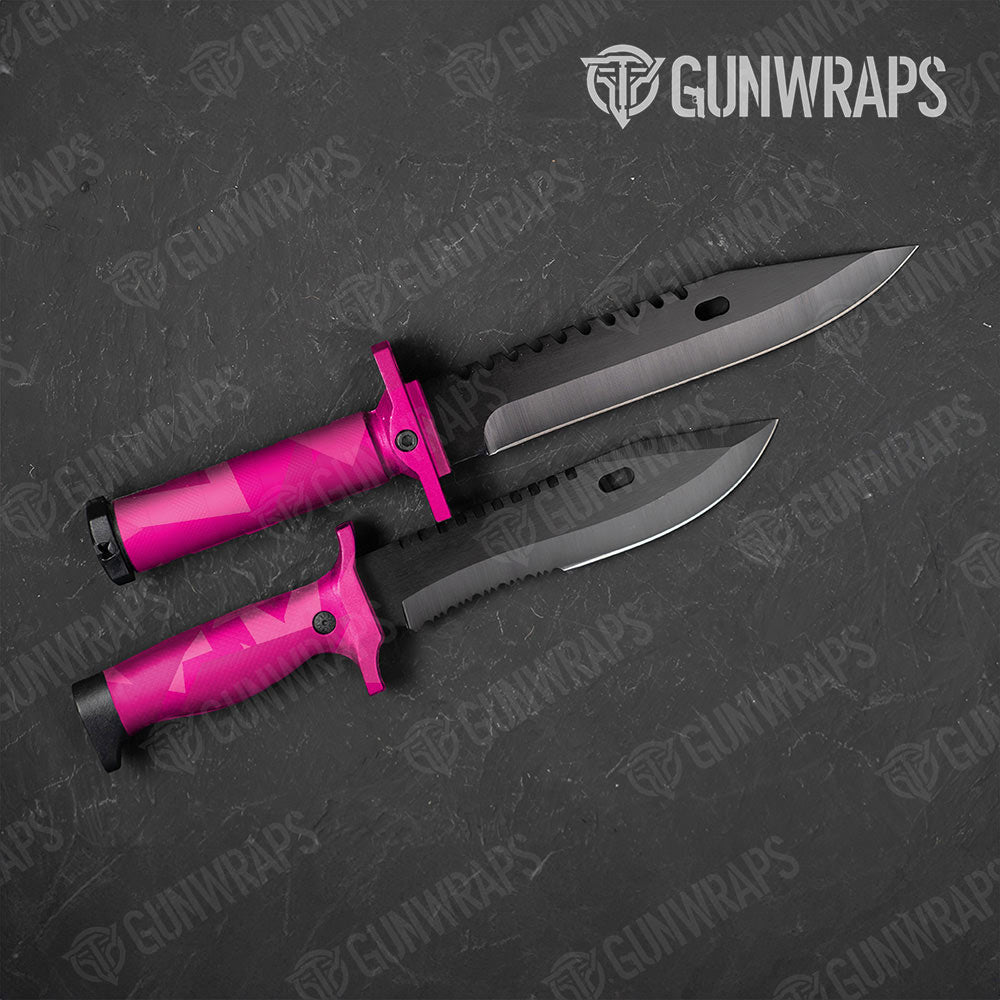
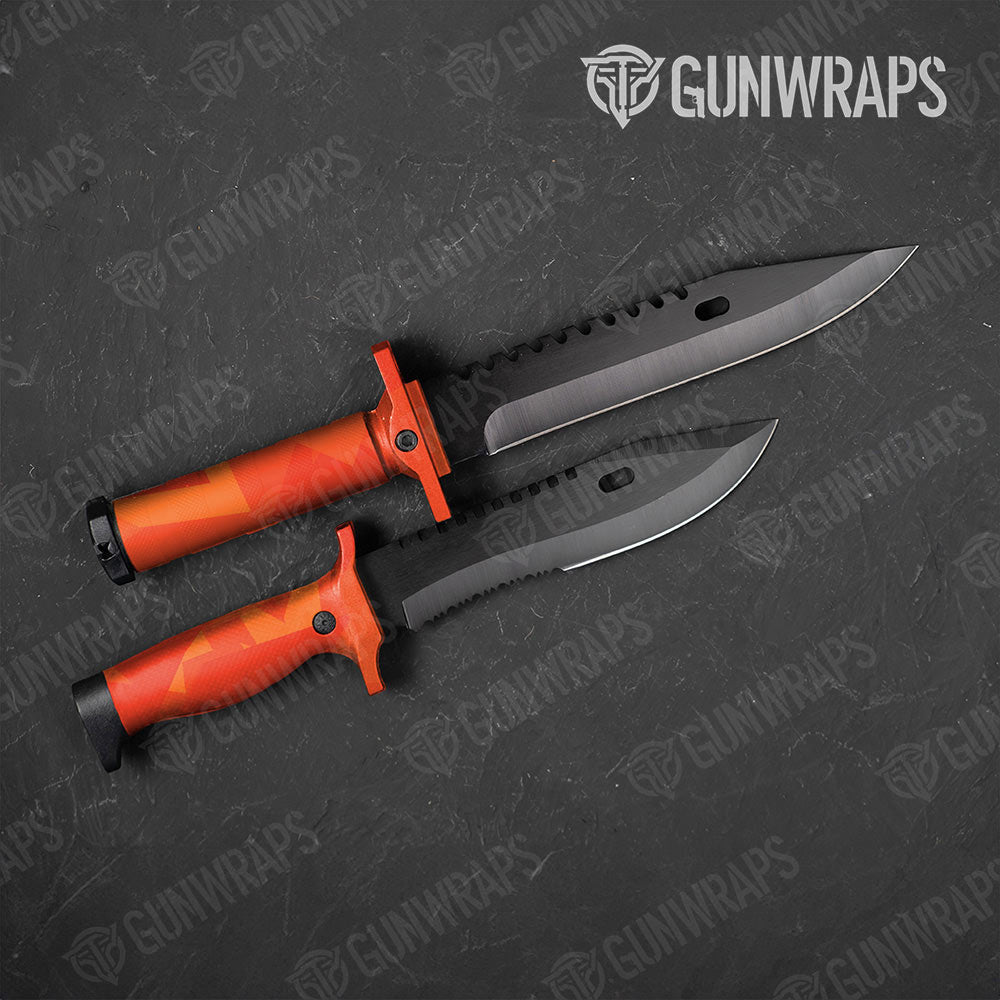

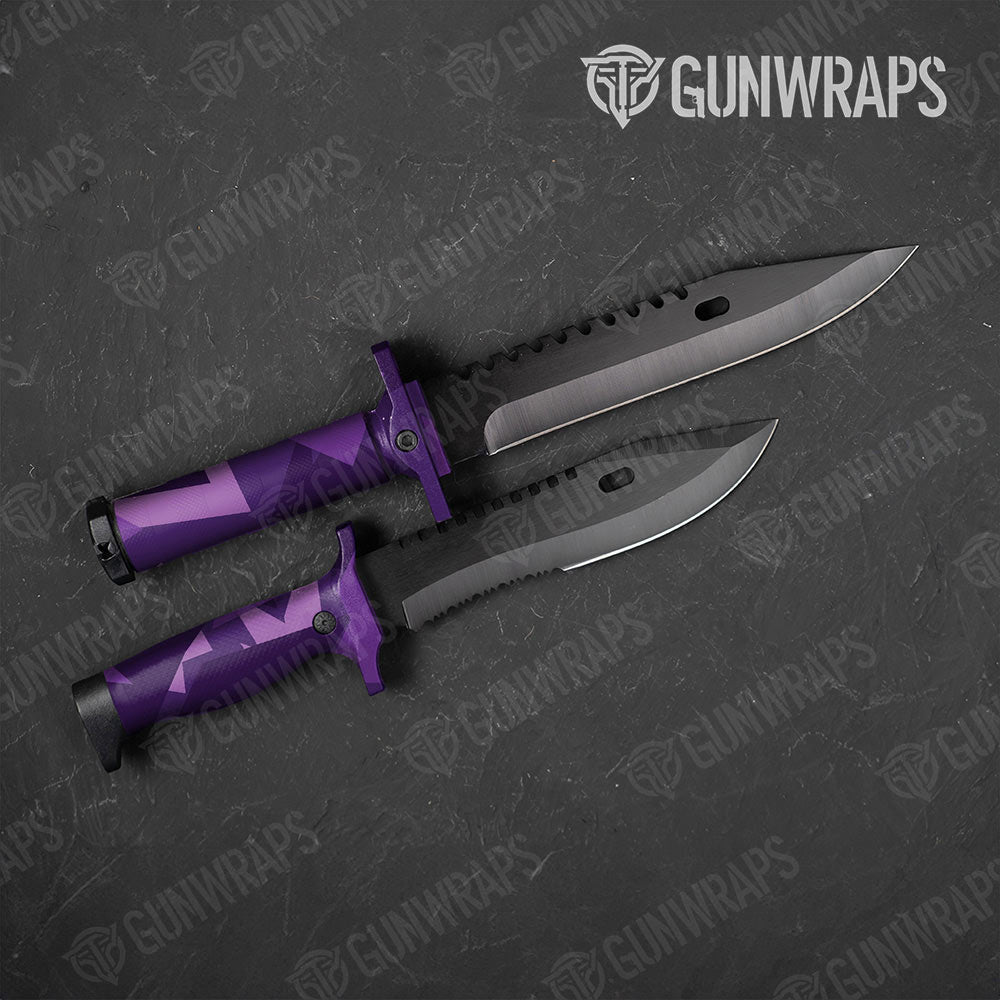
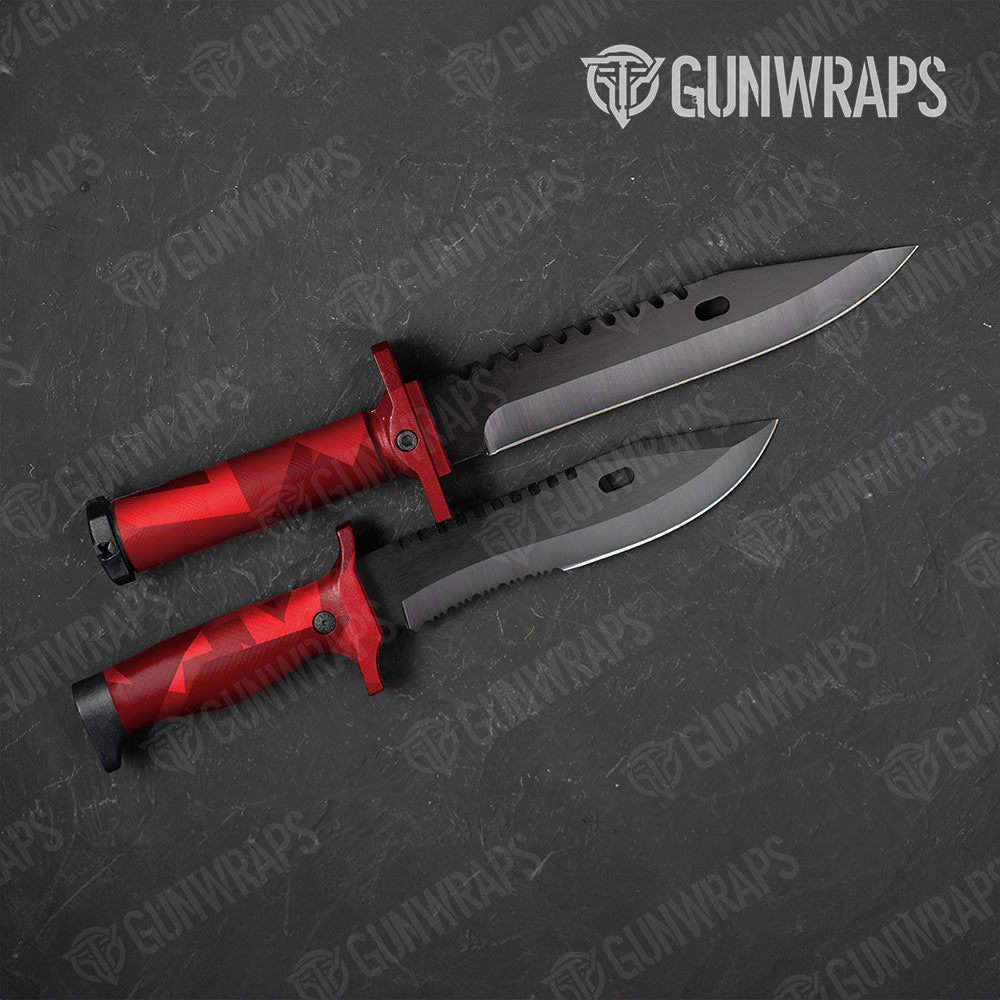
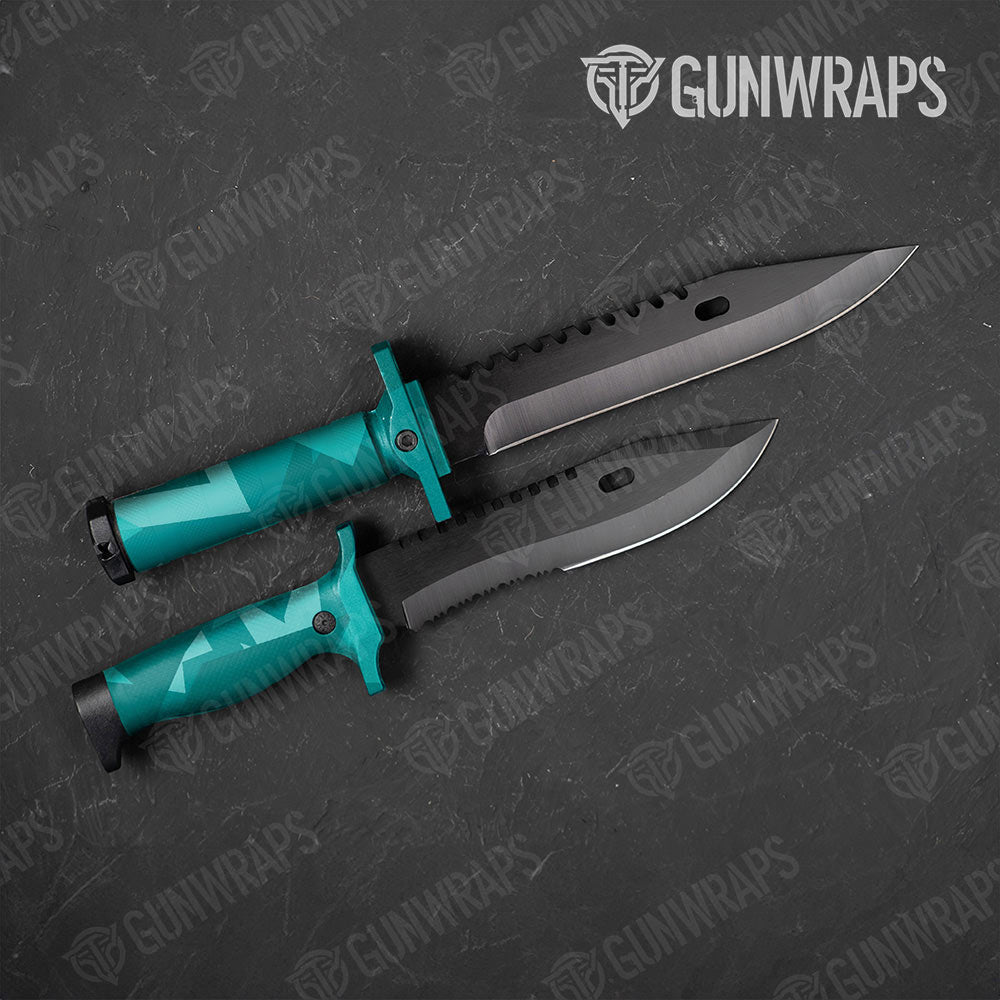
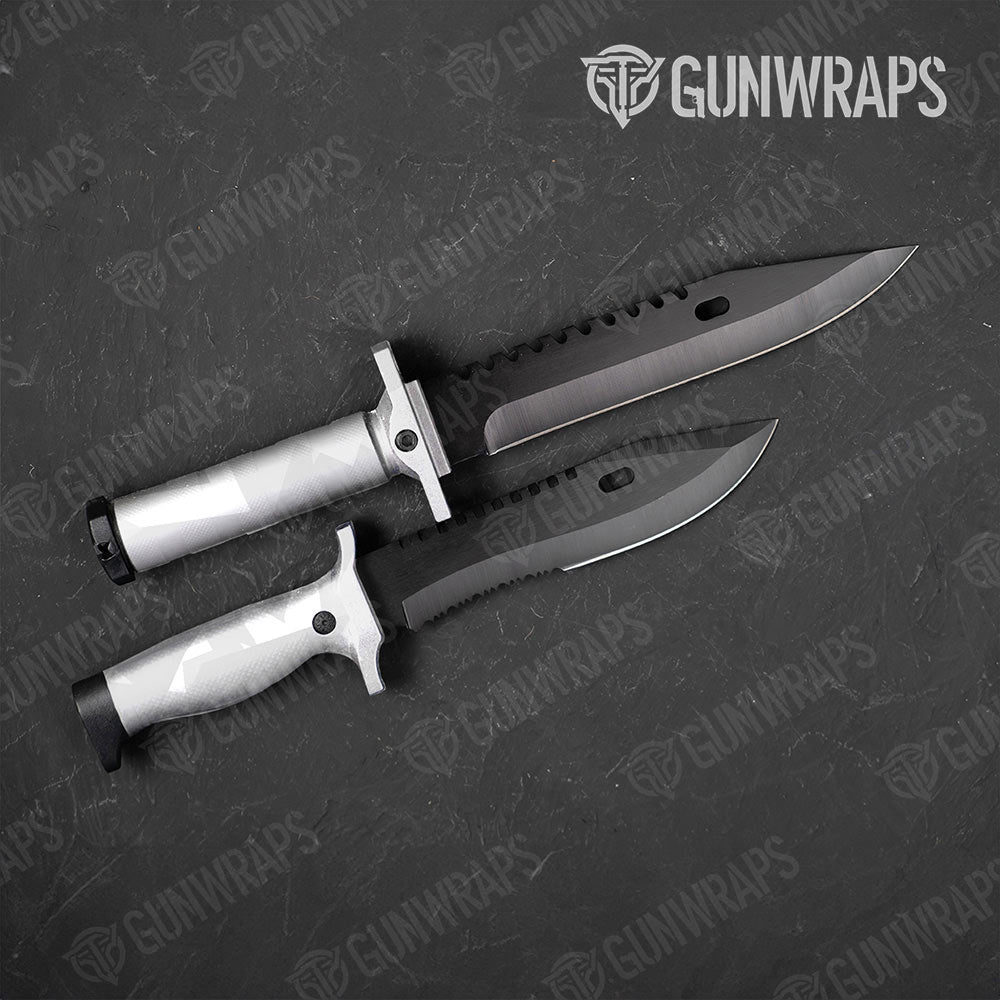
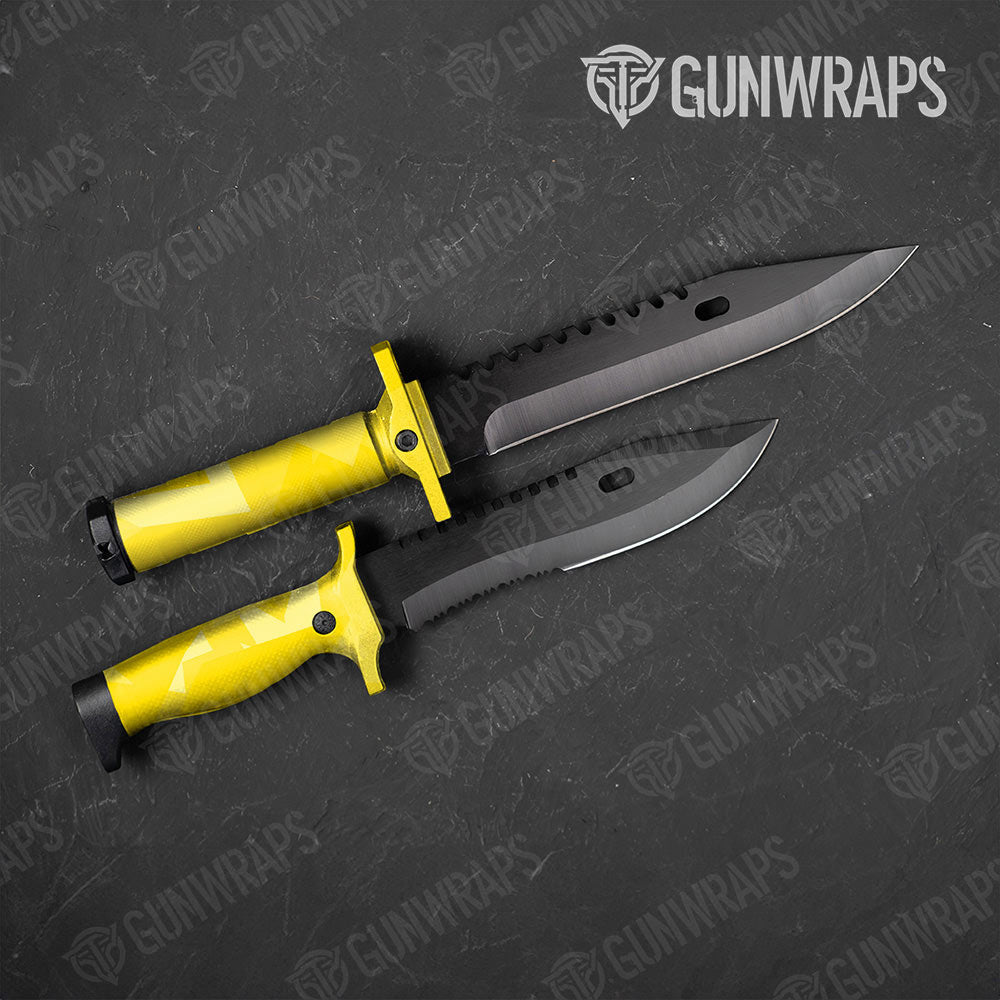
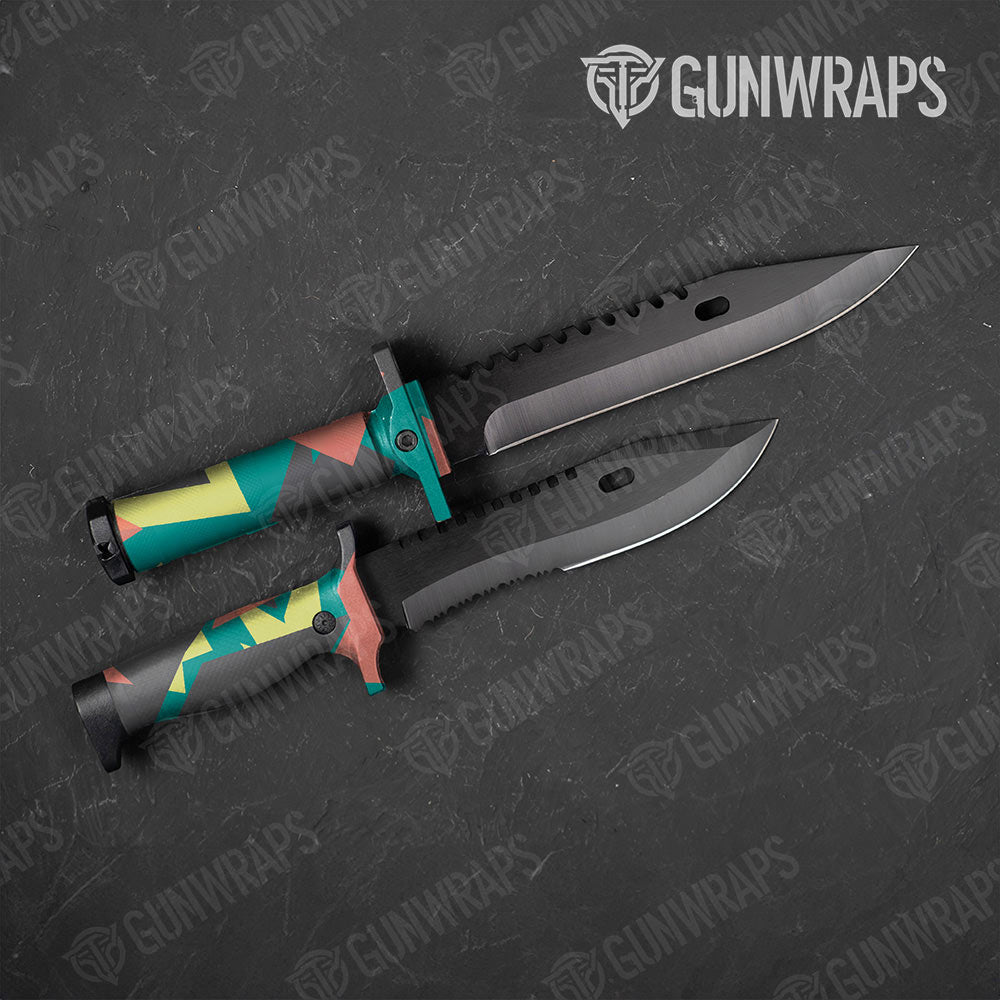
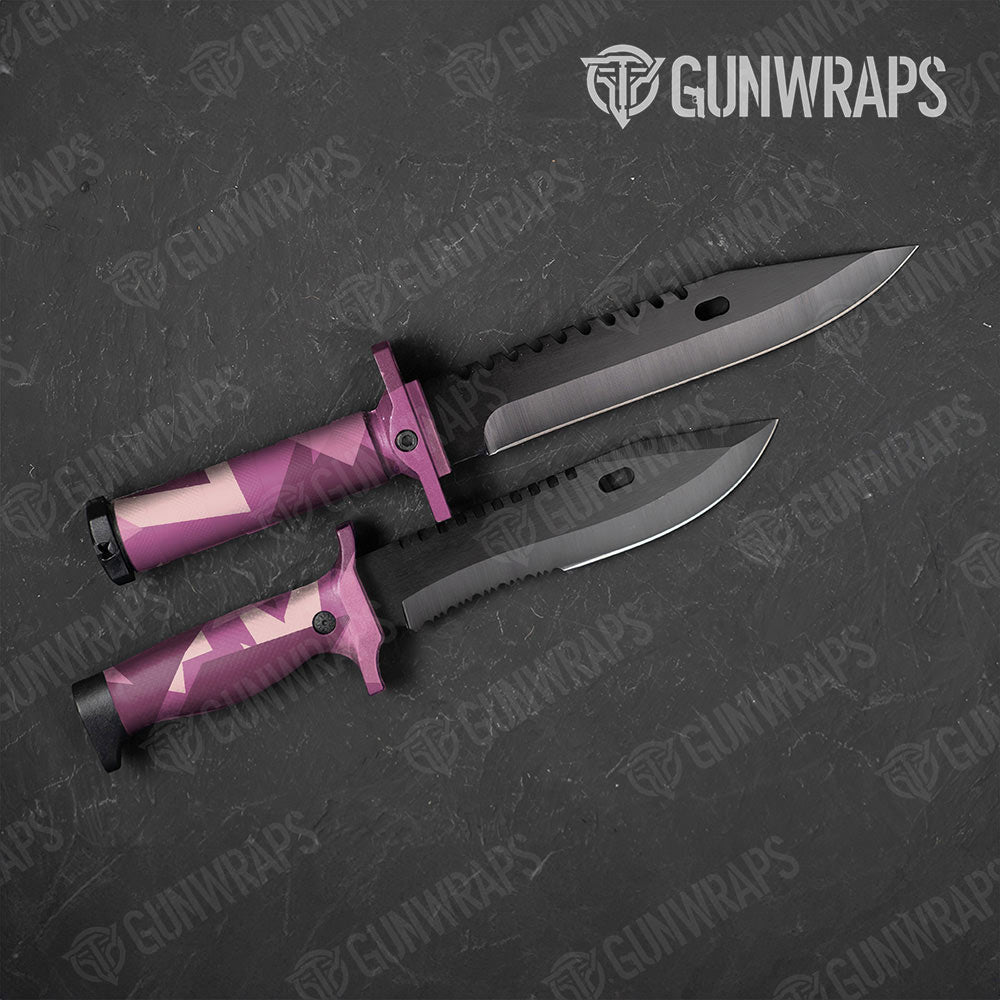
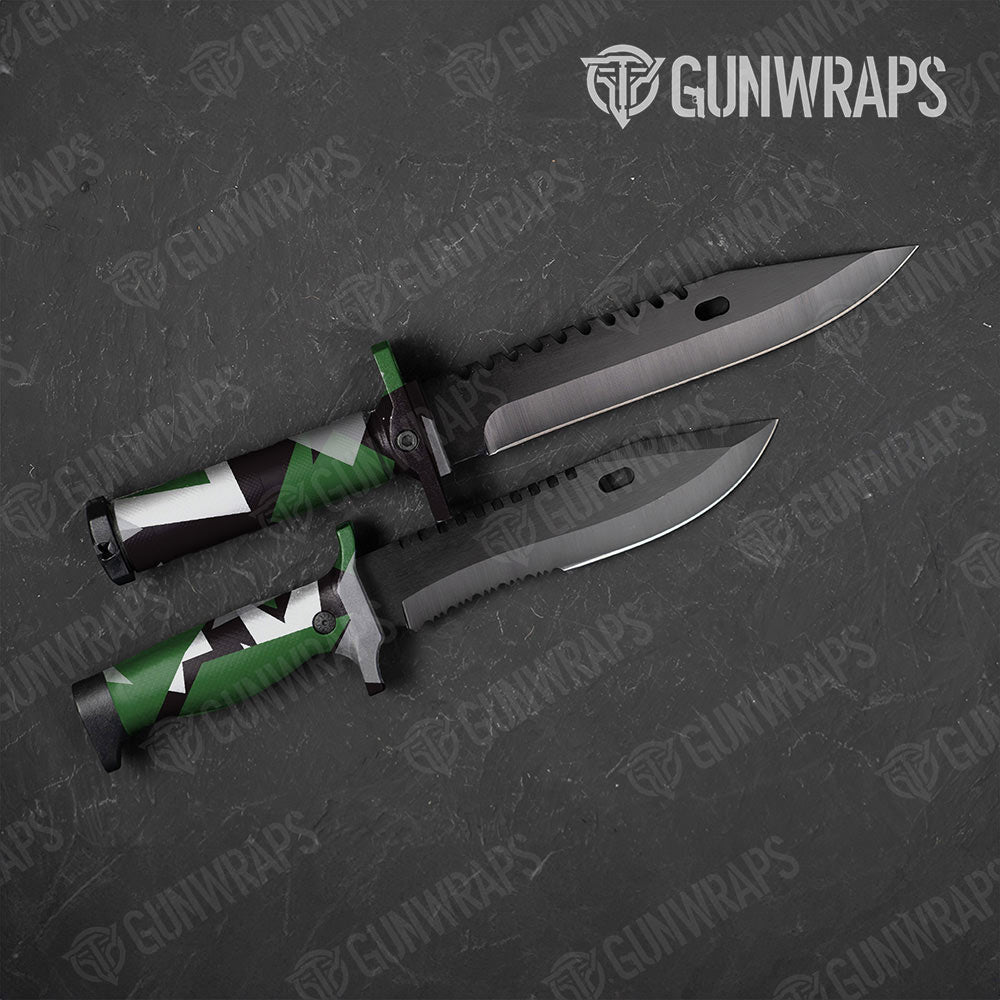
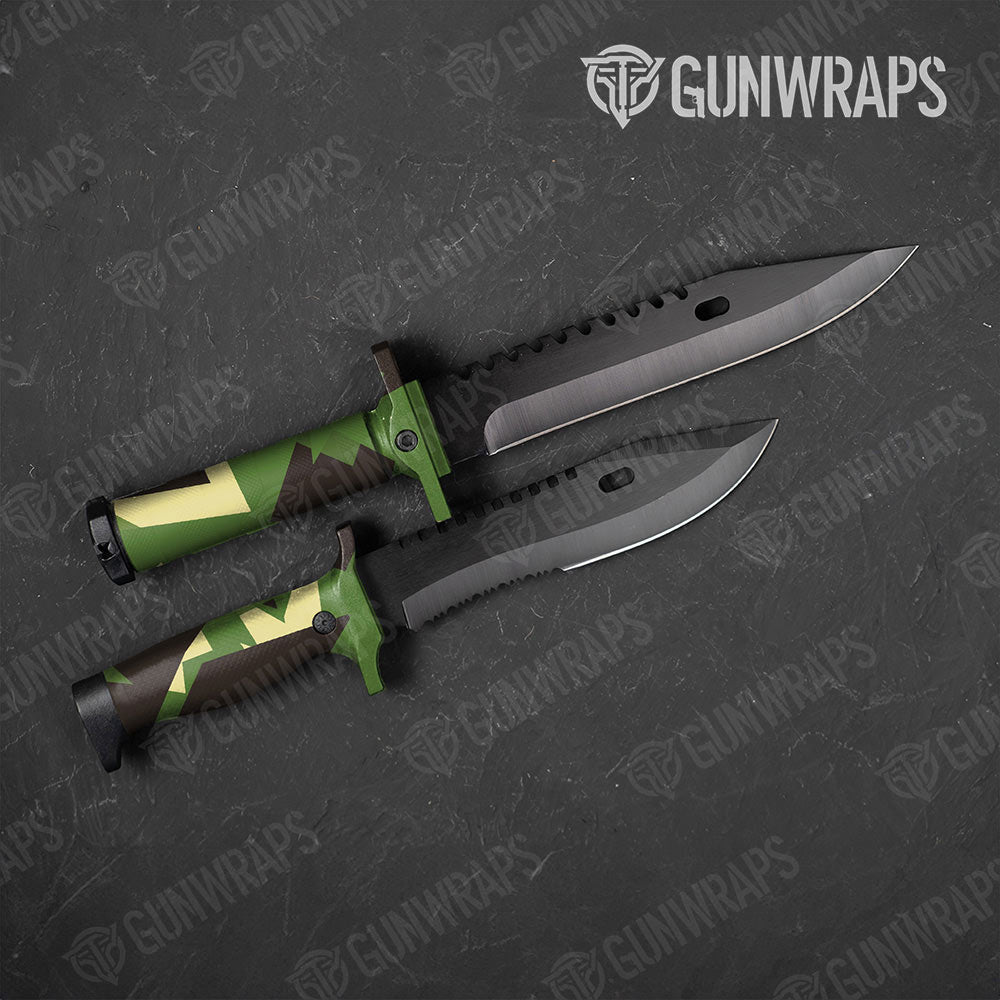
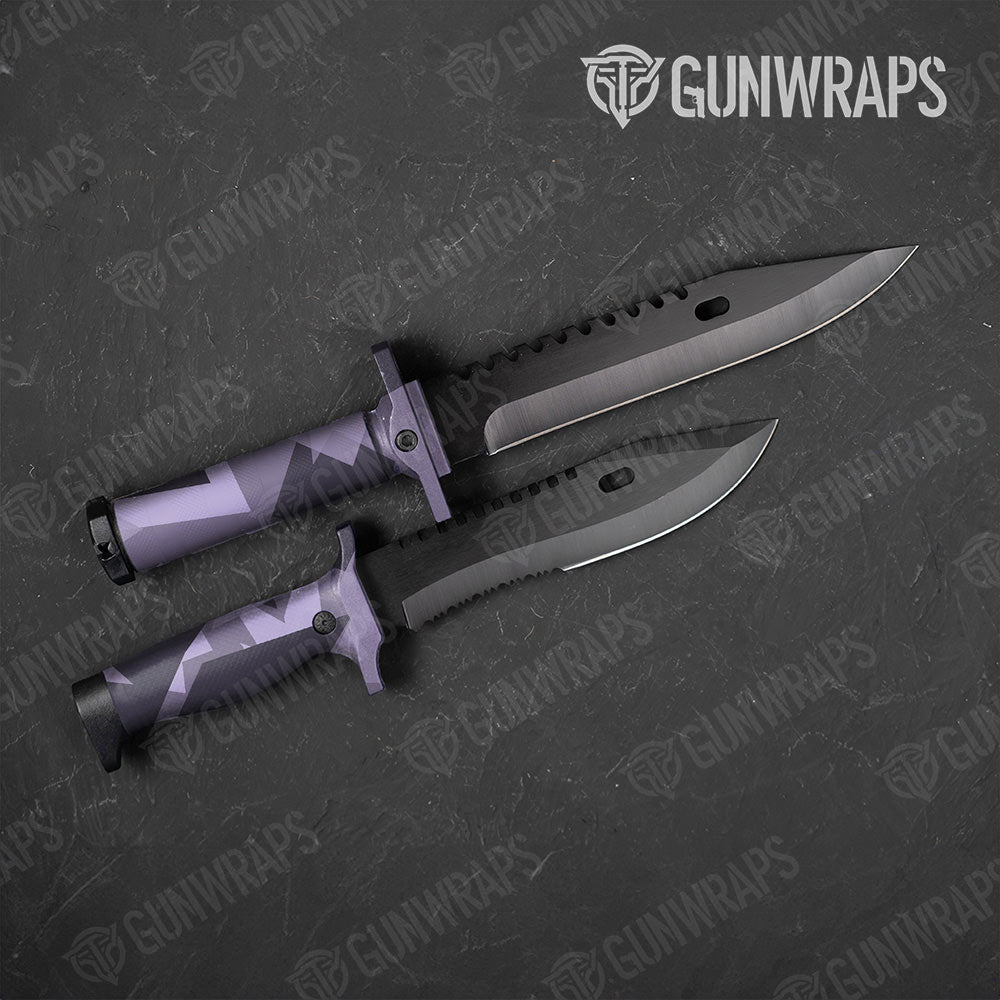
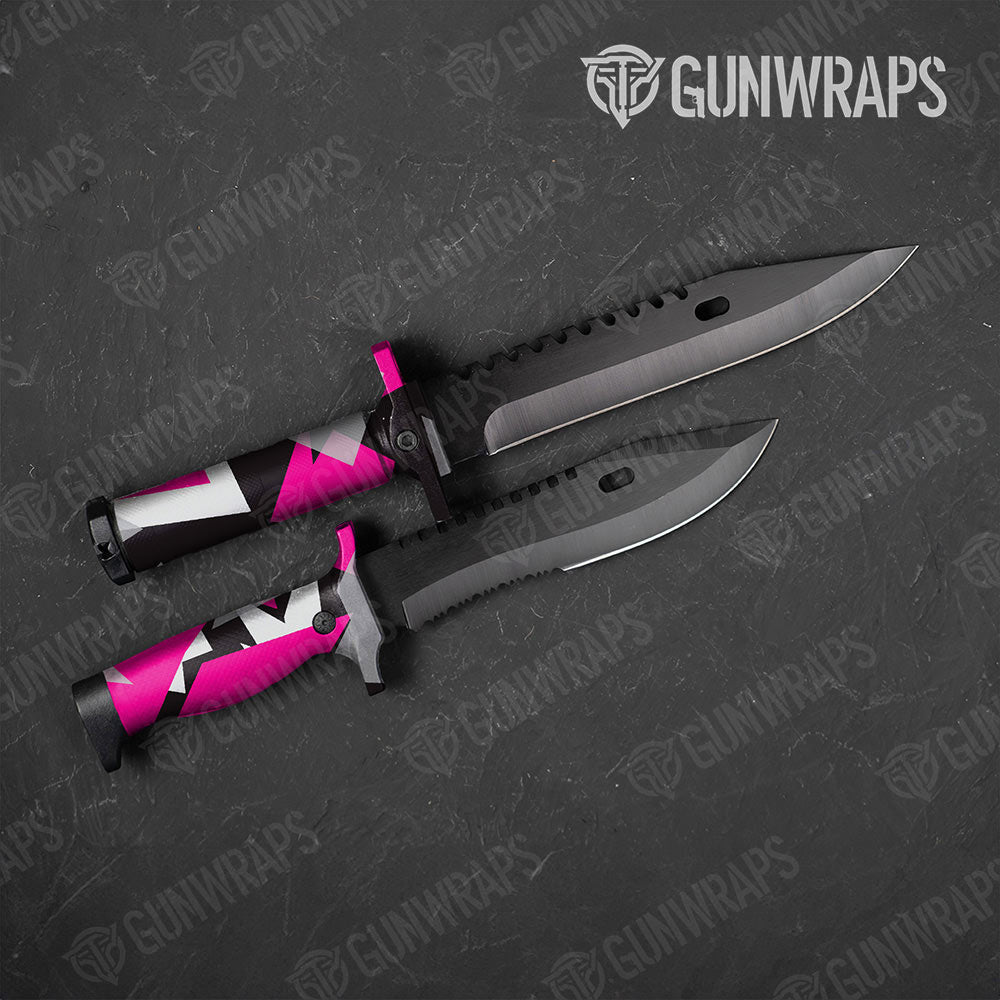
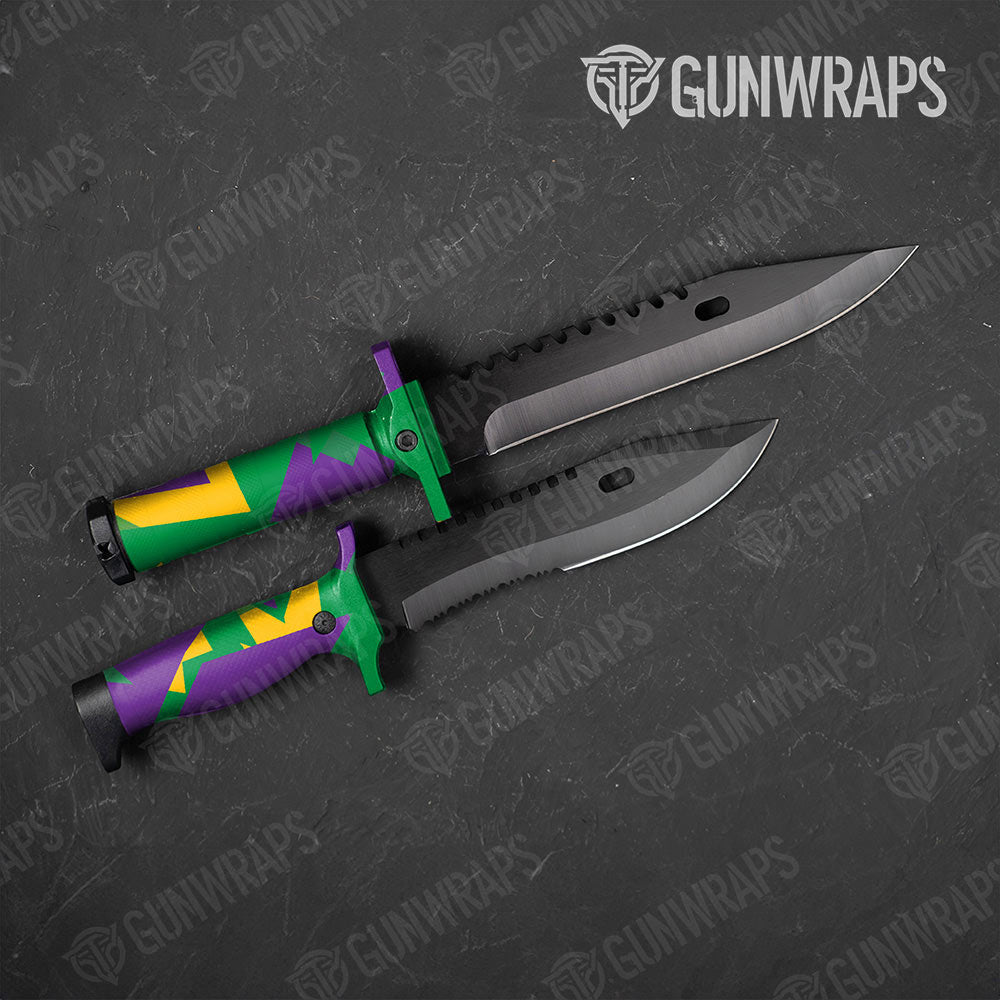
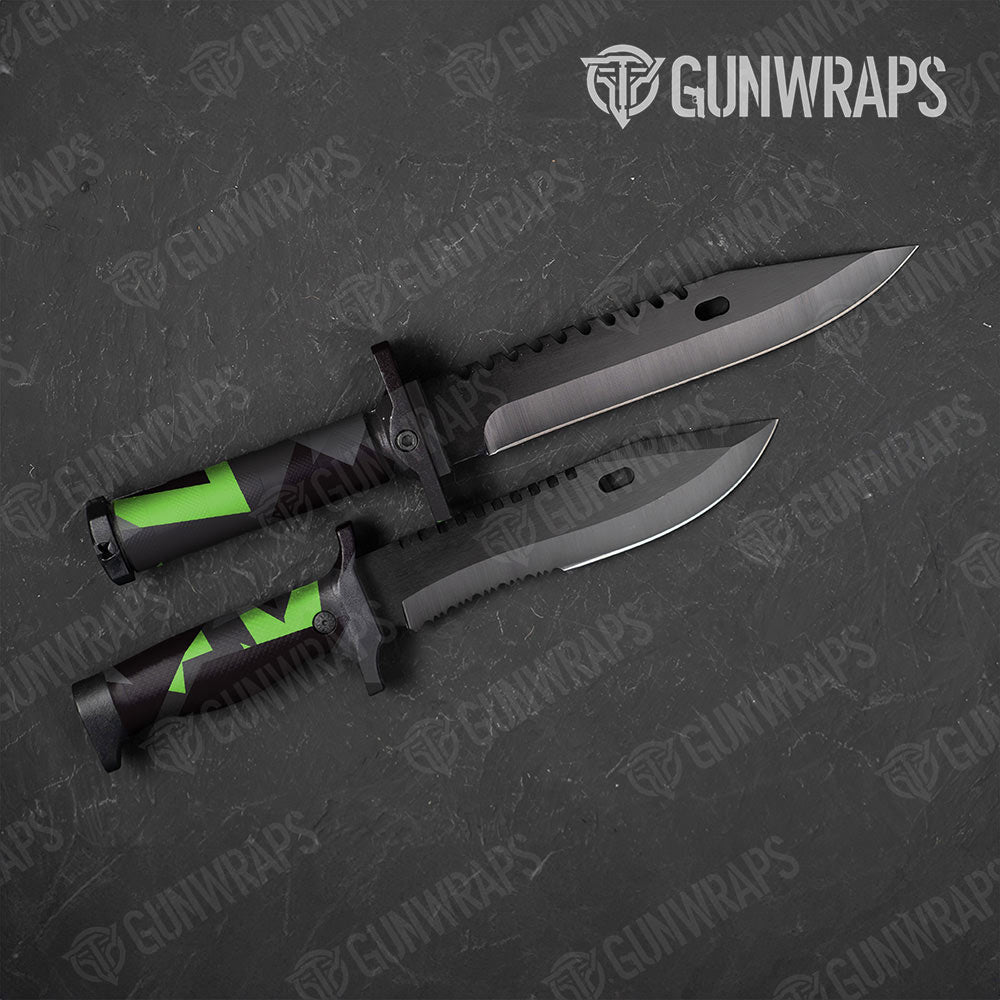
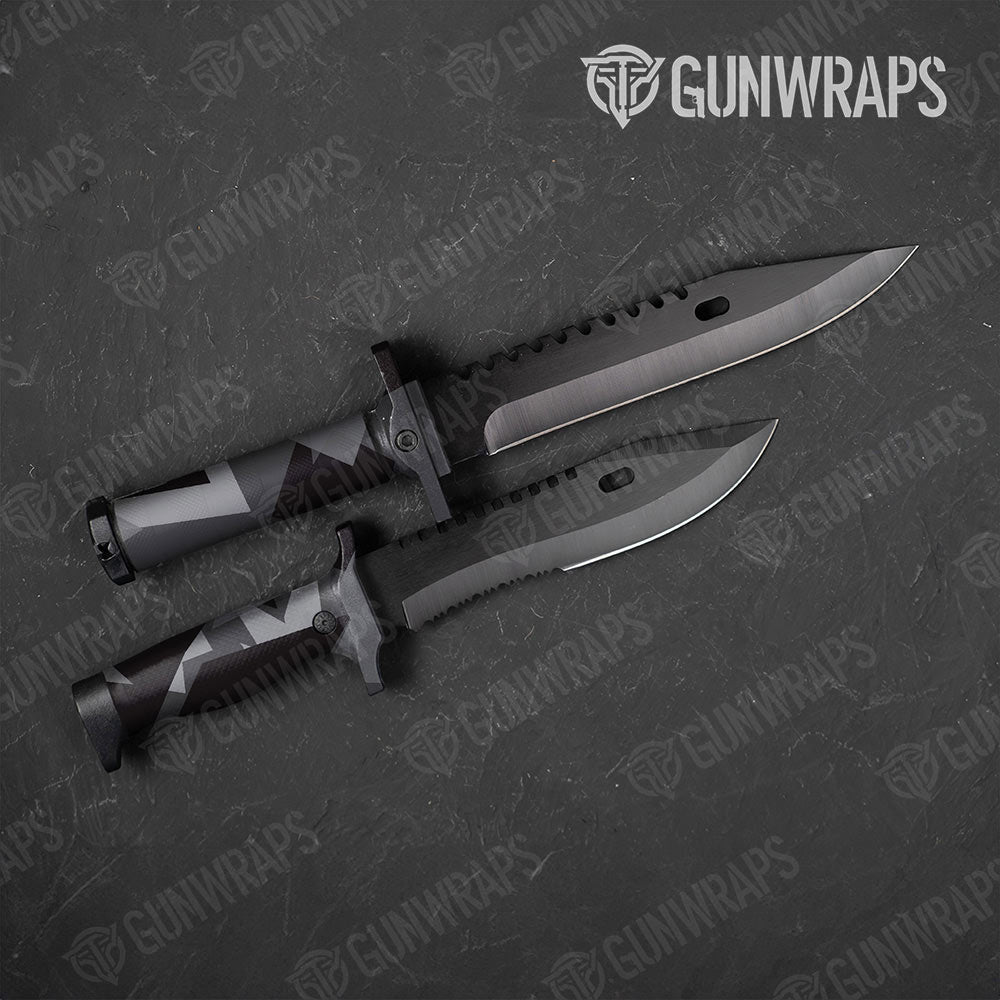
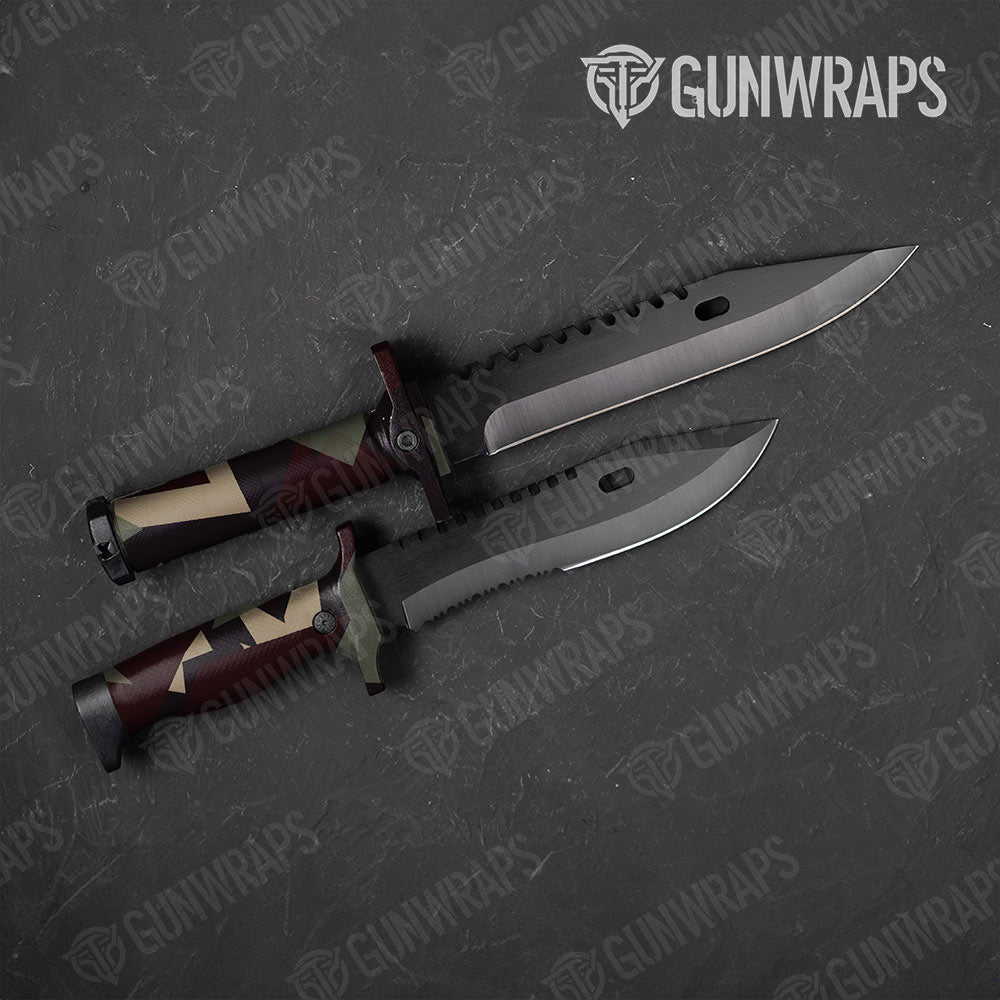
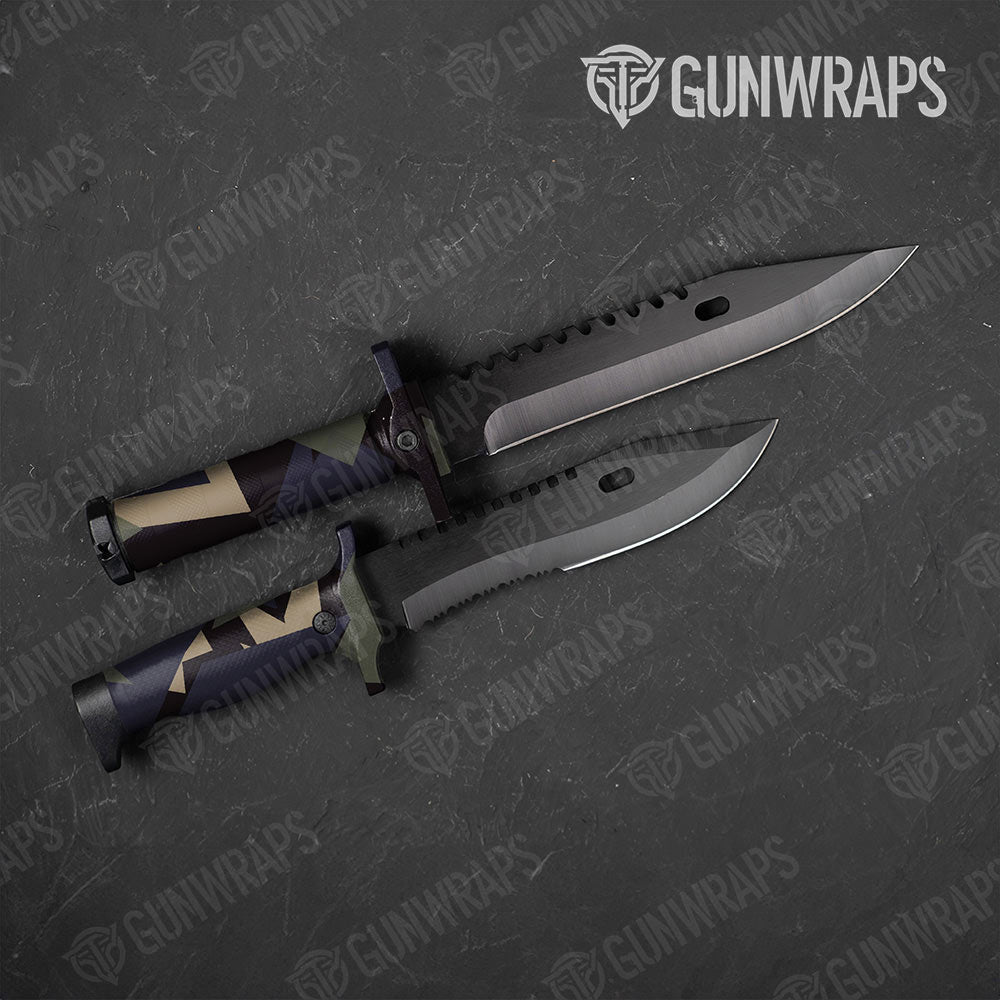
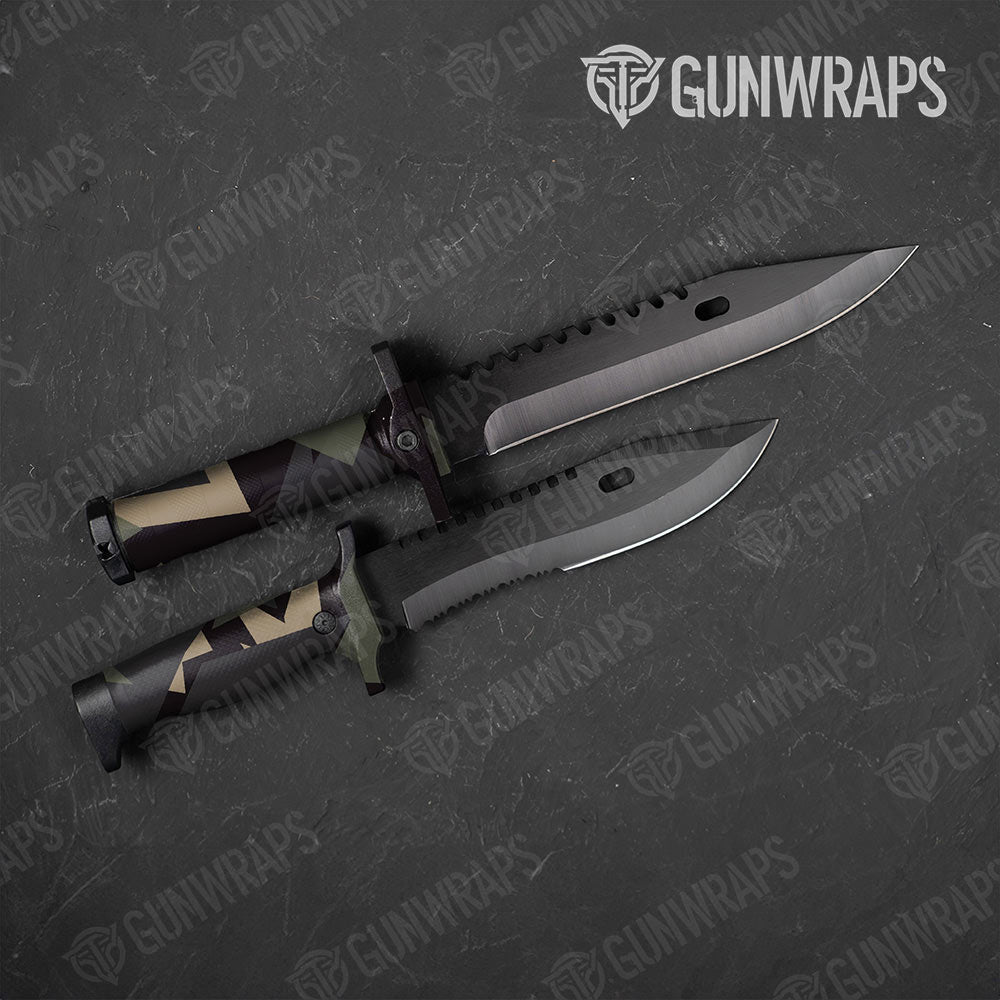
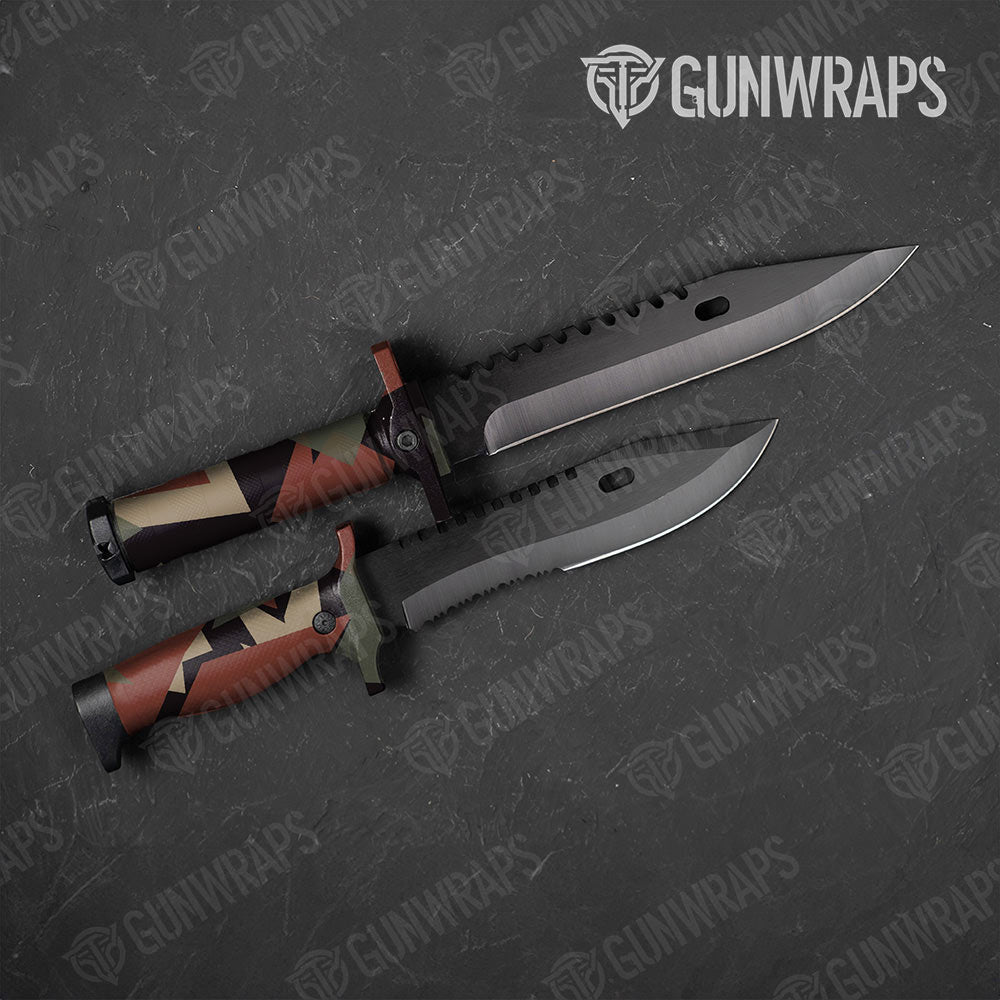
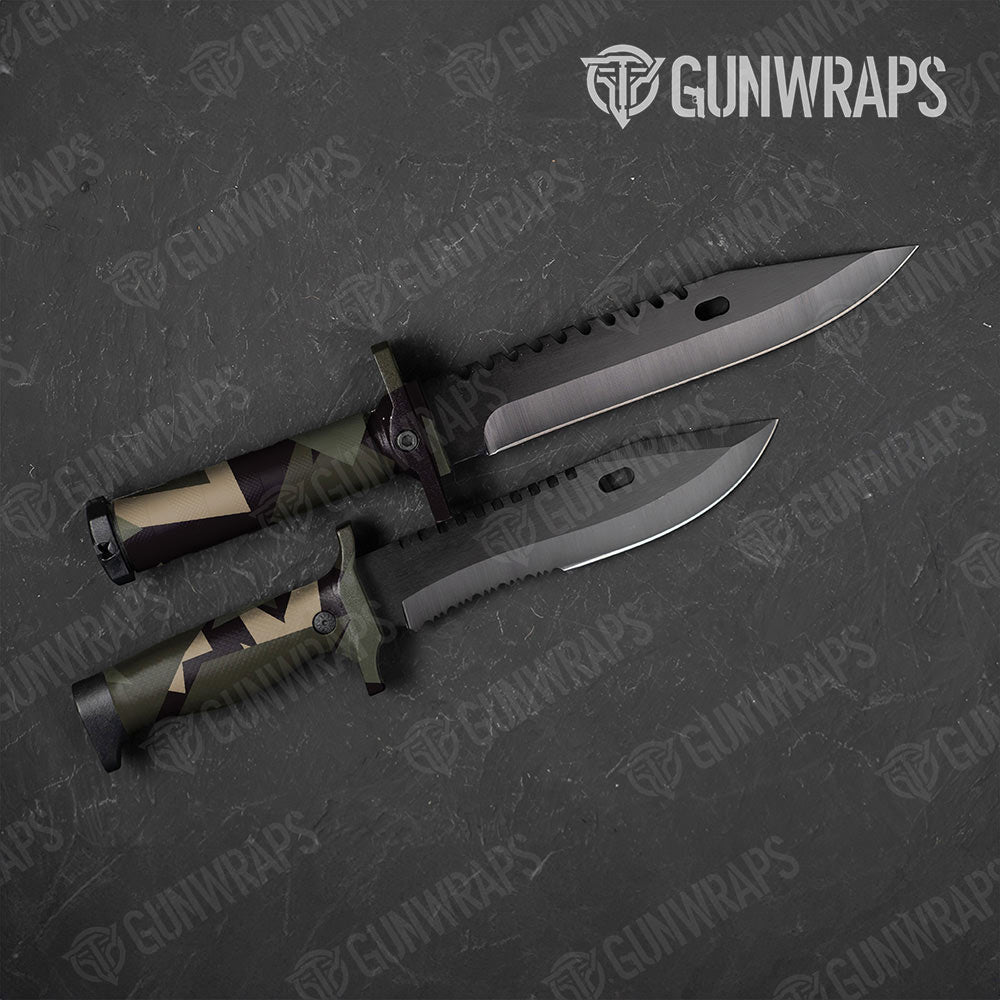
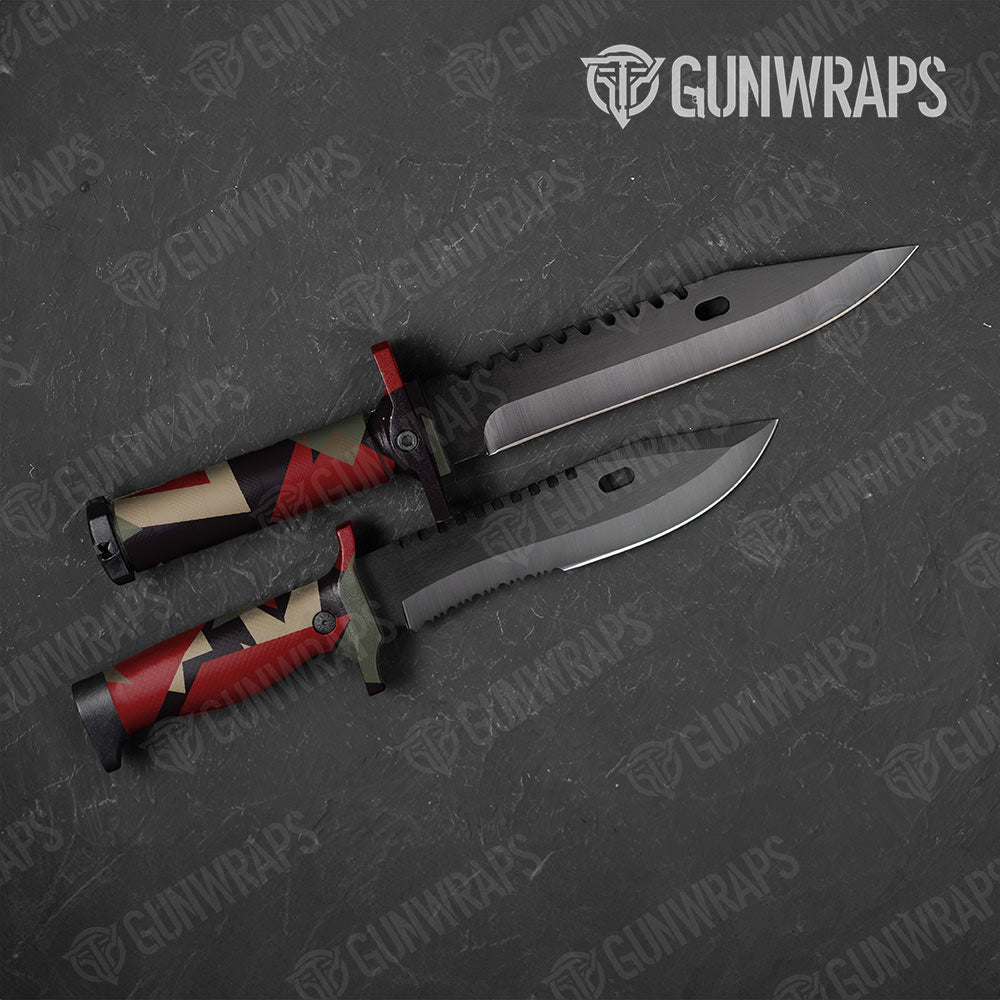
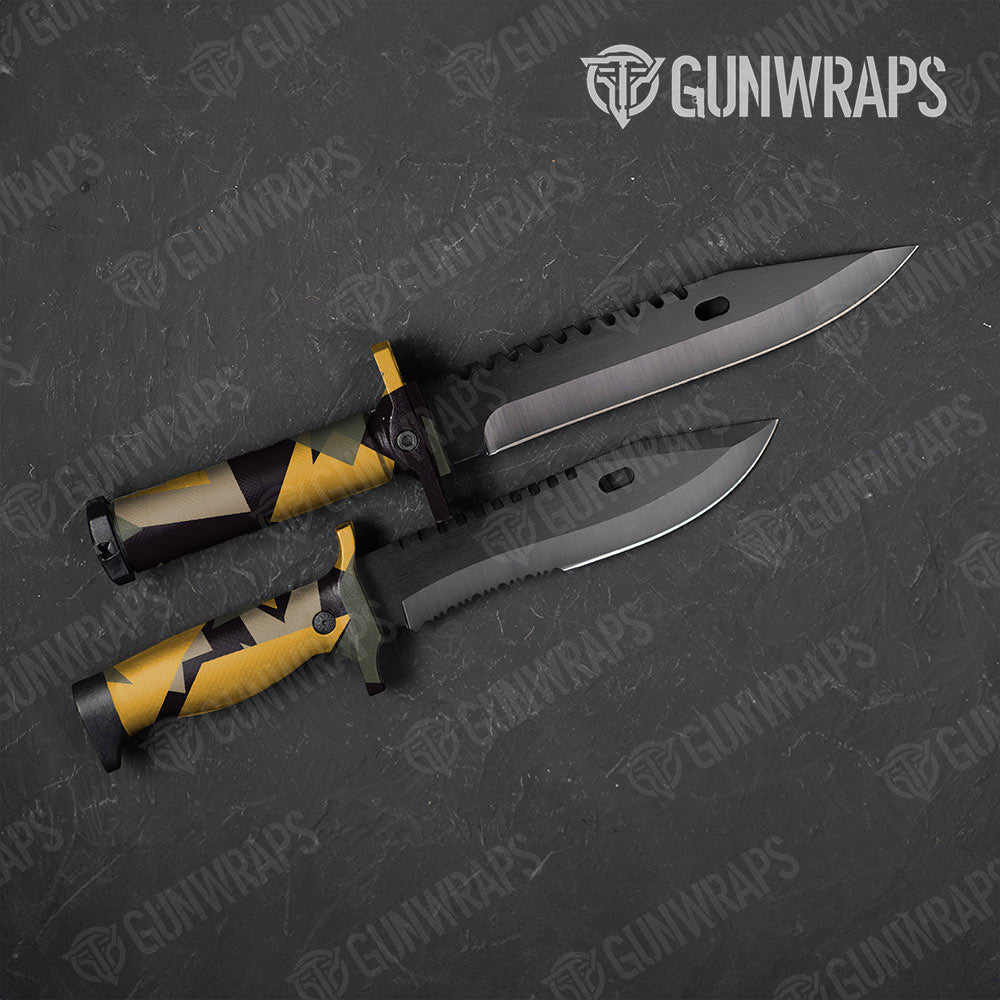
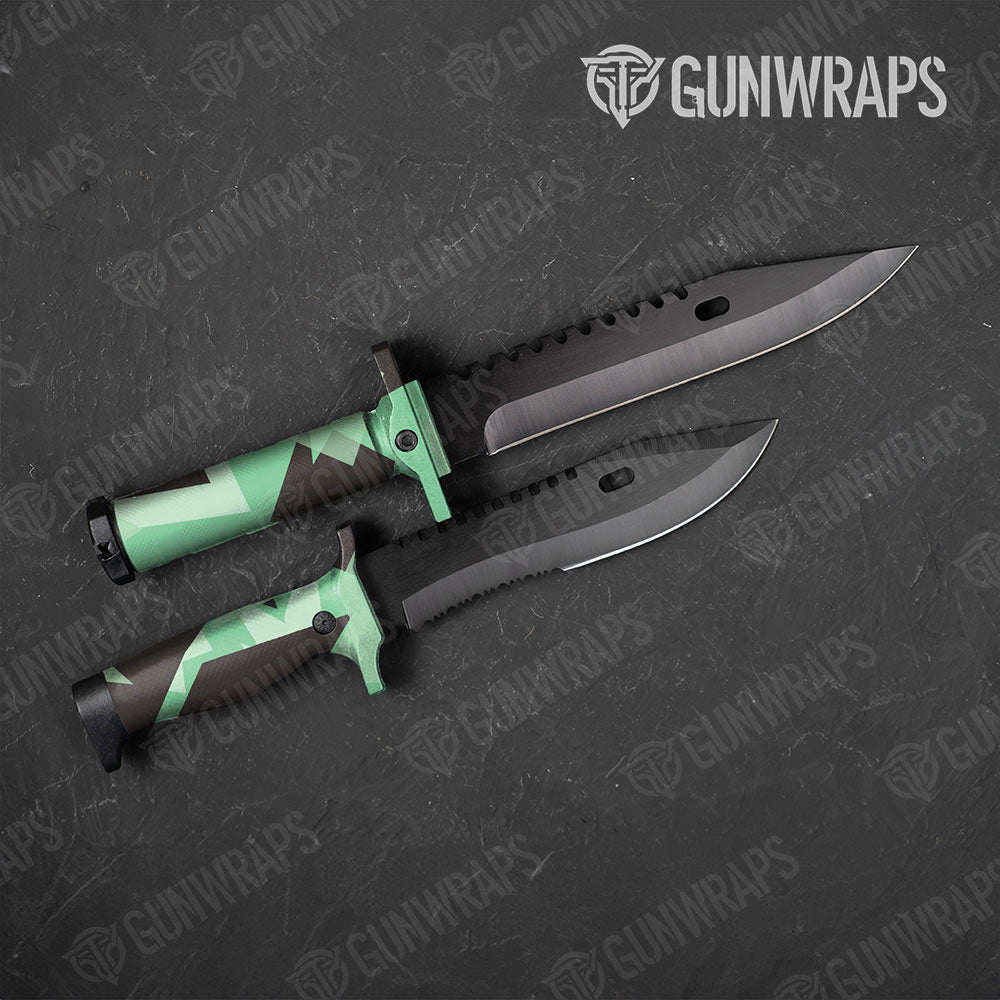
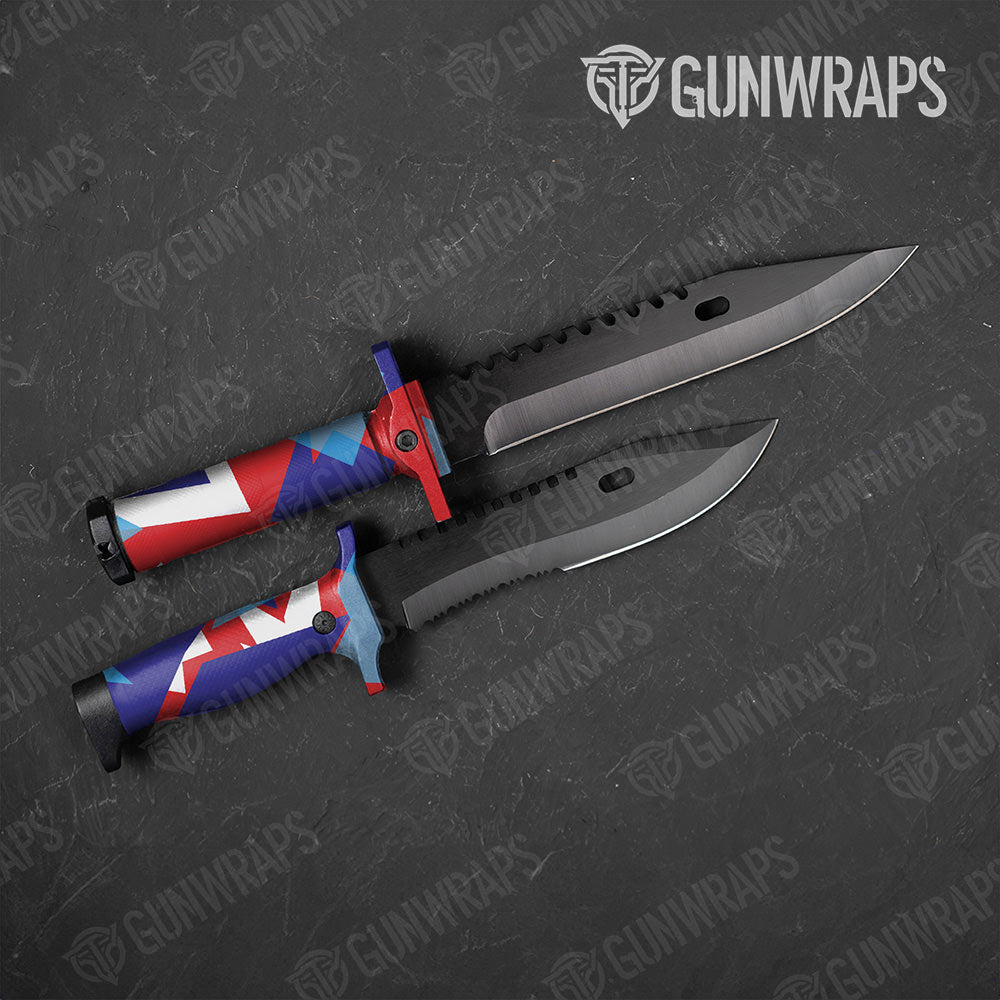
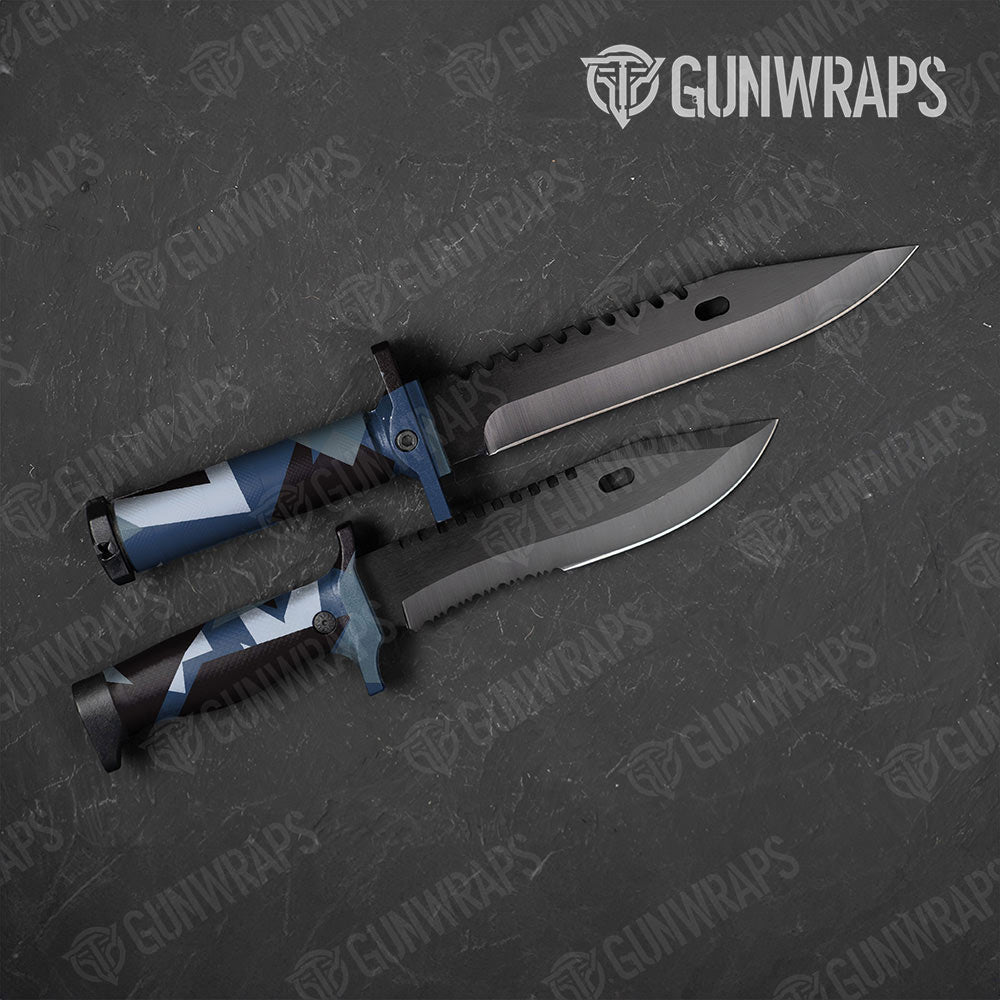
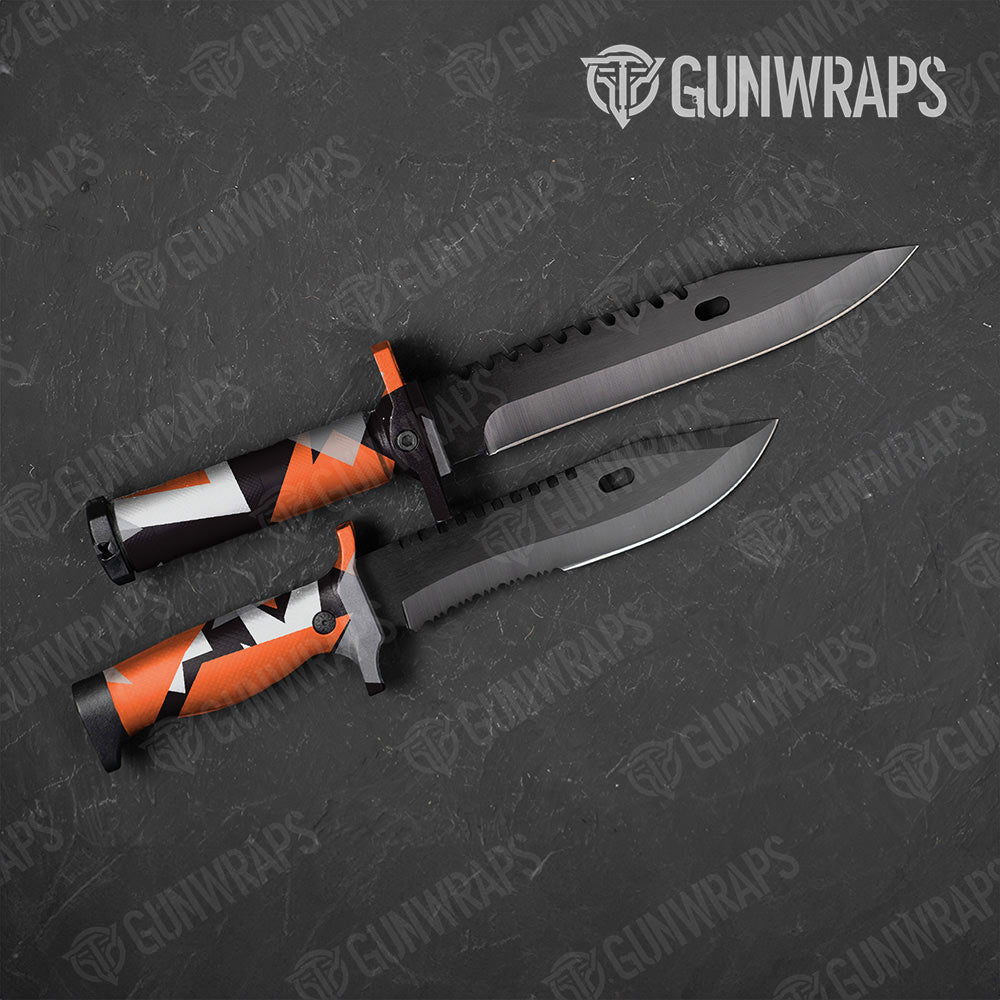

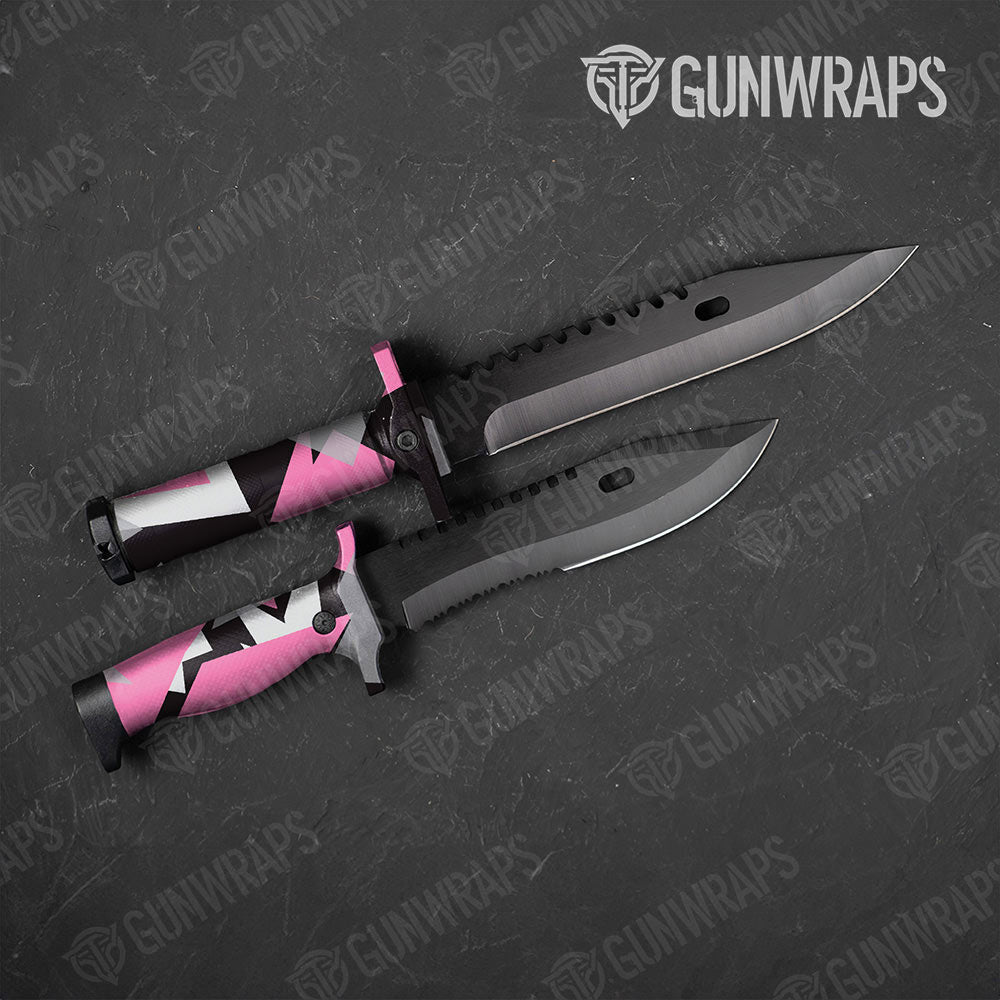


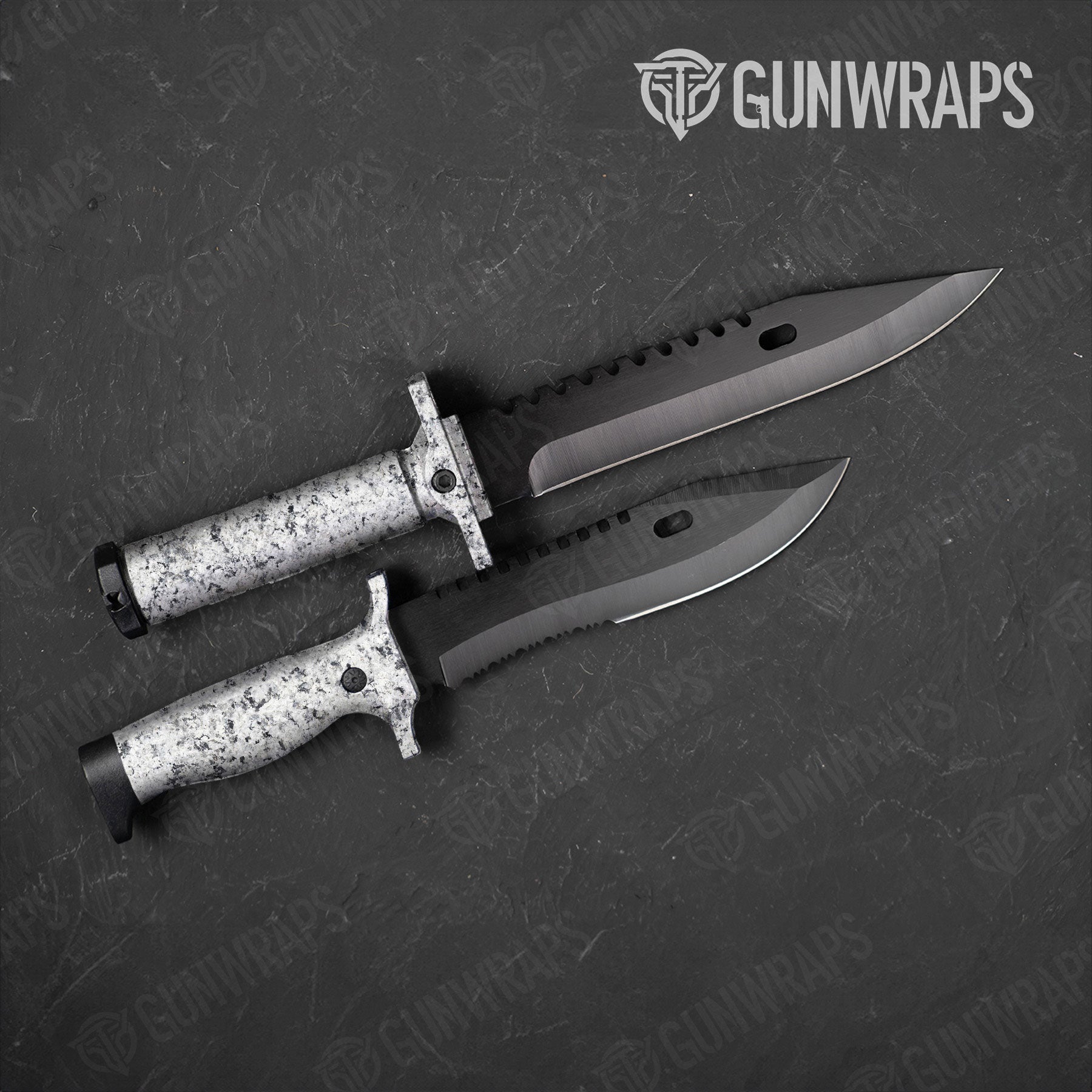

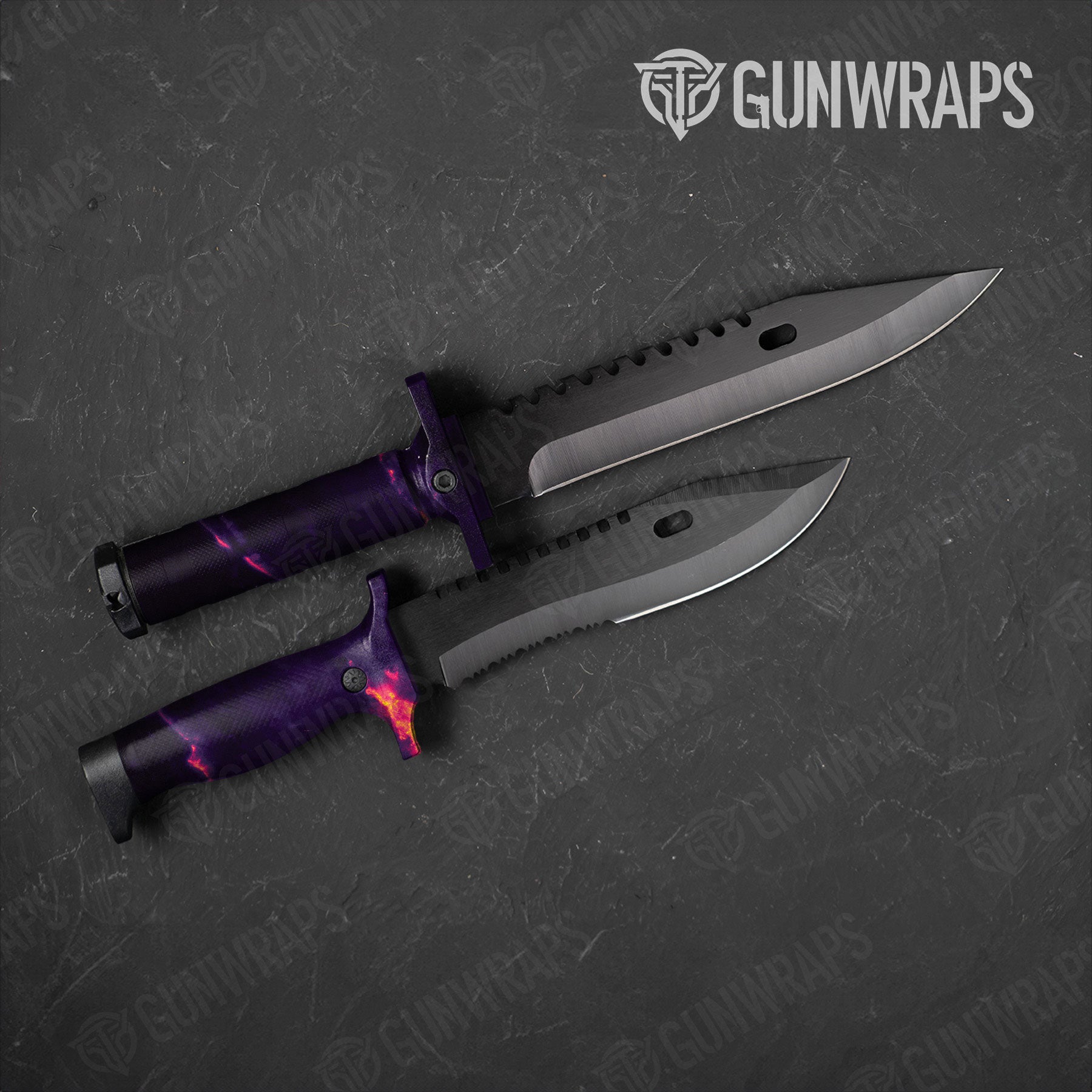


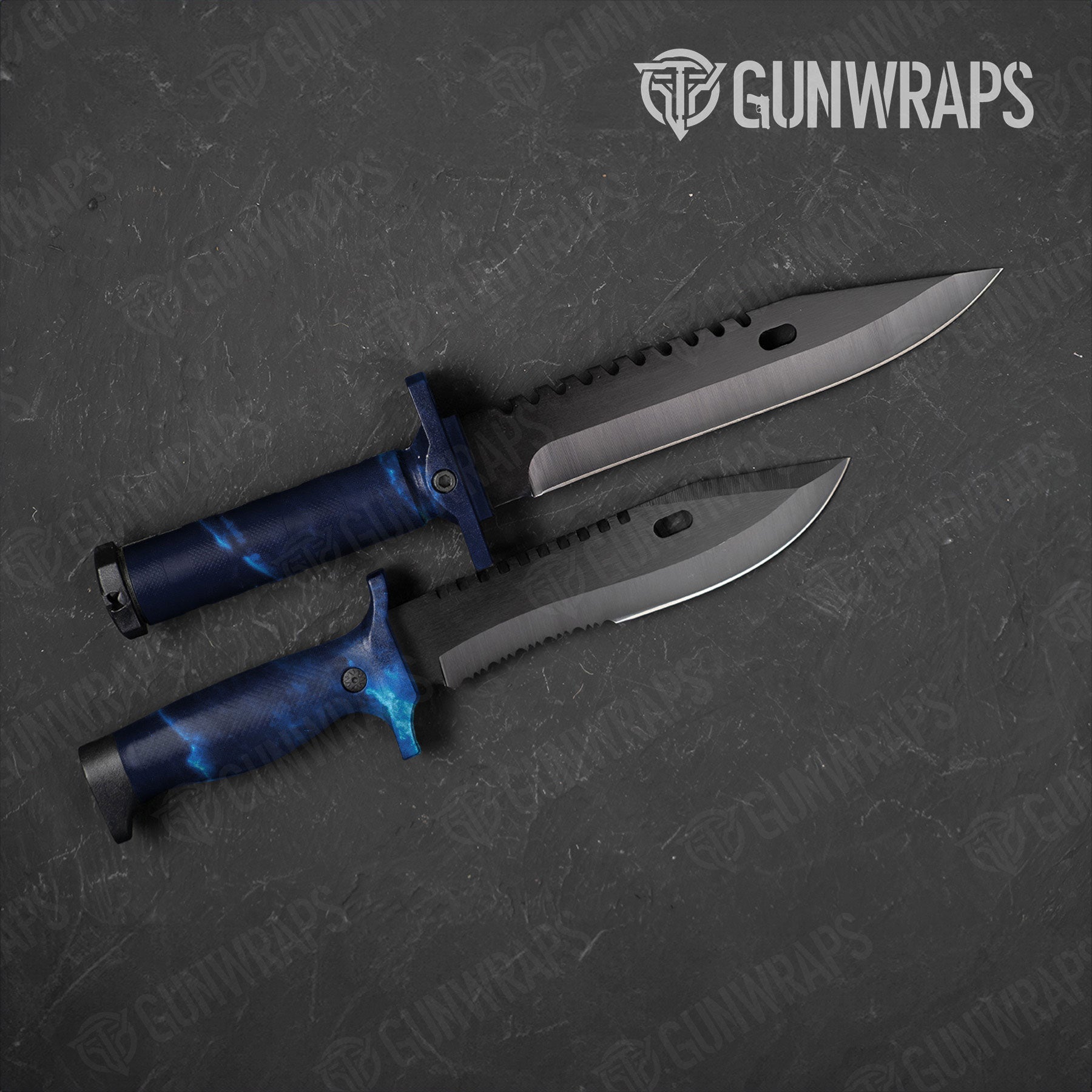
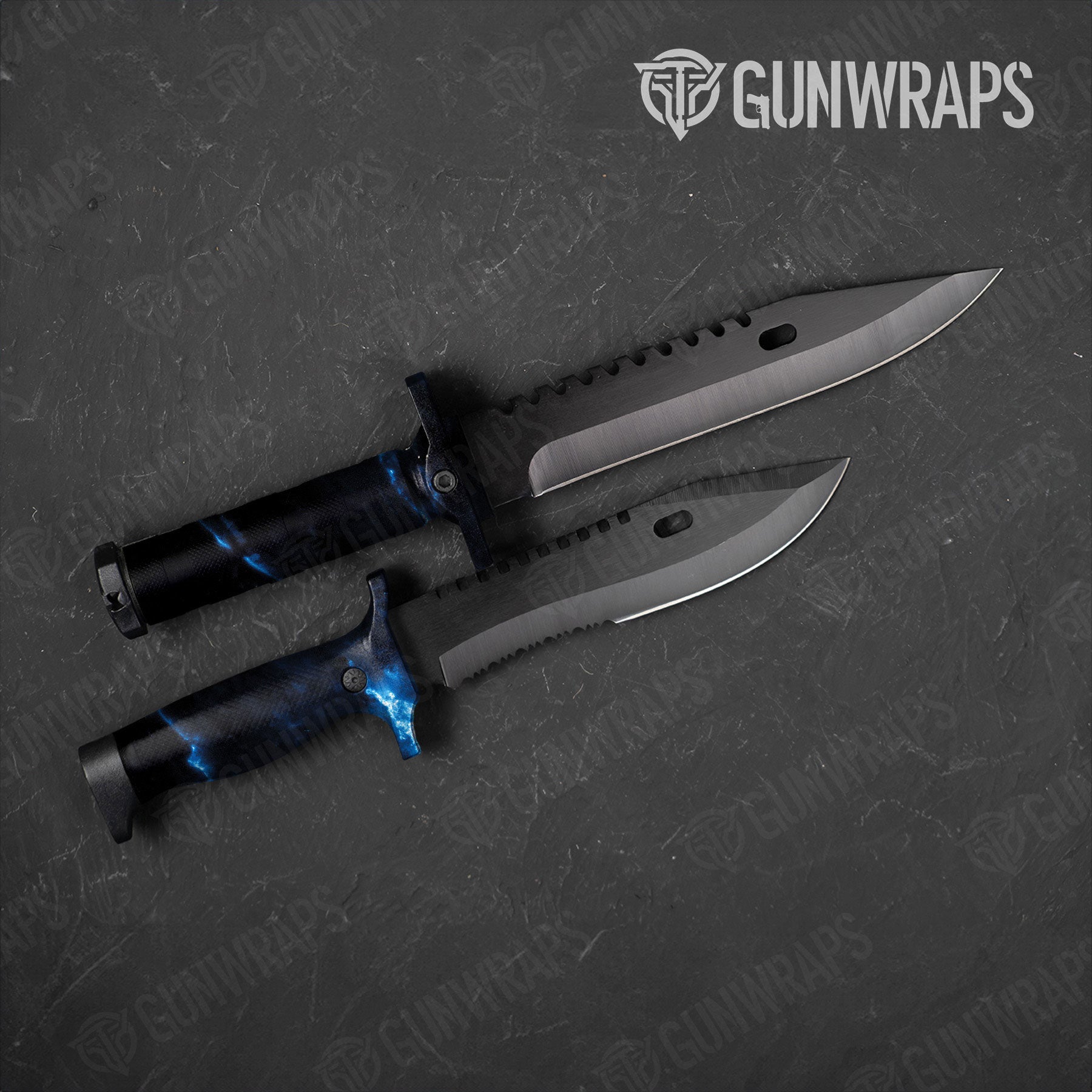


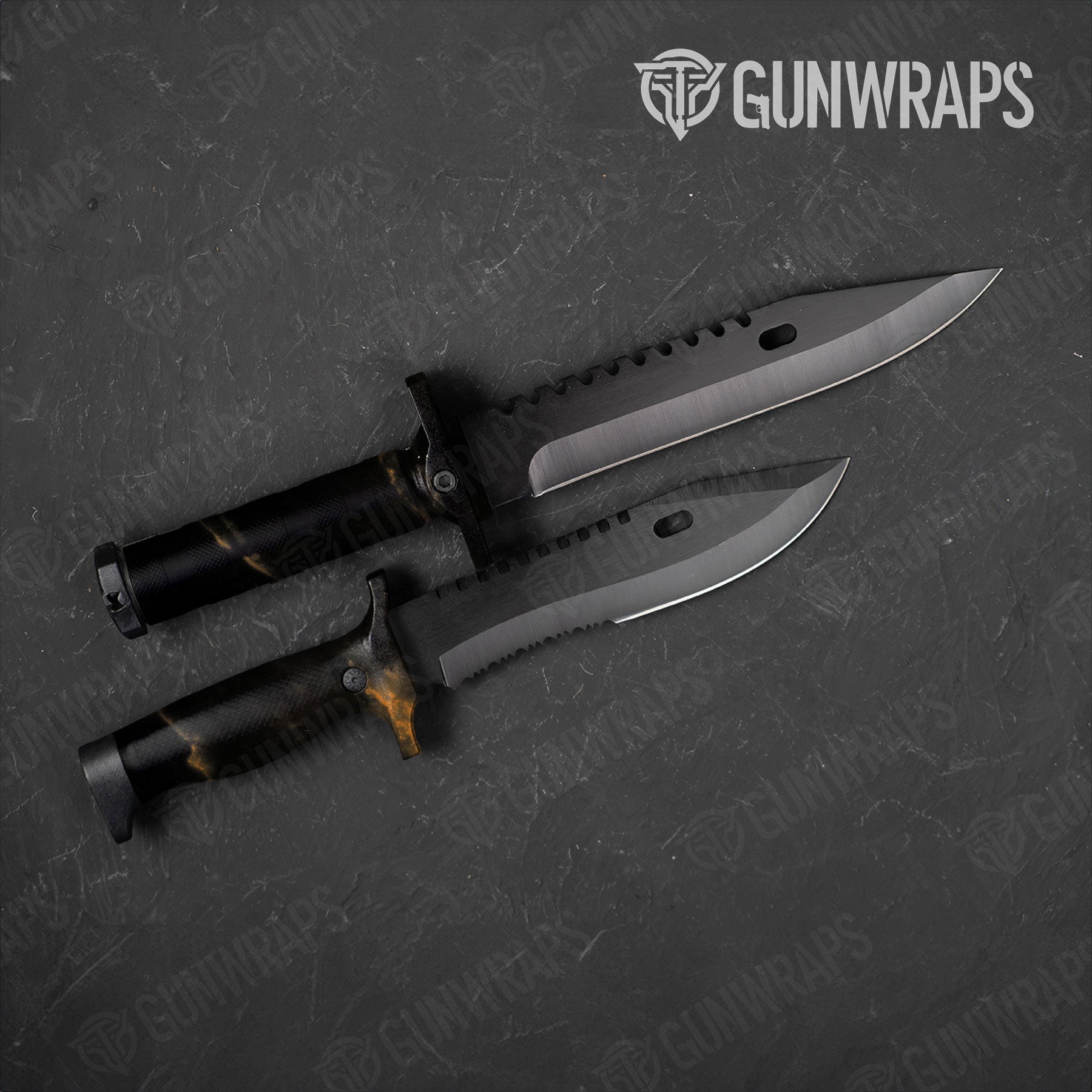


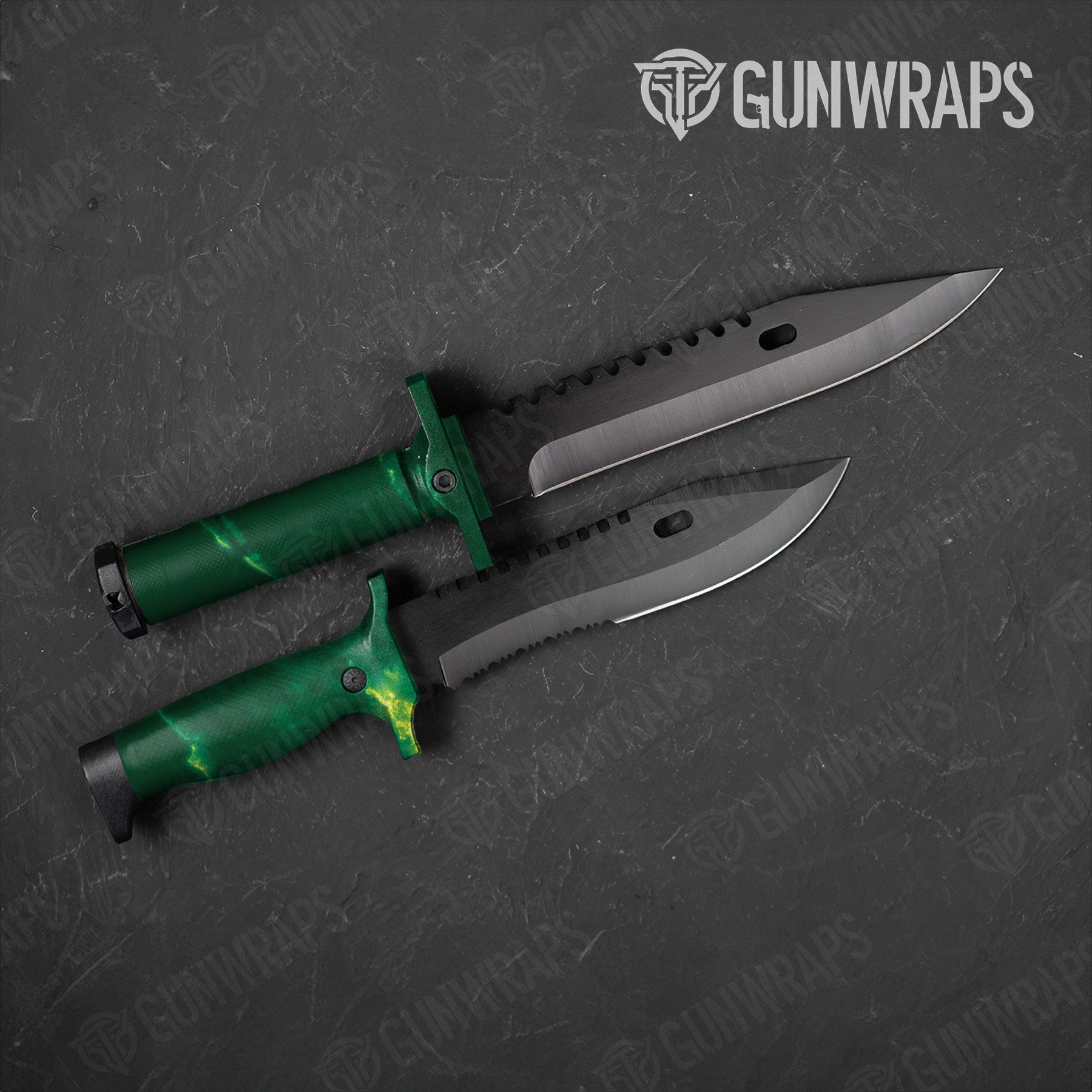
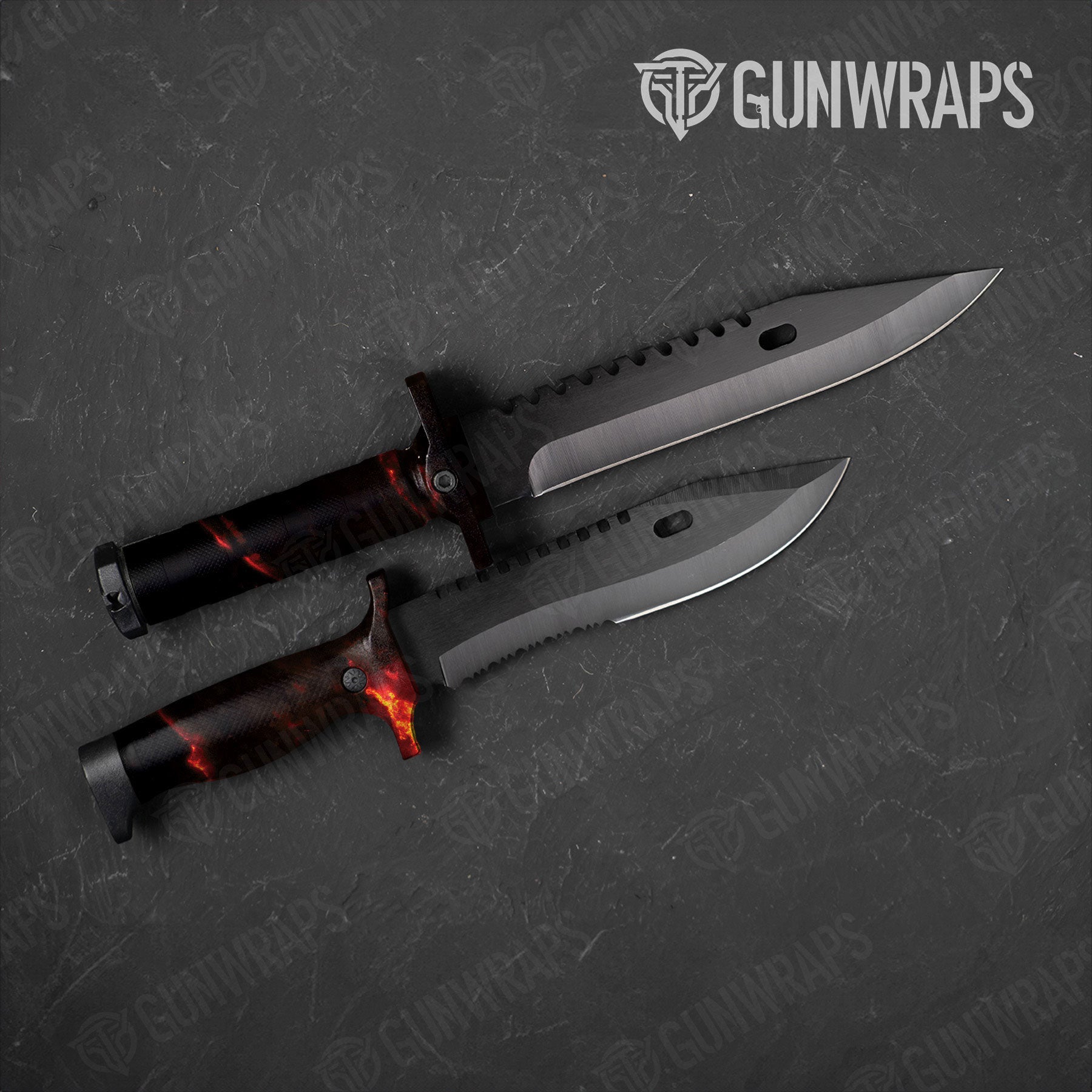


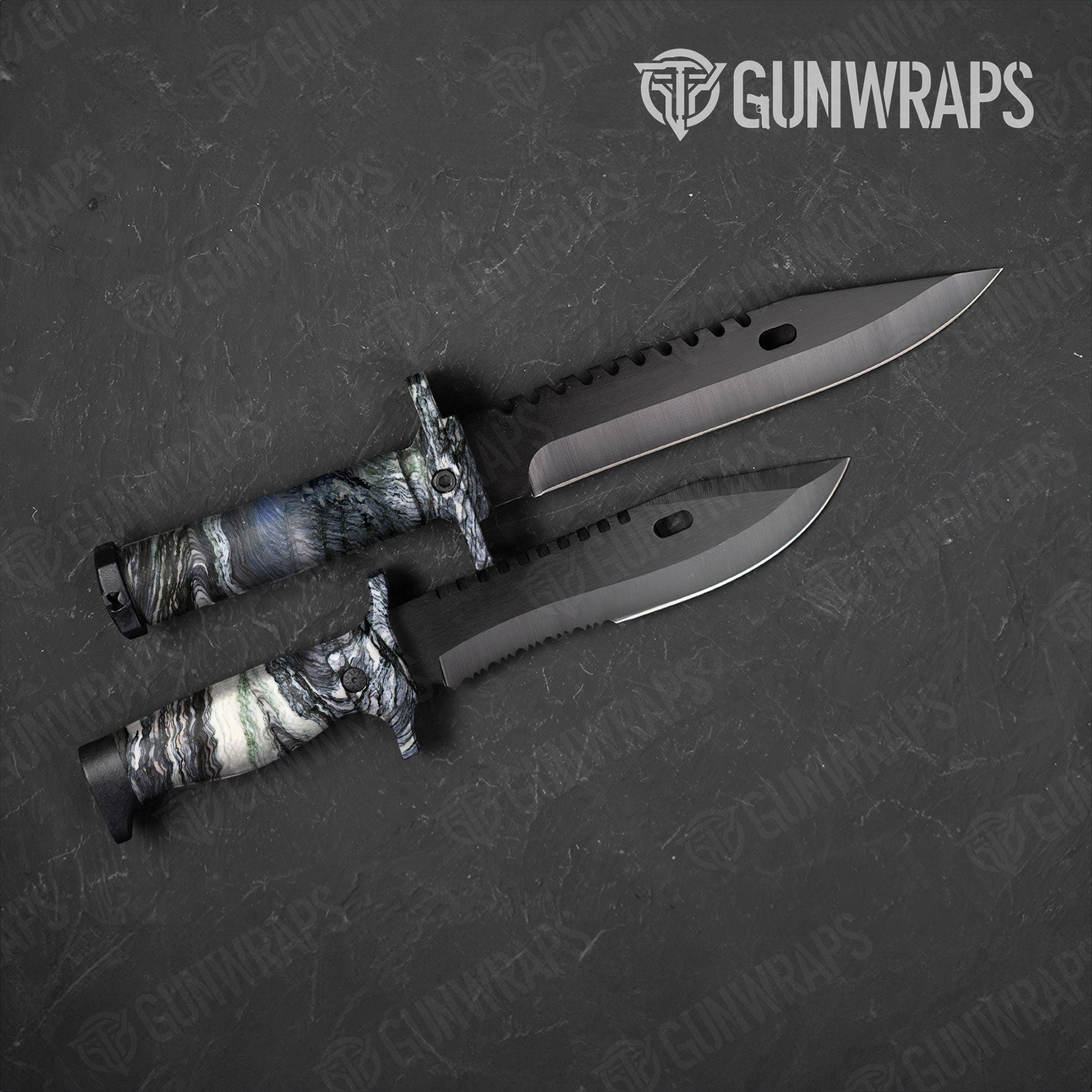




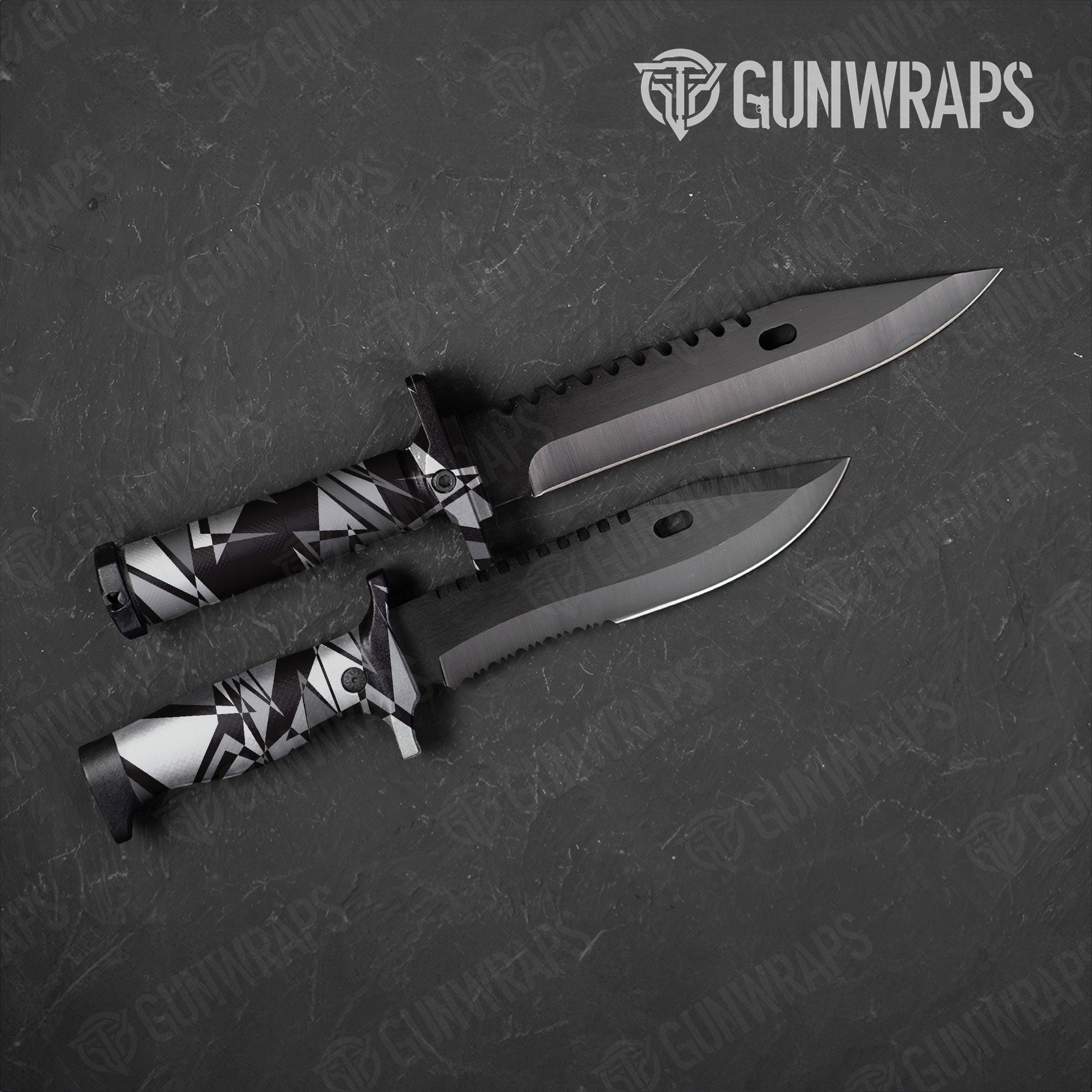
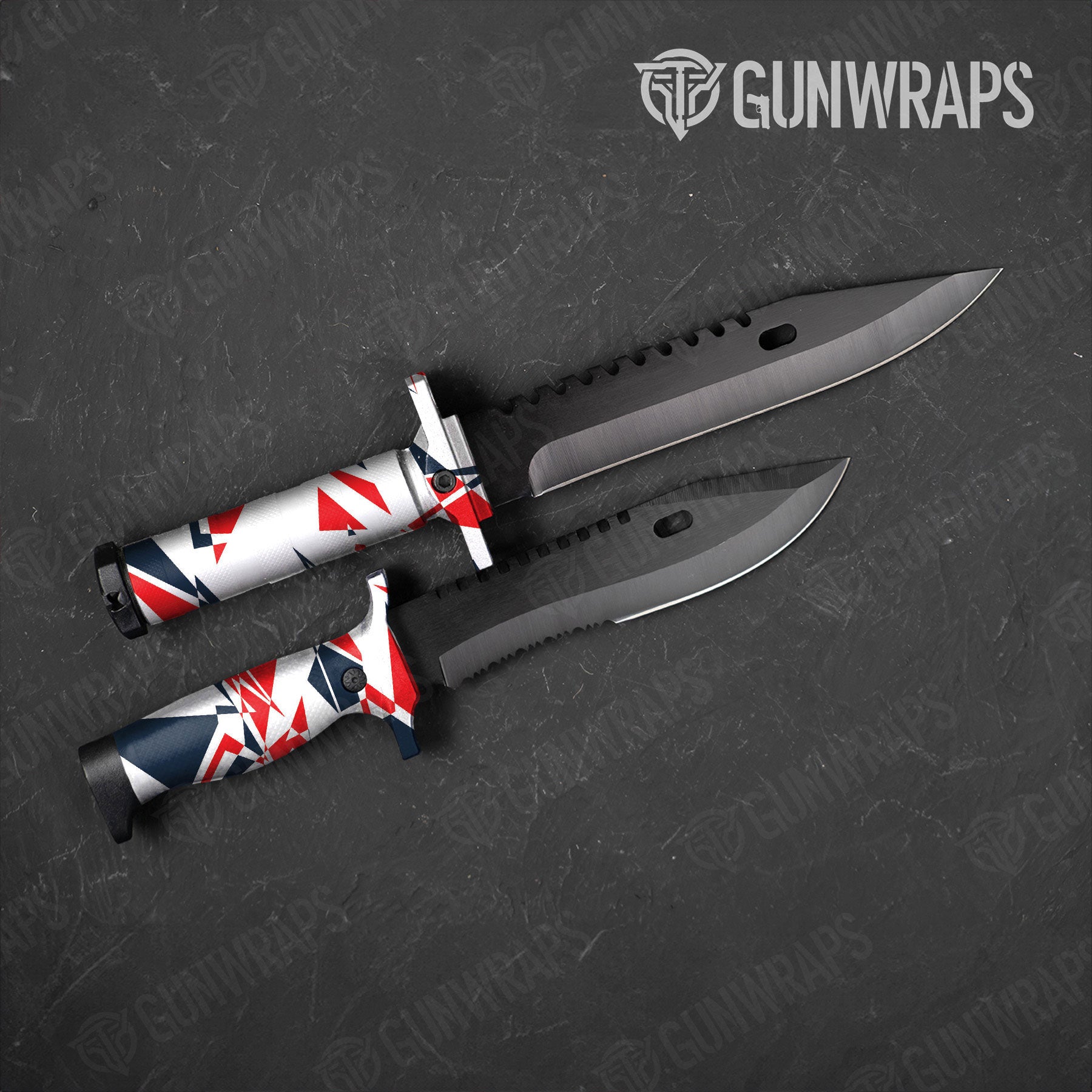
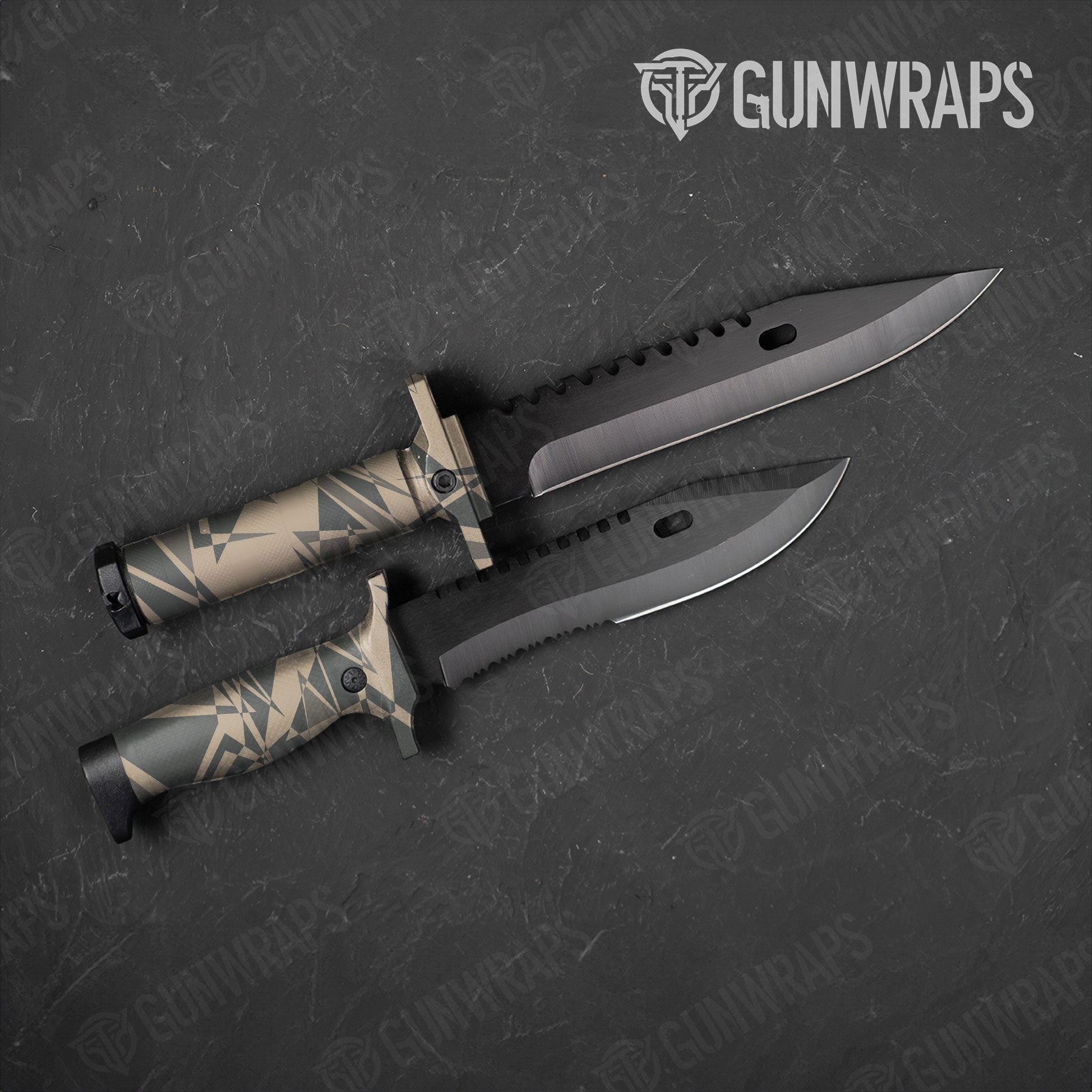
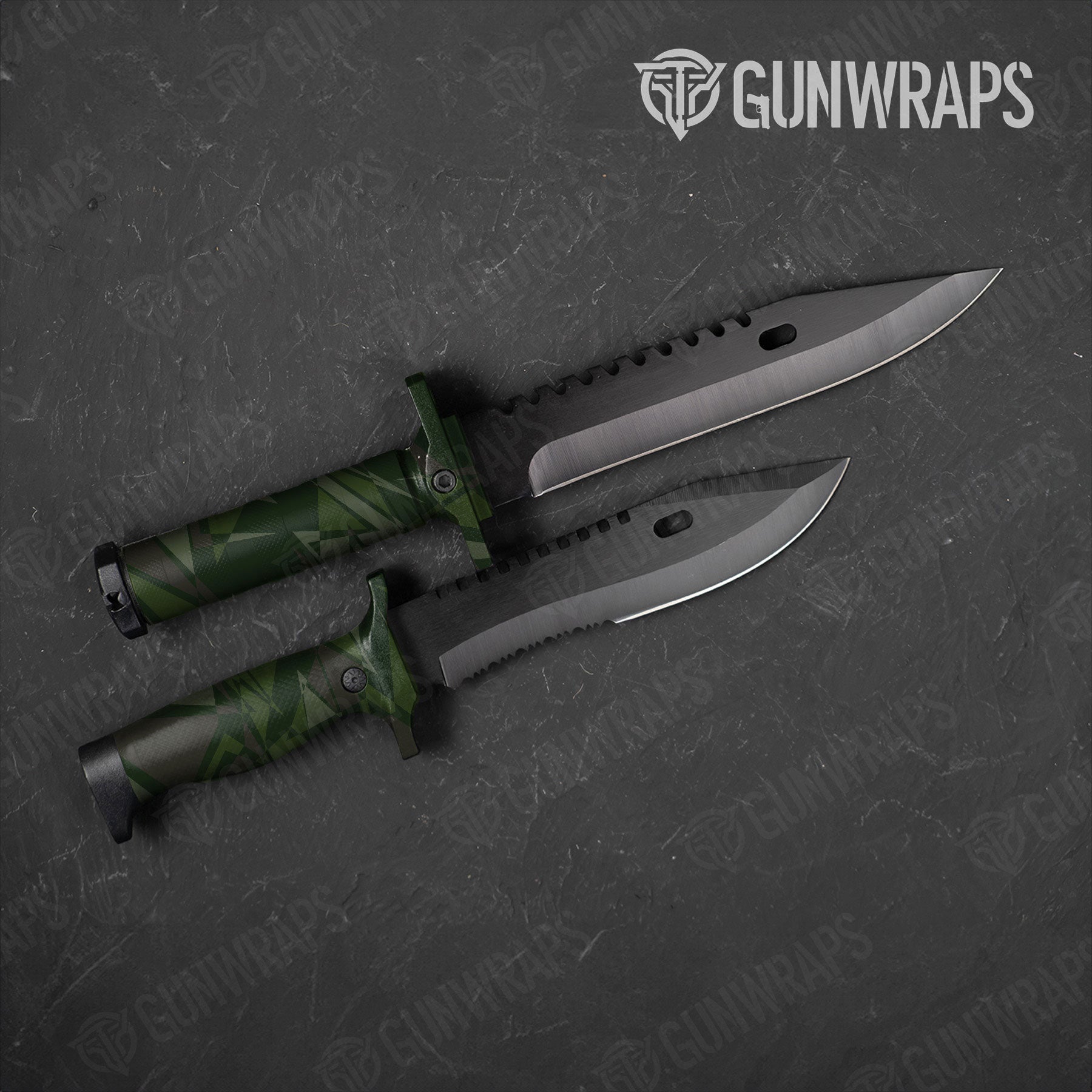
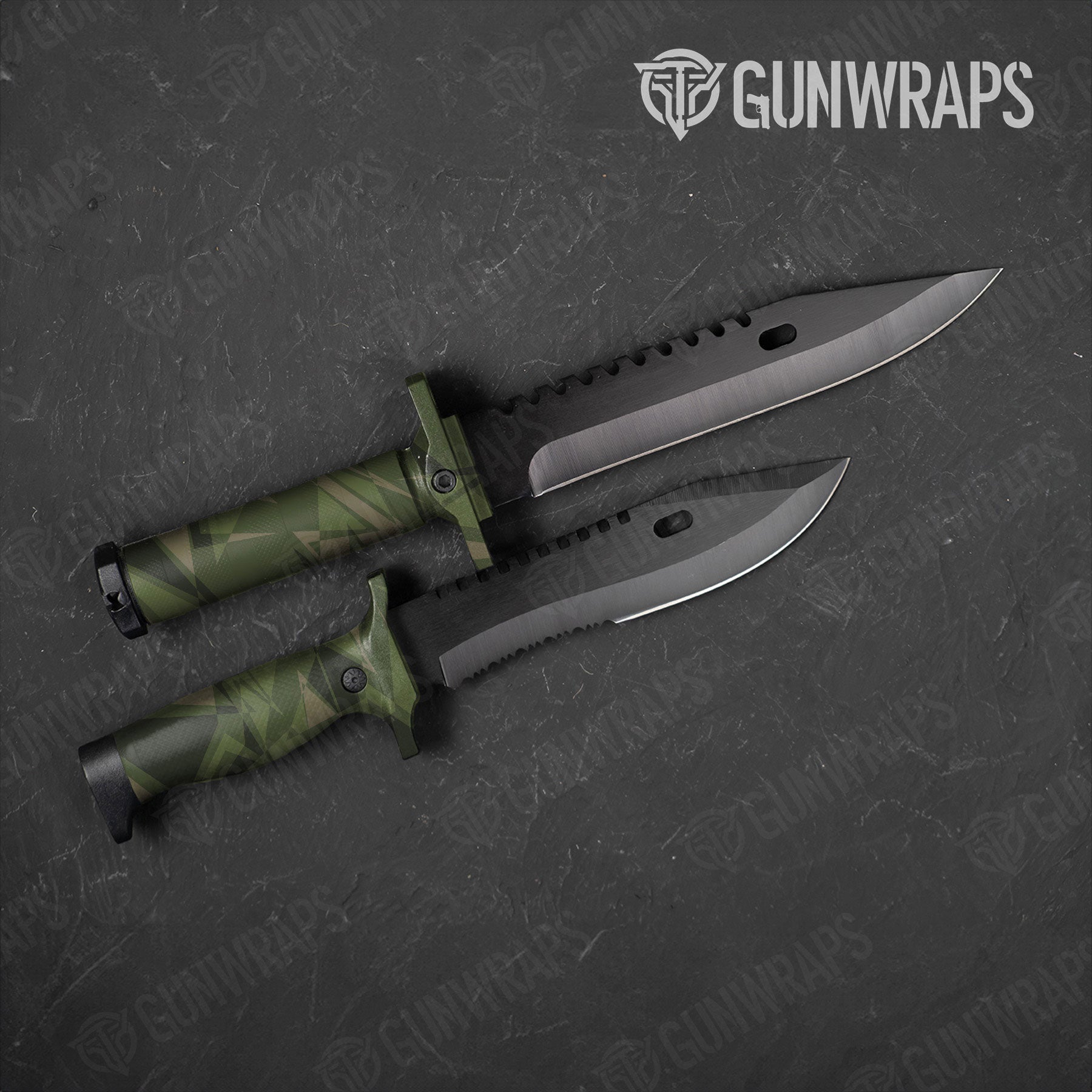
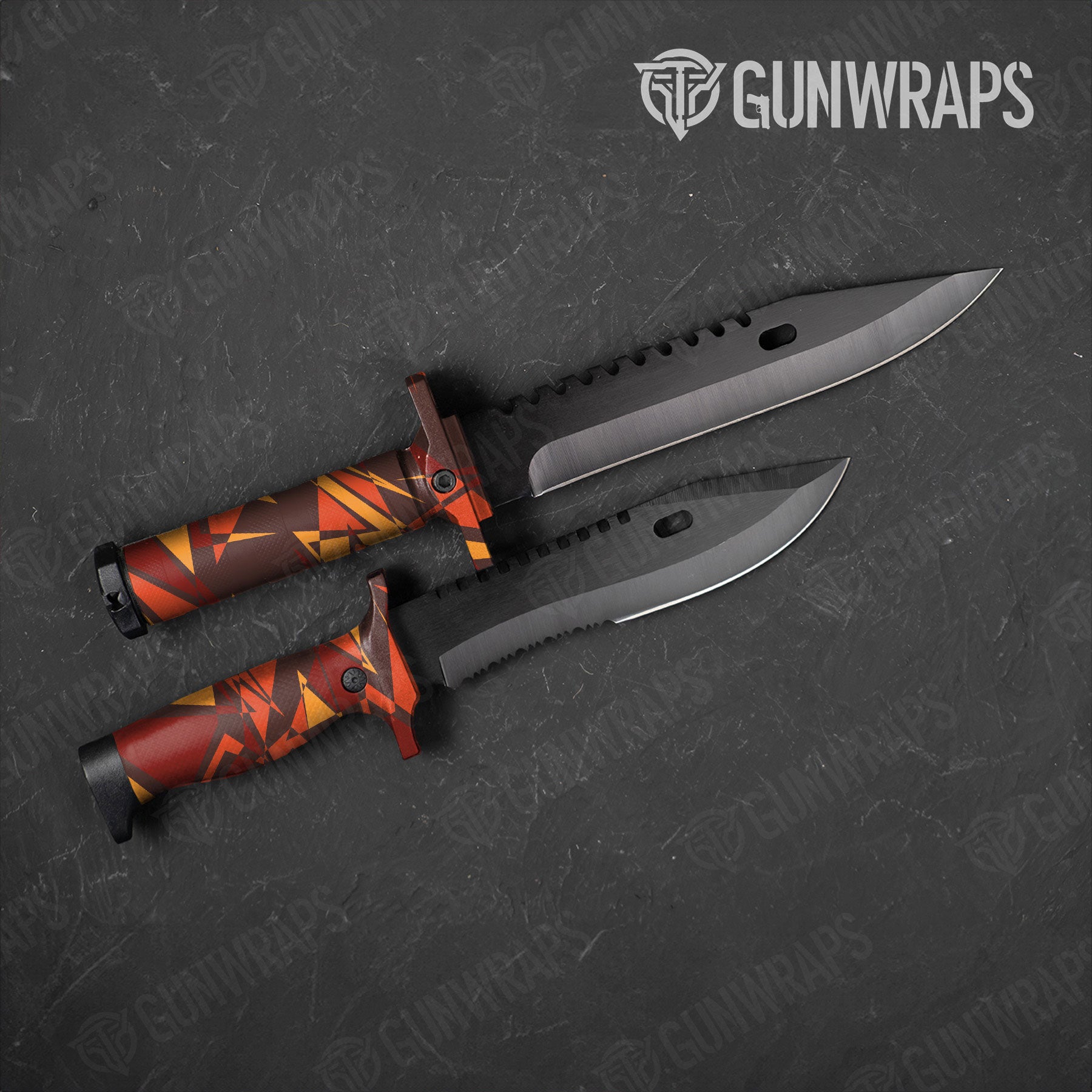
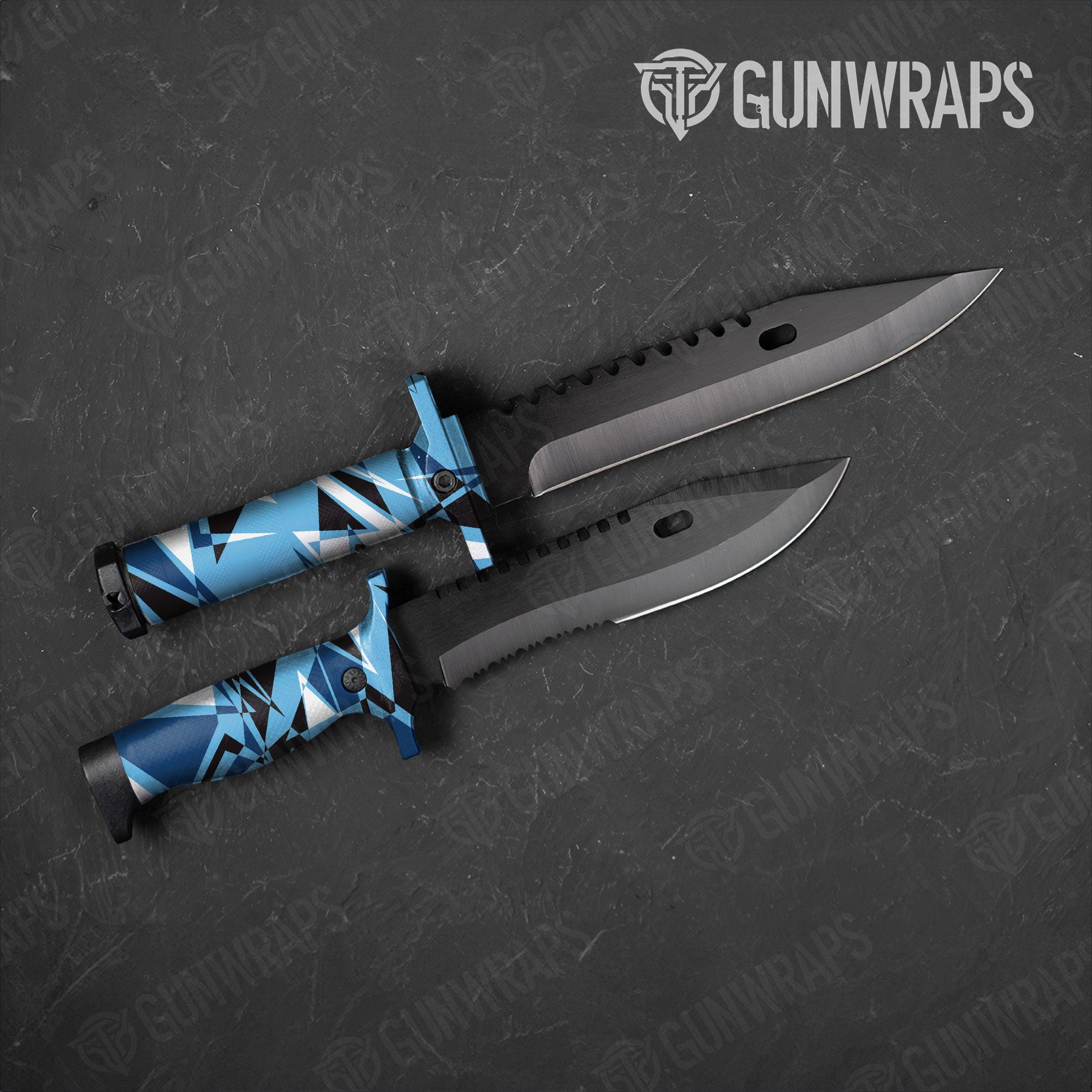
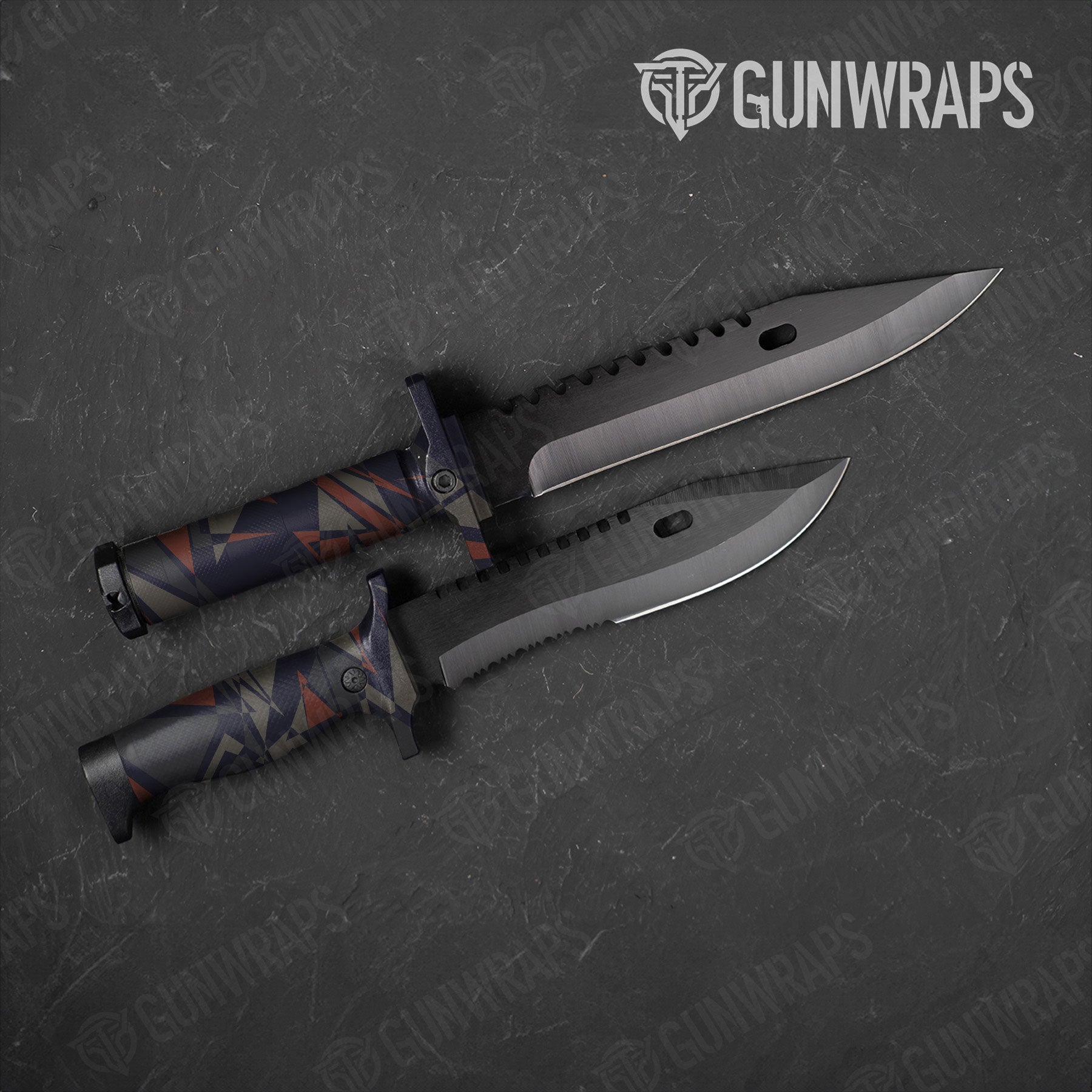
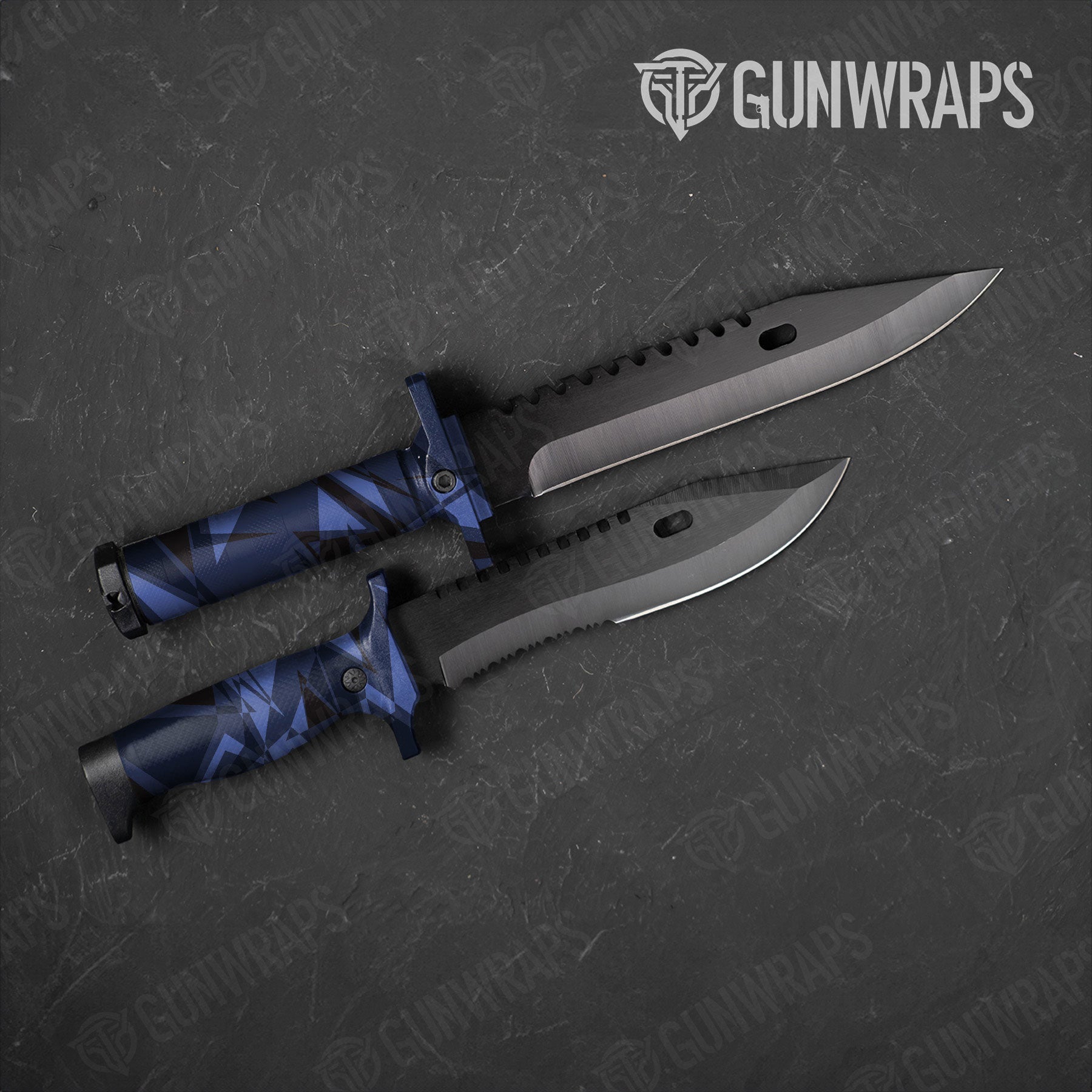
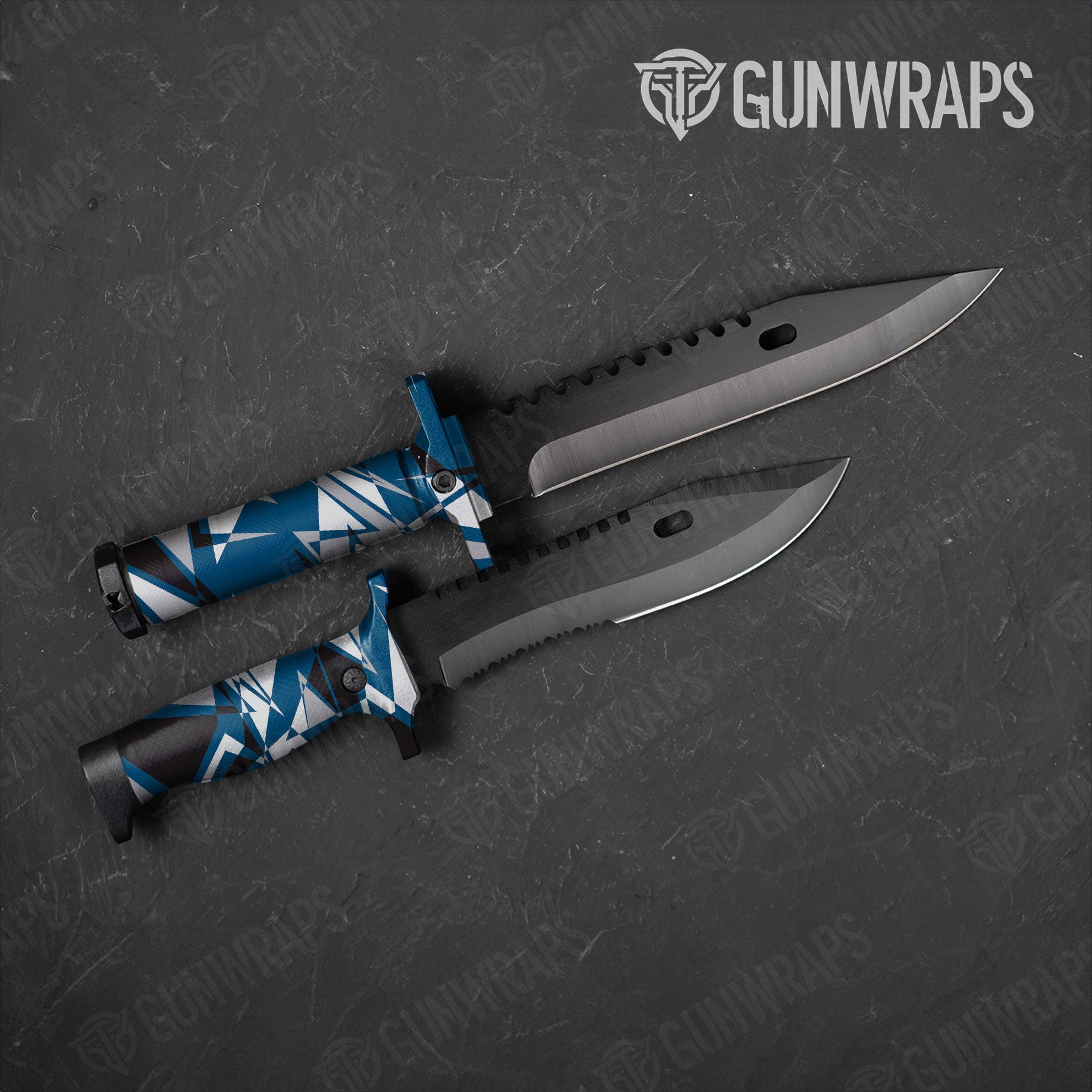
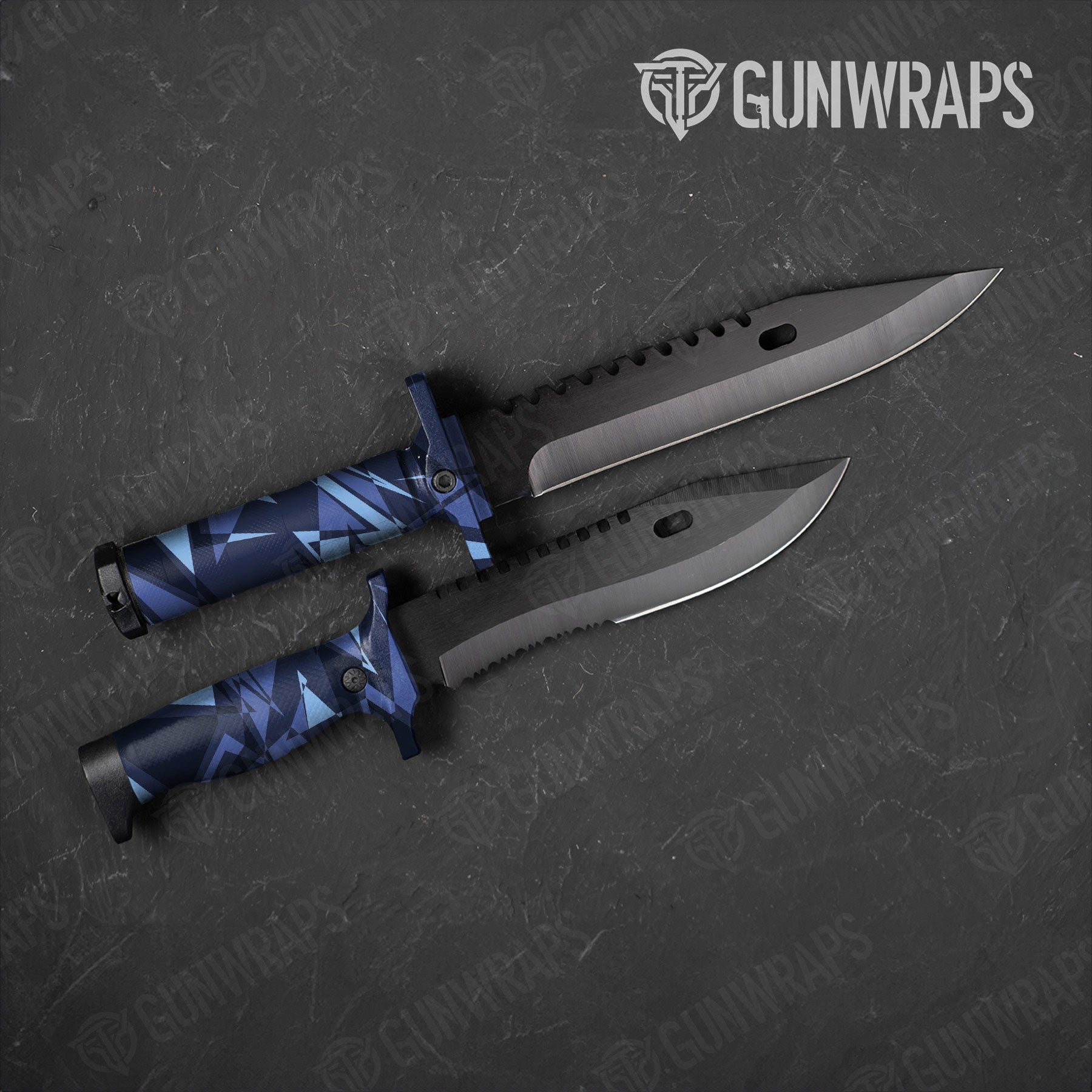
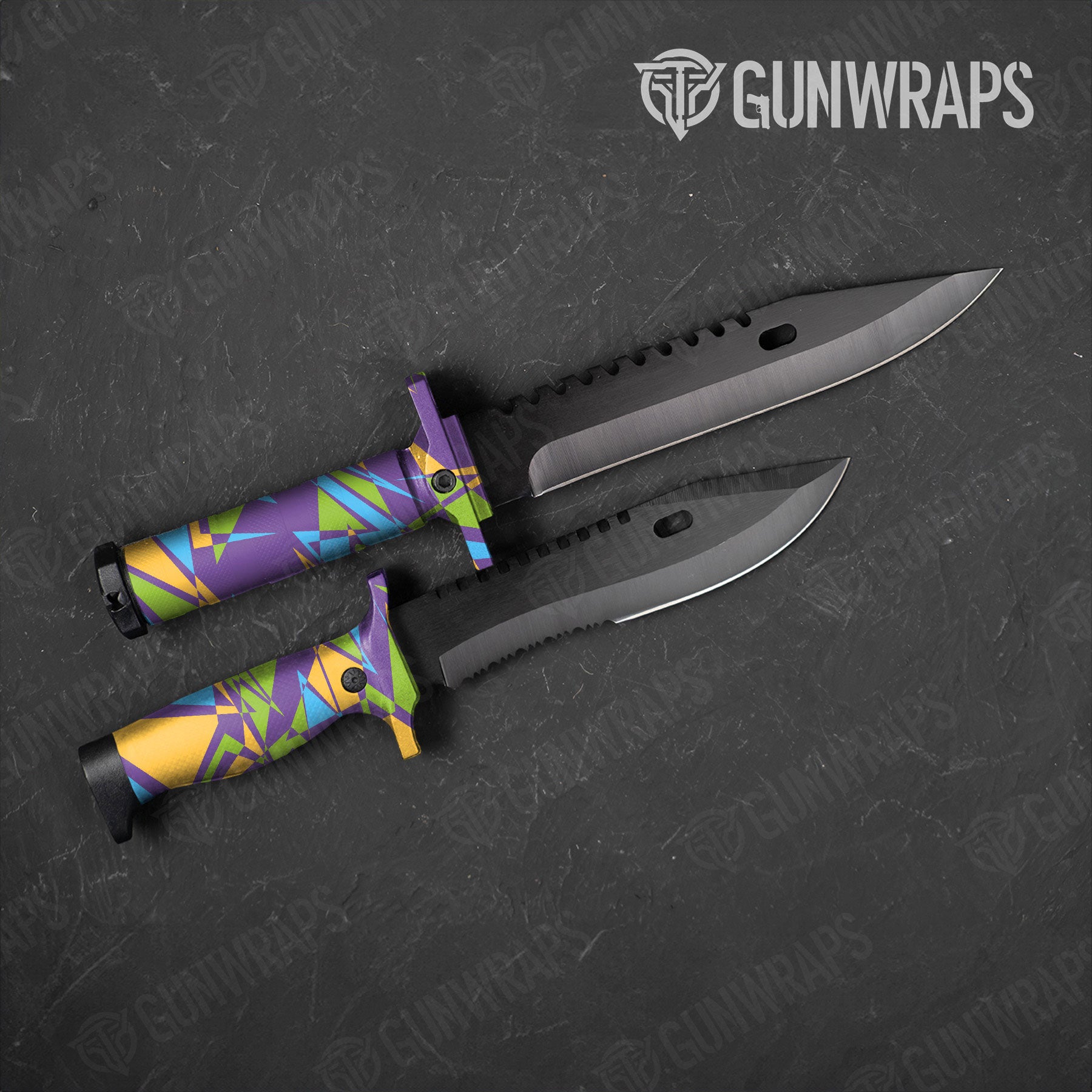
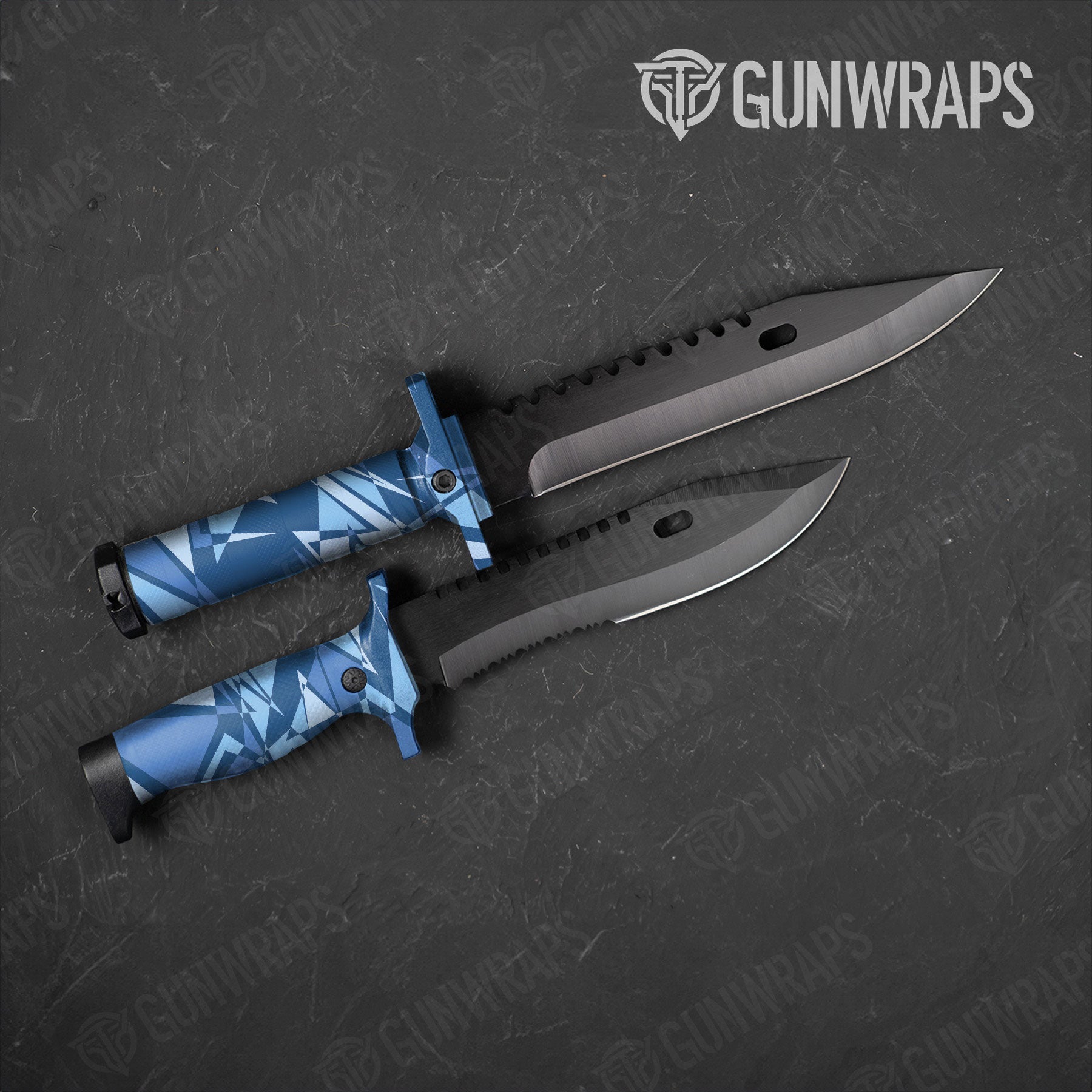
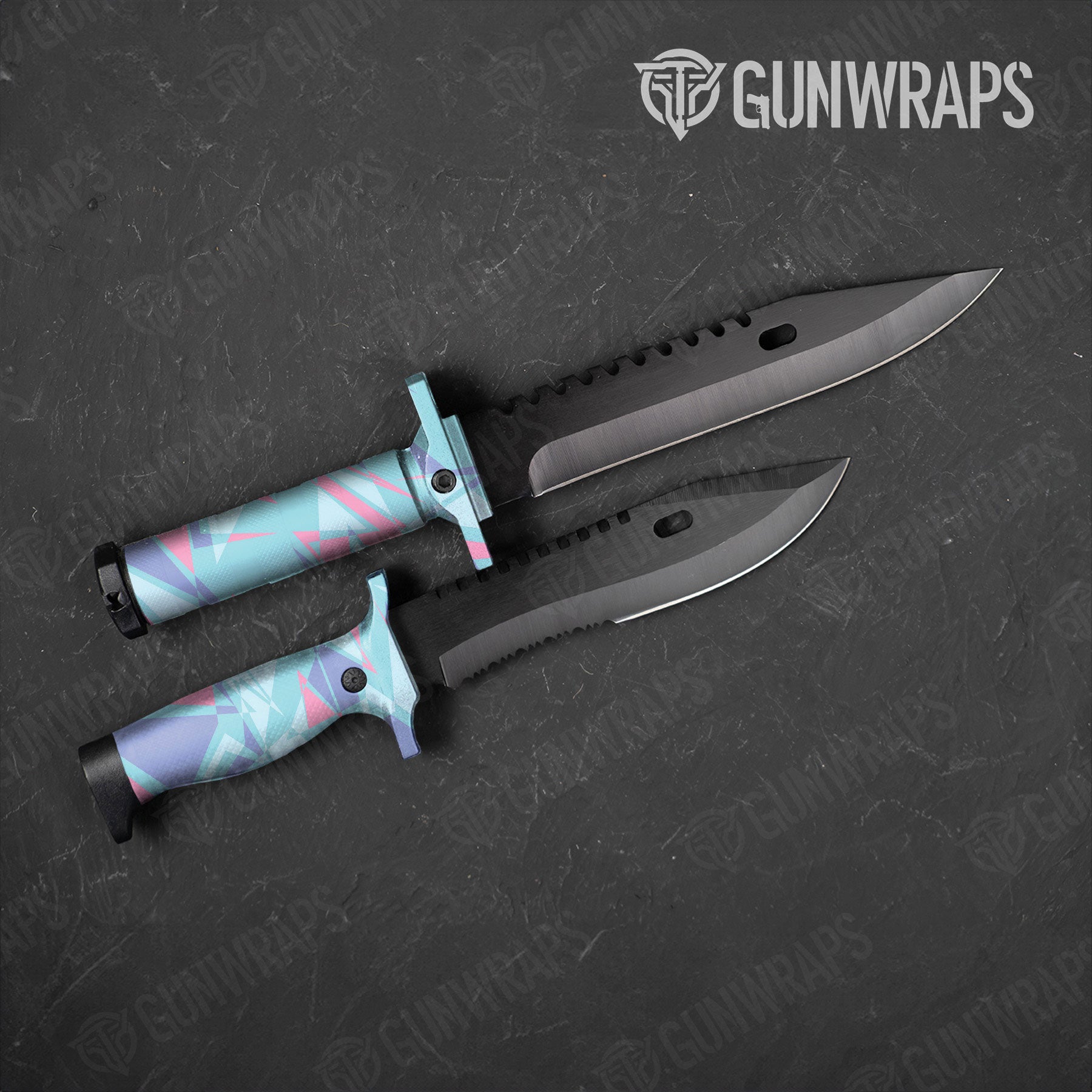
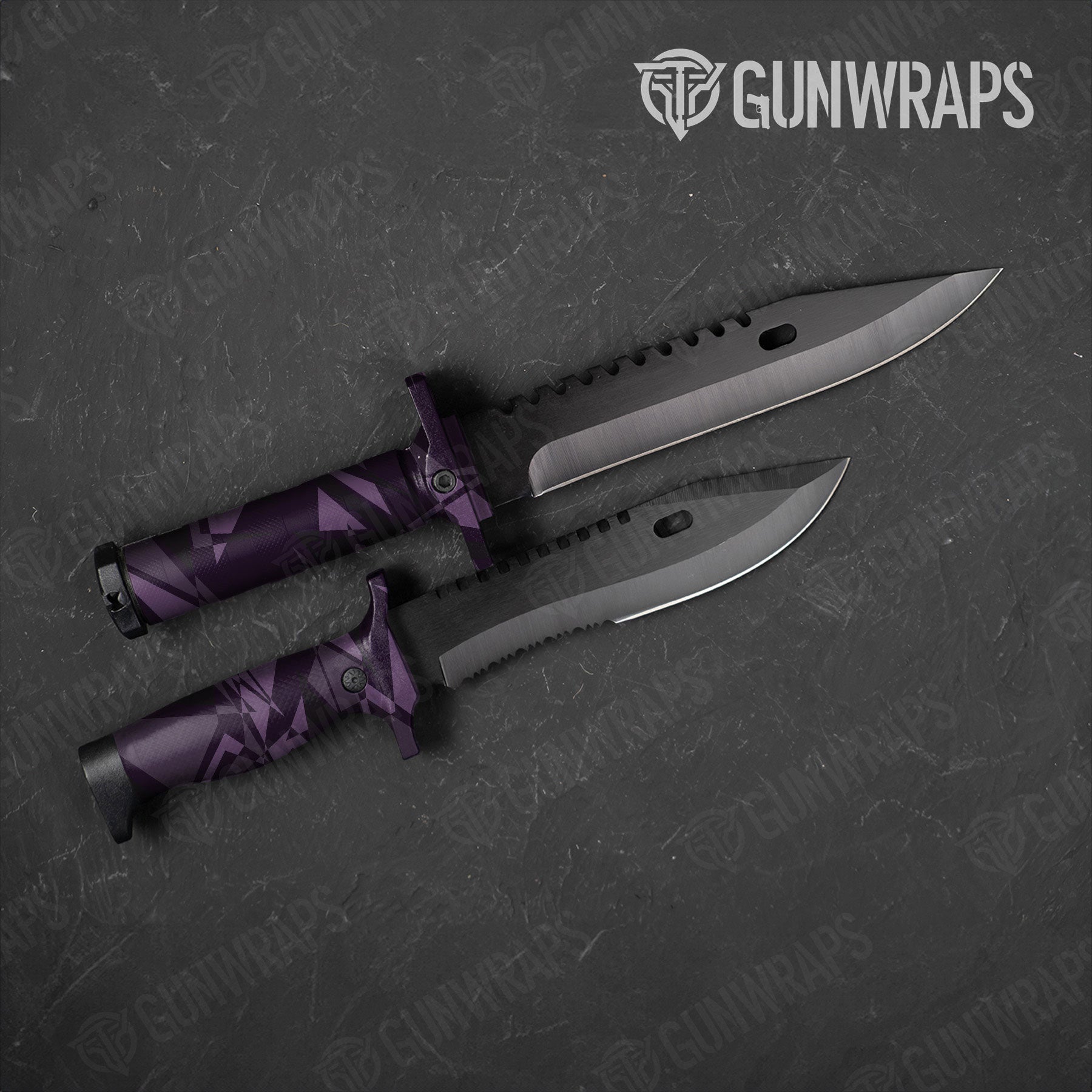
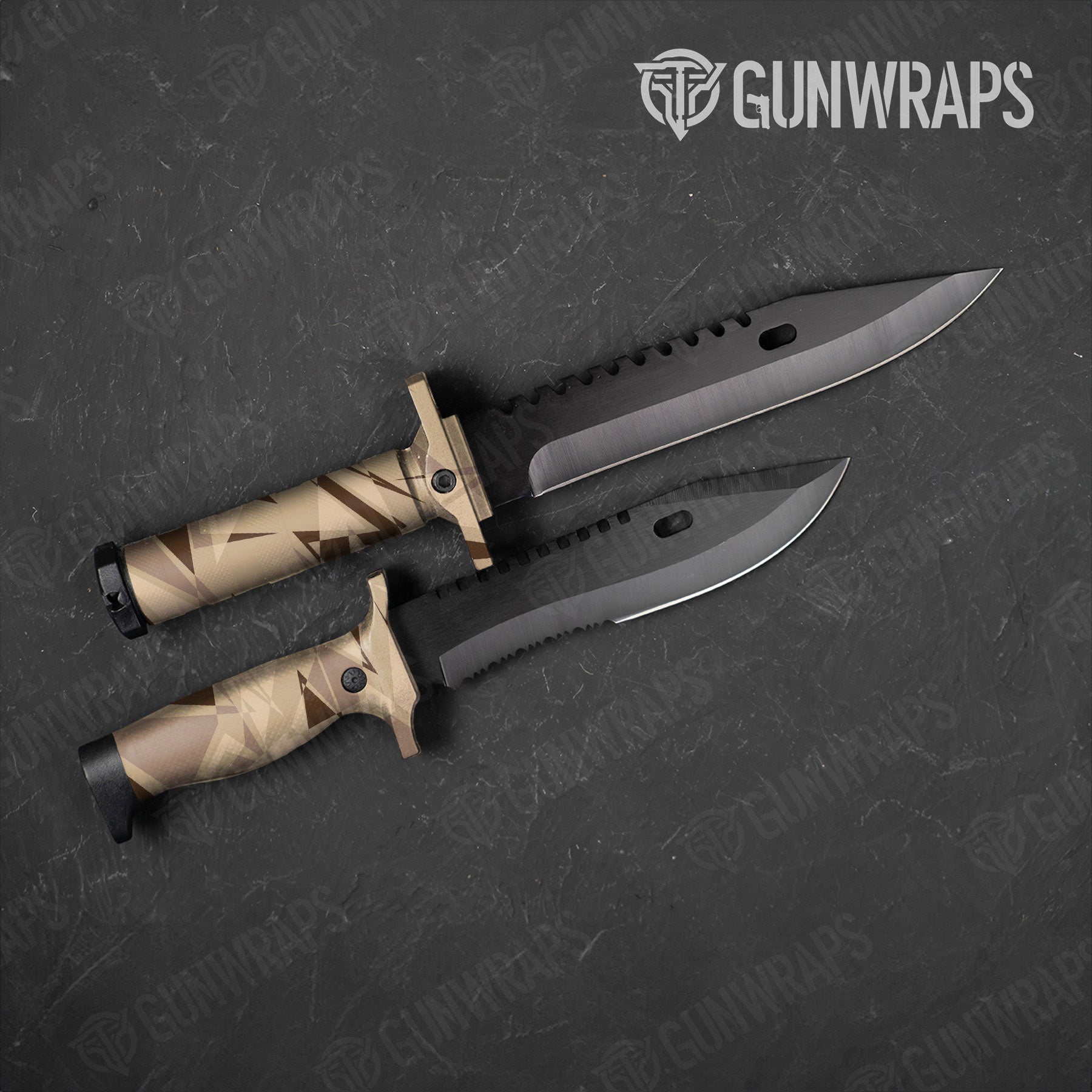
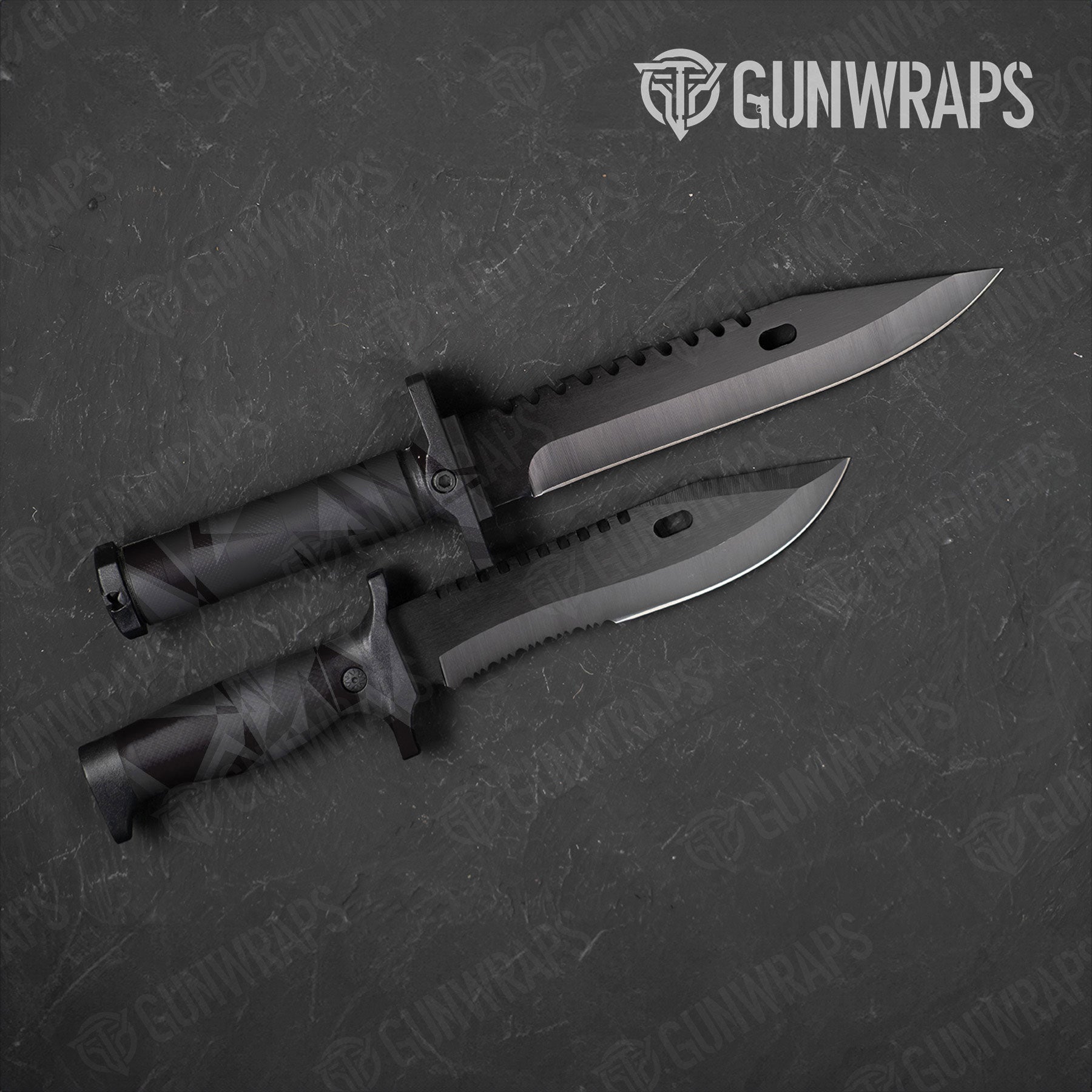
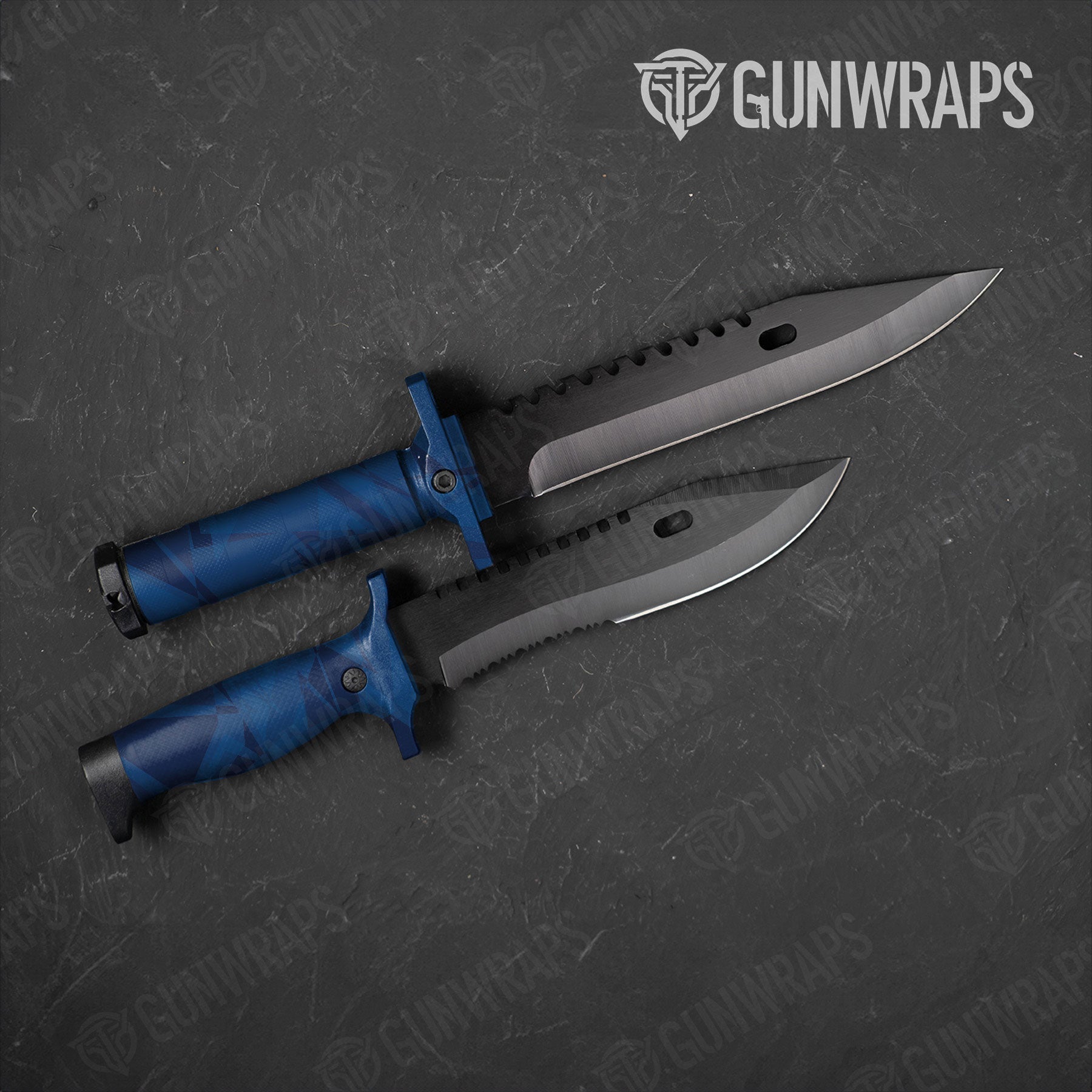
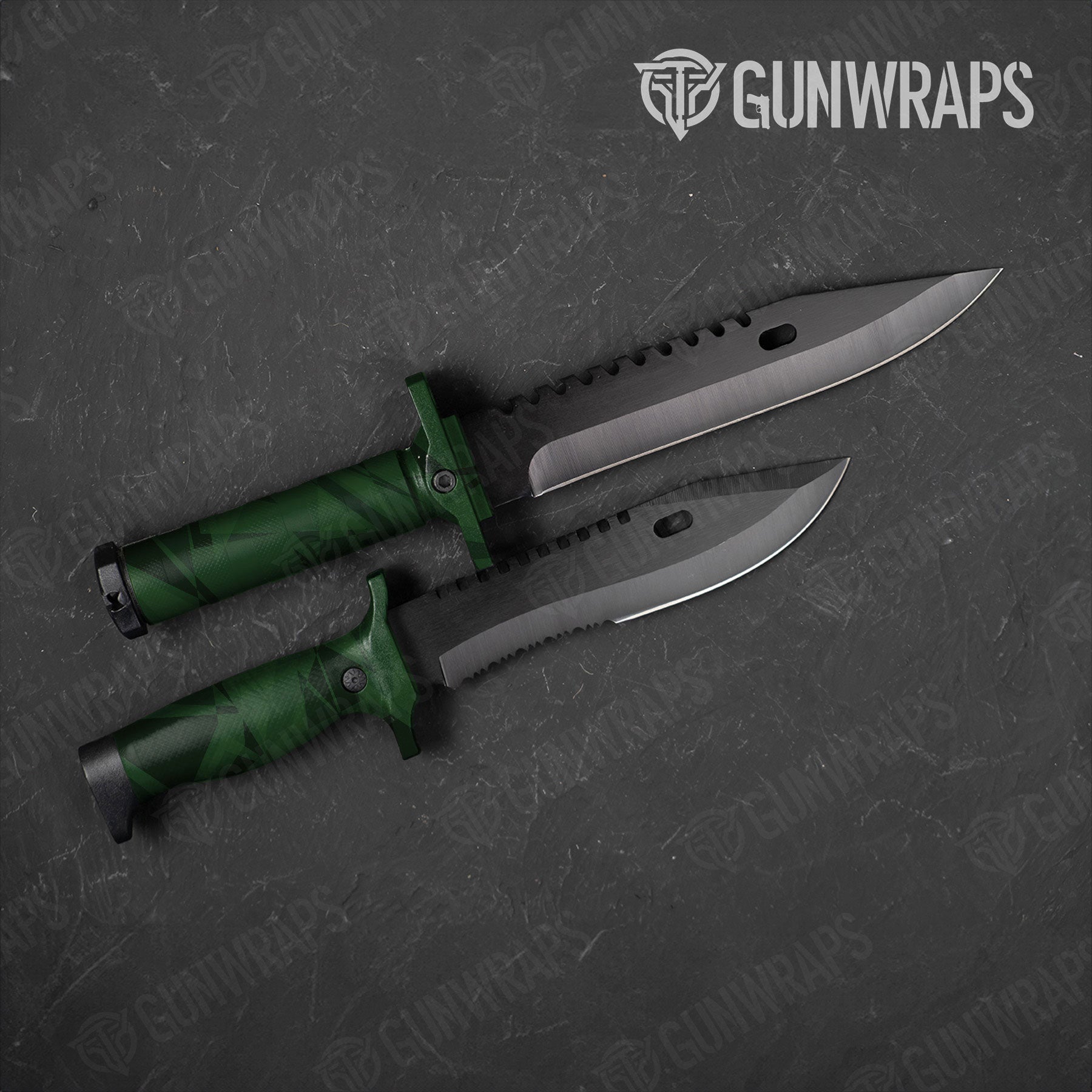
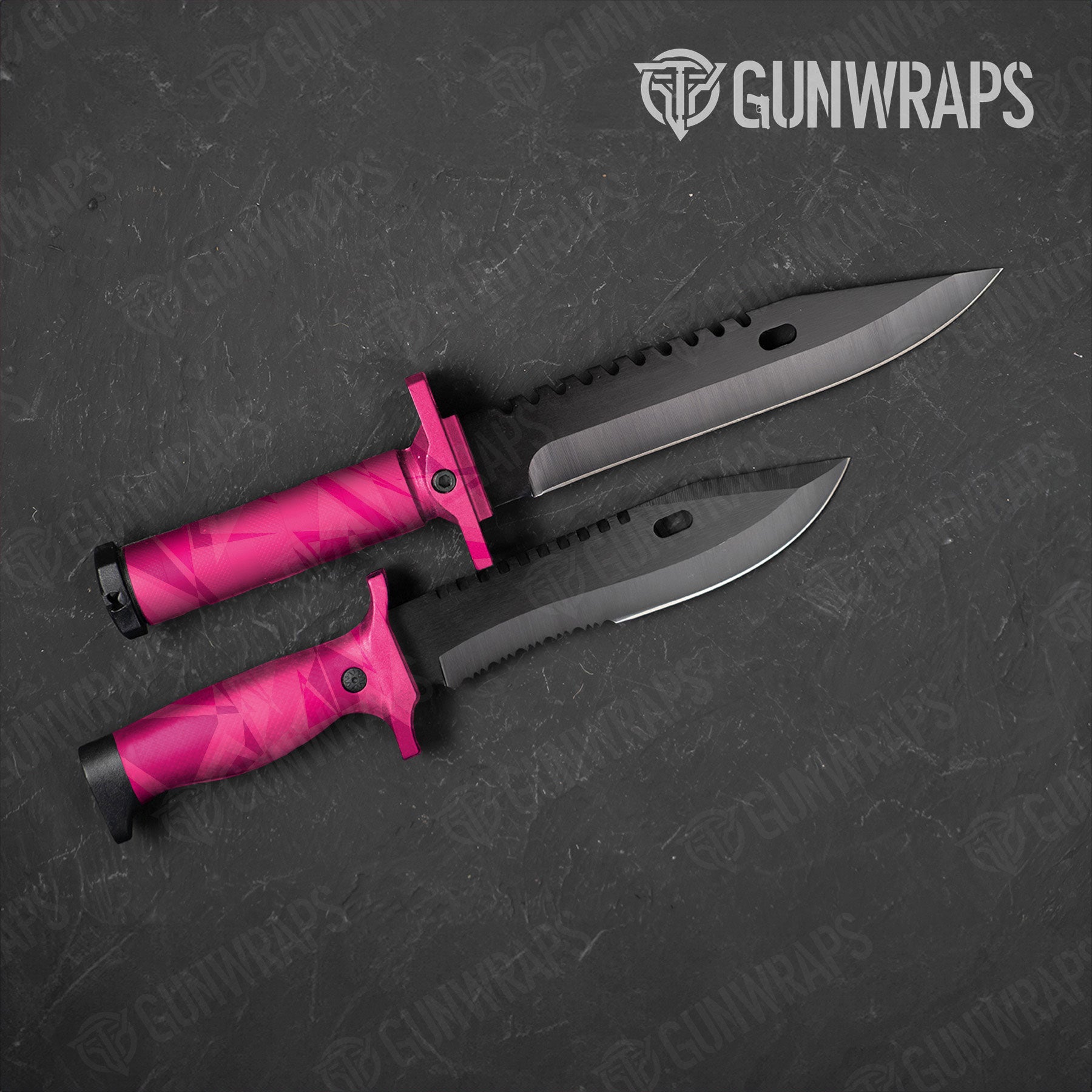
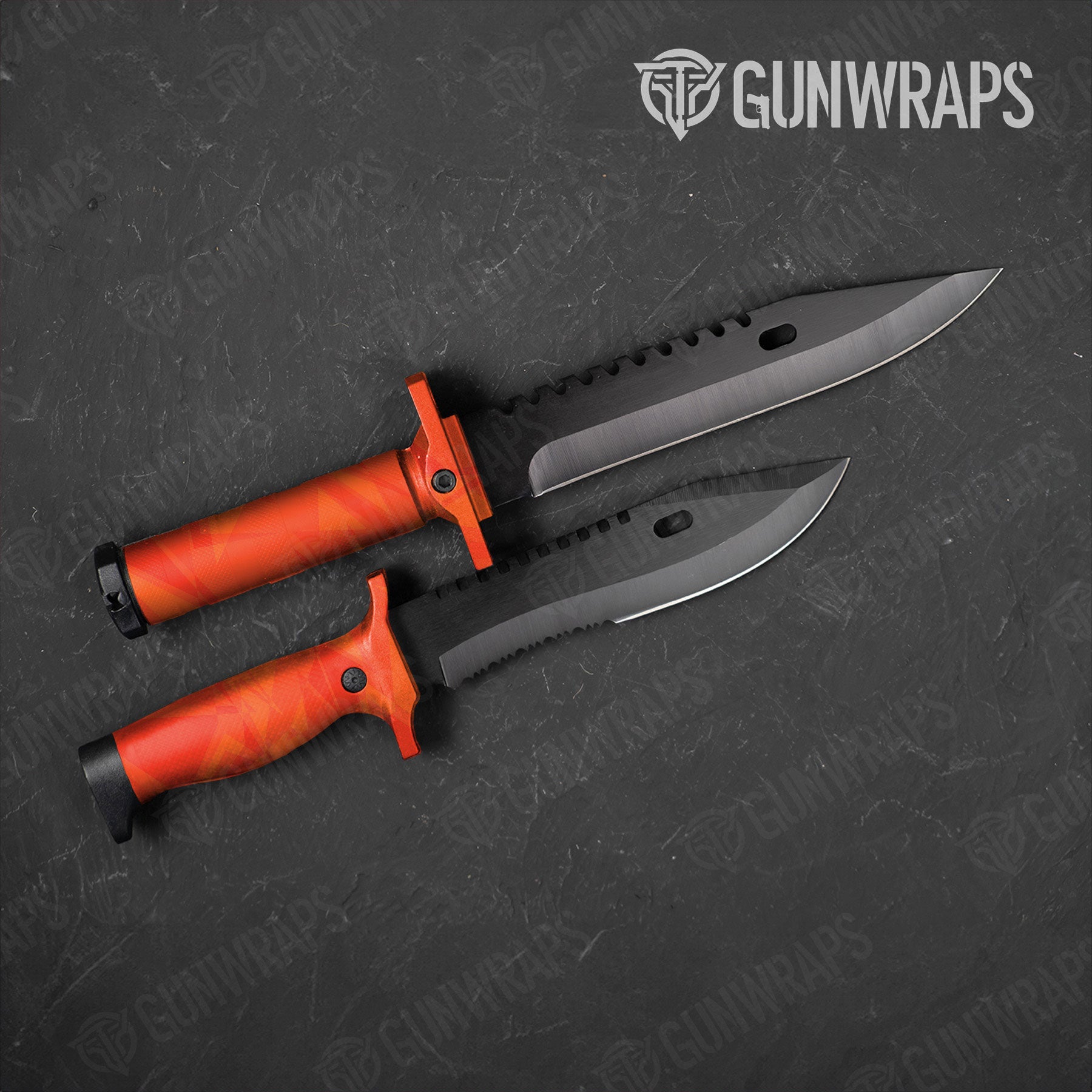
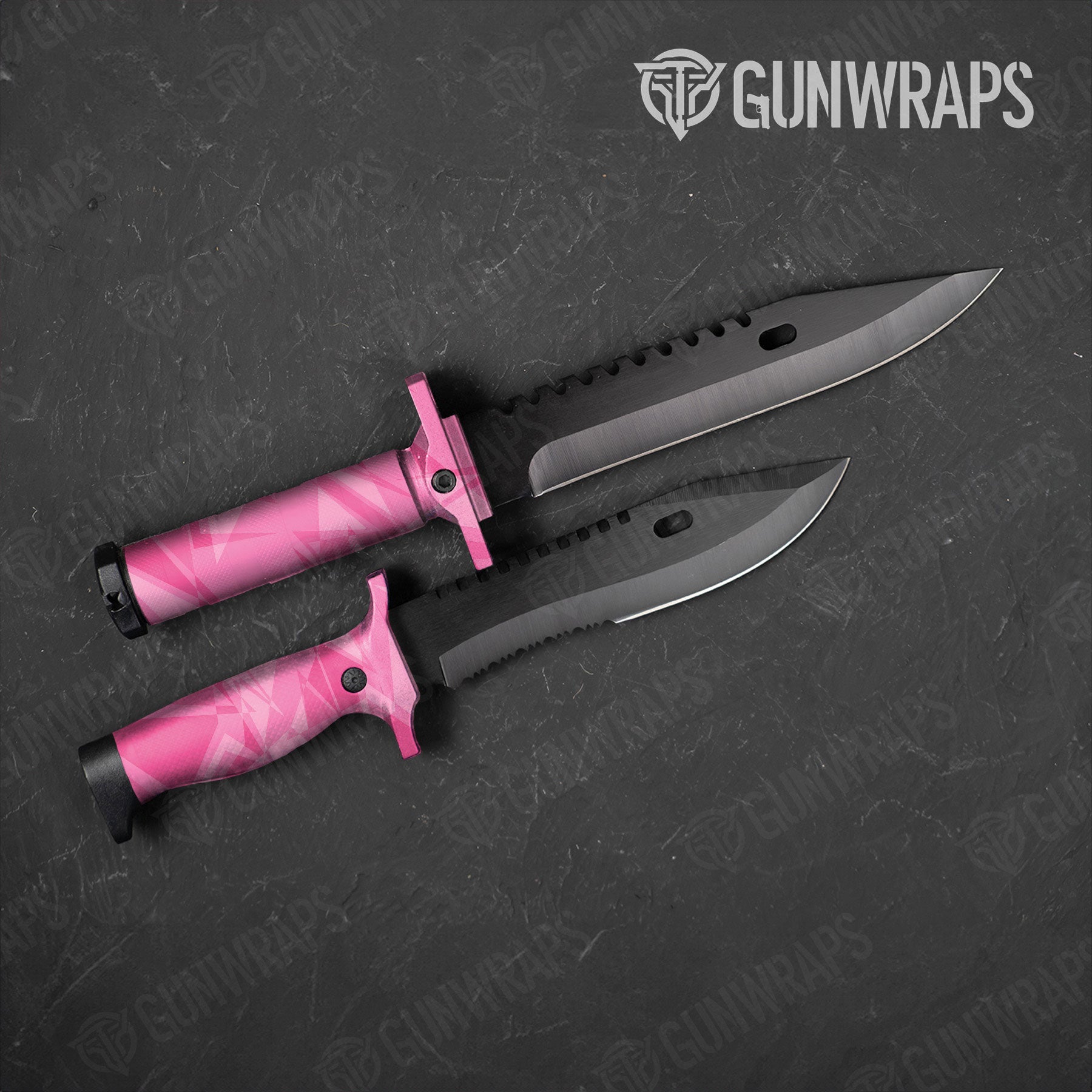
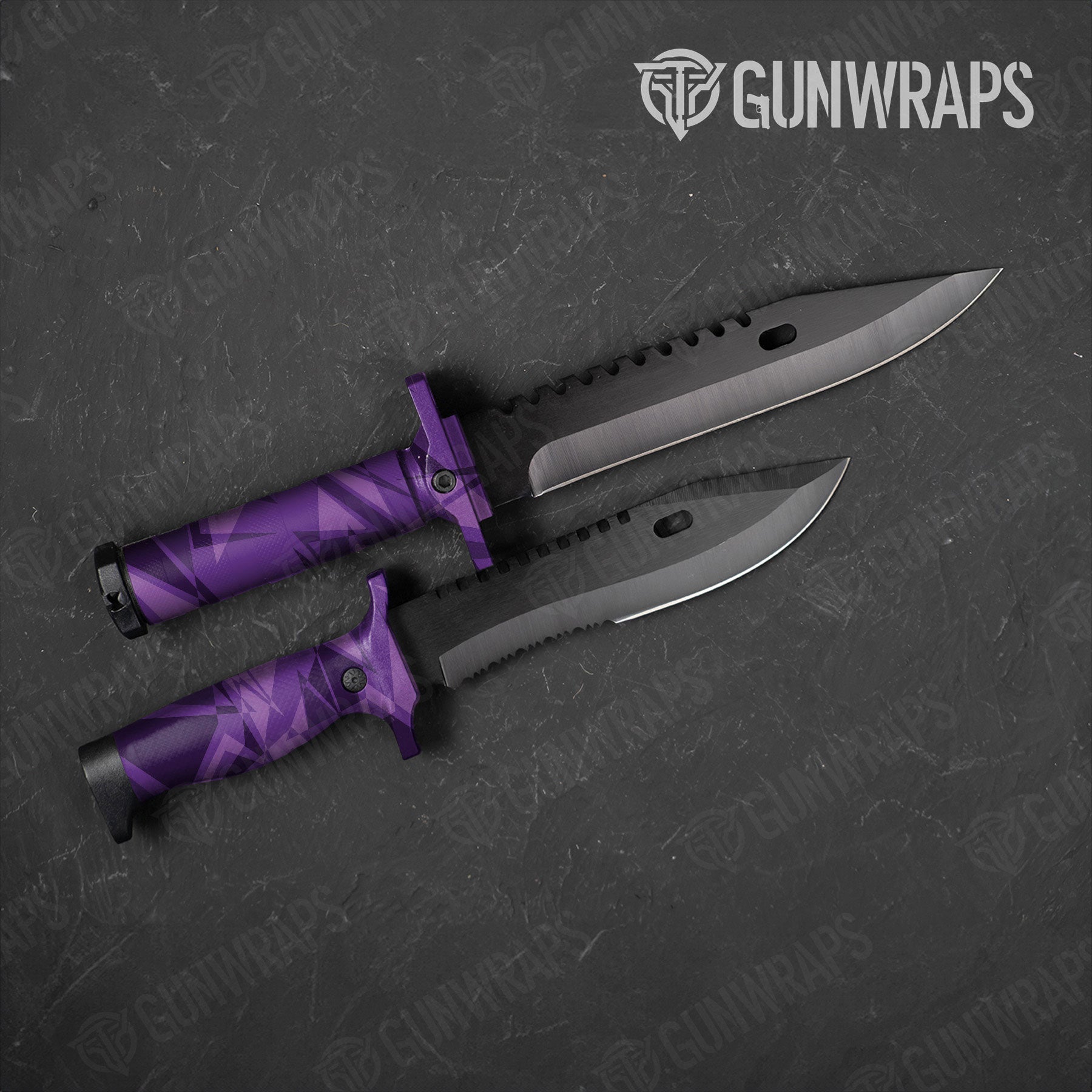
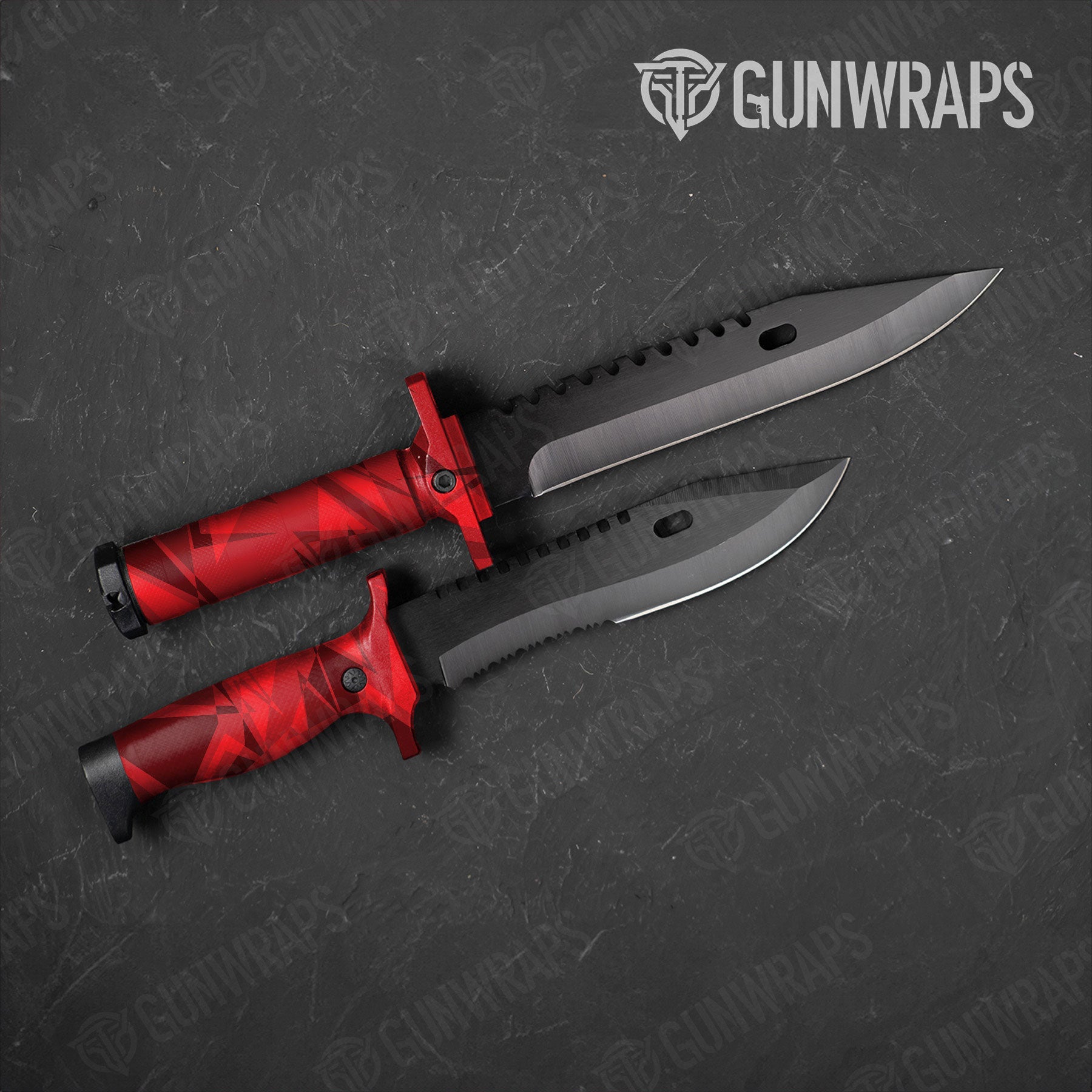
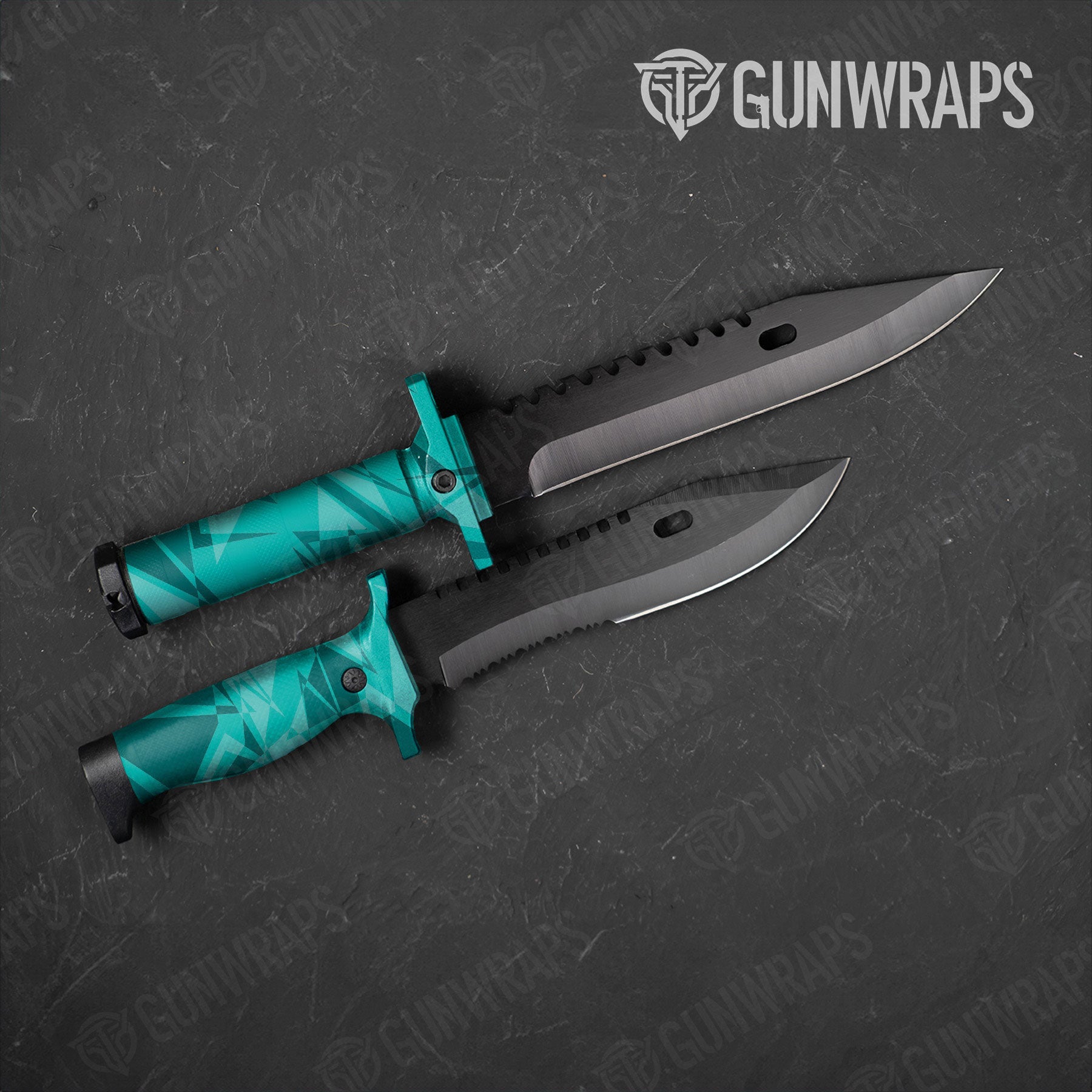
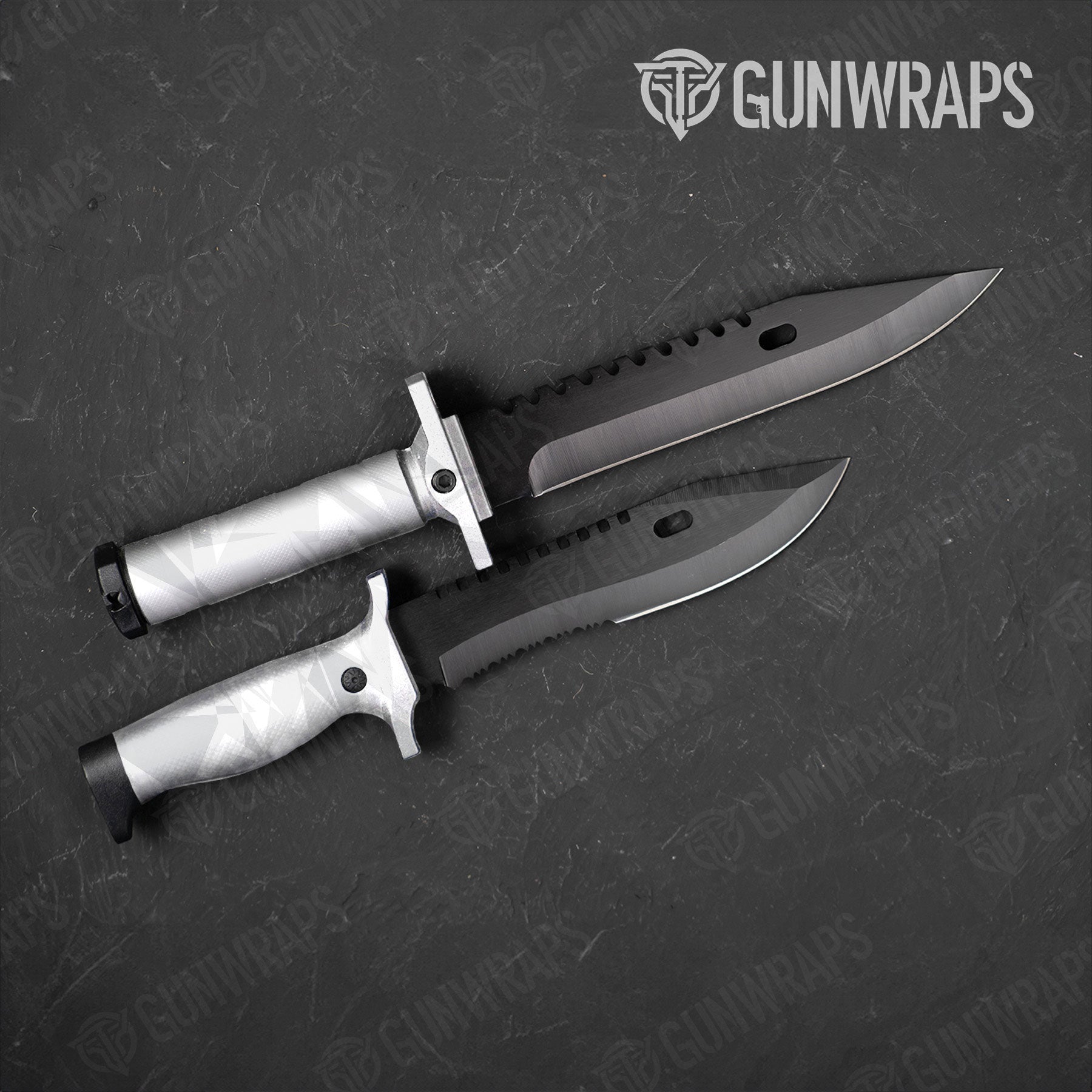
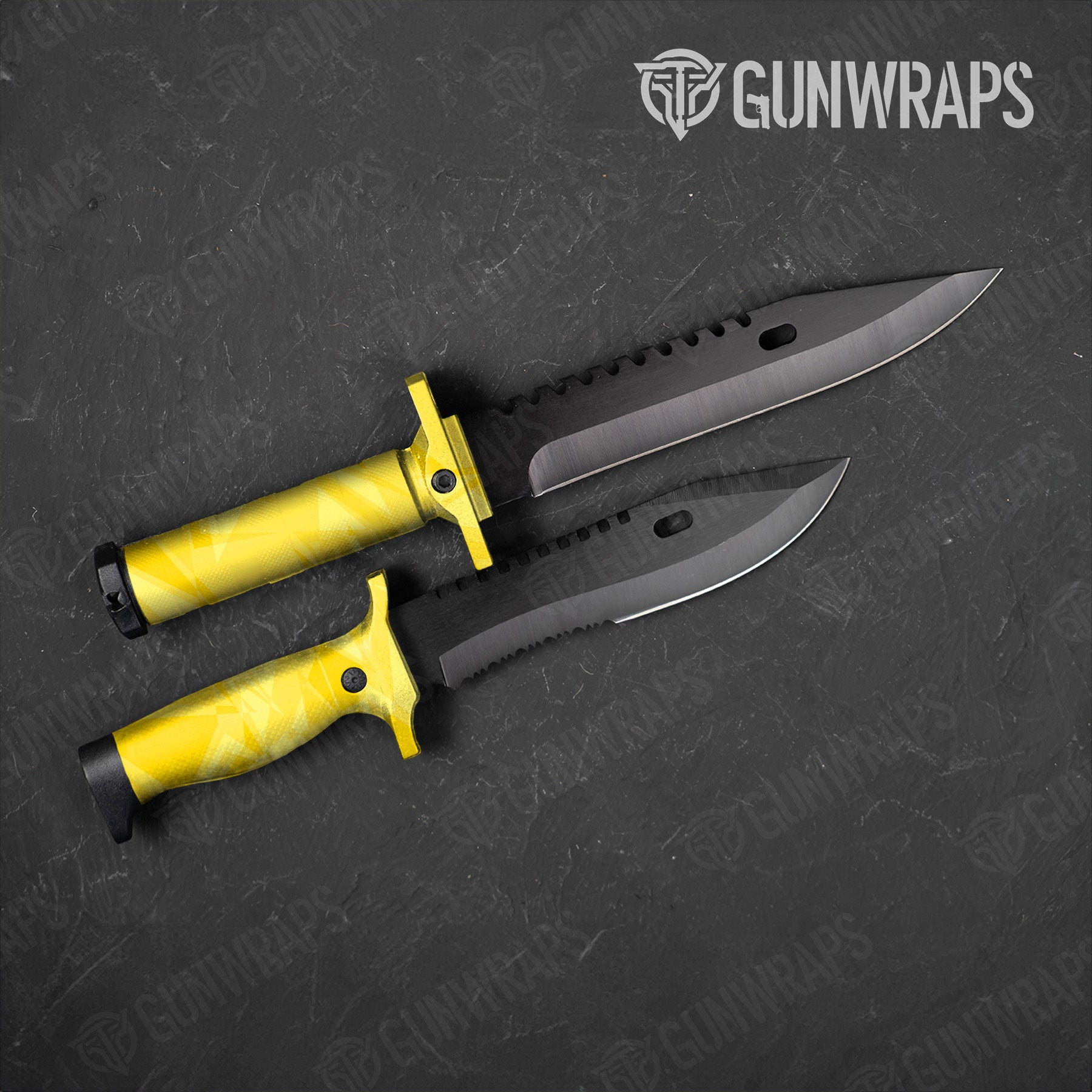
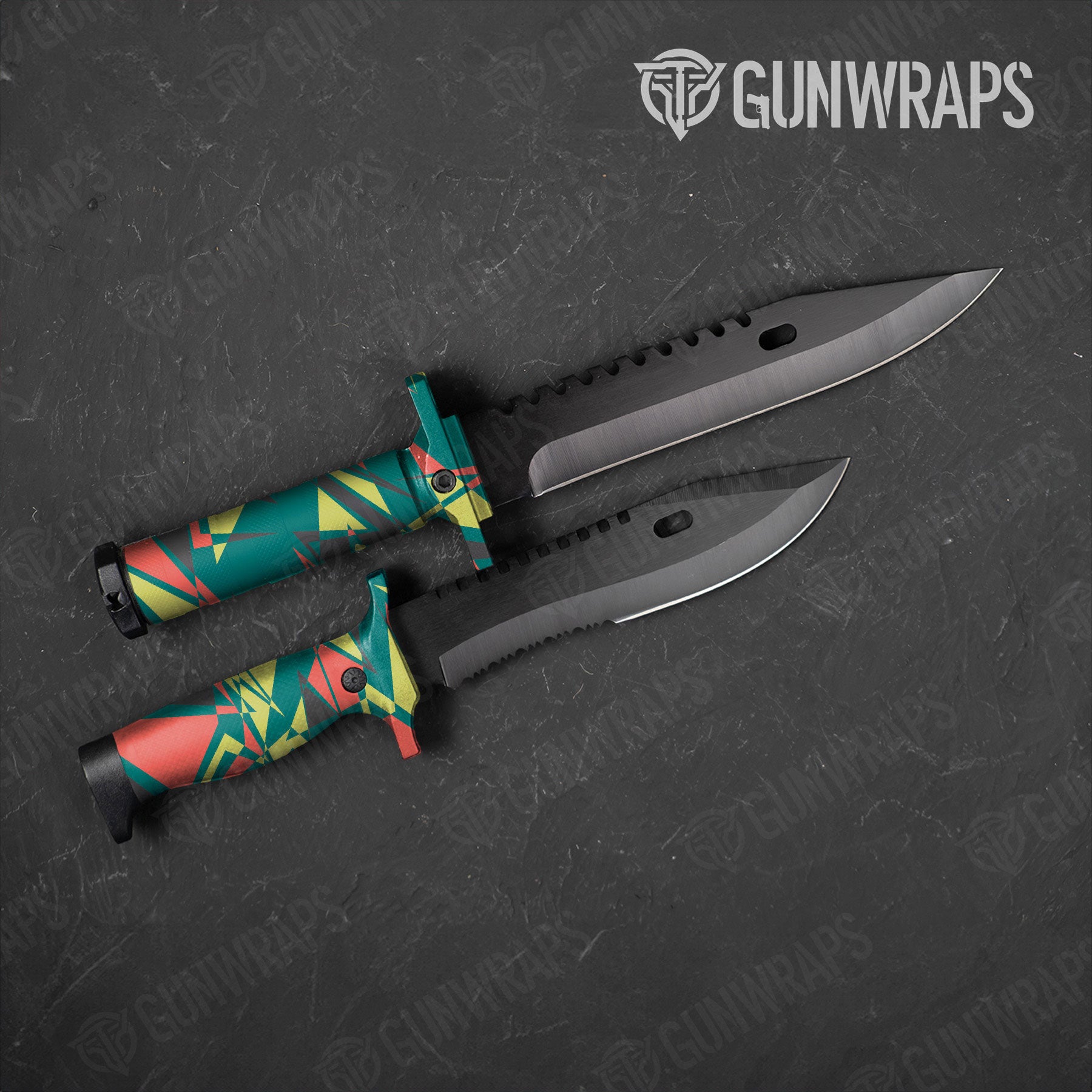
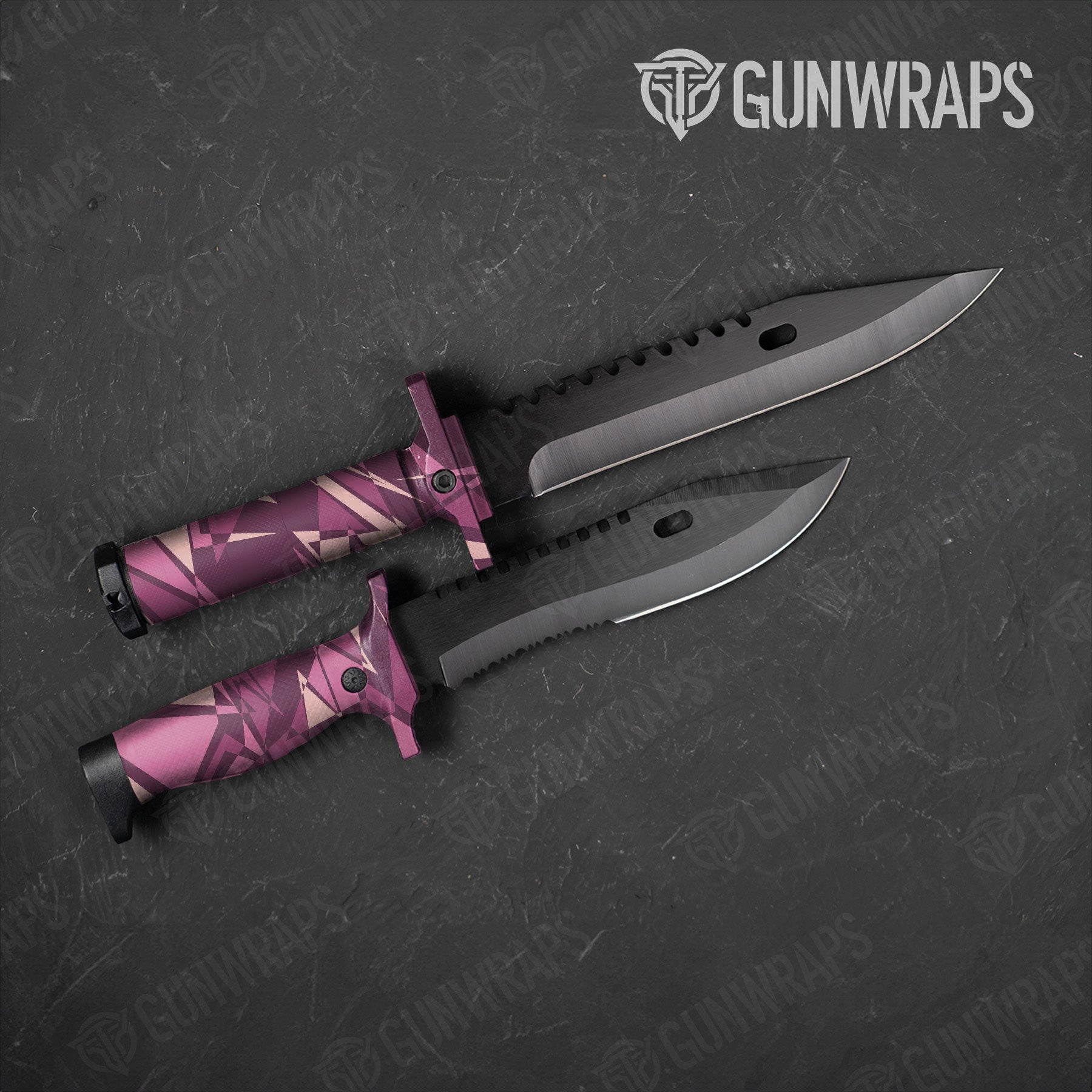
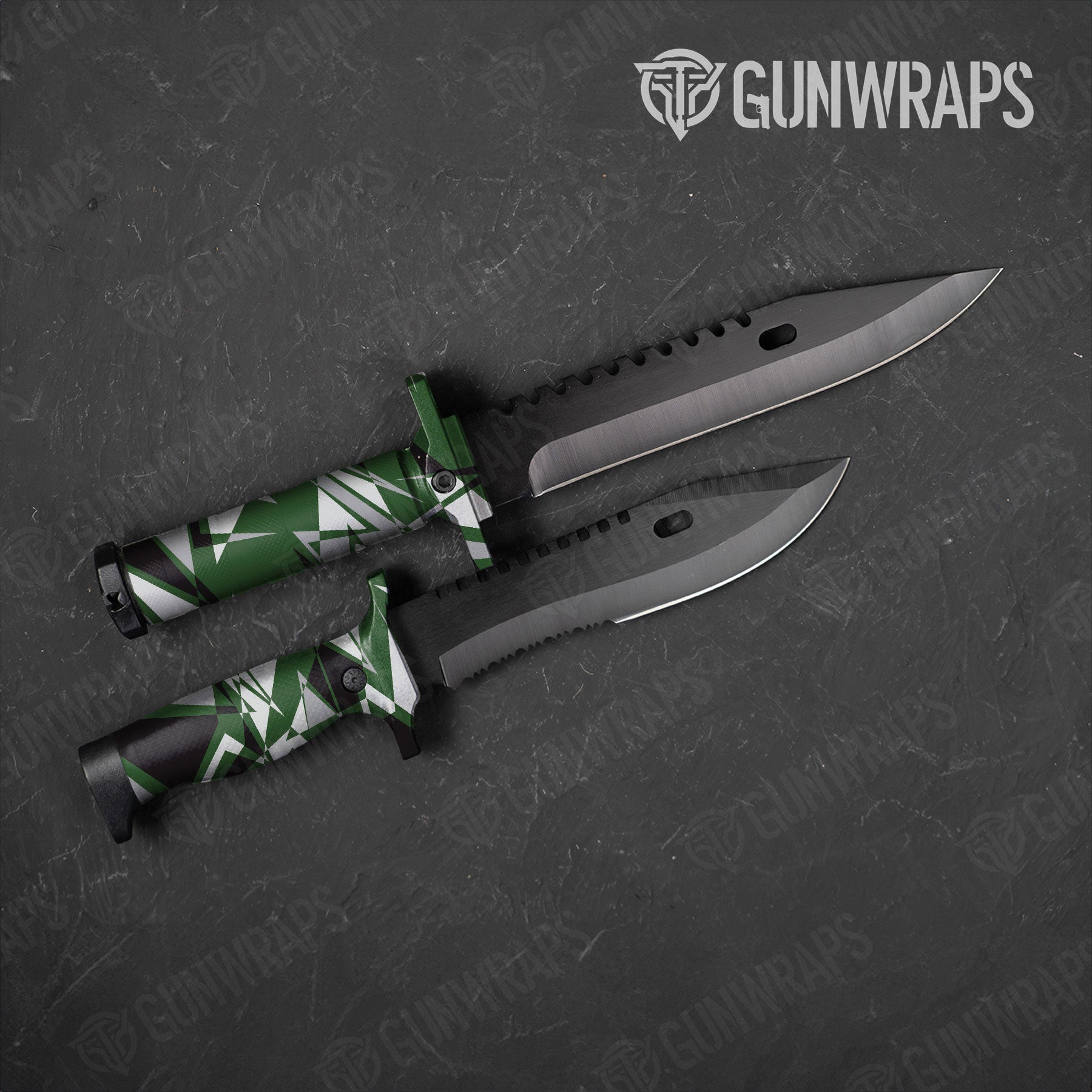
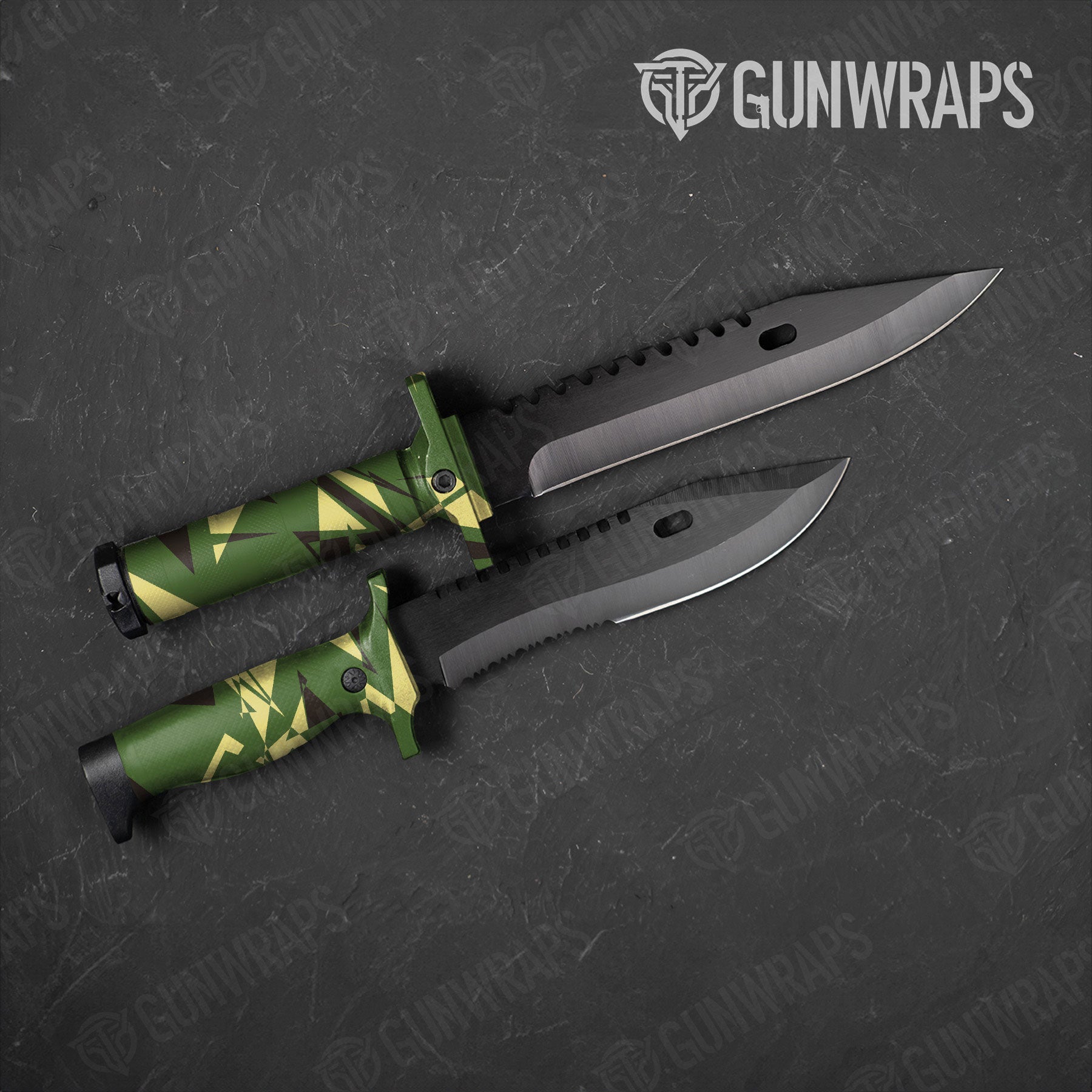
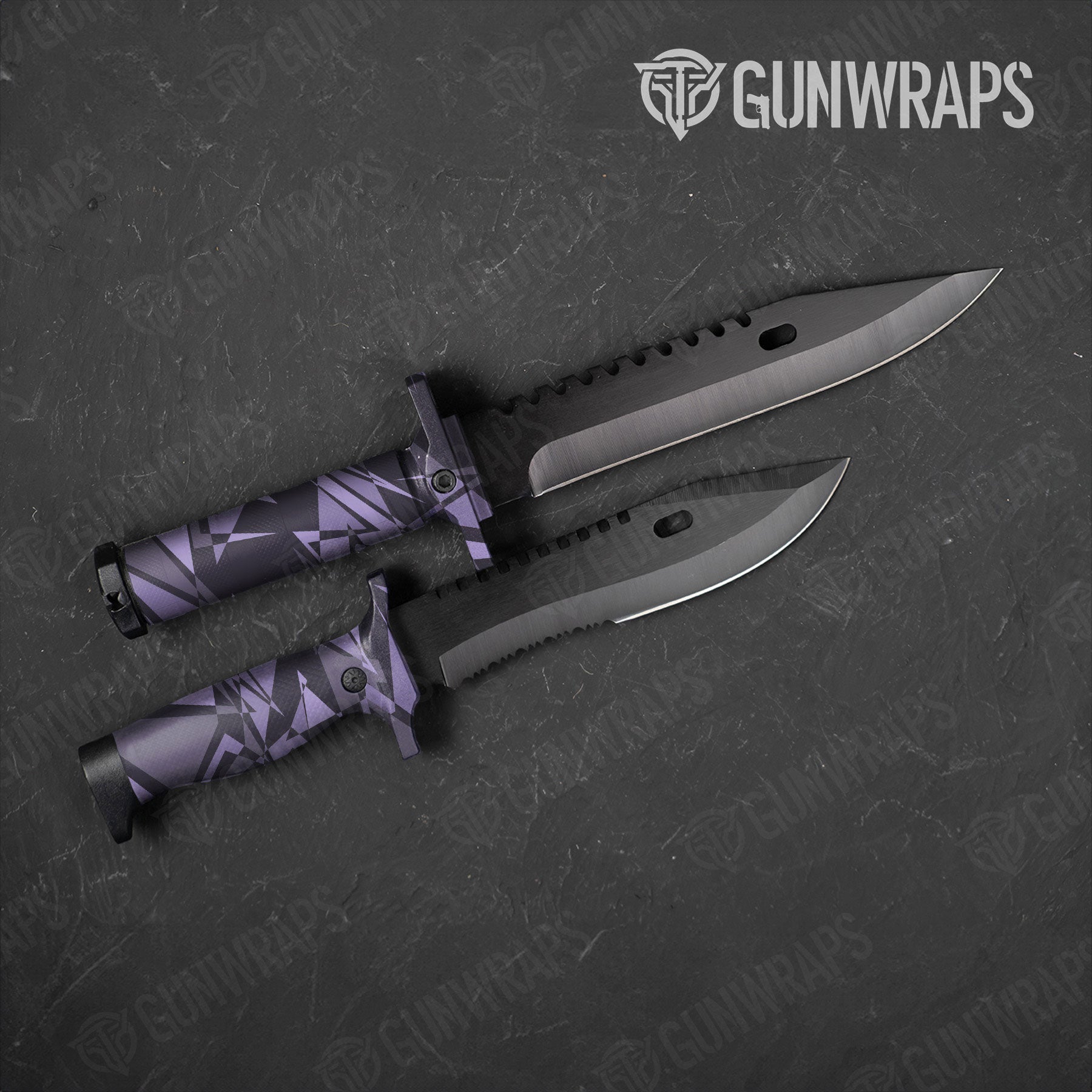
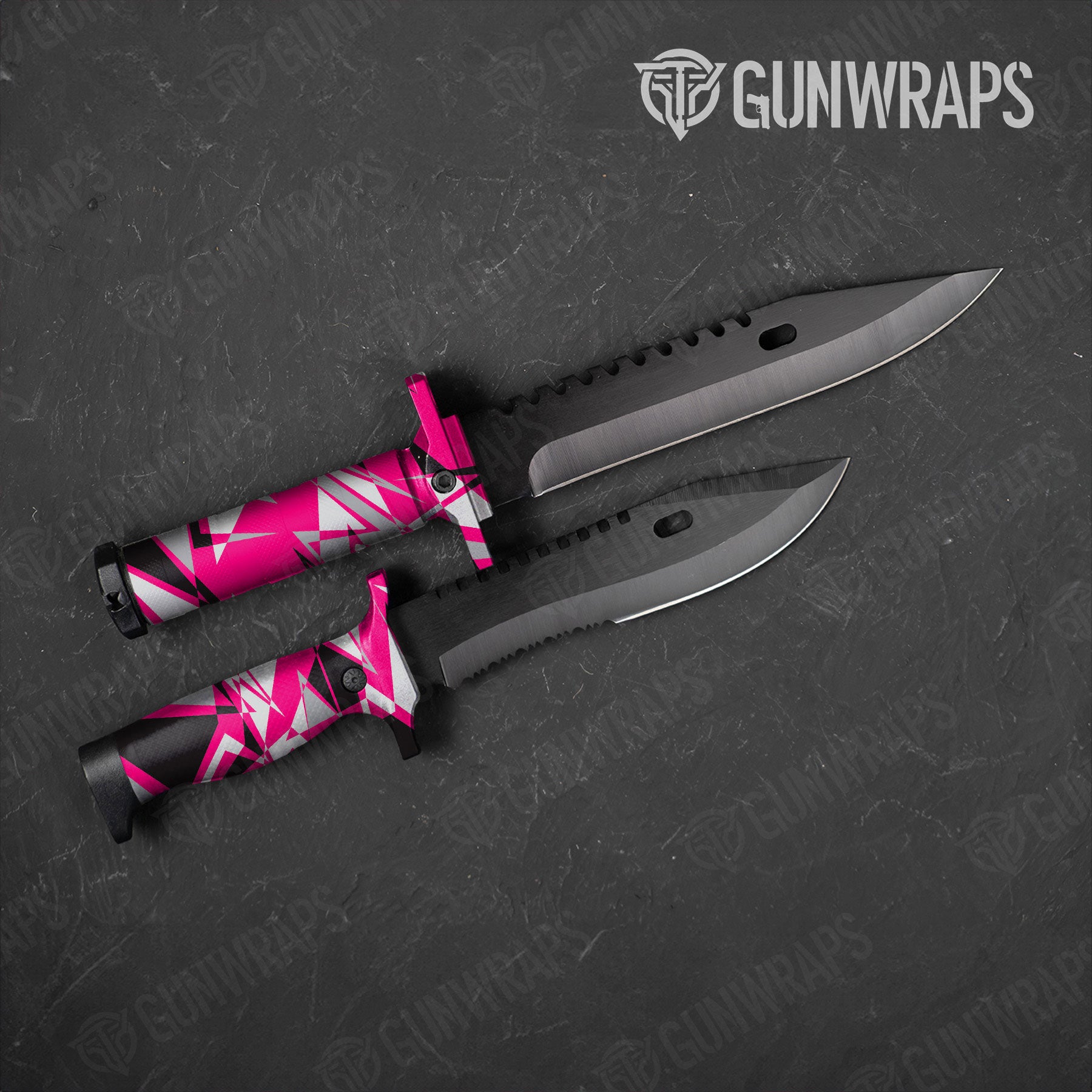

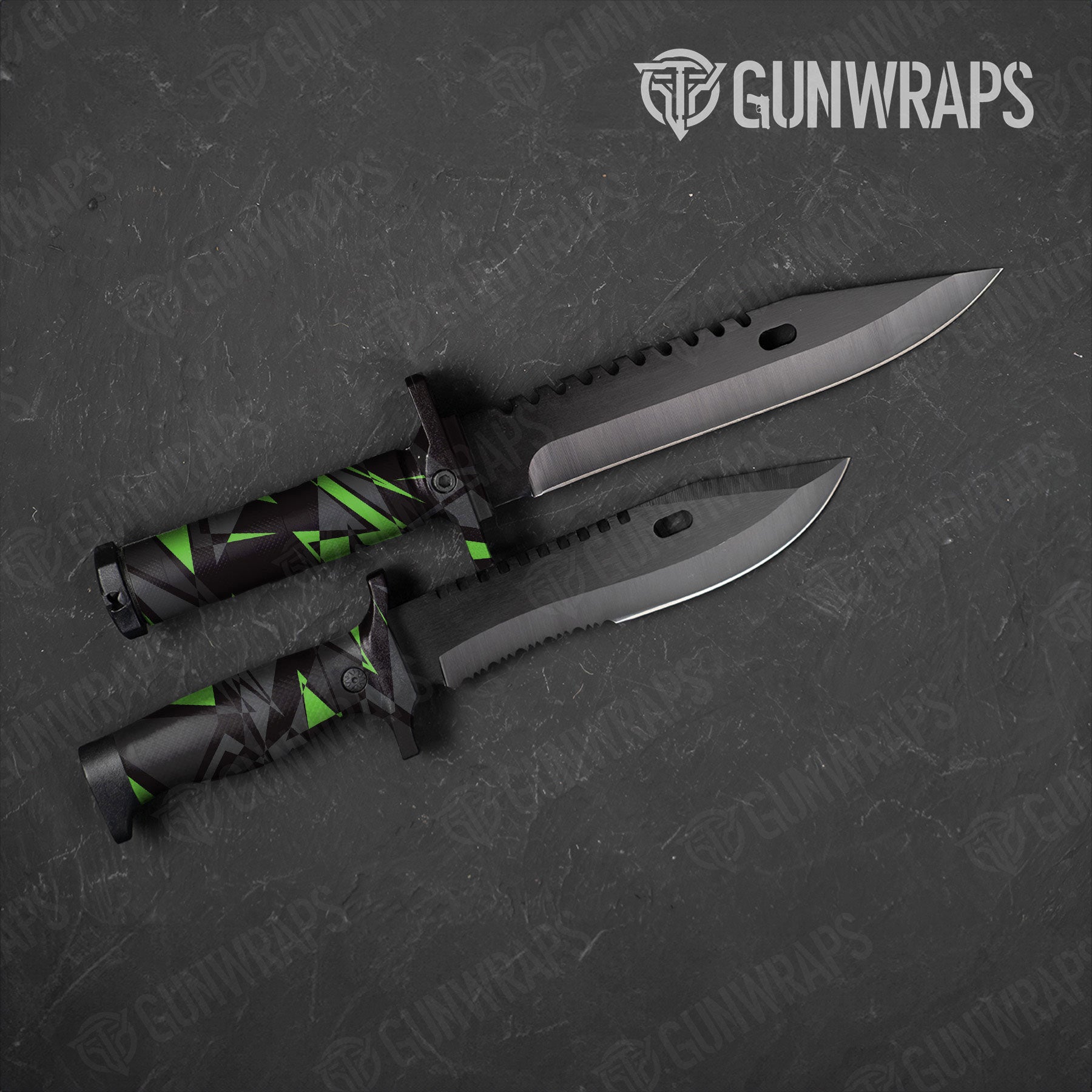
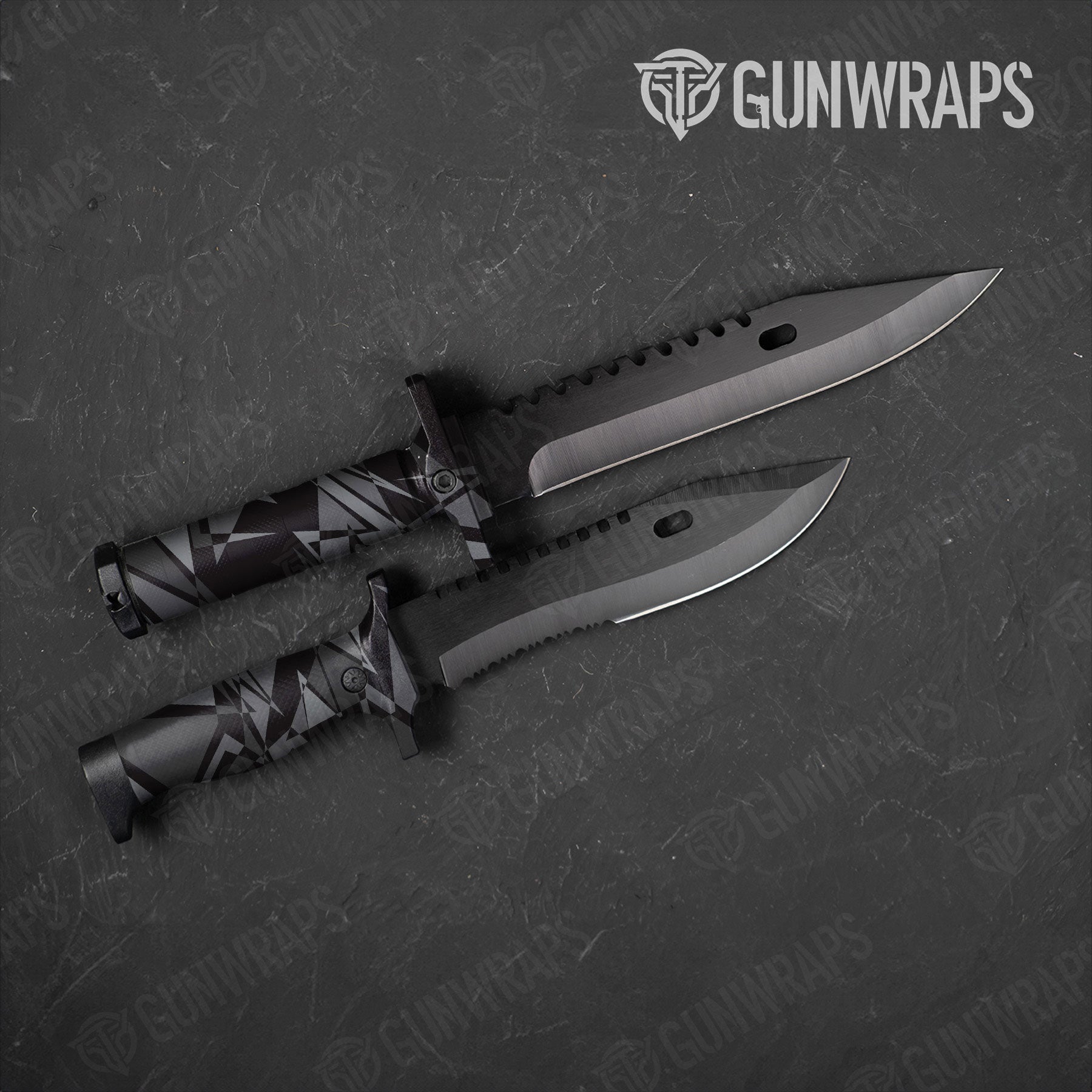
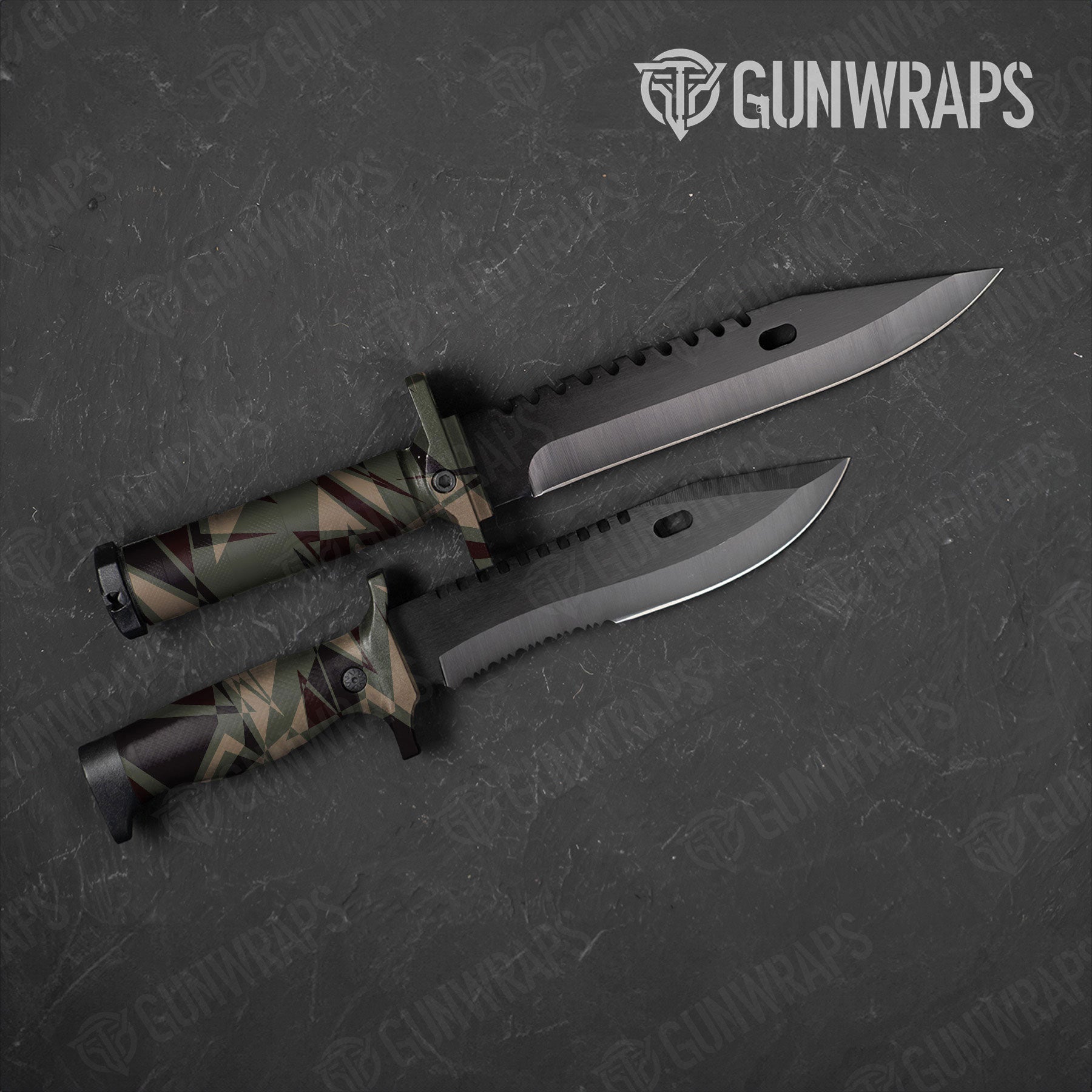
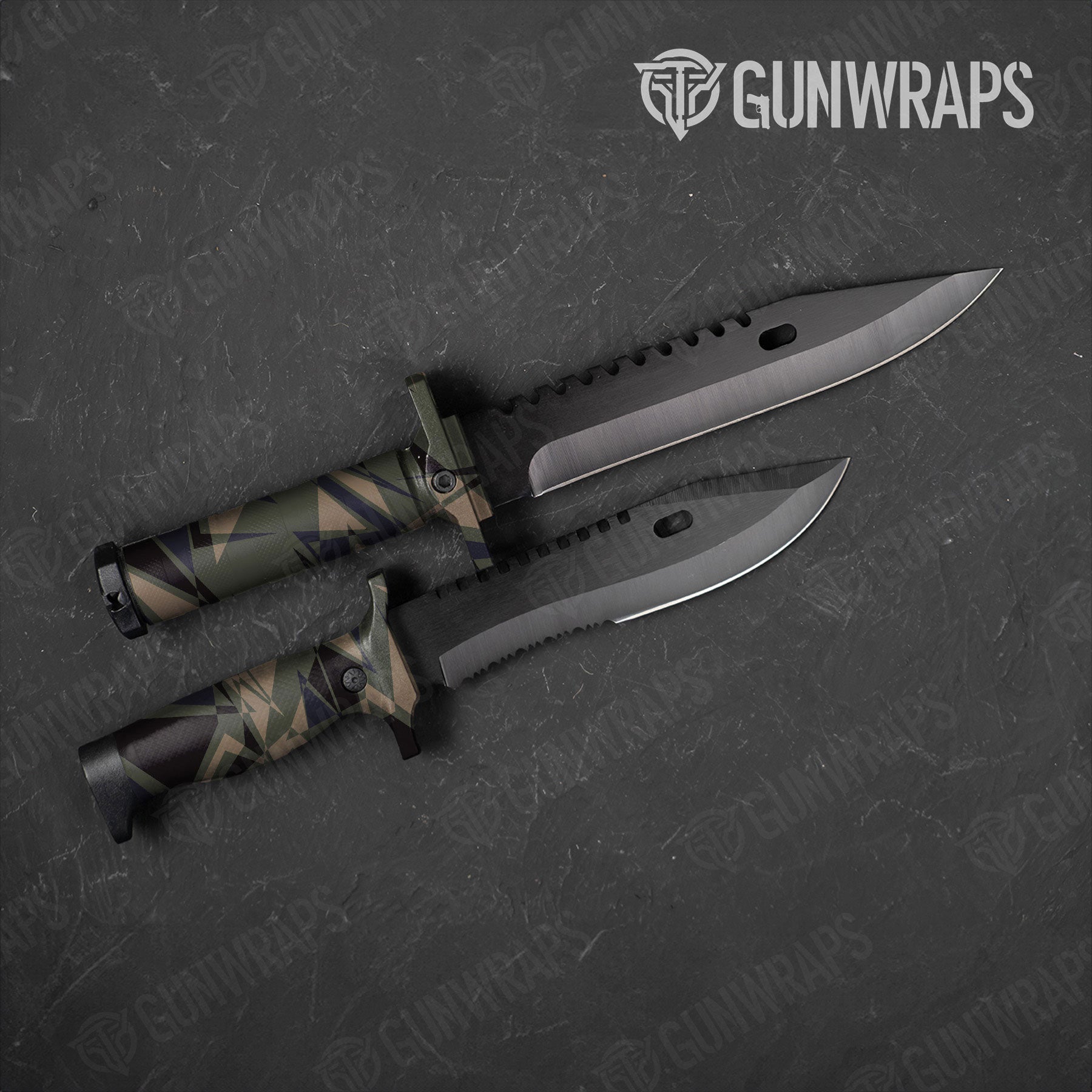
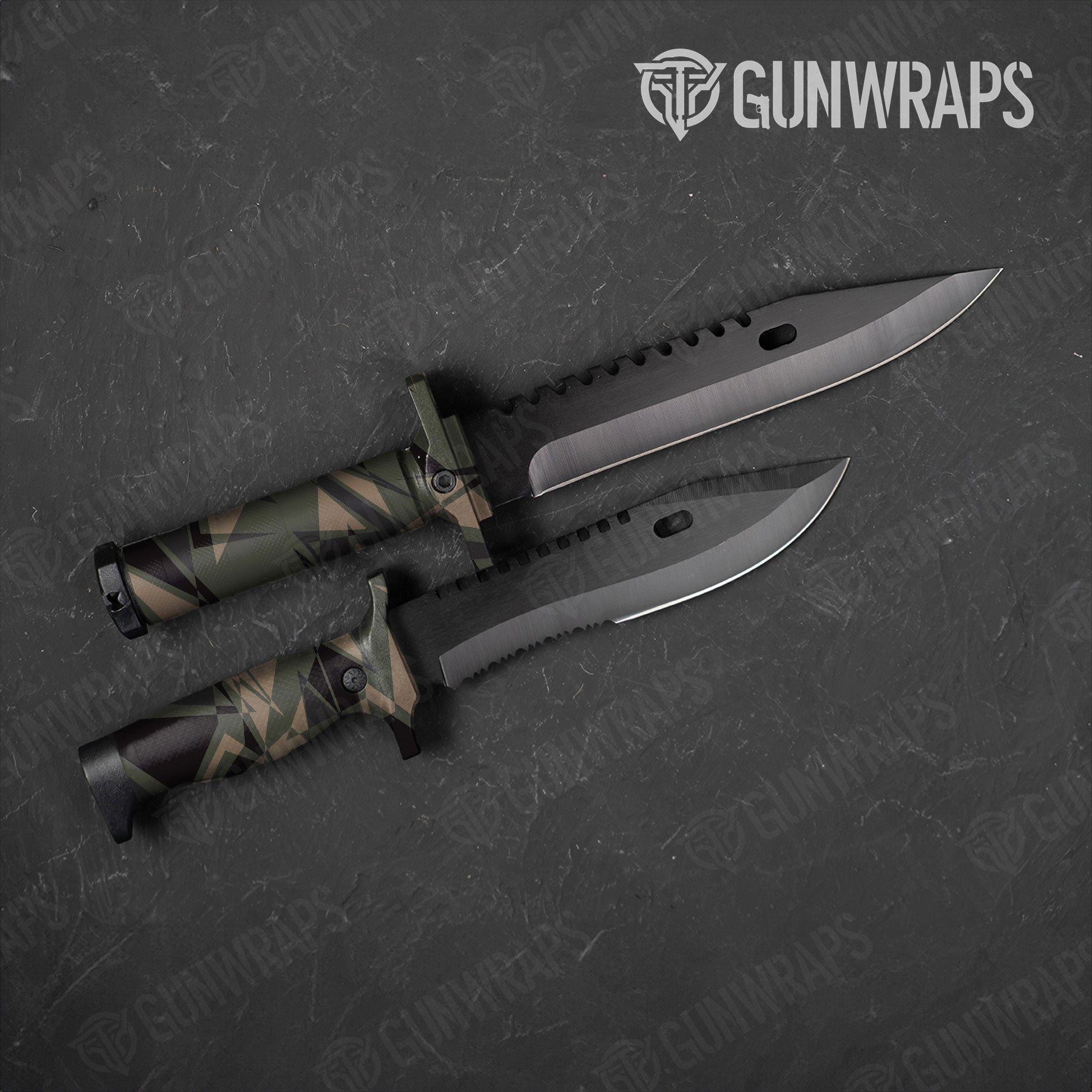
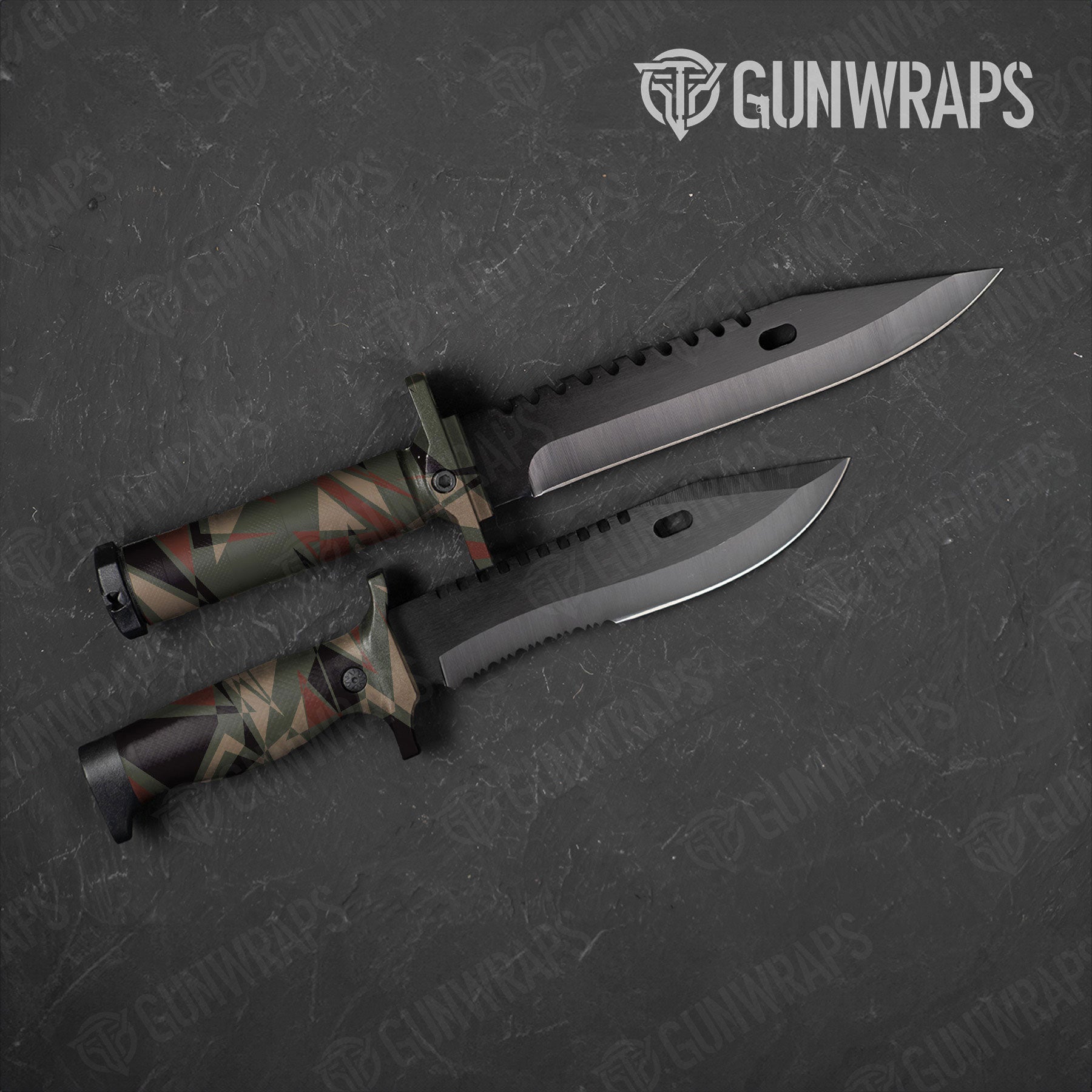
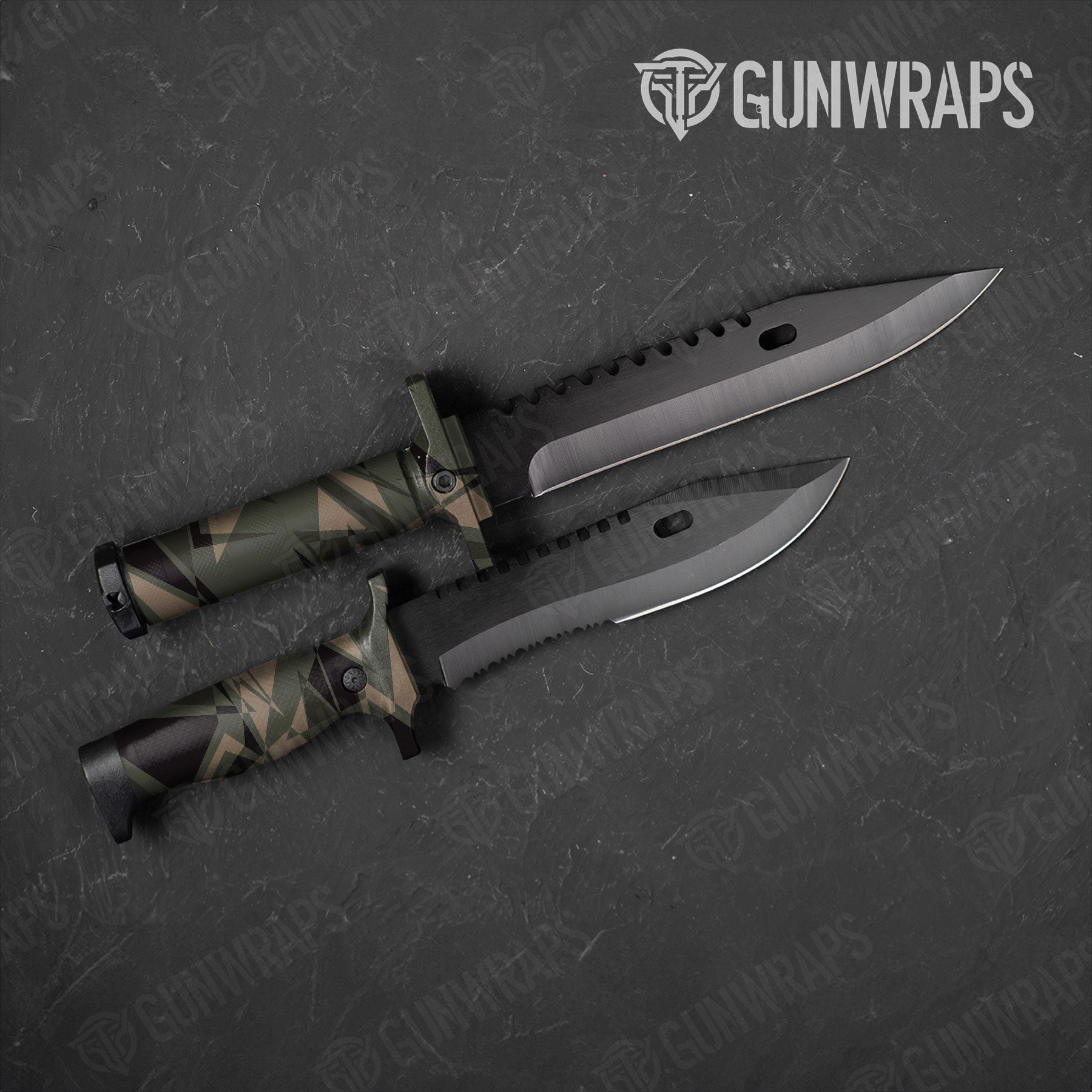
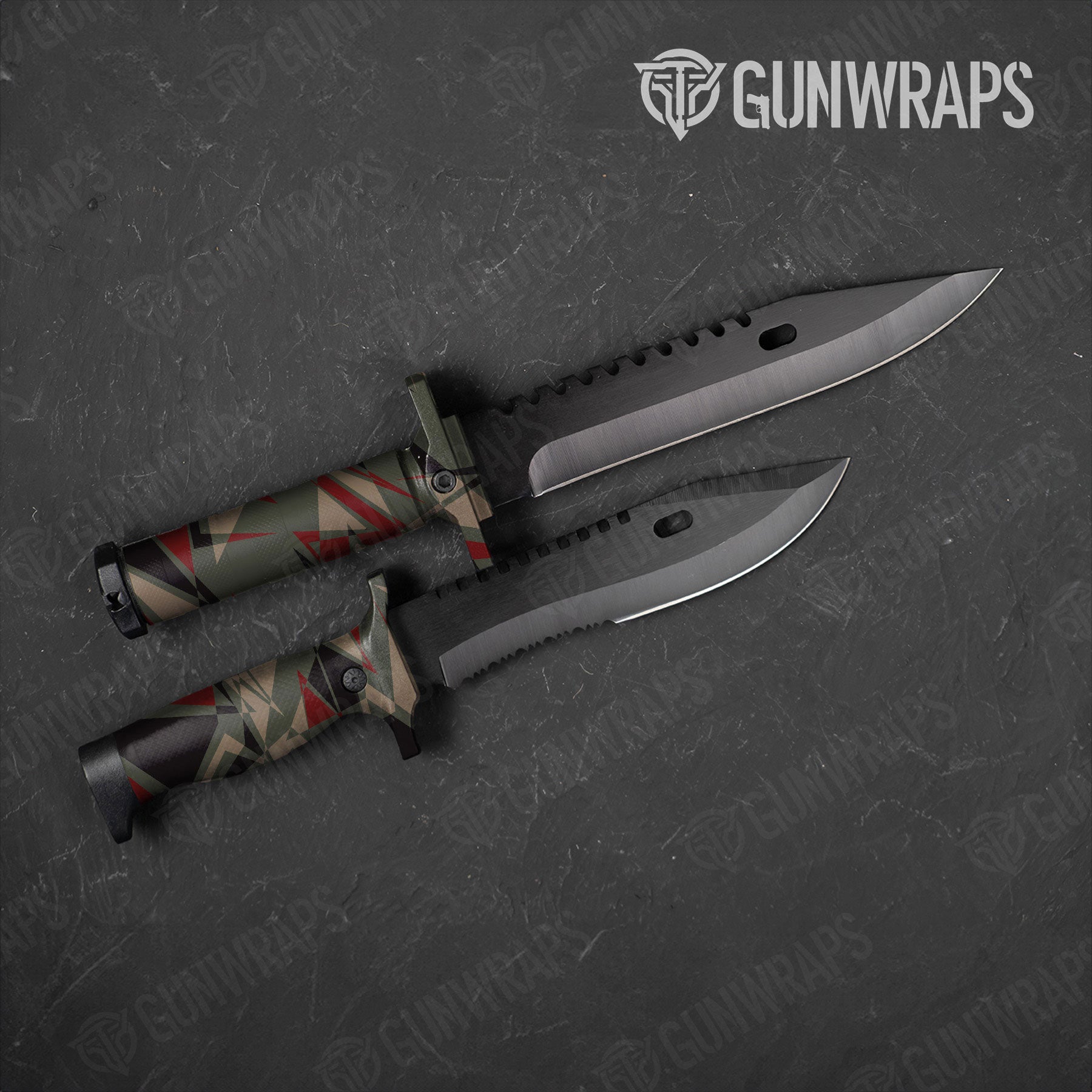
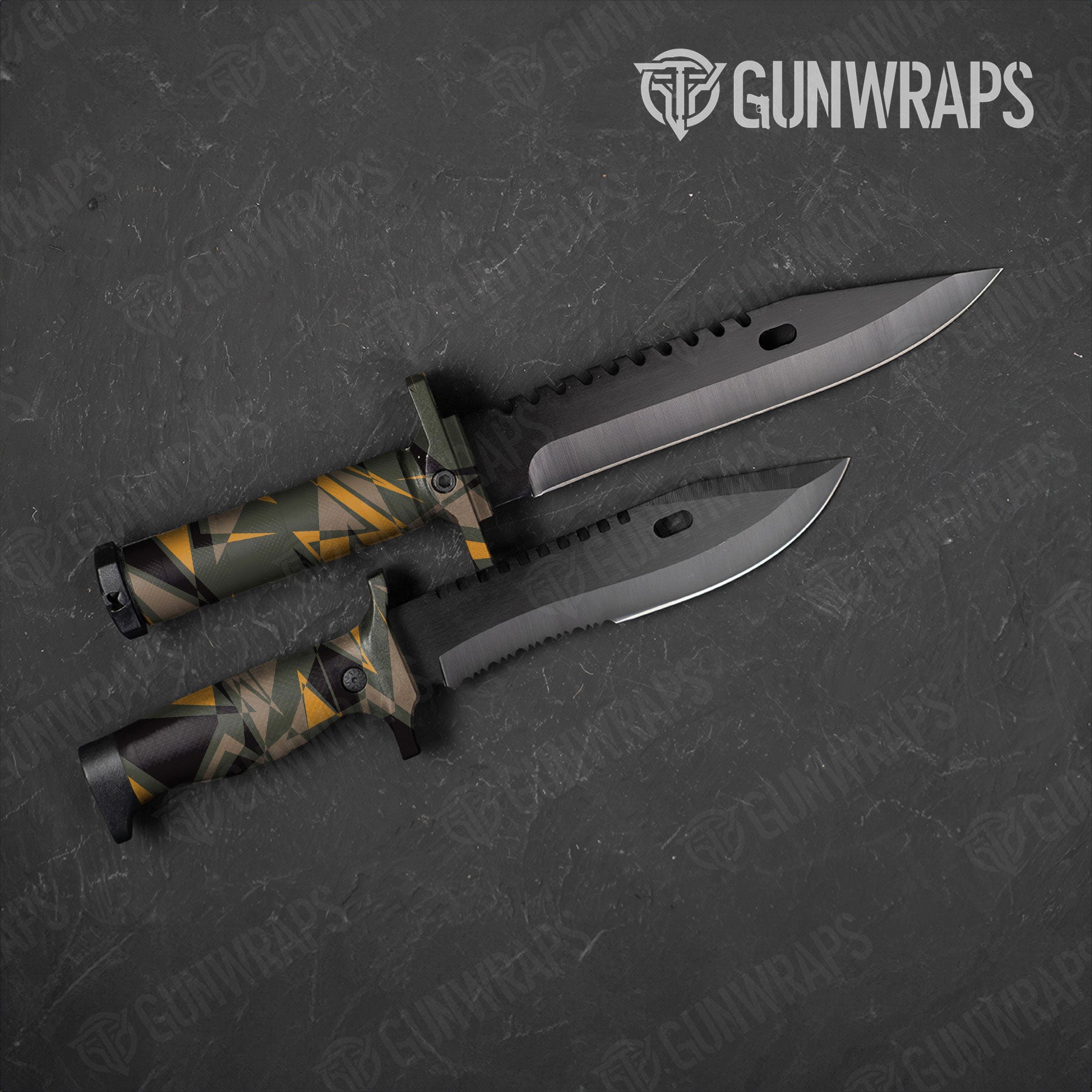
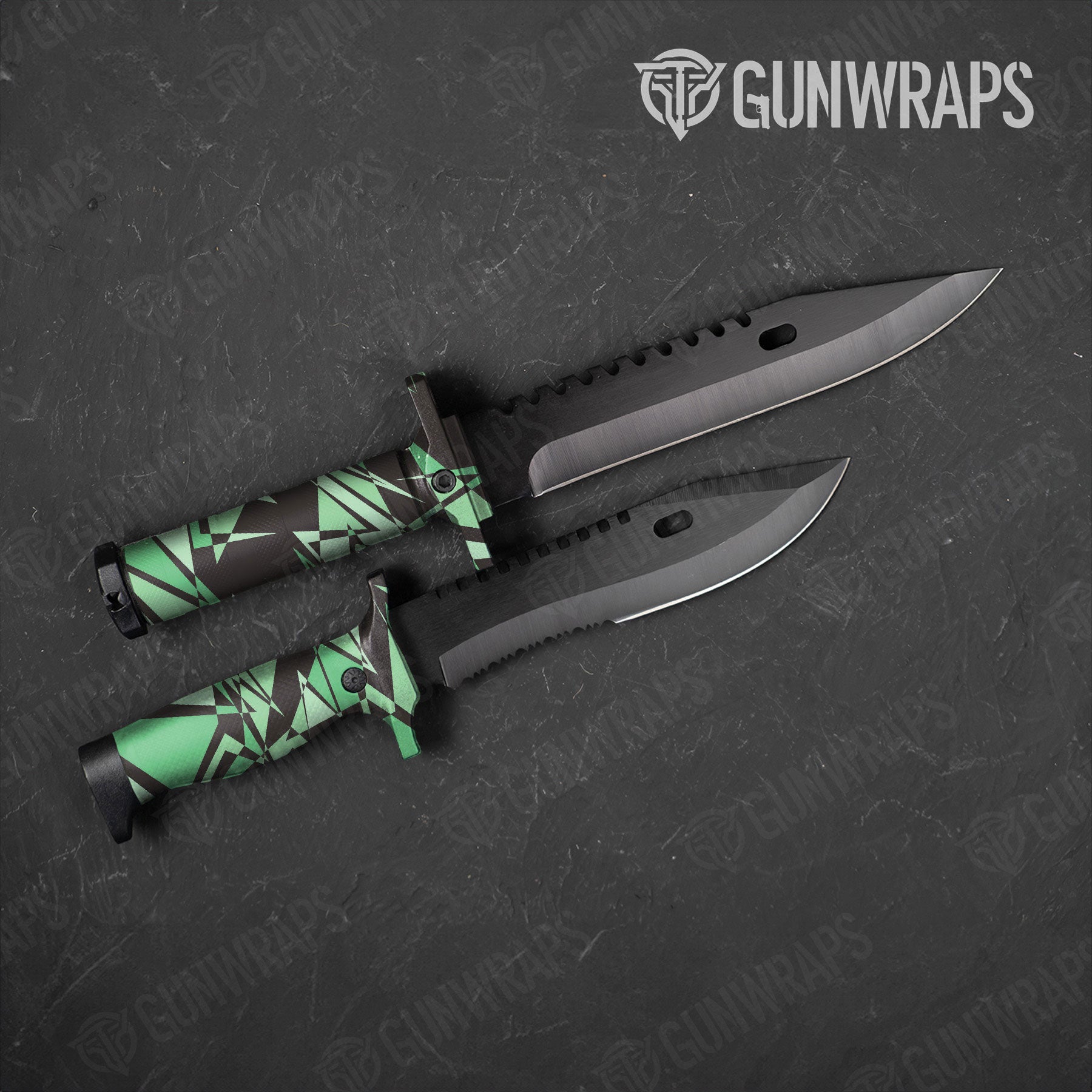
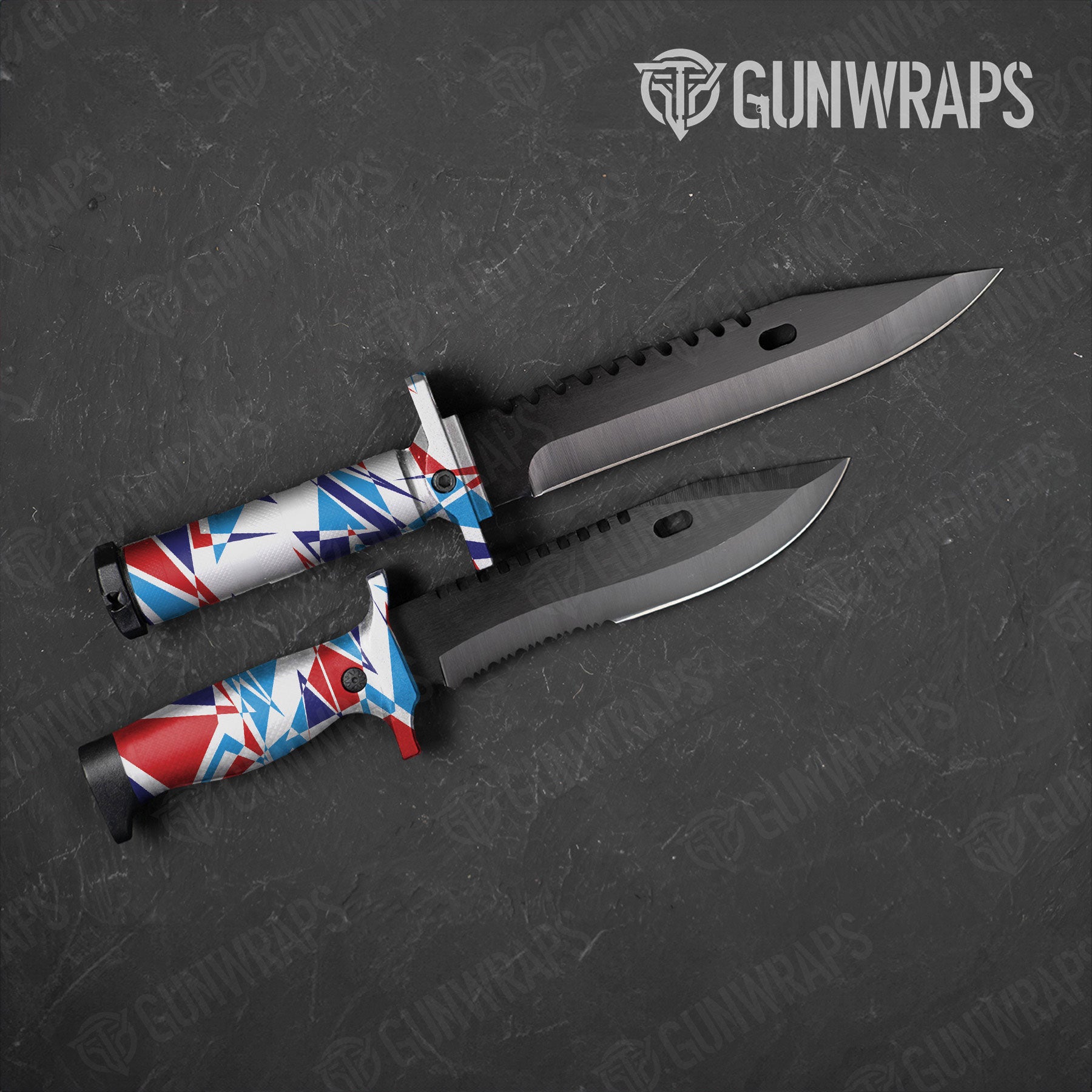
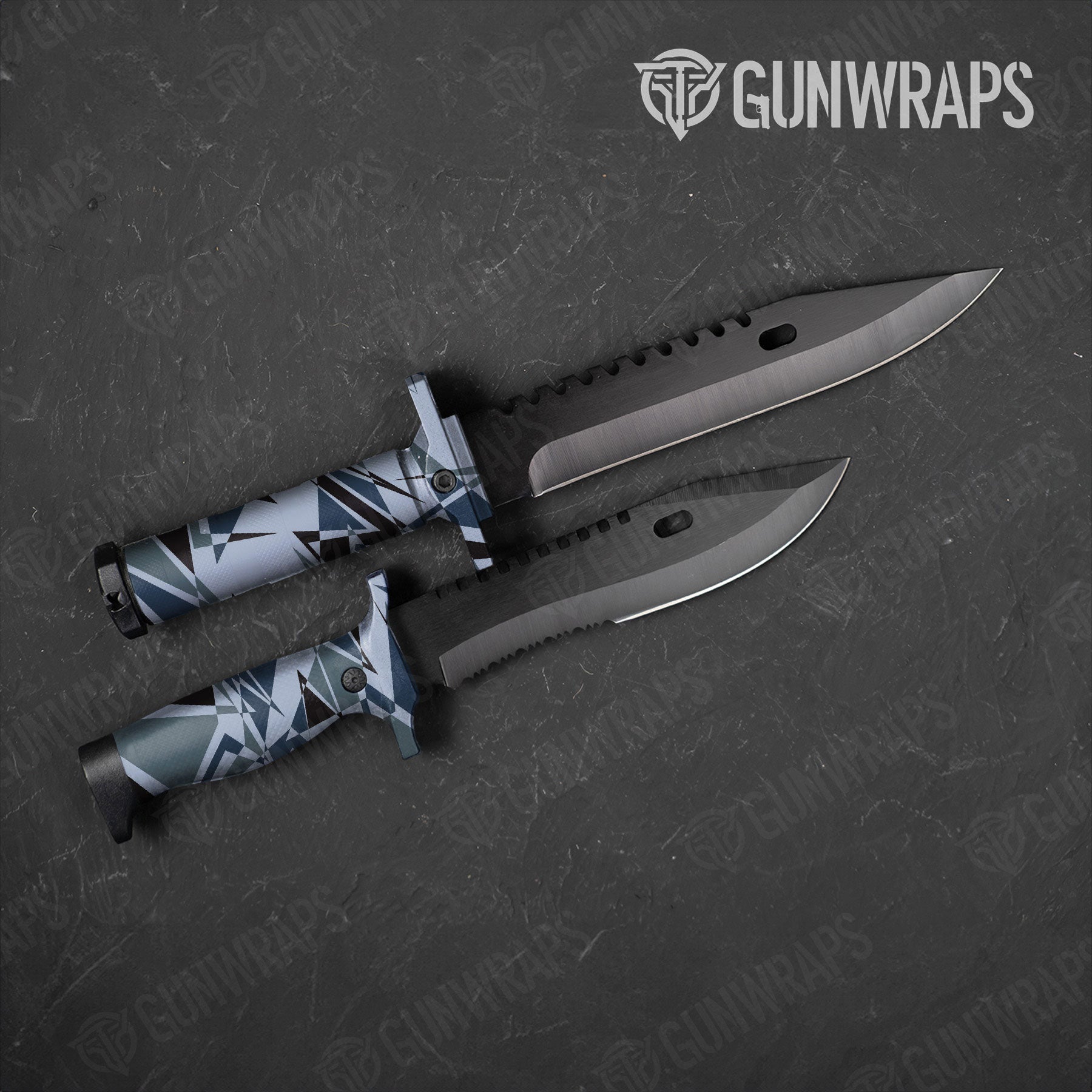
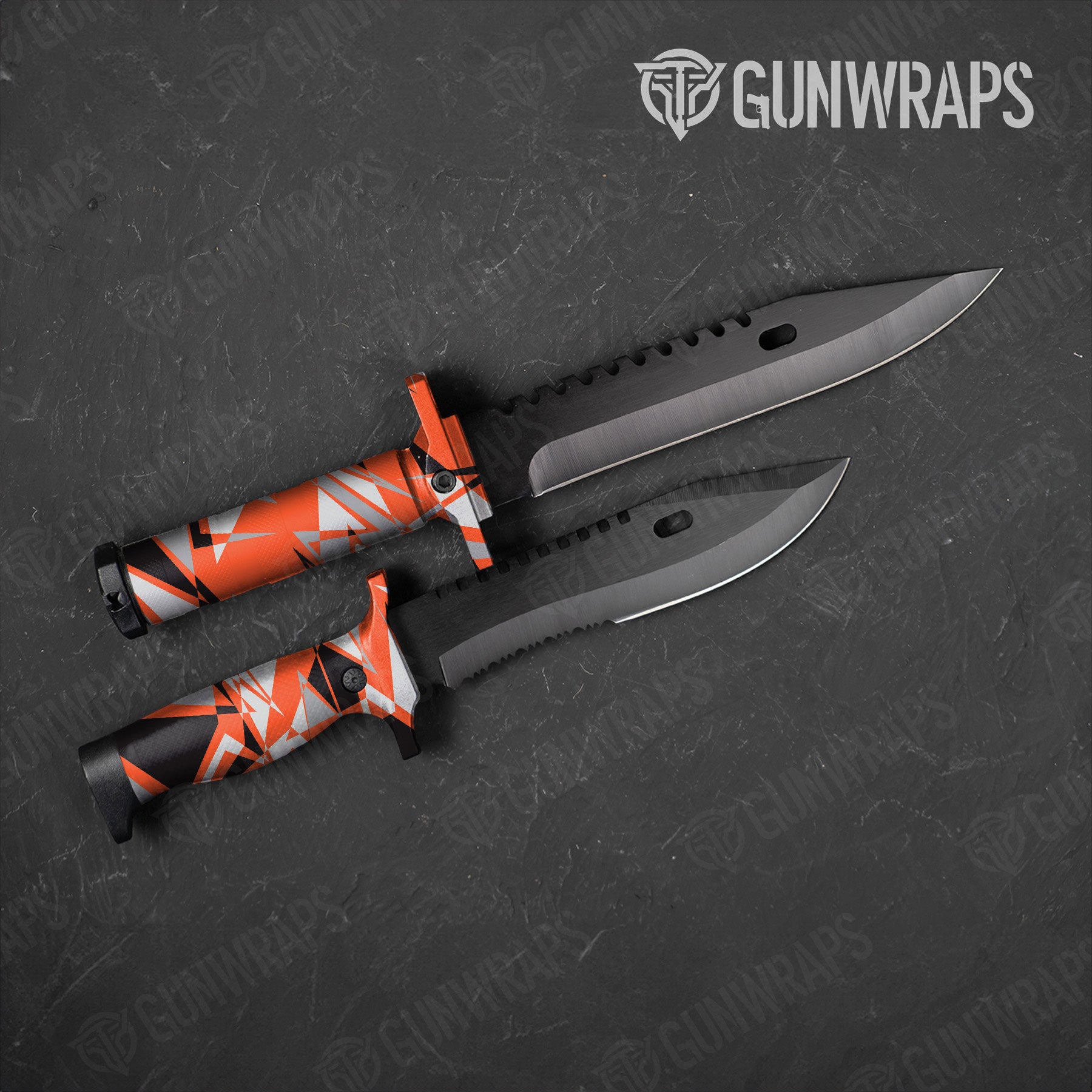
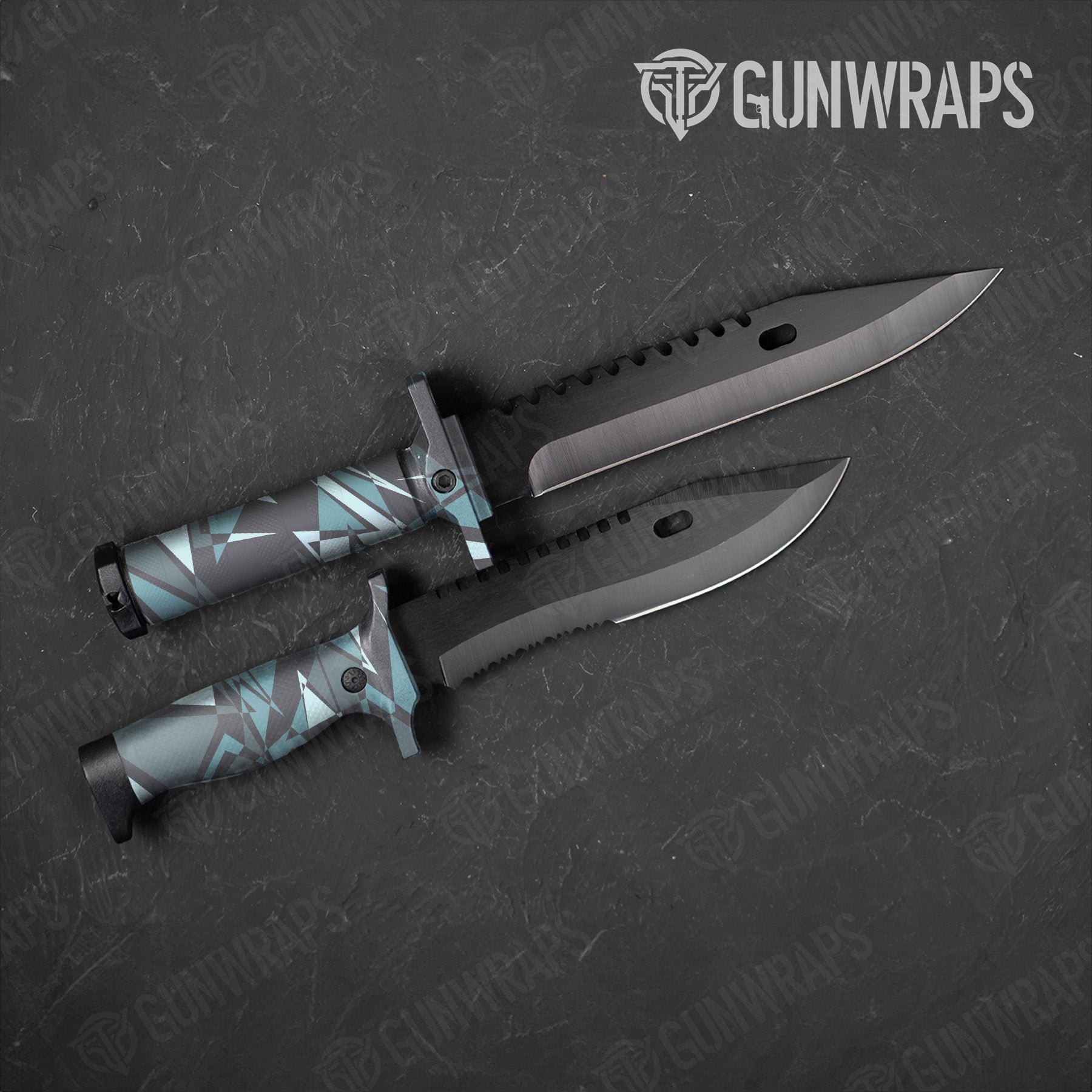
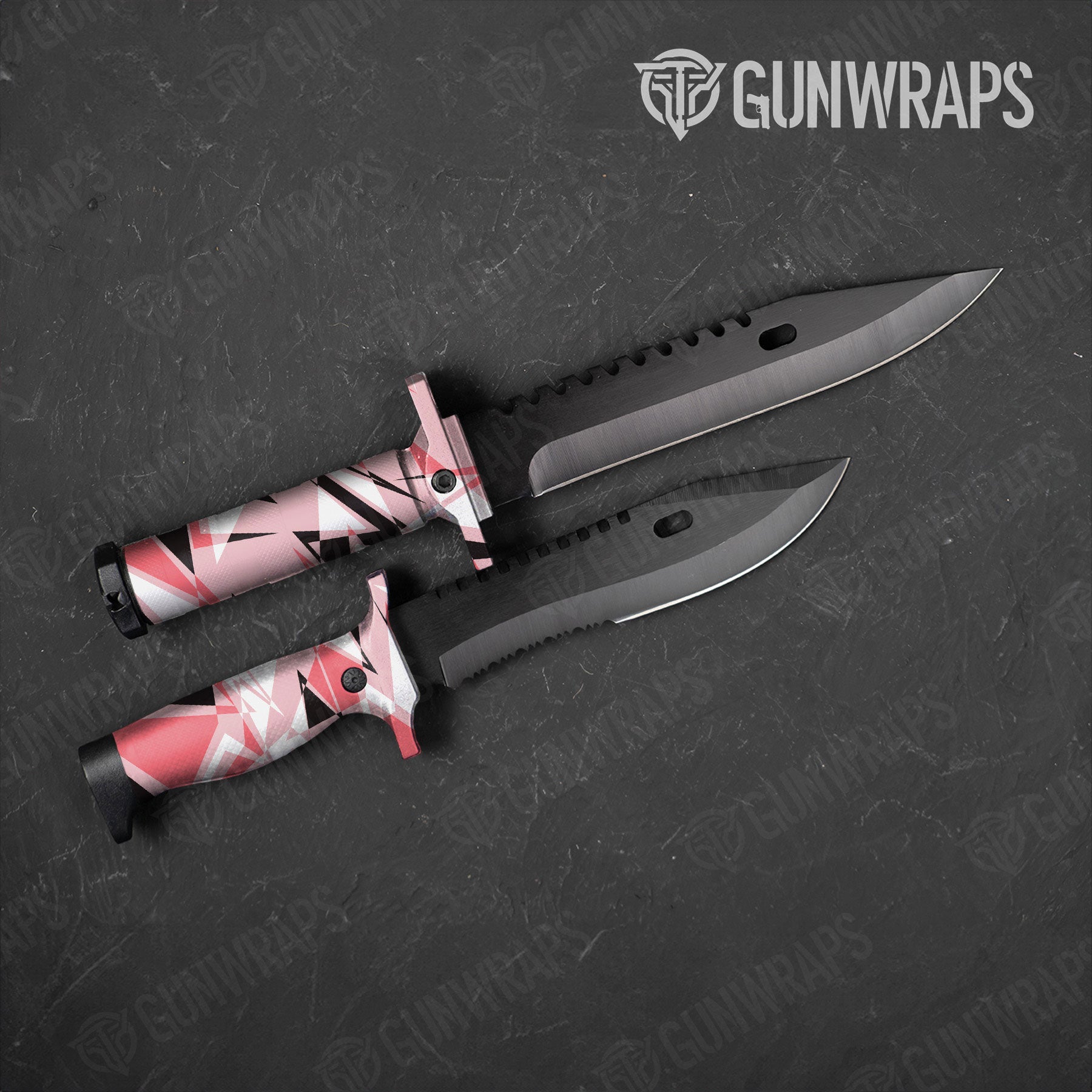
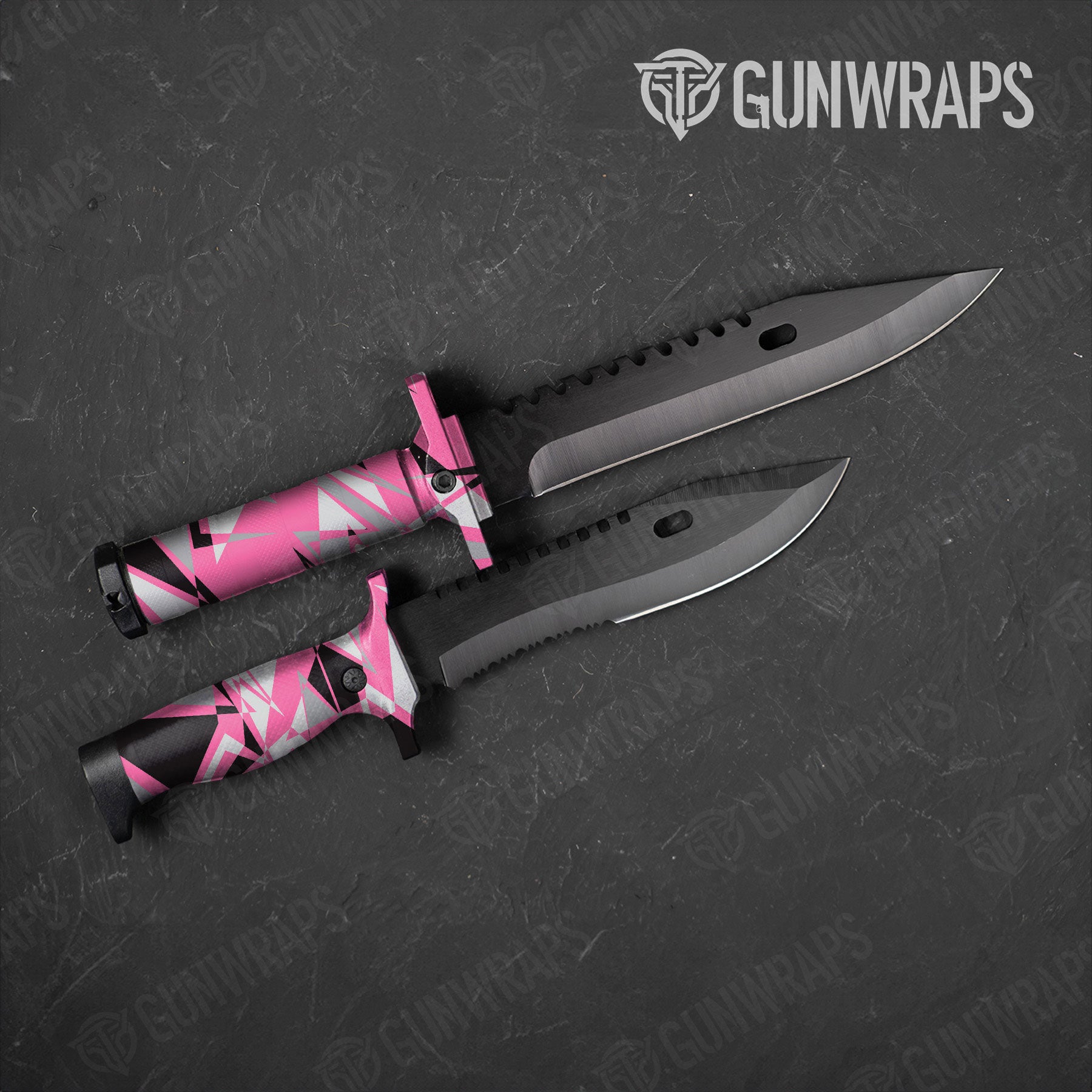
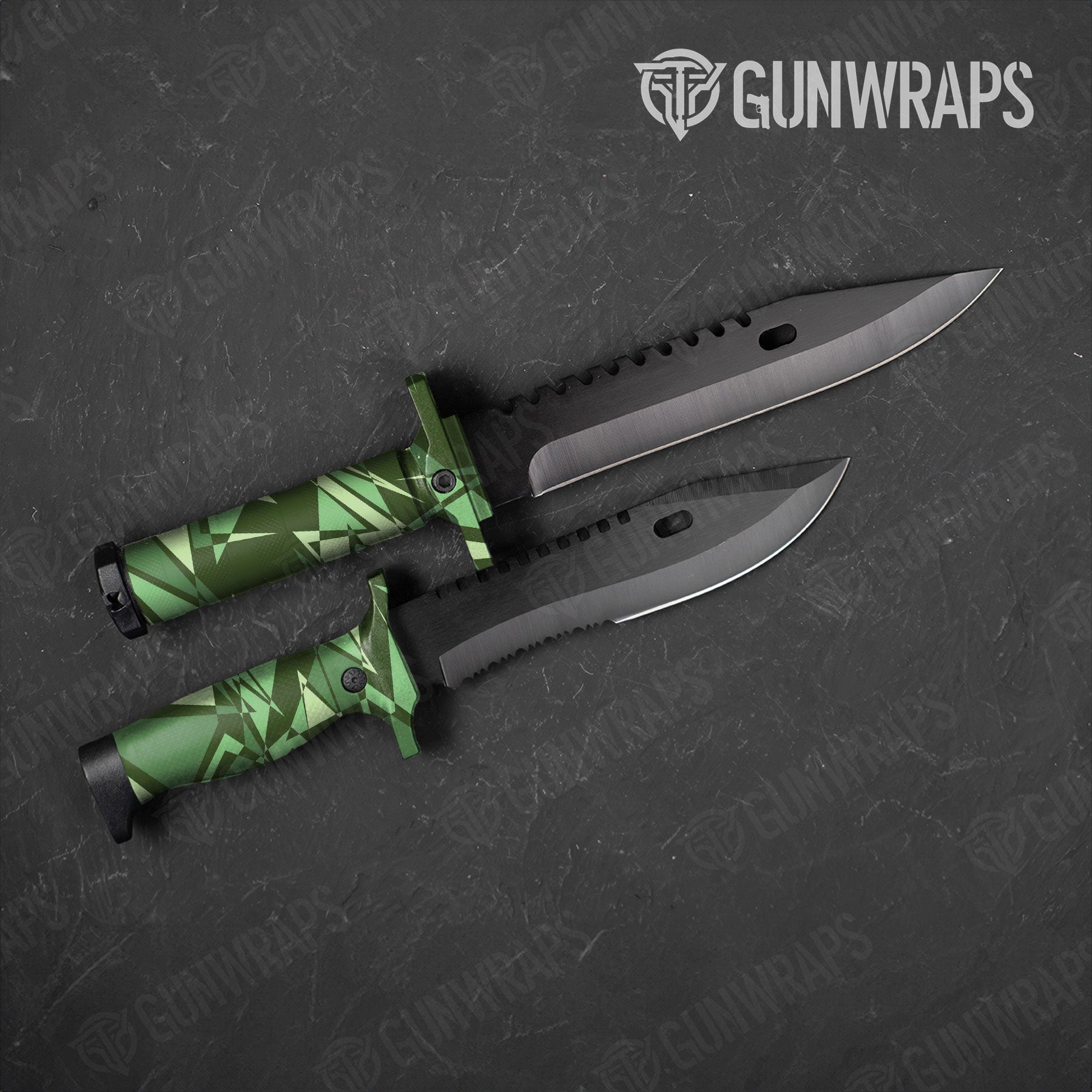
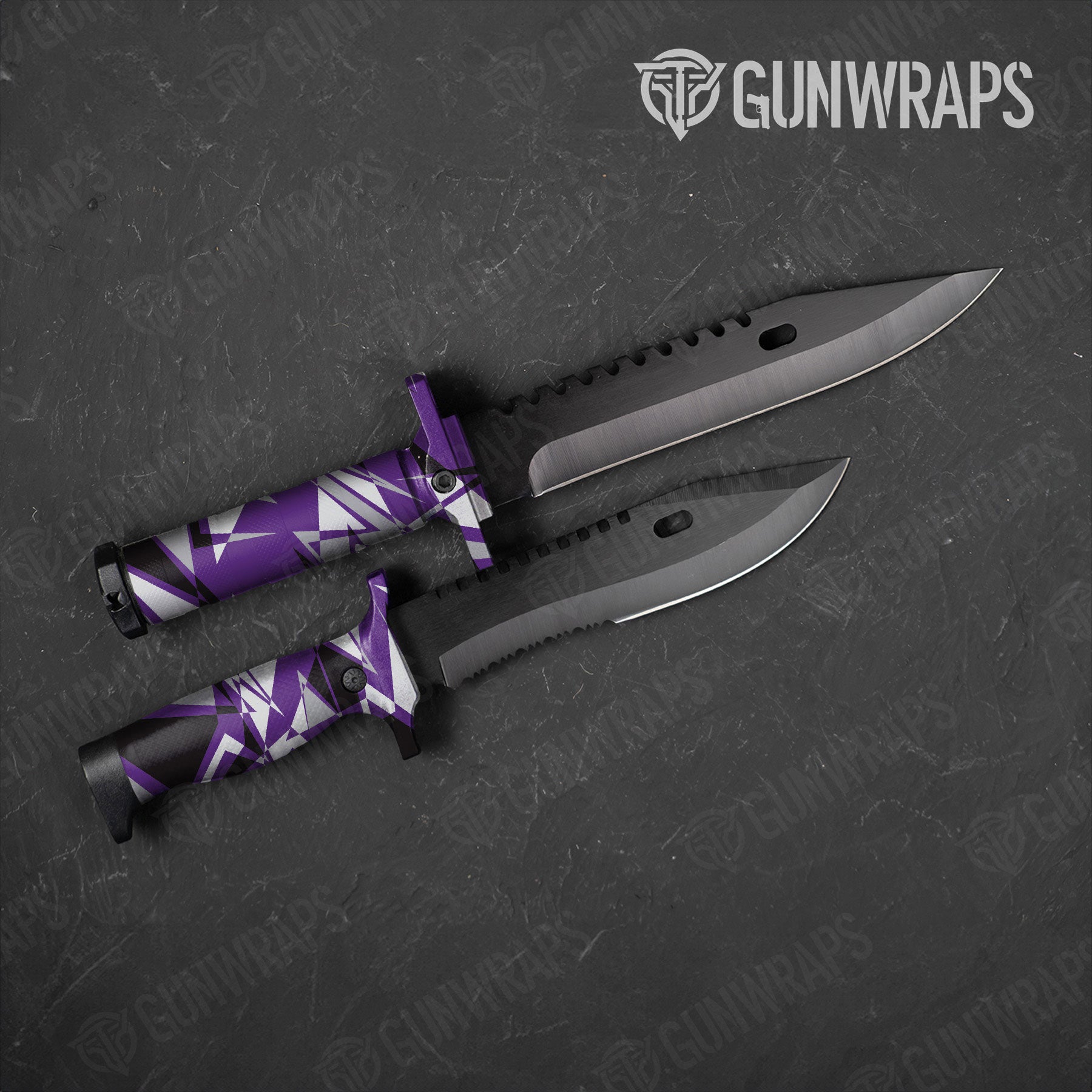
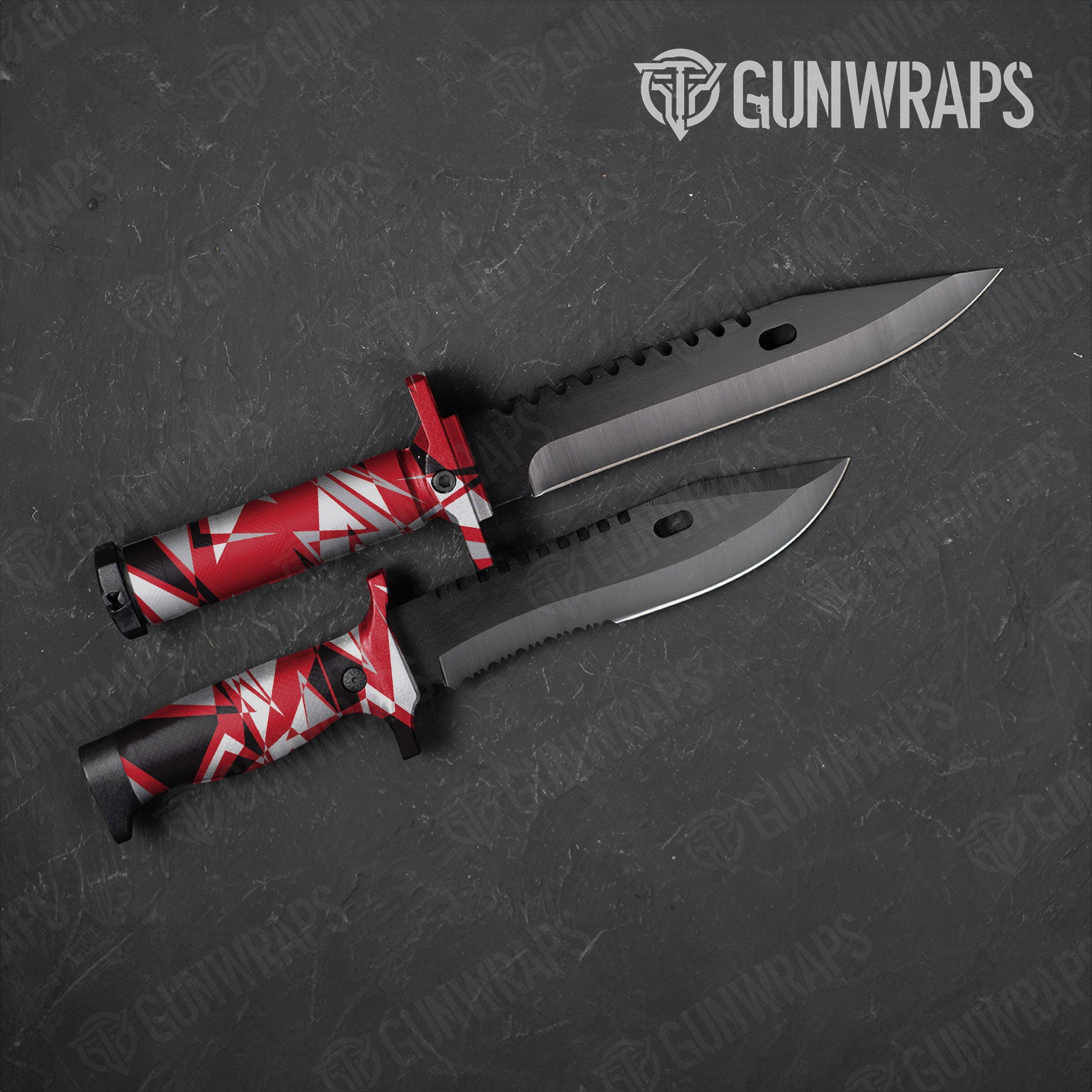
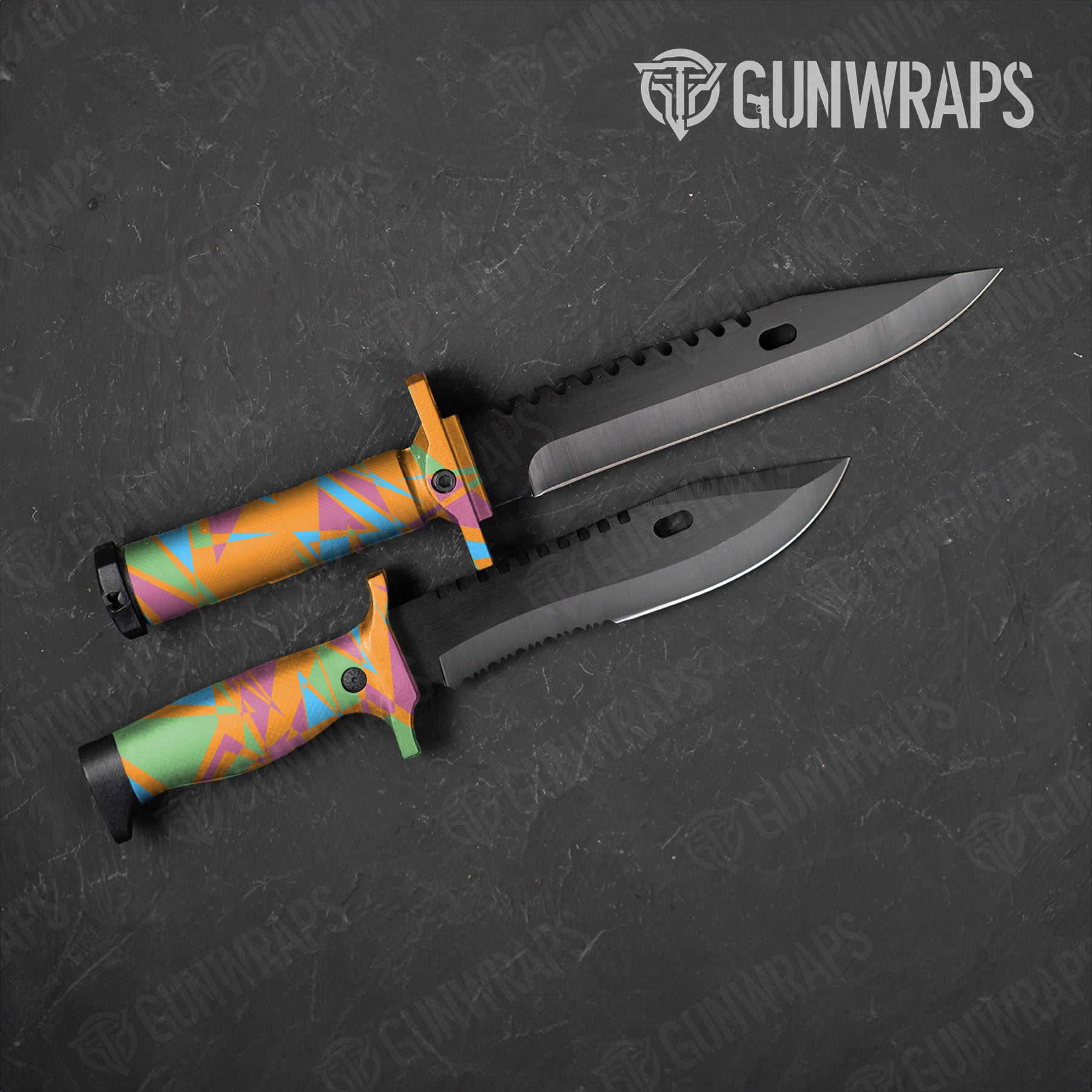
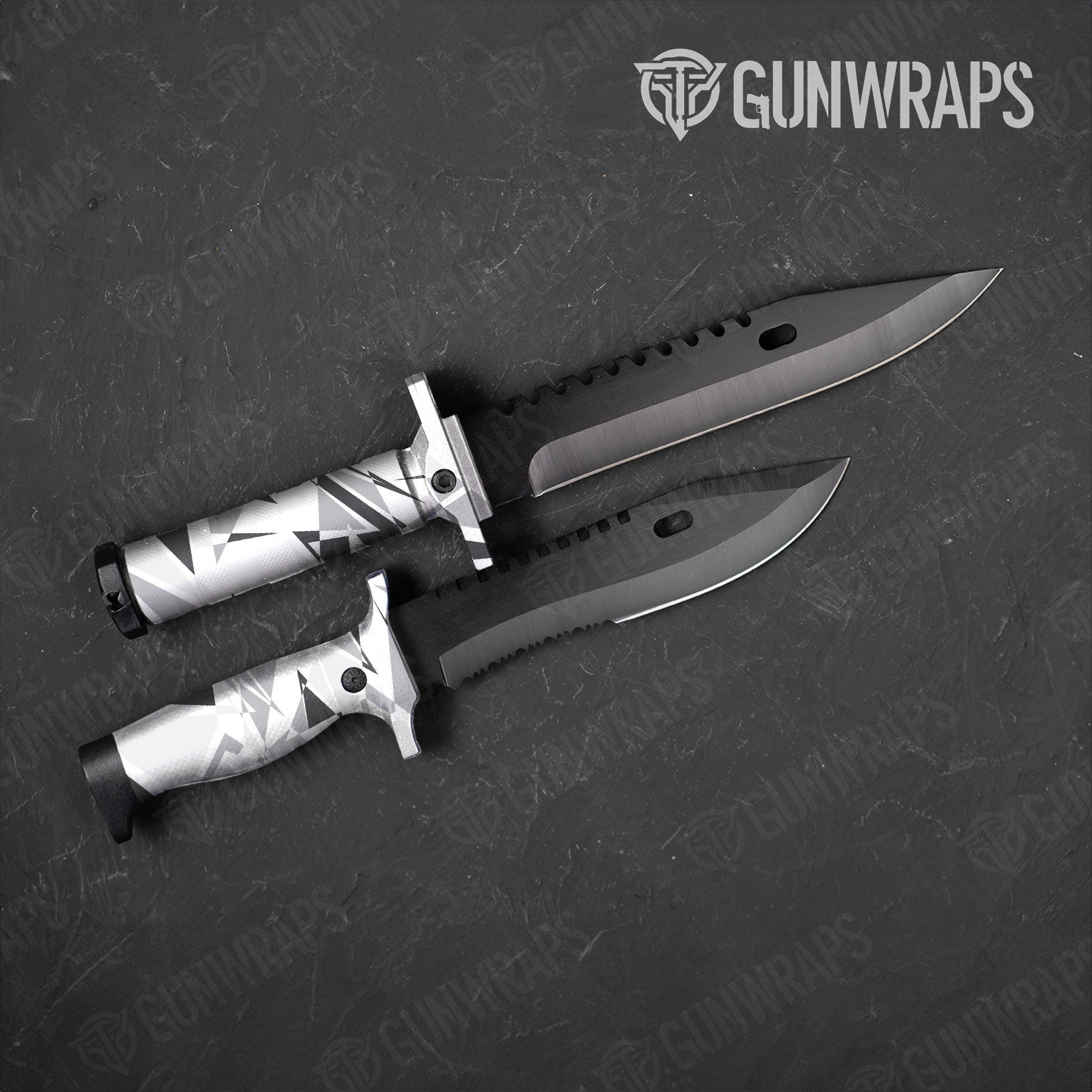
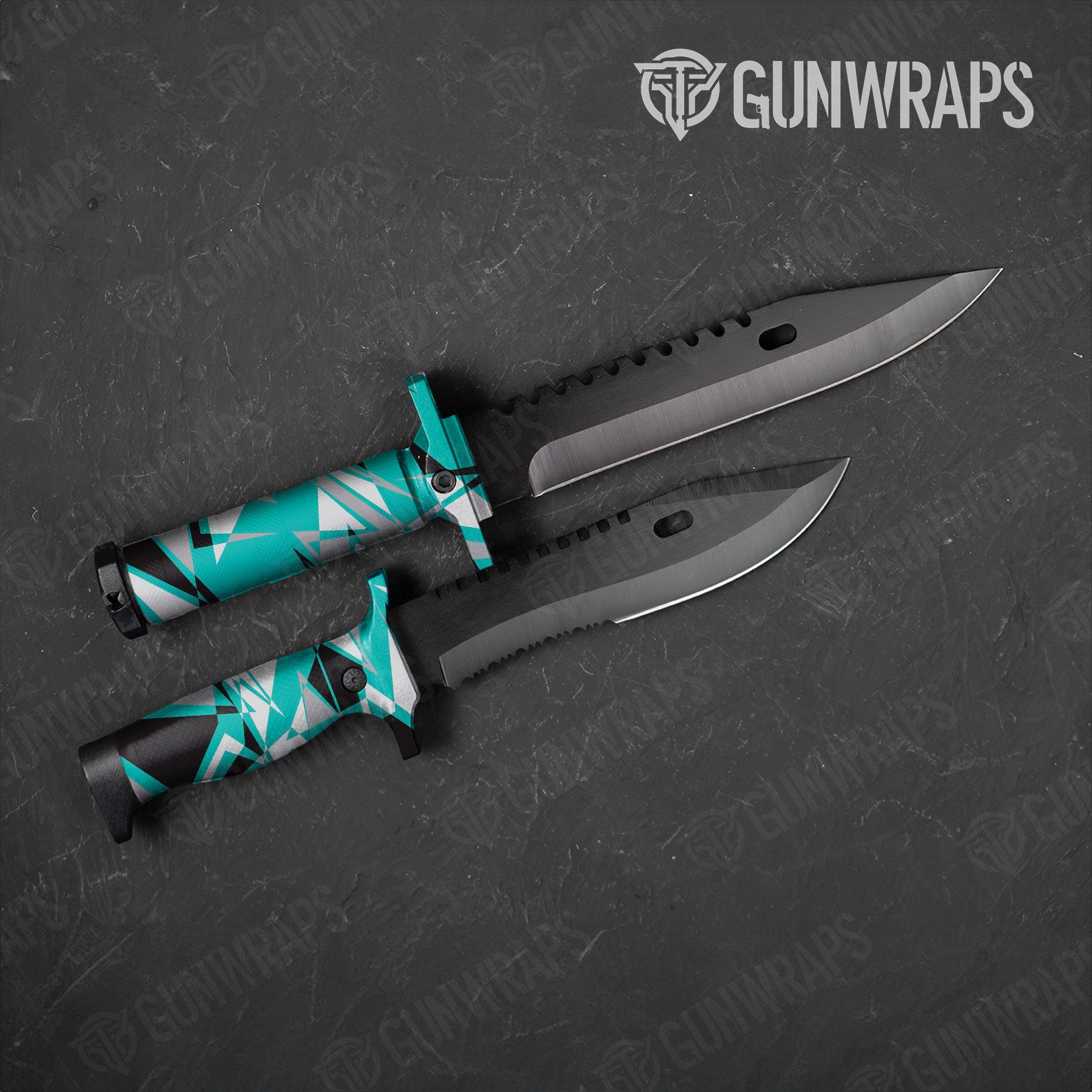

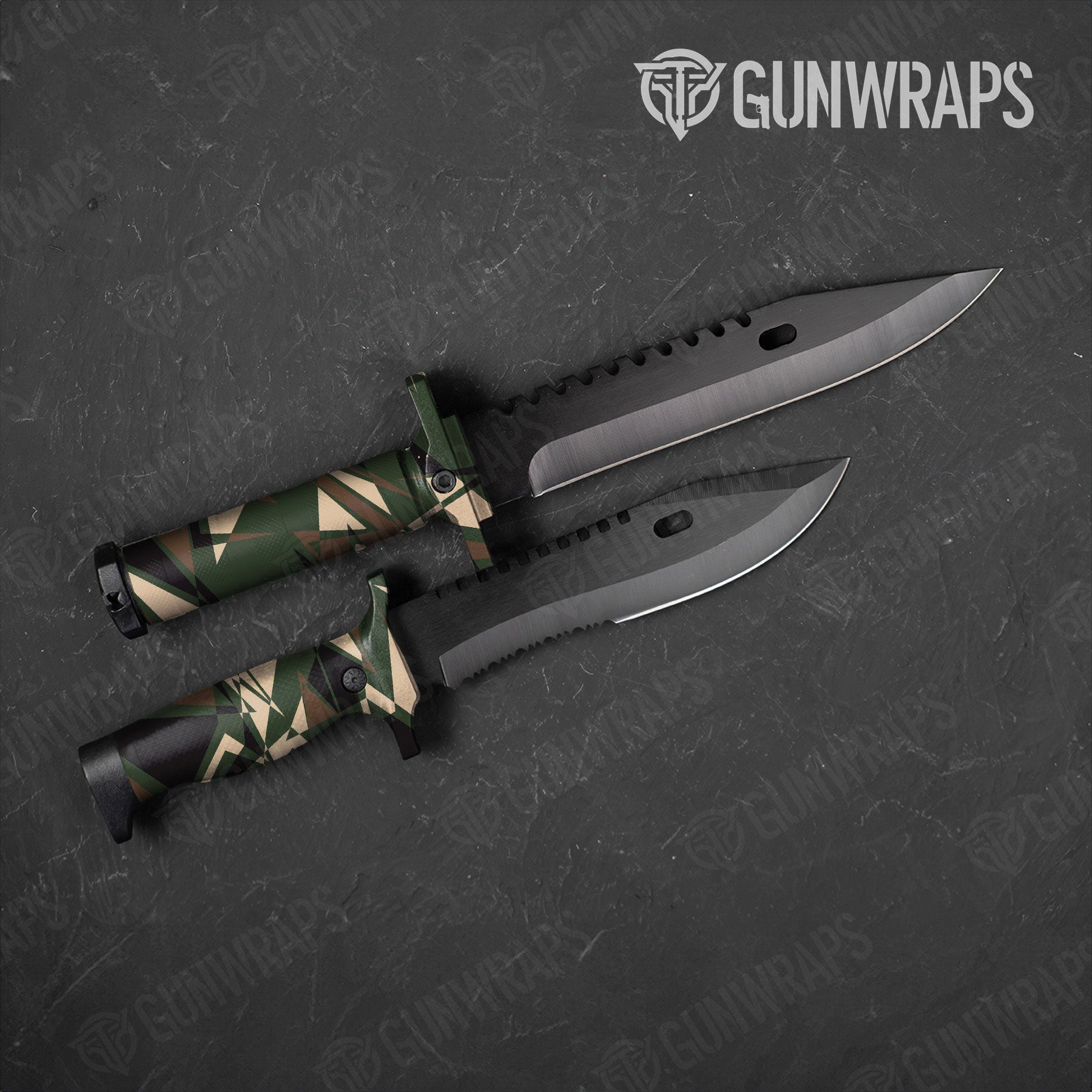


Vinyl Knife Skins for Hunting, Tactical, and Everyday Carry Knives
Give your knife a new look with vinyl Knife Skins from GunWraps. These removable wraps make it possible to add camouflage, tactical styling, bold graphics, or printed textures to compatible knife surfaces without permanent paint, refinishing, or engraving.
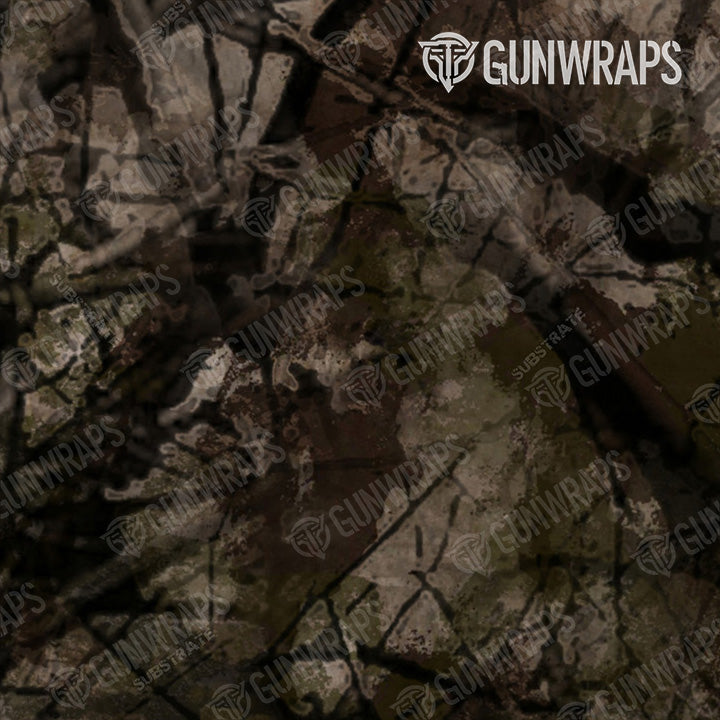
Knife Skins are available in hundreds of patterns, including licensed hunting camouflage, modern tactical designs, military-inspired patterns, colorful graphics, patriotic artwork, and original GunWraps designs. Choose a pattern that coordinates with your hunting equipment, firearm, outdoor gear, or everyday carry setup.
Every Knife Skin is produced using premium materials and advanced printing technology for sharp detail, dependable adhesion, and lasting color. The vinyl is waterproof, non-reflective, cleanly removable, and made in the USA.
What Is a Knife Skin?
A Knife Skin is patterned adhesive vinyl designed to customize compatible exterior areas of a knife. The material can be positioned and trimmed around the individual contours, hardware, openings, and features of the knife.
Knife Skins can be used to personalize compatible areas such as:
- Removable or fixed handle scales
- Smooth handle panels
- Compatible metal or polymer handle surfaces
- Nonfunctional exterior areas of a knife body
- Pocket clips when proper operation is maintained
- Compatible hard knife sheaths and cases
- Selected non-cutting blade surfaces when safely applied and permitted by the knife manufacturer
Compatibility depends on the knife’s design, dimensions, surface finish, texture, controls, and intended use. Knife Skins are not pre-cut for one particular brand or model, so trimming and adjustment may be required.
What Types of Knives Can Be Wrapped?
Knife designs vary considerably, but vinyl may be used on many compatible smooth, stable, and nonporous exterior surfaces. Potential applications include:
- Hunting knives
- Folding pocket knives
- Everyday carry knives
- Fixed-blade outdoor knives
- Camping and utility knives
- Fishing and fillet-knife handles
- Tactical-style knives
- Multitool exterior panels
- Survival knives
- Collectible and display knives
- Compatible knife sheaths and hard cases
Universal fit cannot be guaranteed for every knife. Folding mechanisms, assisted-opening components, locks, pivots, textured grips, rubber inserts, curved handles, removable scales, and unusual blade shapes can affect installation.
Do not assume that material suitable for one knife will fit another model. Inspect and measure the individual knife before installation, and keep every safety-critical, cutting, locking, and moving component unobstructed.
Knife Skins for Hunting and Outdoor Use
A camouflage Knife Skin can help coordinate a hunting knife with a rifle, shotgun, binoculars, scope, rangefinder, pack, and other outdoor equipment. Choose woodland, marsh, open-country, snow, grassland, or darker patterns based on your environment and personal style.
The matte, non-reflective finish helps reduce reflections from compatible covered surfaces compared with a glossy decorative finish. However, a vinyl wrap does not make a knife completely invisible. The cutting edge, exposed metal, hardware, movement, and uncovered surfaces can remain visible.
Camouflage should never come at the expense of safety. A knife can become more difficult to locate when placed on the ground or among equipment if its pattern closely matches the surrounding environment. Keep the knife properly secured in a compatible sheath or designated storage location when it is not being used.
Knife Skins for Everyday Carry
Knife Skins provide another way to personalize an everyday carry knife without permanently altering its original finish. Select a subdued tactical pattern for a coordinated EDC setup, or choose a brighter graphic that makes the knife easier to identify among tools and equipment.
Before wrapping an everyday carry knife, consider how frequently it will be handled, opened, closed, clipped to clothing, or carried inside a pocket. Repeated friction can wear the vinyl or lift exposed edges, particularly near the pivot, pocket clip, liners, scale edges, and locking components.
Inspect the wrap regularly and remove or trim any loose material before it can interfere with opening, closing, locking, gripping, or safe storage.
Choose a Knife Wrap Pattern
The Knife Skin collection includes the complete GunWraps pattern lineup, giving you options for hunting, outdoor recreation, tactical styling, everyday carry, display, and custom projects.
- Hunting camouflage: Explore Realtree Nature, Realtree XTREME, Realtree XTRA Colors, Prym1, Just Hunt, Next Camo, Nature, and other terrain-inspired designs.
- Tactical camouflage: Choose from Kryptek, A-TACS, A-TACS U|CON, RELV, Veil, Nemesis, Substrate, Sirphis, and Pulse patterns.
- Military-inspired patterns: Compare Vietnam Tiger Stripe, Digital, Classic, Old School Duck, Battle Storm, Ragged, Erratic, Sharp, and Shredded camouflage.
- Fishing and water-inspired patterns: Browse Realtree Fishing, Realtree Aspect, Realtree WAV3, Prym1 Stream, and other aquatic designs.
- Bold graphics: Select Skull, Sticker Bomb, Galaxy, Bandana, Animal Print, Paint Splatter, Paintball, Dotted, or Tie Dye.
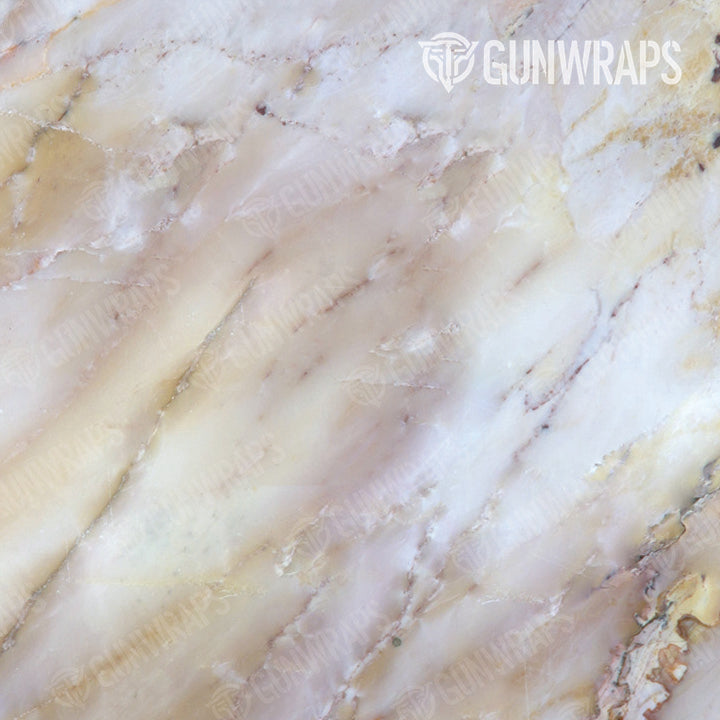
- Printed textures: Add the appearance of Damascus steel, carbon fiber, stone, rust, shattered glass, or another material-inspired finish.
- Patriotic designs: Choose American flag colors, stars, stripes, and military-inspired patriotic artwork.
Pattern placement may vary from the product images. Each knife displays a different portion of the artwork based on its size, shape, material placement, alignment, stretching, and final trimming.
Damascus and Printed Texture Knife Wraps
Printed texture patterns provide the appearance of distinctive materials without changing the knife’s underlying construction. Damascus Knife Skins, for example, reproduce layered, flowing artwork in a variety of colors for compatible knife surfaces.
A printed Damascus pattern is decorative vinyl. It does not mean that the knife is made from Damascus steel, and it does not change the blade’s steel type, heat treatment, hardness, edge retention, corrosion resistance, strength, or cutting performance.
The same applies to carbon fiber, stone, rust, shattered glass, woodgrain, and other material-inspired designs. These patterns create a visual effect only and should not be interpreted as changing the material or structural characteristics of the knife.
Benefits of Vinyl Knife Wraps
Knife Skins combine removable customization with a thin protective vinyl layer over compatible covered surfaces.
- Changes the appearance of a knife without permanent refinishing
- Available in hundreds of camouflage, tactical, and graphic patterns
- Helps protect covered surfaces against minor scratches and scuffs
- Provides an additional barrier against moisture and everyday handling wear
- Matte, non-reflective finish helps reduce glare from covered surfaces
- Pressure-activated adhesive supports positioning and adjustment
- Flexible vinyl conforms around many compatible contours
- Can coordinate a knife with matching firearms, optics, and outdoor gear
- Cleanly removable from compatible, stable finishes
- Made in the USA
A Knife Skin is not padded impact protection and does not make a knife safer. It cannot prevent every scratch, chip, dent, crack, puncture, cut, corrosion issue, or type of weather-related damage. It also does not replace proper knife handling, maintenance, sharpening, storage, or sheath use.
Will a Vinyl Skin Improve Knife Grip?
Vinyl changes the exterior surface of the areas it covers, but it should not automatically be considered a grip-enhancing or slip-resistant material. The effect on handling depends on the knife, pattern placement, surface texture, installation quality, environmental conditions, and the user’s hands.
Do not cover textured grip panels, finger grooves, jimping, guards, traction inserts, or other features when doing so could reduce control. Water, oil, blood, cleaning products, dirt, or other contaminants may also change how the wrapped surface feels.
After installation, carefully test the knife’s handling in a controlled environment. Remove the vinyl if it makes the knife harder to hold, control, open, close, or use safely.
Areas That Must Remain Uncovered
A Knife Skin should be installed only on suitable exterior surfaces. Do not place vinyl over or where it could interfere with:
- The sharpened cutting edge
- The knife tip
- Serrations, saw teeth, or gut hooks
- Blade openings, thumb holes, or nail nicks
- Thumb studs, flippers, or assisted-opening controls
- Pivot points and moving joints
- Liner locks, frame locks, lockbacks, button locks, or other locking mechanisms
- Automatic-opening switches or safety controls
- Blade tracks, liners, washers, bearings, or internal moving components
- Guards, finger stops, or grip features required for safe handling
- Drainage openings or maintenance points
- Required warning labels, model information, or identifying marks
- Any area that directly contacts food
Never allow loose vinyl to extend beyond an edge where it could catch, peel, contact the cutting surface, or enter the knife’s opening and locking mechanism.
Can You Apply Vinyl to a Knife Blade?
Some Knife Skin designs may be shown on flat, non-cutting portions of compatible blades. Applying vinyl to a blade requires additional caution and may not be appropriate for every knife or use.
Never cover the sharpened edge, tip, serrations, gut hook, opening features, locking surfaces, blade track, pivot area, or any portion that passes tightly between liners or handle scales. Do not wrap a blade if the material could interfere with cutting, cleaning, opening, closing, locking, or safe placement in a sheath.
Blade vinyl should not be used on knives intended for food preparation, medical applications, electrical work, high-temperature use, repeated heavy cutting, or any application where the vinyl could contact food, separate from the blade, or contaminate the material being cut.
Wrapping a blade does not improve hardness, sharpness, edge retention, corrosion resistance, or strength. It may also retain moisture or debris along exposed edges if installed or maintained incorrectly. Inspect the knife frequently and remove the vinyl if moisture, corrosion, lifting, contamination, or interference develops.
Wrapping Folding Knives and Pocket Knives
Folding knives contain closely fitted mechanical components that require unobstructed movement. Before applying vinyl, identify the blade path, pivot, liners, washers or bearings, detent, stop pin, lock, opening controls, and pocket clip.
Keep vinyl away from all internal surfaces and clearance areas. Even a thin layer of material can affect movement when placed between parts designed with close tolerances.
After installation, test the knife slowly and carefully. Confirm that:
- The blade opens and closes without rubbing against the vinyl
- The lock engages completely and consistently
- The lock can be released without obstruction
- The blade remains centered when closed when applicable
- The opening controls remain accessible
- No loose edge can enter the mechanism
- The pocket clip remains secure and functional
Remove the wrap immediately if the knife does not open, close, lock, release, or carry exactly as intended.
Using Knife Skins With Sheaths and Pocket Clips
Leather, molded polymer, Kydex-style, fabric, and tight-fitting sheaths can rub against wrapped surfaces. Repeated insertion and removal may wear the vinyl or lift exposed edges.
Before completing the installation, determine where the sheath grips or contacts the knife. Leave those areas uncovered when necessary and confirm that the knife can be fully seated and retained without excessive force.
Pocket clips can also create concentrated pressure and friction. Trim the vinyl around the mounting screws and avoid placing multiple layers beneath the clip when they could change tension, clearance, or hardware engagement.
A Knife Skin does not replace a sheath, blade cover, lock, or safe carrying method. Always store and transport the knife according to its manufacturer’s recommendations and applicable laws.
Surface Compatibility and Adhesion
Vinyl generally adheres best to clean, smooth, stable, and nonporous surfaces. Adhesion may be reduced on:
- Rubber or silicone grips
- Deeply textured handle scales
- Fabric, cord-wrapped, or leather handles
- Oily or waxed wood
- Micarta or other porous composite materials
- Soft-touch coatings
- Low-surface-energy plastics
- Rough powder-coated surfaces
- Loose, peeling, cracked, or deteriorating finishes
- Surfaces treated with oil, wax, polish, or silicone
Test a small inconspicuous compatible area before completing the installation. Do not apply vinyl over an unstable finish because later removal could lift existing paint, coating, residue, or damaged material.
How to Install a Knife Skin
Handle every knife as if it is ready to cut. Work slowly in a clean, well-lit area, keep your hands away from the cutting edge, and use a protective blade cover when possible.
- Read the instructions included with the wrap and the knife manufacturer’s care information.
- Close, sheath, or otherwise secure the blade whenever possible during handle preparation.
- Identify the cutting edge, tip, opening controls, pivot, lock, hardware, grip features, pocket clip, and other areas that must remain uncovered.
- Disassemble the knife only if you understand the correct procedure and the manufacturer permits it.
- Clean compatible surfaces to remove dirt, oil, wax, polish, and handling residue.
- Use isopropyl alcohol only on finishes that can safely tolerate it.
- Allow the knife to dry completely before applying the vinyl.
- Plan the pattern direction and placement before removing the backing.
- Cut the material into manageable sections when necessary.
- Test-position each section while keeping the adhesive away from the cutting edge.
- Anchor the vinyl on a suitable flat or gently curved surface.
- Apply firm, even pressure while working gradually across the area.
- Lift and reposition the vinyl if bubbles or wrinkles develop.
- Use minimal, controlled heat only when necessary and safe for the knife’s materials.
- Allow the material and knife to cool before final trimming.
- Trim around controls, hardware, edges, pivots, locks, and moving components.
- Apply final pressure across the wrapped surfaces and finished edges.
- Inspect the complete installation for loose or obstructing material.
- Carefully test the knife’s opening, closing, locking, handling, and sheath fit.
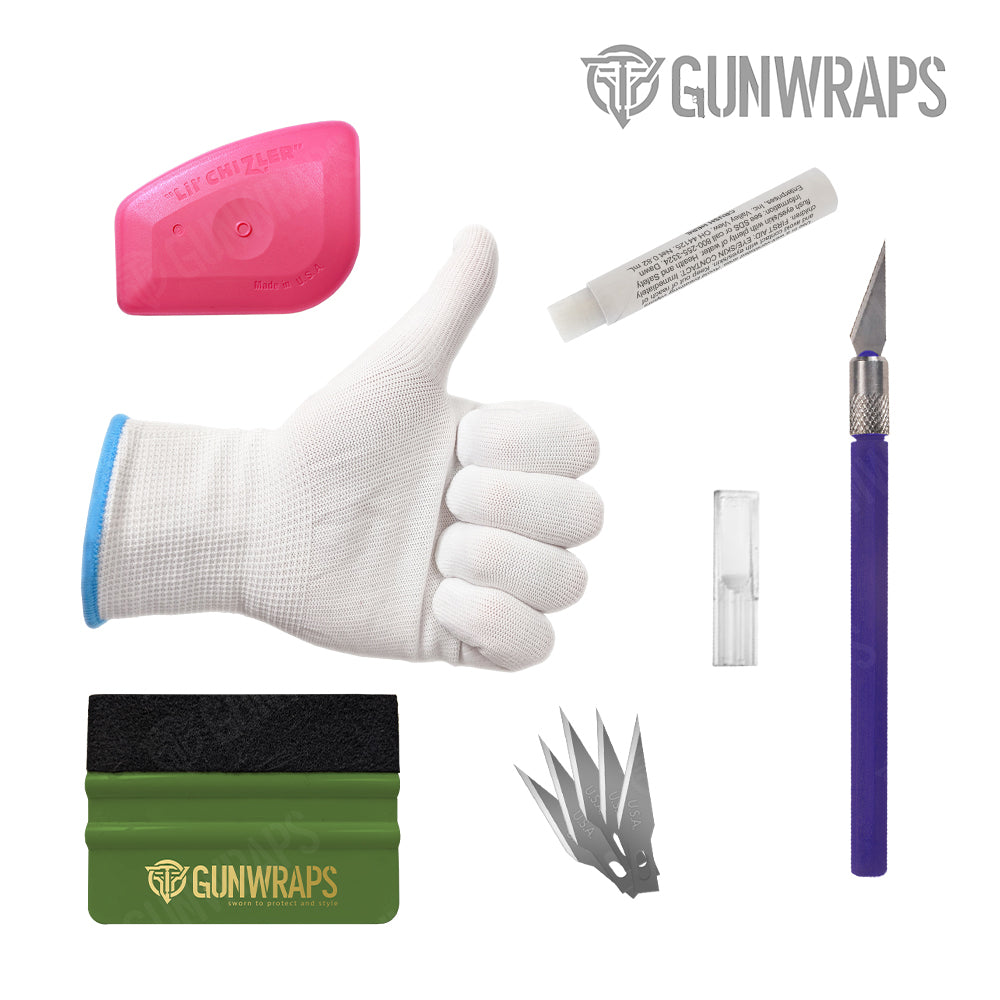
A wrap glove or suitable squeegee can help apply consistent pressure. Use extreme care with installation blades. Do not trim toward your hand, cut directly over the sharpened edge, or allow the trimming blade to damage the knife’s finish or mechanism.
Read the complete GunWraps Gear Skin installation guide before beginning.
Using Heat During Installation
Minimal controlled heat can help the vinyl conform around compatible handle curves. However, knife handles may contain adhesives, liners, composite materials, rubber inserts, heat-sensitive finishes, lubricants, and mechanical components that can be damaged by excessive heat.
- Use the lowest effective temperature
- Keep the heat source moving
- Do not concentrate heat near the cutting edge or tip
- Keep heat away from pivots, locks, springs, bearings, and internal components
- Do not heat plastic, wood, composite, or adhesive-bonded parts beyond their safe limits
- Never use an open flame
- Allow the knife to cool before testing or storing it
The vinyl’s temperature specifications do not represent a safe heating limit for the knife. Use pressure and smaller sections when heat could damage the knife or create an unnecessary handling risk.
How to Care for a Wrapped Knife
Regular inspection is especially important because knives contain sharp edges and moving components. Remove or trim damaged vinyl before it affects grip, storage, opening, closing, or locking.
- Keep the knife clean and dry according to the manufacturer’s instructions
- Wipe wrapped surfaces with a soft, lightly dampened cloth
- Avoid harsh solvents and abrasive cleaners on the vinyl
- Remove oil, chemicals, insect repellent, and other contaminants promptly
- Do not soak or submerge the knife unless the manufacturer permits it
- Keep moisture from collecting beneath lifted vinyl edges
- Inspect the wrap near the pivot, lock, clip, scale edges, and sheath-contact areas
- Keep the cutting edge properly cleaned and maintained
- Allow the knife to dry before returning it to a closed sheath or case
- Replace material that becomes loose, torn, contaminated, or heavily worn
The vinyl has a waterproof finish, but applying it does not make the knife waterproof, rustproof, corrosion-proof, food-safe, dishwasher-safe, or suitable for submersion.
Match Your Knife to Firearms and Outdoor Gear
Many GunWraps patterns are available for knives, rifles, shotguns, AR-15s, AK-47s, handguns, magazines, scopes, binoculars, rangefinders, Thermacell devices, and Universal Sheets.
Select the same camouflage pattern for your knife and hunting firearm, coordinate it with matching optics and gear, or choose a brighter contrasting pattern that makes the knife easier to identify among your equipment.
Matching products use the same selected design, but exact artwork placement may vary. Each item displays a different portion of the pattern based on its dimensions, alignment, positioning, stretching, and final trimming.
How Much Do Knife Skins Cost?
GunWraps Knife Skins are currently priced at $13. Each product includes vinyl material for customizing one compatible knife.
The knife, sheath, tools, cleaning supplies, heat source, and other accessories are not included. Prices, patterns, colors, compatibility, and availability may change. Review the individual product page for current information before ordering.
Frequently Asked Questions
Q: What comes with a Knife Skin?
A: Each product includes patterned adhesive vinyl for wrapping compatible areas of one knife. The knife, sheath, installation tools, cleaner, and other accessories are not included.
Q: Will a Knife Skin fit every knife?
A: Knife dimensions, handles, blades, locks, pivots, controls, textures, and finishes vary. The material can be adjusted for many compatible knives, but identical coverage and fit cannot be guaranteed for every model.
Q: Can I use a Knife Skin on a folding pocket knife?
A: Yes, when applied only to compatible areas. Keep the pivot, blade track, liners, opening controls, lock, safety, pocket clip hardware, and other moving components unobstructed.
Q: Can I wrap a fixed-blade hunting knife?
A: Vinyl can be used on compatible surfaces of many fixed-blade knives. Do not cover the cutting edge, tip, guard, serrations, gut hook, traction features, or areas that interfere with the sheath.
Q: Can I put vinyl on the blade?
A: Vinyl should never cover the cutting edge, tip, serrations, opening features, locking surfaces, pivot area, or portions that move through a handle. Blade application may be unsuitable for food preparation, heavy cutting, high-temperature work, or other specialized uses.
Q: Will the wrap make my knife sharper?
A: No. A Knife Skin changes the appearance of compatible exterior surfaces only. It does not alter sharpness, steel type, hardness, edge retention, strength, or cutting performance.
Q: Does a Damascus Knife Skin mean the blade is Damascus steel?
A: No. Damascus Knife Skins feature printed artwork inspired by layered Damascus steel. The vinyl does not change the knife’s actual blade material or performance.
Q: Will a Knife Skin improve grip?
A: Grip can vary based on the knife, installation, contaminants, and environmental conditions. Do not treat vinyl as certified slip-resistant material, and remove it if it makes the knife more difficult to control.
Q: Will the wrap interfere with a folding knife?
A: Properly installed vinyl should remain outside the pivot, lock, blade path, liners, and other moving components. Test the knife carefully after installation and remove the material if operation changes.
Q: Can I use the knife’s original sheath after wrapping it?
A: Usually, but tight-fitting sheaths may rub against or lift the vinyl. Confirm that the knife seats fully, releases normally, and remains securely retained.
Q: Can I wrap a textured or rubber knife handle?
A: Adhesion may be limited on rubber, silicone, deep textures, cord, fabric, leather, porous materials, and soft-touch coatings. Test a small inconspicuous area first.
Q: Can I install a Knife Skin myself?
A: Yes. Knife Skins are designed for DIY installation, but the cutting edge must be secured and handled carefully throughout cleaning, positioning, heating, and trimming.
Q: Do I need to disassemble the knife?
A: Not always. Disassemble a knife only when the manufacturer permits it and you understand the correct procedure. Incorrect disassembly can damage the knife, affect its warranty, or create a safety issue.
Q: Can I use a heat gun during installation?
A: Minimal controlled heat may help with compatible contours. Avoid excessive heat near the blade, handle materials, pivots, locks, springs, adhesives, coatings, and other sensitive components.
Q: Does a Knife Skin protect against rust?
A: The vinyl provides a barrier over compatible covered surfaces, but it does not make a knife rustproof or corrosion-proof. Moisture trapped beneath damaged or lifting vinyl can contribute to corrosion.
Q: Is the wrap food-safe?
A: Knife Skins are not intended as food-contact surfaces. Do not use vinyl where it can contact food or on knives primarily used for food preparation.
Q: Is a wrapped knife waterproof?
A: No. The vinyl has a waterproof finish, but it does not change the knife’s original water-resistance or corrosion-resistance characteristics.
Q: Can I match my Knife Skin to my firearm?
A: Yes. Many GunWraps patterns are available for knives, firearms, magazines, optics, rangefinders, binoculars, Thermacell devices, and Universal Sheets. Exact artwork placement can vary.
Q: Are Knife Skins removable?
A: Yes. The vinyl can be carefully removed when you want to replace worn material or change patterns. Removal results depend on the condition and stability of the underlying finish.
Q: Will removing the vinyl damage my knife?
A: Proper removal from a compatible, stable finish is designed to be clean. Do not apply vinyl over loose, peeling, cracked, deteriorating, or poorly bonded coatings because removal could lift existing material.
Q: Are GunWraps Knife Skins made in the USA?
A: Yes. GunWraps Knife Skins are made in the USA.
Shop Knife Skins
Browse GunWraps Knife Skins to compare hunting camouflage, tactical, military-inspired, fishing, colorful, patriotic, graphic, and printed texture patterns. Select a design to view its current colors, pricing, material specifications, and availability.


