


If you are wondering, “Where can I get my gun wrapped?”, you have two main options: install a vinyl gun wrap yourself or find a local wrap shop or gunsmith with firearm-wrapping experience. Most GunWraps customers choose the DIY route because our kits are made for at-home installation and include universal, trim-to-fit pieces with extra material for positioning and trimming.

You can order the wrap for your firearm directly from GunWraps, prepare a safe workspace, and follow one of our installation tutorials. If you would rather have someone else install it, contact local wrap shops and gunsmiths before bringing in your firearm. Confirm that they know how to work around firearm controls, openings, markings, and other functional areas—and that they follow proper firearm-safety procedures.
Where Can I Get My Gun Wrapped?
The easiest place to start is GunWraps.com. Choose a kit based on your firearm type and install it yourself using the included instructions and the appropriate application tools.
GunWraps offers kits and accent wraps for several common applications:
- AR-15 wraps for compatible AR-style rifle configurations
- Handgun wraps for compatible pistols and revolvers
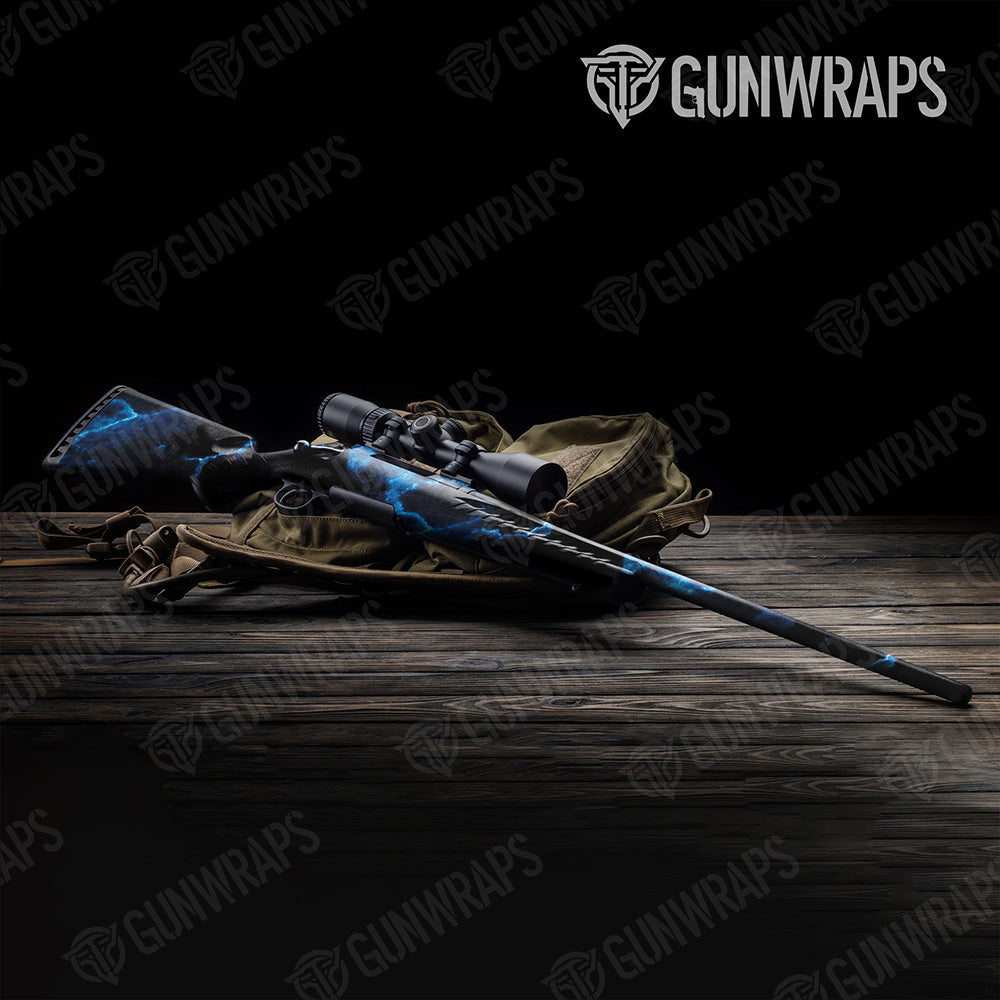
- Rifle wraps for compatible hunting, sporting, and bolt-action rifles
- AR-15 magazine and mag well wraps for smaller accents or a coordinated rifle setup


These are vinyl wrap kits—not a firearm-wrapping service. The firearm, magazines, ammunition, and installation tools are not included unless the individual product page specifically states otherwise.
Most GunWraps Customers Wrap Their Firearms Themselves
GunWraps kits are primarily made for DIY installation. You do not need to ship your firearm away or leave it with a refinishing shop. Instead, you select the appropriate kit and pattern, then fit the vinyl to your firearm’s suitable exterior surfaces.

The kits use universal, trim-to-fit pieces rather than rigid, model-specific panels. Firearms can vary by manufacturer, model, configuration, accessories, and aftermarket components, so positioning and trimming may be necessary. The extra material gives you room to test placement, work around different contours, and make adjustments during installation. It does not guarantee identical coverage on every firearm.
Before beginning, completely unload the firearm, remove all ammunition from the work area, and follow the firearm manufacturer’s safety and disassembly instructions. Do not cover or interfere with the trigger, controls, sights, openings, moving components, safety markings, serial number, or any surface required for safe operation.
Choose the Right Gun Wrap Kit
| Wrap type | Designed for | What to consider | Current starting price |
| Handgun wrap | Compatible pistols and revolvers | Slide, frame, grip shape, controls, texture, and firearm size can affect final fit. | Most standard wraps currently start at $29. |
| AR-15 wrap | Compatible AR-style rifles | Receivers, handguards, stocks, grips, magazines, and accessories vary widely. | Standard AR-15 kits currently start at $59. |
| Rifle wrap | Compatible hunting, sporting, and bolt-action rifles | Stock, receiver, foregrip, barrel, and accessory configurations affect placement and coverage. | Standard rifle kits currently start at $59. |
| AR-15 mag or mag well wrap | A compatible magazine, exterior mag well, or both | Select Mag, Mag Well, or Mag & Mag Well where offered. Magazine and receiver shapes vary. | Options currently start at $10. |
Prices can change, and specialty materials, finishes, patterns, or coverage selections may cost more. Check the selected product page for the current price and included coverage before ordering.
Tools for Wrapping a Gun at Home
Good preparation and controlled application make a noticeable difference, especially around contours, edges, and recessed areas. The following tools can help with a DIY installation:
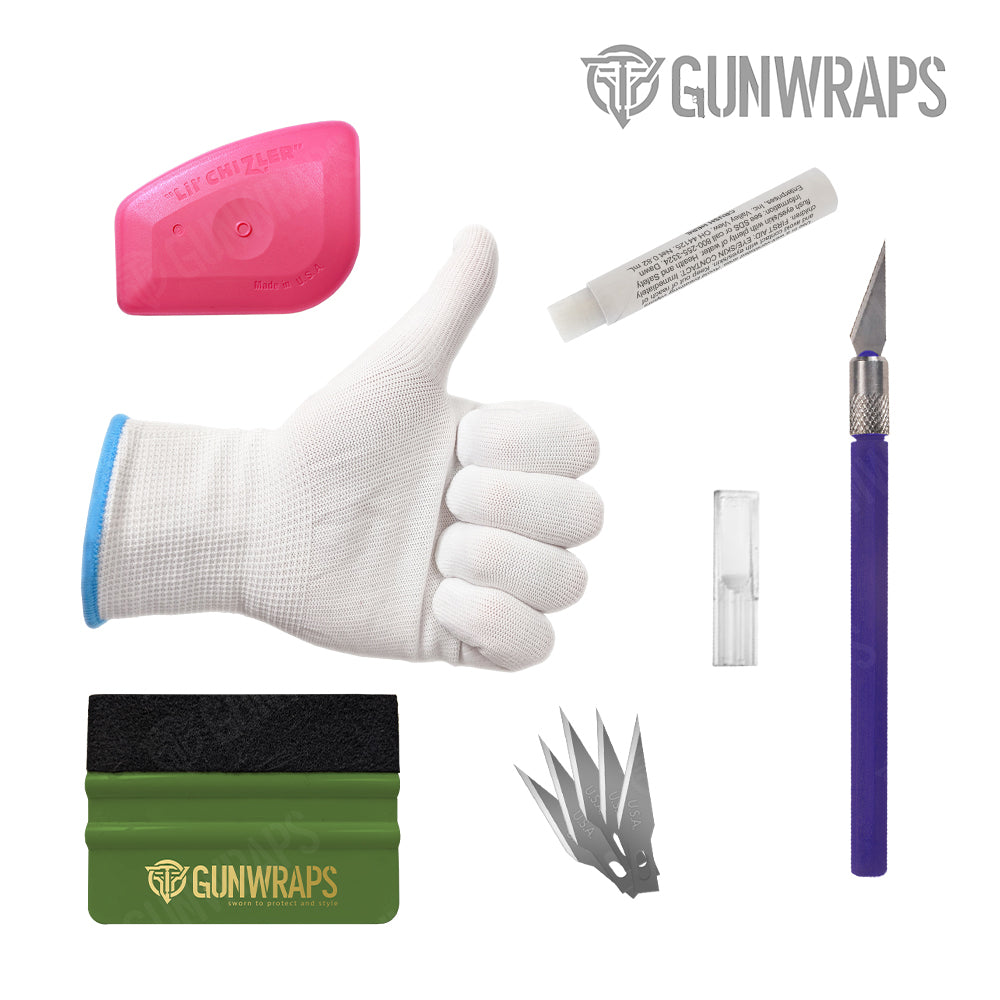
- Gun Wrap Application Kit: includes a Lil Chizler, wrap glove, squeegee, hobby knife with replacement blades, and a Pro Bond adhesive promoter pen.
- Lil Chizler: helps press vinyl into narrow edges, seams, and detailed areas.
- Vinyl Squeegee: applies firm, even pressure while smoothing the vinyl.
- Metro Restyling Inferno Heat Gun: provides controlled heat to help the vinyl conform. Keep the heat moving and avoid overheating the vinyl or firearm components.
- Precision Cut Hobby Knife: use fresh blades for cleaner trimming. Cut carefully so the blade does not damage the firearm’s finish or functional components.

You can also compare all GunWraps installation tools before beginning. Watch the complete tutorial for your wrap type first so you can see how the tools are used during positioning, heating, pressing, and trimming.
Gun Wrap Installation Tutorials
Choose the tutorial that most closely matches your firearm or component. These videos demonstrate the general GunWraps application process, but your exact configuration may require different positioning or trimming.
How to Install a Handgun Wrap
How to Install an AR-15 Wrap
How to Install an AR-15 Magazine Wrap
How to Install a Shotgun Wrap
How to Install an AK-47 Magazine Wrap
How to Install an AK-47 Wrap
How Long Does a DIY Gun Wrap Last?
With correct installation, upkeep, and care, a GunWraps vinyl wrap can last five years or longer. That is an estimate rather than a guarantee. Actual lifespan varies based on surface preparation, installation quality, firearm use, abrasion, cleaning products, storage, climate, and how often covered areas are handled.
Edges, textured surfaces, and high-contact areas may show wear sooner than broad, smooth surfaces. For a closer look at the factors that affect service life, read how long gun vinyl wraps last.
Can a Wrap Shop Wrap My Gun?
Some vehicle wrap and graphics shops may be willing to wrap a firearm, but firearm wrapping is different from wrapping a vehicle panel. Do not assume that every wrap installer accepts firearms or understands the safety and functional requirements involved.

Call or contact the shop before visiting. Ask:
- Have you installed vinyl on firearms before?
- Do you have a policy for accepting and handling unloaded firearms?
- Do you understand which controls, openings, markings, and moving parts must remain uncovered?
- Will you install a customer-supplied GunWraps kit?
- Can you provide examples of previous firearm-wrap installations?
- Are there local laws, transport rules, or shop requirements I need to follow?
Never arrive unannounced with a firearm. Confirm the shop’s instructions first and comply with all applicable laws regarding transportation, possession, transfer, and handling.
Can a Gunsmith Wrap My Firearm?
A local gunsmith is another possible place to ask. Gunsmiths already work with firearm components and safety procedures, but not every gunsmith installs vinyl. Ask whether they are proficient in wrapping firearms or can recommend a qualified local installer.

A gunsmith may be especially helpful if your project involves disassembly beyond what you can safely perform yourself. Vinyl installation skill still matters, so confirm that the gunsmith has experience applying and trimming wrap—not only repairing or refinishing firearms.
Vinyl Wrap vs. Hydro Dipping or Cerakote
A vinyl gun wrap is useful when you want a removable pattern and a DIY-friendly installation. Hydro dipping and Cerakote involve different application processes and are typically handled by a professional. A wrap can be replaced when you want a new design, but it is not the same as a permanent firearm coating and high-contact edges may eventually wear.
For a broader comparison of permanence, installation, customization, and maintenance, review hydro dipping vs. Cerakote vs. GunWraps.
Can You Wrap Other Types of Equipment?
GunWraps vinyl can also be used for selected accessories and compatible gear. For example, the guide to wrapping a paintball gun with GunWraps vinyl explains another DIY application. Always review the relevant product information and keep vinyl away from controls, vents, openings, moving parts, and other functional areas.
Frequently Asked Questions
Q: Where can I get my gun wrapped?
A: Most customers order a trim-to-fit kit from GunWraps and install it themselves. If you prefer professional installation, contact local wrap shops or gunsmiths and confirm their firearm-wrapping experience and safety procedures before visiting.
Q: Do I need a professional to install a GunWraps kit?
A: No. GunWraps kits are primarily designed for DIY installation and include application instructions. Proper cleaning, careful positioning, controlled heat, firm pressure, and precise trimming are important.
Q: Are GunWraps kits precut for one exact firearm model?
A: The kits contain universal, trim-to-fit pieces that can be adjusted for compatible firearm configurations. They are not rigid, model-specific panels, and final fit or coverage can vary.
Q: What tools do I need to wrap a gun?
A: Common tools include a Lil Chizler, vinyl squeegee, heat gun, precision hobby knife with fresh blades, and application accessories. The Gun Wrap Application Kit combines several of these tools in one package.
Q: How do I find someone who wraps guns professionally?
A: Contact local wrap shops and gunsmiths. Ask specifically about previous firearm-wrap work, safe firearm-handling procedures, customer-supplied kits, and which areas they keep clear during installation. Do not bring a firearm to a business without confirming its policy first.
Find the Right Wrap for Your Firearm
For most customers asking where to wrap a gun, the practical answer is at home with a GunWraps DIY kit. Start by choosing an AR-15 wrap, handgun wrap, rifle wrap, or AR-15 magazine wrap. Compare the available patterns and coverage options, gather the right tools, and watch the matching tutorial before beginning.


